Can You Really Have a Lush Indoor Garden and a Cat? (Yes, and Here’s How)
You shouldn't have to choose between a beautiful, green home and the safety of your favorite feline. Many indoor cats are natural explorers, which often leads them straight to your...

PurrScript Editorial Team
Editorial Team
Can You Really Have a Lush Indoor Garden and a Cat? (Yes, and Here’s How)
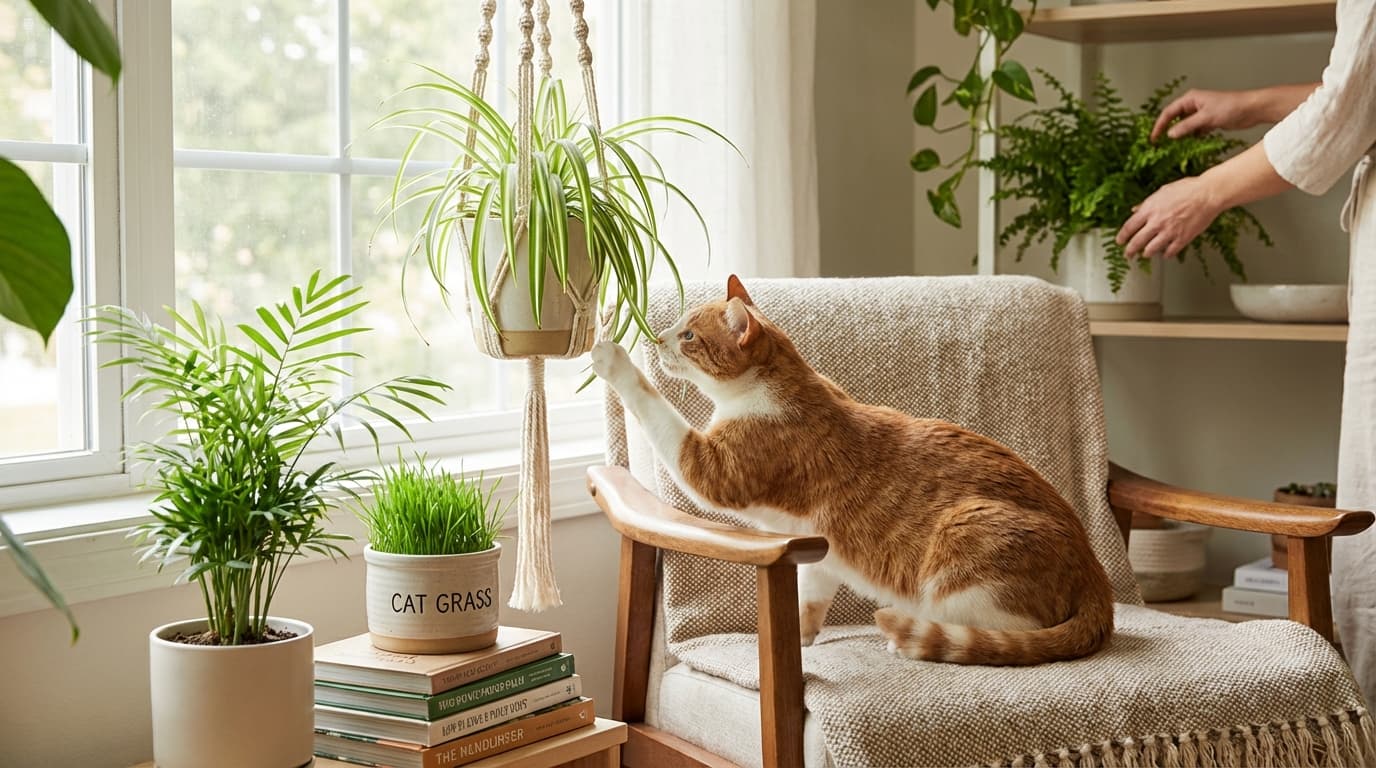
You shouldn't have to choose between a beautiful, green home and the safety of your favorite feline. Many indoor cats are natural explorers, which often leads them straight to your potting soil or dangling leaves. It is a common worry for pet parents, but creating a cat-proof indoor garden is actually easier than you might think if you know which species to pick.
In this guide, we will look at the best non-toxic plants for cats that are also incredibly hard to kill. We will explore why spider plants and cats are such a famous duo and how to use the ASPCA safe plant list to check every new nursery find. You will also learn the real difference between cat grass vs catnip so you can give your pet their very own snack station.
From using hanging plants for cat safety to picking the right succulents, we have you covered. Let's look at how to build a lush, vibrant space where both your greenery and your cat can thrive together without any stress.
Can You Really Have a Lush Indoor Garden and a Cat?
Do you feel like you have to choose between a lush living room and your cat's safety? It is a common struggle. You want a green home, but you are tired of checking every leaf against an emergency vet list. Here is the secret: cat-safe does not mean you are stuck with fake plastic ferns. You can have a thriving indoor garden and a healthy cat at the same time.
Consider the Zebra Plant. It stays small, reaching about eight inches, and is completely non-toxic to pets. If you want more height, a Parlor Palm can grow six feet tall indoors without being a threat. These are excellent alternatives to popular but dangerous choices like Aloe or Amaryllis, which the ASPCA lists as toxic. Choosing the right species means you can finally relax when your cat gets curious.
We are building a space where happy cats mean a happy home. By picking hardy, non-toxic varieties, you create a beautiful environment that survives both your busy schedule and your pet's natural curiosity.
Key insights:
- Non-toxic plants like the Zebra Plant and Parlor Palm offer variety in size without risking pet health.
- Identifying plants by their ASPCA status helps avoid common household toxins like Aloe.
- Creating a cat-proof garden focuses on resilient, low-maintenance species.
The 'Hard to Kill' All-Stars: Low-Maintenance Plants Your Cat Can Live With
Let’s be real: between work, social lives, and keeping the cat from knocking over the TV, plant care often falls to the bottom of the list. This is why so many of us are shifting toward drought-tolerant varieties that can handle a bit of neglect. You want that lush look without the constant stress of a wilting leaf or an emergency trip to the vet. The goal is simple: a space where "Happy Cats = Happy Home" actually feels true because your plants aren't making your pet sick, and your busy schedule isn't killing your greenery.
If you love the look of succulents but worry about your cat nibbling on a toxic Aloe vera, the Zebra Plant is a fantastic alternative. These hardy little guys, known scientifically as Haworthia fasciata, only reach about 8 inches in height. They are perfect for small side tables or desks where a cat might accidentally brush past. They actually thrive on being ignored occasionally, so if you forget to water them for a week or two, they won't hold a grudge. Most importantly, they are completely non-toxic to both cats and dogs.
For those who want to bring a bit of the tropics indoors, the Parlor Palm is a safe and dramatic choice. While it can reach a massive 16 feet in the wild, it typically tops out at about 6 feet as a houseplant. This makes it a great floor plant that fills empty corners with safe, feathery fronds. It is a champion for apartment living because it prefers low to medium light. Since cats often can't resist batting at those long leaves, it is a huge relief to know this palm is 100% feline-friendly.
You can also have a pop of color without the anxiety. While many common flowers like lilies or amaryllis are strictly off-limits, African Violets are a totally safe way to brighten a room. These plants stay compact, usually growing to about 9 inches wide and tall, so they fit perfectly on a windowsill. They provide beautiful blooms without the toxicity found in other seasonal plants. Just give them a little indirect light and consistent moisture, and they will keep your home looking vibrant and your curious cat perfectly safe.
Key insights:
- Busy pet owners are increasingly choosing 'hard to kill' plants that survive irregular watering schedules.
- The Zebra Plant offers a safe, non-toxic alternative for owners who like the look of succulents like Aloe.
- Parlor Palms provide vertical height and tropical style without posing a risk to cats who like to play with leaves.
- African Violets are one of the few compact flowering plants that are completely safe to keep around pets year-round.
The Zebra Plant: The Small but Mighty Succulent
If you are short on space but still want that lush greenery, let us talk about the Zebra Plant. Formally known as Haworthia fasciata, this little guy only reaches about 8 inches tall when it is fully grown. It is basically the perfect roommate for your side table or desk. The best part? It is completely non-toxic to both cats and dogs. So, if your curious feline decides to give it a sniff or a tiny bat with a paw, you do not have to worry about a midnight trip to the vet.
This succulent is a total win for anyone who might forget their watering schedule every now and then. It thrives on a bit of neglect and loves bright spots. Think of it as a hardy little survivor that adds texture without the stress. As the folks at Planet Desert say, happy cats make for a happy home, and keeping safe plants is the easiest way to get there. It is small, stylish, and totally cat-proof.
Key insights:
- The Zebra Plant stays compact at 8 inches, making it ideal for small apartments.
- It is safe for both cats and dogs, offering peace of mind for pet owners.
- Its drought-tolerant nature is perfect for busy owners who occasionally forget to water.
Parlor Palms: Bringing the Tropics Home Safely
Ever feel like your living room needs a tropical makeover, but you are worried your cat will treat a new plant like a snack? Enter the Parlor Palm, or Chamaedorea elegans. This plant is a classic for a reason. It can reach a dramatic six feet tall indoors, giving you those vacation vibes without the danger. While it grows much taller in the wild, it stays perfectly manageable in a cozy corner of your home.
The best part? It is completely non-toxic. If your cat decides to bat at those feathery fronds or take a curious nibble, you will not need to panic. Unlike toxic plants like Aloe or Amaryllis, the Parlor Palm is officially safe according to the ASPCA. It also handles low light like a champ, making it ideal for apartments. It is a resilient, hardy choice for anyone who wants a lush look without the constant worry.
Key insights:
- Reaches up to 6 feet tall for a bold indoor look.
- Safe for cats who love to play with dangling leaves.
- Thrives in lower light, making it perfect for smaller apartments.
African Violets: A Pop of Color That’s Totally Safe
Ever feel like your home is a sea of green because you’re terrified of bringing in a toxic bouquet? We get it. While lilies and amaryllis are famous for being dangerous to our feline friends, you don't have to settle for a color-free life. Enter the African Violet. These little gems are on the ASPCA safe plant list and provide a splash of purple or pink without the stress.
The best part? They’re incredibly space-efficient. A mature plant stays around 9 inches tall and 9 inches wide, so they tuck into almost any corner. Think of them as the low-profile roommates of the plant world. To keep them happy, just find a bright windowsill with indirect light. They love sun but hate getting their leaves wet, so water them from the bottom. It’s a simple trade-off for a safe, blooming home.
Key insights:
- African Violets offer a compact, non-toxic alternative to dangerous flowering plants like lilies and amaryllis.
- At a mature size of 9x9 inches, these plants fit perfectly on narrow windowsills without crowding your cat.
- Bottom-watering is the secret to keeping these cat-safe blooms healthy and vibrant year-round.
Spider Plants and Cats: The Obsession Explained
Ever notice your cat staring at your spider plant like it is the greatest thing since tuna? It is not just because the long, bouncy leaves look like a bunch of strings. There is actually a bit of biology behind the obsession. Spider plants contain chemical compounds that are mildly hallucinogenic to felines. It is basically a low-key version of catnip. When they take a nibble, they might act a little silly or space out for a bit. This matters because your cat is not just being a jerk when they attack your greenery; they are actually feeling a little buzz.
While the ASPCA confirms these plants are non-toxic, that does not mean you should let your cat treat the pot like an all-you-can-eat buffet. Eating too much of any greenery can lead to an upset stomach or vomiting. If you want to let them interact safely, try clipping off a few small leaves to give them as a controlled treat. This keeps the main plant looking lush while satisfying their curiosity. The reality is that most cats will eventually try to destroy a spider plant if it is left on a low table, so protection is key.
This is where vertical gardening becomes your best friend. Hanging your plants is the simplest way to keep those tempting leaves away from curious paws. But wait, you have to be smart about it. A heavy ceramic pot needs a sturdy macrame hanger or a ceiling hook that can actually hold the weight. You do not want a gravity experiment happening in your living room. Using vertical space allows you to keep the high-value plants out of the strike zone while still enjoying the indoor jungle look.
Also, keep an eye on those trailing vines. While a long, draping plant looks beautiful, it can quickly become a climbing hazard for a bored kitty. Keep the ends trimmed high enough that they are not brushing against furniture. If you are looking for other safe options that do not dangle as much, consider the Zebra Plant. It stays small, reaching about 8 inches tall, and is completely safe for both cats and dogs. You could also add African Violets to your shelves since they only grow about 9 inches wide and are pet-friendly.
Creating a safe home is about more than just picking the right plants. For example, the Parlor Palm can grow up to 6 feet tall as a houseplant, providing a big green presence that is still safe. On the other hand, you must avoid things like Aloe or Amaryllis, which are toxic to cats. As the team at Planet Desert says, Happy Cats = Happy Home. By mixing hardy, non-toxic varieties and keeping them out of reach, you can have a lush indoor garden without the constant stress.
Key insights:
- Cats are naturally drawn to spider plants due to a mild hallucinogenic effect similar to catnip.
- Using vertical space and sturdy hangers prevents cats from eating plants or causing heavy pots to fall.
- Non-toxic alternatives like the Zebra Plant and Parlor Palm provide variety without the toxicity risks of Aloe or Amaryllis.
- Trailing vines should be trimmed away from furniture to prevent cats from using them as climbing ladders.
Hanging Plants: The Secret to Cat-Proofing Your Greenery
Ever feel like your living room is a buffet for your cat? It is a common struggle for pet owners. One of the smartest ways to keep your greens safe is to simply stop playing on their level. By using vertical space, you turn tempting leaves into distant scenery. Think of it this way: if they cannot reach it, they cannot eat it.
For heavier favorites like a Parlor Palm, you will need more than a flimsy plastic hook. Invest in sturdy macramé hangers or wall-mounted brackets that can actually handle the weight of wet soil. But wait, there is a catch. Long, trailing vines can quickly become a feline ladder. If a vine hangs too low, your cat might see it as a climbing rope rather than a decoration.
The reality is that cat-proofing is about clever design. You want that Happy Cats = Happy Home vibe where your Zebra Plant stays at its full eight-inch height without any bite marks. It is also worth checking the ASPCA safe list for scientific names just to be sure. After all, a safe indoor garden is one that stays out of paw's reach.
Key insights:
- Vertical gardening prevents cats from reaching and nibbling on leaves.
- Heavy plants require reinforced wall brackets or high-quality macramé.
- Trailing vines must be trimmed high to avoid becoming a climbing hazard.
- Always cross-reference plants with the ASPCA list for scientific identification.
Cat Grass vs. Catnip: Which One Should You Grow?
Ever wonder why your cat goes crazy for one plant but just nibbles on another? It is the difference between a Friday night party and a healthy Sunday brunch. Catnip is basically the feline equivalent of a disco. It triggers a chemical reaction that leaves most cats rolling around in bliss. On the other hand, cat grass is the nutritional snack they actually need. It is usually made from cereal grasses like wheat or oat. This provides fiber to help with digestion and those dreaded hairballs.
You do not need a huge backyard to start your own indoor cat garden. A small, shallow tray and some organic seeds are all it takes to get started. Many pet owners prefer these because they are hard to kill and thrive in simple indoor setups. While you are at it, you can mix in other safe options like the Zebra Plant, which stays a compact eight inches tall, or African Violets. These offer variety without taking up your whole living room.
Growing a mix of grasses gives your cat options. Wheatgrass is sweet and soft, while oat grass is a bit heartier. Just keep in mind that safety is the top priority. The ASPCA warns that common favorites like Aloe and Amaryllis are actually dangerous for cats. Stick to proven winners like the Parlor Palm, which can grow up to six feet tall indoors. Creating a safe space means your cat stays happy and your home stays beautiful.
Key insights:
- Cat grass provides essential fiber for digestion while catnip offers a temporary behavioral high.
- Low-maintenance plants like the Zebra Plant and Parlor Palm are ideal for busy cat owners.
- Always cross-reference new houseplants with the ASPCA toxic plant list to ensure feline safety.
Hidden Dangers: The Plants to Keep Far Away from Your Feline
You have probably seen Aloe vera sitting on a kitchen windowsill, ready to soothe a burn. It is a classic health plant, but for your cat, it is a different story. The ASPCA actually lists both Aloe and Amaryllis as toxic to felines. It is a bit of a shock because we think of these as natural or festive, especially when Amaryllis pops up during the holidays. But natural does not always mean safe. Before you bring any new greenery home, checking the ASPCA safe plant list is the only way to be sure you are not accidentally inviting a hazard into your living room.
Here is the tricky part: common names are often a trap. You might find a plant labeled Zebra Plant, and while the Haworthia fasciata version is a cat-safe succulent that stays around 8 inches tall, other plants with similar names might not be so friendly. This is why scientific names are the gold standard for pet owners. If you rely on what is written on a plastic garden stake, you might miss the fact that a plant belongs to the Araceae family. This group is often problematic for pets, and knowing the family name can save you from a stressful trip to the vet.
Think of the ASPCA database as your secret weapon at the nursery. Instead of guessing based on a pretty leaf, just pull up the site on your phone and search for the specific scientific name. It takes ten seconds but prevents a lifetime of worry. It is about creating a space where you can enjoy a lush indoor garden without constantly hovering over your cat. After all, as the team at Planet Desert says, Happy Cats = Happy Home. When you know exactly what you are bringing into your house, you can focus on the joy of gardening rather than the fear of a toxic snack.
Key insights:
- Common plant names can be misleading; always verify the scientific name to ensure safety.
- Aloe Vera and Amaryllis are common household plants that are surprisingly toxic to cats.
- The Araceae plant family is a frequent offender that pet owners should learn to recognize and avoid.
Why Scientific Names Matter (Thanks, ASPCA)
Ever bought a plant because the tag looked cute, only to find out it has five different names? Common names are a mess and can lead to dangerous mistakes. This is why scientific names are the gold standard for cat owners. A Zebra Plant, or Haworthia fasciata, is a safe bet that stays about 8 inches tall. But if you accidentally grab an Aloe or Amaryllis, you are bringing home plants the ASPCA lists as toxic.
Here is a pro tip: keep the ASPCA database open on your phone while you shop. Before you head to the register, check the scientific name on the tag. You should also watch out for specific family groups like Araceae, which are often problematic for pets. It might feel like a chore, but it is the only way to be 100% sure your new greenery is actually safe.
A little research now saves a lot of stress later. You can still have big, beautiful plants like the Parlor Palm, which grows up to 6 feet tall indoors and is totally safe. As the saying goes, happy cats mean a happy home. Using the right names ensures your indoor jungle stays a safe haven for your furry friends.
Key insights:
- Scientific names eliminate the confusion caused by regional common names.
- Identifying the Araceae family helps you spot potential toxins at a glance.
- Using the ASPCA database in real-time at the nursery is the most reliable safety check.
Beyond the Leaves: Creating a Truly Safe Home Environment
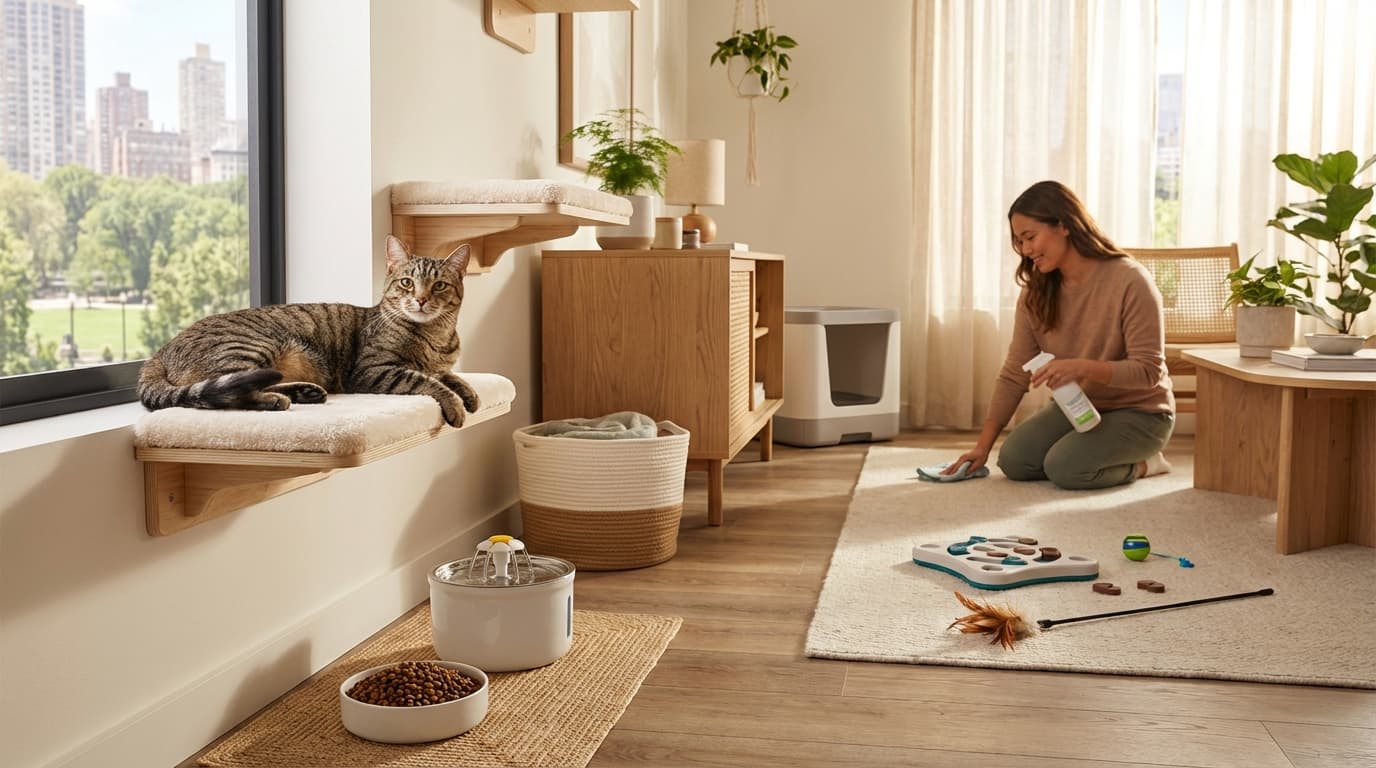
You have picked out the perfect non-toxic greenery, but is your living room actually safe? Designing a cat-friendly home goes way beyond just swapping an Aloe vera plant, which the ASPCA notes is toxic, for a friendly Zebra Plant. Think of it this way. A plant that only reaches about 8 inches tall is easy to tuck away, but the small objects sitting next to it on the shelf are just as tempting for a curious paw.
We often forget that everyday items like paper clips, twist ties, and plastic bags are basically magnets for cats. If they can chew it, they probably will. This is why a truly safe green home also needs to look at what is under the sink. Using cat-safe cleaning supplies is just as vital as choosing a Parlor Palm over a toxic Amaryllis. Why go to the trouble of finding a palm that grows 6 feet tall if the floor cleaner you use is full of harsh chemicals?
It really comes down to a simple idea. Happy Cats equals a Happy Home. Owners are moving toward a more holistic style of pet-safe design these days. It is not just about avoiding hardy plants that might be dangerous. It is about looking at the whole room. Whether you are growing 9-inch African violets or drought-tolerant succulents, keep the area clear of small hazards. It makes life easier for you and a lot safer for them.
Key insights:
- Safety is holistic and includes managing small household items like twist ties and plastic bags.
- Cleaning supplies must be cat-safe to ensure a truly non-toxic indoor environment.
- Pet owners are increasingly looking for low-maintenance, drought-tolerant plants that are also feline-friendly.
Final Thoughts: Finding the Balance
Can you really have a lush living room without worrying about your cat? Absolutely. It is all about making smart choices. Choosing a Zebra Plant, which stays a compact eight inches tall and is non-toxic, is a much better move than risking it with an Aloe vera. Since Aloe is on the ASPCA toxic list, it just isn't worth the stress.
Here is the thing: you do not need a whole nursery at once. Start small with one or two resilient plants like African violets. They only grow about nine inches wide, making them perfect for a windowsill. If you want more height, a Parlor Palm can reach six feet indoors and is totally safe for your feline friend.
But remember, a safe home goes beyond the soil. As the saying goes, "Happy Cats = Happy Home." By mixing hardy plants with a bit of common sense, you will create a space where everyone thrives. It is about finding that perfect balance between your love for greenery and your love for your pet.
Key insights:
- Start with small, resilient varieties like African violets to build confidence.
- Always check the ASPCA list because common plants like Aloe and Amaryllis are dangerous to cats.
- Create a safe environment by also removing small hazards like paper clips and plastic bags.
Frequently Asked Questions
Yes, spider plants are officially on the non-toxic list, so you don't need to worry about a trip to the vet if your cat decides to snack on one. But here is the thing: these plants actually have a mild hallucinogenic effect on felines, almost like a light version of catnip. If your cat eats the entire plant, they might act a little strange or end up with an upset stomach just from eating too much greenery.
To keep your plant alive and your cat from getting a leafy buzz, try putting your spider plants in hanging baskets. It keeps those tempting, dangling leaves out of reach while still looking great. As the saying goes at Planet Desert, happy cats make for a happy home, so keeping the plant out of their main 'snack zone' is usually the best move.
If you want a plant that is hard to kill and safe for your cat, the Zebra Plant (Haworthia fasciata) is your best friend. It only grows to about 8 inches tall and is completely non-toxic to both cats and dogs. It is perfect for busy owners because it can handle being forgotten for a bit without wilting away.
Another great option is the Parlor Palm. While it can grow quite tall over time, it is famously resilient and safe for pets. Just be careful not to confuse drought-tolerant with all succulents. For example, Aloe vera is often a go-to for low-water gardens, but it is actually toxic to cats. Stick with the Haworthia varieties or hardy palms to keep things safe and simple.
If you find a beautiful plant without a label, the best thing you can do is use a plant identification app or check the ASPCA safe plant list. Since common names can be confusing, looking up the scientific nomenclature is the only way to be totally sure. For example, while a Zebra Plant is perfectly safe, something like Aloe vera or Amaryllis is actually toxic to cats.
Here is the thing: if you can't identify it with 100% certainty, it is best to keep it out of reach. You might try putting it in a high hanging basket or a room where your cat does not go. It is always better to play it safe when you aren't sure what you're bringing into your home.
It can be frustrating when your cat ignores their own grass to munch on your favorite Parlor Palm, but it is usually just down to curiosity or boredom. Cats love different textures, and a crinkly leaf or a dangling stem looks a lot like a toy to them. Sometimes they just enjoy the crunch of a fresh leaf regardless of what else is available to eat.
To keep your plants safe, you can try moving them to harder-to-reach spots or using hanging planters. Also, remember that a safe home goes beyond just plants. Keeping things like plastic bags or twist ties put away helps too. Like the saying goes, happy cats equal a happy home, so giving them plenty of other things to play with usually does the trick.
Conclusion
So, where does this leave your dream of a living room jungle? It turns out you really can have those trailing vines and leafy corners without constantly worrying about your furry roommate. By choosing non-toxic plants for cats, like the ever-popular spider plants or sturdy parlor palms, you create a space that looks great and stays safe. It is all about shifting from a keep away mindset to a grow together one where your cat has their own cat grass while your prize violets stay tucked away in hanging plants for cat safety.
Before you head to the nursery, take a quick peek at the ASPCA safe plant list to double-check your wishlist. Your next move might be as simple as swapping one risky lily for a cat-friendly succulent or setting up a small grazing station with some fresh catnip. Creating a cat-proof indoor garden does not have to be a stressful project. It is just about making smarter choices for your specific space so everyone stays healthy.
Building a green home is not just about avoiding toxins, it is about creating a place where everyone, on two legs or four, feels relaxed and happy. Happy planting, and may your leaves stay green and your cat stay curious.
Send it to someone who should read it next.

PurrScript Editorial Team
Editorial Team
PurrScript's in-house editorial team. We research, write, and review every guide using established veterinary and behavioral resources, and update articles as best practices evolve.
View all articles