Back to articles
Indoor Cats

Why Your Indoor Cat Acts Like a Zoo Animal (And How to Fix It)

Did you know that your living room lion is technically a captive animal? It sounds a bit dramatic, but experts say that without enough to do, indoor cats can start...

Mia Torres

Mia Torres

Cat Lifestyle Writer

May 5, 20265 min read2,107 views
Why Your Indoor Cat Acts Like a Zoo Animal (And How to Fix It)

Why Your Indoor Cat Acts Like a Zoo Animal (And How to Fix It)

Did you know that your living room lion is technically a captive animal? It sounds a bit dramatic, but experts say that without enough to do, indoor cats can start to feel the same stress and boredom as animals in a zoo. This often leads to issues like anxiety, over-grooming, or random bursts of aggression that leave you wondering what went wrong.

The good news is that you can fix this by making a few small shifts in your daily routine. We are going to look at how to give your cat a better life, from starting a hypoallergenic grooming routine to using scent-based mental stimulation to keep their brain sharp. We also cover the basics, like how to clean and sanitize indoor cat litter mats without using harsh chemicals that irritate sensitive paws.

This article explores everything from indoor cat hydration tips for dry climates to the psychological benefits of premium wool felt cat cave beds. You will learn how to mimic the hunt during mealtime and create a space where your cat feels safe and entertained. Let’s get started on turning your home into a true feline sanctuary.

The 'Captive' Reality: Why Your Cat Needs More Than a Window

Think about your cat's daily routine. They eat, they sleep, and they might spend a few hours watching a bird through the glass. It sounds like a peaceful life, but for a natural-born hunter, it can actually be a bit of a prison. Dr. Meghan Herron, a veterinary behaviorist, points out that indoor cats are essentially captives. Just like animals in a professional zoo, their health and welfare depend entirely on the environment we build for them. If that environment is too quiet or predictable, things start to go wrong. A window is a nice start, but it is not a substitute for a life filled with movement and choice.

This is where the concept of the five systems of environmental enrichment comes in. It is a framework used by experts to make sure a cat's physical and mental needs are met through their surroundings. Without these outlets, simple boredom quickly turns into deep-seated behavioral issues. You might see your cat getting aggressive or starting to groom themselves until they have bald spots. It is not just your cat being difficult. It is often a sign of stress from a lack of stimulation. When they have nothing to hunt or explore, they turn that energy inward or toward your furniture.

We also have to talk about the physical side of this stationary lifestyle. Because indoor cats move less, they pack on weight incredibly easily. Here is a scary thought: just two extra pounds above a cat's ideal weight can trigger serious medical problems. For a small animal, that is a massive percentage of their body mass. The goal, as the Cat Care Center suggests, is to create an environment of plenty. This means giving them enough room, enough resources, and enough challenges to keep their bodies moving. Think of it as a health insurance policy that they actually enjoy.

What does this mean for you as an owner? It means we have to stop looking at our homes as just a house and start seeing it as a habitat. When we fail to provide these outlets, we are not just dealing with a bored pet. We are dealing with a captive animal that has no way to express its natural instincts. Fixing this does not require a total home renovation, but it does require a shift in how we think about their space. It is about adding layers to their world so they can be the hunters they were born to be.

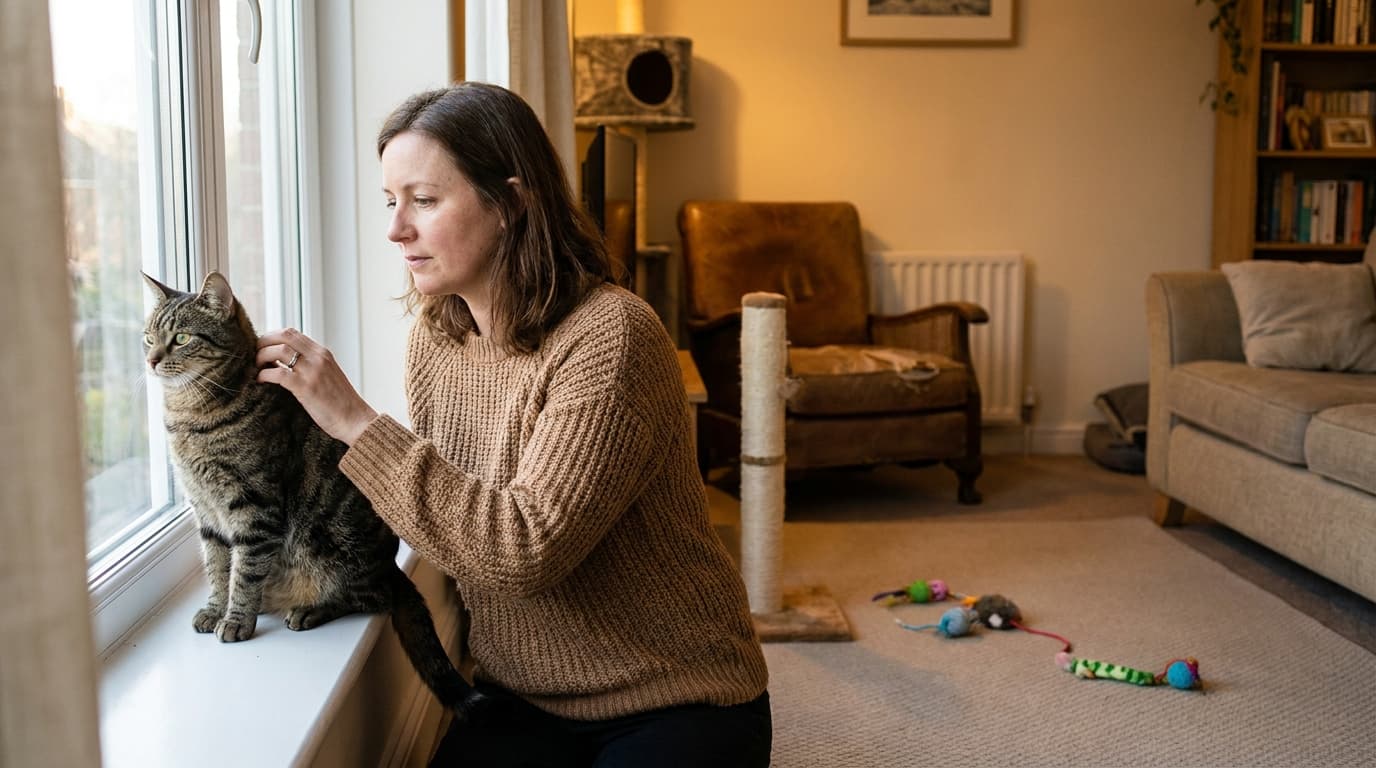
If you only look at your floor space, you are missing half of your cat's world. Cats are vertical creatures by nature. In the wild, being up high meant safety from predators and a great view of their next meal. In your living room, a tall cat tree or a sturdy wall perch serves that same psychological purpose. It is their safe place to go when the house gets too loud or when they just need a break from the dog. It gives them a sense of control over their environment that they just cannot get on the carpet.

Surveying their kingdom from a high vantage point gives them a huge boost in confidence. It lets them monitor the entire room without feeling vulnerable. When a cat has plenty of high-up options, you will notice they seem more relaxed and less likely to bolt under the sofa when the doorbell rings. It is about giving them back their natural perspective and letting them escape stress on their own terms. A cat with a view is a cat that feels in charge of its own life.

While some cats want to be high up, every cat needs a place to disappear entirely. This is where premium wool felt cat caves come into play. Unlike synthetic fabrics or hard plastic, natural wool has a scent and texture that cats instinctively trust. It provides a superior sense of security because it feels like a cozy, organic burrow rather than a man-made box. The material is breathable but warm, making it the perfect retreat for a long afternoon nap away from the world.

For a cat that struggles with anxiety, having a private hidey-hole is essential for their mental health. These caves act as a sensory buffer, muffling the sounds of a busy household and trapping their own body heat. It is a simple way to give your cat a dedicated spot to hide when they feel overwhelmed. Natural materials just make them feel more grounded and safe. When they have a secure place to retreat, they are actually more likely to be brave and social during the rest of the day.

Key insights:

  • Indoor cats function as captive animals and require structured environmental outlets to prevent stress-related illnesses.
  • Vertical space is as critical as horizontal space for feline psychological well-being.
  • Natural materials like wool provide a superior sense of security and help manage anxiety in indoor pets.
  • Weight management is a critical health factor, as even two pounds of excess weight can be dangerous.

Vertical Vibes: Why Cats Love the High Life

Have you ever wondered why your cat treats the top of the refrigerator like a five-star throne? It is not just about being nosy. For an indoor cat, your home is their entire world, but without the right setup, they can start feeling like a captive in a zoo. Dr. Meghan E. Herron points out that an indoor cat’s welfare is tied directly to their environment. When they are stuck on the floor, they can feel vulnerable or trapped, which often leads to stress-related habits like overgrooming, anxiety, or even aggression.

This is where vertical space saves the day. Think of a tall cat tree or a window perch as a psychological safety valve. Getting up high allows your cat to survey their kingdom and keep an eye on the household from a safe distance. It is their go-to spot to escape a loud vacuum or a pushy dog. You might even place premium wool felt cat cave beds on high shelves to give them a cozy, elevated retreat. By encouraging them to climb, you help them feel in control of their space again, turning a static room into a dynamic habitat.

Key insights:

  • Vertical territory reduces feline stress by providing a 'safe place' away from floor-level chaos.
  • Surveying the room from above satisfies a cat's natural predatory and protective instincts.
  • Elevated hiding spots, like wool felt caves on shelves, offer both security and warmth.

The Magic of Premium Wool Felt Cat Caves

Your cat might look comfy on the sofa, but living indoors can sometimes feel like being a tiger in a glass box. Since indoor cats are essentially captives in our homes, they are much more prone to anxiety and stress-related behaviors like overgrooming. This is why a private hideaway isn't just a luxury. It is a vital tool for their mental health.

Enter the wool felt cat cave. These snug little pods tap into a cat's primal need for a hidey-hole where they can watch the world without being seen. Why wool? Natural materials carry a scent and texture that synthetic beds simply cannot match, offering a deeper sense of security. It creates a cozy micro-environment that helps anxious cats decompress when the house gets too loud.

Think of it as a personal safe room. By adding one to your home, you are checking off a major box for environmental enrichment. It is a simple and stylish way to turn a busy living room into a manageable, low-stress territory for your favorite feline.

Key insights:

  • Natural wool provides a familiar, organic scent that synthetic materials lack.
  • Private enclosures help reduce the risk of behavioral issues caused by indoor stress.
  • Hidey-holes serve as a critical 'safe zone' for cats to survey their environment.

Scent and Seek: Giving Your Kitten a Mental Workout

Ever notice your kitten staring at a blank wall or suddenly zooming across the room for no reason? It is easy to forget that our cozy living rooms are actually tiny, predictable boxes for a creature built to hunt. Experts like Dr. Meghan Herron point out that indoor cats are essentially captive animals, much like those in a zoo. Without a way to use their brains, they often spiral into anxiety or start overgrooming just to cope with the boredom. This matters because a stagnant environment is the quickest path to behavioral issues.

To fix this, we need to lean into their nose. Scent-based mental stimulation for indoor kittens is a game-changer because it mimics the complex outdoor world. Think about the last time you saw your cat scratch the sofa. They are not just sharpening claws; they are leaving chemical messages. You can actually use this instinct to your advantage with pheromone products like Feliscratch. By mimicking the scent glands in their paws, these products guide them toward the scratching post instead of your favorite chair. It is a simple way to satisfy their natural urges without sacrificing your decor.

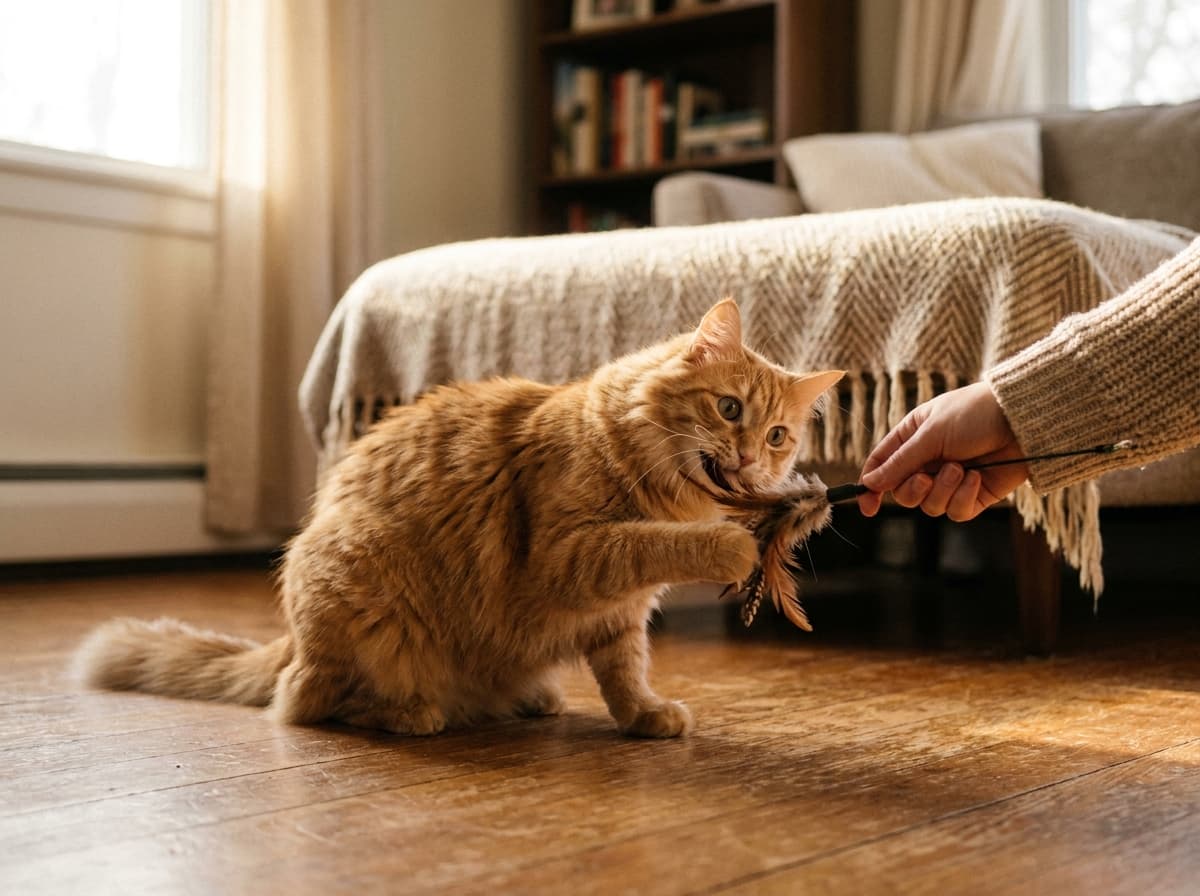
But the real magic happens at mealtime. Most of us just dump kibble into a big bowl and walk away, but that is a missed opportunity for a mental workout. Instead of one big meal, try dividing their food into small, hidden portions around the house. This encourages foraging behavior, which is exactly how they would survive in the wild. Using food puzzles makes them work for their calories, turning a boring lunch into an interactive game that keeps their predatory instincts sharp.

Why go through the trouble? Because even as little as two pounds above their ideal weight can put a cat at risk for serious medical issues. By making them hunt for their dinner, you are keeping their weight in check and their minds busy. It turns their environment from a static space into an environment of plenty. When you provide enough food, water, and things to do, your cat stops acting like a frustrated captive and starts acting like the happy hunter they were born to be.

Key insights:

  • Indoor cats function as captive animals and require structured outlets to prevent stress-related illnesses like compulsive grooming.
  • Pheromone therapy can redirect destructive scratching by mimicking the natural chemical messages cats leave with their paws.
  • Replacing standard bowls with food puzzles reduces mental stagnation by forcing kittens to solve problems for their meals.

Dividing the Hunt: A New Way to Feed

Think about how we usually feed cats. We dump kibble in a bowl and walk away. But cats are tiny tigers. Dr. Meghan E Herron notes that indoor cats are basically like zoo animals. Without a job to do, they get bored and stressed. This monotony is a major cause of anxiety and overgrooming.

Try hiding small portions of food around your home instead of using one big bowl. This forces your cat to forage. It turns mealtime into a game that mimics a real hunt. This simple change keeps their brains sharp and their bodies moving. What does this mean for you? A much happier and more relaxed pet.

The reality is that even two pounds of extra weight can cause serious medical problems for a cat. Making them hunt for kibble keeps them fit. It stops mental stagnation and fulfills their natural instincts. It is an easy way to turn a captive environment into a playground.

The Clean Routine: Sanitizing Mats and Managing the Box

If you have ever watched your cat pace around their litter area, you might be seeing a captive animal trying to find a clean spot in a small cage. It sounds a bit intense, but experts often compare indoor cats to zoo animals because their world is limited to our four walls. To help them feel more at home, you have to follow the golden rule of litter: the N+1 formula. This means if you have one cat, you need two boxes. If you have two, you need three. It helps prevent the kind of stress and resource guarding that leads to messy accidents on your rug or furniture.

Space is the next big factor. Most standard boxes are actually way too small for an adult cat to use comfortably. You want a box that is about one and a half times the length of your cat, not counting their tail. This gives them plenty of room to do their business and bury it without feeling cramped or exposed. Of course, more digging means more tracking, so you will want to pair those boxes with good mats. To keep things hygienic, shake the mats out daily and give them a deep sanitize once a week to catch the tiny particles that vacuuming misses.

When it comes to the weekly deep clean, keep it simple. You might be tempted to reach for the bleach or heavy disinfectants, but your cat’s nose is much more sensitive than yours. Harsh chemicals can actually drive a cat away from their box because the scent is so overwhelming. Stick with mild dish soap and warm water. It cleans the plastic effectively without leaving behind a chemical danger signal that might stress your pet out and cause them to look for a different place to go.

This routine is also a great chance to look at the bigger picture of your cat's health. Many owners are now using smart tech like Petivity to track weight and bathroom habits automatically. Why does this matter? Well, even as little as two pounds of extra weight can put an indoor cat at risk for serious health problems. Using these tools helps you spot changes in their behavior or weight long before they show outward signs of being sick. It is a smart way to turn a basic chore into a proactive health check that keeps your indoor hunter fit and happy.

Key insights:

  • The N+1 rule is the simplest way to reduce feline anxiety and litter box tension in multi-cat homes.
  • A box that is 1.5x your cat's length prevents them from feeling trapped during vulnerable moments.
  • Mild dish soap is safer and more effective than harsh chemicals for maintaining a cat-friendly environment.
  • Smart litter box monitors can detect health issues related to weight and elimination before they become emergencies.

The Weekly Deep Clean

Think of the litter box as your cat’s most private spot. If it smells like a chemistry lab, they will likely avoid it. While we might think bleach equals clean, a cat’s sensitive nose strongly disagrees. Once a week, you should dump the litter and scrub the box with mild dish soap. It cuts through grime without leaving behind stinging artificial scents that can stress your pet out.

This weekly reset is also a great time to check the data. Many owners now use smart tech like Petivity to track habits we usually miss. These tools monitor weight and bathroom patterns, which is important since as little as two extra pounds can put a cat at risk for serious illness. It turns a basic chore into a proactive health check.

Finally, take a second to clean and sanitize indoor cat litter mats. Keeping the whole area fresh reduces anxiety and keeps your indoor hunter happy and comfortable.

Key insights:

  • Mild dish soap is safer and less stressful for cats than ammonia-based cleaners.
  • Smart litter technology helps detect health issues like weight gain before they become emergencies.
  • Maintaining a clean environment directly reduces the risk of stress-related behavioral problems.

Spa Day: Hypoallergenic Grooming and Hydration Hacks

Think of your cat's grooming routine as more than just a chore. It is actually a way to manage the stress of being a captive in a house. Since indoor cats can develop compulsive behaviors like overgrooming when they feel anxious or bored, a calm spa day helps reset their system. You should look for products that work with their biology instead of against it. Advanced enzymatic oatmeal shampoos are a lifesaver for itchy skin because they are pH balanced. They soothe irritation without stripping away the natural oils that keep a coat shiny and healthy.

The secret to a low-stress routine is all about the environment. If your cat feels like a zoo animal on display, they will probably bolt for the nearest hiding spot. Instead, keep things quiet and move slowly. You want to create an environment of plenty where they feel safe and cared for. Using pheromone products that mimic natural scent glands can also help them feel like the grooming area is a secure spot rather than a trap. This turns a messy task into a genuine bonding moment.

Hydration is another big piece of the puzzle, especially if you live in a dry climate. Many indoor cats view standing water as a no-go zone because their instincts tell them that still water might be unsafe. In a home with low humidity, your cat needs even more moisture to stay healthy, but a standard bowl often just sits there untouched. This matters because even a small amount of dehydration or weight gain can lead to serious medical conditions over time.

To get them drinking more, try moving the water bowl away from their food. Cats naturally prefer to keep their water source separate from where they eat. You can also try using a fountain to provide the moving water they crave or add a few ice cubes to a shallow dish to create interesting ripples. These simple hacks encourage them to drink more often and help prevent the mental stagnation that comes from a boring environment. It is a small change that makes a huge difference for their comfort.

Key insights:

  • Enzymatic oatmeal shampoos protect the skin barrier while relieving itchiness.
  • Moving water sources away from food bowls mimics natural feline hunting instincts.
  • Low-stress grooming routines help prevent compulsive behaviors like excessive licking.
  • Hydration is critical in dry climates to support metabolism and prevent weight-related health issues.

Hydration Tips for Dry Climates

Ever wonder why your cat ignores a fresh bowl of water but tries to sip from a leaky faucet? In dry climates, keeping your pet hydrated is a constant battle. The reality is that many indoor cats view standing water as a no-go zone. Their instincts tell them that still water might be stagnant or unsafe, much like their ancestors in the wild. When the air in your home is thin and dry, this pickiness can quickly lead to dehydration.

To solve this, try creating an environment of plenty by scattering water stations throughout the house. A circulating fountain is a total game-changer because the movement mimics a fresh stream, which is much more appealing to a skeptical cat. You can also sneak in extra moisture by adding a splash of water or low-sodium broth to their wet food. It is one of the easiest safe indoor cat hydration tips for dry climates to start using today.

Think of your cat as a tiny captive in a low-humidity world. By offering different types of watering holes - like ceramic bowls, stainless steel fountains, or even a glass on a side table - you give them the variety they need to feel secure. A little creativity goes a long way in keeping their kidneys healthy and their stress levels low.

Key insights:

  • Cats naturally prefer moving water over standing water due to survival instincts.
  • Adding moisture directly to wet food is an effective way to bypass water bowl pickiness.
  • Multiple water stations throughout the home reduce the stress of searching for resources.

Frequently Asked Questions

How many litter boxes do I really need for two cats?

For two cats, you actually need three litter boxes. The golden rule is always one for every cat you have, plus one extra for the household. It might seem like a lot of plastic, but it really helps prevent bathroom standoffs and keeps your home smelling much better.

Size matters too. Each box should be about one and a half times the length of your cat so they have plenty of room to turn around. Just remember to scoop them every day and give the whole thing a good wash with mild soap once a week.

Why does my indoor cat keep over-grooming their belly?

It usually comes down to stress or boredom. Because indoor cats live in a controlled space, they can sometimes feel like captive zoo animals. When they do not have enough to do, they might turn to over-grooming their belly as a way to soothe themselves or pass the time.

You can help by adding more fun stuff to their day. Things like cat trees for climbing or food puzzles that mimic hunting can make a huge difference. If they have more mental outlets, they will likely feel less anxious and stop licking so much.

Are wool felt cat caves better than synthetic beds?

You will find that wool felt cat caves are often a much better choice than synthetic beds for a few simple reasons. Wool is a natural material that breathes well, so your cat stays warm in the winter but does not overheat when it is hot outside. It is also naturally antimicrobial and resists odors better than polyester fabrics.

One of the biggest perks is how wool holds a cat's own scent. This makes the cave feel like a very safe and familiar home base for them. Synthetic beds can sometimes have a chemical smell that might actually stress your cat out. Also, wool is naturally tough and keeps its shape, providing that private hideaway cats crave to lower their anxiety and feel secure.

How often should I sanitize my cat's litter mat?

It is a good idea to sanitize your cat's litter mat at least once a week. You are probably already shaking it out or vacuuming it daily to get rid of loose litter, but a weekly wash with mild soap and water is what really kills the germs and deep-seated odors.

Think of it as part of your regular hygiene routine. If your cat happens to miss the box or has an accident, you should definitely sanitize the mat right away to prevent bacteria from spreading. Keeping the mat fresh helps keep your home smelling clean and makes the litter area more inviting for your cat. Since indoor cats are so sensitive to smells, a clean environment helps them stay happy and stress-free.

Conclusion

When we look at our living rooms through a cat's eyes, it is easy to see how a lack of variety leads to boredom. Turning your home into a space that respects their wild roots does not have to be a massive project. By mixing in a hypoallergenic grooming routine for indoor cats with scent-based mental stimulation for indoor kittens, you give your pets a way to engage their brains. It is about creating a lifestyle where they can hunt, hide, and stay healthy.

The real secret is in the details that keep their space fresh. When you learn how to clean and sanitize indoor cat litter mats or use safe indoor cat hydration tips for dry climates, you remove the small stressors that build up over time. Adding the benefits of premium wool felt cat cave beds gives them the security they crave. These small changes add up to a much more relaxed environment for everyone.

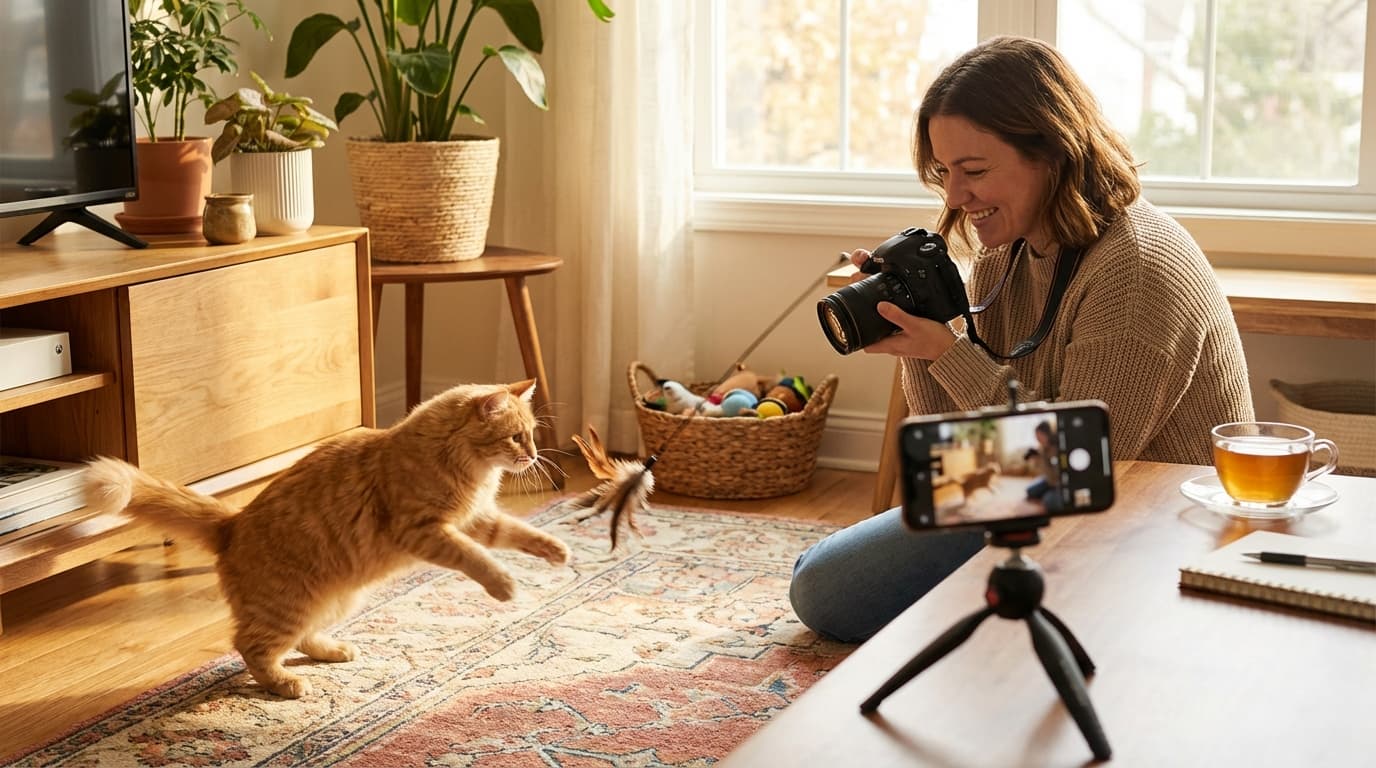
Your next move could be as simple as hiding a few treats for a scavenger hunt today. Your cat might still act like a tiny tiger sometimes, but with the right setup, they will be a much more satisfied one. A bored cat is a zoo animal, but an enriched cat is a family member who is truly at home.

Article content image
Share this article

Send it to someone who should read it next.
About the author

Mia Torres

Mia Torres

Cat Lifestyle Writer

Cat mom of four and writer covering the joys, quirks, and everyday adventures of living with cats.

View all articles