Why Your Indoor Cat Needs More Than Just a Couch (And How to Give It to Them)
Did you know your indoor cats can live up to three times longer than their outdoor cousins? It is a huge win for their safety, but a life spent entirely...

Mia Torres
Cat Lifestyle Writer
Why Your Indoor Cat Needs More Than Just a Couch (And How to Give It to Them)
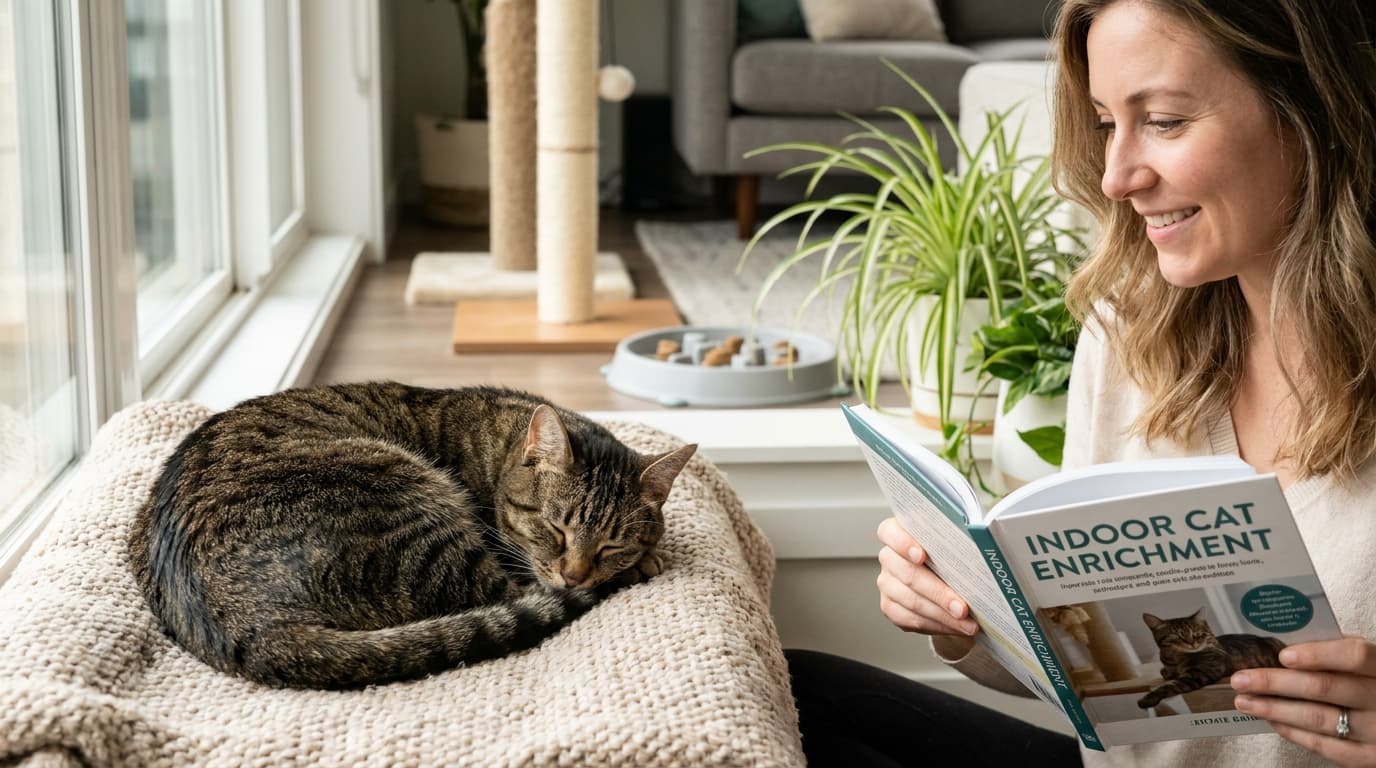
Did you know your indoor cats can live up to three times longer than their outdoor cousins? It is a huge win for their safety, but a life spent entirely inside can get a bit boring if they are just lounging on the couch all day. While staying safe is great, our feline friends still have wild instincts that need an outlet so they do not turn into frustrated door-dashers.
If you are struggling with a kitty that tries to bolt every time you leave, we have you covered. We will look at how to prevent indoor cat door dashing using simple sensory tricks and why transitioning an outdoor cat to living indoors full time is easier than you think. From finding the best fiber rich dry food for indoor cats to picking the safest indoor plants for cats that love to chew, there are plenty of ways to turn your home into a feline paradise.
We are also sharing tips for creating a calming environment for indoor cats in loud apartments so your pet feels safe and secure. You are about to learn how to keep your cat healthy, active, and perfectly happy with the indoor life.
Why the Indoor Life is a Win for Your Cat
Did you know that keeping your cat inside can actually triple their lifespan? It sounds like a bold claim, but the data is clear: indoor cats live about three times longer than those left to roam. Dr. Annie King DVM notes that the world outside is full of cars and predators that just aren't worth the risk. Still, safety shouldn't mean a boring life.
The real challenge is that indoor cats face higher obesity rates because they often swap hunting for napping. Transitioning an outdoor cat to living indoors full time means we have to bring the adventure inside. We’re going to show you how to do just that.
We'll cover strategies to prevent indoor cat door dashing using things like citrus sprays, and how to pick the best fiber rich dry food for indoor cats to keep them trim. Plus, we’ll look at the safest indoor plants for cats that love to chew, ensuring your home is both fun and secure.
Key insights:
- Indoor cats live on average three times longer than outdoor roamers.
- Safety shouldn't mean boredom; enrichment is key to preventing obesity and stress.
- Simple household items like aluminum foil or citrus can stop door-dashing behavior.
The Great Escape: How to Stop Your Cat From Door-Dashing
Have you ever felt like your cat is a tiny, furry ninja waiting for the exact second you crack the front door? It is a stressful game of reflexes that many owners face every single day. While the world outside looks like a giant playground to a bored feline, the stakes for their safety are incredibly high. Dr. Annie King, a DVM, points out that it is much safer and healthier to keep your cat indoors to avoid dangers like cars, toxins, and predators. In fact, indoor-only cats live on average three times longer than those allowed to roam. But since you cannot explain life expectancy to a cat, you have to get creative with their environment instead.
One of the most effective ways to guard the exit is by using tactile aversion, which is just a fancy way of saying 'make the floor feel weird.' This is where aluminum foil becomes your best friend. Cats are very picky about the textures under their paws, and the crinkly, metallic sensation of foil is a major turn-off for them. By strategically placing sheets of foil on the floor right in front of the door, you create a sensory boundary. They will likely take one step, dislike the feeling, and decide that the hallway is much more comfortable than the 'crinkly zone' by the exit.
If you do not want foil all over your entryway, you can use their powerful noses to set a boundary. Most cats find the smell of citrus totally repulsive, even though it smells fresh and clean to us. You can use cat-safe citrus sprays around the doorframe or on a small mat near the entrance. It acts like an invisible 'keep out' sign. The trick is to refresh the scent every few days so the barrier stays strong. This helps prevent them from hanging around the door in the first place, reducing the chance of a sudden dash when you are carrying groceries.
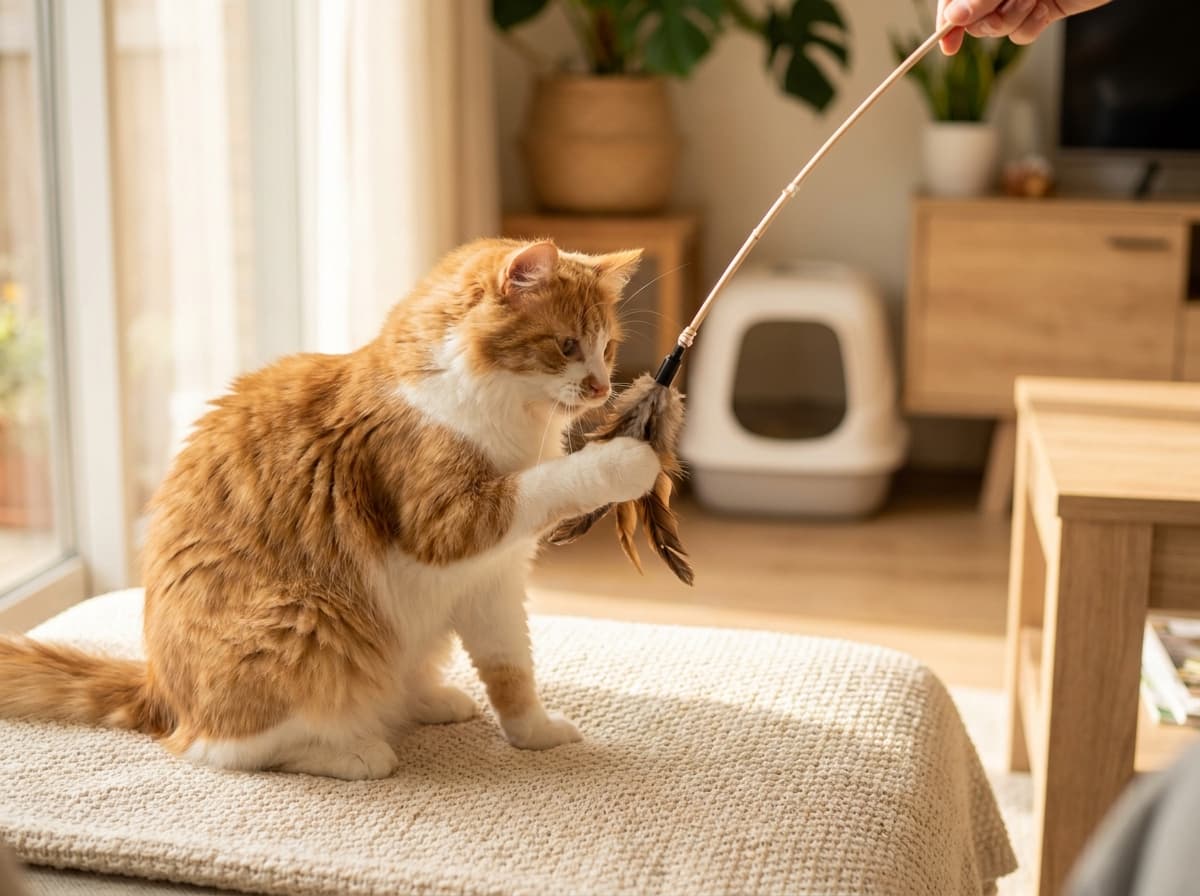
For the cats that are still determined to follow you out, try the 'treat toss' method. This is a simple distraction technique where you throw a piece of kibble or a favorite toy deep into the house right as you are about to leave. While they are busy chasing their 'prey,' you can slip out the door unnoticed. It shifts their focus from the exit to a rewarding activity inside. This matters because many cats dash simply because they are bored or looking for a thrill. When you combine these tricks with about 15 minutes of active play twice a day, you burn off that restless energy and make the indoor life feel much more satisfying.
Think of it this way: a cat that is mentally stimulated and physically tired is far less likely to risk an escape. By using these sensory tricks and redirecting their hunting instincts, you turn the front door back into a boring wall rather than an escape hatch. What does this mean for you? It means fewer heart-stopping moments at the entryway and a much safer, longer life for your cat.
Key insights:
- Indoor cats live significantly longer but face higher risks of obesity due to boredom, making environmental enrichment essential.
- Tactile deterrents like aluminum foil work because cats are highly sensitive to the textures beneath their paw pads.
- Citrus serves as a natural olfactory barrier that is pleasant for humans but effectively discourages cats from lingering near exits.
- The 'treat toss' method uses behavioral redirection to turn a high-stress exit into a positive, indoor-focused hunting game.
Tactile Aversion: Why Aluminum Foil is Your Best Friend
Ever had that heart-stopping moment where your cat tries to bolt the second the front door cracks open? It is called door-dashing, and it is a major stressor for pet parents. While we know indoor-only cats live on average three times longer than those allowed to roam, your kitty just sees a wide-open playground. To stop the sprint, you need to make the launch zone feel a bit less inviting.
This is where a simple roll of aluminum foil becomes your secret weapon. Cats are incredibly picky about what touches their sensitive paw pads, and the crinkly, cold texture of foil creates a natural tactile aversion. When they step on it, the sensation is weird and unpredictable. It is one of the easiest strategies to prevent indoor cat door dashing because it uses their own sensory preferences to set a boundary.
For the best results, lay a few sheets flat on the floor right in front of the entryway. You are not trying to carpet the whole house - just the specific spot where they usually wait to pounce. They will soon associate the door with that annoying crinkle and choose to hang out elsewhere. It is a cheap, harmless way to keep your explorer safe inside without having to play goalie every time you come home with groceries.
Key insights:
- Foil uses a cat's natural sensitivity to texture to create a harmless boundary.
- Strategic placement at 'pounce points' is more effective than covering large areas.
- Tactile deterrents help maintain the safety benefits of an indoor lifestyle.
Scent Barriers: Using Citrus to Say 'Keep Out'
Ever notice how your cat's nose wrinkles at the scent of an orange? While we find that zesty aroma refreshing, most cats find it offensive. You can use this to your advantage. Cat-safe citrus sprays act as an invisible keep out sign. They create a boundary that smells great to you but tells your cat to stay back. It is a simple way to stop door-dashing without using ugly barriers.
To keep your home looking nice, mist the floor mats instead of the furniture. You can even hide lemon peels in a decorative bowl near the entrance. It looks like decor but works as a functional deterrent. This matters because indoor cats live about three times longer than those who roam. By making the door unappealing, you are helping them stay safe and healthy for the long haul.
If your cat is stubborn, add a bit of aluminum foil to the floor. Cats hate the crinkly sensation on their paws. This combination turns the door into a boring zone, redirecting their curiosity back toward their indoor toys. It is all about making the inside more interesting than the exit.
Key insights:
- Citrus sprays provide an olfactory barrier that deters cats without ruining home aesthetics.
- Indoor-only cats live significantly longer, making door-dashing prevention a high health priority.
- Combining scent with tactile deterrents like aluminum foil creates a much more effective boundary.
Making the Move: Transitioning an Outdoor Cat to the Great Indoors
Making the switch from an outdoor lifestyle to an indoor one feels a bit like trying to convince a teenager to give up their car keys. It is a big adjustment, and you might feel a little guilty when you see your cat staring out the window with that 'longing for the wild' look. But consider this: indoor cats live on average three times longer than those left to roam. Dr. Annie King DVM puts it clearly, noting that it is much safer and healthier to keep your cat indoors because of the constant threats from cars, predators, and toxins. You are not taking away their life; you are protecting it.
Patience is your best friend during this move. You can't rush the process, or you will both end up stressed. The key is to replace the stimulation of the outdoors with structured activity inside. Try setting up a 15-minute play routine every morning and evening. This helps burn off that 'wild' energy and mimics the natural hunting cycles they would follow outside. Without this outlet, that energy usually turns into shredded furniture or middle-of-the-night zoomies. If you are living in a loud apartment, creating a calming environment with vertical space and quiet corners is also essential for helping them feel secure in their new territory.
One of the most frustrating parts of transitioning an outdoor cat to living indoors full time is the constant door-dashing. To stop them from treating every open door like an escape hatch, you have to make the entryway unappealing. Try placing some aluminum foil on the floor in front of the door. Cats hate the crinkly sensation on their paws and will likely back off. You can also use cat-safe citrus sprays around the door frame. Since cats have a strong dislike for citrus smells, they will be less likely to hang around the exit waiting for a chance to bolt.
If your cat is still looking for a bit of adventure, you do not have to keep them locked away completely. Catios and leash training offer a perfect middle ground. A catio is essentially a screened-in patio for felines, giving them all the fresh air and bird-watching opportunities they want without the danger of wandering off or getting into fights. It is a fantastic way to boost their mental health while keeping them behind a safety barrier. For many owners, this is the easiest way to satisfy a cat's curiosity while maintaining peace of mind.
For the truly bold cat, harness training can open up a whole new world. The trick is to start slow. Let them wear the harness inside for short bursts until they stop doing the 'frozen cat' walk. Once they are comfortable, you can start taking short trips to the backyard. This kind of controlled outdoor access provides the benefits of the outdoors without the safety risks. Plus, it helps combat the obesity that often hits indoor cats who spend too much time napping and not enough time moving. It is about letting them explore safely, not taking them for a three-mile hike.
At the end of the day, keeping your cat happy inside is about balance. You are swapping the unpredictable dangers of the street for a curated, interesting life. To keep them busy, you might even try growing a little indoor garden. Look for the safest indoor plants for cats that love to chew, like oat grass or catnip, to give them a taste of the outdoors. It might take a few weeks for the meowing at the door to stop, but once they realize the couch is warm and the food is guaranteed, they will settle into their new role as the king or queen of the house.
Key insights:
- Indoor-only cats live significantly longer lives by avoiding cars, toxins, and predators.
- Sensory deterrents like aluminum foil and citrus spray can effectively end door-dashing habits.
- A 15-minute morning and evening play routine is the most effective way to manage a former outdoor cat's energy.
- Harness training and catios provide a safe compromise for cats that still crave fresh air.
The Middle Ground: Catios and Leash Training
Ever feel a little guilty when your cat stares longingly out the window? We want them safe, but we also want them to have a bit of adventure. You do not have to choose between a bored indoor cat and the risks of the wild. Catios and leash training offer a perfect middle ground. Since indoor cats live about three times longer than those roaming free, keeping them contained is the best way to ensure a long and healthy life.
Think of a catio as a screened-in porch built just for your feline friend. It lets them feel the breeze and watch birds without the danger of cars, predators, or toxins. If you want to go a step further, try harness training. This is a slow process that starts right in your living room. Let your cat wear the harness for a few minutes at a time while you offer their favorite treats. Once they are relaxed, those short trips to the backyard become a safe and exciting highlight of their day.
This controlled access is a big win for their mental health. It gives them the sensory input they crave while keeping them tucked away from trouble. Whether you use a small window box or a slow stroll on a leash, you are giving your cat a much bigger world to explore without the big risks.
Key insights:
- Indoor cats live significantly longer but need extra help to stay active and curious.
- Catios provide a safe way for cats to enjoy the outdoors without the risk of roaming.
- Harness training must be a gradual indoor process before ever stepping outside.
The Fiber Factor: Managing Weight and Hairballs
Indoor cats are the ultimate homebodies, and while staying inside helps them live about three times longer than cats that roam outdoors, it comes with a sneaky side effect: the bulging belly. Without a territory to patrol or mice to chase, many cats end up bored and overfed. Free-feeding, or leaving a bowl of kibble out all day, is usually the biggest culprit. It is basically an all-you-can-eat buffet that never closes, which is why obesity is so common in house cats today. When a cat is bored, they eat, and when they eat too much without moving, they gain weight fast.
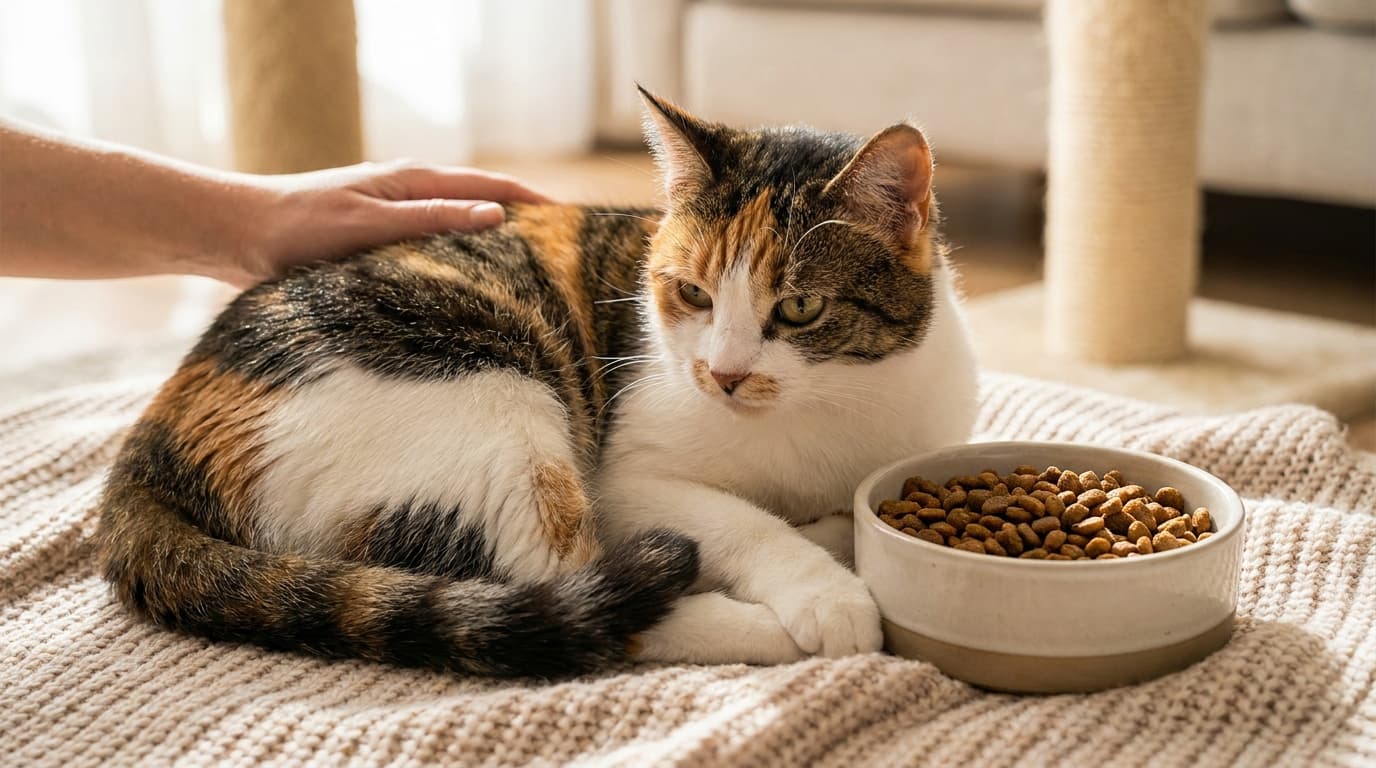
This is where choosing the best fiber rich dry food for indoor cats makes a massive difference. High-fiber diets are not just about weight control; they are a total game changer for digestion and those dreaded hairballs. Fiber helps move hair and food through the digestive tract smoothly, which is vital since indoor cats spend so much time grooming. But even the best food needs a plan. Switching to a strict twice-daily feeding schedule lets you monitor exactly how much they eat. It also makes it much easier to notice if their appetite drops, which is often the first sign that something is wrong with their health.
To really help your cat thrive, you have to think beyond the plastic bowl. In the wild, a cat would never just stumble upon a pile of food; they would have to work for it. You can mimic this natural hunting cycle by using puzzle feeders or treat balls. Instead of just dumping food in one spot, try hiding small piles of kibble around the living room or on different levels of a cat tree. It turns a boring meal into a scavenger hunt that keeps them moving and thinking.
If you are currently transitioning an outdoor cat to living indoors full time, they might feel restless with the lack of action. Tossing kibble across the floor for them to chase gives them that hit of dopamine they used to get from hunting. It burns off extra energy and prevents them from taking out their frustration on your furniture. You can also supplement their diet with safe indoor plants like wheat grass or oat grass. This provides the fresh fiber they would naturally seek out in the wild while keeping them safely away from the dangers of cars and predators outside.
Key insights:
- Scheduled feeding is better than free-feeding because it allows for calorie control and easier health monitoring.
- Fiber-rich diets assist in moving hair through the digestive system, significantly reducing hairball issues.
- Simulating a hunt through puzzle feeders and hidden food prevents boredom and destructive behaviors.
- Indoor cats live significantly longer, but they require active weight management to stay healthy.
Hunting for Dinner: Moving Beyond the Bowl
Think about your cat's daily routine. Most of them spend their lives waiting for a bowl to magically refill. It is a comfortable life, but it is also a bit of a trap. While indoor cats live about three times longer than those roaming outside, they also face a much higher risk of obesity. When food is always available and requires zero effort, their natural drive to hunt just stalls out. This boredom often leads to weight gain and even destructive habits like scratching your favorite chair.
You can change this dynamic by making them work for their calories. Instead of a standard bowl, try using puzzle feeders that require your cat to nudge, slide, or spin parts to get a snack. Another great trick is hiding small piles of kibble in different spots around the house. This forces them to move and explore, turning your living room into a hunting ground. It keeps their minds sharp and their bodies active without needing a lot of extra space.
This shift toward a hunting-based feeding system does more than just burn calories. It satisfies a deep biological need. When cats simulate the natural cycle of stalking and catching prey, they are much less likely to act out or spray. Try to pair these feeding games with fifteen minutes of focused play in the morning and evening. It is a simple way to manage their energy and keep them from eyeing the front door every time you leave.
Key insights:
- Simulating hunting cycles reduces behavioral issues like furniture scratching.
- Indoor cats live longer but require active feeding strategies to avoid obesity.
- Puzzle feeders and hidden food spots keep cats mentally engaged and physically moving.
Bringing the Jungle Inside: Safe Plants and Greenery
Ever wonder why your cat treats your favorite spider plant like a salad bar? It isn't just because they want to be difficult. In the wild, cats eat grass to help their digestion and get rid of hairballs. Since indoor cats live about three times longer than those roaming outside, we want to keep them safe, but we also have to satisfy those deep-seated jungle urges. If they don't have a safe green space, they will find one, usually involving your expensive home decor.
You can easily build a little indoor oasis using the Big Six safe plants. Start with oat grass or wheat grass, which are basically cat magnets. Then add some catnip for the fun factor, and throw in rosemary, parsley, or mint. These aren't just safe. They actually provide the fiber your cat needs to keep their gut moving. This is important because indoor cats are more prone to obesity since they move less. A little bit of healthy grazing is a great, low-calorie way to keep them occupied.
Setting up this garden is about more than just putting pots on the floor. Try placing them in a sunny spot where your cat already likes to hang out. You could even use these plants as part of a hunting routine. Hide a few treats near the rosemary or toss a toy into the catnip patch. It helps bridge the gap between the safety of your living room and the excitement of the great outdoors. Plus, it smells a lot better than a litter box.
While you're at it, remember that greenery is just one piece of the puzzle. If your cat is still trying to bolt out the door to find real grass, try using simple tricks like aluminum foil or citrus sprays near the entryway. These small changes, combined with a 15-minute play session twice a day, make the indoor life feel like a luxury rather than a cage. Your cat gets the fiber they crave and the safety they deserve without the risks of roaming.
Key insights:
- Safe grazing provides essential fiber that aids in hairball passage and digestion.
- Indoor-only cats live significantly longer but need environmental enrichment to prevent boredom and obesity.
- Combining safe plants with play routines helps satisfy natural hunting instincts inside the home.
Finding Peace in a Loud Apartment
Living in a city apartment often means dealing with a constant soundtrack of sirens, slamming doors, and neighbors. While we can put on noise-canceling headphones, our cats are stuck with ears that are far more sensitive than ours. This constant noise can lead to a stressed-out pet who spends more time hiding under the bed than hanging out with you. The reality is that keeping your cat inside helps them live about three times longer than outdoor cats, but that extra life only counts if they actually feel relaxed in their own home.
One of the best ways to help a nervous cat reclaim their confidence is by looking up. Cats naturally feel safer when they can observe their kingdom from a height. This is where the rise of modular, aesthetic cat furniture comes in handy. You do not need a carpet-covered eyesore in the middle of your living room anymore. Sleek wall-mounted shelves and stylish climbing trees allow your cat to get above the noise while actually making your apartment look better. It satisfies that deep-seated hunting instinct to watch from above without taking up precious floor space.
To really tackle the noise issue, you need to build a dedicated Safe Zone. Think of this as a quiet retreat where the city sounds cannot easily reach. Placing hiding spots in high-traffic areas might seem backwards, but it gives your cat a quick exit if they feel overwhelmed by guests or a sudden vacuum cleaner. You can also use white noise machines or pheromone diffusers to mask those sharp outside sounds. It creates a consistent sensory environment that tells their brain they are safe.
The interesting part is that an enriched environment prevents more than just stress. Indoor cats are prone to obesity because of boredom and free-feeding, so mixing these quiet zones with active play is key. A quick fifteen minute session with a wand toy in the morning and evening can burn off that nervous energy. When they have a high perch to retreat to and a quiet spot to decompress, even the loudest apartment starts to feel like a sanctuary rather than a source of anxiety.
Key insights:
- Vertical space acts as a security blanket for cats in small or loud living environments.
- Modern cat furniture trends focus on blending feline behavioral needs with home interior design.
- White noise and pheromones provide a sensory barrier against stressful urban sounds.
- Routine play sessions are essential for managing the energy of cats living in confined spaces.
Creating a 'Safe Zone'
Living in a busy apartment is a lot for a cat. Between sirens outside and the vacuum inside, your pet might feel constantly on edge. Creating a calming environment for indoor cats in loud apartments is not just a nice gesture; it is about their mental health. If you could never escape the noise, you would be stressed too.
Start by setting up safe zones even in high-traffic spots. A simple box or a cat tree gives them a place to retreat when things get busy. To mask jarring city sounds, try white noise or pheromone diffusers. These create a consistent sensory backdrop that helps your cat feel secure even when the world outside is chaotic.
This is vital when transitioning an outdoor cat to living indoors full time. They are used to having space to hide, so indoor sanctuaries help them adjust without feeling trapped. Since indoor cats live three times longer than those roaming outside, making the inside feel safe is worth the effort. It is about giving them the peace they need to thrive.
Frequently Asked Questions
Conclusion
Bringing the outdoors in is not just about keeping your cat safe. It is about making their world feel big even when it is inside four walls. From finding ways to prevent indoor cat door dashing to picking the best fiber rich dry food for indoor cats, these small changes add up. When you create a calming environment, you are not just preventing boredom. You are giving them a life they truly love.
If you are transitioning an outdoor cat to living indoors full time, remember that patience is your best tool. They might cry for a bit, but they will eventually trade the street for a sunny catio or a high shelf. Your next move could be as simple as hiding some kibble or getting the safest indoor plants for cats to chew on.
The goal is a cat that is as happy as they are safe. A little extra effort today means a lot more purrs and a lot less stress for everyone. After all, a bored cat is a restless one, but an engaged cat is a best friend for life.
Send it to someone who should read it next.
About the author

Mia Torres
Cat Lifestyle Writer
Cat mom of four and writer covering the joys, quirks, and everyday adventures of living with cats.
View all articles