Happy Indoors: Better Food, Less Shedding, and Zero Counter Surfing
Did you know your cozy house cat actually burns about 20% to 30% fewer calories than their outdoor cousins? While staying inside keeps them safe, it also means Indoor Cats...

Oliver Chen
Cat Rescue Advocate
Happy Indoors: Better Food, Less Shedding, and Zero Counter Surfing
Did you know your cozy house cat actually burns about 20% to 30% fewer calories than their outdoor cousins? While staying inside keeps them safe, it also means Indoor Cats are more likely to pack on the pounds while lounging in a sunbeam. Keeping your feline friend happy takes a bit more than just a window seat and a bowl of kibble.
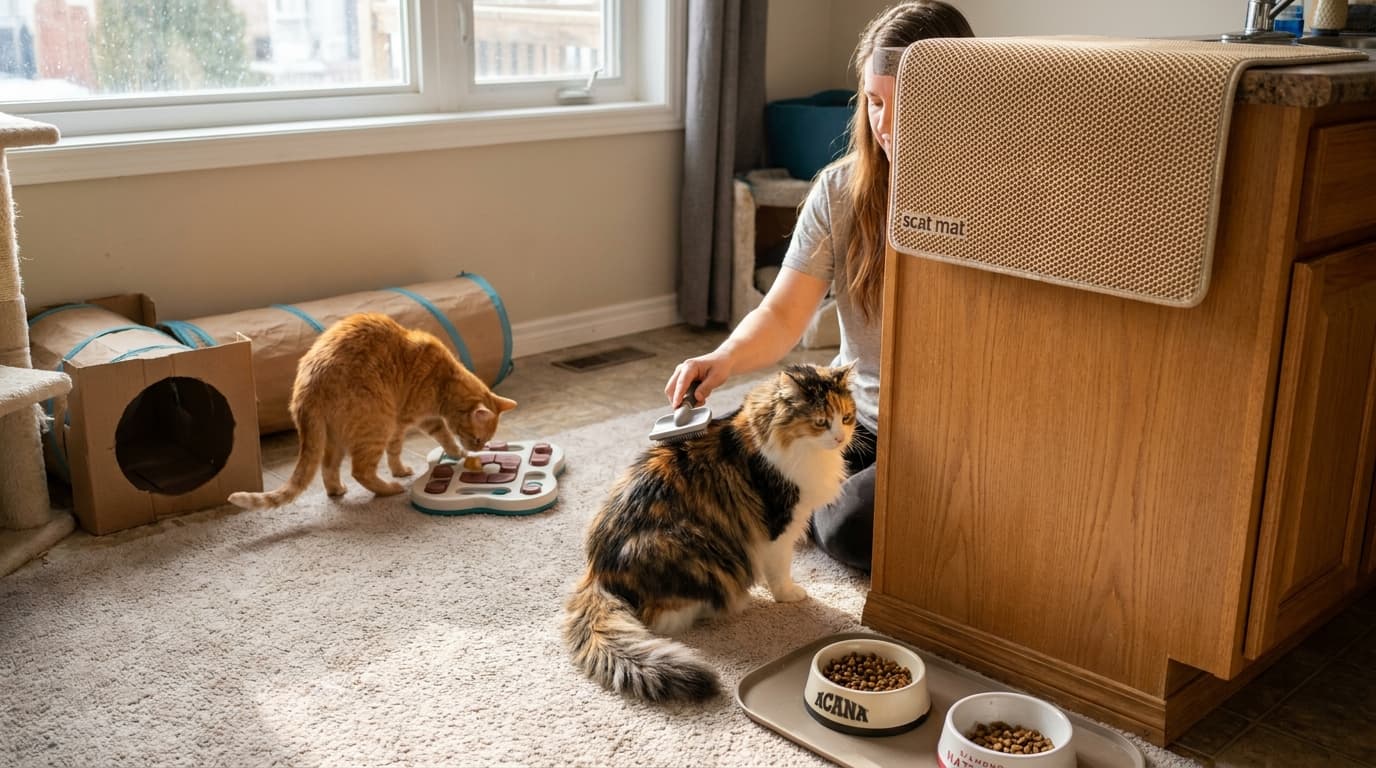
In this guide, we look at the acana indoor entree vs diamond naturals cat food comparison and find the best indoor cat deterrent mats for counter surfing. We also share the best grooming tools for long-haired indoor cats to reduce shedding so your couch stays fur-free. It is all about finding that perfect balance of nutrition, cleanliness, and mental play.
You will learn how to manage hairballs, find indoor cat enrichment ideas for senior felines, and even build a diy indoor cat agility course on a budget. Whether you have a picky eater or a counter-jumping explorer, these practical tips help your cat live a long and joyful life. Let's get started on making your home a feline paradise.
The Indoor Life: Why Your House Cat Needs a Little Extra Love
Ever watched your cat nap for hours and wondered how they stay fit? Usually, they do not. Staying inside keeps them safe from traffic and predators, but it also means they are not exactly hunting for their dinner. Recent findings show that indoor cats burn 20 to 30 percent fewer calories on average than outdoor cats. This makes standard food a bit of a weight trap because it is often too heavy for a life spent mostly on the sofa.
It is not just about the scale, though. Since our indoor friends spend so much time grooming, they deal with a lot more hairballs. You might notice they need specific fibers like miscanthus grass or oat groats to keep their digestion moving. Also, even if they are less active, they still need high animal protein to keep their muscles strong. Think of it as a high-quality diet for an athlete whose only sport is chasing a laser pointer.
So, what can you do to help? We are going to look at how to pick the right food, manage that constant shedding, and use smart play to keep their brains sharp. It is about making your home a place where they truly thrive rather than just exist.
Key insights:
- Indoor cats burn significantly fewer calories and require lower-calorie formulas to prevent obesity.
- High-protein diets are still essential for maintaining lean muscle mass despite lower activity levels.
- Specialized fibers help manage the increased hairball risks associated with indoor grooming habits.
Fueling the Indoor Hunter: Acana vs Diamond Naturals
Ever notice how your indoor cat spends half the day napping in a sunbeam and the other half staring at a bird through the window? It is a cozy life, but it comes with a metabolic price. Because they are not out hunting or patrolling large territories, indoor cats typically burn 20% to 30% fewer calories than their outdoor cousins. This makes picking the right food a bit of a balancing act. You want them to feel like the fierce hunters they are, but without the extra weight that leads to health issues. Sarah Mitchell from CatFoodAnalyst points out that standard food can quickly lead to obesity in these less active pets.
If you are looking at premium options, the Acana Indoor Entrée is a heavy hitter. It is packed with 65% animal ingredients and a solid 37% protein profile, designed to keep them satisfied while keeping the calorie count in check. On the other hand, Diamond Naturals offers a great alternative for the budget-conscious owner who still wants quality ingredients without the boutique price tag. It is all about finding that middle ground between high-end nutrition and what makes sense for your monthly budget. However, there is a corporate shift to keep in mind: Mars Petcare recently finalized the acquisition of Champion Petfoods, the maker of Acana. While production still happens in their specialized Kentucky and Alberta kitchens, many owners are watching closely to see if the recipes stay the same under new ownership.
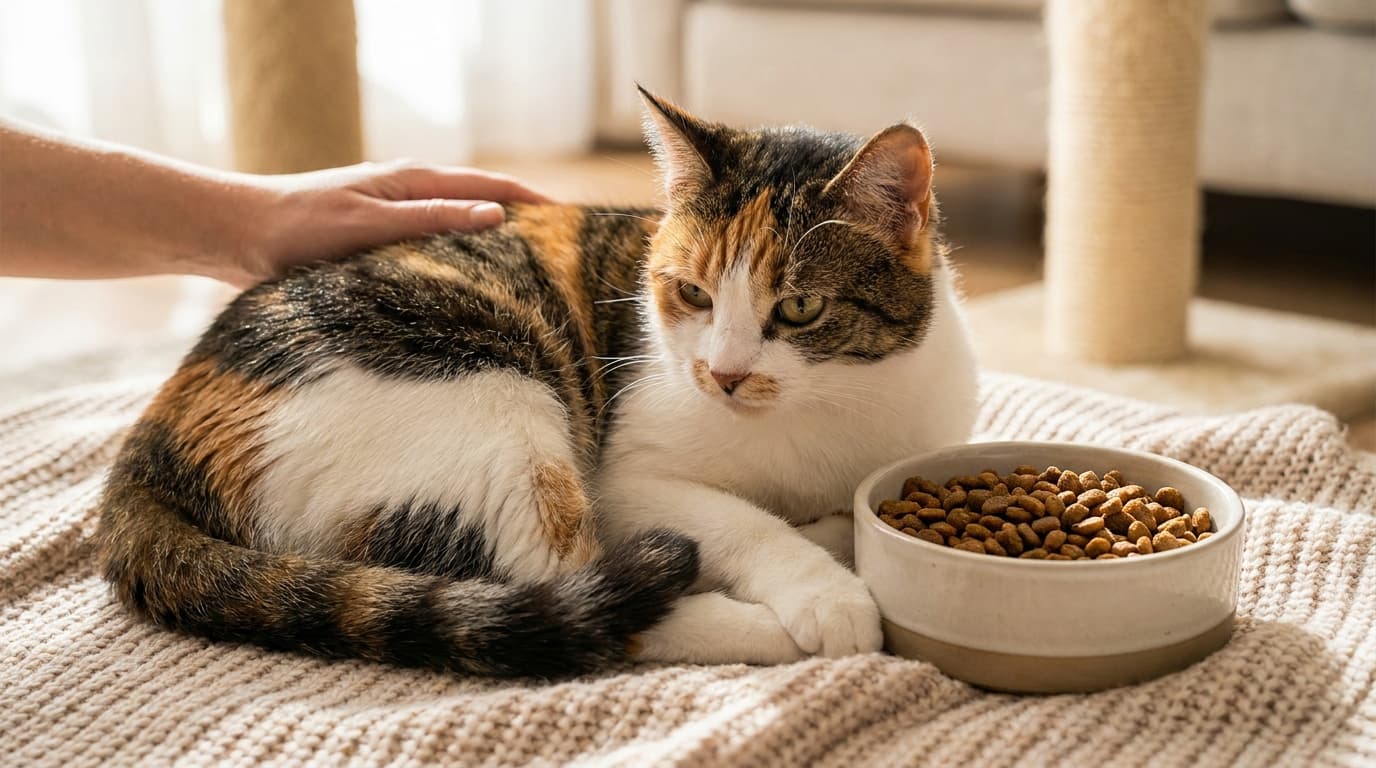
When we talk about protein, more is not always better if the calories are through the roof. Think of it this way: lean muscle mass is the goal, even for a lazy lounger. Take Nulo Freestyle, for instance. It boasts a massive 40% protein, which is great for muscle, but it also packs a high calorie density of 486 kcal per cup. Compare that to Wellness Complete Health at 32% protein and 360 calories. If you choose a calorie-dense brand like Nulo, strict portion control becomes your most important job. Feeding just a little too much can add up quickly when your cat's biggest workout is a trip to the litter box.
Then there is the hairball struggle. Indoor cats often groom more out of boredom or because they are in a climate-controlled home where they shed year-round. This is where fiber becomes your best friend. Modern foods are moving beyond basic fillers and using specialized functional fibers like miscanthus grass and oat groats to help things move through the digestive tract. Dr. Georgia Jeremiah notes that these specific ingredients in the Acana diet are great for aiding digestibility. If you are looking to move away from kibble entirely, the rise of human-grade fresh food like Raised Right is a huge trend. Their turkey recipe is over 60% protein on a dry matter basis, offering a moisture-rich way to manage both weight and digestion.
What does this mean for your cat's bowl? It means looking past the marketing and checking the numbers. Whether you go with a budget-friendly dry food or a high-end fresh topper, the key is matching the fuel to the lifestyle. An indoor hunter still needs the protein of a predator, but they need the calorie count of a house guest. By balancing high-quality animal proteins with the right fiber sources, you can keep your feline friend fit, fluffy, and free of those pesky hairballs.
Key insights:
- Indoor cats require 20-30% fewer calories than outdoor cats to avoid obesity.
- Acana Indoor Entrée provides 37% protein using 65% animal ingredients for high-quality nutrition.
- Nulo Freestyle has high protein (40%) but requires careful portioning due to its high calorie density (486 kcal/cup).
- Functional fibers like miscanthus grass and oat groats are essential for managing indoor cat hairballs.
- The 2024 acquisition of Champion Petfoods by Mars Petcare marks a major shift in the premium pet food market.
High Protein vs. Low Calorie: Finding the Sweet Spot
Ever watch your cat spend six hours straight napping and wonder if they really need that high performance kibble? It is a fair question. The reality is that indoor cats burn about 20% to 30% fewer calories than those roaming outside. But do not let the laziness fool you. They still need high-quality animal protein to maintain lean muscle mass, even if their biggest athletic feat is chasing a laser pointer for five minutes.
Finding the right balance often comes down to comparing the numbers. Take Nulo Freestyle Indoor, which boasts a solid 40% protein profile. It is great for muscle, but it also packs 486 calories into every cup. Compare that to Wellness Complete Health Indoor, which sits at 32% protein and a leaner 360 calories. Both are good options, but they require very different approaches at mealtime.
If you opt for the more calorie-dense stuff, portion control is non-negotiable. As Sarah Mitchell notes, standard cat food can quickly lead to weight issues because of that lower activity level. Think of it this way: a high-protein diet is excellent for health, but only if the calorie count matches the lifestyle. If you love the high-protein stats of brands like Nulo or Raised Right, just make sure you are not overfilling the bowl. A little goes a long way when your cat’s main hobby is lounging.
Key insights:
- Indoor cats require high protein for muscle maintenance despite burning 20-30% fewer calories than outdoor cats.
- Calorie-dense foods like Nulo (486 kcal/cup) require much stricter portioning than lighter options like Wellness (360 kcal/cup).
- Maintaining lean muscle mass is essential for indoor cats to prevent obesity and support long-term health.
The Hairball Struggle: Why Fiber is Your Best Friend
Ever feel like you are living in a snow globe of cat fur? Since indoor cats live in climate-controlled homes, they shed year-round and spend hours grooming. All that licking means fur ends up in their stomach. Without enough fiber to keep things moving, you will eventually find a soggy gift on your rug. It is a messy cycle, but you can manage it through their food bowl.
This is where fiber sources like miscanthus grass and oat groats come into play. Recipes like Acana Indoor Entrée use these specific ingredients to help hairballs pass naturally. While Acana packs in a 37% protein profile, it also accounts for the fact that indoor cats burn 20-30% fewer calories than outdoor cats. It is all about balance. You want to keep them lean while making sure their digestion stays on track.
There is also a big shift toward human-grade fresh food like Raised Right for digestive health. Their turkey recipe is very high in protein, over 60% on a dry matter basis, which maintains muscle without the fillers that often cause backup. Whether you use specialized kibble or a fresh topper, the goal is simple. Use fiber and protein to keep fur moving in the right direction so you can put the carpet cleaner away.
Key insights:
- Indoor cats need specialized fiber like miscanthus grass to move fur through the digestive tract naturally.
- High-protein, human-grade diets like Raised Right support muscle while reducing fillers that slow down digestion.
- Indoor formulas must balance hairball control with lower calorie counts to prevent weight gain in less active cats.
Taming the Floof: Grooming Tools for Long-Haired Cats
Have you ever noticed that your long-haired cat seems to shed just as much in the middle of winter as they do in the spring? You aren't imagining things. While outdoor cats follow the natural rhythms of the sun and seasons, our indoor friends live in a world of constant climate control. Because your living room stays at a steady temperature, their bodies never get the signal to stop dropping fur. This means the shedding season basically never ends. It is a cycle that leads to more fur on your sweaters and, more importantly, a higher risk of hairballs for your cat.
The trick to managing all that fluff is finding a brush that actually reaches the undercoat without causing a feline tantrum. Many owners make the mistake of using a soft bristle brush that only smooths the top layer of fur. While it makes the coat look shiny, the real problem - the loose, dead hair trapped underneath - stays put and eventually turns into painful mats. Stainless steel slicker brushes or specialized deshedding tools are the better choice here. They have fine pins designed to bypass the guard hairs and grab the stuff that actually causes the mess. It might look like a lot of work, but when you use a light hand, it feels like a deep tissue massage for your cat.
Try to think of grooming as your daily bonding time rather than a chore you both dread. When you approach it calmly and offer a few treats, it signals to your cat that they are safe and cared for. It also gives you a chance to check for skin issues or lumps that are easy to miss under all that fur. As Dr. Georgia Jeremiah points out, managing the coat from the outside is only half the battle. For cats struggling with hairballs from all that extra grooming, diets with specific fibers like miscanthus grass or oat groats can help aid digestibility and keep everything moving smoothly through their system.
Since indoor cats are constantly losing fur, you need a strategy for a shedding season that happens every single day. Using a deshedding tool with a stainless steel edge is a great way to reach through the thick topcoat to remove loose hair before it hits your couch. But there is a secret to less shedding that doesn't involve a brush at all: the water bowl. Keeping your cat hydrated is the foundation of a healthy coat. When a cat is hydrated, their skin stays elastic and the hair follicles remain strong, meaning more fur stays on the cat and less ends up on your furniture.
Proper hydration also makes the fur more resilient and less likely to tangle into mats. Because many indoor cats have a low thirst drive, you might need to get creative. Adding a bit of wet food to their diet or using a pet fountain can encourage them to drink more. A well-hydrated cat has a natural shine and significantly less dander, which makes your daily brushing sessions much faster and way less dramatic. When you combine the right tools with good internal health, taming the floof becomes a much simpler part of your daily routine.
Key insights:
- Indoor cats shed year-round because climate-controlled homes disrupt their natural seasonal shedding cycles.
- Standard bristle brushes often miss the undercoat, making slicker brushes or deshedding tools essential for preventing mats.
- High-fiber ingredients like miscanthus grass are vital for indoor cats to help them pass the extra fur they ingest during grooming.
- Proper hydration strengthens hair follicles and improves skin elasticity, which naturally reduces the amount of fur a cat drops.
Reducing the Shedding Season (Which is Every Day)
If you feel like you are constantly wearing a layer of cat hair, you are not alone. Indoor cats live in climate-controlled homes, which sounds cozy, but it actually confuses their natural shedding cycles. Instead of a few big seasonal changes, they shed a little bit every single day. To stay ahead of the mess, you need tools that actually reach through that thick undercoat. A high-quality deshedding tool or a sturdy slicker brush can grab loose fur before it ever hits your sofa.
But grooming starts from the inside out. It might surprise you that proper hydration is one of the best ways to keep fur attached to your cat. When a cat is dehydrated, their skin becomes dry and hair follicles weaken, leading to more shedding. Also, because indoor cats groom so much, they need specific fiber sources like miscanthus grass to help manage hairballs. Keeping them hydrated and well-fed ensures the coat stays healthy and on their body, not your furniture.
Key insights:
- Proper hydration strengthens hair follicles to reduce excessive fur loss.
- Climate-controlled environments cause indoor cats to shed year-round rather than seasonally.
- Specialized fibers like miscanthus grass are essential for managing hairballs caused by frequent grooming.
Keeping Paws Off the Counter: What Actually Works
Why does your cat treat the kitchen counter like a VIP lounge? For indoor cats, being high up is a matter of safety and scouting. It is built right into their DNA to seek out the best vantage point in the room. But while we love their curiosity, nobody wants cat hair in the butter. Finding the right deterrent is a game-changer for keeping your kitchen sanitary without hurting your bond with your pet. The goal is to make the counter less appealing than their own cat tree.
You might have tried hissing or using spray bottles, but those usually just teach your cat to be sneaky when you are not looking. Instead, physical barriers like double-sided sticky tape or spiked mats are the most effective humane solutions because they work around the clock. For instance, top-rated options like Petfolio Scat Mats are sold in 12-packs and feature one-inch spikes that make the surface feel uninviting rather than painful. It is about changing their mind about the location rather than scaring them.
It sounds a bit intense to put spikes on your counter, but the reality is much softer. These are not sharp metal points. Products like the OCEANPAX deterrent strips use soft plastic spikes across a 6.5-foot long surface to create what many owners call a nope zone. When your cat jumps up and feels that weird, uneven texture under their paws, they simply decide it is not worth the effort and hop back down. They are completely safe and do not cause any harm to your pet's paws.
The secret is all in the placement. You want to line the edges of the counter or the specific landing zones where they usually jump. Because these strips are long and flexible, you can even wrap them around furniture or place them on the stove. Over time, your cat associates the counter with an annoying texture rather than a fun playground. Think of it as a gentle reminder that the floor is much more comfortable. It works because it is consistent, even when you are at work or fast asleep.
Key insights:
- Cats jump on counters because they have a biological drive to seek high vantage points for safety.
- Plastic scat mats are humane because they rely on texture discomfort rather than pain or fear to deter behavior.
- Consistency is key, which is why physical barriers work better than manual discipline like spray bottles.
- Strategic placement on landing zones is more effective than covering every square inch of the kitchen.
Are Spiked Mats Mean? The Truth About Scat Mats
Does putting a spiked mat on your counter make you a "mean" cat parent? It’s a common worry, but these tools are about boundaries, not pain. Most versions, like the Petfolio mats that come in 12-packs, use 1-inch soft plastic spikes. They don't pierce the skin and instead create a weird, uncomfortable texture that cats dislike. It’s essentially an instant "nope zone" for their paws.
For the best results, try placing long deterrent strips right along the edge of your kitchen counter. Options like OCEANPAX are over six feet long, which is perfect for covering a whole island. This is where your cat usually launches their jump. When they land on something prickly, they quickly learn the floor is a better place to be. It’s a hands-off way to stop counter surfing without you having to play the "bad cop" all day. Plus, it keeps your counters fur-free.
Key insights:
- Physical deterrents like spiked mats are highly-rated because they provide consistent training even when you are not in the room.
- Soft plastic spikes are designed to be uncomfortable rather than harmful, making them a humane choice for setting home boundaries.
Old Cats, New Tricks: Keeping Seniors Sharp
Your senior cat might spend twenty hours a day dreaming of catnip, but those few waking hours are precious. Just because they move slower does not mean their brains have checked out. In fact, keeping an older feline mentally sharp is one of the best ways to ensure they live a long and happy life. It is easy to assume they just want peace and quiet, but a bored senior cat can become lethargic or even anxious. What does this mean for you? It means finding ways to challenge them that do not require a marathon.
Since indoor cats burn about 20 to 30 percent fewer calories than their outdoor cousins, weight management is a big deal as they age. This is where indoor cat enrichment ideas for senior felines come into play. Instead of just plopping a bowl of kibble on the floor, try using low-impact puzzle feeders. These tools force your cat to think and move their paws to get a reward. This keeps their mind active and helps prevent the obesity that often comes with a sedentary lifestyle. You want a diet high in protein to keep their muscles strong, like the 37 percent protein found in Acana Indoor Entrée, but serving it in a way that requires a little brainpower makes a world of difference.
Think about your cat's environment too. While young cats love to sprint up a floor-to-ceiling cat tree, seniors need a more accessible version of vertical space. Create a stairway of sturdy footstools or low shelves so they can still reach a sunny window perch without straining their joints. Also, pay attention to their grooming. Older cats often struggle to reach every spot, which leads to more hairballs. Choosing a food with specialized fibers like miscanthus grass can help their digestion while you handle the brushing. It is all about making small adjustments that respect their age while keeping their spirit young.
Key insights:
- Mental stimulation prevents anxiety and lethargy in aging cats.
- Puzzle feeders help manage the 20-30 percent lower calorie needs of indoor seniors.
- High-protein diets are essential for maintaining muscle mass in less active cats.
- Accessible vertical spaces like low shelves support senior mobility.
- Specialized fibers help manage hairballs as self-grooming becomes harder for seniors.
The Living Room Olympics: DIY Agility on a Budget
Ever watched your cat stare at a wall before suddenly sprinting across the couch like they are being chased by a ghost? We call those the zoomies, but for an indoor cat, they are actually a vital way to burn off steam. Since indoor cats burn about 20 to 30 percent fewer calories on average than their outdoor friends, finding ways to keep them moving is more than just fun. It is a health requirement. Sarah Mitchell from CatFoodAnalyst points out that standard food can quickly lead to obesity if we are not careful. So, how do we fix that without turning the house into a construction site? The answer is simpler than you might think.
You can build a world-class agility course using things you probably already have in your recycling bin right now. Grab those leftover cardboard boxes and cut holes in them to create a connected tunnel system. If you want to get fancy, a few pieces of PVC pipe from the hardware store can become adjustable jumps for your feline athlete. The goal is to make your cat think and move in ways they usually do not. You do not need a massive budget to turn your hallway into a high-speed chase zone. In fact, you can usually set the whole thing up for under $20 and an afternoon of your time.
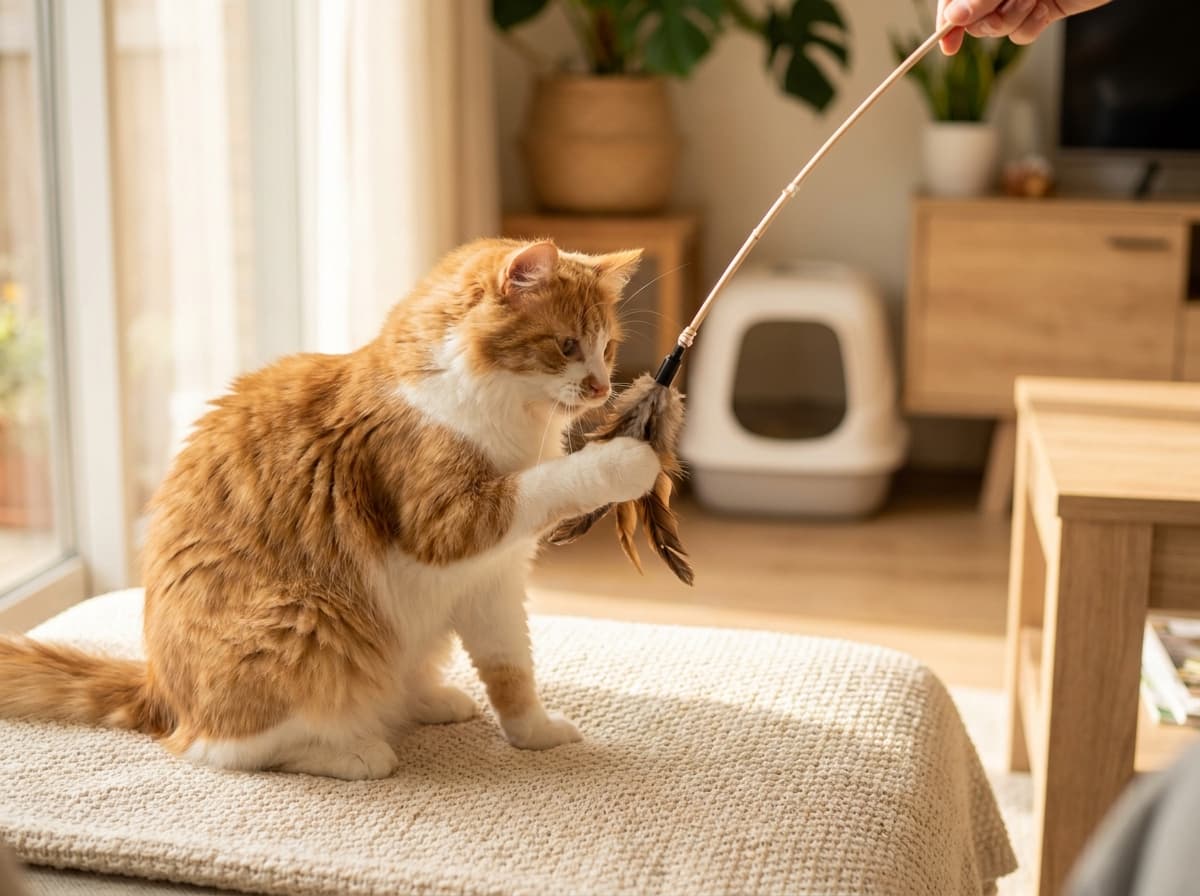
Training your cat to navigate the course is the part where most people get nervous, but it is much easier than you might think. It all starts with a lure. You can use a feather wand or a piece of high-protein chicken to guide them through the tunnels and over the jumps. Think of it as a game of follow the leader. As they get better, you can even start using hand signals to direct their path. This kind of play does more than just burn calories because it builds a bond between you and your cat that a simple bowl of kibble just cannot match.
While they are jumping and climbing, remember that their bodies need the right fuel to keep up. High-protein diets like those from Nulo or Raised Right are essential for keeping lean muscle mass even when activity levels fluctuate. Since indoor cats groom more and shed all year because of the climate control in our homes, look for foods with extra fiber. Ingredients like miscanthus grass or oat groats help manage hairballs before they become a problem on your carpet. When you combine a solid DIY workout with the right nutrition, you are setting your cat up for a much longer and more energetic life.
Key insights:
- Indoor cats need 20-30% fewer calories, making physical activity and calorie-controlled diets like Acana or Nulo essential for weight management.
- DIY agility courses can be built for under $20 using cardboard boxes for tunnels and PVC pipes for jumps.
- Lure training with feather wands or high-protein treats is an effective way to guide cats through new obstacles.
- High-protein diets support muscle mass, while functional fibers like miscanthus grass help manage the increased hairball risks faced by indoor felines.
Common Questions About Indoor Cat Life
Ever wonder why your indoor cat seems so content just watching birds through the glass? While they look peaceful, their bodies are actually working differently than their outdoor cousins. On average, indoor cats burn about 20% to 30% fewer calories. This means that standard cat food can easily lead to unwanted weight gain. Sarah Mitchell from CatFoodAnalyst points out that regular kibble might be too much for a cat who spends most of the day napping in a sunbeam. To keep them lean, you need a diet specifically formulated for their lower activity levels.
Choosing the right food can feel like a puzzle. You want high protein to maintain muscle, but you do not want to overdo the calories. For example, brands like Acana Indoor Entrée offer a solid 37% protein profile with 65% quality animal ingredients. Interestingly, the company behind Acana, Champion Petfoods, was recently acquired by Mars Petcare in early 2024. If you are looking for even more protein, Raised Right turkey recipe hits a massive 63.6% protein on a dry matter basis. But watch out for calorie density. Nulo Freestyle is great with 40% protein, but at 486 calories per cup, you will need to be very careful with your measuring scoop.
Then there is the issue of grooming. Since indoor cats live in climate-controlled homes, they tend to shed year-round. All that extra licking leads to one thing: hairballs. Veterinary consultant Dr. Georgia Jeremiah notes that adding specific fibers like miscanthus grass or oat groats can really help. These ingredients help move hair through the digestive tract more easily. It is a small change that makes a big difference in your cat’s comfort and your floor’s cleanliness. Think of it as a simple way to manage a messy problem before it starts.
We also have to talk about boundaries. Even the best-behaved cat cannot always resist a kitchen counter or a new sofa. If the word no is not working, physical deterrents are your best friend. Many owners swear by spiked mats, often called scat mats, which use soft plastic spikes to make surfaces unappealing. You can find 12-packs of these that cover a lot of ground, or use sticky double-sided tape for furniture. These tools do not hurt your cat, but they do send a clear message that the counter is off-limits.
What does a healthier home look like for you? It starts with matching their bowl to their lifestyle and setting clear boundaries for their zoomies. Whether you are setting up a DIY agility course or just switching to a high-fiber kibble, these small adjustments keep your cat happy and your home intact. Think of it as a trade-off where they get the safety of the indoors and you get a companion who is not constantly trying to eat your sandwich or leave fur tumbleweeds in every corner.
Key insights:
- Indoor cats require 20-30% fewer calories to avoid obesity while still needing high protein for muscle.
- Year-round shedding in indoor environments makes high-fiber ingredients like miscanthus grass essential for hairball control.
- Physical deterrents like plastic spiked mats or sticky tape are effective, humane ways to manage counter surfing.
- Recent corporate changes, like Mars Petcare acquiring Champion Petfoods, may impact the long-term availability of premium brands.
Wrapping It Up: A Happier, Healthier Indoor Feline
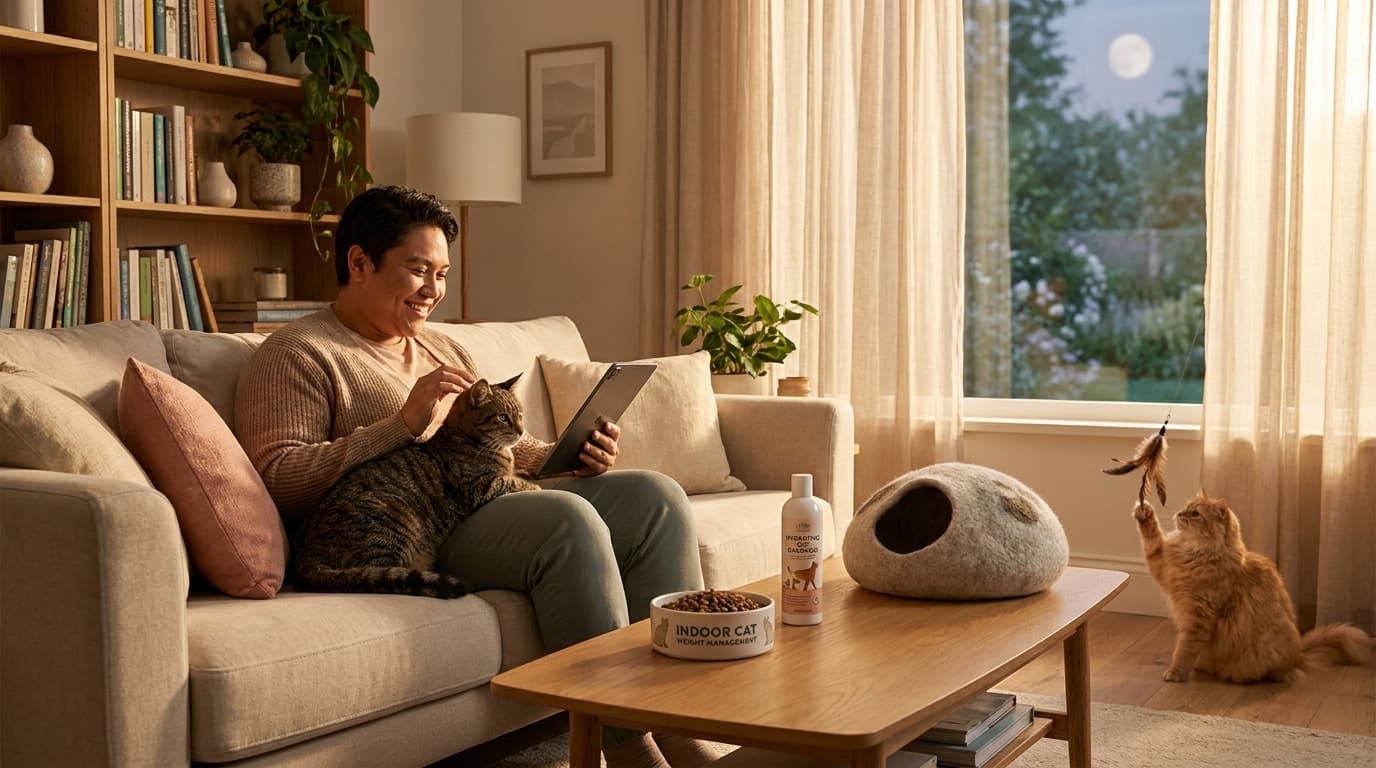
What does a truly happy indoor cat look like? It is about finding the sweet spot between food, grooming, and play. Since indoor cats burn 20 to 30 percent fewer calories than outdoor ones, picking the right diet is your first move. Whether you choose high protein recipes or fiber rich options to stop hairballs, you are building a better foundation for their long term health.
It is not just about the food bowl. When you mix a solid diet with regular grooming and smart boundaries, everything clicks. Maybe that means using a spiked mat to keep paws off the kitchen counter or setting up a fun agility course to keep a senior cat moving. These small tweaks add up faster than you think and keep your home peaceful.
Your cat relies on you to bridge the gap between their wild instincts and their cozy home life. Making these changes leads to a much longer and more vibrant life for your furry friend. Think of it this way: a little extra fiber and a few minutes of play today mean many more years of purrs tomorrow.
Key insights:
- Indoor cats require roughly 25 percent fewer calories but still need high protein to maintain muscle.
- Using specific fiber sources like miscanthus grass helps manage hairballs caused by year round indoor shedding.
- Physical boundaries like deterrent mats are effective for humane behavioral training.
Frequently Asked Questions
Conclusion
Creating a great life for indoor cats is really about balancing their physical health with their natural instincts. When you get the nutrition right with a solid food choice and stay on top of grooming, you are already ahead of the game. But the real secret is managing the boredom that leads to counter surfing or lazy habits. It turns out that a few well-placed deterrent mats and a DIY agility course can do more for your cat's spirit than a pile of expensive toys they might never touch.
If you are not sure where to begin, just pick one small change to try this week. Maybe it is finally getting that undercoat brush for your long-haired friend or setting up a simple cardboard tunnel in the hallway. You do not need a massive budget to turn your living room into a feline paradise. Most of the time, your cat just needs a little extra engagement and a clear sense of where they can and cannot play.
A happy house cat is one that feels both safe and challenged in their own space. While they might not ever give you a formal thank you, a long purr and a hairball-free carpet are pretty great rewards. Here is to a home that feels just as fun for them as it does for you.
Send it to someone who should read it next.
About the author

Oliver Chen
Cat Rescue Advocate
Founder of a no-kill rescue shelter and passionate advocate for feline welfare and responsible cat adoption.
View all articles