Finding Your Perfect Match: Which Cat Breed Actually Fits Your Life?
Have you ever fallen in love with a cat's fluffy coat only to realize your house is now covered in fur and you can't stop sneezing? It's a common mistake...

Sophia Parks
Breed Specialist & Breeder
Finding Your Perfect Match: Which Cat Breed Actually Fits Your Life?
Have you ever fallen in love with a cat's fluffy coat only to realize your house is now covered in fur and you can't stop sneezing? It's a common mistake because we often pick pets based on looks instead of how they actually fit into our daily routines. Choosing a cat is a big commitment, and matching their personality to your lifestyle is the best way to ensure a happy home for both of you.
Finding the right cat breeds means looking at your specific needs, whether you are searching for low shedding cat breeds for allergy sufferers or quietest cat breeds for work from home owners who need a peaceful office. Your home layout and even your job play a huge role in which feline friend will be happiest by your side. It is about more than just a cute face, it is about a long term partnership.
This guide covers everything from healthiest cat breeds with long lifespans to the best cat breeds for first-time owners in apartments. We also look at rare exotic cat breeds that are legal pets for those wanting something unique. You will soon know exactly which cat matches your life so you can start your journey together with confidence.
Most people fall for a cat because of a cute photo or a pair of big green eyes. But here’s the thing: that kitten is going to be your roommate for the next fifteen years. Picking the right breed is about way more than looks; it’s about how their personality meshes with your daily routine. Think of it like a personality test where the stakes are high and the prize is a purring friend.
Your lifestyle should be the real boss here. Are you looking for the best cat breeds for first-time owners in apartments? Or maybe you spend your days in Zoom meetings and need the quietest cat breeds for work from home owners who won't scream during a call. We’ll also cover the healthiest cat breeds with long lifespans, low shedding cat breeds for allergy sufferers, and even rare exotic cat breeds that are legal pets.
Choosing the right cat means thinking about the future. It is about finding a companion that fits into your world without turning it upside down. Whether you need a low-maintenance buddy or a striking exotic companion, there is a match out there that will feel like they have been part of your home forever.
Key insights:
- Prioritize temperament and energy levels over physical appearance to ensure a good fit.
- Consider your work environment, especially if you need a quiet companion for remote meetings.
- Think about long-term health and grooming needs before committing to a specific breed.
Breathing Easier: Low-Shedding Cats for Allergy Sufferers
Ever dreamed of owning a cat but your nose starts itching just thinking about it? You are not alone. Most people think cat hair is the enemy, but the real culprit is a tiny protein called Fel d 1 found in a cat's saliva and skin. When they groom, that protein sticks to their fur and hitches a ride around your living room. Low-shedding cat breeds for allergy sufferers are popular because they simply drop less of that protein-coated fur on your couch. But here is a secret: you do not necessarily have to get a hairless cat to find relief.
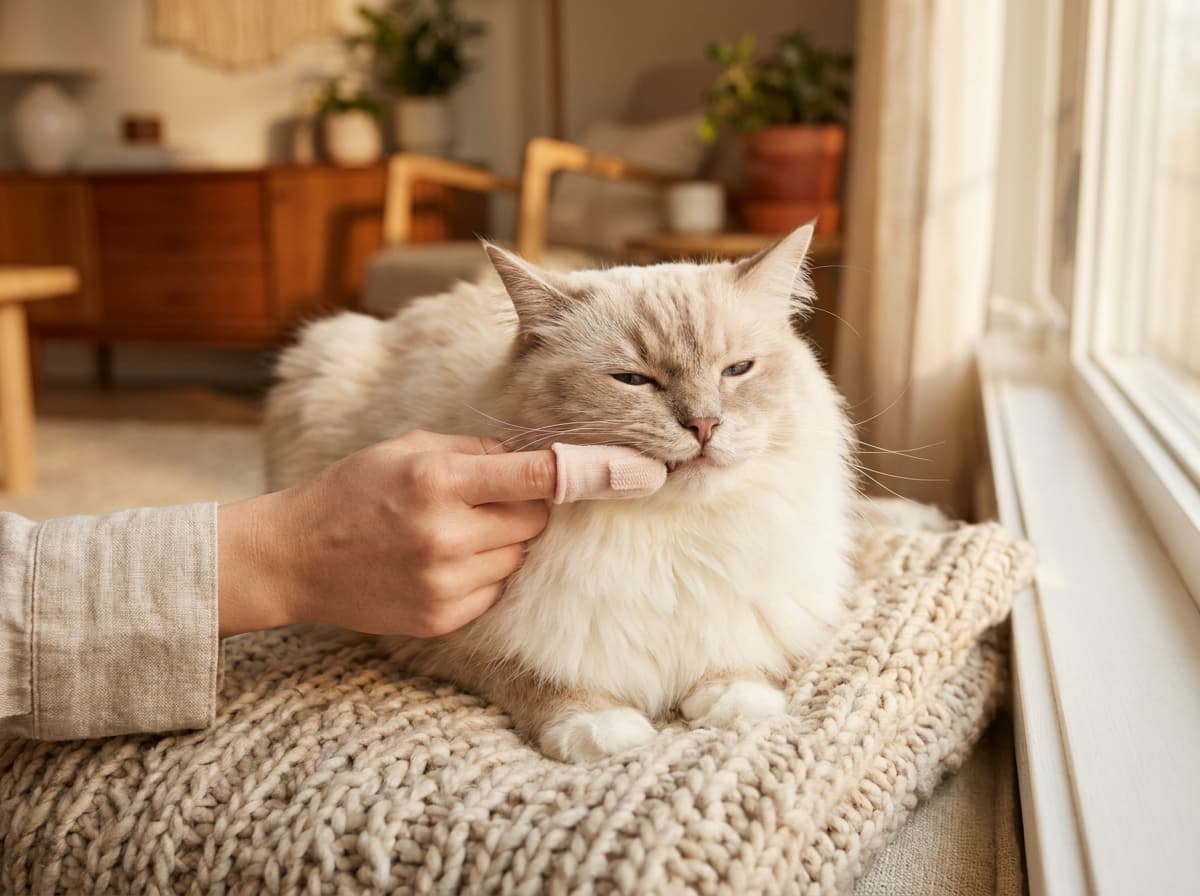
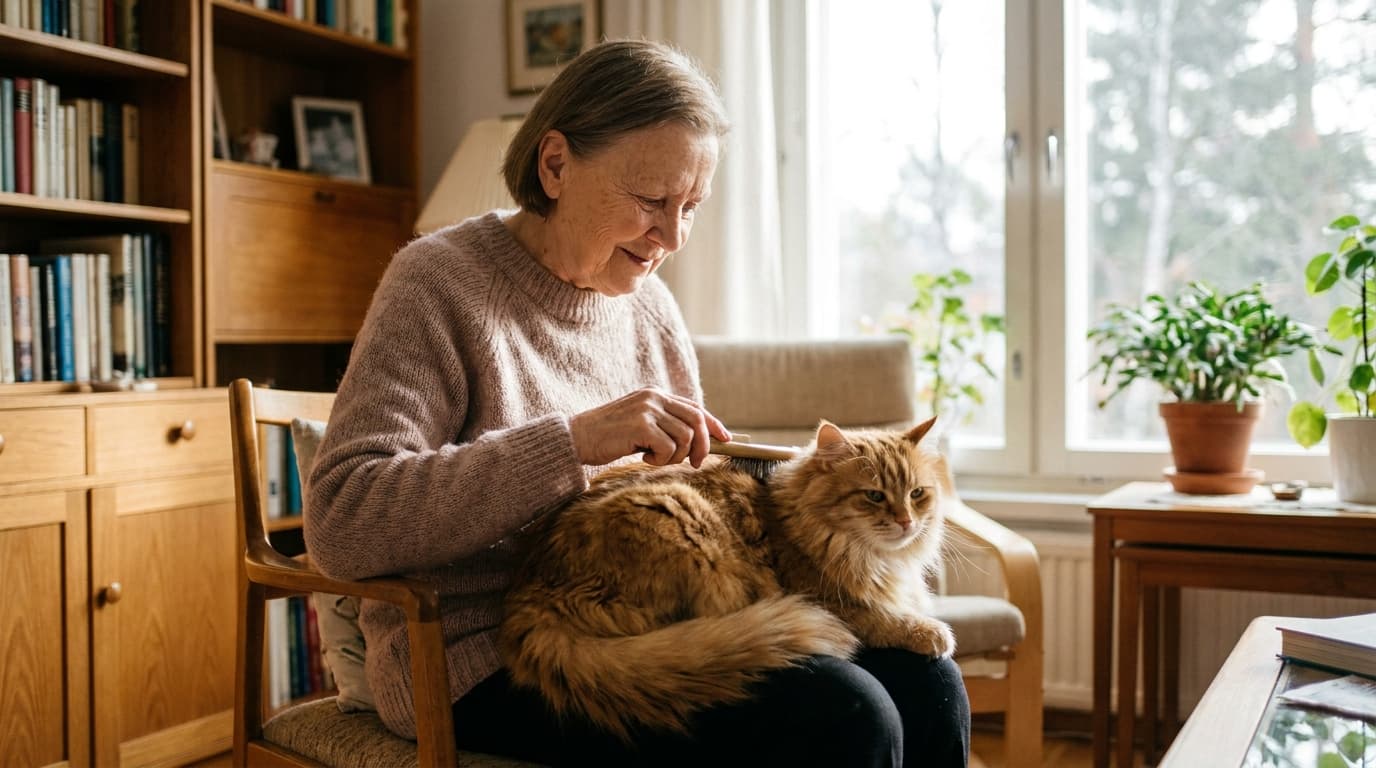
The reality is that no cat is 100% allergy-proof. Even the term hypoallergenic is a bit of a marketing stretch. Every cat produces some level of protein, so even a hairless breed can trigger a reaction if you are very sensitive. The goal is to find a cat that produces less Fel d 1 or sheds so little that the protein stays put. This is where regular grooming becomes your best friend. Even with a low-shedder, a quick weekly brush or a damp cloth wipe-down removes loose dander before it ends up in your carpet. It is about managing the environment as much as picking the right breed.
If you want a cat that looks like a traditional pet but won't make you reach for the tissues, you have some surprising options. Take the Siberian, for example. You might think a big, fluffy cat would be a nightmare for allergies, right? Surprisingly, Siberians are known to produce much lower levels of Fel d 1 than most other breeds. They are a fluffy surprise for anyone who thought they were stuck with hairless options. Then there is the sleek and low-maintenance Balinese. Often called the long-haired Siamese, this breed lacks an undercoat, which means less shedding and fewer allergens floating around your home.
Creating a sneeze-free home goes beyond just the breed you choose. Think of it this way: the less fur moving around, the less protein you breathe in. By choosing a breed like the Balinese or the Siberian and keeping up with basic coat care, you can significantly reduce your symptoms. What does this mean for you? It means you can likely find a furry companion if you are willing to look past the myths and focus on the science of how these cats actually live in your space.
Key insights:
- Fel d 1 protein in saliva is the true cause of most cat allergies, not the fur itself.
- No cat is truly 100% hypoallergenic, but low-shedding breeds reduce the spread of allergens.
- Siberian cats are a rare example of a long-haired breed that produces less allergy-triggering protein.
- Consistent grooming and wiping down your cat can make a huge difference in home air quality.
The Truth About Hypoallergenic Cats
Let's be real for a second. The idea of a totally allergy-proof cat is mostly a myth. It would be amazing if it were true, but every single cat produces a protein in their spit and skin that triggers reactions. Even if you choose low shedding cat breeds for allergy sufferers, you aren't completely off the hook. The dander is still there, just in smaller amounts.
The good news is that you can still live happily with a cat if you stay on top of grooming. Think of it as a bonding ritual. Brushing your cat or using a damp cloth to wipe their coat down keeps those allergens from flying around your living room. It is a simple step that makes a huge difference for your nose.
Key insights:
- All cats produce Fel d 1 protein in their saliva and skin, meaning no breed is truly allergy-proof.
- Consistent grooming and wiping down fur helps trap dander before it spreads through your home.
Top Picks for Sensitive Noses
Ever felt like your dream of owning a cat was ruined by a constant sneeze? It is a common struggle for many of us. But here is the good news: you do not have to settle for a hairless cat if that is not your style. Some of the best low shedding cat breeds for allergy sufferers are actually quite fuzzy.
Take the Siberian for example. You might look at that thick, majestic coat and think it is an allergy nightmare waiting to happen. Surprisingly, it is one of the top picks for sensitive people because they naturally produce less of the protein that triggers reactions. They are big, affectionate, and perfect if you want a lap cat that feels like a cloud.
If you prefer something a bit more refined, look at the Balinese. People often call them the long-haired Siamese because of their sleek bodies and striking eyes. They are incredibly low maintenance and rarely leave piles of fur around your home. These cats are smart and chatty, making them great companions for anyone who works from home and needs a little company.
Key insights:
- Siberians are a fluffy surprise because they produce lower levels of the Fel d 1 allergen.
- Balinese cats offer a sleek, elegant look with very minimal shedding compared to other long-haired breeds.
Something Different: Rare Exotic Cats You Can Actually Own
Have you ever dreamed of sharing your home with a cat that looks like it stepped out of a nature documentary? It is a tempting idea, but there is a clear line between a rare cat and an exotic one. Rare breeds are simply those with low numbers, while exotic breeds often have wild cats in their direct ancestry. This heritage gives them a look you won't find anywhere else, but it also brings high energy. These are not your average sleepy lap cats. They need space to run and owners who understand their unique needs. Also, you must check your local laws. Not every city allows these rare exotic cat breeds that are legal pets in other areas.
Getting one of these cats is not as simple as visiting a local shelter. You need to find a reputable breeder who focuses on socialization. The goal is to get that wild look paired with a domestic personality. Some people worry these cats will be aggressive, but when bred correctly, they are just as loving as a tabby. It comes down to ethics. A good breeder will ask you as many questions as you ask them. They want to make sure you can handle the commitment. It is about finding a balance between that stunning appearance and a cat that actually fits your lifestyle.
The Bengal is the star of the show for many. With their shimmering coats and leopard spots, they are breathtaking. They are also incredibly active. A Bengal will likely follow you from room to room and might even jump into the shower with you. If you want something even more striking, look at the Savannah. These cats are famous for being tall and having big, pointed ears. They are smart enough to open doors and learn tricks. Living with a Savannah is like having a permanent toddler who can jump six feet in the air. They are brilliant and loyal, but they require a lot of your time and attention to stay happy.
Key insights:
- Exotic breeds need much more mental and physical exercise than typical domestic cats.
- Always verify state and local permits before committing to a wild-hybrid breed.
- Reputable breeders are essential for ensuring an exotic-looking cat has a safe, friendly temperament.
Staying Legal and Ethical
Ever dreamed of having a tiny tiger in your living room? It is a fun thought, but you have to stay on the right side of the law first. Some rare exotic cat breeds that are legal pets in one area might require special permits in another. Always check your local rules before falling in love with a specific look.
Finding the right breeder is your next big move. Look for people who care more about a cat's health than a quick sale. A great breeder will show you where the kittens grow up and answer every question you have. This is how you ensure your wild looking cat actually has a sweet, domestic personality.
It is amazing how breeders can mix a fierce look with a gentle heart. You get those beautiful spots or stripes without the actual wild animal behavior. This balance is what makes these breeds so special for the right owner. Just make sure you are ready for the energy that often comes with these unique looks.
Key insights:
- Check local wildlife and exotic pet laws before committing to a breed.
- Reputable breeders prioritize temperament and health over markings.
- Domesticated exotic breeds offer a wild look with a predictable house cat personality.
The Most Stunning Rare Breeds
Ever dreamed of sharing your morning coffee with a jungle cat? While most of us stick to standard tabbies, some rare exotic cat breeds that are legal pets allow you to bring a bit of the wild home. These are not your typical lap cats. They are striking, high-energy companions that look like they just stepped out of a nature documentary.
Take the Bengal. Living with one is like having a tiny leopard patrolling your halls. They have incredible markings and a playful streak that never ends. But it is not just about the spots. Bengals love water and need constant play. If they get bored, they might find their own way to stay busy, which usually involves your furniture.
Then there is the Savannah. These cats are famous for their height and iconic spots. Because they are part wild serval, they have a high intelligence that can be overwhelming. Imagine a cat that opens doors or walks on a leash. It is a unique experience, but these stunning breeds are a big commitment.
Key insights:
- Exotic breeds need vertical space and interactive toys to stay happy.
- Intelligence in these cats means they can learn tricks but also get into trouble easily.
Planning for the Long Haul: The Healthiest Breeds with Long Lifespans
Imagine bringing home a tiny ball of fur and knowing they might still be waking you up for breakfast twenty years from now. That is the dream, right? When you are looking for the healthiest cat breeds with long lifespans, you are really looking for a partner for the next two decades of your life. Breeds like the Siamese and the Burmese are legendary for their longevity, often reaching their late teens or even their early twenties with the right care. It is about more than just luck. It is about starting with a solid foundation.
But even the hardiest cat needs a little help from their human. While purebred cats can sometimes face specific heart or kidney issues, you can tip the scales in their favor. The reality is that indoor living is the single best thing you can do for your cat. By keeping them safe from traffic and outdoor risks, and fueling them with high-quality food, you are directly extending their golden years. What does this mean for you? It means more years of purrs and fewer worries about preventable health scares.
You might wonder why some cats seem to breeze through life without a single health hiccup. Usually, it is because genetics matter more than we realize. Breeds with a diverse gene pool, like the American Shorthair or the Russian Blue, are often considered the hardy ones of the bunch. Think of them as having a stronger internal toolkit. When a breed has not been over-refined for a very specific look, they tend to avoid the common pitfalls of inherited diseases.
This genetic diversity acts like a safety net for their health. While a fancy appearance is nice, a cat that is built to last is a much better roommate in the long run. Choosing a breed known for its resilience means you are focusing on quality of life just as much as quantity. It is about finding that perfect balance between a cat that fits your style and one that has the physical stamina to grow old with you.
Key insights:
- Siamese and Burmese breeds are top contenders for reaching twenty years of age.
- Indoor living and a strictly managed diet are the best tools for longevity.
- Diverse gene pools in breeds like the American Shorthair lead to fewer hereditary health issues.
- Always research a breeder health testing history to avoid common purebred risks.
Why Genetics Matter More Than You Think
Ever wonder why some cats live nearly two decades while others struggle with health issues early on? It usually comes down to the genetic hand they were dealt. When you want a companion to stay by your side for the long haul, these hidden blueprints are a big deal.
A diverse gene pool works like a biological safety net. Breeds known for their hardy nature often dodge the hereditary hurdles that hit more delicate types. It is not just about luck; it is about a history of natural strength and resilience that keeps them going.
Choosing a breed with a reputation for longevity means more morning cuddles and fewer stressful, expensive vet trips. Think of it as picking a roommate who is built to last. This makes your life easier and their life much better.
Key insights:
- Genetic diversity helps protect cats from many common hereditary diseases.
- Hardy breeds are often the best choice for owners seeking a long-lived companion.
Apartment Life: Best Breeds for First-Timers in Small Spaces
Living in a small studio doesn't mean your cat dreams are over. It just means you need a roommate who doesn't treat your limited floor space like a 2:00 AM racetrack. For first-time owners, the best cat breeds for apartments are usually those with chill personalities. These cats are happy to lounge while you work, rather than knocking your coffee over just to see what happens. It is all about finding a balance between their energy and your square footage.
Since you can't expand outward, you have to think upward. Managing vertical space is the secret to a happy city cat. A single tall cat tree or a few well-placed shelves can turn a small room into a multi-level playground without cluttering the floor. Look for low-drama companions who handle the hum of a busy building without getting stressed by every hallway noise. This matters because a relaxed cat makes for a relaxed home, especially when your living room is also your office.
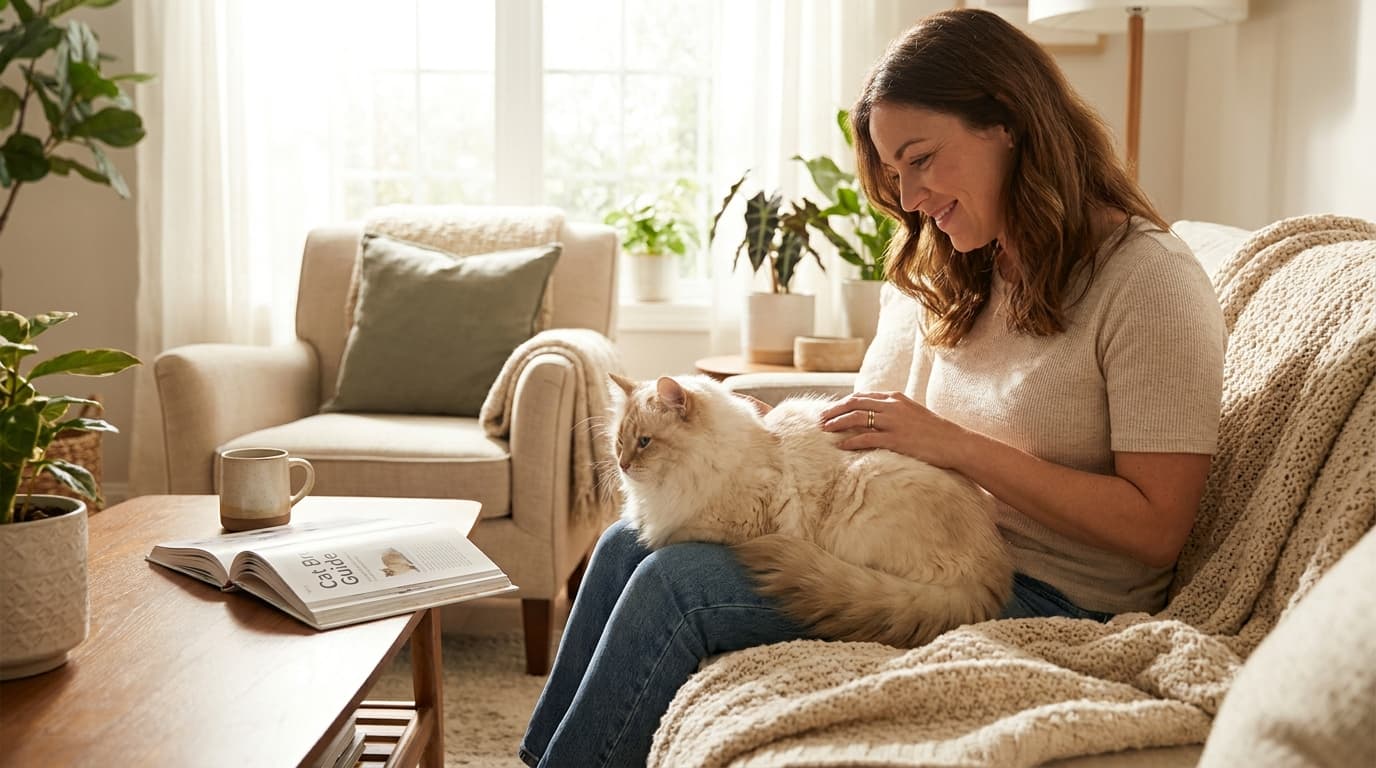
If you are looking for the quietest cat breeds for work from home owners, the Ragdoll is often the top recommendation. They are famous for going limp when you pick them up, which is why people call them floppy cats. This easygoing nature makes them perfect for quiet buildings where you want a pet that values peace as much as you do. They tend to be more interested in your lap than in high-speed chases around the kitchen.
Their low activity levels mean they aren't going to parkour off your cabinets at midnight. Instead, they would rather follow you from room to room and wait for a chance to cuddle. For a new owner, this predictable, gentle behavior takes the stress out of pet parenting in a tight space. Think of them as the low-maintenance roommates who always respect the house rules and never complain about the size of the kitchen.
Key insights:
- Vertical space like cat trees or wall shelves can double a cat's territory in a small apartment.
- Low-energy breeds are less likely to experience stress-related behaviors in confined spaces.
- Ragdolls are ideal for shared walls because they rarely engage in loud, high-impact play.
The Ragdoll: The Ultimate Apartment Companion
Ever held a cat that turns into a literal puddle of fluff? That is the Ragdoll. They are famously called floppy cats because they go limp with relaxation the second you pick them up. This easygoing nature makes them one of the best cat breeds for first-time owners in apartments. You will not find them scaling your curtains or demanding a massive play space to stay happy.
If you want the quietest cat breeds for work from home owners, Ragdolls are a great choice. Their low activity levels mean they prefer napping by your feet over interrupting your calls. They fit into quiet buildings easily because they do not do midnight sprints across the floor. It is like living with a very soft, calm shadow that just wants to be near you.
Key insights:
- The floppy name comes from their unique habit of relaxing all their muscles when held.
- Their mellow personality makes them ideal for apartment living and shared-wall buildings.
The Home Office Companion: Quietest Cats for Work-From-Home Life
Imagine you are mid-sentence in a high-stakes Zoom meeting when your cat decides it is the perfect time to scream for a treat. It is a classic work-from-home struggle. While some breeds are famous for their vocal range, others are much more considerate of your professional life. Finding a quiet cat does not mean you are looking for a roommate who ignores you. It is about finding a companion who prefers a gentle purr or a soft head-butt over a loud, demanding yell for attention.
There is a huge difference between a cat being quiet and a cat being unfriendly. You want a pet that enjoys hanging out in your office without treating your keyboard like a personal stage. These low-noise breeds are often content just being in the same room. They might watch you type from a sunny spot on the desk or nap near your feet, offering support without the constant chatter that some high-energy breeds bring to the table.
The British Shorthair is the gold standard for a silent office partner. They have a wonderfully independent yet loyal nature that fits perfectly into a busy workday. You will not usually find them howling at the door or begging for your lap every five minutes while you are trying to focus. Instead, they are happy to act as a stoic, furry supervisor. Because they are so laid back, they rarely feel the need to meow to get their point across - a simple, meaningful look is usually enough to tell you they are glad to be nearby.
The British Shorthair: The Silent Partner
Imagine trying to focus on a video call while a cat screams for treats in the background. If you work from home, the British Shorthair is a dream come true. These cats are the silent partners of the pet world. They rarely feel the need to meow because they are naturally calm and composed. Instead of making noise, they usually just watch you with a steady, peaceful gaze.
They are loyal without being clingy. A British Shorthair is happy to stay in your office, but they rarely try to walk across your keyboard. They value their personal space just as much as you value your deep focus. It is the perfect balance for a busy owner who wants a quiet friend nearby.
Key insights:
- Perfect for video calls and deep work sessions.
- Loyal companions that respect your personal space.
Common Questions About Choosing a Breed
You have likely spent hours scrolling through photos of fluffy kittens, but now the big questions are starting to creep in. Will this cat actually be happy in my small apartment? Can I handle the grooming? It is normal to feel a bit stuck. Choosing a breed isn't just about looks. It is about finding a roommate you can actually live with for the next fifteen to twenty years. This matters because a mismatch in energy levels can turn a fun experience into a stressful one for both you and the cat.
One of the biggest worries for new owners is the apartment factor. If you work from home, you probably do not want a cat that screams for attention during your video calls. This is where looking for quietest cat breeds for work from home owners becomes a lifesaver. You want a companion who is chill enough to nap while you type but happy to see you when the laptop closes. It is also worth considering the healthiest cat breeds with long lifespans because nobody wants to deal with frequent vet visits right out of the gate. A healthy cat means more years of companionship and fewer bills.
Allergies are another major hurdle. If you suffer from them, you might think owning a pet is out of the question. But low shedding cat breeds for allergy sufferers can make the dream possible. The trick is knowing that no cat is truly hypoallergenic, but some definitely make life easier on your nose. Also, for those looking for something unique, rare exotic cat breeds that are legal pets offer a lot of personality. Just keep in mind that they often require a bit more research into local laws and specific care needs before you bring them home.
Here is a quick tip for making a fast decision: write down your three biggest deal breakers first. If you hate cleaning fur, cross off the heavy shedders. If you have a busy social life, skip the breeds that get lonely easily. Often, the best cat breeds for first-time owners in apartments are the ones that are adaptable and forgiving as you learn the ropes together. Think of it this way. You are not just picking a pet, you are picking a lifestyle. While a rare breed might look cool, a healthy, quiet, low shedding cat might actually be the one that makes your daily life better.
So, take a breath. The right cat is out there, and they are probably waiting for someone exactly like you to find them. The interesting part is that once you narrow down your needs, the right choice usually becomes very obvious. What does this mean for you? It means you can stop worrying and start preparing for your new best friend.
Key insights:
- Prioritize lifestyle compatibility over visual appeal to ensure long-term happiness.
- Acknowledge that while no cat is 100% hypoallergenic, low-shedding breeds significantly reduce allergens.
- Focus on health and lifespan to minimize future medical stress and costs.
- Match the cat's vocalization habits to your living and work environment, especially for remote work.
Frequently Asked Questions
Conclusion
So, what is the big takeaway here? Finding the right cat is less about picking the prettiest face and more about looking at how you actually spend your days. Whether you need one of the low shedding cat breeds for allergy sufferers or the quietest cat breeds for work from home owners, the best match happens when your lifestyle and their natural personality line up. It is about making sure your home feels like a comfortable sanctuary for both of you.
Your next move is to go beyond the research and start meeting some cats in person. Reading about the healthiest cat breeds with long lifespans is a great start, but nothing beats seeing if a specific cat actually clicks with you. Reach out to local rescues or reputable breeders to set up a visit. Seeing how they react to your voice and presence tells you more than a list of traits ever could.
Bringing a new cat home is one of the best choices you can make. Just remember to take your time and trust your gut during the process. When you finally find that perfect match, you will wonder how you ever got through your weekends without a furry friend by your side.
Send it to someone who should read it next.
About the author
Sophia Parks
Breed Specialist & Breeder
Registered cat breeder and judge with deep expertise in pedigreed breeds and breed standards worldwide.
View all articles