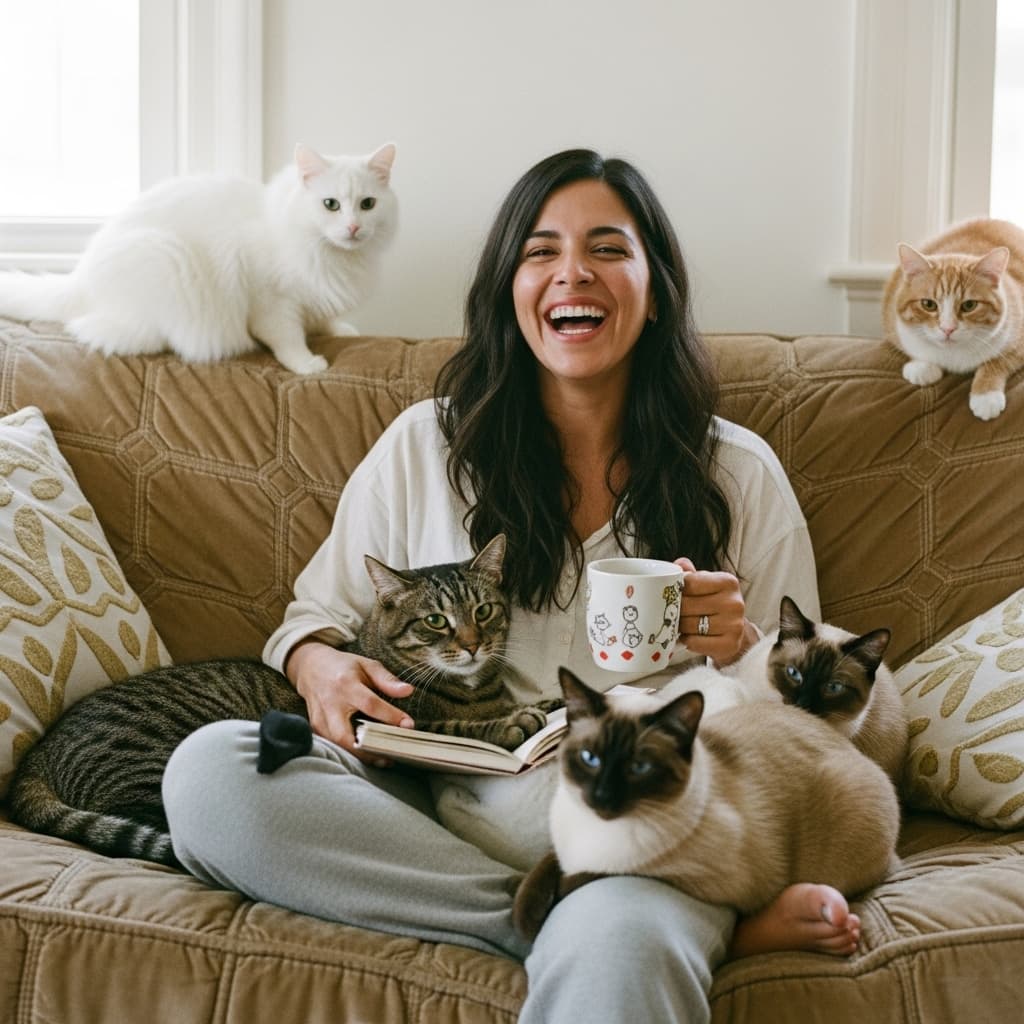
Why the Healthiest Cat Breeds Often Make the Best Apartment Roommates
Imagine a roommate who never does the dishes but also never gets sick or zooms across your bed at midnight. While we cannot help with the chores, picking the right...

Sophia Parks
Breed Specialist & Breeder
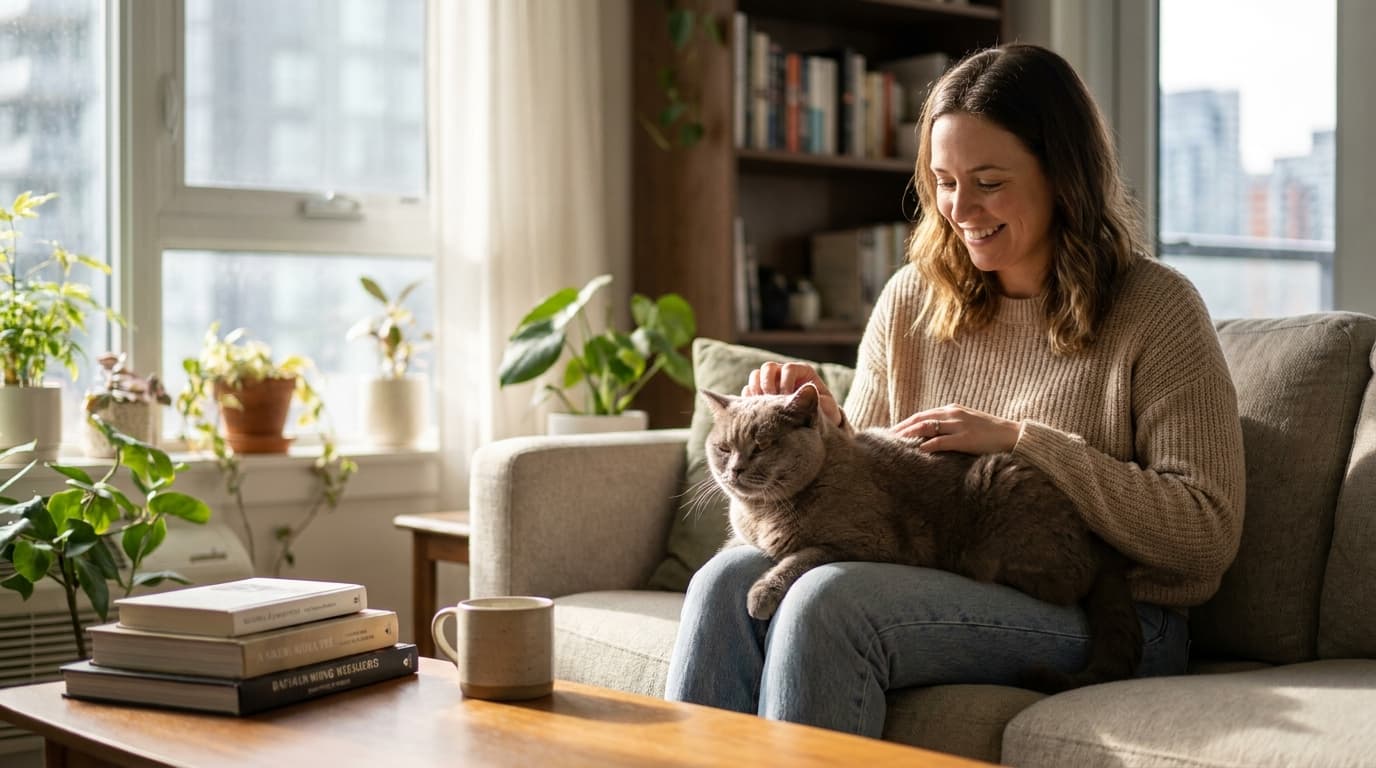
Why the Healthiest Cat Breeds Often Make the Best Apartment Roommates
Imagine a roommate who never does the dishes but also never gets sick or zooms across your bed at midnight. While we cannot help with the chores, picking the right feline friend can save you thousands in vet bills and a lot of stress. Finding cat breeds with the fewest health problems is a smart move when your apartment is small and your schedule is packed.
Many people think purebred cats are fragile or high maintenance, but that is usually just a myth. Some of the heartiest breeds are actually the best cat breeds for first time owners in small apartments because they handle indoor life with ease. These cats offer a great mix of long lives and relaxed personalities, so you can focus on movie nights instead of constant cleaning or emergency vet trips.
We will look at sturdy favorites like the American Shorthair and the Bombay, plus low maintenance cat breeds that don't shed much. You will also learn how to pick a great breeder and why medium sized short hair cat breeds for families are often the best fit for busy homes. Let's find your new favorite roommate.
Finding Your Purr-fect Match: Health, Space, and Happiness
Many people think purebred cats are fragile or high-maintenance divas. It’s a common myth. In reality, choosing for health leads to a better long-term bond and fewer surprises. The American Shorthair is a great example of this. It is consistently recommended by experts because it is sturdy, healthy, and handles apartment life with ease.
We will look at everything from 'mini panthers' like the long-lived Bombay to the 'lazy man’s Persian.' That is the nickname for the Exotic Shorthair, a breed that gives you the classic fluffy look without the constant grooming stress. Whether you need a low-shedding friend or a sturdy roommate, finding a healthy match for your space is simpler than you might expect.
Key insights:
- The American Shorthair is a top-tier choice for health, apartment living, and first-time owners.
- Breeds like the Bombay can live up to 20 years, proving that purebred cats can be incredibly resilient.
- The Exotic Shorthair offers a Persian aesthetic with much lower maintenance requirements.
The Healthiest Breeds: Cats Built to Last
When you are looking for a cat that fits your life, you probably want a companion that stays by your side for a long time. In the eyes of a vet, a healthy breed is more than just one that avoids the sniffles. It is a cat with high genetic diversity. As Dr. Alison Gerken says, picking a healthy cat starts with finding a breeder who prioritizes this diversity to avoid long-term costs. This matters because it saves you from both the high price of medical care and the heartache of a sick pet. Some breeds are just built to last longer than others because they have a stronger genetic foundation from the start.
The Balinese is a perfect example of a long-lived beauty. While many cats live about 15 years, a Balinese has the potential to reach 18 or even 22 years of age. They are elegant and social, and their big personalities really match their long lifespans. You should keep an eye on heart and liver health, as they can sometimes have genetic predispositions to certain diseases or eye issues like strabismus. But even with these quirks, they are incredibly resilient. If you want a cat that grows old with you and stays active, this breed is a fantastic choice. Their energy stays high even as they age, so they never really lose that playful curiosity.
If you prefer something a bit more muscular, the Bombay is often called a mini panther. They are famous for being one of the healthiest hybrid breeds around. These cats are sturdy and well-built, which helps them live up to 20 years. Because they were bred for both health and a friendly temperament, they do not have as many of the chronic issues that affect more fragile cats. They are resilient roommates who bring a lot of life to a home without requiring constant medical attention. Having a Bombay is like having a tiny, sleek athlete living in your home. They are often described as the healthiest of the hybrids because their genetic mix was chosen so carefully by early breeders.
Choosing a breed with fewer health problems is a smart move for any first-time owner, especially in an apartment. A healthy cat is usually an adaptable cat. When a pet has a strong genetic background, they tend to have more predictable energy levels and fewer surprises at the vet. This gives you peace of mind and more time to enjoy their company without the constant worry of a medical crisis. It is about finding a balance between a cat that fits your space and one that has the physical strength to thrive there for a long, happy life. Think of it as an investment in your future happiness and your cat's well-being.
Key insights:
- Genetic diversity is the secret to lower vet bills and a much longer life for your cat.
- Breeds like the Balinese and Bombay can live over 20 years, making them a long-term commitment for any owner.
- Healthy breeds often have more stable temperaments, which makes them better suited for the routines of small apartment living.
- A sturdy build and a reputable breeder are the two best predictors of a cat's long-term health.
The Balinese: A Long-Lived Beauty
Could a cat stick around for two decades? Meet the Balinese. These elegant beauties are famous for their staying power. While many cats slow down in their teens, a healthy Balinese can reach 18 or even 22 years of age. That is a lot of shared memories.
A long life requires a bit of care. They are sometimes prone to heart issues or eye conditions like progressive retinal atrophy. You might also notice a cross-eyed look known as strabismus. Finding a breeder who focuses on genetic health helps ensure they stay strong for years.
Their personality matches their longevity. They are chatty and social, which keeps them mentally sharp. This active lifestyle is a secret weapon for aging well. If you want a friend for the long haul, the Balinese is a fantastic choice.
Key insights:
- The Balinese can live up to 22 years with proper care.
- Genetic screening for heart and eye health is essential when choosing a breeder.
- High social engagement helps maintain their mental health as they age.
The Bombay: Living with a 'Mini Panther'
Ever wanted a panther in your living room? The Bombay cat looks just like a wild jungle cat but fits perfectly on your sofa. These 'mini panthers' are famous for a solid, muscular build that feels surprisingly heavy when you pick them up. Since they are hybrids, they often avoid the genetic issues that hit other purebreds. This makes them one of the sturdiest and healthiest choices for anyone living in a smaller space.
What really sets them apart is their longevity. While many cats live into their teens, a Bombay can reach a 20-year lifespan. That is two decades of friendship. They offer a great mix of low-maintenance grooming and a social personality. If you want a cat that stays healthy and active in a small space, this sleek black beauty is a perfect match for your home.
Small Space, Big Personality: Best Breeds for Apartments
Living in a small apartment doesn't mean you have to skip out on cat ownership. Many people think square footage is the biggest factor, but adaptability is what actually makes the difference. A cat that enjoys a quiet life is a much better fit for a studio than a high-energy breed that needs a personal gym. It all comes down to the energy level rule: a calm cat in a tiny room is often happier than a hyperactive cat in a mansion. What does this mean for you? It means you can focus on personality and health rather than just the size of your floor plan.
The American Shorthair is a top choice for first-time owners in small apartments because they are the gold standard of reliability. These cats are sturdy, usually weighing between 10 and 15 pounds, and they are famous for being incredibly easy-going. They are low maintenance cat breeds that don't shed much, which is a huge win when your living room and kitchen are essentially the same space. A quick weekly brush is usually enough to keep your sofa clean. Plus, they are known for being one of the healthiest cat breeds with very few genetic issues, making them a stress-free roommate for years to come.
If you love the look of a Persian but dread the thought of daily grooming, the Exotic Shorthair is your answer. Often called the lazy man’s Persian, these cats give you that sweet, round face without the four-hour brushing sessions. They are perfect for small studios because they have a very chill temperament and prefer a good nap over racing down hallways. While they can be an investment, with prices ranging from $1,000 to $5,000, their quiet companionship is a perfect match for urban living. They are ideal medium sized short hair cat breeds for families who want a pet that fits a busy lifestyle without the extra chores.
Regardless of which breed you pick, remember that vertical space is your best friend in a small home. Even a mellow cat needs to climb. Adding a cat tree near a window or a few wall shelves can make a tiny room feel twice as big to your cat. It is also smart to use puzzle feeders to keep them mentally sharp, as high intelligence can sometimes lead to boredom in confined spaces. Think of it this way: your apartment isn't small if your cat can use the walls as a playground.
Key insights:
- Adaptability and low energy levels are more important than the actual size of your apartment.
- The American Shorthair is a top-tier choice for beginners due to its 15-year health track record and easy-going nature.
- Exotic Shorthairs provide the luxury look of a Persian with a much more manageable grooming schedule.
- Maximizing vertical space and using mental enrichment tools prevents boredom in small living environments.
American Shorthair: The Reliable Roommate
Ever dream of a roommate who doesn't leave dishes in the sink or wake you up at 3 AM? Meet the American Shorthair. This breed is the gold standard for easy living. Weighing a sturdy 10 to 15 pounds, they are substantial enough to be real cats without taking over your whole studio apartment.
They are often the top choice for first-time owners because they are incredibly adaptable. They don't panic if you’re ten minutes late with dinner or if you decide to rearrange the living room furniture. That chill personality makes them perfect for smaller spaces where a high-strung cat might easily get stressed.
Also, your vacuum will thank you. Their short coat is low-maintenance, requiring just a quick weekly brush to keep your clothes and sofa fur-free. Since they are one of the healthiest breeds, you get a sturdy, reliable companion who is just happy to be there.
Key insights:
- The American Shorthair is the most consistently recommended breed for health, first-time owners, and apartment living.
- Their 10-15 pound size and moderate energy levels make them ideal for small urban spaces.
The 'Lazy Man's Persian': Exotic Shorthair Appeal
Ever caught yourself staring at a Persian cat but felt a wave of dread at the thought of daily brushing? You are not alone. That is why many call the Exotic Shorthair the "lazy man’s Persian." They give you that iconic flat face and sweet expression without the constant grooming marathon. They usually stand about 10 to 12 inches tall, making them a sturdy yet manageable size for any home.
These cats have a chill temperament that fits perfectly in a small studio. While some breeds race around like they are on a track, the Exotic Shorthair is more about lounging and quiet companionship. Because they are low-energy, they do not need a massive house to be happy. They also live a long time, typically between 12 and 16 years.
Just keep the price in mind. Expect to pay between $1,000 and $5,000 for a kitten. It is a big investment, but for a first-timer who wants an easygoing roommate, it pays off in years of low-stress friendship. You get the luxury look without the luxury chores.
Key insights:
- The Exotic Shorthair provides the aesthetic of a Persian cat without the high-maintenance grooming needs.
- Their calm and low-energy personality makes them ideal for life in small apartments or studios.
- Prospective owners should budget between $1,000 and $5,000 for a kitten from a reputable breeder.
The Intelligence Trap: Why Smart Cats Need More Space
You might think a genius cat would be the perfect roommate, but sometimes a high IQ is a recipe for trouble in a studio apartment. While we love the idea of a clever companion like a Balinese, which can live up to 22 years, their active minds do not always shrink to fit a small floor plan. When a smart cat gets bored, they do not just nap. They start redecorating. If you have ever found your favorite curtains shredded or a potted plant mysteriously face-down on the rug, you have seen the intelligence trap in action. It is not that they are being mean. They are just underemployed and looking for a way to pass the time.
The reality is that a cat energy level and adaptability matter way more than their physical size. For example, the American Shorthair is a top pick for apartments because they are easygoing and stand only about 10 inches tall. If you like the Persian look but hate the grooming, the Exotic Shorthair, often called the lazy man's Persian, is a perfect and chill alternative that fits right into a smaller home. But if you choose a mini panther like a Bombay, they need a job to do. Without a challenge, your living room becomes an obstacle course. This is where vertical cat highways come in. By adding wall shelves or tall trees, you give them a way to survey their kingdom from above. It keeps them happy, provides necessary exercise, and keeps your furniture intact.
To keep a brainy indoor cat satisfied, you have to get creative with their environment. Think of a window perch as cat TV because it is essential for their mental health to watch the birds or the neighbors go by. You can also swap their standard food bowl for puzzle feeders. This forces them to use their paws and brains to get a snack, which mimics the natural hunt and kills boredom instantly. Also, interactive play is totally non-negotiable. Spending a few minutes every day with a feather wand helps burn off that restless energy that usually leads to shredded sofas or midnight zoomies. What does this mean for you? It means a happier cat and a much quieter apartment.
Key insights:
- High intelligence in cats requires extra stimulation to prevent destructive behavior in small spaces.
- Vertical space like cat highways effectively expands the living area for active breeds.
- Low-energy breeds like the Exotic Shorthair or American Shorthair are often better suited for small apartments than high-IQ breeds.
- Mental enrichment like puzzle feeders and window perches are essential tools for indoor cat health.
Mental Enrichment Tips
Living in a small apartment doesn't mean your cat has to be bored. For smart breeds like the Bombay, which can live up to 20 years, staying busy is a health requirement. High intelligence is great, but without a job, your cat might start redesigning your curtains.
Think of your home as a vertical playground. Puzzle feeders are game-changers because they turn boring kibble into a rewarding hunt. Also, window perches provide a cat TV view of the world, which is vital for mental health in tight quarters.
Interactive play is non-negotiable. It mimics the natural chase and keeps your indoor roommate from getting restless. When you provide these outlets, even energetic cats become perfect, chill companions.
Key insights:
- Vertical space is a necessity, not a luxury, for small-space living.
- Highly intelligent cats need jobs like puzzle feeders to prevent destructive behavior.
European Rarities and Family Favorites
Ever feel like you're seeing the same few cat breeds everywhere you look? While the classics are popular for a reason, there’s a whole world of hidden gems from across the pond and beyond that make incredible roommates. If you're living in a smaller apartment, you don't just want a pretty face. You need a cat that balances a chill temperament with a sturdy build. It’s all about finding that sweet spot where their energy fits your floor plan and your lifestyle.
The Burmese is a perfect example of this balance. These cats originally hail from Burma, now Myanmar, and have gained a reputation for being the dogs of the cat world. They are famously social and sturdy enough to handle the high energy of a family with kids. You can expect to pay anywhere from $450 to $3,000 depending on the breeder, but many owners find the cost worth it for their dog-like loyalty. They aren't just pets that sit on a shelf; they want to be right in the middle of whatever you're doing.
But wait, before you choose, think about the long-term reality of your space. While a Burmese is a fantastic active companion, you might also consider the Exotic Shorthair if you love the Persian look but hate the grooming. These cats are often called the lazy man's Persian because they're so easygoing and cost between $1,000 and $5,000. Whether you pick a sturdy Burmese or a long-lived Bombay that can reach 20 years of age, the goal is the same. You want a healthy, happy friend who handles apartment life as well as you do.
Key insights:
- Burmese cats offer a dog-like personality that is ideal for active families and children.
- Balancing upfront costs with breed-specific temperaments is key for long-term apartment happiness.
- The Exotic Shorthair provides a low-maintenance alternative for those who like the Persian aesthetic.
The Burmese Connection
Ever wanted a cat that actually comes when you call? The Burmese is basically a puppy in a sleek, feline body. These cats are famous for their dog-like personalities, meaning they will likely follow you from the kitchen to the couch just to see what you are up to. For families with kids, this active social streak is a huge win because the cats actually want to participate in the household chaos rather than hiding under the bed.
Originating from Myanmar, these playful companions typically cost anywhere from $450 to $3,000. While that price tag varies based on the breeder, the investment pays off in personality and longevity. They are widely considered some of the best cat breeds for first time owners in small apartments because they adapt so well to human company. They do not just inhabit your home; they live life with you.
Think of it this way: if you want a living statue, look elsewhere. But if you want a medium sized short hair cat breed that might even play fetch, the Burmese connection is hard to beat. They offer a rare mix of sturdiness and affection that fits perfectly into a busy modern lifestyle.
Key insights:
- Their dog-like social energy makes them one of the best choices for families with children.
- Expect a price range of $450 to $3,000 depending on the lineage and breeder.
- High adaptability makes them excellent roommates for first-time owners in smaller living spaces.
The Secret to a Healthy Cat: It Starts with the Breeder
It is tempting to hunt for a bargain when you are looking for a new furry roommate, but a 'cheap' kitten often comes with a hidden price tag. When you see a purebred cat listed for a fraction of the usual price, it is usually because the seller skipped the expensive steps like vet checks and genetic screening. Think of it as an investment. Paying more upfront for a breed like the Burmese, which can cost anywhere from $450 to $3,000, often means you are getting a kitten that has been set up for a long, happy life from day one.
So, how do you spot a breeder who actually cares? Dr. Alison Gerken explains that the best breeders prioritize genetic diversity and health transparency. You should feel totally comfortable asking them about specific tests. For instance, if you are looking at a Balinese, ask about their history with heart or liver disease. If a seller avoids these questions or cannot show you exactly where the kittens were raised, walk away. These are classic red flags of a 'kitten mill' where profit matters way more than the cat's health.
Choosing a reputable source does more than just save you from future heartbreak; it protects your wallet from massive vet bills. While an Exotic Shorthair might cost up to $5,000, that price reflects the care taken to ensure they live their full 12 to 16 years. Some breeds, like the Bombay, can even reach age 20 if they come from a healthy line. By vetting your breeder now, you are making sure your new 'mini panther' stays by your side for the long haul.
Key insights:
- High upfront costs usually cover essential genetic testing that prevents expensive chronic illnesses later.
- A reputable breeder will always be transparent about a breed's specific health risks, such as retinal atrophy in Balinese cats.
- Avoid sellers who refuse to show you the kitten's living environment or the mother cat's health records.
Final Thoughts: Picking Your Future Best Friend
Which cat is the one? If you want the best mix of health and ease, the American Shorthair usually takes the crown for beginners. They are built for apartment life, standing 8 to 10 inches tall and weighing a sturdy 10 to 15 pounds. They fit into small spaces without getting bored too easily.
But choosing a cat is about more than just a list. You have to match their energy to your own rhythm. While some breeds love lounging, a high-energy cat in a tiny studio might lead to shredded curtains. Adaptability matters more than physical size when you live in a small home.
Think of health as your best investment. Finding a reputable breeder who cares about genetic diversity is the first step to a happy life together. Whether you pick an American Shorthair or a Bombay, choosing a healthy friend means more years of purrs and fewer surprise vet bills.
Frequently Asked Questions
Conclusion
Finding the right cat for a small apartment is really about balancing personality with physical health. When you look for cat breeds with the fewest health problems, you are not just saving on vet bills. You are choosing a roommate that fits your lifestyle without the extra stress of constant grooming or medical scares. Whether it is the sturdy American Shorthair or a long-lived Balinese, the goal is a happy bond that lasts for decades.
Think about your daily routine before picking a kitten. If you want low maintenance cat breeds that don't shed much, the Exotic Shorthair might be your speed, but remember that even the chillest cats need some mental stimulation. Your next move should be finding a breeder who prioritizes genetic testing. It might cost more at the start, but picking a healthy pet is the best way to ensure your small home stays a peaceful sanctuary for both of you.
At the end of the day, the best cat breeds for first time owners in small apartments are the ones that truly feel like family. Pick a healthy friend, set up a few window perches, and enjoy the many years of quiet purrs and head bumps ahead.
Send it to someone who should read it next.
About the author

Sophia Parks
Breed Specialist & Breeder
Registered cat breeder and judge with deep expertise in pedigreed breeds and breed standards worldwide.
View all articles