From Kittens to Seniors: How to Groom Your Cat Without the Drama
Did you know your cat spends up to half their waking hours licking themselves clean? While those sandpapery tongues are impressive, they aren't perfect. In fact, regular **cat grooming tips**...

James Miller
Certified Cat Behaviorist
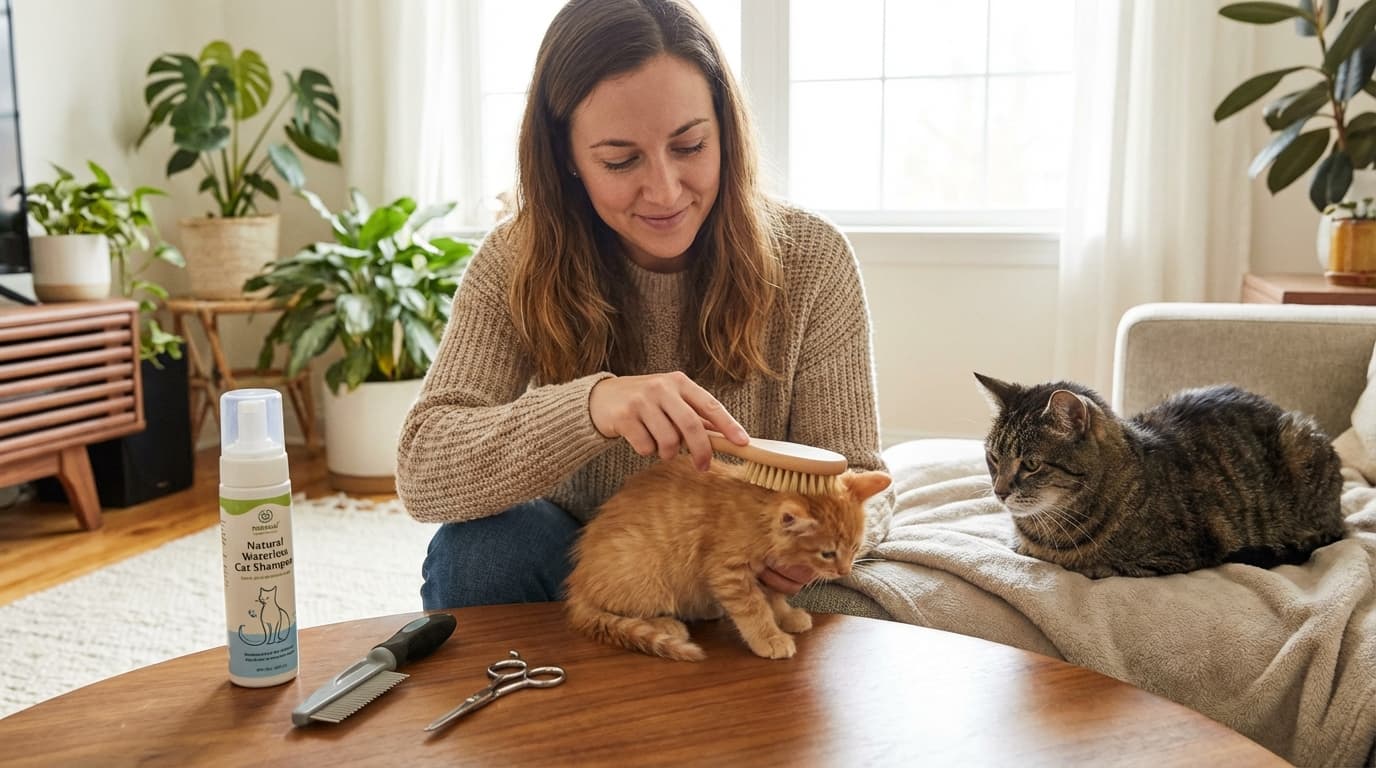
From Kittens to Seniors: How to Groom Your Cat Without the Drama
Did you know your cat spends up to half their waking hours licking themselves clean? While those sandpapery tongues are impressive, they aren't perfect. In fact, regular cat grooming tips and a bit of human help can slash those messy hairballs by nearly 70%. Whether you are searching for the best deshedding tool for short hair cats or just trying to survive a grooming session without getting scratched, you aren't alone in the struggle.
Grooming is about more than just looks. It is also a vital bonding ritual and a health check for your furry friend. From finding a natural waterless cat shampoo for smelly felines to learning grooming tips for senior cats with mobility issues, every life stage brings new challenges. We will help you turn what used to be a frantic chase into a calm and rewarding routine for both of you.
This guide covers everything from introducing kittens to their first brush to managing the unique needs of aging pets. You will get a clear schedule, tool recommendations, and stress-free techniques to keep your cat comfortable and your furniture fur-free. Let's get started on making your home a little less hairy and a lot more relaxed.
Why Your Cat Still Needs Your Help to Stay Clean
Ever feel like your cat spends more time licking their fur than actually playing? You are not imagining it. Cats spend up to half their waking hours grooming, but they still need a hand from you. While their own sandpaper tongues keep them looking presentable, human help is what keeps them healthy. It is the difference between a cat that just looks okay and one that feels great.
Regular brushing is basically a health insurance policy for your pet. For long haired cats, a quick daily session can cut down those icky hairballs by nearly 70 percent. That is a huge win for your cat's digestion and your carpets. This help becomes even more vital as they age. Since older cats lose their flexibility, they are three times more likely to develop painful mats that make moving around difficult. This is why specialized grooming tips for senior cats with mobility issues are so important to follow.
This is also the perfect time to bond and run a quick health check. Whether you are using the best deshedding tool for short hair cats or trying to introduce a kitten to grooming brushes for the first time, these sessions let you spot skin issues or lumps early. It turns a routine chore into a nurturing ritual that keeps your best friend purring and comfortable for years to come.
Key insights:
- Human assistance is mandatory for senior cats who can no longer reach their back or hips.
- Brushing acts as a preventative health measure by reducing hairball ingestion by up to 68 percent.
- Grooming sessions serve as a critical emotional bonding time between you and your cat.
The Best Tools for Short-Haired Cats Who Shed Like Crazy
You have probably heard the myth that short-haired cats are low-maintenance pets that do not require much help with their coats. But if you have ever looked at your black leggings after a five-minute cuddle, you know the truth: short hair sheds just as much as long hair, it is just better at hiding in your carpet. The reality is that cats spend about 30% to 50% of their waking hours grooming themselves, yet they still struggle to keep up with the sheer volume of loose fur. While their tongues are equipped with tiny, backward-facing barbs called papillae to catch dirt and hair, they often end up swallowing that fur instead of removing it. As the experts at Homes Alive Pets point out, kitty self-grooming keeps your cat presentable, but human-assisted grooming is what keeps them truly healthy and comfortable.
When you are hunting for the best deshedding tool for short hair cats, the goal is to remove the undercoat without making your cat feel like they are being attacked. Many owners reach for heavy-duty metal blades first, but these can be surprisingly harsh on cats with thin coats. If you are not careful, those sharp edges can cause skin irritation or 'brush burn.' This is why choosing between a rubber brush and a slicker brush matters so much. While a slicker brush is great for grabbing surface debris, short-haired cats who shed like crazy usually need something that reaches deeper without the risk of scratching their skin.
Our favorite solution for these sleek-coated felines is the rubber curry brush. Think of it this way: the soft, flexible nubs actually mimic the natural texture of a cat’s tongue, making the session feel like a massage rather than a chore. These tools use static electricity to pull out those tiny, needle-like hairs that other brushes simply glide over. Because short-haired cats have less 'padding' between their fur and their skin, the soft rubber provides a much safer experience than rigid metal alternatives. It transforms a messy necessity into a bonding ritual that supports your cat's emotional wellbeing.
It is also worth considering how these needs change as your cat gets older. Senior cats often lose the flexibility required to reach their back and hips, making them three times more likely to develop painful mats if we do not step in to help. By picking a gentle tool now, you are making sure your cat stays comfortable well into their golden years. What does this mean for you? Less fur on the sofa, fewer hairballs on the rug, and a much happier, more relaxed cat who actually looks forward to brush time.
Key insights:
- Rubber curry brushes are often superior for short hair because they mimic the natural feel of a cat's tongue.
- Avoiding harsh metal blades prevents skin irritation in cats with thin or sensitive coats.
- Human intervention is necessary because cats swallow much of the fur they try to groom themselves.
- Starting a gentle grooming routine early helps senior cats who eventually lose the mobility to groom their own backs and hips.
Our Favorite Deshedding Tools for Short Hair
Ever notice how your cat spends nearly half their waking hours licking themselves? It’s true. Research shows cats dedicate about 30% to 50% of their day to grooming. While they are pros at staying presentable, even the sleekest short-haired feline needs a hand to keep those hairballs at bay. Finding the best deshedding tool for short hair cats is not about buying the most expensive gadget. It is about understanding their sensitive skin and thin coats.
Since short coats offer less padding against the skin, you should avoid those heavy-duty metal blades often used on fluffier breeds. They can be way too harsh and might even make your cat fear the brush. Instead, try a rubber curry brush. These tools are great because the soft nubs actually mimic the tiny, backward-facing barbs on a cat's tongue. It feels familiar and soothing to them. This simple switch turns a grooming chore into a relaxing massage.
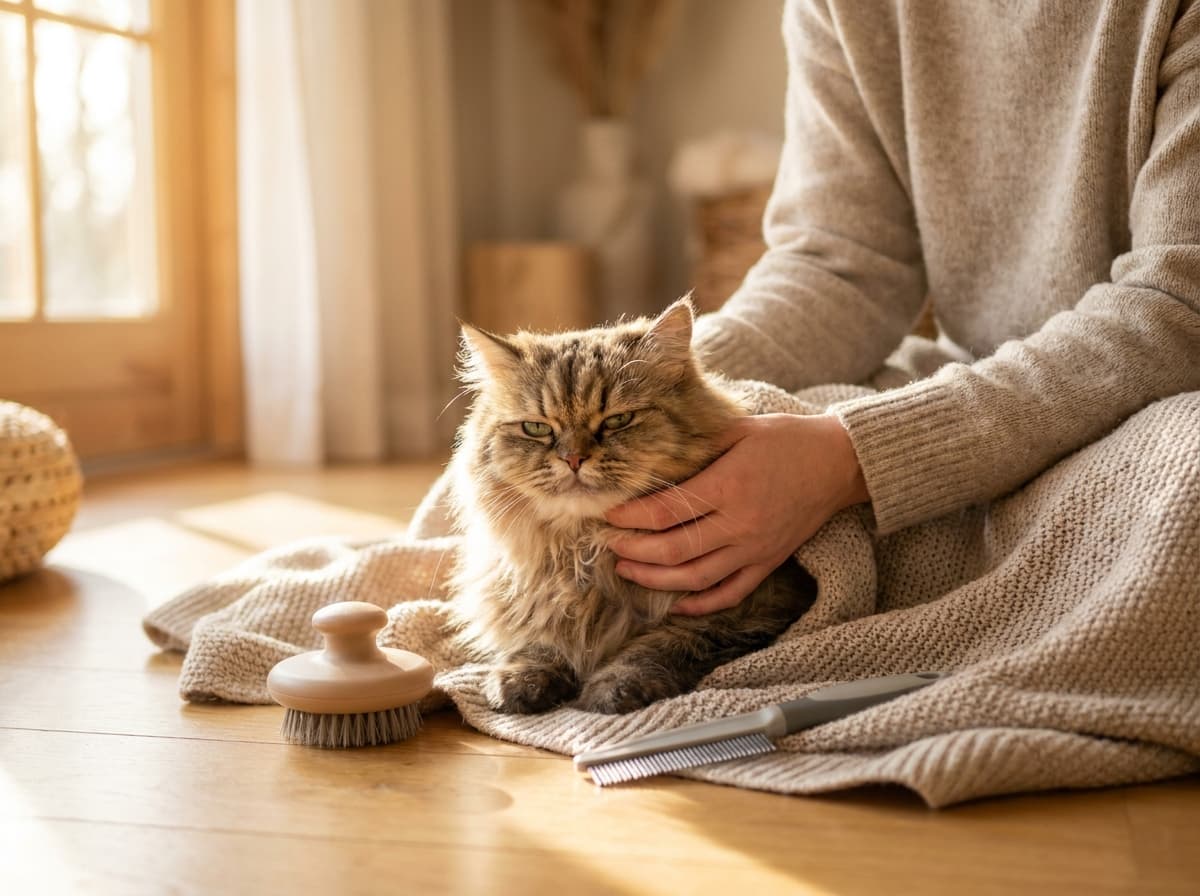
Beyond just catching loose fur, these sessions are a major bonding ritual. Think of it as a way to support their emotional health while preventing the painful mats that often develop as cats lose flexibility with age. When you use the right tool, you are not just cleaning up. You are building trust and keeping your pet comfortable for the long haul.
Key insights:
- Rubber curry brushes mimic the natural texture of a cat's tongue to create a stress-free experience.
- Short-haired cats have less skin protection, making metal blades potentially painful or irritating.
- Human-assisted grooming is essential for senior cats who can no longer reach their back or hips.
No Tub Required: Dealing With a Smelly Cat the Easy Way
Cats are usually the cleanest roommates you will ever have. They spend somewhere between 30% and 50% of their waking hours licking themselves into shape. But sometimes, even that dedicated routine is not enough to stop a weird smell from creeping in. Maybe they got into something sticky in the kitchen, or they are just hitting those senior years where they cannot reach every spot anymore. While the experts at the ASPCA say a clean cat is a happy cat, forcing a water-hating feline into a bathtub is often a recipe for scratched arms and a very stressed pet. The reality is that a full bath is rarely necessary unless your cat is covered in something they should not lick off.
This is where using a natural waterless cat shampoo for smelly felines becomes a total lifesaver. Think of it as a dry cleaning service for your pet. It allows you to skip the splashing and the desperate grip on the side of the tub entirely. For the 50% of cats that typically resist grooming, this approach is a breath of fresh air. It gets the job done without the drama of a full soak. You get a fresh-smelling cat, and they get to keep their dignity. It is a much better way to handle the situation for everyone involved.
When you are shopping for these products, keep an eye out for nature-based ingredients. We are seeing a big trend toward these cleaner options because nobody wants to coat their cat in harsh chemicals that they will just lick off later. Avoid anything with heavy artificial perfumes or dyes. Instead, look for soothing, plant-derived stuff that cleans without stripping away the natural oils that keep their coat shiny. It is about keeping them healthy, not just making them smell like a fake floral arrangement.
Using a waterless foam is basically a massage in disguise. Instead of a scary bath, it feels like a long petting session. You just work the foam into their coat with your hands, focusing on the areas that need it most. It is a simple way to help senior cats too, who are three times more likely to get painful mats because they just are not as flexible as they used to be. This massage technique turns a chore into a bonding ritual that supports their emotional wellbeing while keeping their fur clean and soft.
If you do ever find yourself in a situation where only traditional soap will do, remember one golden rule: dilution. You should never apply full-strength shampoo directly to their skin because it is too hard to rinse out. Instead, mix one part soap with five parts water. This makes the rinsing process much faster and prevents skin irritation. Since regular grooming can cut down on hairballs by up to 68% in long-haired breeds, keeping up with these small habits really pays off for their long-term comfort and health.
Key insights:
- Waterless shampoo works as a stress-free alternative for the 50% of cats that resist traditional baths.
- Senior cats need more human help with grooming because they lose the flexibility to reach their back and hips.
- Always use a one-to-five dilution ratio for traditional soaps to prevent skin irritation and ensure easy rinsing.
- Natural, plant-based ingredients are safer for cats since they ingest whatever is left on their fur during self-grooming.
How to Use Natural Waterless Cat Shampoo
Cats spend nearly half their waking hours grooming, but they still need our help from time to time. Whether they have developed a bit of a funk or they are a senior cat losing the flexibility to reach every spot, natural waterless shampoo is a lifesaver. It bypasses the stress of a traditional bath, turning what could be a watery disaster into a calm, dry experience.
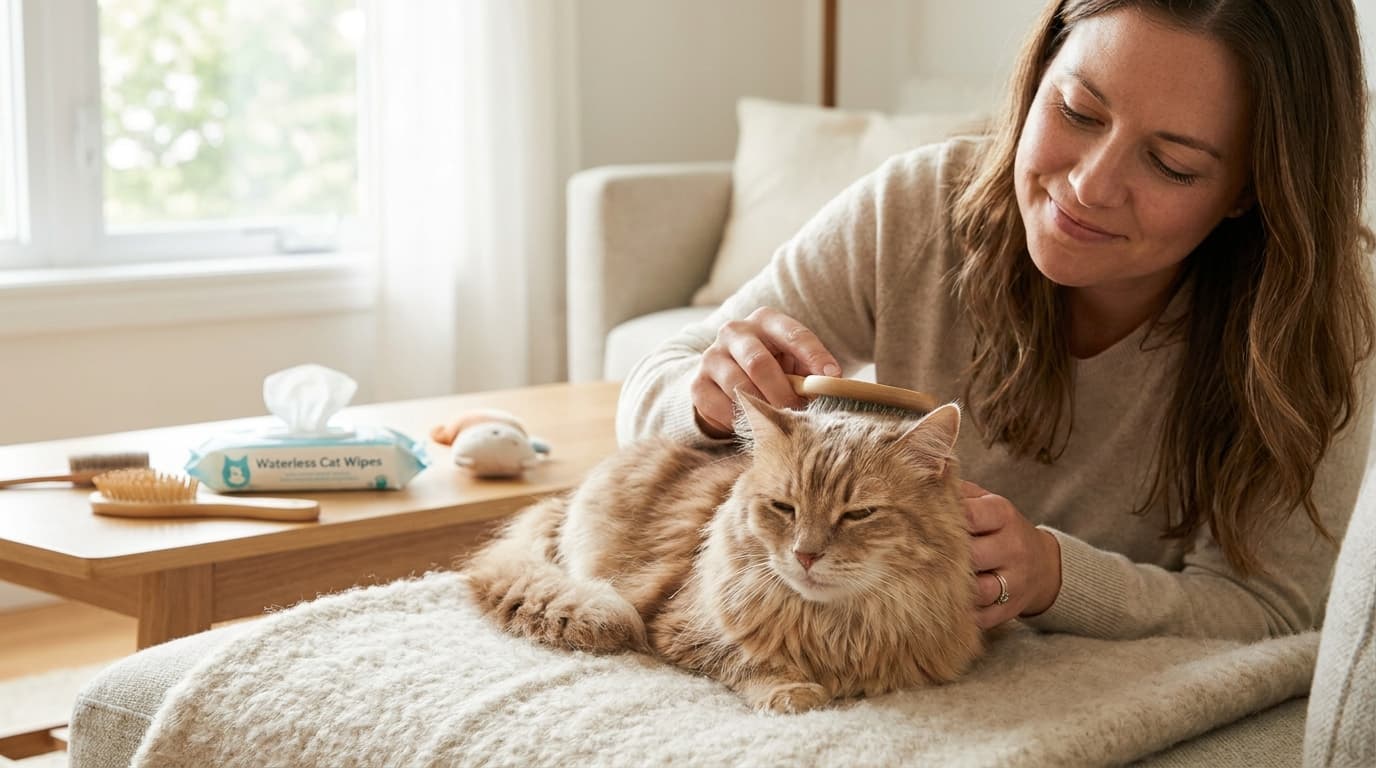
The trick to a successful clean is the massage technique. Instead of scrubbing, try to make the application feel like a long, relaxing petting session. This transforms the task into a bonding ritual that supports your cat's emotional wellbeing. Just work the foam into their coat while they relax on your lap. If you do ever find yourself using traditional soap, always remember to dilute it first. A ratio of one part shampoo to five parts water is usually best to keep their skin from getting irritated.
This extra care is especially vital for older cats. Since neglected seniors are three times more likely to get painful mats that restrict their movement, your intervention keeps them mobile and comfortable. As the ASPCA notes, a clean cat is a happy cat. By keeping things waterless and mellow, you are ensuring grooming stays a positive, pain-free part of their daily routine.
Key insights:
- Waterless shampoo turns a stressful chore into a bonding massage session.
- Diluting traditional soaps at a 1:5 ratio prevents skin irritation.
- Assisting senior cats is vital as they are 3x more likely to develop painful mats.
Kitten 101: Introducing the Brush Without the Scratches
Ever tried to brush a kitten during their zoomies phase? It usually ends with tiny teeth on your knuckles and a very confused pet. The secret to success is a technique called mellow scheduling. You want to wait until your kitten is in a milk-drunk nap or just waking up from a long snooze. When they are relaxed, they are much more likely to accept a new sensation without turning it into a wrestling match. It is all about timing the mood so the brush feels like a gentle massage rather than a surprise attack.
Think of the brush as a new friend instead of a chore. If you just lunge at them with a plastic object, they will naturally be suspicious. As the experts at Homes Alive Pets point out, cats are famously opinionated about grooming. Instead, let them sniff the bristles and pair that curiosity with a high-value treat or a quick game. This creates a positive association from day one. You are basically telling them that the brush equals snacks and affection. This simple shift turns a grooming session into a nurturing ritual that builds a deeper bond between you two while keeping their coat manageable.
Keep your initial sessions incredibly short. We are talking under five minutes. It is much better to have three successful minutes than ten minutes that end in a hiss or a scratch. Even though cats spend up to half of their waking hours cleaning themselves, they still need to learn that human help is a good thing for their long-term health. Regular brushing now can actually reduce future hairballs by up to 68 percent in long-haired breeds. By starting small and keeping things stress-free, you are setting them up for a lifetime of comfort.
Building this trust early prevents the grooming dread that affects about half of all adult cats. When you start in a low-pressure way, you are not just cleaning fur. You are teaching your kitten that your hands are safe and that maintenance is just another part of their day. It makes future tasks like nail trimming or the occasional bath much easier because the foundation of trust is already there. What starts as a short tickle today prevents painful mats and mobility issues as they grow into seniors later on.
Key insights:
- Mellow scheduling involves choosing times when the kitten is naturally sleepy to reduce resistance.
- Positive reinforcement with treats transforms the brush from a scary object into a source of rewards.
- Short sessions prevent sensory overload and keep the experience positive for both the owner and the kitten.
- Early grooming habits can significantly reduce the risk of hairballs and painful matting in the future.
When Getting Old Gets Messy: Helping Senior Cats Stay Comfortable
Have you noticed your older cat looking a bit scruffy lately? It is not just them getting lazy. Cats usually spend up to half of their waking hours grooming, but as they age, that number often drops. When they stop reaching those tricky spots on their back and hips, things get messy fast. The reality is that senior cats are three times more likely to develop painful mats that actually restrict how they move. It is a tough cycle because those mats make it even harder for them to stretch and clean themselves properly.
The main reason for this change is a loss of flexibility. Think about how a cat has to contort to reach their lower back or hind legs. If arthritis is setting in, that movement hurts. This is where you come in. As the saying goes, kitty self-grooming keeps them presentable, but human-assisted grooming keeps them healthy and comfortable. You want to keep these sessions short and sweet. Instead of one long grooming marathon, try brushing for just five minutes while they are already relaxing. Use soft brushes that do not pull on their thinning skin and focus on the areas they can no longer reach.
Sometimes the messiest part of aging happens under the tail. This brings us to the feline sanitary trim. For indoor cats, keeping the back end tidy is about more than just looks. It is essential for basic hygiene. If fur gets too long or thick back there, it can trap waste, which leads to skin irritation or even infections. Keeping that area clear makes life much easier for a cat that might be struggling with litter box aim or mobility issues. It is a simple step that prevents a lot of discomfort down the road.
If you are doing a home trim, safety is the top priority. Always use blunt-nosed safety scissors or quiet electric clippers designed for pets. You should never pull the skin taut while cutting because cat skin is incredibly thin and very easy to nick. It helps to have a second person hold a favorite treat in front of their nose while you work to keep them distracted. If your cat gets stressed, just stop and try again later. A little bit of trimming over several days is much better than a stressful struggle that ruins their trust in you.
Helping your senior cat stay clean is really a critical bonding ritual. It turns a necessary chore into a way to show them love when they are feeling a bit more vulnerable. While cats are famously opinionated about being handled, they will feel much better once those heavy mats and tangles are gone. A clean cat is a happy cat, and your extra effort ensures their golden years are spent in comfort rather than itchy or painful neglect. Think of it as a way to give back to a friend who has spent years keeping themselves spotless for you.
Key insights:
- Senior cats lose the flexibility needed to reach their back and hips, making human help mandatory.
- Regular grooming can reduce hairballs by up to 68 percent, which is vital for older digestive systems.
- Sanitary trims are a proactive way to prevent skin infections and hygiene issues in less mobile cats.
- Short, five-minute grooming sessions are more effective and less stressful for arthritic cats.
The Feline Sanitary Trim: A Guide for Indoor Cats
Let’s be honest, even the most fastidious cats can’t always keep their back end perfectly tidy. While cats spend about half their waking hours licking themselves clean, some areas are just hard to reach. This is where a feline sanitary trim comes in handy. It is not about vanity. It is about keeping your indoor cat comfortable and preventing messy fur that can lead to skin issues. As experts at Homes Alive Pets put it, kitty self-grooming keeps them presentable, but your help keeps them healthy.
If you are nervous about trimming fur near sensitive areas, you are not alone. The trick is to keep things low-stress. Start by choosing a quiet room where your cat feels safe. You want to focus on the fur around the base of the tail and the back of the legs. Use blunt-nosed safety shears or a quiet pair of electric clippers designed for pets. If your cat is one of the fifty percent that typically resists grooming, try a mellow schedule. Do a little bit at a time and use plenty of treats because positive reinforcement makes a huge difference.
Why bother with this extra work? For one, regular maintenance can cut down on hairballs by up to 68 percent. It also helps you spot problems early. Senior cats especially need this help because they lose the flexibility to reach their hips and back. Think of these sessions as a bonding ritual rather than a chore. When you keep things clean, you prevent the painful mats that often plague older cats. The ASPCA says a clean cat is a happy cat, and it is the best way to ensure they stay comfortable in their golden years.
Key insights:
- Sanitary trims prevent painful matting and hygiene issues in areas cats struggle to reach.
- Senior cats are three times more likely to develop mats due to a loss of flexibility.
- Regular grooming sessions can reduce the frequency of hairballs by nearly 70 percent.
- Using a mellow approach with treats helps calm the 50 percent of cats that usually resist grooming.
The Practical Schedule: How Often Do They Really Need It?
You have probably noticed your cat spends a huge chunk of their day - anywhere from 30% to 50% of their waking hours - licking themselves into perfection. It is impressive work, but even the most dedicated self-groomer needs a hand from time to time. Think of it this way: kitty self-care keeps them presentable, but your help keeps them healthy and comfortable. When you step in, you are not just cleaning fur; you are creating a bonding ritual that supports their emotional wellbeing. Plus, regular brushing can slash those dreaded hairballs by up to 68% in long-haired breeds, which is a massive win for both your cat and your carpets.
So, how often should you actually break out the brush? For most cats, a quick session two to seven times a week is the sweet spot. If you are looking after a senior cat, this becomes even more important. As cats age, they lose that gymnastic flexibility and often cannot reach their back or hips. This is why neglected seniors are three times more likely to develop painful mats that actually restrict how they move. Beyond the fur, aim to trim those nails every two to four weeks and try to brush their teeth two to three times weekly. It sounds like a lot, but once you are in a rhythm, it is just a few minutes of your day.
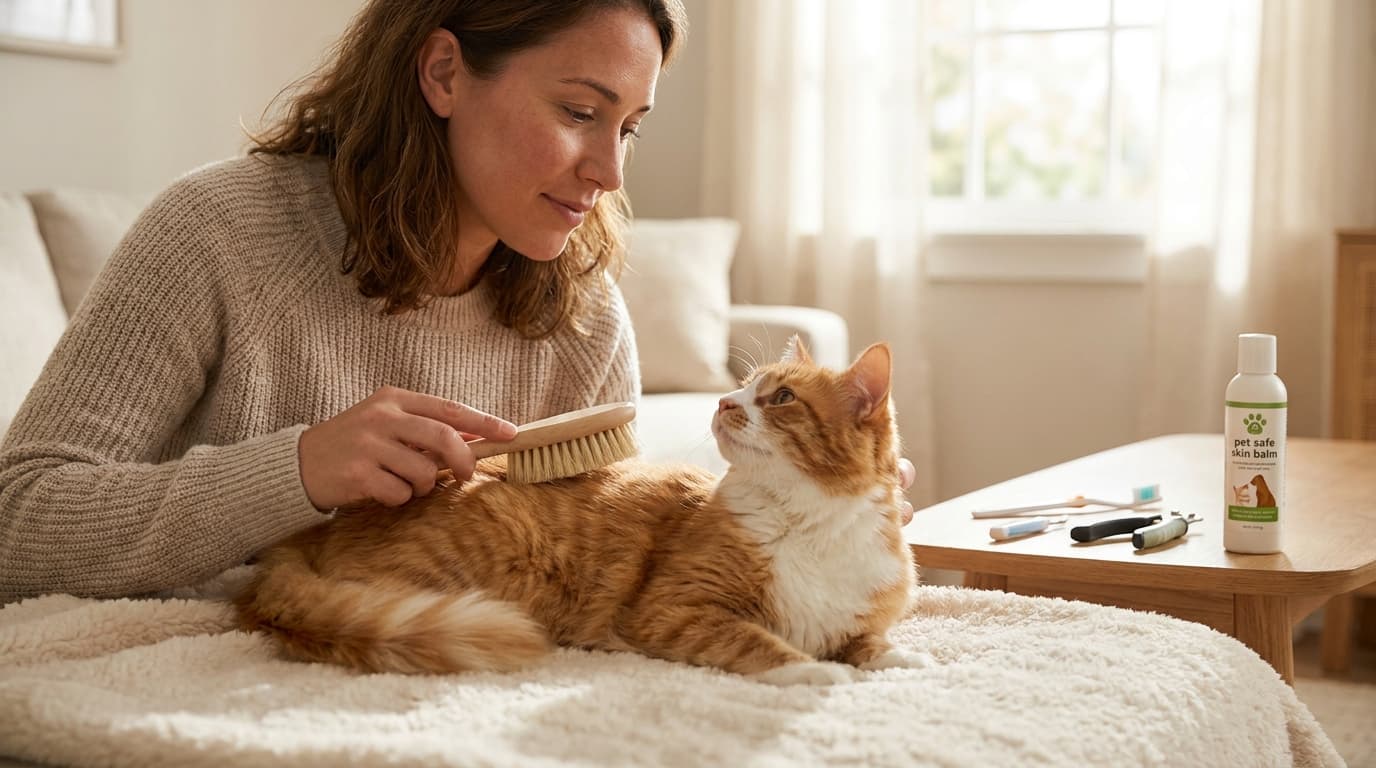
Keep a close eye on their habits because changes in grooming usually tell a story. If a normally sleek cat starts looking unkempt or spiky, it might be a sign they are feeling stiff or unwell. On the flip side, over-grooming specific spots until they are bald often points to stress or allergies. To make things easier, put together a simple grooming kit. For short-haired cats, a rubber brush works wonders, while long-haired felines need pin brushes to get through the undercoat without pulling. Having everything ready in one spot makes the process faster and way less stressful for a cat who might be a bit opinionated about being handled.
If you ever need to give a full bath - maybe every two to three months - remember to keep it low-stress. Use lukewarm water about three inches deep and always dilute your cat shampoo using one part soap to five parts water so it is easier to rinse out. A rubber mat on the bottom of the tub prevents them from slipping, which goes a long way in keeping them calm. The goal is not perfection; it is about keeping your friend feeling their best and avoiding those painful mats that make life difficult for older pets.
Key insights:
- Human-assisted grooming is mandatory for seniors who lose the flexibility to reach their back and hips.
- A simple timeline of brushing 2-7 times a week and nail trims every 2-4 weeks prevents most hygiene issues.
- Sudden changes in how a cat grooms themselves are often the first visible sign of underlying health or stress problems.
- Using specific tools like rubber brushes for short hair prevents skin irritation and builds trust during sessions.
Frequently Asked Questions
Conclusion
Grooming your cat might start as a way to stop the fur from covering your couch, but it ends up being so much more. From the first time you figure out how to introduce a kitten to grooming brushes to the years you spend providing grooming tips for senior cats with mobility issues, these moments build a deep trust. You are not just managing shedding or using a feline sanitary trim guide for indoor cats to keep things tidy. You are looking out for their comfort and health every single day.
If your cat is currently less than thrilled about the brush, do not worry. You can always change the vibe by trying a natural waterless cat shampoo for smelly felines or finding the best deshedding tool for short hair cats that feels more like a massage. The goal is to make these sessions feel like a treat rather than a chore for both of you.
Take a look at your current tools and see if it is time for an upgrade that makes life easier. A little patience and the right brush go a long way in keeping your feline friend purring. After all, a clean cat is a happy cat, and that makes all the effort worth it.
Send it to someone who should read it next.
About the author
James Miller
Certified Cat Behaviorist
Feline behavior consultant helping cat owners understand and strengthen their bond with their cats.
View all articles