How to Groom Your Cats Without the Chaos: A Home Guide for Multi-Cat Families
Ever feel like you're living inside a giant cotton ball? When you have several cats, the fur-nado is real, and it can turn your favorite sofa into a fuzzy mess...

James Miller
Certified Cat Behaviorist
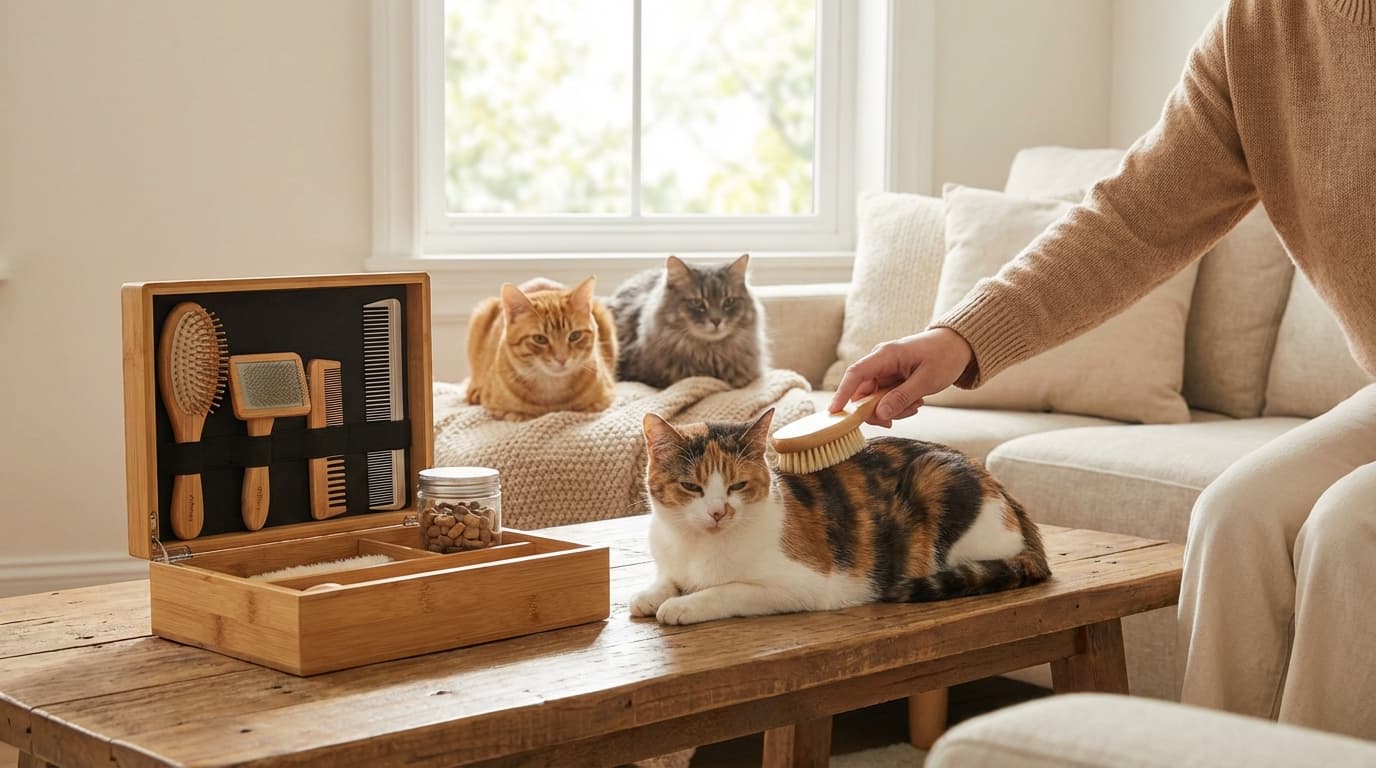
How to Groom Your Cats Without the Chaos: A Home Guide for Multi-Cat Families
Ever feel like you're living inside a giant cotton ball? When you have several cats, the fur-nado is real, and it can turn your favorite sofa into a fuzzy mess in minutes. Grooming is one of those things that sounds simple until you're trying to brush three different feline personalities at once without someone getting grumpy.
The secret to a calm home starts with finding the right grooming kit essentials for multi cat households. It's not just about cleaning up loose hair. It's about keeping your cats healthy and making sure they feel safe. You don't need a professional degree to get great results, but you do need the right approach for different coat types and temperaments.
This guide covers everything from how to desensitize a kitten to grooming brushes to using soft brush techniques for sensitive cat skin. We will also explore the best professional cat grooming tools for home use and grooming tips for shorthair breeds to reduce allergens. By the time we're done, you'll have a routine that feels less like a chore and more like a fun bonding session.
Why Your Multi-Cat Home Needs a Smarter Grooming Routine
If you live with more than one cat, you know the reality of the 'fur-nado' - that constant swirl of hair taking over your home. It can feel like a never-ending battle. But here is the thing: grooming is actually a great way to bond with your pets, not just a chore. Since most owners now groom at home, a smart routine is the best way to keep the peace.
We are looking at the essential tools that make a difference, like vacuum-integrated kits that stop the mess before it starts. You will also learn how to desensitize a kitten to brushes and why human shampoo is too harsh for feline skin. From avoiding the sensitive quick during nail trims to picking the right brush for every coat, we are keeping it simple. Let's turn the chaos into a calm, happy home.
Key insights:
- Early desensitization is the biggest factor in long-term grooming success.
- Vacuum-integrated tools are a game-changer for managing allergens in multi-cat households.
- Tool selection must be tailored to specific coat types to prevent painful mats.
Building the Perfect Kit: Grooming Kit Essentials for Multi Cat Households
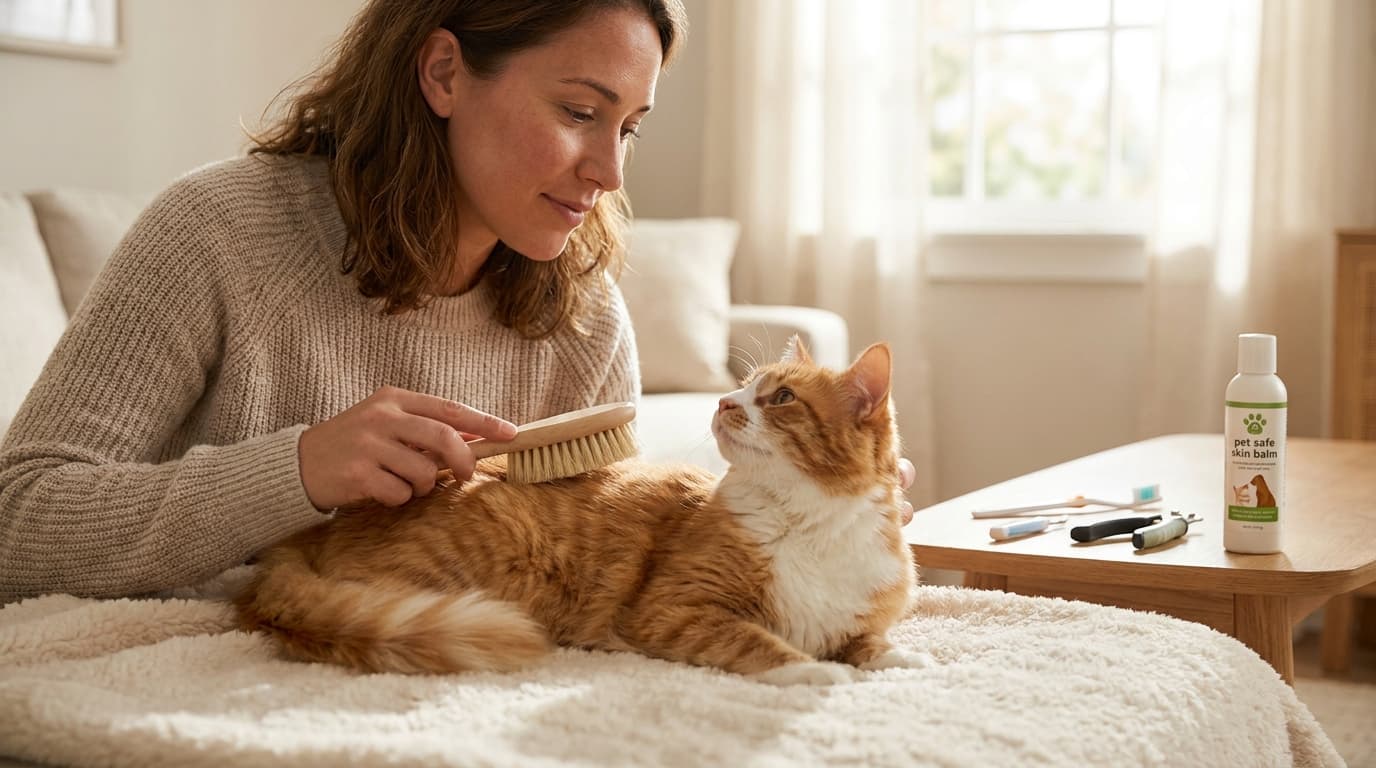
If you have a mix of breeds, you already know that a one-size-fits-all brush is a myth. A Maine Coon’s thick coat is a totally different beast than a sleek Siamese. While your short-haired cats are usually good with a quick weekly session to keep allergens down, those long-haired beauties need daily brushing to stay mat-free. For cats with sensitive skin, using soft brush techniques with a gentle bristle tool ensures they stay comfortable. It is not just about looks; regular brushing is a great way to bond and check for any hidden health issues. Think of it as a wellness check disguised as a spa day.
When building your home kit, think about the tools the pros use. You do not need a full salon, but a few high-quality items like the Mars Coat King make life easier. For example, cat-specific shampoos are a non-negotiable because our human soap is far too acidic for their skin. Also, keep a close eye on those nails. Since the quick is full of sensitive blood vessels, having a reliable pair of scissor-style clippers can prevent a painful mistake. It is all about having the right tool for the specific job and the specific cat.
Let’s talk about the hair that inevitably ends up on your sofa. The ChomChom Roller is basically a legend among cat owners for a reason. It is currently the top-rated grooming supply on Amazon because it actually works without the waste of sticky tape. It is the perfect partner for your grooming routine, helping you manage the fur that escapes the brush. What does this mean for you? Less time cleaning and more time actually enjoying your pets instead of chasing tumbleweeds of fur across the floor.
The latest trend is taking things a step further with vacuum-integrated tools. Systems like the Oneisall or Uproot Clean kits are brilliant because they capture loose fur the moment it leaves the cat's body. If you have sound-sensitive cats, you will want to start slow to get them used to the hum. But for multi-cat households, the benefit of trapping hair before it hits your carpet is huge. It turns a messy chore into a much cleaner, more efficient process that keeps your home feeling fresh and your furniture hair-free.
Key insights:
- Tailor your brush choice to the coat: slicker brushes for long hair and bristle brushes for short hair.
- Always use pH-balanced feline shampoo to avoid irritating sensitive skin.
- Vacuum-integrated tools can drastically reduce household allergens by catching fur at the source.
The Rise of Vacuum-Integrated Tools
Ever feel like you are living in a giant tumbleweed of cat hair? In multi-cat homes, the battle against shedding is constant. This is why vacuum-integrated grooming kits like those from Oneisall or Uproot Clean are becoming a go-to for owners in 2024. These tools catch loose fur directly from the source before it ever has a chance to settle into your carpets. It is a simple shift that saves you from hours of cleaning later.
But let's be real: most cats see a vacuum and bolt. Managing that noise is the biggest hurdle for sensitive pets. The key is slow desensitization. Start by letting them sniff the tool while it is off, then try the lowest power setting. Since these kits use suction during the brush, they trap allergens instantly. What does this mean for you? Less sneezing and a much cleaner couch.
It is basically a professional setup in your living room. While short-haired cats need a weekly brush, Maine Coons or Persians need daily help to stay mat-free. Using a vacuum kit turns a messy chore into a tidy bonding moment. As Elizabeth Gray from Catster notes, this activity is an excellent way to bond while keeping shedding under control.
Key insights:
- Vacuum kits capture allergens and fur before they reach your floors.
- Slow desensitization is essential for cats that are afraid of vacuum noise.
- Integrated suction tools are a major trend for multi-cat households in 2024.
Starting Young: How to Desensitize a Kitten to Grooming Brushes
Ever wonder why some cats act like a brush is a scary monster? It usually comes down to how they were introduced to it. If you have a kitten, you are in the lucky blank slate phase where everything is a new adventure. The goal here is not just to remove loose fur; it is about building a foundation of trust. The Touch and Treat method is a total game-changer for this. You simply touch your kitten with the brush, then immediately offer a favorite snack. Before long, they will see that weird plastic tool as a magical dispenser of treats.
While you are building that trust, do not forget the paws. Starting nail trimming early is the best way to prevent those adult grooming nightmares we all want to avoid. The reality is that most cat owners in 2024 are now handling these tasks at home using kits purchased online, but it takes a steady hand. You have to be mindful of the quick, which is the sensitive part of the nail with blood vessels. Cutting into it causes pain and bleeding, so just nipping the very tips is plenty. If you keep these sessions short and treat them like playtime, your cat will stay relaxed.
For kittens, tool choice is everything. Their skin is much thinner and more sensitive than an adult cat’s, so skip the heavy metal deshedders for now. Instead, go for silicone brushes or natural bristles. These tools are designed to feel like a gentle massage rather than a scrub. When you start, try the Chin-to-Tail flow. Most cats naturally love being scratched under the chin, so start there to get them purring, then slowly work your way down their back. This makes the experience feel like an extension of your normal petting routine.
The most important thing is to read their body language. If you see a twitching tail or flattened ears, it is time to stop. Overstimulation can happen in a heartbeat, and you always want to end on a high note. Even though short-haired cats typically only need weekly brushing, doing it for just two minutes every day when they are young builds a lasting habit. As the experts at Kingstowne Cat Clinic say, grooming goes beyond fur - it is an essential part of keeping your cat healthy and happy. Think of it as a daily bonding ritual that makes your kitten feel safe and pampered.
Key insights:
- Early desensitization is the primary factor in grooming success for adult cats.
- Using silicone or natural bristle brushes prevents skin irritation in sensitive kittens.
- The quick of a cat's nail contains blood vessels and must be avoided during trimming.
- Establishing a Chin-to-Tail grooming flow helps kittens stay calm by starting in their favorite scratch zones.
Soft Brush Techniques for Sensitive Cat Skin
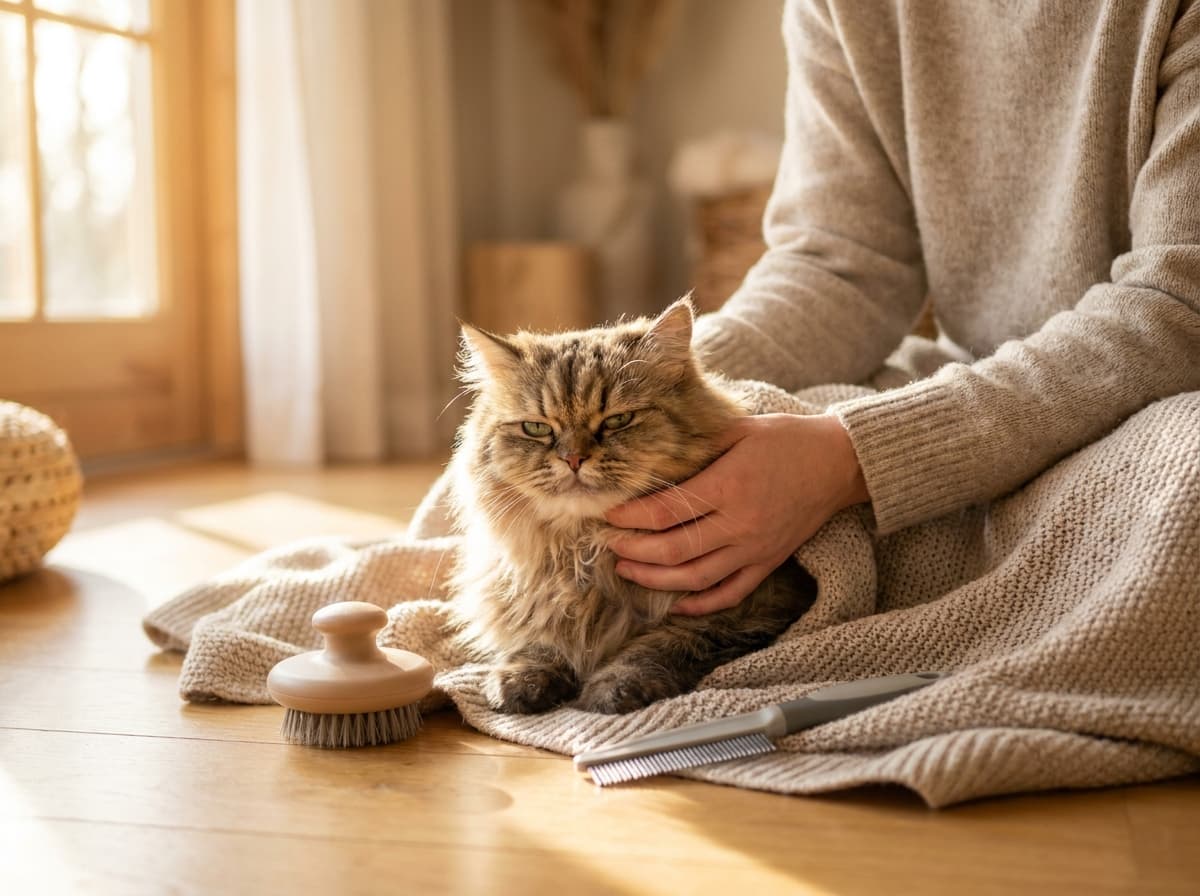
Ever wonder why your cat goes from purring to swatting in seconds? It often comes down to sensitive skin and the wrong tools. For kittens or cats with delicate skin, skip the metal pins. Instead, reach for a soft silicone brush or natural bristles. These tools mimic the feel of a mother cat’s tongue, making the session feel like a spa day rather than a chore.
When you start, follow a 'Chin-to-Tail' flow to keep things predictable. Since early desensitization is the secret to success, starting slow helps build trust. But here is the thing: you have to watch their body language. If you see a flickering tail or twitching skin, stop immediately. Overstimulation happens fast, and pushing through it only creates a fear of the brush.
Think of it this way: you are bonding, not just cleaning. Using soft brush techniques for sensitive cat skin turns chaos into a quiet ritual. Learning how to desensitize a kitten to grooming brushes early ensures they stay relaxed for life. What does this mean for you? It means fewer scratches and a much happier, fluffier companion.
Key insights:
- Silicone brushes are ideal because they mimic the texture of a mother cat’s tongue.
- The 'Chin-to-Tail' method provides a predictable routine that reduces feline anxiety.
- Stopping at the first sign of a twitching tail prevents overstimulation and builds long-term trust.
Professional Results at Home: Tools That Actually Work
Ever feel like you are losing the battle against cat hair? You are definitely not alone. In 2024, the vast majority of cat owners are taking grooming into their own hands, often buying professional kits online to keep things under control. It is about more than just looking good. Brushing is an excellent way to bond with your cat while reducing the amount of shedding in your home. If you have a short-haired cat, a quick weekly session usually does the trick to distribute oils and keep the coat shiny. But for long-haired breeds like Persians or Maine Coons, you are looking at a daily commitment to keep them comfortable and mat-free.
For those heavy shedders, investing in a Mars Coat King can be a total life saver. This tool gets deep into the undercoat where the real mess hides. But you have to pick the right tool for the specific job. A slicker brush is perfect for pulling out tangles in long fur, while an undercoat rake is better for thinning out thick layers. If you find a stubborn mat, please put the household scissors away. They are far too dangerous for thin cat skin. Instead, use a specialized de-matting tool to gently work the knot out from the edges without any risk of nicks or cuts.
Think about the tools you use for cleaning up afterward too. It is no surprise that the ChomChom Roller is a top seller on Amazon because it actually picks up the fur that brushes miss on your furniture. Keeping your home fur-free is half the battle in a multi-cat household. Just remember that every cat is different. What works for a sleek Siamese might not work for a fluffy Maine Coon. The goal is to make the process feel like a relaxing massage rather than a scary chore. What does this mean for you? It means starting slow and choosing tools that match your cat's specific coat type.
When it comes to nail care, the right gear makes all the difference for a stress-free experience. Scissor-style trimmers are usually the easiest for beginners to handle because they offer plenty of control. If your cat has thick or tough nails, a guillotine-style trimmer might be a better fit. Lately, many owners are switching to electric grinders because they leave a smooth finish without the sharp edges left by traditional clippers. Just be careful to avoid the quick. This is the sensitive part of the nail that contains blood vessels. Cutting into it causes pain and bleeding, which is the fastest way to make a cat lose trust in the grooming process.
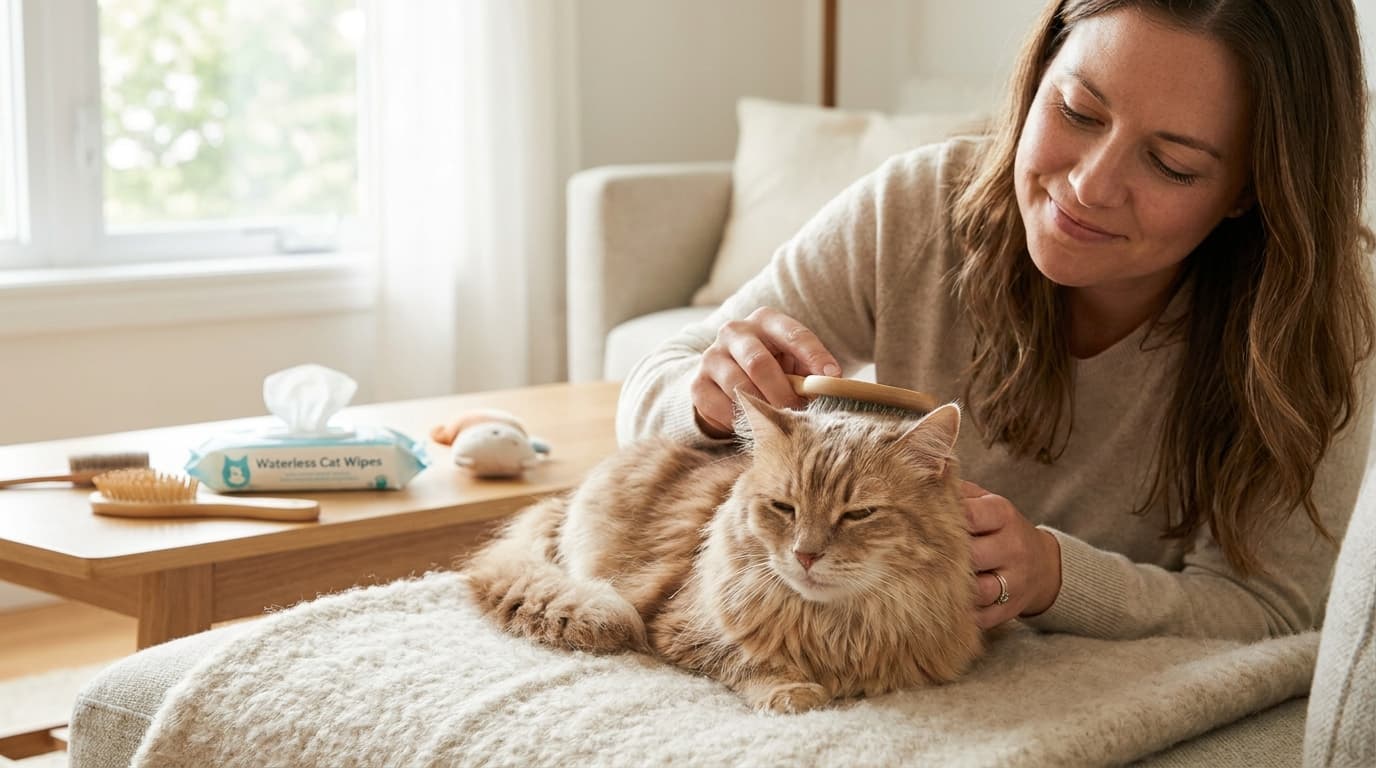
If your cat treats bath time like a scene from a horror movie, you will love waterless foam cleansers. These are a total game-changer for keeping coats fresh and clean without the drama of a traditional tub bath. Also, always make sure you are using cat-specific shampoos. Human products are way too harsh because they are not pH-balanced for feline skin. For a truly high-tech approach, vacuum-integrated grooming kits are becoming a huge trend for 2025. These tools suck up the hair as you brush, which is perfect for busy homes where the fur piles up fast. It keeps the allergens down and makes the final cleanup almost non-existent.
Key insights:
- Tool selection must be tailored to specific coat types to be effective.
- Vacuum-integrated grooming kits are a solution for multi-cat or high-shedding households.
- Early desensitization is the primary factor in grooming success.
Best Professional Cat Grooming Tools for Home Use
Ever feel like you need a degree in feline engineering just to trim a claw? It does not have to be a struggle. Scissor-style trimmers are perfect for beginners because they offer great control. If your cat has thick, sturdy nails, the guillotine style might be your best bet for a clean cut. Just watch out for the quick, that sensitive spot with the blood vessels. If cutting too deep makes you nervous, electric grinders are a total game-changer. They file the nail down slowly for a smooth, snag-free finish that won't ruin your favorite sweater.
Let's be real: most cats view a bathtub as a torture chamber. That is why waterless foam cleansers are such a lifesaver. You get them clean without the soggy drama. Also, keep in mind that human shampoo is way too harsh for feline skin, so always stick to pH-balanced products. For the fur, your schedule depends on the breed. Maine Coons need daily brushing to stay mat-free, while shorthairs usually just need a weekly session.
The interesting part is how much easier home grooming has become. It is no wonder the ChomChom Roller is a top seller on Amazon; it handles the leftover mess perfectly. Since most of us are doing this at home now, investing in professional-grade tools makes the whole process feel less like a chore and more like a simple way to bond with your cat while keeping them healthy.
Key insights:
- Tool selection must be tailored to specific coat types to be effective.
- Early desensitization is the primary factor in grooming success.
- Waterless grooming solutions are becoming the standard for cats that do not tolerate traditional baths.
Shorthair Secrets: Reducing Allergens and Keeping Coats Shiny
You might think shorthair cats are the set-it-and-forget-it version of pets, but skipping the brush is a missed chance for a healthier home. Even though they do not get mats like a Maine Coon, weekly brushing is vital for keeping your furniture fur-free and your allergies in check. It is not just about tidying up; it is about moving those natural skin oils around to get that show-cat glow. Think of it as a mini massage that also happens to grab the dander before it ever hits your rug. What does this mean for you? Fewer sneezes and a much softer cat.
When picking tools for your kit, remember that shorthairs love soft brush techniques that do not tug at their skin. A simple bristle brush is often the best professional cat grooming tool for home use when you are working with these sleek coats. It is gentle on sensitive skin but tough on loose hair. If you are managing a multi-cat household, you have probably seen how fast the fur piles up. That is why the ChomChom Roller has become a top seller on Amazon. It handles the hair your brush misses on the sofa. As Elizabeth Gray from Catster points out, this activity is an excellent way to bond with your cat while reducing the amount of shedding.
For those of us with flat-faced friends like Persians or Himalayans, the routine needs a bit more focus. These breeds require a daily eye-wipe routine because their face shape makes them prone to tear staining and crust buildup. Use non-irritating, chemical-free wipes to keep things clean without causing any stings. While you are at it, do a quick check of the hidden spots like their ears and paw pads. Just a few drops of cleaner on a cotton ball works for ears, but stay on the outer part. Never go deep into the canal because that can cause real damage.
The secret to a chaos-free home is knowing how to desensitize a kitten to grooming brushes before they get grumpy about it as adults. Start slow and keep sessions short. If you are using waterless shampoos or foams, make sure they are pH-balanced for cats, as human products are way too harsh for feline skin. Whether you are trimming nails or brushing, the goal is to build trust. By making these grooming tips for shorthair breeds to reduce allergens for cats a part of your weekly life, you will have a cleaner house and a much happier pride of lions.
Key insights:
- Weekly brushing for shorthairs is a primary defense against home allergens.
- Bristle brushes are the most effective way to distribute natural oils in short coats.
- Brachycephalic breeds require daily eye care to prevent staining and irritation.
- Always use pH-balanced feline products to avoid damaging sensitive skin.
Special Care for Flat-Faced Breeds
Ever noticed how those adorable, flat-faced Persians and Himalayans often have a bit of "morning crust" around their eyes? Because of their unique facial structure, tears do not drain normally. This means a daily eye-wipe routine isn't just for looks - it is essential for their comfort. Use non-irritating, chemical-free wipes to gently clear away buildup before it turns into stubborn tear staining. It keeps their skin healthy and their faces bright without using any harsh substances that might sting.
But do not stop at the eyes. You also need to check "hidden" spots like the ears and paw pads where dirt loves to hide. For ears, a few drops of solution on a cotton ball for the outer ear works perfectly. Just remember: never insert anything deep into the ear canal. These small, daily habits are the real secret to keeping your flat-faced friend happy, healthy, and clean in a busy home.
Key insights:
- Brachycephalic breeds require daily eye maintenance to prevent skin irritation.
- Always clean the outer ear only to avoid damaging the sensitive ear canal.
- Chemical-free wipes are the safest choice for preventing tear stains.
The Delicate Details: Nails, Ears, and Teeth
Ever feel like you are preparing for a tiny wrestling match when the nail clippers come out? It is the part of grooming most owners dread, but it does not have to be a disaster. The secret is finding the quick, which is that pinkish area inside the nail where the blood vessels live. If you nick it, it hurts and bleeds, so always aim for the clear tip just beyond that spot. What does this mean for you? It means taking smaller clips more often is much safer than trying to do one big cut. If you are a beginner, scissor-style clippers are usually easier to handle than the heavy-duty guillotine versions.
While you have your cat settled, take a peek at their ears. Healthy ears should look clean and pink, not dark or smelly. If they need a refresh, just put a few drops of cleaning solution on a cotton ball and wipe the outer parts you can actually see. Never go deep into the ear canal with a swab because you could cause real damage. It is all about being gentle and knowing when to stop. Think of it this way: if you cannot see where the tool is going, you have gone too far.
Then there is the dental side of things. Most people laugh at the idea of brushing a cat's teeth, but it is a game changer for their health. Forget minty human pastes because those are way too harsh for feline systems. Instead, look for enzymatic toothpaste in flavors like poultry or seafood. Most cats actually enjoy the taste, which makes the whole process feel more like a treat than a chore. Using a small, angled brush helps you reach those tricky back corners where plaque loves to hide.
Getting through these delicate tasks takes patience, especially in a busy home with several cats. Starting early with kittens helps them get used to the feeling of their paws and ears being handled. When you turn these chores into a calm routine, you are not just cleaning them. You are keeping them healthy and building trust that lasts a lifetime.
Key insights:
- Locate the pink 'quick' in the nail to prevent pain and bleeding.
- Only clean the visible outer ear to avoid damaging the internal ear canal.
- Use poultry-flavored enzymatic toothpaste to make dental care rewarding for the cat.
- Early desensitization makes these high-sensitivity tasks easier for adult cats.
Frequently Asked Questions
Conclusion
So where does this leave your busy home? Managing a group of cats does not have to mean living in a constant cloud of floating fur. When you combine the right grooming kit essentials for multi cat households with a little bit of patience, the whole process shifts from a messy chore to a quiet moment of connection. It is about more than just looking good because it also keeps your cats comfortable and your home much more breathable for everyone.
Whether you are currently learning how to desensitize a kitten to grooming brushes or trying out soft brush techniques for sensitive cat skin on an older feline, the real goal is trust. You are building a routine that tells your cats they are safe and cared for, even when the tools come out. The best professional cat grooming tools for home use only work if your cat feels relaxed enough to let you use them.
Your next move might be as simple as trying out new grooming tips for shorthair breeds to reduce allergens or just spending five minutes tonight with a brush. Start small and keep the mood playful so it stays fun for both of you. A well-groomed cat is a happy cat, and a fur-free sofa is a pretty great bonus too.
Send it to someone who should read it next.
About the author

James Miller
Certified Cat Behaviorist
Feline behavior consultant helping cat owners understand and strengthen their bond with their cats.
View all articles