How to Groom Your Cat at Home Without the Drama
Does your cat treat a brush like a mortal enemy or a best friend? We all know cats are masters of self-cleaning, but even the most fastidious feline needs a...

PurrScript Editorial Team
Editorial Team
How to Groom Your Cat at Home Without the Drama
Does your cat treat a brush like a mortal enemy or a best friend? We all know cats are masters of self-cleaning, but even the most fastidious feline needs a little help to stay healthy and tangle-free. Learning some basic diy cat grooming and styling tips can turn a stressful standoff into a calm bonding session. Whether you have a long-haired fluffball or a sleek short-hair, getting the routine right is the secret to a happy pet and a hair-free sofa.
Grooming is about way more than just looking good. It is a chance to check for skin issues and reduce that pesky cat dander that ends up everywhere. If you have a nervous pet, using specific brushing techniques for cats with sensitive skin makes all the difference. We will also look at how a proper kitten introduction to grooming routines can set your new friend up for a lifetime of stress-free pampering.
This guide walks you through the essential cat grooming supplies for beginners so you don't waste money on tools you don't need. You'll also find out how to survive the dreaded bath and keep those nails trimmed without the drama. By the end, you'll have all the tricks to keep your cat purring through every session.
The Beginner's Toolkit: What You Actually Need (and What You Can Skip)
Ever feel like you need a degree in animal science just to brush your cat? The ASPCA likes to say that a clean cat is a happy cat, and getting there is easier than you think. Most people believe they need a professional setup to get salon results at home, but you can do a great job with just a few well chosen items. The trick is simply knowing what your specific cat needs based on their hair type.
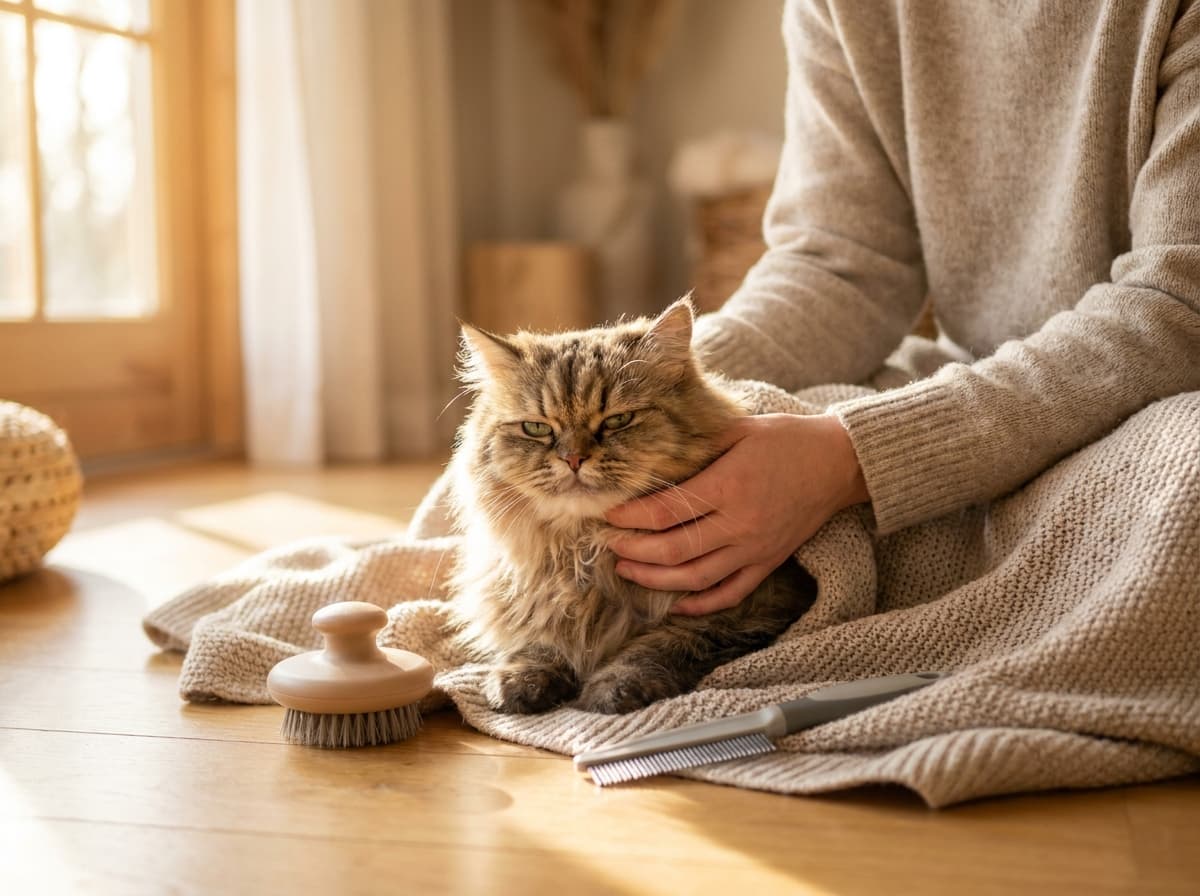
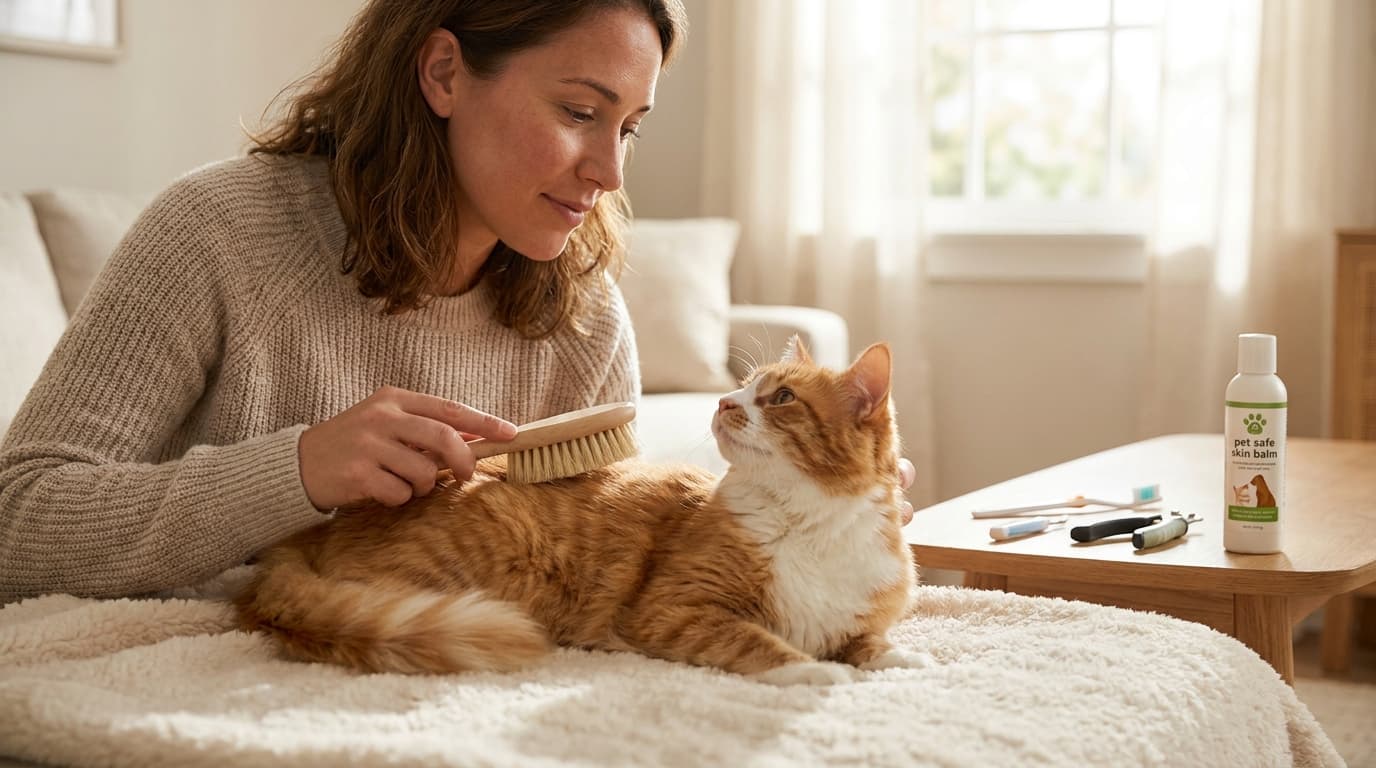
If you have a long haired cat, a wide tooth comb is your best friend because it gets through that fluff without pulling on the skin. For short haired cats, a metal comb followed by a rubber brush works wonders for removing loose fur and reducing dander. Brushing just once or twice a week keeps their skin healthy and keeps your furniture a lot cleaner. You can find these tools at places like KittyNook, which even offers free shipping on orders over sixty dollars.
When it comes to baths, do not reach for your own shampoo. Cats have very delicate skin with a specific pH balance that human products can ruin. Use a feline specific shampoo and dilute it by mixing one part soap with five parts water. This makes it much easier to rinse out and keeps their skin from getting itchy or dry.
Safety is a big deal during bath time. Put a rubber mat in the tub so they do not slip and use cotton balls in their ears to keep water out. It also helps to trim their claws before you start so you do not get scratched if they get jumpy. Keep the water lukewarm and only about three or four inches deep so they feel secure while you work.
Metal combs are the real heroes of the grooming world. They might look basic, but they are incredibly effective at finding hidden mats before they become a painful problem. You can tell if your cat's hair is truly healthy by doing the gloss and spring test. Just touch their coat. It should have a natural shine and spring back under your hand immediately. If it feels dull or stays flat, they might need more frequent grooming or a bit of extra attention.
Remember that successful grooming depends a lot on your cat's mood. It is best to schedule sessions when your cat is at her most mellow, like after a long nap. While you are at it, try to include a quick dental check. Regular brushing helps prevent tartar buildup and bad breath. If they start to fight the process, it is okay to stop. You can always call a professional if things get too stressful for both of you.
Key insights:
- Always dilute feline-specific shampoo with five parts water to ensure it rinses out completely and protects skin pH.
- The gloss and spring test is a simple way to verify coat health by checking for natural shine and elasticity.
- Short-haired cats get the best results from a two-step process using a metal comb followed by a rubber brush.
- Essential safety steps like using a rubber mat and trimming claws first can prevent bath time accidents.
Picking the Right Brush for the Job
Ever wonder if your cat's coat is actually healthy? Try the gloss and spring test. When you pet your cat, the fur should have a natural shine and bounce back under your hand. If it feels dull or stays flat, it is time to check your toolkit. Metal combs are the real heroes here. They are essential cat grooming supplies for beginners because they reach deep enough to remove the loose hair and dander that other brushes miss.
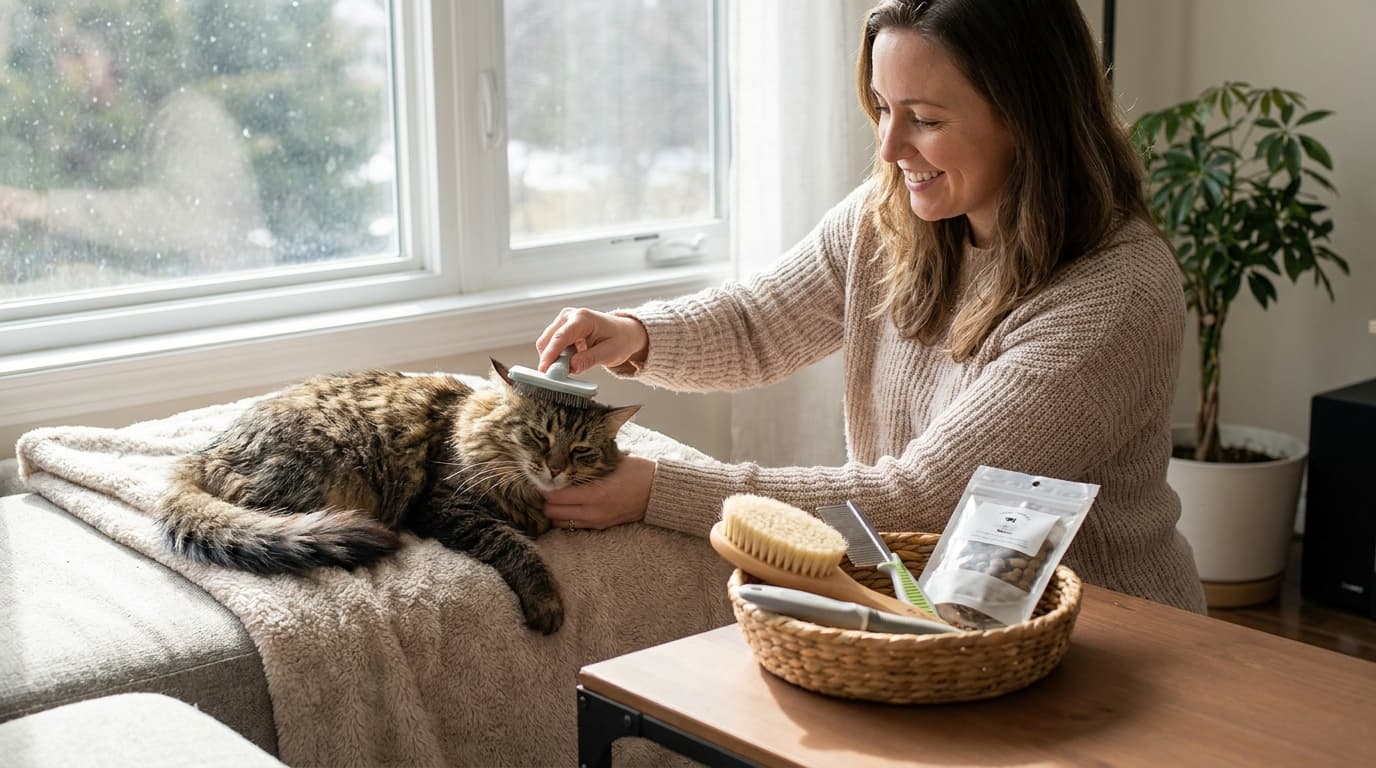
Your choice of tool depends on the coat. Short-haired cats do best with a metal comb followed by a rubber brush. If you have a long-haired cat, you will need a wide-tooth comb to gently work through tangles. These brushing techniques for cats with sensitive skin keep the coat clean without any painful pulling. Aim for one or two sessions a week to keep the skin healthy and the shedding under control.
Starting early with a kitten introduction to grooming routines turns this chore into a bonding activity. When they learn to love the brush as a kitten, they stay calm as adults. It is a simple way to keep your cat happy while making sure their coat stays in top shape. What does this mean for you? Less fur on the sofa and a much happier pet.
Key insights:
- Metal combs are more effective than most decorative brushes for reaching the undercoat.
- The gloss and spring test is a quick way to monitor your cat's skin health and coat quality.
- Regular brushing once or twice a week is the standard for maintaining a healthy feline coat.
Dealing with Sensitive Skin? How to Brush Without the Hissing
Ever tried to brush your cat only to have them turn into a fuzzy, hissing blender? If your cat has sensitive skin, they aren't just being grumpy. They might actually be in pain. The secret to a smooth session is a gentle hand and the right gear. For cats who find every stroke a bit much, soft-bristle tools are your best friend. Always brush in the direction the hair grows. It sounds simple, but it prevents that uncomfortable tugging that leads to a swipe at your hand.
You might think skipping a week is a favor to your sensitive pet, but it actually makes things worse. Regular brushing, about once or twice a week, is the sweet spot for maintaining a healthy coat. This frequency stops painful mats from forming before they start. When you're done, take a look at the fur. Healthy cat hair should have a natural gloss and spring back under your hand when you touch it. If it feels brittle or looks dull, it might be time to check in on their skin health.
Choosing the right tool depends entirely on what kind of coat you're dealing with. If you have a long-haired cat, a wide-tooth comb is the way to go to get through those deep layers without pulling. For short-haired cats, try a metal comb followed by a rubber brush to pick up loose dander. Using the wrong tool is a quick way to cause irritation. As the ASPCA points out, a clean cat is a happy cat, but safety comes first. If your cat fights you and there is a risk of injury, don't force it. It is perfectly okay to call a professional groomer or your vet for help.
Timing is everything when it comes to the mellow session. You wouldn't want someone scrubbing your back right when you're ready to run a marathon, and neither does your cat. The best time to pull out the brush is when they are already sleepy or relaxed after a long nap. You can also use treats and a bit of play to turn the whole thing into a positive bonding moment rather than a chore. Think of it as a spa day rather than a mandatory cleanup.
If you're starting with a kitten, you're in luck. Introducing grooming routines early on is the best way to build a lifetime of tolerance. Start with short bursts of touch and slowly introduce the tools. This shift toward at-home professionalism isn't just about fancy kits; it's about using positive reinforcement like praise and snacks to make the brush feel like a massage. Before you know it, that hissing will turn into a purr.
Key insights:
- Brush in the direction of hair growth to avoid skin tugging.
- Aim for 1-2 sessions per week to prevent painful mats.
- Use wide-tooth combs for long hair and rubber brushes for short hair.
- Schedule grooming when your cat is sleepy or relaxed for better results.
- Always prioritize safety and consult a professional if your cat becomes aggressive.
The Art of the 'Mellow' Session
Ever tried to brush a cat that thinks your comb is a wrestling opponent? It usually ends in a flurry of fur and a frustrated owner. The secret isn't always a better brush, it's better timing. Most pros suggest waiting until your cat is in a deep nap mode or just waking up from a long snooze. When they are feeling lazy and mellow, they are much more likely to tolerate diy cat grooming and styling tips without making a break for it.
Think of it as a spa day rather than a chore. If you start these kitten introduction to grooming routines early, they'll learn that a brush feels like a rhythmic massage. ASPCA experts recommend scheduling sessions when your cat is at her most relaxed. You can also use a few favorite treats or a quick play session afterward to seal the deal. This builds a positive link in their brain so they don't hide under the couch the moment the tools come out.
Regular brushing once or twice a week keeps their skin healthy and the fur manageable. You'll know you're doing it right when their coat has a natural gloss and springs back under your hand when touched. By keeping things low-pressure, you turn a potentially stressful event into a quiet bonding moment that keeps your house cleaner and your cat much happier.
Key insights:
- Timing grooming around naps reduces resistance and stress.
- Positive reinforcement with treats helps build a long-term routine.
- A healthy coat should feel springy and look glossy after a good session.
Start 'Em Young: Introducing Your Kitten to the Brush
Ever wonder why some cats act like a brush is a medieval torture device? It usually comes down to when they first met one. Starting your kitten's introduction to grooming routines early is the best way to raise a cat that actually enjoys the pampering. Think of it as a bonding ritual rather than a chore. If you wait until they are older, you might be dealing with a confused ball of fur and claws that wants nothing to do with a comb.
The trick is to keep things short and sweet. Aim for sessions that last only two to five minutes so you do not overwhelm a tiny kitten. You want to stop while they are still having a good time. It also helps to pick your moments wisely. Experts suggest scheduling these sessions when your cat is at her most mellow, like after a big meal or a long play session. Regular brushing once or twice a week keeps their coat healthy, giving it that natural gloss that springs back when you touch it.
Before you even pick up a brush, get your kitten used to being handled. This is the secret to building trust through touch. Gently touching their paws and looking inside their ears now will make future vet visits way less stressful for everyone involved. This is where positive reinforcement really shines. Use treats and praise to show them that being handled is a good thing that leads to rewards.
If you start seeing them get wiggly or annoyed, just let them go and try again later. You are building a foundation of trust here, not winning a wrestling match. Over time, you can slowly introduce tools like metal combs or rubber brushes depending on their coat type. By keeping the vibe relaxed and fun, you are turning a potentially scary experience into a regular, happy part of their day.
Key insights:
- Introduce grooming during 'mellow' times to ensure the kitten is receptive.
- Keep initial sessions under five minutes to prevent sensory overload.
- Handling paws and ears early prepares kittens for easier vet checkups.
- Use treats to link grooming tools with positive rewards from day one.
Building Trust Through Touch
Ever wonder why some cats treat a vet visit like a wrestling match? It often comes down to how much they were handled as kittens. Touching their paws and ears early on is a huge help. This makes future check-ups and nail trims much easier because they have learned to trust you.
The trick is to use positive reinforcement to create a grooming-tolerant adult. Try scheduling these mini-sessions when your cat is at their most mellow, perhaps right after a nap. If you reward them with treats and praise, they will associate grooming with good things rather than stress. By making touch a regular part of their routine, you are setting them up for a lifetime of calm care. After all, a cat that trusts your hands is much easier to keep healthy.
Key insights:
- Early life introduction is critical for building long-term grooming tolerance.
- Successful grooming depends on timing sessions when your cat is relaxed and mellow.
The Dreaded Bath: How to Survive a Feline Scrub-Down
Most cats treat water like liquid kryptonite. The good news is that your feline friend usually does a great job cleaning themselves without help. Healthy cat hair should have a natural gloss and feel springy to the touch, and they maintain that look using their own sandpaper tongues. But life happens. Maybe they got into some soot or decided to explore a muddy flowerpot. When a bath is unavoidable, you need a plan to survive the scrub-down without losing a finger.
Before the water starts running, you need a plan for defense. Think of it as a smart first step. Trim those claws before the bath to protect your skin from the inevitable climbing the human maneuver. It also helps to pick your moment. It is best to wait until your cat is at their most mellow, maybe after a long nap or a big meal. If they are already zooming around the house, a bath will only end in a mess. You want them calm so the experience does not become a scary memory.
When you get to the suds, there is a specific rule to follow. Never use human shampoo because it can cause dryness and irritation by messing with their skin pH. Instead, use a cat-specific bottle and follow the one-to-five rule. This means you mix one part shampoo with five parts water. It makes the soap much easier to rinse out and keeps their coat looking glossy and healthy. A clean cat is a happy cat, but only if they do not feel like a sticky mess afterward.
Now for the actual splash zone. You do not need a deep pool. Just three to four inches of lukewarm water is plenty. To keep things from getting slippery, place a rubber mat on the bottom of the tub. This gives your cat some traction and makes them feel a bit more secure. Having the right essential cat grooming supplies like this makes the process much smoother and less stressful for everyone involved.
Protecting the sensitive spots is also important. Gently put cotton balls in their ears to keep water out. When you wash them, avoid the face entirely and use a damp cloth there instead. This keeps soap away from their eyes and nose. If your cat fights too hard, do not force it. If there is a risk of someone getting hurt, it is better to call a professional groomer or a vet. Safety is always more important than a perfect bath.
Key insights:
- Always dilute cat shampoo with a one-to-five ratio of soap to water for easier rinsing.
- Trim your cat's claws before the bath to prevent scratches during the process.
- Place a rubber mat in the sink or tub to provide traction and reduce your cat's anxiety.
- Use cotton balls in the ears and avoid the face to prevent water entry and irritation.
Step-by-Step Splash Zone Guide
Ready to brave the bath? Before you even turn on the tap, make sure your kitty is in a mellow mood. It helps to trim those claws first - your arms will thank you later. Start by placing a rubber mat in the tub so they don't slide around and feel panicked. You only need about three to four inches of lukewarm water. Think of it as a shallow wading pool, not a deep soak.
When it's time for suds, don't pour shampoo straight onto their fur. Instead, dilute it: one part soap to five parts water. This makes rinsing much easier and protects their sensitive skin from irritation. To keep things calm, gently tuck cotton balls into their ears to block water. Avoid the face entirely; a damp washcloth is much better for cleaning around the eyes and nose.
The ASPCA notes that "a clean cat is a happy cat," but the secret is keeping the vibe calm. If your cat panics or tries to fight, it is okay to stop. By keeping the water warm and the process quick, you're turning a potentially scary chore into a simple, bonding routine that keeps their coat healthy and glossy.
Key insights:
- Dilute shampoo using a 1:5 ratio to ensure it rinses out completely.
- Use cotton balls and a washcloth to keep the ears and face dry.
- Always place a rubber mat in the basin to provide secure footing.
The Secret to Less Dander (and a Cleaner House)
Ever notice how your favorite black sweater suddenly looks like it is growing a coat of its own? That is the daily struggle of living with a cat. But here is the thing: all that white dust and loose fur isn't just a cleaning headache. Dander is actually a sign of dry skin. When you see those flakes, your cat’s skin is likely thirsty for some attention. Regular brushing, usually once or twice a week, keeps the skin healthy and the coat looking like it has a natural gloss. If the hair springs back under your hand when you pet them, you know you are doing it right.
To really win the war against dander, you need to go deeper than just the surface. This is where reducing cat dander with specific grooming tools comes into play. If you have a short-haired cat, start with a metal comb and follow up with a rubber brush to grab loose hairs. For long-haired friends, a wide-tooth comb is your best friend. De-shedding brushes that target the undercoat are the real secret. They pull out the trapped fluff before it ever has a chance to land on your sofa. Think of it as a proactive strike against the vacuum cleaner.
Timing is everything when you are trying these diy cat grooming and styling tips. The ASPCA suggests waiting until your cat is at their most mellow, perhaps after a long nap. If they start to fight the process, don't force it. It is better to stop than to risk a scratch. Remember that a kitten introduction to grooming routines makes a huge difference. If you start when they are young, they learn to see the brush as a massage rather than a threat. Plus, keeping things clean means a happier pet. As the ASPCA says, a clean cat is a happy cat.
Key insights:
- Dander is often a symptom of dry skin that regular brushing can help alleviate.
- Targeting the undercoat with de-shedding tools prevents fur from reaching your furniture.
- Grooming sessions should be timed when your cat is relaxed to ensure a positive experience.
Nails, Teeth, and Ears: The Often-Forgotten Basics
Most people think cats are totally self-sufficient, but they can’t exactly pick up a toothbrush or clip their own claws. Dental hygiene is a massive part of their overall health. As Jean at KittyNook points out, regular brushing helps stop tartar buildup and that infamous tuna breath. If you introduce this habit while they are kittens, it becomes a normal part of their routine. What does this mean for you? Fewer expensive vet cleanings and a much happier pet who doesn't shy away from face-to-face snuggles.
Then there’s the nail trim. This is usually the part owners dread most. The secret is finding the quick, which is that sensitive pinkish area inside the claw where the blood vessels and nerves live. You have to avoid it at all costs to keep the experience pain-free. It helps to schedule these sessions when your cat is feeling mellow, perhaps after a long nap. Also, if you are planning a bath, always trim those nails first. It is a simple safety move that protects your skin from accidental scratches if they get jumpy in the water.
Don't forget to check their ears for debris or wax. If they look a bit grimy, use a feline-safe cleaning solution rather than human products, which can irritate their skin. While you are checking their ears, take a moment to feel their coat. Healthy cat hair should have a natural gloss and literally spring back under your hand when you touch it. Keeping up with these basics once or twice a week makes a world of difference for their comfort. If your cat fights the process and you worry about injury, the ASPCA recommends calling a professional groomer or your vet instead of forcing it.
The reality is that grooming is as much about bonding as it is about hygiene. When you approach these tasks with a calm energy and plenty of praise, your cat learns to trust the process. It might take some time to get them used to the tools, but the payoff is a healthier, cleaner companion who feels their best every day.
Key insights:
- Trim claws before bath time to prevent scratches and ensure safety for both you and your cat.
- Healthy feline fur should feel springy and show a natural gloss when touched.
- Always use species-specific cleaning solutions to maintain the correct pH balance of a cat's sensitive skin.
- Schedule grooming sessions when your cat is at their most relaxed to ensure a positive experience.
Frequently Asked Questions
You'll find that brushing your cat once or twice a week is usually the sweet spot for keeping their skin and coat healthy. It helps move natural oils around and gets rid of loose hair before it ends up on your sofa or becomes a hairball.
The type of coat your cat has makes a big difference too. If you have a long-haired cat, you'll want to use a wide-tooth comb to prevent mats. For short-haired cats, a quick session with a metal comb and then a rubber brush works wonders. You'll know their hair is healthy when it has a nice gloss and springs back under your hand when you touch it.
The best thing you can do is stay patient and pick your moments. Try to start a grooming session when your cat is at their most mellow, like right after a nap. Use treats and plenty of praise to make the brush feel like a reward rather than a chore. If you start when they are kittens, they usually grow up to be much more tolerant of the routine.
If they start to get stressed or wiggly, just stop and try again another time. It's all about building trust slowly. But here's the thing, if your cat gets aggressive and you think someone might get hurt, don't force it. In those cases, it's much safer to make an appointment with a professional groomer or your vet who can handle the situation safely.
It is really tempting when you are in a pinch, but you should avoid using human shampoo on your cat. Our skin has a completely different pH balance than theirs, and using our soap can lead to nasty skin irritation or uncomfortable dryness.
If you absolutely have to wash them and do not have cat-specific soap, it is often better to use just plain lukewarm water. When you do get the right supplies, remember that cat shampoo is quite concentrated. You should dilute it using one part shampoo to five parts water to make it easier to rinse out and gentler on their coat.
Mats are tricky because cat skin is paper-thin and moves easily. Your best bet is to gently work the mat apart with your fingers or use a wide-tooth comb to slowly tease the hair loose starting from the edges. Whatever you do, keep the scissors in the drawer because it is far too easy to accidentally nick your cat.
Here is the thing: if the mat is tight against the body or if your cat starts fighting the process, stop immediately. The ASPCA suggests that if there is a risk of injury to you or your pet, it is time to call a professional groomer or a vet. To keep things smooth in the future, a quick brushing session once or twice a week usually stops those tangles before they even start.
Conclusion
So what is the big takeaway here? Grooming your cat at home is about more than just keeping their fur looking good. It is a way to build trust and catch health issues before they become big problems. Whether you are working on a kitten introduction to grooming routines or using gentle brushing techniques for cats with sensitive skin, the goal is to make the experience calm and predictable.
You do not need to be a professional to get great results. Having essential cat grooming supplies for beginners like a good metal comb or a rubber brush makes a huge difference. These diy cat grooming and styling tips work best when you focus on patience rather than perfection. Plus, keeping up with a routine is the best way of reducing cat dander and keeping your furniture fur-free.
Your next move is simple. Try starting with just a few minutes of brushing while your cat is already sleepy and relaxed. If things get stressful, it is okay to stop and try again tomorrow. A clean cat is a happy cat, but a happy owner who stays scratch-free is even better.
Send it to someone who should read it next.

PurrScript Editorial Team
Editorial Team
PurrScript's in-house editorial team. We research, write, and review every guide using established veterinary and behavioral resources, and update articles as best practices evolve.
View all articles