Grooming: How to Treat Cat Skin Dandruff, Overgrooming, and More
Keeping your kitty happy starts with Grooming: how to treat cat skin dandruff, why is my cat overgrooming its belly, how to brush cat teeth at home, how to cut...

Sophia Parks
Breed Specialist & Breeder
Grooming: How to Treat Cat Skin Dandruff, Overgrooming, and More
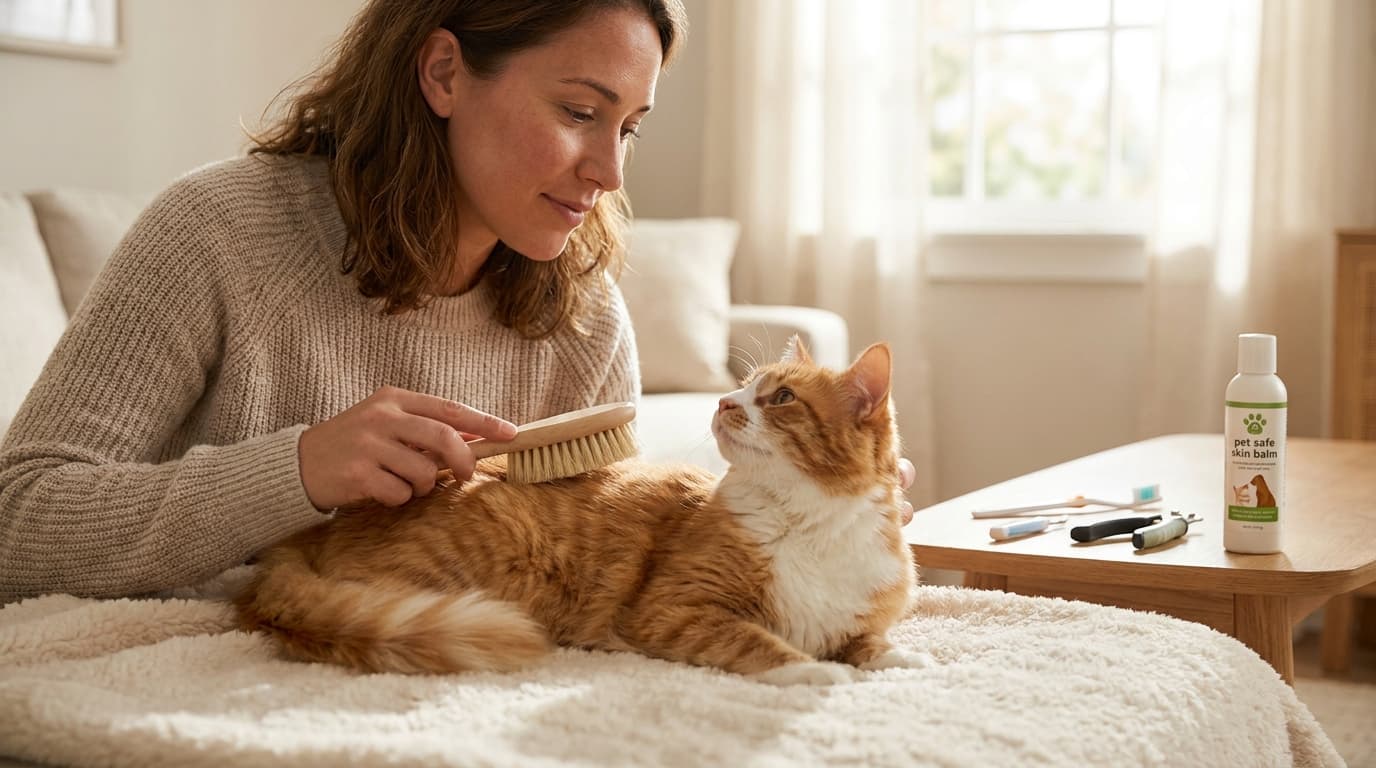
Keeping your kitty happy starts with Grooming: how to treat cat skin dandruff, why is my cat overgrooming its belly, how to brush cat teeth at home, how to cut long hair cat bottom, cat claws getting stuck in carpet. When your cat deals with flakes or snags, it's often a sign they need extra support to stay comfortable.
Taking care of their coat and teeth isn't just about looks because it prevents pain and keeps them feeling great.
You'll learn how to handle these tricky grooming tasks at home without the usual stress.
Dealing with Flakes: How to Treat Cat Skin Dandruff
Cat dandruff isn't just a cosmetic issue; it's a sign your kitty's skin needs a little extra love. Usually, those white flakes pop up because of a lack of moisture or a physical struggle to reach certain spots. Cats require roughly one ounce of water per pound of body weight daily to maintain healthy skin. When they don't hit that hydration goal, their fur gets brittle and the skin underneath dries out.
Imagine a sweet, older cat who’s carrying a little extra weight. She wants to be clean, but she simply can't twist far enough to reach the base of her tail. Over time, that neglected area becomes a hotspot for dry, scaly skin because the natural oils aren't being spread around. It's a common sight for "chonky" cats who just don't have the range of motion they used to, leaving them with a build-up of flakes in the very spots they can't reach.
But it's not just about reach; it's about what's happening inside their body too. If your cat isn't drinking enough, their skin loses its elasticity and can't stay hydrated. Using tools like water fountains can make a big difference because cats are naturally drawn to moving water rather than a still bowl. When you combine better hydration with a diet rich in Omega-3 fatty acids like fish oil, you're attacking the dandruff from two different angles to ensure their coat stays soft and flake-free.
Key insights:
- Use a water fountain to encourage more frequent drinking throughout the day.
- Mix Omega-3 fish oil into their meals to boost skin health from the inside out.
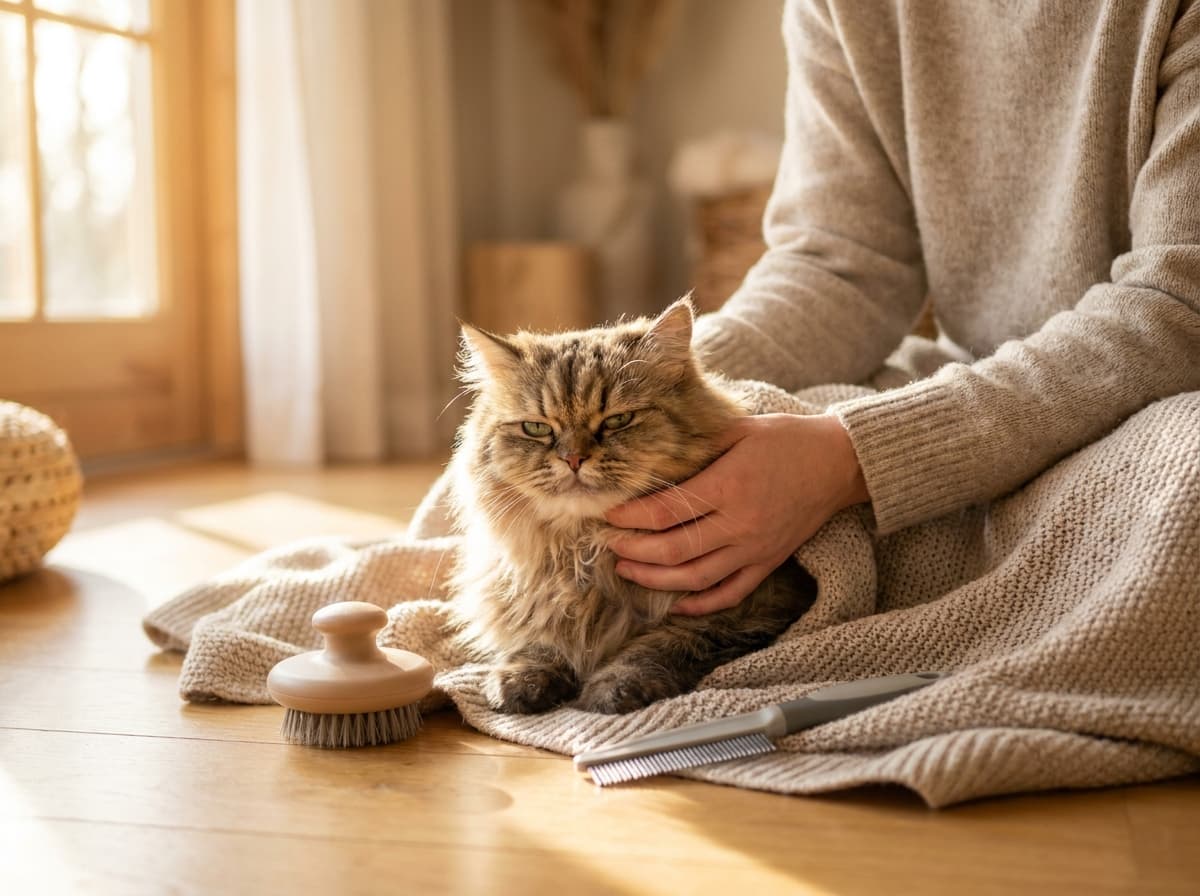
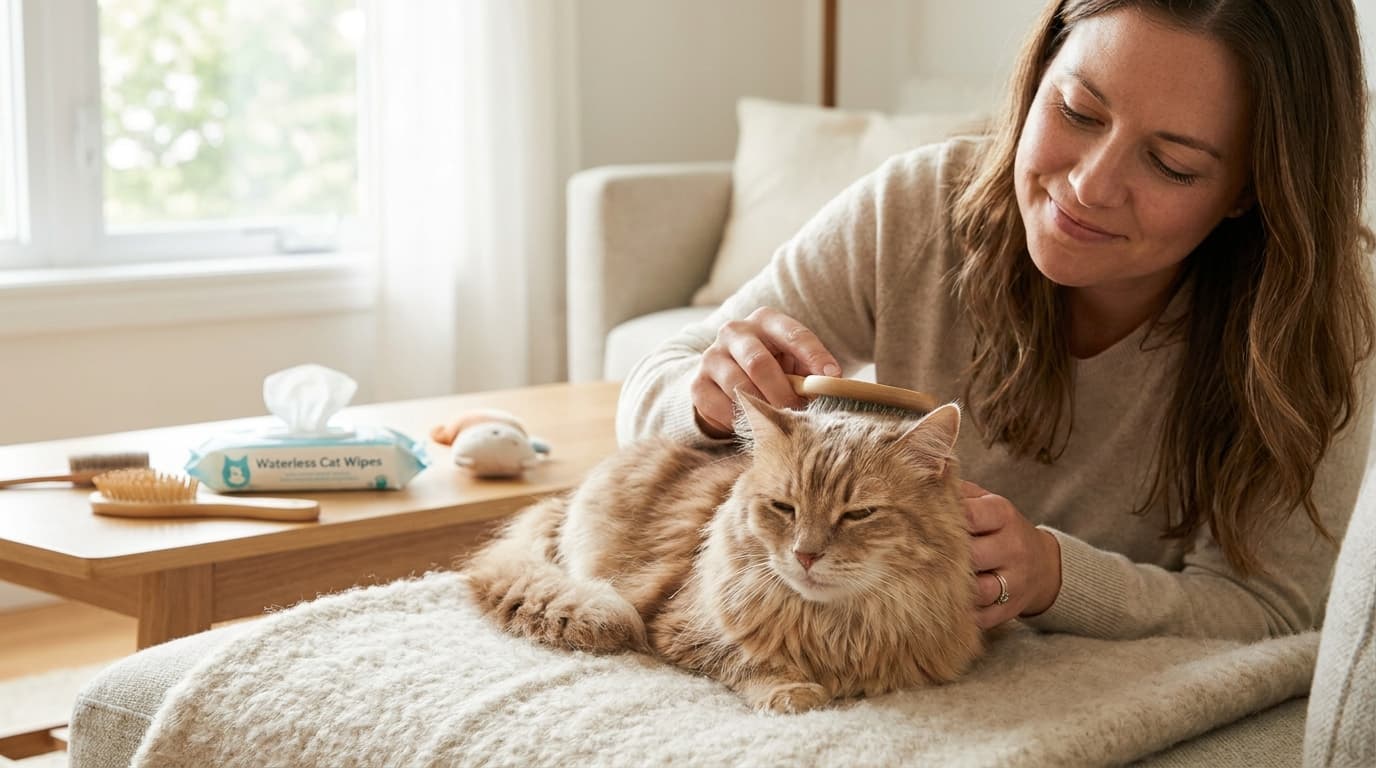
- Help your cat groom those hard-to-reach spots with a soft brush once a day.
- Monitor their weight to help them maintain the flexibility needed for self-care.
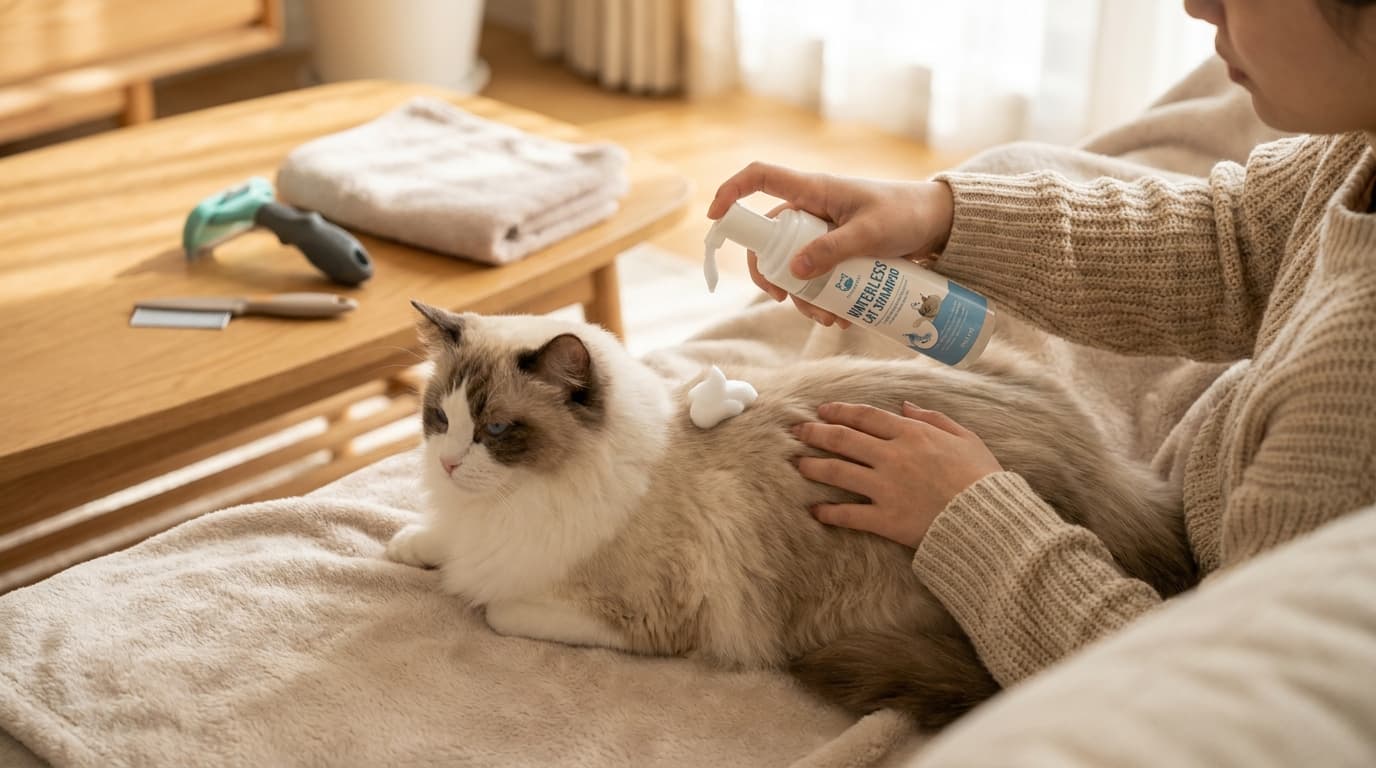
- Look for specialized shampoos if the flaking persists despite diet changes.
The Role of Obesity and Hydration
When a cat carries extra weight, they often lose the flexibility needed to reach every part of their body. This usually results in a buildup of dry skin and oils near the base of the tail and lower back. Dehydration makes the situation even worse, as cats need one ounce of water per pound of body weight each day to maintain healthy skin.
Think about a rounder cat who tries to groom but just can't quite twist far enough to reach his lower spine. Over time, that neglected fur becomes brittle and flaky because it isn't getting the natural oils spread through regular licking. It's a common struggle for indoor cats who get plenty of snacks but not enough movement.
Key insights:
- Install a pet water fountain to make drinking more exciting for your cat.
- Brush the hard-to-reach areas on your cat's back to clear away dead skin.
- Consult your vet about a weight-loss diet to improve your cat's range of motion.
- Mix a little extra water into wet food to boost daily hydration levels.
Why Is My Cat Overgrooming Its Belly?
If you notice your cat licking its belly until the skin is bare, it is usually a sign of physical discomfort or emotional stress. Cats are experts at hiding pain, so they often turn to obsessive grooming to soothe themselves. While it might look like a simple habit, medical conditions like bladder infections or skin allergies are often the real culprits behind a bald tummy.
It is also possible your cat is just plain stressed, which vets call psychogenic alopecia. Because grooming helps cats stay cool and spreads protective skin oils, the act itself is naturally calming. When a cat feels anxious, they might lean into this behavior too hard, turning a normal cleaning session into a compulsive habit that leaves them hairless.
Take a cat named Oliver, for example. His owners recently moved the sofa and started working longer hours. Oliver, feeling a bit lost with his routine disrupted, started spending his afternoons frantically licking his midsection. What looked like a sudden skin rash was actually Oliver’s way of trying to 'groom away' his anxiety over the new living room layout.
Key insights:
- Rule out medical issues like eosinophilic granuloma or parasites with a vet checkup first.
- Look for environmental triggers such as new pets, loud construction, or even a change in your work schedule.
- Add Omega-3 fatty acids to their meals to help repair the skin barrier and reduce irritation.
- Keep them hydrated with one ounce of water per pound of body weight to prevent dry, itchy skin.
- Introduce interactive toys or scratching posts to redirect their nervous energy away from grooming.
Pearly Whites: How to Brush Cat Teeth at Home
Brushing a cat's teeth sounds like a recipe for a trip to the ER, but it does not have to be a struggle. You can actually clean those fangs without getting scratched if you ditch the human toothbrush and the minty paste. Cats are much more likely to cooperate when you use a tiny silicone finger brush and toothpaste that tastes like chicken or seafood.
The secret is to make it feel like a snack rather than a chore. Most cats will not let you dive in immediately, so you have to build trust first. It helps to remember that grooming is a natural biological process for them, so they are already used to being touched. You just need to pivot that comfort toward their mouth and gums.
Imagine you have a wiggly tabby named Oliver who treats every vet visit like a wrestling match. Instead of pinning him down, you start by putting a dab of poultry-flavored paste on your finger while you are both relaxing on the couch. Oliver licks it off, thinks it is a treat, and looks for more. Over the next week, you slowly transition from him licking your finger to you gently rubbing his gums. By the time the actual finger brush comes out, Oliver is so focused on the flavor that he hardly notices you are actually cleaning his teeth.
Key insights:
- Buy a toothpaste specifically made for cats because human versions often contain xylitol or fluoride which are toxic to pets.
- Let your cat lick the paste off the brush for a few days to get them comfortable with the new tool.
- Aim for short sessions of only 30 seconds to keep the experience from becoming stressful for both of you.
- Focus your efforts on the outside of the teeth where plaque builds up the most.
- Give your cat their favorite toy or a small treat right after you finish to build a positive habit.
The Sanitary Trim: How to Cut Long Hair on a Cat's Bottom
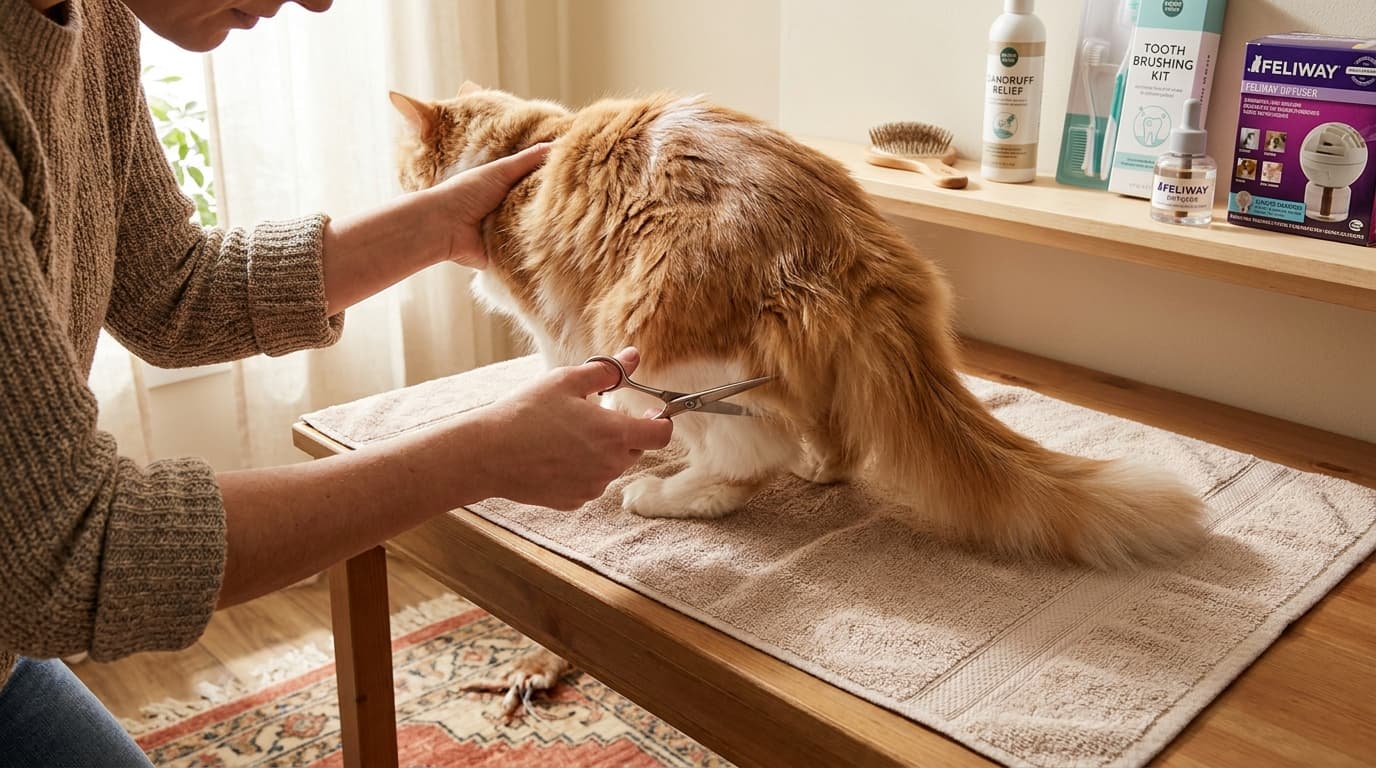
Long-haired cats like Persians often struggle to keep their hindquarters clean, leading to messy "cling-ons" and uncomfortable mats. A sanitary trim is a simple home solution where you shorten the fur around the bottom to prevent waste from getting trapped in the coat. It saves you from constant cleanup and keeps your cat’s skin healthy and free from irritation or painful tangles.
You do not need a professional setup to do this well. Use blunt-nosed safety scissors or quiet electric clippers to keep the noise and vibration to a minimum. It helps to have a partner hold the cat in a "burrito" towel wrap, which keeps them calm and prevents any sudden movements while you work on those tricky spots. This setup ensures the process is over quickly with minimal stress for everyone involved.
For example, imagine a first-time owner of a fluffy Maine Coon who keeps finding litter box messes on the living room rug. They might think a full bath is the only answer, but that can be a huge ordeal for a feline. According to ASPCA grooming tips, a proper bath requires specific water temperatures and diluted shampoo, which is a lot of work. A five-minute trim of the "butt fluff" is much faster and solves the problem before the cat even realizes what happened.
This is especially important for older or heavier cats. Physical limitations like obesity are a primary driver for skin issues because the cat simply cannot reach their lower back to groom. When they cannot clean themselves, dandruff and mats build up fast. Keeping that area trimmed short helps prevent these issues while making it easier for you to monitor their skin health.
Key insights:
- Use blunt-nosed safety scissors to prevent accidental nicks on sensitive skin.
- Enlist a helper to hold the cat securely in a towel wrap for better control.
- Trim the fur around the base of the tail and the back of the thighs where mess accumulates.
- Look for signs of dandruff or flakes, as these often appear in areas the cat cannot reach.
- Give a high-value treat immediately after finishing to create a positive association with grooming.
No More Snags: What to Do When Cat Claws Get Stuck in Carpet
If your cat is suddenly hitching a ride on the living room rug, it usually means their claws are not shedding properly. As cats get older, their nails can become thick and brittle, losing the ability to drop the outer sheath that naturally sharpens the point. Instead of falling off, these layers stack up like an onion and create a heavy hook that catches on every loop of carpet or loose thread on your favorite blanket.
Imagine a senior cat named Barnaby who used to be a champion scratcher but now spends most of his time napping. One afternoon, he stretches out on the rug and finds himself tethered to the floor by his front paw. He struggles to pull free, and the more he tugs, the deeper the snag gets. This is not just annoying for Barnaby, it can actually lead to painful torn nails or joint strain if he panics and pulls too hard.
While snagging is a physical issue, it is also a sign that your cat might need more help with their daily maintenance. Good skin and coat health starts from the inside out. For instance, cats need about one ounce of water per pound of body weight every day to keep their skin and claws from becoming dry and brittle. Keeping them hydrated ensures the nail remains flexible enough to shed correctly.
Key insights:
- Trim your cat's claws every two to three weeks to keep the tips blunt and prevent deep snags.
- Set up vertical sisal scratching posts to help them naturally pull off old nail sheaths through play.
- Check for thick, overgrown nails specifically in older cats who might not be active enough to wear them down.
- Add an Omega-3 fish oil supplement to their food to improve the flexibility of their skin and nails.
- Keep a close eye on their paws during grooming sessions to spot any layers that are failing to shed.
Bathing Without the Battle: Safe Feline Washing
Most cats are not fans of water, but you can definitely skip the battle with a few smart prep steps. The secret is to keep things shallow and warm so your pet does not feel overwhelmed or trapped. These ASPCA grooming tips suggest using just three to four inches of lukewarm water to get the job done safely. This keeps their feet firmly on the ground and prevents that sudden panic that usually leads to scratched arms and a soaked bathroom floor.
Imagine you are washing a wiggly tabby who hates the slippery feel of a porcelain tub. Without a grip, they will scramble up your shoulders in a heartbeat because they feel like they are falling. By simply laying down a rubber bath mat, you give them instant traction and confidence. It is the difference between a cat that stands still and one that tries to scale the shower curtain to escape the moment they get wet.
You also want to be careful with the soap you choose for the job. Human shampoo is way too harsh for feline skin and can cause itchy dryness or even painful rashes. Instead, mix one part cat-specific shampoo with five parts water in a cup before you start the bath. This diluted mix is much easier to rinse out and makes sure you do not leave a sticky residue behind that might irritate their skin later.
Key insights:
- Trim your cat's claws before the bath to protect your skin from accidental scratches if they get jumpy.
- Place small cotton balls in their ears to keep water out and prevent uncomfortable infections.
- Avoid the face and ears entirely by using a damp washcloth for those sensitive areas instead of pouring water.
- Use a rubber mat or a folded towel at the bottom of the sink so they do not slip and panic.
- Keep a large, dry towel nearby to wrap them up immediately after you finish rinsing to keep them warm.
Frequently Asked Questions
Conclusion
Keeping your cat feeling great is mostly about paying attention to the small stuff. When you see skin flakes or a bald belly, your cat is usually sending a signal about their health or stress. Whether you are learning how to treat cat skin dandruff or wondering why your cat is overgrooming its belly, the goal is always comfort. A bit of extra water and routine care can go a long way in making their daily life much better.
Your next move does not have to be a full spa day. You might start by learning how to brush cat teeth at home or by trimming two claws while they are sleepy. If you have a long-haired cat, knowing how to cut long hair on a cat bottom saves you both a lot of trouble. These small habits also help prevent cat claws from getting stuck in the carpet as your cat ages.
Grooming is really just another way to bond with your favorite feline. When you keep those teeth clean and that coat soft, you are helping them stay happy and healthy. Grab a brush and a few treats and enjoy the extra purrs that come with a well-cared-for kitty.
Send it to someone who should read it next.
About the author
Sophia Parks
Breed Specialist & Breeder
Registered cat breeder and judge with deep expertise in pedigreed breeds and breed standards worldwide.
View all articles