Helping Your Cat Feel Great: Practical Tips for Stress-Free Grooming
Effective cat grooming is about health and comfort because it's what prevents painful mats and keeps skin in top shape. Whether you're learning how to desensitize a kitten to grooming...

Mia Torres
Cat Lifestyle Writer
Helping Your Cat Feel Great: Practical Tips for Stress-Free Grooming
Effective cat grooming is about health and comfort because it's what prevents painful mats and keeps skin in top shape. Whether you're learning how to desensitize a kitten to grooming tools or managing cat dandruff with daily brushing, regular care is vital.
Most cats need help with specialized needs like grooming tips for senior cats with arthritis or a sphynx cat skin care and bathing routine.
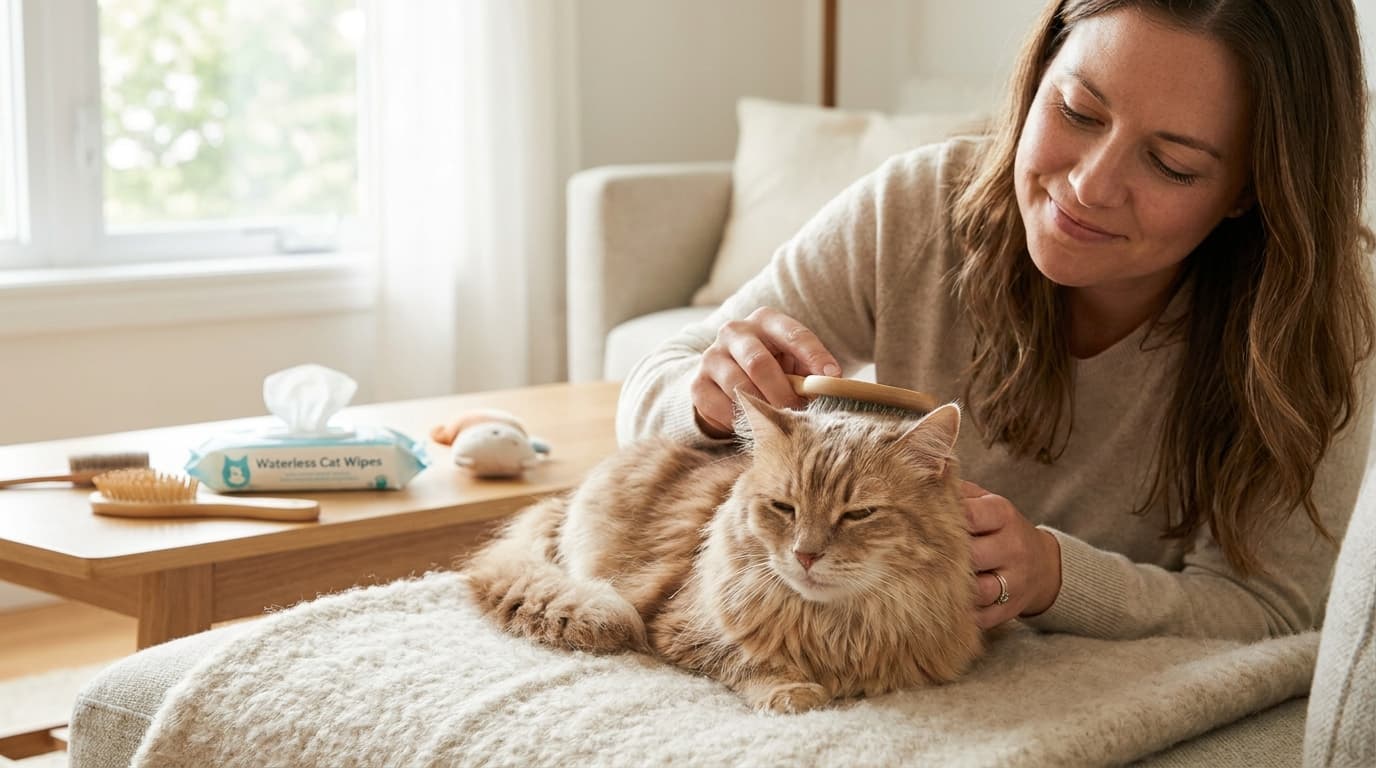
You'll also find the best waterless grooming wipes for smelly cats to help you build a stress-free routine that feels like bonding.
Getting Your Kitten Used to the Brush Without the Drama
To stop your kitten from seeing the brush as a toy or a threat, you have to change their perspective through early desensitization. Most kittens react by either attacking the brush or running away because the sensation is new and intense. By keeping your initial grooming sessions to just 30 seconds, you prevent them from getting overstimulated or bored enough to start a fight.
Imagine a 12-week-old kitten who tries to hunt the comb every time it touches their fur. They pounce, bite the bristles, and roll around like they are wrestling a mouse. While this looks like cute play, it is actually a habit that makes real grooming a struggle as they grow larger. You want them to learn that the brush is a tool for relaxation rather than a sparring partner.
The best way to manage this is with a slow and steady approach to touch. Spend time gently handling their paws, ears, and belly during quiet cuddle sessions before you ever show them a grooming tool. This builds deep trust and gets them used to being handled in sensitive spots where they might otherwise feel vulnerable.
When you are ready to introduce a tool, try using a soft toothbrush as a starter brush. It is small, non-threatening, and mimics the texture of a mother cat licking their fur. If they stay calm, give them a high-value treat like a lickable snack immediately. This creates a strong positive association and teaches them that sitting still leads to the best rewards.
Key insights:
- Start with 30-second sessions to keep their attention and prevent boredom.
- Use high-value treats like lickable snacks to build a positive association with the brush.
- Handle paws and ears daily during cuddles before introducing any grooming tools.
- Try a soft toothbrush as a gentle starter brush to mimic a mother cat's tongue.
- Reward calm behavior immediately with praise or food to reinforce the habit.
The Slow and Steady Approach to Touch
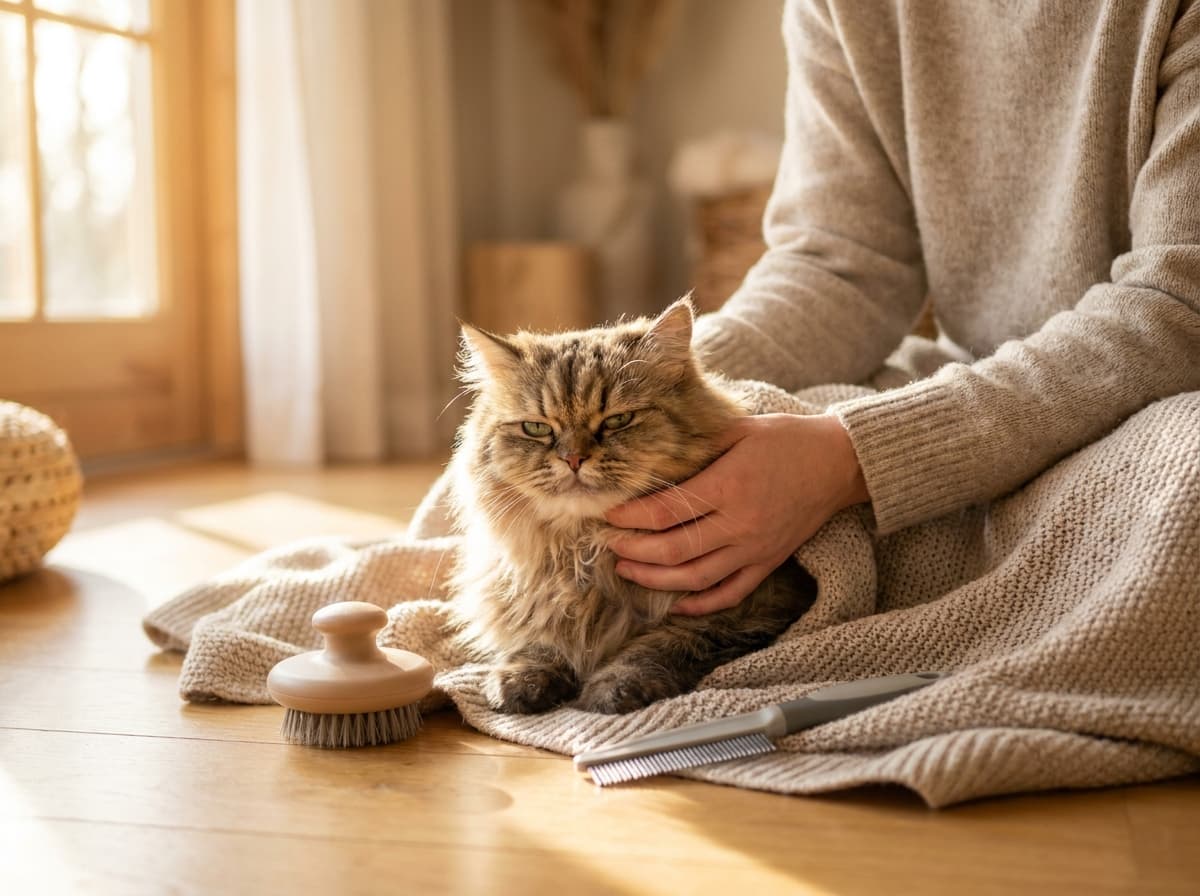
Desensitizing your cat to touch is the secret to easy grooming. Start by gently handling their paws and ears during regular cuddle time. This builds trust so they don't panic when you eventually bring out the actual tools.
Think about a first-time cat owner trying to trim nails. If the cat isn't used to its paws being touched, it's going to be a struggle. But if they've spent a week gently pressing on the cat's toe pads while watching TV, the cat barely notices when the clippers appear.
Key insights:
- Handle paws and ears daily before introducing any grooming tools.
- Use a soft toothbrush as a starter brush to get them used to the sensation.
- Give a treat immediately after any calm behavior to create a positive link.
Managing Flaky Skin and Shedding with Daily Brushing
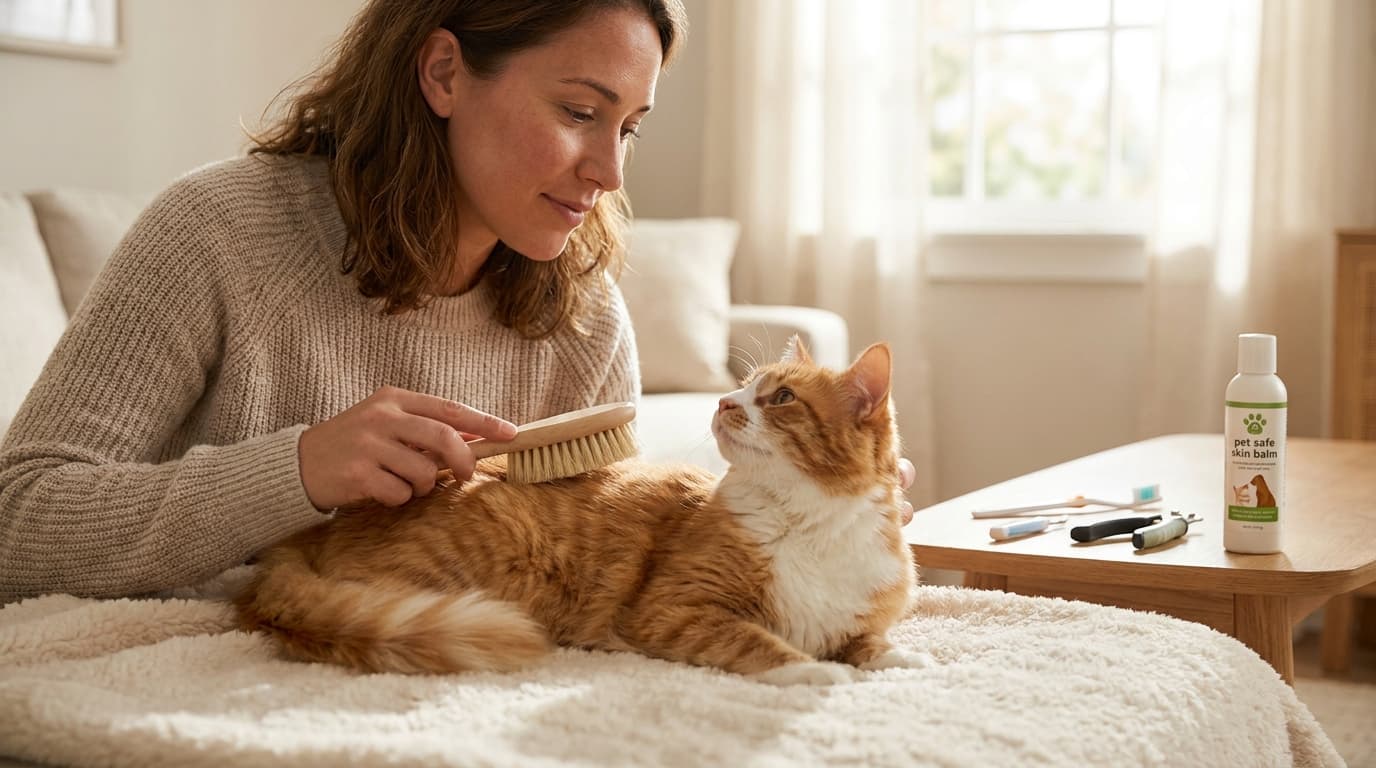
Daily brushing is often the simplest way to clear up those annoying white flakes on your cat’s coat. It works by lifting dead skin cells and spreading natural oils that keep the skin hydrated and healthy. Think of it like a mini-massage that boosts blood circulation and keeps the fur from getting greasy. While it might not cure a deep medical issue, it physically removes the buildup that makes a coat look dusty and neglected.
Veterinarian Lisa Chimes points out that if a cat’s coat looks scruffy or shows dandruff-like flakes, they probably need your help. This is especially true for cats that can't groom themselves well anymore because of age or weight. Regular sessions also mean less hair ends up in their stomach, which cuts down on those gross hairballs you find around the house.
Take a senior cat like Fella, who is 18 and a bit stiff in his joints. You might notice a patch of dry, flaky skin right along his lower back where he just can’t reach to groom anymore. Without your intervention, those flakes stay trapped in the fur, making the skin even itchier and the coat look dull. A quick daily brush-through makes a huge difference for a cat in this situation.
Key insights:
- Use a rubber curry brush or a soft bristle brush daily to lift flakes without irritating the skin.
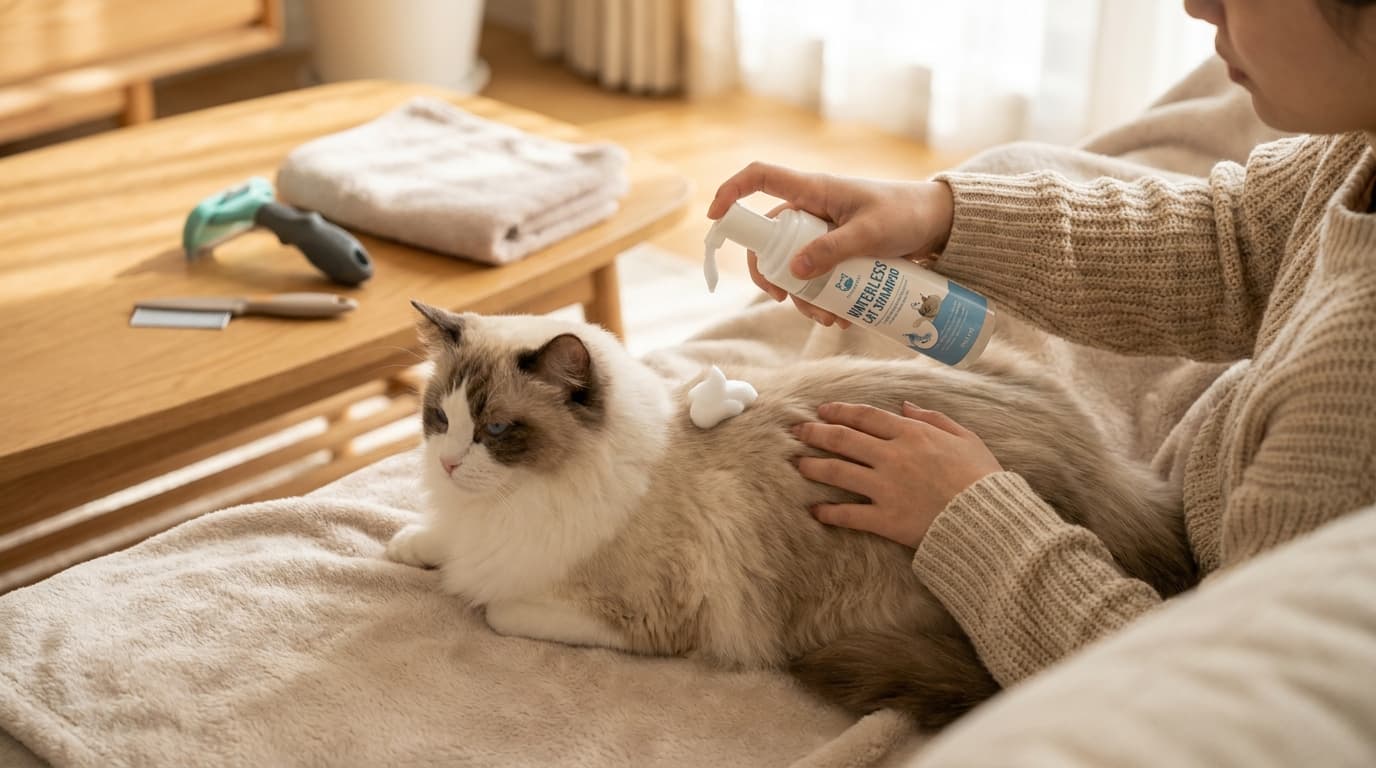
- Try a plant-based waterless shampoo foam to soothe itchy spots and remove debris without the stress of a bath.
- Focus on hard-to-reach areas like the base of the tail and the lower back where flakes tend to build up.
- Watch for any redness or unusual odors, as these might mean the dandruff is more than just simple dry skin.
Gentle Grooming for Senior Cats with Achy Joints
Older cats often lose that gymnastic flexibility they had as kittens. When stiff joints or arthritis make it hard to reach their lower back and hindquarters, their fur quickly becomes greasy, matted, or dirty. You have to step in because their own self-care routine just is not enough anymore. It is not just about looking good but about preventing skin irritation and keeping them comfortable in their golden years.
Veterinarian Lisa Chimes says that if a cat’s coat looks scruffy or develops a strange odor, they definitely need your help. Brushing once or twice a week removes dead hair and boosts blood circulation, which can feel like a light massage for an aging pet. It also cuts down on the amount of fur they swallow, which means fewer hairballs for you to find around the house.
Imagine an 18-year-old cat like Fella who has stiff hips. He tries to turn around to reach his back end but just cannot quite get there, so he ends up with messy fur on his hindquarters. He might feel frustrated or itchy, but he cannot fix the problem himself. A gentle grooming session with the right support can make him feel much better without putting any extra pressure on his achy body.
Key insights:
- Support their weight with a warm towel or your arm so they do not have to stand on achy legs during the process.
- Use extra-soft brushes or silicone mitts to avoid hitting sensitive joints or bony spots.
- Try waterless shampoo or wipes for quick spot cleaning instead of a stressful full bath.
- Keep sessions very short and move slowly so you do not startle them or cause fatigue.
- Look for mats behind the ears and on the belly where they might struggle to reach.
The Naked Truth: Caring for Your Sphynx’s Skin
Sphynx cats are unique because they lack the fur needed to absorb natural body oils. In a typical cat, these oils travel up the hair shaft, but on a hairless breed, they just sit on the surface. This buildup can make their skin feel sticky and lead to uncomfortable blocked pores if you do not step in and help them out.
Here is the thing: these oils do not just stay on the cat. They end up on your stuff. Without a coat to act as a sponge, your cat becomes a little oil slick that leaves marks on everything they touch. Regular bathing is not just about keeping them pretty because it is also about hygiene for both the cat and your home.
Imagine you just brought home a brand-new, light-colored armchair. Your Sphynx loves to lounge there, but after a few days, you notice a distinct brownish smudge on the fabric. It is not mud or dirt, but simply the concentrated oils from your cat's skin. This is a common wake-up call for new owners who realize that hairless does not mean low maintenance.
Key insights:
- Schedule a bath every one to two weeks to keep their skin clear and your furniture clean.
- Stick to pH-balanced, soap-free shampoos that are free of dyes and sulfates to avoid irritation.
- Rinse your cat's skin thoroughly because leftover soap can cause itchy rashes on hairless breeds.
- Try plant-based or oatmeal-based cleansers to help soothe sensitive skin and maintain moisture.
- Use soft, warm washcloths for the face and ears where oil tends to collect the most.
Quick Fixes: When to Use Waterless Wipes and Foams
You do not always need a bathtub to deal with a stinky cat. Waterless foams and wipes are perfect for those times when your cat smells a bit off but does not need a full soak. These products lift dirt and oils from the fur without the drama of running water. Veterinarian Lisa Chimes notes that if a coat looks scruffy or has an odor, your cat likely needs help, and these tools are the easiest way to give it.
Most cats find the sound of a faucet or being submerged terrifying. Waterless options use plant-based cleansers to break down odors and dandruff while keeping stress levels low. It is a fast way to keep their coat fresh between deeper grooming sessions, especially for older cats who have trouble reaching certain spots or hairless breeds that get oily quickly.
Imagine your cat, let us call him Barnaby, decides to explore the dusty space behind the fridge or has a messy mishap in the litter box. Barnaby is the type of cat who treats a single drop of water like a personal insult. Instead of wrestling him into a tub, you can simply grab a deodorizing wipe. You can quickly clean his paws while he is distracted by a treat, and he will be back to napping in minutes without even realizing he has been washed.
Key insights:
- Choose plant-based, alcohol-free wipes to avoid drying out your cat's skin or causing irritation.
- Apply waterless foam by massaging it into the coat, then towel dry and brush through to lift away loose fur and flakes.
- Keep a pack of wipes handy for spot cleaning specifically created for cats to manage diarrhea or urinary issues.
- Look for oatmeal-based formulas if you notice dandruff-like flakes or itchy skin during your weekly brushing.
- Try using these tools for senior cats who have mobility issues and can no longer groom their own hindquarters effectively.
Summary: Building a Routine Your Cat Actually Enjoys
Grooming your cat is really about building trust and keeping them healthy. It works best when you keep things short and sweet rather than trying to do everything at once. A regular routine helps manage shedding and improves blood circulation, making it a vital part of their care.
Think about a first-time owner trying to brush a wiggly kitten. Instead of forcing a full bath, they start by letting the kitten sniff a soft brush while offering a favorite treat. This small win makes the next session easier because the cat learns that grooming leads to something good.
The secret is that you do not need a lot of time to see results. Even a few minutes spent helping an older cat reach those tricky spots on their back can prevent painful mats and keep their skin comfortable.
Key insights:
- Pick one grooming tool today and try a simple two-minute session.
- Use treats and praise to create a positive association with being handled.
- Focus on consistency over duration by brushing once or twice a week.
- Check for signs of dandruff or mats that might mean your cat needs extra help.
Frequently Asked Questions
Conclusion
Grooming is much more than just keeping your cat looking sharp. It is about building a bond that lasts from those first playful kitten days all the way through their quiet senior years. Whether you are learning how to desensitize a kitten to grooming tools or looking for grooming tips for senior cats with arthritis, you are really just showing them you care. When you focus on managing cat dandruff or keeping up with Sphynx cat skin care, you are helping them feel their absolute best.
The big takeaway is that grooming does not have to be a stressful battle. It works best when it is part of your daily rhythm, like using waterless grooming wipes for smelly cats or a few minutes of soft brushing. You do not need to do everything at once. Just picking one tool and spending two minutes with your cat today can make a huge difference in how they see the brush and how they feel in their own skin.
So go ahead and grab that brush or a soft cloth and see how it goes. Your cat might not say thank you with words, but a happy purr and a shiny coat are the best rewards you could ask for. Happy grooming to you and your favorite feline friend.
Send it to someone who should read it next.
About the author

Mia Torres
Cat Lifestyle Writer
Cat mom of four and writer covering the joys, quirks, and everyday adventures of living with cats.
View all articles