How Big Is a Maine Coon? What to Expect With These 'Gentle Giants'
Have you ever seen a cat that looks more like a small bobcat sitting on a living room sofa? That viral shock you feel when seeing a Maine Coon size...

PurrScript Editorial Team
Editorial Team
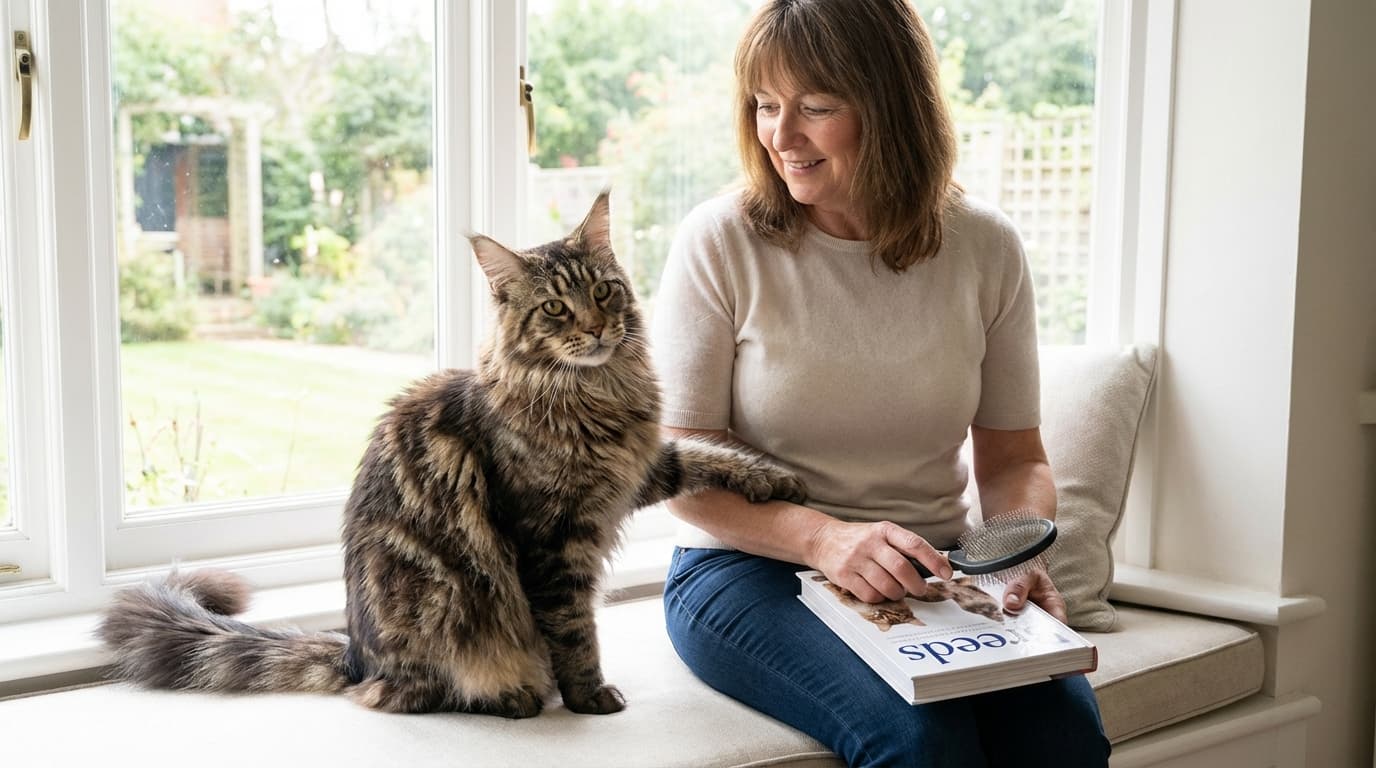
How Big Is a Maine Coon? What to Expect With These 'Gentle Giants'
Have you ever seen a cat that looks more like a small bobcat sitting on a living room sofa? That viral shock you feel when seeing a Maine Coon size comparison next to a regular house cat is completely real. These massive creatures are the heavyweights of the feline world, often weighing as much as a small dog while sporting a tail that looks like a giant feather duster.
Beyond their impressive scale, these giant cat breeds are famous for a Maine Coon personality that is surprisingly sweet and social. Many owners call them cat breeds that act like dogs because they will follow you from room to room or even play fetch. Whether you are curious about grooming long-haired cats or wondering why some have extra toes, there is a lot to learn about these special roommates.
This guide covers everything from their physical dimensions to the mystery of polydactyl Maine Coons. You will find out what it really takes to share your home with a gentle giant and how to keep that thick coat looking its best. Let's look at what makes these cats so legendary.
The Reality of Living With a Giant: A Guide to the Maine Coon
Have you ever scrolled through social media and stopped dead because a cat looked more like a medium-sized dog? That viral shock is usually thanks to a Maine Coon. When you see one sitting next to a standard domestic shorthair, the difference is staggering. It is not just about fluff. These cats have a physical scale that makes a regular house cat look like a kitten.
Living with one feels less like owning a pet and more like having a very furry, slightly demanding roommate. They are famous for acting like dogs, following you around with a curious, interactive personality. But their size brings real-world logistics. You will have to think about height at the shoulder when picking out cat trees, especially since they often tower over other breeds like the Norwegian Forest Cat.
Beyond the sheer bulk, there is the upkeep. Their long coats need regular grooming to stay mat-free, and you might notice something odd about their paws. Many Maine Coons are polydactyl, which means they have extra toes that look like little mittens. It is these quirks, from their massive frames to their thumbed paws, that make them the undisputed giants of the home.
Key insights:
- Maine Coons are often compared to Norwegian Forest Cats but usually stand taller at the shoulder.
- Their dog-like personality makes them more interactive than the average house cat.
- Polydactylism is a common and unique trait that gives them extra toes and wider paws.
Just How Big Are They? Seeing the Scale in Real Life
You have probably seen those viral photos where a cat looks more like a bobcat than a house pet. Most of those shots come from Robert Sijka’s Felis Gallery, and they are not photoshopped. When we talk about Maine Coon size, it is easy to get lost in the fluff factor. These cats have thick, water-repellent coats that add a few inches of visual bulk, but the real story is underneath all that hair. It is about solid muscle and a heavy bone structure that makes them feel much heavier than they look. This matters because a cat that weighs 20 pounds of pure muscle feels a lot different when it jumps on your chest at 3 AM than a lighter, fluffier breed would.
If you want to know how big a cat really is, ignore the fur and look at the shoulder height. That is the metric that actually tells you if your cat can reach the kitchen counter without jumping. While most cats peek over the edge of a table, an adult Maine Coon can often see what is for dinner just by standing up. They have a presence that changes the energy of a room, mostly because they occupy so much of it. It is not just a cat; it is a roommate with its own zip code.
Think about your average neighborhood tabby for a second. Now, imagine putting that cat inside a much larger, sturdier frame. An adult male Maine Coon can weigh between 15 and 25 pounds, which sounds more like a Pug or a Westie than a feline. While a normal domestic shorthair might be 10 inches tall, a Maine Coon often reaches 16 inches at the shoulder. And then there is the length. From the tip of their nose to the end of that bushy tail, these giants can stretch over 40 inches. It is like living with a very soft, very hungry yardstick.
People often mistake Maine Coons for Norwegian Forest Cats since both look like they just stepped out of a Viking legend. But there are clues to tell them apart. Maine Coons have a more boxy muzzle and those signature lynx-like ear tufts that Norwegian Forest Cats lack. When it comes to the sofa test, the Maine Coon usually wins. They tend to be longer and more rectangular, whereas the Norwegian Forest Cat has a more triangular face and slightly longer back legs. Both are huge, but the Maine Coon’s sheer length usually means they will be the ones hogging the entire couch cushion.
The interesting part is how this size changes your daily life. You cannot just buy a standard litter box or a tiny scratching post from the grocery store. You need equipment built for dog-sized animals. But despite their massive scale, they remain incredibly graceful. They might knock over a vase because they are long, but rarely because they are clumsy. They are the definition of gentle giants, massive enough to be intimidating but usually too busy chirping at a bird to care about their own strength.
Key insights:
- Shoulder height is the most accurate way to judge a Maine Coon's true scale versus just looking at their fur.
- Adult males often weigh between 15 and 25 pounds, putting them in the same weight class as many small dog breeds.
- Their extreme length, often exceeding 40 inches, means owners must invest in specialized extra-large pet furniture.
Maine Coon vs. Domestic Shorthair: A Side-by-Side Look
Ever wonder what happens when you put a Maine Coon next to your typical neighborhood tabby? It is a bit like parking a pickup truck next to a compact car. While your average domestic shorthair usually tops out around 10 pounds, a male Maine Coon can easily double that, often weighing between 15 and 25 pounds. That is the size of a small dog, not your standard lap cat.
The difference isn't just about weight; it is the sheer length. These cats hold records for being massive from nose to tail tip, sometimes stretching over 40 inches. When you see them side-by-side, the Maine Coon's shoulder height makes the domestic cat look tiny. It is no wonder why photographers like Robert Sijka have gone viral for showing these live comparisons. People are genuinely shocked by the scale because we are used to cats being, well, cat-sized.
But why does this matter? For one, you might need a bigger litter box and a much sturdier scratching post. If you are used to a cat that fits comfortably on a standard bookshelf, a Maine Coon will definitely change your perspective on home decor. They are not just slightly bigger; they are a whole different category of pet.
Key insights:
- Maine Coons often weigh as much as a small dog, reaching up to 25 pounds.
- Their shoulder height is a major differentiator compared to standard domestic breeds.
- Visual comparisons on social media highlight the 'shock value' of their massive length.
The Battle of the Giants: Maine Coons vs. Norwegian Forest Cats
If you are looking for a cat that doubles as a living room rug, you have likely narrowed it down to the Maine Coon and the Norwegian Forest Cat. Both have that rugged, 'Viking' look with thick coats and tufted ears, but they are not carbon copies. Here is the thing: if you look at their faces, the difference is clear. Maine Coons have a distinct, boxy muzzle that looks almost lion-like. In contrast, the Norwegian Forest Cat has a straight, triangular profile that gives them a completely different expression.
What about their actual stature? When we look at shoulder height, the Maine Coon usually takes the crown as the true heavyweight. While both breeds are massive compared to your average neighborhood tabby, Maine Coons are built like long, sturdy rectangles. Recent comparisons show they are significantly larger than standard domestic shorthairs, often looking twice as big when sitting side-by-side. It is the kind of size that makes guests do a double-take when they walk into the room.
So, which one claims more of your sofa? While the Norwegian Forest Cat is a sturdy, high-climbing athlete, the Maine Coon’s sheer length means they will definitely be hogging the cushions. Think of it this way: one is a powerful mountain dweller, and the other is a literal giant that just keeps growing. If you want the cat that fills up the most space during a nap, the Maine Coon is your winner.
Key insights:
- Maine Coons have a boxy, lion-like muzzle while Norwegian Forest Cats have a straight, triangular profile.
- Height at the shoulder is a primary way to tell these two giant breeds apart.
- Maine Coons are generally longer and heavier, taking up more physical space on furniture.
The 'Dog in a Cat Suit': Understanding the Maine Coon Personality
Ever wonder why some cats act more like Golden Retrievers than feline roommates? The Maine Coon is famous for this dog in a cat suit vibe. While most cats value their personal space, these giants often follow you from room to room just to see what you are doing. It is a strange sight because they are so much bigger than your average house cat. In fact, if you look at the work of photographers like Robert Sijka at Felis Gallery, the size difference between an adult Maine Coon and a standard domestic shorthair is staggering. They are not just fluffy. They are massive.
Their personality matches that large scale. Many owners find themselves playing fetch with a cat that actually brings the toy back. They also have a strange obsession with water. Do not be surprised if yours tries to join you in the shower or splashes around in their water bowl. This playful and active nature is why people often compare them to puppies. They want to be part of the action, whether you are folding laundry or working at your desk. It is about companionship rather than just co-existing in the same house.
Then there is the sound. You might expect a deep roar from a cat this big, but they usually just chirp and trill. It is a high-pitched, musical sound that seems way too small for their bodies. This chirp is how they talk to you, and it makes them feel even more like a companion. It is one of those quirks that makes them stand out from other breeds like the Norwegian Forest Cat. While they share a similar height at the shoulder, the Maine Coon has a vocal personality all its own that makes them feel very human.
Because of this mellow nature, they are often the top choice for families. They have earned a reputation as Gentle Giants, and for once, the reality lives up to the myth. They are incredibly patient with children and usually get along well with other pets. But here is the thing: because they are so social, they actually need quite a bit of attention. You cannot just leave them alone all day and expect them to be happy. They crave interaction and usually need a good amount of direct engagement or play every day to stay content.
What does this mean for you? If you want a cat that sits on a shelf and ignores you, a Maine Coon might not be the right fit. But if you want a buddy who greets you at the door and helps you with your chores, they are perfect. They bring a unique mix of massive physical presence and a surprisingly sweet, social heart. They are not just pets. They are members of the family who happen to have paws and a lot of fur.
Key insights:
- Maine Coons behave more like dogs by following owners and playing fetch.
- Their high-pitched chirps and trills contrast with their massive physical size.
- They require significant daily social interaction to stay healthy and happy.
- The Gentle Giant reputation is backed by their extreme patience with children and other animals.
Why They're the Perfect Family Choice
Everyone calls them 'Gentle Giants,' but is that just because they are huge? When you see a Maine Coon next to a regular house cat, the size difference is honestly shocking. Robert Sijka’s photos at Felis Gallery show this perfectly. These cats are massive compared to a standard domestic shorthair or even a Norwegian Forest Cat. But that 'giant' label is about more than just their shoulder height. It is about their temperament. They are incredibly patient, making them a great choice for families with kids or other pets.
Here is the thing: they do not just sit there looking pretty. While they are chill, they actually crave social time. Think of them like a dog in a cat's body. They want to be in the room where it happens. You do not need to entertain them every second, but they do need daily interaction to stay happy. If you want a cat that hides all day, this is not it. They want to be part of the family pack. This mix of size and sweetness makes them a pretty unique addition to a busy home.
Key insights:
- Maine Coons are often compared to Norwegian Forest Cats because of their impressive height at the shoulder.
- Their reputation for patience makes them ideal for homes with children or multiple pets.
- Despite their independent look, they need significant daily social interaction to thrive.
Extra Toes and Big Paws: The Polydactyl Mystery
Have you ever looked at a Maine Coon and noticed their paws look more like human hands? You aren't seeing things. These are often called polydactyl cats, which is just a fancy way of saying they have extra toes. While a normal cat has eighteen toes, these guys can have many more. This gives them a mitten look that makes their already massive paws look even bigger. It is a famous trait that turns a large cat into a true giant with heavy-duty feet.
This look isn't just for show. Long ago, these cats were favorites on trade ships. Sailors called them mitten cats and kept them around because those extra-wide paws worked like natural snowshoes. They helped the cats stay balanced on wet, rocking decks while they hunted for pests. If you look at a side-by-side comparison of an adult male Maine Coon and a regular house cat, the size gap is wild. Those extra toes only add to the visual impact that makes these cats so popular on social media today.
So, do the extra toes make them better at anything? In a modern home, they mostly just make them great at climbing and grabbing toys. They can grip things that other cats can't quite reach. But the real reason people love them is simply how they look. Whether you are comparing their shoulder height to a Norwegian Forest Cat or just watching them walk across the kitchen, those big paws are a huge part of the mystery. They are functional, sure, but they are also just plain fun to look at.
Key insights:
- Polydactyl Maine Coons were historically valued as ship cats because their wide paws provided better stability on slippery decks.
- The extra toes are a genetic trait that reinforces the Maine Coon's reputation as a massive, rugged breed compared to standard domestic cats.
- While the extra digits help with climbing and grip, their primary appeal today is the unique mitten-like appearance that drives high engagement on social media.
Taming the Mane: Real-World Grooming Tips
If you have seen those viral photos from Robert Sijka’s Felis Gallery, you know exactly how majestic a Maine Coon looks. They are massive. In fact, when you put an adult male Maine Coon next to a standard domestic shorthair, the size difference is almost shocking. But here is the thing: all that extra cat means a whole lot of extra fur. You might hear people say they shed, but the reality is more like a constant light dusting of fluff over everything you own. Because they have a heavy double coat designed for freezing winters, they lose hair year-round. This is why social media is full of 'giant cat' content - the scale of these animals is genuinely impressive, but the grooming needs are equally large.
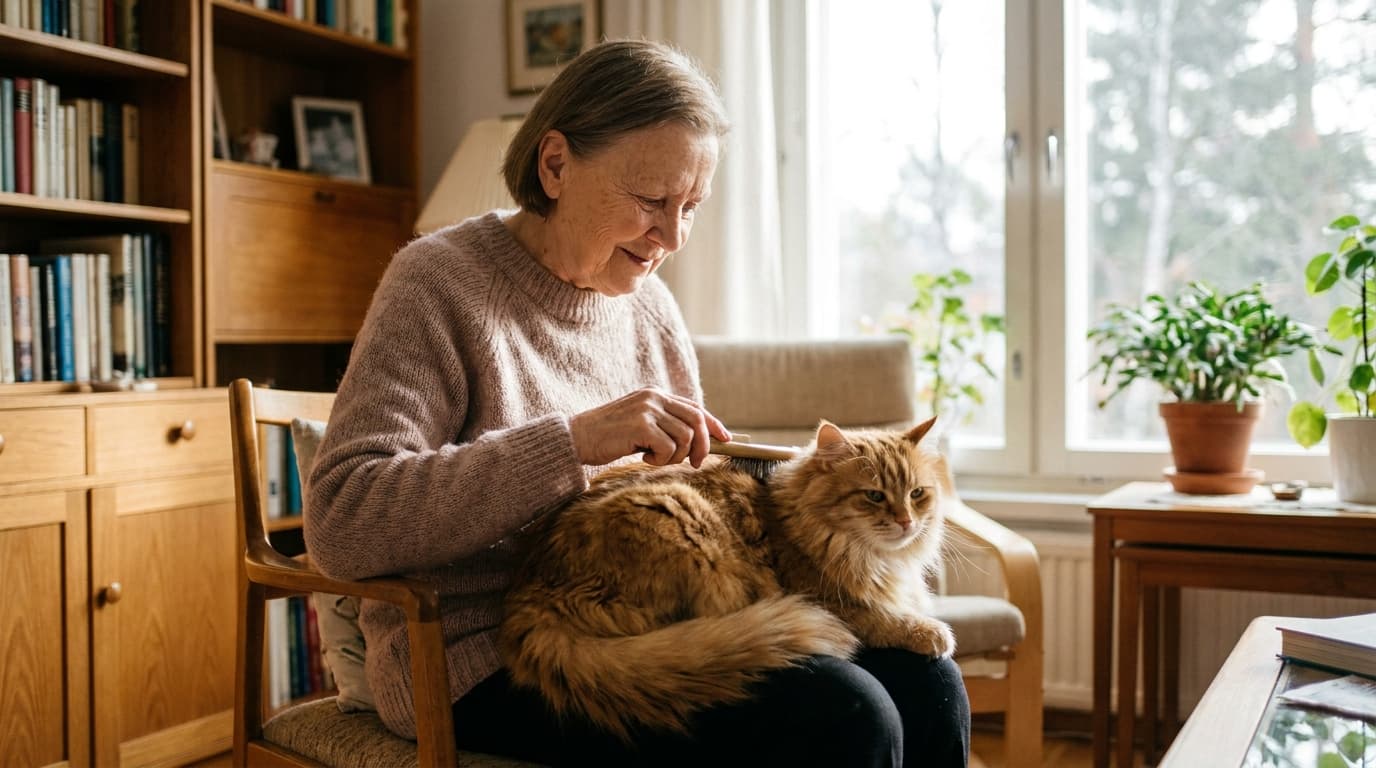
To keep your home from turning into a giant hairball, you need the right gear. A standard brush won't cut it for a coat this thick. You really need an undercoat rake or a high-quality slicker brush to get through those layers. This matters because if you only brush the top, the fur underneath stays tangled. The hardest part is usually the belly. Maine Coons often have fine, silkier hair there that mats if you even look at it wrong. Try grooming the stomach while they are relaxed or sleepy so it doesn't become a wrestling match. If you hit a mat, don't pull it; use your fingers to gently tease it apart before using a comb.
A lot of owners ask if they need to spend hours every day brushing. The short answer is no, but consistency is your best friend here. A quick ten-minute session every day is much better than trying to do a deep-clean once a week. If you skip too many days, those small tangles turn into tight knots. Think of it this way: a little bit of work now saves you a huge headache later. When they are this big - sometimes reaching shoulder heights that rival a Norwegian Forest Cat - there is just a lot of surface area to cover. While both breeds are large, the Maine Coon's coat can feel even more demanding because of its uneven length and texture.
Pay extra attention to the 'snowshoe' paws and those iconic tufted ears. Those long bits of hair can trap litter or dirt easily, which eventually leads to mats. But how do you know when you are in over your head? If you find mats that are tight against the skin or if your cat starts acting grumpy when you touch certain spots, it is time to call a professional. While Maine Coons are known for being 'dog-like' and patient, even the sweetest giant has a limit. Sometimes a pro groomer is the safest way to reset the coat without causing stress or skin irritation. It is better to admit defeat than to accidentally nick their skin with scissors.
Key insights:
- Maine Coons require specific tools like undercoat rakes to manage their dense double coats effectively.
- The breed's massive physical scale means grooming takes longer than with standard domestic cats.
- Daily micro-grooming is more effective and less stressful for the cat than long, weekly sessions.
- Professional grooming is necessary when mats become tight against the skin to avoid injury.
A Weekly Routine That Actually Works
Living with a Maine Coon means managing a lot of extra fur. Since these cats are much larger than a standard domestic shorthair, they have more surface area to groom. A quick ten-minute daily brush is your best move. If you skip these, you will end up with a massive weekend deep-clean that neither of you will enjoy. It is easier to stop a tangle now than to fix a mat later.
Pay attention to the famous tufted ears and snowshoe paws. These features make them look like wild cats, but they trap litter and dirt quickly. While Maine Coons are often compared to Norwegian Forest Cats for their height and thick coats, their grooming needs are unique. Keep an eye on the belly and legs because these spots get messy fast.
Sometimes the fur wins. If you see tight mats or if your cat gets grumpy during brushing, it is time for a professional. These giant cats are a lot to handle alone. A pro knows how to manage their size and coat safely. Don't be afraid to ask for help when the fluff gets out of control.
Key insights:
- Daily 10-minute sessions prevent painful matting better than weekly marathons.
- Special features like tufted ears and paws require targeted attention to stay clean.
- Professional groomers are a smart choice if your Maine Coon size becomes difficult to manage safely.
Is Your Home Ready for a Maine Coon?
Bringing home a Maine Coon is a bit like adopting a small bobcat that thinks it is a lapdog. While they are famous for being gentle giants, the reality of their size hits home the moment you see one standing next to a standard house cat. Robert Sijka’s famous comparisons at Felis Gallery show exactly how dramatic this difference is. An adult male Maine Coon does not just weigh more. He stands significantly taller at the shoulder, often making a typical domestic shorthair look like a kitten. Before you commit, you have to ask if your living room is actually ready for a cat of this scale.
One thing many new owners overlook is the giant breed tax on everyday supplies. You can basically forget about standard sized litter boxes. Most Maine Coons need heavy duty storage bins or extra large custom boxes just to have enough room to turn around. The same goes for cat trees. A flimsy carpeted tower will topple the first time a twenty pound cat leaps onto it. You will need solid wood structures with wide bases to handle the force of their movement. These are not just luxuries. They are basic requirements for a cat that rivals a Norwegian Forest Cat in sheer physical presence.
Space is another big question, especially if you live in an apartment. While these cats can thrive in smaller homes, they need vertical territory to feel secure. Think about adding sturdy wall shelves or clearing off the tops of heavy cabinets. Beyond the physical space, keep in mind that giant breeds come with unique health profiles. Their joints carry more weight and their hearts work harder, so regular vet check ups are a must. It might sound like a lot of extra work, but once you experience that huge, fluffy presence following you from room to room, the extra large litter boxes will not seem like such a big deal.
Key insights:
- Maine Coons require specialized, heavy duty furniture to accommodate their weight and height.
- Physical comparisons show Maine Coons are often twice the size of standard domestic cats.
- Vertical space is more important than square footage for Maine Coons in smaller homes.
Common Questions About Maine Coons
So, just how big do these cats actually get? It is the number one question every potential owner asks. To put it simply, seeing an adult male Maine Coon next to a standard domestic shorthair is a total eye-opener. While a regular cat might look dainty, Maine Coons are structurally massive. Visual comparisons from Robert Sijka’s Felis Gallery show that these cats aren't just extra fluffy - they genuinely tower over common house cats in both length and height.
If you are trying to gauge their true scale, look at the height at the shoulder. This is the primary metric experts use to differentiate them from other large breeds like the Norwegian Forest Cat. While both are impressive, the Maine Coon’s rugged bone structure gives them a presence that feels more like a small dog than a feline. It is not just a trick of the light or a social media trend; these cats really do require more physical space in your home.
But wait, does that giant size mean a shorter lifespan? That is a common myth. In reality, a Maine Coon from a reputable breeder can live a long, vibrant life. The trick is avoiding 'backyard' breeders who only care about size. Instead, look for someone who prioritizes heart health and genetic testing. Think of it this way: doing your homework now ensures you get a healthy companion who stays by your side for years to come. What does this mean for you? It means you get the 'gentle giant' experience without the heartbreak of avoidable health issues.
Finding the right breeder is about more than just a price tag. You want someone who can talk deeply about lineage and temperament, not just someone posting 'giant cat' photos for likes. Ask about their socialization habits and see if they focus on the polydactyl traits or specific breed standards. A good breeder will be as picky about you as you are about them, which is always a great sign.
Key insights:
- Height at the shoulder is the most reliable way to measure a Maine Coon's true stature against other breeds.
- Social media often emphasizes size for shock value, but health and heart testing are more important for long-term ownership.
- Reputable breeders focus on structural health rather than just breeding for the largest possible cat.
Frequently Asked Questions
You will usually see adult male Maine Coons weighing anywhere from 15 to 25 pounds, while the females are a bit smaller, typically landing between 10 and 15 pounds. To give you some perspective, that is often double the size of your average house cat. They are definitely the heavyweights of the domestic cat world.
But here is the thing, it is not just about the numbers on the scale. Their height at the shoulder and that long, thick fur make them look even more massive than they actually are. When you see one standing next to a standard domestic shorthair, the physical difference is pretty shocking and helps you realize why they are called a giant breed.
They really do! People often call them the dogs of the cat world because they love to follow you from room to room and actually want to be involved in whatever you are doing. Unlike some cats that prefer to stay hidden, Maine Coons are usually right there in the middle of the action.
You might even find them playing fetch or waiting for you at the door when you get home. They have a loyal and social personality that is very different from the loner vibe people usually expect from cats. It depends on the individual cat, but most owners find they are much more interactive than your typical pet cat.
It is all about genetics. Your cat is likely a polydactyl, which is just a fancy way of saying they were born with extra toes. This was actually a very common trait for Maine Coons because those wide paws worked like natural snowshoes in the deep Maine snow.
It helped them stay stable and walk on top of the drifts instead of sinking in. These days, it is mostly just a cute quirk that makes their paws look like little mittens. Just keep an eye on those extra claws when you are trimming nails because they can sometimes grow at odd angles and get caught on carpets.
You should try to brush them at least two or three times a week. Long-haired cats like Maine Coons have a lot of fur to manage, and it can get tangled or matted pretty quickly if you let it go. If you stay on top of it, the job only takes a few minutes.
If you wait too long, you might end up having to deal with tough knots that are uncomfortable for your cat to have removed. Also, regular brushing helps cut down on the amount of fur they shed around your house and reduces those annoying hairballs. It is really a win for everyone.
Conclusion
So what does it really mean to share your home with a Maine Coon? It is about more than just clearing space for a giant cat breed on your sofa. You are bringing in a loyal, chirping companion that acts more like a dog than a typical feline. Between their massive size comparison to normal house cats and those extra-toed polydactyl paws, these cats are a unique mix of wild looks and gentle hearts.
Living with one means embracing the fluff, which involves a real commitment to grooming long-haired cats to keep them comfortable. If you are ready for the extra brushing and the oversized litter boxes, your next move is to find a breeder who prioritizes health as much as size. It is a big responsibility, but the rewards are just as large as the cat itself.
These gentle giants might take up a lot of room, but they fill even more of your heart with their playful spirit and constant presence. Once you have been chosen by a Maine Coon, a regular-sized cat might never feel quite the same again.
Send it to someone who should read it next.
PurrScript Editorial Team
Editorial Team
PurrScript's in-house editorial team. We research, write, and review every guide using established veterinary and behavioral resources, and update articles as best practices evolve.
View all articles