How to Keep Your Indoor Cat Comfy When the Weather Gets Weird
Ever wonder why your cat is suddenly sprawled on the cold kitchen tile in July or tucked into a tiny ball under the sofa cushions in January? Even though Indoor...

PurrScript Editorial Team
Editorial Team
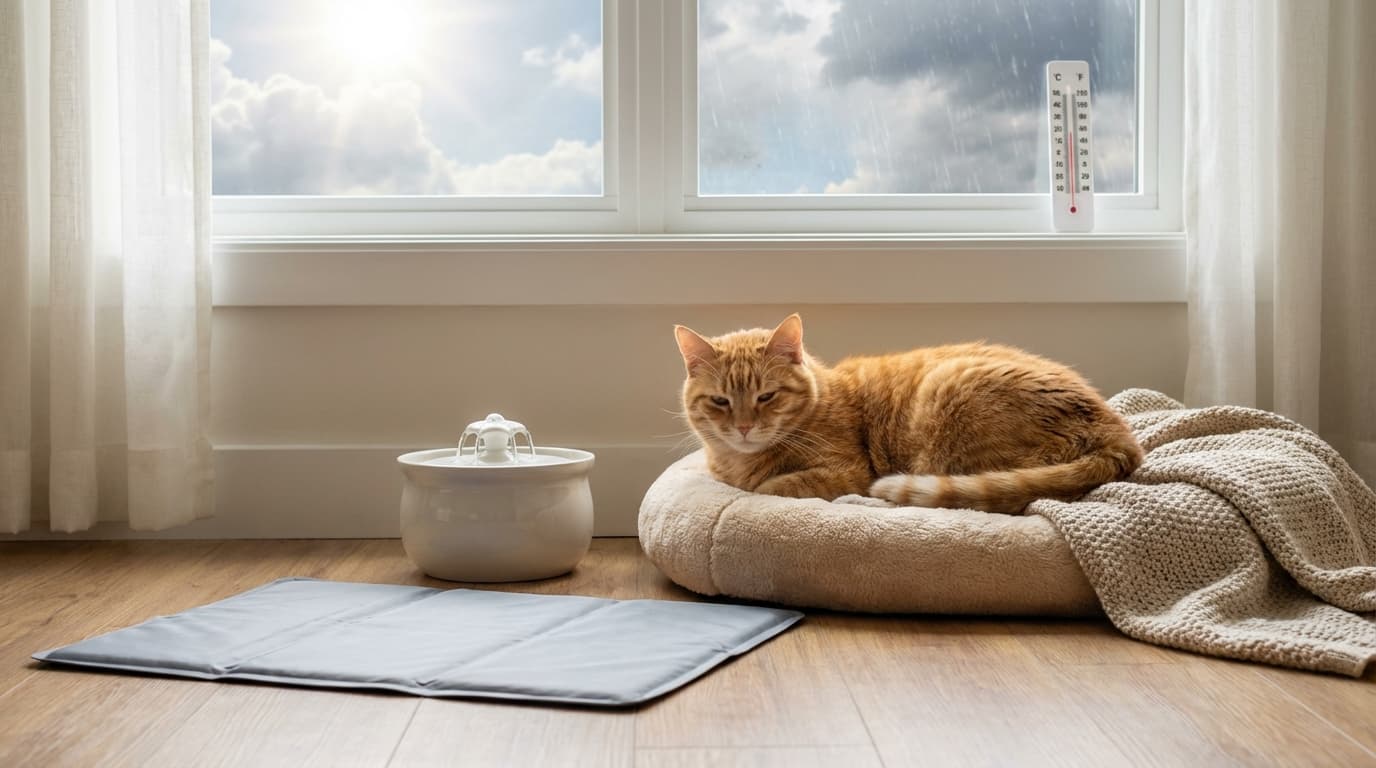
How to Keep Your Indoor Cat Comfy When the Weather Gets Weird
Ever wonder why your cat is suddenly sprawled on the cold kitchen tile in July or tucked into a tiny ball under the sofa cushions in January? Even though Indoor Cats stay behind four walls, they still feel every dip and spike in the outside temperature. It is easy to think they are fine just because of the thermostat, but the truth is that seasonal shifts can mess with their mood, skin, and even how much they drink.
Whether you are looking for cooling mats for cats in summer or considering heated cat beds for winter, choosing the right gear is about more than just luxury. It is about preventing itchy skin from dry heaters and making sure your pet stays hydrated when the heat turns up. We also look at smart tech like self-warming mats and the best indoor cat hydration tips to keep your furry roommate happy and healthy.
This guide covers everything from summer safety for indoor cats to creative winter boredom busters for when the sun goes down early. You will find out which heated pads are actually safe to leave plugged in and how to spot the subtle signs that your cat is feeling the weather. Let's make sure your home stays a perfect oasis for your pet all year long.
Summer Survival: Keeping Your Cool When It’s Sweltering
Have you ever seen your cat sprawled out on the kitchen tile like a discarded rug? While it looks funny, they are usually just trying to dump body heat. Cats do not sweat through their skin like we do. They rely on their paw pads and panting to stay cool. But panting is actually a late sign of heat stress. Look for damp paw prints or a sudden lack of energy first. During a heatwave, the spot where you put their bed matters more than the bed itself. A cooling mat sitting in a sunbeam is just a warm piece of plastic. You should tuck these into the darkest, breeziest corner of your home to give them a real escape from the sun.
Lately, pet owners are gravitating toward dual-purpose mats that switch from cooling to warming. You will see these trending on Amazon and Target, especially during seasonal sales where prices often drop by forty percent. Some mats use pressure-activated gels that feel chilly the moment your cat touches them. Others use simple breathable fabrics to keep air moving. If your cat likes to chew, always check for non-toxic fillings. It is a small detail that prevents a big health scare later. These reversible designs are great because they stay useful all year long instead of just taking up space in a closet.
Keeping your cat hydrated is the other half of the summer survival puzzle. Many cats naturally avoid still water because their instincts tell them it might be unsafe. You can solve this by placing multiple bowls around your home. If you live in a multi-level house, make sure there is a water source on every floor so they do not have to work hard for a drink. Another easy win is the wet food trick. Just mix a little extra water into their canned food to sneak in moisture. It is a simple way to keep them hydrated even if they are very picky about where they drink.
Key insights:
- Look for sweaty paw prints as an early warning sign of overheating before your cat starts panting.
- Reversible mats are becoming the top choice for shoppers because they handle both summer heat and winter chills.
- Strategic water bowl placement on every floor of a home is more effective for hydration than a single large fountain.
- Always verify that cooling gels are non-toxic to ensure safety for cats that like to bite or scratch their bedding.
The Magic of Cooling Mats
Ever notice your cat stretching out on the cold kitchen tile the second the sun hits? They are hunting for a heat sink. While we can just crank the AC, a cooling mat is a lifesaver for a furry friend in a heatwave. You will mostly see two kinds: pressure-activated gels that feel chilly the moment paws touch them, and simple breathable fabrics that help air circulate. Both work, but they solve the problem differently.
Lately, shoppers at Target and Amazon are gravitating toward reversible designs. It is a smart move because one side stays cool for July while the other keeps things cozy when the draft kicks in. During recent Target Circle Deal Days, these mats were even 40% off, proving just how popular they have become. It is all about finding that dual-purpose sweet spot for year-round comfort.
But wait, before you buy, think about your cat's habits. If you have a chewer who treats every bed like a snack, always check for non-toxic fillings. While brands like K&H focus on safety certifications for their heated line, the same caution applies to cooling gels. You want a mat that is tough enough to handle some kneading but safe enough for a long afternoon nap.
Key insights:
- Pressure-activated gels provide immediate relief, while breathable fabrics offer a more subtle cooling effect.
- Reversible mats are trending because they handle both summer heat and winter chills in one product.
- Always prioritize non-toxic materials and durable construction if your cat tends to chew or scratch their bedding.
Hydration Hacks for Picky Drinkers
Ever wonder why your cat ignores a fresh bowl of water but comes running the second you crack open a faucet? It is not just a quirk. Evolutionarily, cats associate still water with bacteria and stagnant ponds. In their minds, if it is not moving, it is not safe. This instinct can lead to chronic dehydration, especially for indoor pets who rely solely on dry kibble.
One of the easiest ways to sneak in extra moisture is by soup-ifying their meals. Next time you serve wet food, stir in a tablespoon or two of warm water. Most cats will not even notice the change in texture, but the boost in hydration is huge for their kidney health. It is a simple hack that turns dinner time into a hydration station without any struggle.
Location matters just as much as the water itself. If you have a multi-level home, do not make your cat trek across the house for a drink. Aim for at least one bowl on every floor, tucked away from their litter box. When water is always within sight, they are much more likely to take a quick sip as they pass by.
Winter Is Coming: The Great Heated Bed Debate
When the temperature drops, you might notice your cat curling into a tighter ball or hogging the radiator more than usual. While a healthy adult cat handles the cold reasonably well, senior cats with stiff joints and tiny kittens without much body fat really feel the bite of a winter draft. This is where the debate begins: do you go high-tech with a plug-in heater or keep it simple with a self-warming mat? Choosing the right one depends entirely on your cat's daily habits and how much peace of mind you need when you are away from home.
If you decide to go electric, the K&H Thermo-Kitty Mat is a popular choice for a reason. It only pulls about 6 watts of power, which is roughly the same as a small nightlight, so it won't spike your electric bill. The clever part is how it manages heat. It stays about 12 to 15 degrees warmer than the air in your room when it's empty, but the moment your cat sits down, it warms up to match their natural body temperature. It is a subtle, consistent heat rather than the intense blast of a human heating pad, which is much safer for long naps.
But do you really need 11 different temperature settings? Some advanced models like the ZOMISIA offer massive customization with dozens of timer options. For some owners, that is perfect for a drafty basement or a specific medical need, but for others, it might feel like overkill. If you are nervous about cords or want something more portable, self-warming mats are a brilliant alternative. These use thermal foil or heat-reflecting inserts to bounce your cat's own body heat back at them. It is low-tech, silent, and works anywhere in the house without needing an outlet.
Safety is the one area where you should never compromise. Many budget pads claim to have safety-listed parts, but brands like K&H emphasize that they certify the entire finished product, not just the cord. This is a big deal because a safe cord does not help much if the internal heating element is not regulated properly. Also, keep in mind a vital warning from veterinarians: never use these pads for cats that cannot move on their own, such as those recovering from surgery or very frail seniors. If they cannot get up when they feel too warm, even a low-wattage pad can become a risk. Stick to products with chew-resistant cord protectors and auto-shutoff features to keep your winter worries to a minimum.
Key insights:
- Self-warming mats are a great cord-free alternative that uses thermal foil to reflect a cat's own body heat.
- Always look for whole-product safety certifications rather than just UL-listed components for electric beds.
- Thermostatic control is essential because it ensures the bed only reaches full temperature when the cat is actually using it.
To Plug In or Not?
When the temperature drops, you might wonder if your cat needs a plug-in heater or just a fuzzy blanket. Electric options like the K&H Thermo-Kitty Mat are surprisingly efficient, using only 6 watts of power. These mats are smart, too. They stay about 15 degrees warmer than the room until your cat hops on, then they automatically ramp up to match their natural body temperature. If you love gadgets, the ZOMISIA model offers 11 heat settings and 25 timer options. Is that overkill? Maybe, but for a picky senior cat, that level of control is a win.
But what if you’re worried about cords or electricity? You aren’t stuck with standard blankets. Self-warming mats use thermal foil to reflect your cat's own heat back at them without using a single volt. It’s a great middle ground, especially since some new designs are reversible to help with summer cooling as well. Just remember a tip from the pros: check with your vet before using heated pads for tiny kittens or pets recovering from surgery. If they can’t move away from the heat on their own, it’s safer to stick to the low-tech stuff.
Key insights:
- Electric mats like the K&H model only heat to the cat's body temperature upon contact to prevent overheating.
- Self-warming mats are a safe, electricity-free alternative that uses heat-reflecting foil technology.
- Always consult a vet before using heated products for pets that have limited mobility or are recovering from surgery.
Safety First: What You Need to Know Before Buying
When you are browsing heated cat beds for winter, it is easy to get distracted by plush covers. But here is the thing. A safety-listed cord does not mean the whole bed is safe. Some brands only test individual parts, but you should look for whole-product certification. This ensures the entire unit, from the plug to the heating element, is built to handle constant use without a hitch.
Safety also depends on your cat's health. You should always talk to your vet before using a heated pad for kittens or pets recovering from surgery. If a cat cannot move away from the heat on its own, it could lead to trouble. For active cats, smart tech like thermostatic control is a game changer. These mats stay about 12 to 15 degrees above room temperature until your cat sits down, only then rising to match their natural body heat.
Finally, look for hardware that stands up to feline mischief. Chew-resistant cords and auto-shutoff features are essential if your cat has a gnawing habit. While some basic mats are just on or off, newer models offer multiple heat settings and timers for better control. It is about finding that balance between a cozy nap spot and total peace of mind.
Key insights:
- Whole-product certification is more reliable than just having safety-listed components.
- Thermostatic mats only reach full temperature when they sense the cat's body weight.
- Consult a vet for kittens or immobile pets who cannot move away from heat sources.
It’s Not Just the Cold: Dealing with Dry Winter Skin
When the temperature drops and the furnace kicks in, your home becomes a cozy sanctuary for you, but it might be turning into a desert for your cat. We often focus on keeping them warm with tools like the K&H Thermo-Kitty Mat, which is a smart choice because it only uses 6 watts of power and stays 12 to 15 degrees above room temperature until they actually sit on it. But while they are toasty, that same warm air is actually sucking the moisture right out of their fur and skin. If you notice your cat grooming more than usual or see little white flakes on their back, it is probably not a medical mystery - it is just the dry indoor climate.
Distinguishing between a truly itchy cat and one that is just dealing with low humidity is easier than you think. A cat with allergies usually has red, inflamed skin, while winter dryness looks more like a dull coat and a bit of dandruff. This is where seasonal temperature regulation becomes vital. While advanced electric pads like the ZOMISIA model offer 11 adjustable temperature settings to keep them warm, the dry air remains a separate issue. To help them out without buying a bulky humidifier, try the low-tech approach. Leaving a few decorative bowls of water near heat vents or keeping the bathroom door open after your shower can put enough moisture back into the air to make a real difference for their skin and coat health.
Have you ever reached out to pet your cat only to have a tiny blue spark jump between your fingers? That is more than just a surprise; for your cat, it is a reason to start hiding under the sofa. When the air gets too dry, static electricity builds up in their fur, making every cuddle a potential zap. This is why some cats suddenly seem grumpy or avoidant during the winter months. They are not being mean; they are just protecting themselves from the shock. Aiming for a steady humidity range keeps the sparks away and ensures their skin stays flake-free. It is a simple fix that makes your home feel much more inviting for a cat who just wants to lounge without the fear of a static surprise.
Key insights:
- Indoor heating is a primary cause of winter skin flakes in cats because it strips moisture from the air.
- Static electricity can cause behavioral changes, making cats avoid physical contact to escape the pain of a shock.
- Simple household tricks like placing water bowls near vents can effectively replace expensive humidifiers.
- Differentiating between dry skin and allergies is key to choosing the right seasonal care routine.
Humidity and the 'Static' Problem
Ever wonder why your cat suddenly ducks away from winter head scratches? It’s usually the "zap." Dry indoor air creates static electricity, and one tiny spark is enough to make a cat skip the cuddles. To keep their skin healthy and flake-free, try to keep your home's humidity between 40% and 50%.
Beyond the air quality, the right bed helps. Some owners use heated mats like the K&H Thermo-Kitty Mat, which uses only 6 watts and warms up only when your cat is actually on it. If you’re nervous about wires, self-warming mats with thermal foil are a smart way to reflect their own body heat. Just make sure any electric gear is fully safety-certified to keep things worry-free.
Balancing moisture and warmth turns your home back into a cozy haven. When you fix the static problem, your cat can go back to enjoying those long winter naps without the fear of a surprise shock.
Busting the Winter Blues: Keeping Boredom at Bay
Ever notice your cat getting a bit cranky when the days get shorter? We call it the winter grumps. When those warm patches of sunlight vanish from the living room floor, your cat loses their favorite entertainment and their primary heat source. It is not just in your head. Boredom hits indoor pets hard during the cold months because their environment becomes static. To fix this, we need to bring the excitement of the outdoors inside, starting with how they eat. This matters because a cat with nothing to do often turns that energy toward your furniture or your sleep schedule.
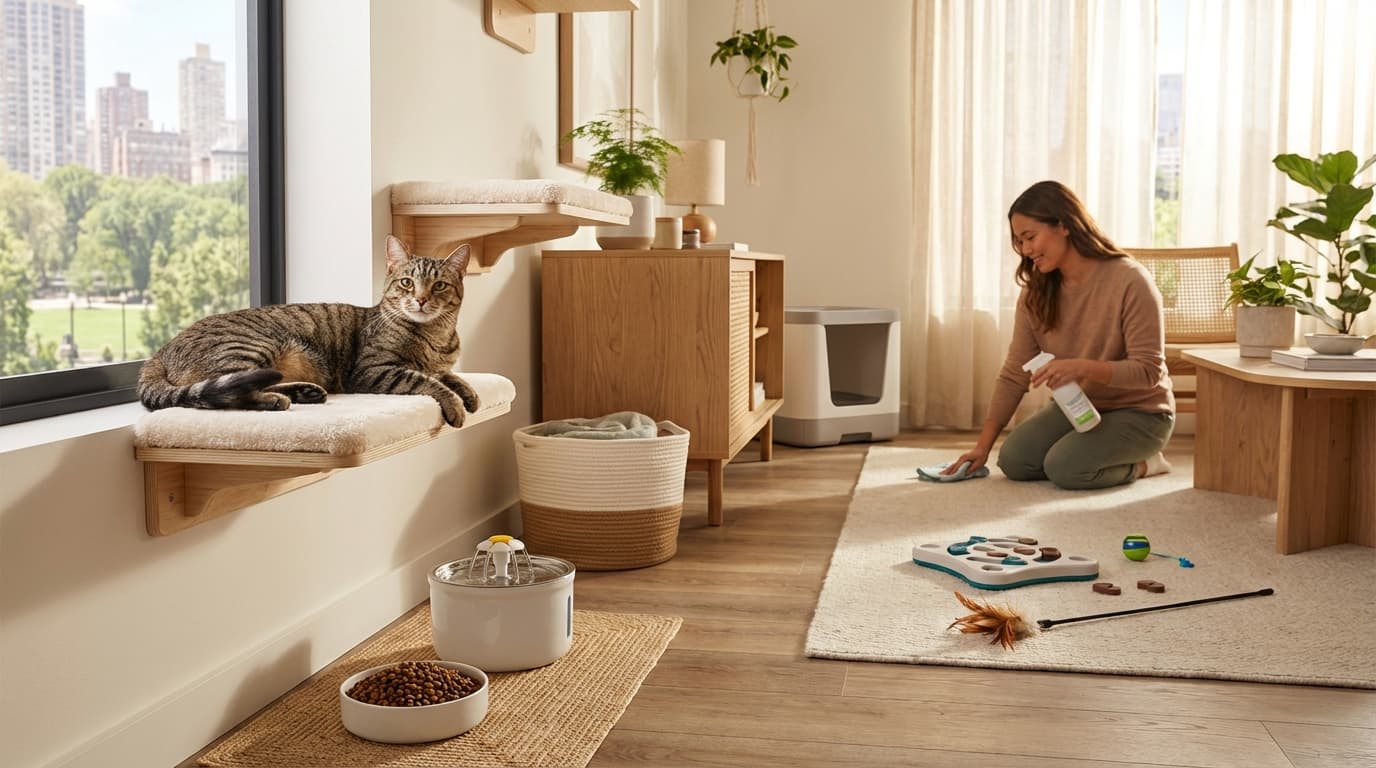
Think about turning mealtime into a literal game. Instead of a boring bowl, try puzzle feeders that force them to think and move. It taps into their predatory instincts and keeps them from staring blankly at the wall. While they are burning off that nervous energy, you should also look at their environment. Adding vertical space, like a tall cat tree or a wall-mounted perch, gives them a fresh perspective on their kingdom. It is like giving them a new TV channel to watch, especially if the perch is near a window where they can watch the winter birds. A simple change in height can make a cramped apartment feel twice as large to a curious cat.
Once the playing is done, your cat is going to look for a place to recharge. Since the sun isn't helping, you can step in with a heated mat. The K&H Thermo-Kitty Mat is a smart choice here because it is very efficient. It uses only 6 watts of power and is designed to stay about 12 to 15 degrees warmer than the room air. Once your cat curls up on it, the surface temperature rises to match their natural body heat. If you want more control, some advanced electric pads offer dozens of timer and heat settings. Just remember to look for safety certifications. Brands like K&H certify the whole product, not just the parts, which gives you peace of mind if you leave it on while you are at work.
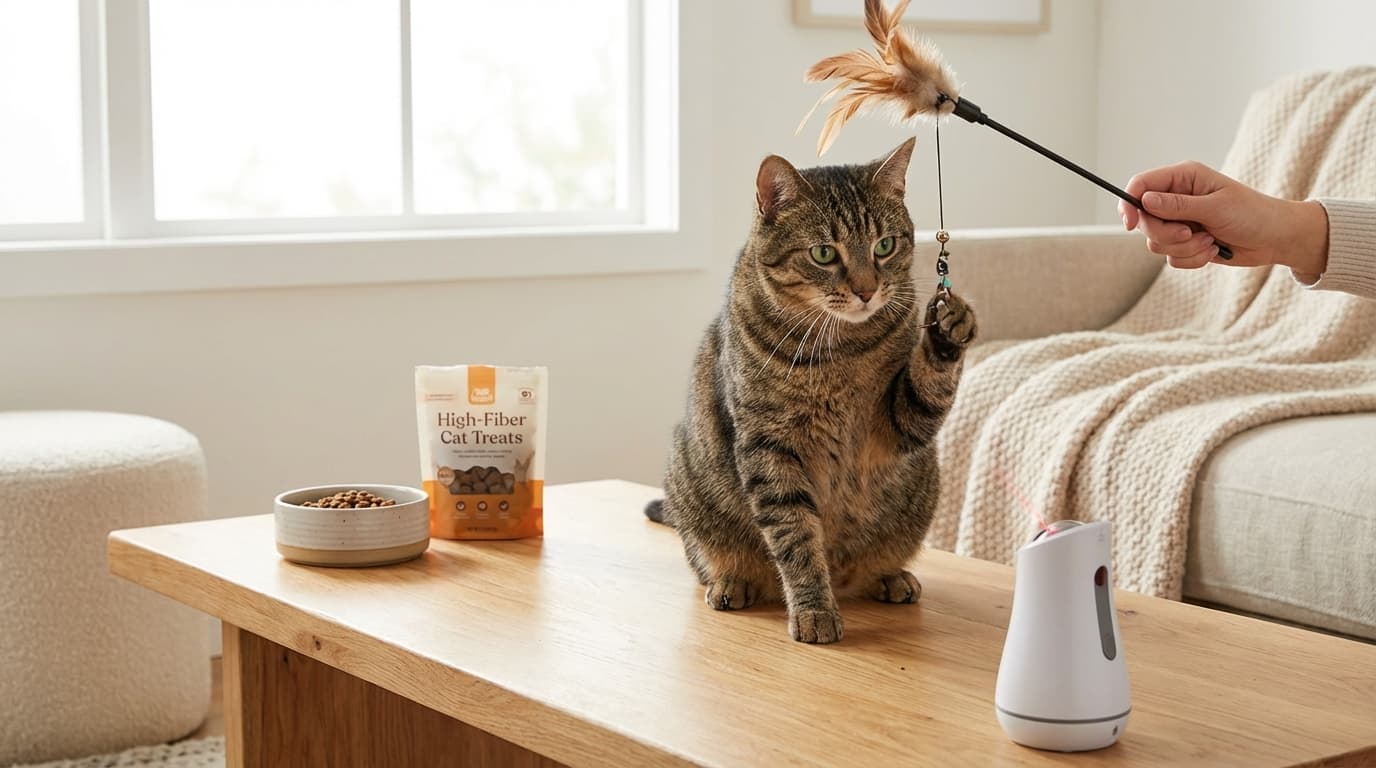
For those of us with busy schedules, remember that play does not have to be a marathon. Five minutes of high-intensity movement is often all they need to satisfy that hunting instinct. Try using a feather wand to mimic a bird or even just play with light and shadows on the rug. Cats are naturally wired to track movement in the dim winter light, so chasing a flickering shadow feels like a real adventure to them. It gets their heart rate up and keeps their brain sharp without requiring you to spend the whole evening on the floor. It is a simple way to keep them happy until the spring sun returns.
Key insights:
- Self-warming technology using thermal foil is a great non-electric alternative for cats that like to chew on cords.
- Look for MET safety listings on electric beds to ensure the entire product has been tested for pet safety.
- Short, intense play sessions are more effective at mimicking natural hunting patterns than long, slow play.
- Vertical space is a primary boredom buster because it expands a cat's territory without taking up extra floor space.
Quick Play Ideas for Busy Owners
Ever feel guilty when you are too swamped for a long play session? You do not need an hour; you just need five minutes of high intensity. Try a micro-hunt using shadows or wall reflections to trigger those deep feline instincts. It is fast, fun, and stops the midnight zoomies before they even start.
After the hunt, cats naturally look for a place to recharge. Because their body temperature can fluctuate after exercise, a reliable resting spot is essential. The K&H Thermo-Kitty Mat is a smart, low-energy choice here. It uses only 6 watts and stays about 12 to 15 degrees above room temperature until your cat makes contact, then rises to match their natural warmth.
Think of this as the perfect reward for a busy day. While some owners prefer advanced pads like the ZOMISIA with its 11 temperature settings, even a simple mat helps them regulate. It is all about creating that cozy circuit of play and rest to keep them balanced when the indoor environment feels a bit off.
Key insights:
- Short, high-intensity play sessions mimic natural hunting patterns better than long, low-energy ones.
- Post-play rest is more effective when cats have access to thermostatic surfaces that match their body temperature.
Style Meets Comfort: The New Look of Cat Gear
Remember when cat beds were just neon carpet scraps hidden behind the sofa? Those days are over. For 2025, we are seeing a massive shift toward pet-furniture that actually complements your living room. Think about those leaf-shaped cotton pads trending right now. They look like high-end decor but offer a soft spot for your cat to nap. It is all about pieces that blend into your home rather than sticking out like a sore thumb.
But style is not everything when the temperature drops. You want gear that actually performs. Take the K&H Thermo-Kitty Mat as a prime example. It only uses 6 watts of power and stays just warm enough to be cozy without overheating. When your cat steps on it, the surface rises to match their natural body temperature. If you prefer something non-electric, many owners are choosing self-warming mats that use thermal foil to reflect a cat's own heat back at them. It is clever, safe, and looks great on a rug.
Here is the reality check: if it is not easy to clean, it won't stay aesthetic for long. This is why the Bedsure Round Cat Bed is a top seller on Amazon. It has that plush look people love, but it is fully washable with a slip-resistant bottom. Whether you go for a high-tech ZOMISIA pad with eleven heat settings or a simple reversible cooling mat from a Target sale, always check for safety features like chew-resistant cords. Your cat gets the comfort, and you get a house that does not look like a pet store warehouse.
Key insights:
- Modern cat gear is shifting toward nature-inspired designs like leaf shapes to match home decor.
- Smart heating mats like the K&H model use very low wattage to safely match a pet's body heat.
- The most popular cat beds in 2025 prioritize machine-washable materials to balance style with hygiene.
Common Questions About Seasonal Cat Care
Is your cat a dedicated heat seeker? You might wonder if extra blankets are enough or if it’s time to plug something in. While layering with self-warming thermal foil mats is great, electric options like the K&H Thermo-Kitty Mat are surprisingly efficient, using only 6 watts to match your pet's body heat.
Just remember safety first: only use heated pads for cats who can move away on their own. If you want to keep things simple, many owners now pick reversible mats that handle summer heat and winter chills in one go. It’s a smart way to stay comfy without needing a closet full of seasonal gear.
Key insights:
- Self-warming mats use thermal foil to reflect heat without using any electricity.
- Safety certifications should cover the entire product, not just the power cord.
Final Thoughts: A Happy Cat for Every Season
You do not need a mountain of gadgets to keep your cat happy. A few well-chosen items often beat a pile of clutter. Whether you pick a low-energy 6-watt mat or a reversible bed that handles both heat and cold, focus on comfort over complexity. While tech like adjustable timers is handy, it only works if your cat actually enjoys using it.
The real secret isn't found in a manual; it is in your cat's behavior. Are they hiding more than usual or avoiding their favorite sunny spot? That is your cue to check the room temperature or refresh the water bowl. While safety-certified gear gives you peace of mind, nothing beats the basics of steady hydration and a watchful eye.
Go ahead and mix that smart heating pad with a simple bowl of fresh water. Your cat will appreciate the warmth, but they will love you for the extra care. Keeping things simple makes life better for everyone.
Frequently Asked Questions
You usually can, especially if you are using a high quality bed designed for constant use. For example, the K&H Thermo-Kitty Mat uses only 6 watts and is built to stay on all the time. It stays about 12 to 15 degrees warmer than the air in your room when it is empty, and then it warms up to match your cat's natural body temperature once they curl up on it.
But here is a quick safety tip. If your cat is a tiny kitten, recovering from surgery, or has trouble moving around, you should talk to your vet before leaving a heated pad on. Also, look for models with chew resistant cords and safety certifications for the whole product, not just the plug. If you are still nervous, some newer pads like the ZOMISIA model come with dozens of timer options so you can set it to turn off automatically.
Cats are pretty subtle about being overheated, but you will notice them seeking out the coldest spots in the house. If your cat is suddenly obsessed with lying on the bathroom tile or the hardwood floor instead of their usual plush bed, they are probably trying to cool down. You might also see them panting like a dog or grooming themselves more often to help moisture evaporate off their fur.
It is also worth checking if they are acting a bit lethargic when the house gets humid. Since cats do not sweat like we do, they rely on finding cool surfaces. This is why reversible mats are such a big trend right now. They have a cooling side for those hot summer afternoons and a warm side for chilly nights, giving your cat the choice to regulate their own temperature whenever they need to.
It is a classic move for a cat to ignore the fancy new thing you just bought. Usually, the issue is the texture or a strange smell from the packaging. Some cooling mats use gel or materials that feel a bit odd under their paws, so your cat might just be playing it safe until they get used to it.
You can try placing their favorite thin blanket over the mat to make it feel more familiar. Also, keep in mind that many owners are now looking for reversible mats that have a softer side for this exact reason. If they still will not budge, it might just be that they prefer the cold tile floor for now.
Yes, it is usually a great idea. Most cats find the floating cubes pretty interesting, and it is a simple way to keep their water chilled during a heatwave. It can even turn a boring water bowl into a little game, which helps encourage them to drink more and stay hydrated.
Just make sure the cubes are not a size that could cause your cat to choke. If your cat seems hesitant, try starting with just one cube to see how they react. It is a smart and low cost way to handle summer safety for indoor cats without needing any special equipment.
Conclusion
Keeping an indoor cat happy through the changing seasons is really about noticing the small things. Whether you are swapping out cooling mats for cats in summer or setting up heated cat beds for winter, the goal is the same: making sure your home stays a sanctuary. It is a mix of keeping them hydrated, protecting their skin from dry air, and making sure they do not get the winter blues when the sun disappears.
Your next move does not have to be a total living room makeover. Start by checking your cat's favorite nap spots or adding an extra water bowl to help with those indoor cat hydration tips we talked about. Sometimes a simple self-warming pad or a five-minute laser chase is all it takes to shift their mood and keep them active.
At the end of the day, you are the expert on your own pet. By mixing a little bit of smart gear with plenty of attention, you will keep your kitty purring through heatwaves and snowstorms alike. After all, a comfy cat makes for a much happier home for everyone.
Send it to someone who should read it next.
PurrScript Editorial Team
Editorial Team
PurrScript's in-house editorial team. We research, write, and review every guide using established veterinary and behavioral resources, and update articles as best practices evolve.
View all articles