Why Your Indoor Cat's Diet Needs a Reality Check (And How to Fix It)
Is your pet's biggest daily adventure just a quick dash from the sofa to the food bowl? It is a common story for many indoor cats who have traded the...

PurrScript Editorial Team
Editorial Team
Why Your Indoor Cat's Diet Needs a Reality Check (And How to Fix It)
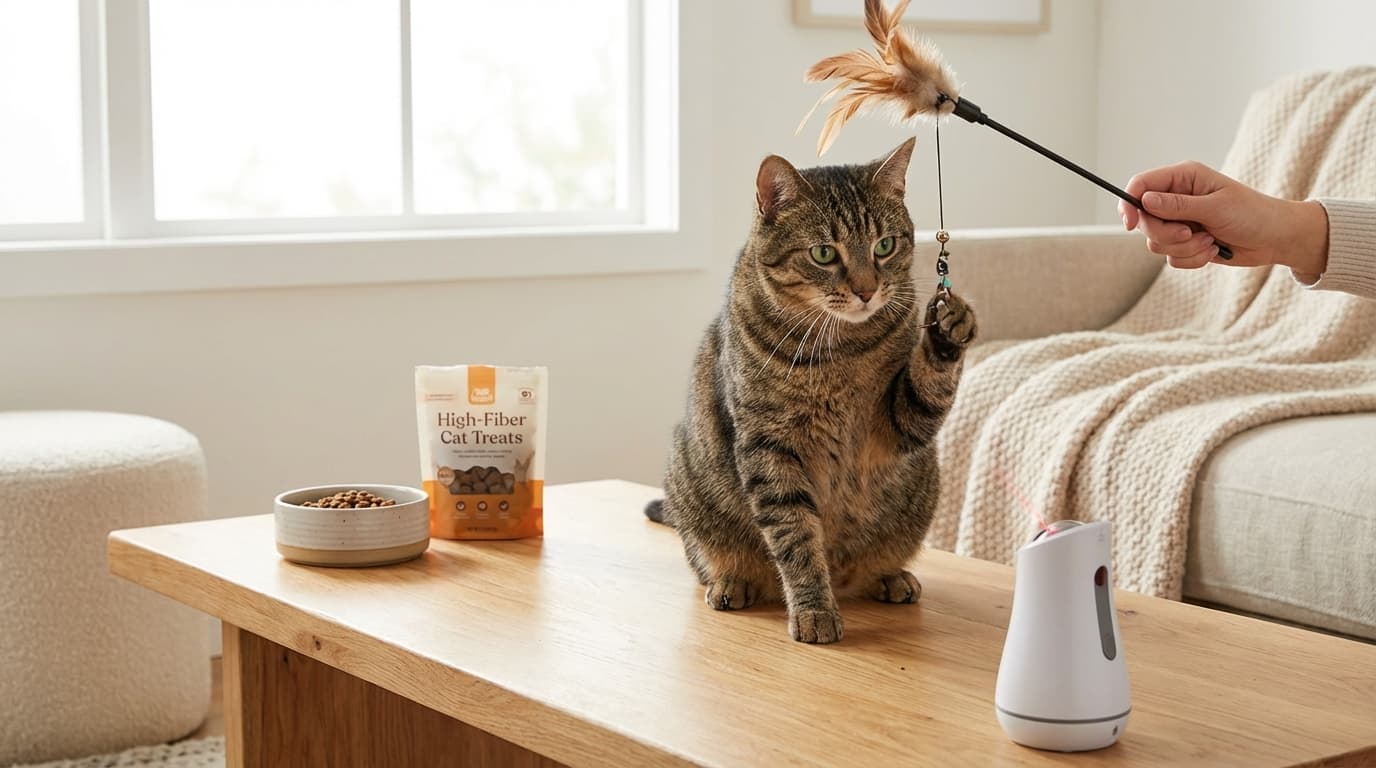
Is your pet's biggest daily adventure just a quick dash from the sofa to the food bowl? It is a common story for many indoor cats who have traded the wild hunt for a life of luxury and long naps. While staying inside keeps them safe from cars and predators, it also creates a major lifestyle gap that can lead to weight gain and serious health issues like diabetes or joint pain.
Understanding indoor cat calorie needs is the first step in helping your feline friend stay fit. You do not have to make them miserable to improve their metabolic health. By choosing the right high-fiber cat food for weight loss and picking out some fun exercise games for indoor cats, you can turn your living room back into a healthy hunting ground.
This guide covers everything from calculating the right portion sizes to the pros and cons of automatic laser toys. You will also find tips on low-calorie cat treats and simple ways to manage hairballs. Let's look at how a few small changes can give your pet a much happier and longer life by your side.
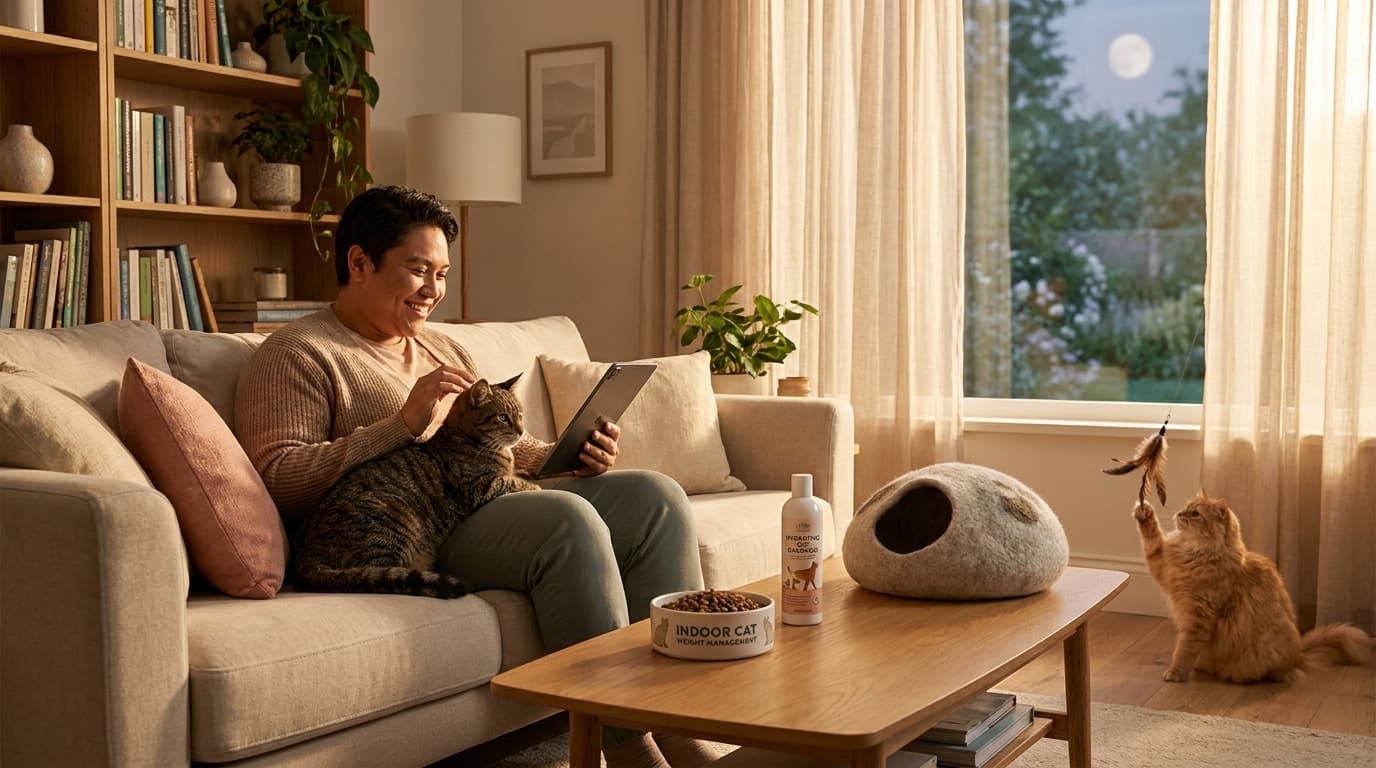
Think about your cat’s daily routine. For many indoor pets, the biggest adventure of the day is a quick dash from the sofa to the food bowl. While staying inside keeps them safe from cars and predators, it also creates a massive lifestyle gap compared to their outdoor cousins who hunt and patrol for hours. This shift in activity changes everything for their health, yet many of us are still feeding them like they are out tracking prey in the wild.
The reality is that this sedentary lifestyle isn't just about a bit of extra fluff. Feline obesity is a serious deal, directly linked to diabetes, joint pain, and even heart issues. Because indoor cats spend up to two-thirds of their waking hours grooming themselves, they also face a much higher risk of hairballs. They simply aren't burning the energy required by a generic kibble designed for an active hunter, which means their metabolic health is often at risk.
So, how do we fix it? It starts with a reality check on the food bowl. High-quality indoor food should always list a named animal protein like chicken or fish first because cats are obligate carnivores hardwired for meat. Look for specialized fiber blends, like pumpkin, which help them feel full while moving hair through their system. Pair this better diet with at least two 10-minute play sessions a day to mimic their natural hunting instincts. It’s about smart metabolic management, not just making your cat miserable with less food.
Key insights:
- Indoor cats require lower calorie density and higher fiber to prevent weight gain and manage frequent hairballs.
- Animal-based protein must remain the primary ingredient to support obligate carnivore physiology.
- Effective exercise must mimic natural hunting behaviors like stalking and pouncing to truly impact feline health.
The Couch Potato Reality: Why Indoor Cats Need Fewer Calories
Ever notice how your cat’s biggest daily adventure is a sprint from the sunbeam on the rug to the food bowl in the kitchen? While keeping them inside is the best way to protect them from cars and predators, it creates a massive lifestyle gap. Outdoor cats spend their days patrolling territories and hunting, while indoor cats spend up to two-thirds of their waking hours just grooming themselves. This lack of movement means their feline metabolic health can take a hit if we keep feeding them like they are out there catching mice for a living.
The reality is that indoor cats simply need fewer calories. When we overfeed them, we aren't just giving them a little extra fluff; we are increasing their risk for serious issues like diabetes, joint pain, and heart problems. Think of it this way: their bodies are hardwired to run on animal-based protein, but without the exercise to burn it off, that energy turns into fat. High-fiber cat food for weight loss can help here because it makes them feel full without the calorie density of standard kibble.
So, how do you find the magic number for your cat? Most people look at the back of the bag, but those generic instructions often lead to overfeeding. They don't account for your cat’s specific age or that winter weight they might be carrying. To find your cat's indoor cat calorie needs, you have to look at their actual activity level. If they aren't getting at least two 15-minute play sessions a day, they definitely need less than the bag suggests.
Keep an eye out for signs they are getting a bit too round. Can you feel their ribs easily, or is there a thick layer of padding in the way? Do they have a visible waist when you look at them from above? If they are starting to look like a loaf of bread, it is time to adjust. Small changes, like using food puzzles to slow them down or switching to a formula with a named animal protein as the first ingredient, can make a huge difference in their long-term health.
Key insights:
- Indoor cats are significantly more sedentary, requiring a fundamental shift in how we manage their daily calories.
- Generic feeding guides on pet food bags are often too generous for a typical indoor lifestyle and should be used only as a starting point.
- Obesity in cats isn't just a cosmetic issue; it is directly linked to chronic pain and metabolic diseases like diabetes.
Calculating the Magic Number for Your Cat
Ever wonder why your cat is getting a bit round despite you following the bag instructions to the letter? Here is the secret: those charts are often based on active cats with high metabolisms. For a typical indoor pet, whose biggest adventure is a quick dash from the sofa to the food bowl, those generic portions are usually way too much.
Calculating the right amount means looking at your cat’s specific lifestyle. Indoor cat calorie needs are lower because they do not patrol territories. To protect their metabolic health, focus on foods with lower calorie density. High-fiber cat food for weight loss is a great tool. It helps your cat feel full while managing hairballs, all without packing on the pounds.
Keep an eye out for signs of extra winter weight. You should be able to feel their ribs easily. If their waist has vanished or they have a noticeable pouch that sways when they walk, it is time to adjust. A healthy diet still needs a named animal protein like chicken as the first ingredient, but the portion size is what really keeps them fit.
Key insights:
- Generic feeding guides often overestimate the needs of sedentary indoor cats.
- High-fiber ingredients help manage weight by increasing satiety without adding calories.
- A visible waistline and easily felt ribs are the best indicators of a healthy weight.
Filling the Bowl: Choosing the Right High-Fiber Food
For many house cats, the biggest adventure of the day is a quick dash from the sofa to the food bowl. It is a cozy life, but that lack of activity means their calorie needs are much lower than their outdoor cousins. When you are picking out high-fiber cat food for weight loss, you are looking for a formula that bridges this lifestyle gap. The right food helps them feel full while providing the specialized nutrition needed to prevent obesity and the serious health problems, like diabetes or joint pain, that often follow a sedentary lifestyle.
Even with the focus on fiber, do not forget that your cat is still an obligate carnivore. Their bodies are hardwired to thrive on animal protein, so high-quality meat like chicken or fish should always be the very first ingredient listed on the bag. The best indoor formulas balance this essential protein with a lower calorie density and specialized fiber blends. This combination supports their metabolic health and keeps their muscles strong without making them feel like they are constantly starving for more kibble.
There is another reason fiber is a total game-changer for indoor pets: the secret weapon against hairballs. Because indoor cats do not have territories to patrol or prey to hunt, they spend up to two-thirds of their waking hours grooming. That is a staggering amount of time spent licking fur, and all that hair has to go somewhere. If it does not move through the digestive tract, it eventually becomes a cold, wet surprise for you to find on the carpet later.
Functional fibers like pumpkin act as a gentle conveyor belt for your cat's insides. These fibers catch the ingested hair and sweep it through the system naturally before it can form a problematic clump in the stomach. By choosing a food that prioritizes these specialized fibers, you are doing more than just managing their weight. You are keeping their tummy comfortable and your floors clean, making the indoor life much more pleasant for everyone involved.
Key insights:
- Indoor cats require a fundamental shift in caloric intake because they lack the high energy output of outdoor hunters.
- A named animal protein must remain the first ingredient to satisfy a cat's biological need for meat.
- Strategic fiber use manages weight by increasing satiety while simultaneously solving digestive issues like hairballs.
The Secret Weapon Against Hairballs
Ever notice how your indoor cat seems to be constantly cleaning? It’s not just a quirk. These guys spend up to two-thirds of their waking hours grooming themselves. While that keeps them looking sharp, all that loose fur has to go somewhere. Usually, it ends up in their stomach, leading to those lovely 3 a.m. hacking sounds we all know too well.
This is where specialized indoor nutrition becomes your secret weapon. Instead of just dealing with the gross mess on your rug, look for recipes that include functional fibers like pumpkin. Think of it as a gentle broom for their digestive tract. These fibers help move ingested hair through their system naturally, so it passes safely rather than getting stuck and causing trouble.
It’s a simple dietary tweak that makes a huge difference for their daily comfort. By choosing a formula with a specialized fiber blend, you’re helping their tummy stay settled while saving yourself from cleaning up another wet surprise. It’s a win for your cat’s metabolic health and your living room floor.
Key insights:
- High-fiber ingredients like pumpkin act as a natural digestive aid to move hair through the system.
- Managing hairballs internally is significantly more comfortable for cats than the stress of coughing them up.
Turning Your Living Room into a Hunting Ground
Think about your cat's daily routine for a moment. For many indoor pets, the biggest adventure of the day is a quick dash from the sofa to the food bowl. While staying inside keeps them safe from cars and predators, it also leads to a very sedentary life that can take a toll on their bodies. Feline obesity is a serious concern because it is directly linked to health issues like diabetes, joint pain, and heart problems. To keep your cat thriving, you have to turn your living room into a functional hunting ground that mimics their natural instincts.
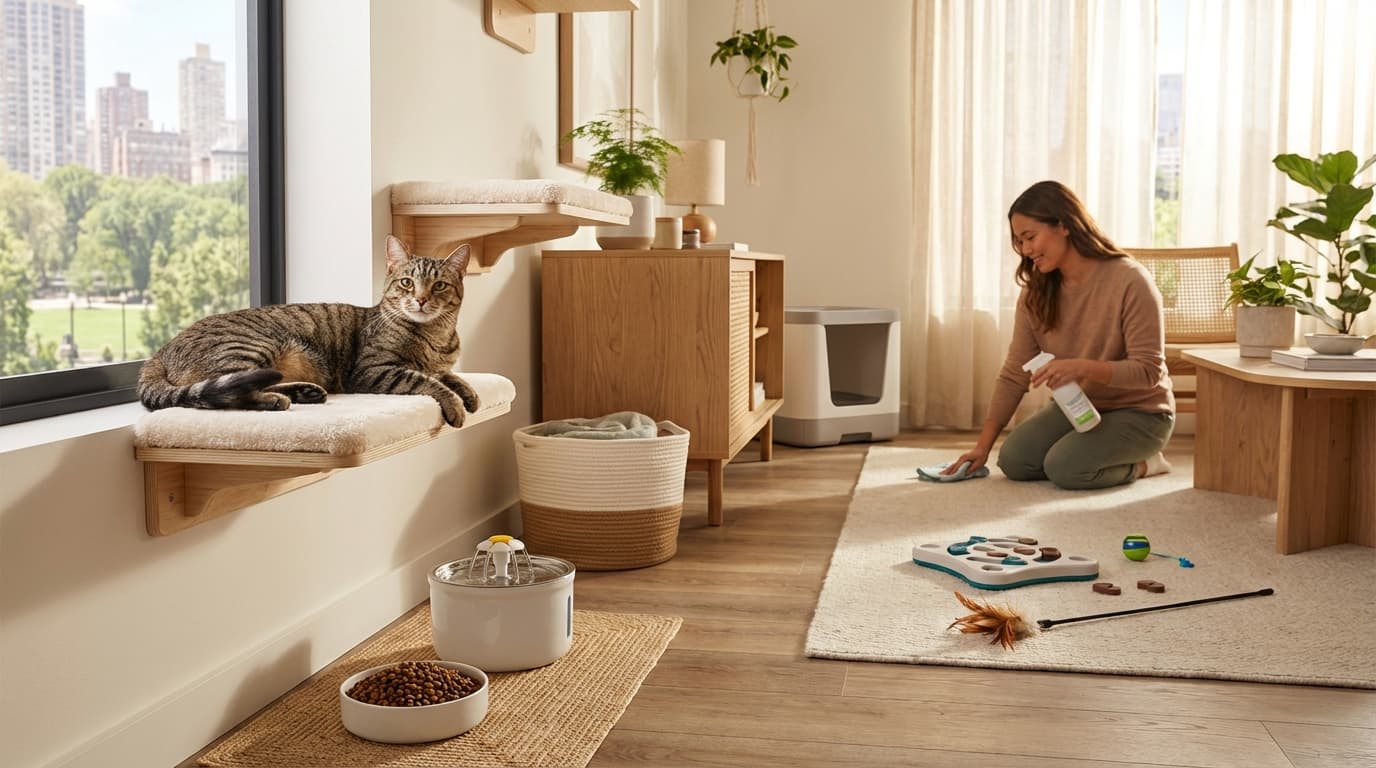
You do not need to spend hours on a treadmill to see results. Experts suggest that the sweet spot for indoor cat exercise consists of at least two 10 to 15 minute play sessions every day. These short bursts of activity are perfect because they copy the way cats hunt in the wild. If you are short on floor space, look up. Using vertical space like cat trees or wall shelves encourages your cat to climb and stretch, which works muscles they rarely use while lounging on the rug. It also helps them manage the hairball risks that come from spending two-thirds of their waking hours grooming.
Many owners reach for automatic laser toys when they are busy. These gadgets are great for hands-off exercise, but they come with a psychological downside. Because the red dot is prey that can never be caught, it can lead to a lot of frustration for a cat that needs a sense of accomplishment. To use lasers safely, always end the session by pointing the light at a physical toy or a low-calorie treat. This allows your cat to finally catch their prey and completes the natural hunting cycle in their brain.
If you want to start something new tonight, grab a wand toy and practice the art of the pounce. The trick is to move the toy like a real bird or mouse would move - hiding behind corners and making sudden darts. You can also try food-dispensing puzzles that make your cat work for their dinner. This provides mental stimulation and prevents them from inhaling their food too quickly. Even simple DIY games using cardboard boxes or crumpled paper can keep them moving. When you combine this movement with high-quality food that lists a named animal protein as the first ingredient, you are setting your cat up for a long and healthy life.
The reality is that indoor cats have much lower energy needs than those who roam outside. This lifestyle gap means we have to be more intentional about their caloric intake and daily activity. A mix of high-protein and high-fiber food helps them feel full without packing on the pounds. By making small changes to how they play and eat, you can bridge that gap and ensure your living room is a place of health rather than just a place of rest.
Key insights:
- Mimicking the stalk-pounce-kill cycle is essential for a cat's mental health during play.
- Vertical enrichment like shelving is just as important as floor-level toys for muscle engagement.
- Ending laser play with a physical reward prevents the 'never-ending hunt' frustration.
- Consistent short bursts of activity are more effective than one long, exhausting session.
Are Automatic Laser Toys Actually a Good Idea?
We have all been there. You are stuck in a meeting while your cat stares you down, practically begging for a chase. Automatic laser toys seem like the perfect solution for a busy schedule. They get your cat moving, which is vital since indoor cats need at least two 10 to 15 minute play sessions every day to stay fit. These gadgets can help prevent feline obesity, a condition linked to serious issues like joint pain and diabetes. It is a hands-off way to keep them active when you just can't pick up the wand toy yourself.
But there is a catch. While lasers mimic the fast movement of prey, your cat can never actually catch that little red dot. This can lead to a loop of frustration. In the wild, a hunt ends with a pounce and a success. Without that physical win, some cats get stressed or even obsessive. To keep things fun rather than frustrating, try ending the laser session by pointing the light at a physical toy or a few low-calorie cat treats. This gives them the satisfaction of the kill and settles their hunting brain.
Think of automatic lasers as a tool and not a full-time babysitter. They are great for a quick burst of energy, but they should not replace the interactive play that builds your bond. If you use them, keep the sessions short and always supervise. Mixing in some high-fiber food and physical puzzles will round out their routine. This helps make sure their indoor life is just as exciting as the great outdoors without the actual danger.
Key insights:
- Lasers provide great cardio but lack the physical catch cats need to feel satisfied.
- Always transition from a laser to a physical toy or treat to end the hunting cycle safely.
- Indoor cats require structured play to avoid weight-related health issues like arthritis.
Fun Exercise Games You Can Play Tonight
Your cat’s biggest daily thrill shouldn’t just be the sound of the kibble bag hitting the floor. Indoor life is safer, but it is also much more sedentary, which can lead to serious health issues like joint pain or diabetes. To fix this, aim for at least two 10-15 minute play sessions every day. It is mostly about tapping into their natural hunting instincts.
Wand toys are great because they mimic the movement of a bird or mouse. Focus on the pounce. That slow stalk followed by a sudden leap is what really burns energy and keeps them fit. If you are short on time, try food-dispensing puzzles. These make your cat work for their dinner, providing mental stimulation while slowing down their eating. You can even use a few low-calorie cat treats to keep them interested.
You do not need expensive gear. A crumpled paper ball or a cardboard box with holes cut in the sides works wonders. The key is variety. Try a quick game of hide and seek with a toy tonight. It keeps their heart rate up and ensures their only adventure isn't just a dash to the food bowl.
Key insights:
- Effective exercise for indoor cats must simulate the stalk-and-pounce cycle of natural hunting.
- Using food-dispensing puzzles provides mental enrichment that helps prevent boredom-related overeating.
Smart Snacking: Low-Calorie Treats That Won't Ruin the Diet
Let’s be honest: it is incredibly hard to say no to those big, pleading eyes when you are opening a bag of treats. But here is the catch. Many standard store-bought treats are packed with hidden calories that can quickly sabotage your cat's health. Since an indoor cat’s biggest adventure might just be a quick dash from the sofa to the food bowl, those extra calories do not get burned off. They just sit there, increasing the risk of serious issues like diabetes and joint pain.
To keep your kitty trim, follow the 10 percent rule. This means supplemental treats should never make up more than a tenth of your cat’s total daily caloric intake. It might feel like you are being stingy, but you are actually protecting them. Because indoor cats require lower calorie density than their outdoor cousins, every bite counts. What does this mean for you? It means being a bit more selective about what goes into the snack jar.
The good news is that healthy alternatives can be just as exciting for your pet. Since cats are obligate carnivores, they are hardwired to love animal protein. Small bits of plain, cooked chicken or flakes of white fish are often much bigger hits than processed biscuits. You can also look for freeze-dried single-ingredient treats. These provide the protein your cat’s body craves without the fillers that lead to weight gain. It is all about finding that sweet spot where your cat feels rewarded and their health stays a top priority.
Key insights:
- Treats should never exceed 10% of total daily calories to prevent metabolic issues.
- Plain animal proteins like chicken or fish are healthier, low-calorie alternatives to processed snacks.
- Feline obesity is a gateway to chronic conditions like arthritis and heart problems.
Managing Urinary Health and Metabolism
Have you ever noticed your cat staring intensely at their water bowl but barely taking a sip? It’s a common sight, but for indoor cats, this lack of interest in hydration can lead to some pretty uncomfortable health hurdles. Because they aren't out hunting moisture-rich prey or patrolling territories, their metabolic health often takes a backseat to lounging. This sedentary lifestyle creates a lifestyle gap where they burn fewer calories but still need precise nutrition to keep their internal systems running smoothly. This matters because a slow metabolism often goes hand-in-hand with urinary sluggishness.
The real trouble starts with urinary health. When a cat doesn't drink enough, their urine becomes more concentrated, which can throw off their natural pH balance. This environment is a playground for mineral crystals to form. Since indoor cats generally move less, their bodies don't process minerals quite the same way as an active outdoor hunter. It's a delicate dance: if the mineral levels are too high or the pH is off, your feline friend could be facing painful stones or infections. That’s why specialized indoor diets focus so heavily on mineral management and high-quality animal proteins to keep things acidic enough to prevent issues.
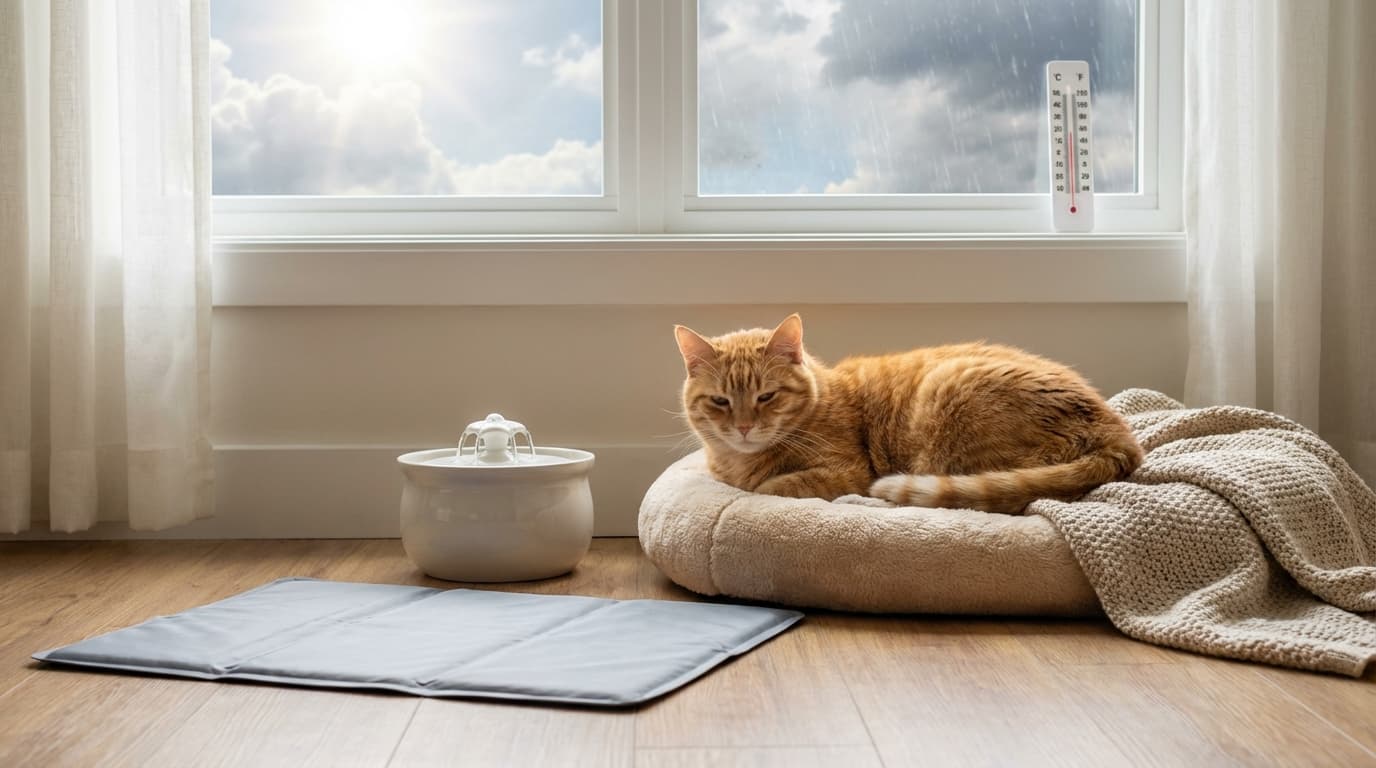
So, how do we get a picky eater to stay hydrated? It’s all about outsmarting their instincts. Since cats are obligate carnivores, they often expect to get moisture from their food rather than a standing bowl of water. You might try adding a splash of water to their kibble or switching to a high-fiber wet food that helps with both weight and hydration. Some owners swear by water fountains because the sound of running water triggers a cat's natural curiosity. Think of it as an easy metabolic tune-up that keeps their kidneys happy and their energy levels steady without much extra effort on your part.
Key insights:
- Indoor cats often have more concentrated urine due to lower activity and water intake, increasing the risk of crystals.
- Maintaining a specific urinary pH through animal-based proteins is vital for feline metabolic health.
- Running water fountains and moisture-rich food can bridge the hydration gap for sedentary pets.
Frequently Asked Questions
It is usually less than you might think. Most indoor cats only need about 20 to 25 calories for every pound they weigh to stay at a healthy size. Because they are not out hunting or patrolling a big territory, they just do not burn energy as fast as outdoor cats do.
Here is the thing to remember: for many house cats, their biggest adventure is often just a quick dash from the sofa to the food bowl. If you have a 10 pound cat, you are likely looking at 200 to 250 calories a day. But it also depends on their age and how much they actually play, so it is smart to keep an eye on their weight and adjust their portions if they start getting a bit round.
Yes, it really can. Fiber is a bit of a secret weapon for weight loss because it helps your cat feel full while eating a diet that is less calorie dense. It provides bulk in their stomach so they feel satisfied even though they are taking in less energy overall.
Fiber also serves a dual purpose for indoor pets. Since indoor cats spend up to two thirds of their waking hours grooming, they have a higher risk of hairballs. High fiber foods or ingredients like pumpkin help move that hair through the digestive tract. So you are helping them stay slim and helping their digestion at the same time.
Finding treats for a picky eater that won't cause weight gain is all about looking for high-quality protein. You'll want to choose treats where a named meat like chicken or fish is the first ingredient. Freeze-dried snacks are usually a winner because they have a strong natural scent that cats love, but they don't have the heavy fillers or extra carbs found in many crunchy treats.
Since indoor cats have lower calorie needs than outdoor ones, even small snacks can lead to health issues like diabetes or joint pain if you aren't careful. You might also try tiny bits of plain cooked meat or even a little pumpkin. Pumpkin is a great choice because the fiber helps your cat feel full and also assists with moving hairballs through their system.
Yes, using a laser pointer is a great way to help your cat get their daily exercise, but there is a catch. Because cats are natural hunters, they can get frustrated when they can't actually catch the light. To keep it fun and rewarding, try to end the game by pointing the laser at a physical toy they can pounce on or by giving them a small treat so they feel like they successfully finished the hunt.
Aim for at least two play sessions of 10 to 15 minutes each day. This helps mimic their natural instincts to stalk and chase, which is vital for their mental health and metabolic function. Just remember to mix in some other activities like wand toys or food puzzles so they get plenty of variety and stay engaged with their environment.
Conclusion
So what does this all mean for your favorite furball? Keeping an indoor cat healthy is about connecting the dots between what they eat and how they move. When you balance their specific indoor cat calorie needs with games that mimic a real hunt, you are doing more than just managing weight. You are protecting their feline metabolic health and making sure their life inside is just as rewarding as any outdoor adventure.
If you are ready to start, do not feel like you have to change everything overnight. Your next move might be as simple as picking up some low-calorie cat treats or setting a timer for a quick game of chase before dinner. These small, daily choices keep their joints moving and their minds sharp without making them feel like they are on a boring diet.
At the end of the day, a healthy weight is one of the best ways to ensure your cat stays by your side for years to come. A little extra play and a smarter bowl of food go a long way toward keeping that couch potato lifestyle from catching up with them. Your cat might not thank you for the smaller portions, but their extra energy and bright eyes will speak for themselves.
Send it to someone who should read it next.
PurrScript Editorial Team
Editorial Team
PurrScript's in-house editorial team. We research, write, and review every guide using established veterinary and behavioral resources, and update articles as best practices evolve.
View all articles