Is Your Cat's Breath Trying to Tell You Something? A Guide to Better Oral Health
Have you ever leaned in for a sweet kitty nuzzle only to be hit with a smell like a dumpster in July? While many owners think stinky cat breath is...

PurrScript Editorial Team
Editorial Team
Is Your Cat's Breath Trying to Tell You Something? A Guide to Better Oral Health
Have you ever leaned in for a sweet kitty nuzzle only to be hit with a smell like a dumpster in July? While many owners think stinky cat breath is just a normal part of the package, it is actually a cry for help. That funky odor is often the first sign of trouble, but keeping your cat's mouth clean is a lot easier and more important than you might think.
We usually focus on brushing fur, but the oral health and grooming link is the most overlooked part of pet care. By using a simple cat toothbrush kit and enzymatic toothpaste for cats, you can stop plaque before it turns into a painful mess. Preventing feline periodontal disease isn't just about fresh breath; it is about helping your best friend live a longer, healthier life without the need for expensive vet surgeries.
This guide walks you through everything from using finger brushes for kittens to picking flavors your cat will actually enjoy. You will learn how to start a stress-free routine that keeps those teeth sparkling and ensures those head bumps stay sweet-smelling and healthy.
The Scary Truth About Feline Periodontal Disease
Have you ever noticed your cat pull away when you try to pet their face? Or maybe their breath has gone from fishy to flat-out something died in here? It is easy to brush off bad breath as just a cat thing, but the reality is much heavier. When plaque sits on those tiny teeth, it hardens into tartar in just a few days. This is not just a cosmetic issue. That bacteria can actually travel through the gums and into the bloodstream, putting a massive strain on your cat's heart, liver, and kidneys. It is a quiet problem that builds up until it becomes a painful crisis.
Here is the tricky part: cats are masters at hiding discomfort. In the wild, showing pain makes you a target, so your house cat has evolved to suffer in silence. You might see them drop food while eating, paw at their mouth, or suddenly prefer soft food over kibble. Sometimes, the only sign is a change in mood. If your normally sweet kitty is acting grumpy or hiding more than usual, their mouth might be the culprit. By the time they actually stop eating, the feline periodontal disease is usually quite advanced.
Thinking about a small investment now can save you a mountain of stress later. For example, a complete cat toothbrush kit like the one from Arm & Hammer costs about ten dollars and gives you everything you need, including a tuna-flavored enzymatic toothpaste for cats that they actually like. Compare that to a professional veterinary cleaning, which requires anesthesia and can easily cost five hundred dollars or more. It is a bit like changing the oil in your car; a little maintenance now prevents the whole engine from seizing up later.
If you are nervous about starting, you are not alone. You do not have to jump straight to a full scrubbing session. Many owners find success starting with finger brushes for kittens or skeptical adult cats, which are softer and less intimidating. The goal is consistency. Even if you only manage a quick swipe a few times a week, you are significantly lowering the risk of dental disease. Plus, keeping those pearly whites clean can actually extend your cat's lifespan by several years. Who wouldn't want more time with their best friend for the price of a bag of treats?
Key insights:
- Plaque buildup can lead to systemic organ failure if bacteria enters the bloodstream.
- Cats hide dental pain as a survival instinct, making regular oral checks vital.
- Preventative kits are significantly more cost-effective than professional veterinary dental procedures.
- Starting with a finger brush and flavored paste helps build trust during the grooming process.
Why Prevention is Cheaper Than a Vet Visit
Have you ever seen a vet bill for a professional dental cleaning? It can easily hit several hundred dollars, especially if your cat needs anesthesia or extractions. Compare that to spending about $10 on an Arm & Hammer Complete Care kit. For the price of a sandwich, you get a toothbrush, a finger brush, and tuna-flavored enzymatic toothpaste for cats. It is a simple way to keep your budget and your pet in much better shape.
This is not just about saving money, though. Consistent brushing is a secret weapon for extending your cat's lifespan. By preventing feline periodontal disease, you stop harmful bacteria from traveling through the bloodstream to the heart or kidneys. If your pet is picky, start slow. Using finger brushes for kittens or offering that savory tuna flavor makes the process much easier for everyone involved.
Think of it as a daily habit rather than a chore. Whether you use a standard brush for deep cleaning or explore water additives and enzymatic chews, the goal is the same. Taking five minutes now saves you from a stressful, expensive hospital visit later. Your cat might not thank you for the brushing sessions, but their healthy heart certainly will.
Key insights:
- A $10 dental kit is a fraction of the cost of professional veterinary scaling and anesthesia.
- Regular oral care prevents bacteria from damaging vital organs, directly increasing life expectancy.
- Palatability, like tuna flavoring, is the most important factor for ensuring cat compliance during brushing.
What is Inside a Good Cat Toothbrush Kit?
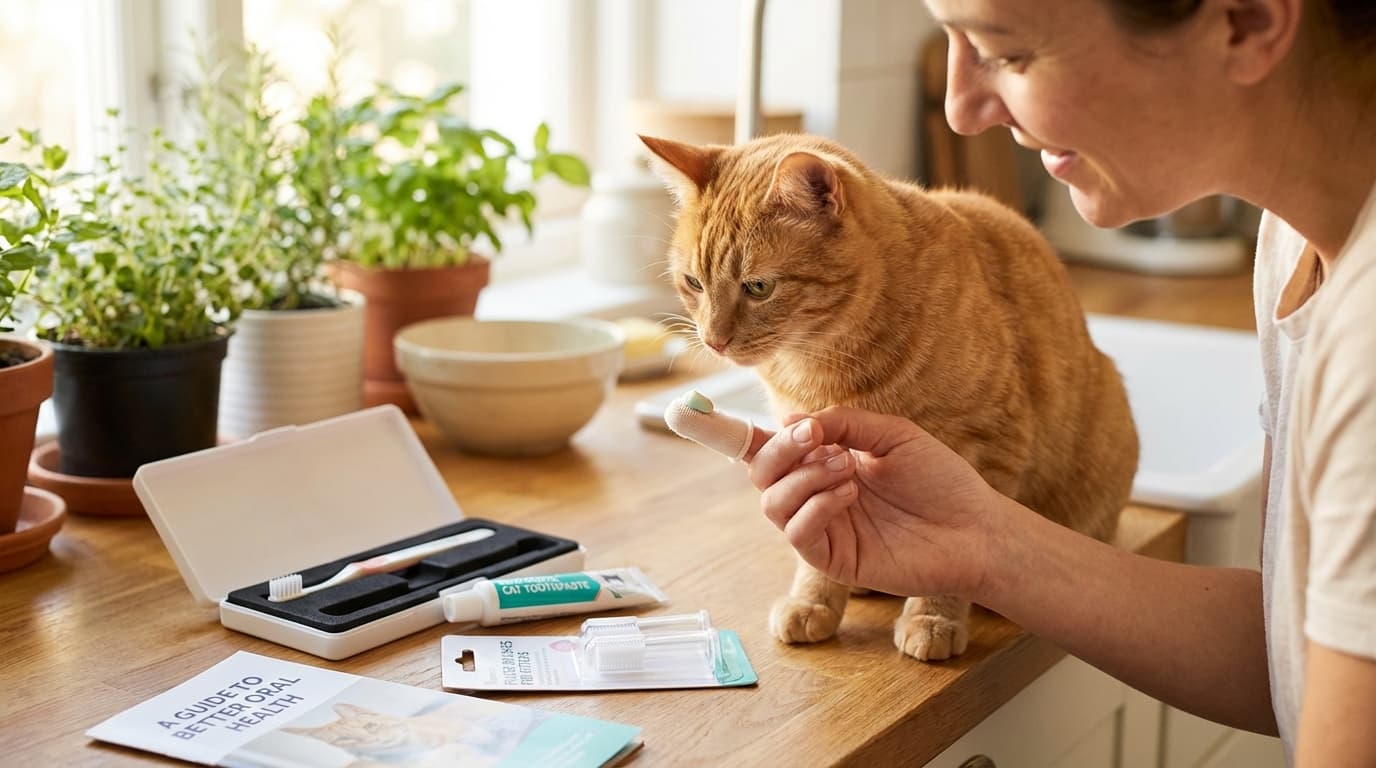
Wrestling with a cat to clean their teeth is a rite of passage most owners dread. That is why all-in-one kits are such a lifesaver. Take the Arm & Hammer Complete Care kit, for example. It is a compact 3.5-ounce setup that packs a dual-headed toothbrush, a tube of toothpaste, and a rubbery finger brush into one box. It takes the guesswork out of shopping, which is likely why it maintains a solid 3.5-star rating at major retailers like Target. Having everything in one place makes it much easier to actually start the habit instead of just thinking about it.
The real magic isn't in the plastic handle, though - it is in the flavor. Most humans want mint, but cats want tuna. This kit includes a tuna-flavored enzymatic paste that acts as a bribe and a cleaner all at once. When the "medicine" tastes like a treat, your cat is much more likely to cooperate. This matters because, as the pros at Medi-Vet suggest, effective dental care is a mix of mechanical scrubbing and chemical action. If they won't let the paste near their mouth, the routine is over before it starts. The flavor is the bridge that makes the cleaning possible.
For those just starting out with a kitten or a nervous rescue, the finger brush is your best friend. Think of it as the "training wheels" of feline dental hygiene. It is a soft, flexible cap that fits over your index finger, making the experience feel much less clinical and intimidating for your pet than a hard plastic wand. Since you can feel exactly where you are in their mouth, you have way more control and tactile feedback, which helps prevent accidental poking or prodding that might scare them off.
The goal here is simple: acclimation. You want your cat to get used to the sensation of their gums being touched. Start slow by letting them lick a bit of the tuna paste off the finger brush, then move to gentle circular motions on the front teeth. A quick safety tip: always keep your movements predictable and watch your fingers. Even the sweetest kitten can have a reflex bite if they get startled. If your cat gets jumpy, just stop and try again tomorrow. You want this to be a positive bonding moment, not a battle of wills.
What does this mean for you in the long run? It means fewer expensive vet visits for professional cleanings. While the kit is small, its impact on your cat's health is huge. By starting early and using tools designed for their comfort, you are preventing painful periodontal issues before they even start. Once they are comfortable with the finger brush, moving up to the full toothbrush for a deeper clean becomes a natural next step rather than a daily struggle.
Key insights:
- Tuna-flavored paste is the secret to high compliance in finicky cats.
- Finger brushes offer better tactile feedback for owners, reducing the risk of accidental injury during cleaning.
- Bundled kits provide a cost-effective way to transition from beginner "training wheels" to advanced mechanical cleaning.
Finger Brushes for Kittens and Beginners
Think of the finger brush as the training wheels of feline dental care. If you have ever tried to shove a plastic wand into a confused kitten's mouth, you know it rarely goes well. That is why many kits, like the Arm & Hammer Complete Care set, include a small rubber finger brush alongside the standard tool. It allows you to maintain a physical connection with your cat, making the process feel more like a productive petting session than a chore.
For beginners, success is all about the setup. Use a flavor they actually enjoy - like the tuna-flavored enzymatic toothpaste found in many cat toothbrush kits - to build a positive association. Put a tiny dab on the finger brush and let them lick it first. Because the brush fits directly over your finger, you can feel exactly where you are in their mouth. This gives you way more control and tactile feedback than a long-handled brush, which is helpful when you are navigating tiny teeth for the first time.
Just remember to watch your hands. Even a sweet kitten has needle-sharp teeth, so move slowly and stay calm. If they get wiggly or stressed, just stop and try again later. The goal is to get them comfortable with the sensation of touch so that eventually, keeping their mouth healthy becomes a stress-free part of your daily routine.
Key insights:
- Finger brushes provide better tactile control for owners and a gentler introduction for hesitant cats.
- Using palatable flavors like tuna helps turn a grooming task into a rewarded behavior.
- Starting with finger brushes builds the foundation needed to transition to deep-cleaning standard brushes later.
The Magic of Enzymatic Toothpaste for Cats
Have you ever wondered why you can't just share a dab of your own toothpaste with your cat? It seems easy, but it is actually dangerous. Human toothpaste often contains xylitol or fluoride, and these ingredients are toxic to pets. Since cats do not know how to spit, they swallow everything you put in their mouth. This can lead to serious stomach issues or even poisoning. Specialized cat toothpaste is designed to be swallowed safely, making it the only real choice for a healthy kitty.
The secret to these pet-safe pastes is the enzymes. These clever proteins do more than just sit there. They actively break down the film of bacteria and plaque on your cat's teeth. Think of it as a cleaning crew that does not quit. Even if your cat wiggles away before you finish every tooth, those enzymes keep working in the saliva to dissolve buildup. It is a huge relief for owners who have a hard time reaching those tricky back molars during a quick grooming session.
Getting a cat to cooperate usually comes down to the flavor. Most cats would run for the hills if they smelled mint, but they will come running for tuna. Brands like Arm & Hammer offer kits that include tuna-flavored paste to make things easier. These kits are rated 3.5 out of 5 stars at Target because they provide everything you need in one go, including a standard brush and a soft finger brush. Using a finger brush is a great way to start if your cat is nervous about the whole process. It helps them get used to the feeling of you touching their teeth without the stress of a large plastic tool.
While brushing is the best way to prevent dental disease, it is not the only tool you have. You can find everything from dental chews to water additives that help keep their breath fresh. However, nothing beats the mechanical action of a brush combined with the chemical power of an aluminum-free enzymatic paste. It might take some time for your cat to get used to the routine, but the payoff is a healthier pet and fewer expensive trips to the vet for professional cleanings. Just remember to start slow and let them lick the paste off your finger first to build trust.
Key insights:
- Human toothpaste contains toxic ingredients like xylitol that cats cannot safely swallow.
- Enzymatic toothpaste continues to break down plaque even if you miss a few spots while brushing.
- Flavor is the most important factor for compliance, with tuna being a top choice for most house cats.
- Finger brushes are ideal for kittens or first-time brushers to reduce anxiety during the cleaning process.
How to Brush a Cat's Teeth (Without the Drama)
Let’s be honest: your cat probably thinks your plan to brush their teeth is a hilarious joke. If you’ve ever tried to force a toothbrush into a feline mouth, you know the struggle involves a lot of squirming and very little cleaning. But it doesn’t have to be a battle of wills. The secret isn't about physical strength; it's about trickery - specifically, the kind involving tuna. Most successful owners start with an all-in-one cat toothbrush kit, like the Arm & Hammer Complete Care set. These kits are popular because they bundle everything you need, including a finger brush for beginners and a standard brush for deep cleaning. With a 3.5-star rating from over a hundred users at Target, it’s clear that while the process takes practice, the right tools make a world of difference.
The real hero of the story is the enzymatic toothpaste for cats. Since humans use mint, we often forget that cats prefer something a bit more savory. Using a tuna-flavored paste makes the experience feel like a treat rather than a chore. For the first few days, don't even try to brush. Just put a small amount of paste on your finger and let them lick it off. This simple trick builds a positive association from the start. You want them to think of the tube as a snack dispenser rather than a medical device. It’s a small step that prevents a lot of future drama.
Getting to the actual brushing requires a bit of a slow-motion approach. Think of it as a week-long training camp. On Day 1, you are just introducing the taste. By Day 3, you can start gently touching their gums with your finger while they lick the paste. This gets them used to the sensation of your hands near their mouth without the pressure of a tool. By Day 7, you finally introduce the brush. Whether you use a finger brush for kittens or the full-sized brush for an adult cat, the goal is the same: reach those back molars where plaque loves to hide. These back teeth are the primary hotspots for feline periodontal disease, so getting back there is non-negotiable.
When you finally start the actual scrubbing, keep the sessions incredibly short. We’re talking thirty seconds, tops. Gently lift the lip to expose the side teeth and move in small, gentle circles. You don't need to scrub like you’re cleaning grout; the enzymatic toothpaste does a lot of the heavy lifting chemically. If your cat starts to get wiggly or annoyed, stop immediately. You always want to end on a high note with a pet or a treat so they don't hide under the sofa the next time they see the dental kit come out of the drawer.
It is also worth noting that while manual brushing is the gold standard for oral health, it isn't the only way to keep a mouth clean. Medi-Vet lists several alternatives, from drinking water additives to enzymatic chews and food additives. If your cat treats the toothbrush like a mortal enemy despite your best efforts, these passive cleaning methods are a great backup plan. The link between oral health and overall grooming is vital for a happy cat, so even if you can't manage a full daily brush, finding a method that works for your specific pet is what matters most.
Key insights:
- Palatability is everything - using tuna-flavored paste turns a chore into a reward.
- The seven-day acclimation process prevents the 'fight or flight' response in most cats.
- Focusing on the back molars is critical, as these areas are most prone to plaque buildup.
- Short, positive sessions are more effective for long-term health than one long, stressful cleaning.
The Acclimation Process
Have you ever tried to stick a plastic stick in your cat's mouth? It usually ends with a grumpy pet and a scratched human. But it does not have to be a battle. The secret is moving slowly so your cat thinks this new routine is actually a treat. Since most kits like the Arm and Hammer Complete Care set come with tuna flavored enzymatic toothpaste for cats, you already have a secret weapon. Most cats can not resist the taste of fish, which makes your job much easier.
On Day 1, just let them lick a dab of paste off your finger. Think of it as a simple flavor test. By Day 3, try gently rubbing their gums with your finger while they enjoy the taste. If they seem okay with that, you can move to a finger brush for kittens or sensitive adults by Day 7. This gradual introduction helps in preventing feline periodontal disease without stressing out your pet. It is all about building trust before you even think about the actual scrubbing.
These all-in-one kits are great because they give you options for every stage. You get a standard brush for deep cleaning and a soft finger brush for beginners. While some owners prefer water additives or chews, manual brushing is still the best way to remove plaque. It might take a week or two to get into a rhythm, but once your cat associates the brush with a tasty tuna snack, the hard part is over. Just remember to keep the sessions short and the rewards frequent.
Key insights:
- Tuna flavoring is a game changer for getting cats to accept a toothbrushing routine.
- A seven day introduction period reduces stress and builds a positive association with oral care.
- Using a finger brush first is often more comfortable for cats than jumping straight to a full size toothbrush.
When Brushing Just Isn't Happening
Let's be real: some cats treat a toothbrush like it's a tiny, plastic intruder. If your feline friend disappears the second they see the dental kit, you are definitely not alone. While manual brushing is the best way to prevent periodontal disease, forcing the issue can sometimes do more harm than good to your bond. The good news is that you have plenty of options that do not involve a wrestling match on the bathroom floor.
Think of dental care in three main ways: mechanical, chemical, and passive cleaning. When the mechanical part - the actual scrubbing - is not happening, passive methods step in to help. Water additives and oral rinses are incredibly easy because you just add them to their water bowl. These work by breaking down bacteria while your cat drinks. Then there are enzymatic chews and food additives. These treats use a chemical approach to dissolve plaque before it has a chance to harden into tartar. It is not a perfect substitute for a deep scrub, but it is a very solid backup plan.
Why does this matter so much? Because any amount of cleaning is always better than zero cleaning. Even if you cannot get that tuna flavored toothpaste onto their back molars today, using a food additive helps with cleaning as they crunch. Experts at Medi-Vet suggest mixing and matching these categories to see what fits your cat's personality. If your cat is okay with a soft finger brush but hates the long plastic handle, start there. Small wins add up over time.
The interesting part is that palatability is usually the secret weapon. Most kits use flavors like tuna to make the process feel less like a chore and more like a treat. If your cat loves the taste, they might eventually let you use a brush for a few seconds. In the meantime, those enzymatic chews are doing the heavy lifting for you. It is all about finding the path of least resistance while still protecting their health. What works for a kitten might not work for an older cat, so do not be afraid to switch things up until you find a routine that sticks.
Key insights:
- Passive cleaning methods like water additives provide a stress-free alternative to manual brushing.
- Enzymatic chews use chemical reactions to break down plaque without the need for a toothbrush.
- Mixing different dental products can help bridge the gap when a cat is resistant to a full grooming routine.
Frequently Asked Questions
Ideally, you should aim for a daily brush, but let's be honest, most cats have other plans. Aiming for three times a week is a great realistic goal to stop plaque from hardening into tartar and preventing feline periodontal disease.
If your cat is really putting up a fight, don't sweat it. You can supplement with things like enzymatic chews or water additives. The key is finding a routine that works for both of you so oral health stays a priority without it becoming a daily battle.
It's tempting to grab a baby brush, but cat-specific brushes are actually way better for the job. A cat toothbrush kit usually comes with a brush that has a much smaller head and softer bristles designed for a tiny feline mouth. This makes it a lot easier to reach those tricky back teeth where the most gunk builds up.
If you're just starting out or working with a kitten, try a finger brush first. It's much less scary for them than a standard toothbrush and gives you a better feel for what you're doing. Also, remember to always use enzymatic toothpaste for cats because human toothpaste has ingredients that can be toxic to pets.
It really depends on what your cat is allergic to. While the tuna flavor in kits like the Arm and Hammer one is made to be super tasty for most cats, you should always check the label if your pet has a confirmed fish allergy.
If they have a sensitive stomach or specific food triggers, it might be safer to look for a flavorless option or a different protein. Since these pastes are meant to be swallowed, a quick chat with your vet can save you a lot of worry. You can also try a tiny dab on their paw first to see how they handle it before you start a full brushing session.
You are definitely not alone because most cats are pretty protective of their personal space. The trick is to start very slow. Instead of jumping right in with a toothbrush, try letting them lick some enzymatic toothpaste for cats off your finger like it is a treat.
Once they like the taste, you can try using a finger brush. These are great for kittens or picky adult cats because they feel more natural than a big plastic brush. If they still say no, do not stress out. You can also find water additives or dental chews that help fight plaque without the struggle. It is all about making the process as low stress as possible for both of you.
Conclusion
So what is the bottom line on that fishy breath? It is more than just a smelly greeting. It is a direct signal about your cat's well-being. When we look at the oral health and grooming link, it is clear that a clean mouth is just as vital as a shiny coat. Using a cat toothbrush kit is the best way of preventing feline periodontal disease and keeping those vet bills low. It is about making sure your friend stays comfortable and pain-free.
You do not need to be a pro on day one. Finger brushes for kittens or beginners are great tools to get them used to the feeling. The real secret is enzymatic toothpaste for cats because it does the work for you. Even a quick scrub helps those enzymes break down plaque. Your next move is just to let your cat taste the paste and see that it is a treat rather than a chore.
Taking care of those tiny teeth might feel a bit silly at first, but the payoff is a healthier pet. Consistency beats perfection every time. Stick with it, keep the tuna snacks handy, and enjoy those fresh-smelling cuddles. A healthy mouth leads to a longer and more purr-filled life together.
Send it to someone who should read it next.

PurrScript Editorial Team
Editorial Team
PurrScript's in-house editorial team. We research, write, and review every guide using established veterinary and behavioral resources, and update articles as best practices evolve.
View all articles