Making Your Apartment a Feline Paradise: The Secrets to a Happy Indoor Cat
Did you know that staying inside can actually double your cat's lifespan? It's a huge jump from five years to fifteen, but being a cat owner means you're basically a...

PurrScript Editorial Team
Editorial Team
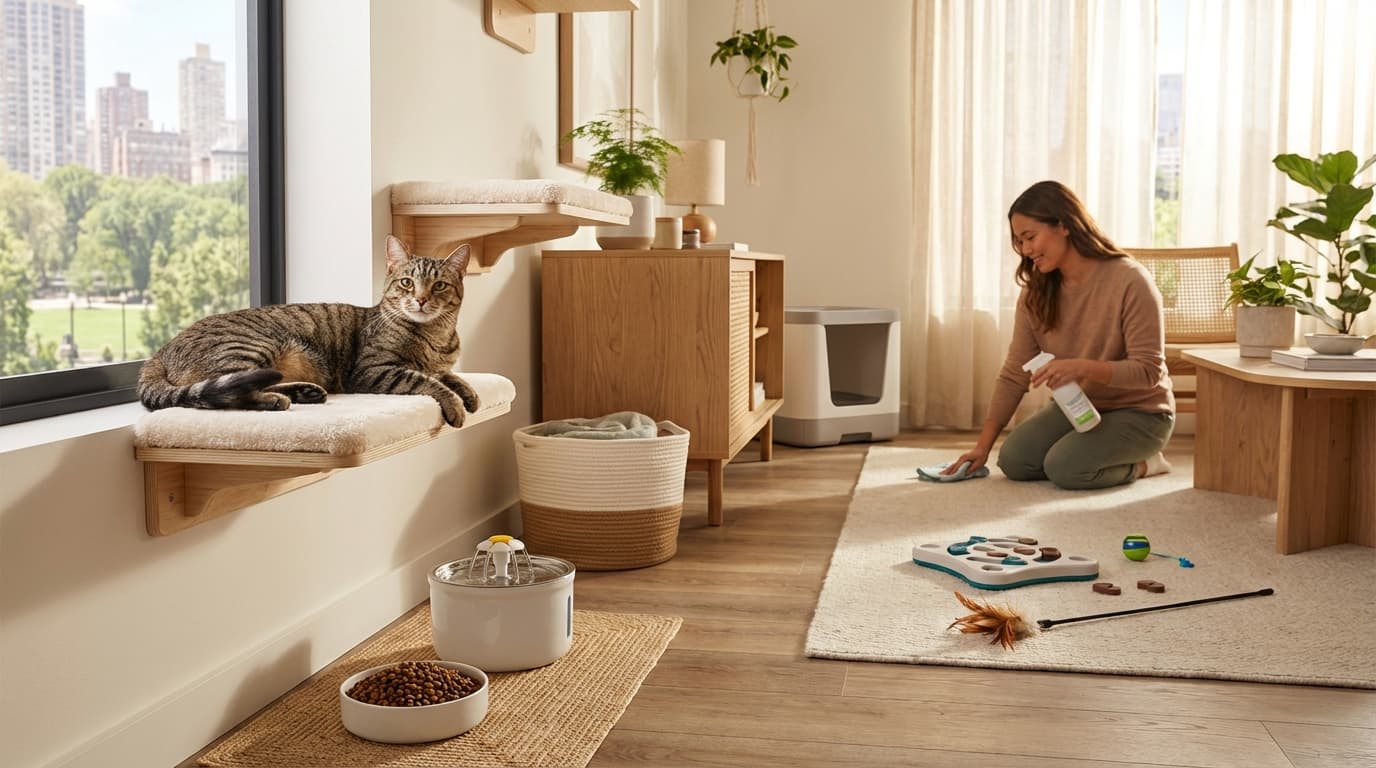
Making Your Apartment a Feline Paradise: The Secrets to a Happy Indoor Cat
Did you know that staying inside can actually double your cat's lifespan? It's a huge jump from five years to fifteen, but being a cat owner means you're basically a full-time fun coordinator for a tiny, furry resident. For Indoor Cats, life in a small apartment is safe, but it can get a little boring or even a bit smelly if you aren't careful. If you've ever wondered how to manage indoor cat litter box odor in apartments without using harsh chemicals, you're in the right place.
This guide covers everything you need to turn your living space into a feline paradise. We'll look at mental stimulation for indoor cats while at work so they don't get lonely, and we'll even find the best high protein indoor cat food for weight loss to keep them fit. You'll also pick up some smart indoor cat hydration tips for dry food diets and discover which feline friendly cleaning products for indoor spaces are actually safe for their sensitive noses.
By the end, you'll have a clear plan to keep your kitty hydrated, happy, and healthy. Let's get started on making your apartment the perfect hangout for your best friend.
The Indoor Cat Life: More Than Just a Safety Choice
Ever wonder why 81% of North American cat owners keep their pets strictly inside? It isn’t just about avoiding traffic or the neighbor’s grumpy dog. The reality is that the safety of your living room adds a staggering amount of time to their lives. We are talking about a jump from a five-year average for outdoor cats to a full 15 years for indoor ones. That is a lot of extra birthdays and head scratches.
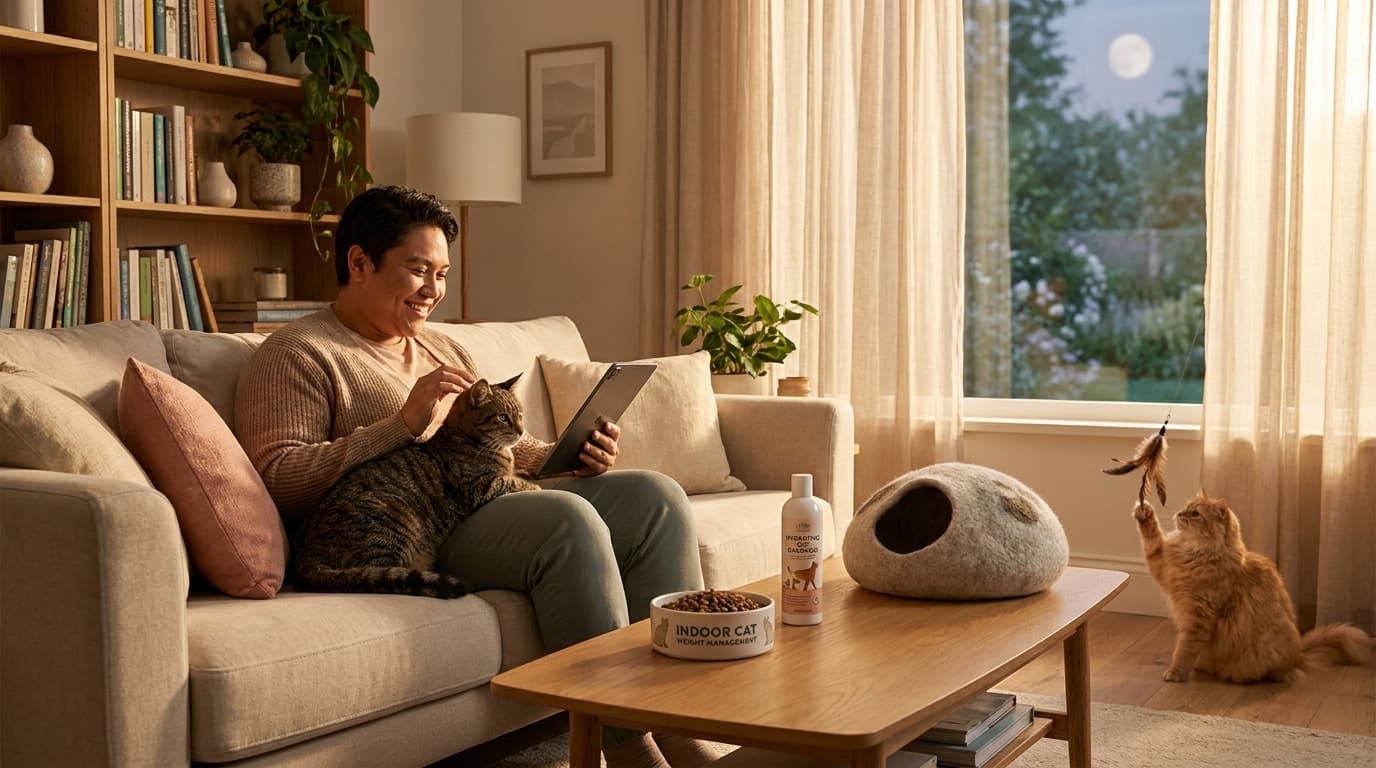
Choosing the indoor life means you’ve officially accepted a new job title: Professional Fun Coordinator. Since your cat isn’t out hunting or exploring, they rely entirely on you for mental stimulation while you are at work. It is a trade-off. They get the safety of your couch, but you have to bring the wild to them through puzzle feeders and vertical space. Making an apartment feel like a feline paradise is how we bridge that gap.
It is a big responsibility to manage every aspect of their world, but seeing them thrive in a safe environment makes every feather wand session worth it.
Key insights:
- Indoor cats live significantly longer, often reaching 15 years compared to just 5 for outdoor cats.
- With most cats staying inside, owners must proactively provide the mental stimulation that outdoor environments naturally offer.
The Apartment Smell Struggle: Banishing Litter Box Odor for Good
Living in a small apartment means you share everything with your cat, including the air. When you have a litter box in a tight space, smells do not just drift away. They settle in. Since 81% of cats in North America now live indoors, managing the litter box is a huge part of daily life. The best place to start is with a simple math equation. For every cat you have, you need their own box plus an extra one. This one plus one rule keeps things fresh and prevents a single box from getting overwhelmed. It also helps to keep the box near where you hang out. Cats see the home as their territory, and being near your scent makes them feel more secure.
Finding the right spot for that box is a bit like real estate. You might be tempted to tuck it into a dark corner or a busy hallway to get it out of sight. But think about it from your cat's perspective. If they feel like they might get cornered or surprised while they are using the box, they might start avoiding it entirely. This is often called potty anxiety. You want a spot that is quiet but still easy to get to. Also, keep it far away from the kitchen. Just like you would not want to eat next to a toilet, cats prefer their food and water to be separate from their litter.
When the smell gets tough, your first instinct might be to grab a bottle of heavy bleach or a flowery spray. This is usually a mistake because a cat's nose is incredibly sensitive. Using harsh chemicals or heavy perfumes can actually make them hate their litter area. Instead, look for cleaners with natural enzymes. These do not just cover up the smell. They actually break down the proteins that cause the odor in the first place. It is a safer and smarter way to keep your home smelling like a home instead of a kennel. Plus, since indoor cats live much longer than outdoor ones, often reaching 17 years, keeping their air clean is a great long-term health choice.
Key insights:
- The one plus one rule is the most effective way to prevent litter box odor from overwhelming a small apartment.
- Litter box placement should prioritize low-traffic areas to prevent potty anxiety and keep feline stress levels low.
- Natural enzyme cleaners are superior to scented sprays because they eliminate odors at the source without irritating a cat's nose.
Location, Location, Location
Ever wonder why your cat suddenly avoids their box? It often comes down to real estate. With 81% of North American cats living indoors, making their private space feel safe is a top priority. For apartment dwellers, finding the right spot is a puzzle. You want the box out of sight, but if you tuck it in a loud laundry room, you might trigger potty anxiety. Cats need a low-traffic zone where they won't be startled by a buzzing appliance or a slamming door.
Also, try to keep the litter far from the kitchen and their food bowls. Cats are naturally clean animals and hate eating where they go to the bathroom. Managing indoor cat litter box odor in apartments is also much easier when the box isn't right next to your dinner. Remember the golden formula: one box per cat, plus one extra. If you have two cats, you actually need three boxes. It sounds like a lot, but giving them options in quiet corners helps them stay stress-free.
Think of it this way: would you want to use a bathroom in a busy hallway? Probably not. By placing boxes in secluded spots, you respect their privacy and keep your home smelling fresh. It is a simple shift that makes a massive difference for your feline roommate.
Key insights:
- Privacy is a biological necessity for cats to prevent stress-related health issues.
- The n+1 rule for litter boxes is essential for multi-cat harmony and cleanliness.
Safe Cleaning Hacks That Actually Work
Have you ever seen your cat squint or walk away the moment you start cleaning? Their noses are incredibly sensitive, and since 81% of North American cats stay indoors, the chemicals we use in our apartments really stick around. Harsh cleaners like bleach or ammonia are more than just a bad smell to a cat. They can be irritating to their lungs and even get on their paws.
Since cats are constant groomers, anything on your floor eventually ends up in their mouth. This is why feline friendly cleaning products are so important. Instead of reaching for heavy perfumes that just mask smells, try natural enzymatic cleaners. These actually eat away at the proteins in urine and oils, which is a lifesaver for managing litter box odor in small spaces.
It is also worth remembering that a clean home helps support a long life. Indoor cats often live up to 17 years, so keeping their environment toxin-free is a big win. You do not need industrial strength chemicals to have a fresh apartment. Often, the simplest natural solutions are the ones that work best for both you and your cat.
Key insights:
- Enzymatic cleaners break down odors at the source instead of using heavy scents that irritate feline noses.
- Indoor cats are more exposed to household cleaning residues because they spend 100% of their time on treated surfaces.
- Natural cleaning swaps help protect the respiratory health of cats, who can live up to twice as long as outdoor cats.
While You Are at Work: Keeping Your Cat from Getting Bored
Ever wonder what your cat does while you are at the office? If you come home to shredded curtains or find yourself waking up to midnight zoomies at 3 AM, the answer is usually simple boredom. Since about 81% of North American cats now live strictly indoors, we have traded the dangers of the outside world for a much longer lifespan. In fact, indoor cats typically live 13 to 17 years, which is more than double the average for those roaming outside. But that extra time needs to be filled with something better than just staring at a wall. To keep them happy, we have to help them think like a hunter even when they are stuck in a living room.
One of the easiest ways to change your cat's mood is to look up. In the wild, being high up means being safe and in control. You can recreate this by adding cat trees or wall shelves that act as dedicated safe zones. This vertical space provides a massive psychological boost because it lets your cat survey their kingdom from a distance. It is not just about pet furniture; it is about giving them a place where they feel untouchable. When they have a high perch to retreat to, they are much less likely to feel stressed by the vacuum cleaner or a loud neighbor in the hallway.
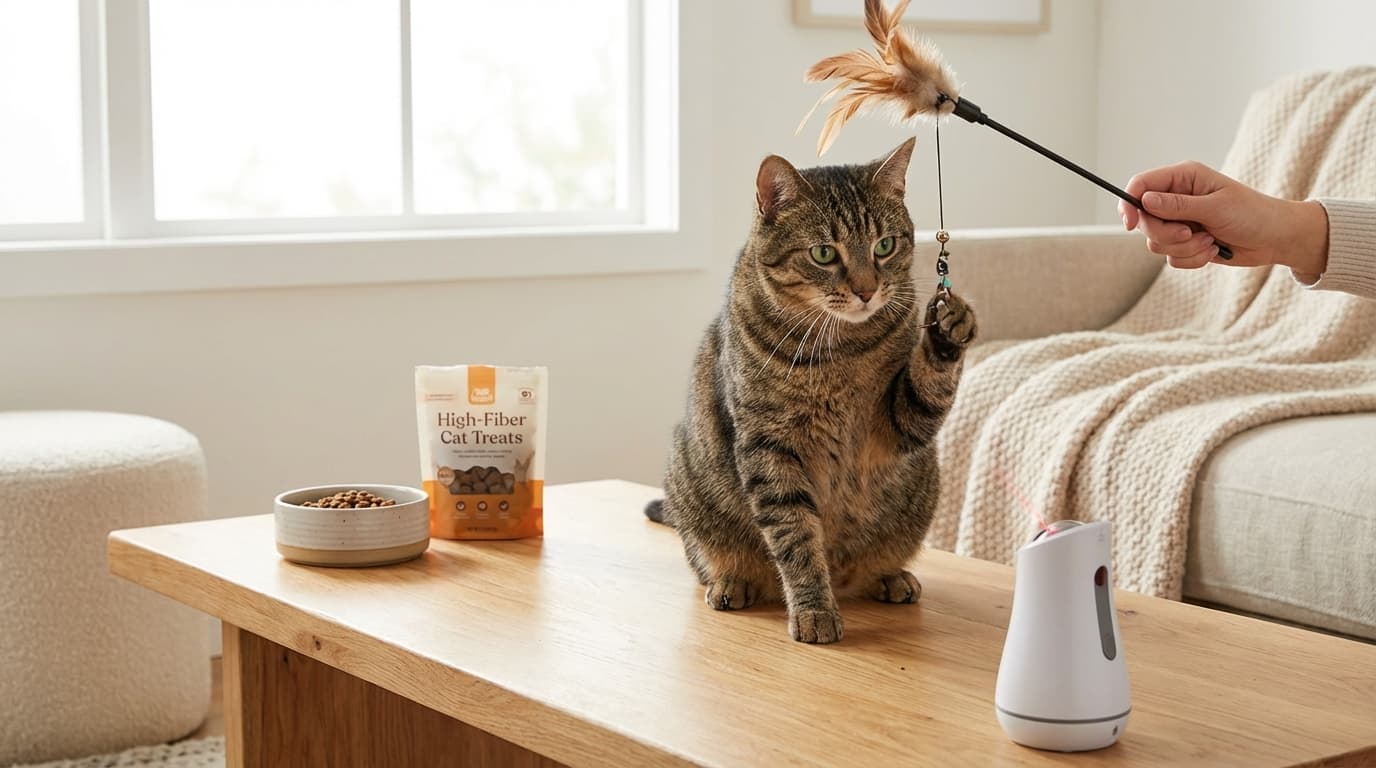
Then there is the issue of lunch. Most of us just leave a bowl of kibble out, but that takes all the fun out of the hunt. Mental stimulation for indoor cats while at work often comes down to making them work for their food. Puzzle feeders are a great solution here. These interactive toys mimic natural hunting behavior by requiring your cat to paw, nudge, or solve a physical challenge to get a snack. Not only does this provide much-needed mental exercise, but it also slows down fast eaters who might otherwise make themselves sick. It turns a boring meal into a game that burns off that pent-up energy while you are away.
Think of it this way: a bored cat is essentially an unemployed cat looking for trouble. By mixing vertical territory with interactive feeding, you are giving them a job to do. You do not need a massive house to make this work. Even a small apartment can become a feline paradise with a few smart additions that respect their wild roots while keeping them safe and sound inside.
Key insights:
- Vertical space acts as a psychological safe zone that reduces environmental stress.
- Puzzle feeders provide mental exercise by mimicking the natural hunt-and-eat cycle.
- Indoor cats live significantly longer lives but require enrichment to prevent destructive behaviors like shredding furniture.
The Power of Vertical Space
Ever wonder why your cat stares down at you from the top of the fridge? It isn’t just about being bossy. In a small apartment, the floor is a busy place full of feet, noise, and vacuum cleaners. For the 81% of cats living indoors in North America, vertical space is a necessity rather than a luxury. Adding cat trees or wall shelves creates "safe zones" where your pet can observe their kingdom without feeling vulnerable or cornered.
This height provides a massive psychological boost. Think of it this way: in the wild, being up high means you can see everything before it sees you. While your living room is safe, that high vantage point still lowers stress and builds confidence. It is also one of the best ways to provide mental stimulation for indoor cats while at work because it turns a flat, boring room into a 3D playground they can patrol.
Since indoor cats live much longer - often up to 17 years compared to just 7 for those outdoors - we have plenty of time to get their environment right. Proper resource placement includes these high spots. When a cat feels secure in their vertical territory, they are less likely to hide under the bed or act out from boredom. It is a simple shift that makes a small apartment feel much bigger and more exciting for them.
Key insights:
- Vertical territory reduces stress by providing a secure vantage point away from floor-level activity.
- High-up safe zones are essential for the 81% of cats that live exclusively indoors.
- Adding height is a primary strategy for mental stimulation in small living spaces.
Puzzle Feeders: Making Them Work for Their Lunch
Ever wonder why your cat seems so bored? Since 81% of North American cats are now indoor-only, they have traded the dangers of the street for the safety of your sofa. It is a trade-off that works. Indoor cats usually live 13 to 17 years, which is more than double the average lifespan of outdoor cats. But this safety can sometimes lead to a lack of excitement and a bit of extra weight. That is where puzzle feeders come in.
Think of these toys as a way to let your cat hunt for their lunch. It is the perfect mental stimulation for indoor cats while at work, turning a boring meal into a rewarding game. Instead of just inhaling their food from a bowl, they have to paw, nudge, and think. This naturally slows down fast eaters and helps prevent the scarf and barf habit many owners know too well.
Weight management is a big deal for indoor pets because they move less. While some specialized foods use L-carnitine to help support fat metabolism, nothing beats the physical effort of a puzzle. Also, because cats only get about 3/100ths of a teaspoon of water per lap of their tongue, you can even use moisture-rich treats in these feeders to help with hydration. It is a simple shift that turns a basic chore into a healthy, engaging activity.
Key insights:
- Puzzle feeders mimic natural hunting behaviors to reduce boredom-induced anxiety.
- Indoor cats live significantly longer but require more intentional exercise to stay fit.
- Slowing down mealtime helps manage weight and improves digestion for fast eaters.
The Weight Management Game: High Protein and Fewer Calories
Most of us keep our cats inside for safety, and the numbers show why. Indoor cats usually live between 13 and 17 years, which is often double the lifespan of those who roam outside. But there is a trade-off. Since about 81% of North American cats stay indoors, we are seeing a lot of couch potato behavior. They simply do not move as much as a cat hunting in the wild. This lack of activity means their metabolism slows down, making weight gain a constant struggle for many apartment dwellers.
This is where the right nutrition steps in to help. You might see L-carnitine listed on a bag of premium food and wonder what it actually does. Think of it as a little helper for your cat's metabolism that supports fat burning. When you look for the best high protein indoor cat food for weight loss, you are giving them the tools to stay lean without losing their strength. It is a balancing act of providing fewer calories while maintaining high nutritional density so they do not feel deprived.
Is your cat food doing enough? If your cat is constantly begging at the bowl, the formula might be the problem. High protein is vital because it protects muscle mass while the body burns through fat stores. But protein is only half the story. Fiber plays a huge role in keeping them feeling full so they are not screaming for treats an hour after dinner. Plus, for indoor cats who spend a lot of time grooming, that extra fiber helps manage hairballs before they become a messy surprise on your rug.
The interesting part is how hydration ties into this. Cats are notoriously bad at drinking enough because they only get about 0.03 teaspoons of water per lap. While you focus on weight, keep indoor cat hydration tips for dry food diets in mind, like adding a bit of moisture-rich wet food to the mix. It keeps them hydrated and helps them feel satisfied without adding massive amounts of calories to their daily routine.
Key insights:
- Indoor cats live nearly twice as long as outdoor cats but face higher risks of obesity due to inactivity.
- L-carnitine is a critical ingredient for supporting fat metabolism in sedentary pets.
- High fiber content serves a dual purpose by increasing satiety and assisting with hairball passage.
- Feline hydration is difficult to achieve through water bowls alone because of their low thirst drive and inefficient lapping mechanics.
Is Your Cat Food Doing Enough?
Since 81% of North American cats stay inside, their nutritional needs look different than their outdoor cousins. Indoor cats live much longer - often 13 to 17 years - but that cozy apartment life usually means less running and more napping. This makes your choice of food more than just a meal; it is a health strategy. Is your current bag doing enough to keep them fit?
If your cat is getting a bit round, look for the best high protein indoor cat food for weight loss. High protein is vital because it helps them keep their muscle while they shed fat, while added fiber keeps them feeling full and helps manage hairballs. Many specialized recipes also use L-carnitine to support healthy metabolism in less active pets.
But do not forget about the water. A cat’s tongue only grabs about 3/100ths of a teaspoon per lap, and because they have a low thirst drive, they rarely drink enough from a bowl alone. One of the smartest indoor cat hydration tips is to mix in wet food daily. This simple change provides the moisture they need to stay healthy for the long haul.
Key insights:
- High protein intake is essential for maintaining lean muscle mass during weight management.
- Fiber serves a dual purpose by increasing satiety and aiding in the passage of hairballs.
- Wet food is often necessary to compensate for a cat's naturally low thirst drive and inefficient lapping mechanics.
The 3/100ths Teaspoon Problem: Solving Feline Hydration
Have you ever watched your cat drink and wondered if they are actually getting anything? It looks like a lot of work for a tiny reward. The math is actually pretty wild. Every time your cat’s tongue hits the water, they only pick up about 3/100ths of a teaspoon. For a desert-evolved creature with a naturally low thirst drive, that is barely a drop in the bucket. This is the 3/100ths teaspoon problem. If your cat mostly eats dry kibble, it is a hurdle they might not be clearing on their own.
Since 81% of cats in North America now live indoors, we have to be more proactive about their unique needs. Indoor cats tend to live much longer, often double the lifespan of outdoor cats, but their health depends on us getting the small things right. A bowl of water sitting next to a bowl of dry food seems logical to us, but it is often a setup for failure. In the wild, cats would not drink near their kill to avoid contamination. This instinct remains strong today. If the water smells like their dinner, they might just skip it entirely, leading to chronic dehydration that strains their kidneys over time.
So, how do we fix this without a total diet overhaul? The easiest win is using wet food toppers. Think of it as a hydration hack. By mixing a bit of moisture-rich food into the best high protein indoor cat food for weight loss, you are bypassing the need for them to lap up hundreds of tiny droplets. You are essentially hiding their water in their meal. This is also a great way to help them feel satisfied after a meal. Many specialized indoor recipes also use L-carnitine to support fat metabolism, so adding water on top helps them stay lean and hydrated simultaneously.
Another trick is simply moving the bowl. Try placing water stations in different rooms, far away from the food zone. You might notice they drink more when the water feels like a fresh discovery rather than a side dish to their kibble. These indoor cat hydration tips for dry food diets are not just about health. They are about working with your cat's natural quirks to keep them thriving for those 13 to 17 years we hope to have with them. Think about where your own water glass sits. Sometimes a change in scenery is all it takes to encourage a few more laps.
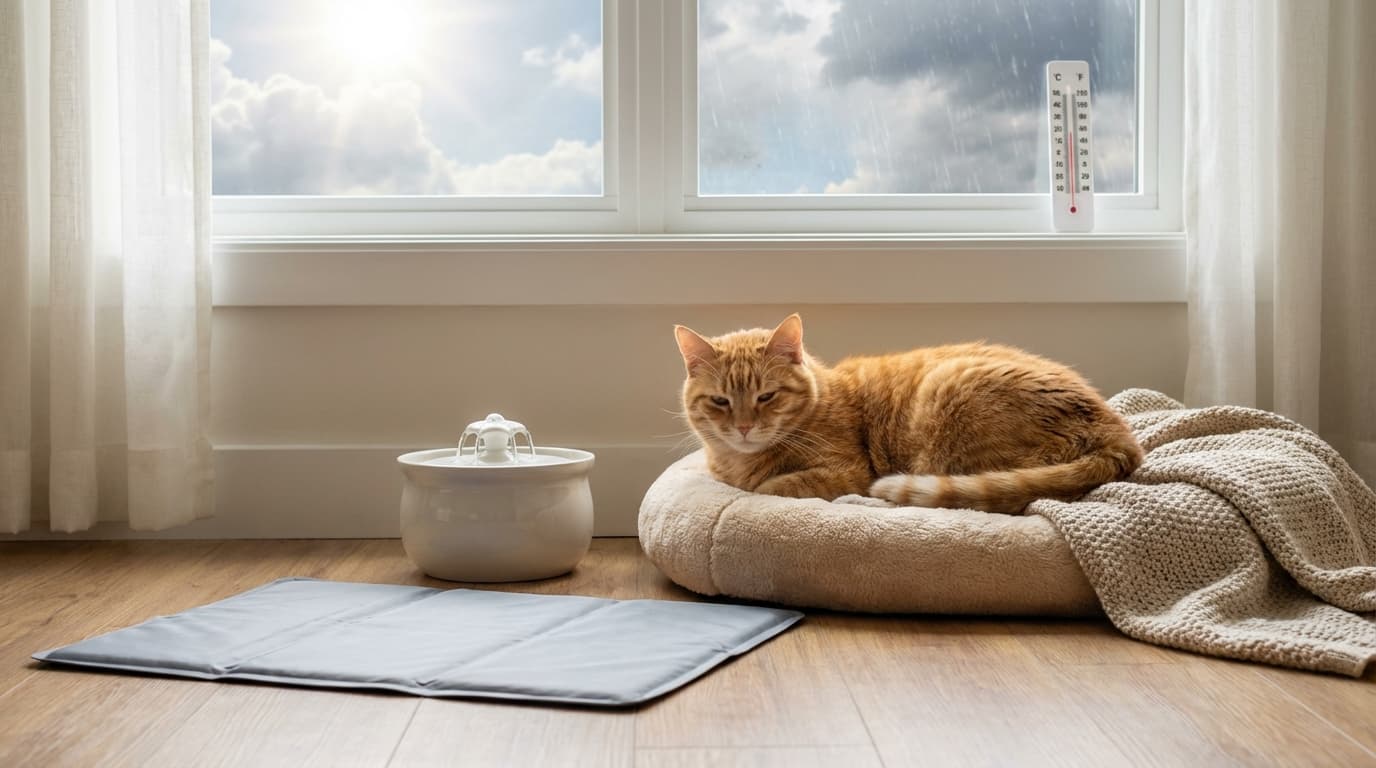
You could also consider a water fountain. Many cats prefer moving water because it mimics a fresh stream in nature. It stays cooler and more oxygenated than a stagnant bowl. If you find your cat hovering over the sink or trying to drink from a leaky faucet, they are telling you they want something fresher. Small adjustments like these make a massive difference in their long-term kidney health and overall energy levels. It is about making water as accessible and appealing as possible so they do not have to work quite so hard for every drop.
Key insights:
- Cats only lap up 0.03 teaspoons of water at a time, making it hard to stay hydrated on dry food alone.
- Place water bowls in low-traffic areas away from food to satisfy their natural instincts for clean water.
- Wet food toppers are a simple way to increase moisture intake while supporting weight management goals.
- Moving water from a fountain can trigger a cat's natural interest and increase their daily intake.
Sneaking Moisture into the Menu
Have you ever watched your cat drink and wondered if they’re actually getting anything? It turns out, they aren’t very efficient. Each lap of a cat’s tongue only brings in about 3/100ths of a teaspoon of water. Since they have a naturally low thirst drive, you simply cannot rely on a water bowl alone to keep them healthy. This is a big deal for indoor cats on dry food diets who need a little extra help staying hydrated.
One of the best indoor cat hydration tips for dry food diets is to start thinking of moisture as a side dish rather than a separate event. You don't have to overhaul their whole routine; just try mixing wet food toppers or a splash of warm water into their dry kibble. It’s also worth noting that cats are incredibly picky about where they drink. In the wild, they avoid water near their food to stay safe from bacteria, so try moving that water bowl to a completely different room.
It’s all about making hydration easy and instinctual. By separating their resources and adding moisture-rich surprises to their meals, you’re mimicking how they’d naturally eat. These small shifts make a huge difference for indoor cats, who can live twice as long as outdoor cats when we manage their health this carefully. It might seem like a small detail, but for a cat, it's a major upgrade to their daily life.
Key insights:
- Cats lap up very little liquid per lick, making food-based moisture essential.
- Moving water bowls away from food sources mimics natural feline instincts.
- Adding toppers to dry kibble is an easy way to boost daily water intake.
The 'Hidden' Risks of the Great Indoors
You likely feel a sense of relief knowing your cat stays safely inside. Since about 81% of North American cats live indoors, it is a popular choice. These cats often live between 13 and 17 years, which is much longer than the five to seven years typical for outdoor cats. But staying inside does not mean your cat lives in a bubble. Tiny intruders still find their way through your front door.
Think about the last time you went for a walk. You might have brought back uninvited guests without knowing it. Fleas are experts at hitching rides on your shoes or your jeans. This is why indoor cats still need flea prevention. It sounds strange to treat a pet that never touches grass, but your home is still part of the outside world.
What does this mean for you? We must look at our apartments differently. While we focus on high protein cat food for weight loss, we cannot ignore external threats. Pests are persistent. One flea brought in on a sneaker can quickly become a major problem. Keeping up with care protects your home and your cat.
Key insights:
- Indoor cats live significantly longer lives but still face external biological threats.
- Humans and other pets act as the primary transport for fleas into a controlled indoor environment.
- Consistent flea prevention is a baseline requirement for apartment cats regardless of outdoor access.
Frequently Asked Questions
You actually need two litter boxes for just one cat. The standard rule is one box per cat plus an extra one to keep things running smoothly. It might seem like a lot for a small apartment, but it gives your cat options and helps prevent them from going outside the box when one gets a bit messy.
Where you put them matters too. Cats like privacy, so try to find quiet spots away from their food and loud appliances. If you have a two-story place, putting one box on each level is the best way to make sure they always have a convenient spot to go.
Cats often ignore still water because their instincts tell them that running water from a tap is fresher and safer to drink. Another big reason is that many cats do not like their water bowl to be right next to their food. They have a strong sense of smell and might think the water is dirty if it is too close to their dinner.
Keep in mind that cats are naturally bad at staying hydrated. A single lap of their tongue only picks up about 3/100ths of a teaspoon of water, so they have to work really hard for every drop. Because of this low thirst drive, many owners find that switching to wet food is a much easier way to keep their cat healthy than hoping they will drink more from the sink.
Yes, they absolutely can. It is a common myth that staying inside makes a cat safe from pests, but fleas are actually expert hitchhikers.
These tiny bugs can easily ride into your home on your shoes, your clothes, or even on a dog that goes for walks. Since our houses are climate-controlled and cozy, they provide the perfect environment for fleas to settle in and start a family. Because of this, vets almost always suggest keeping your indoor cat on a regular prevention plan to avoid a surprise infestation that can be a huge pain to clear out.
It can be tricky to tell the difference because cats are professional nappers, but the main sign of boredom is usually restless behavior rather than just being sleepy.
A lazy cat is typically relaxed and content when they are awake. But if your cat is bored, you might notice them over-grooming, picking fights with other pets, or getting into trouble just to find something to do. Here is a quick tip: try introducing a puzzle feeder or a new vertical shelf. If your cat suddenly perks up and gets involved, they were likely just looking for some mental stimulation to fill their day.
Conclusion
Managing indoor cats in a small apartment is really about bridging the gap between their wild instincts and their living room reality. It is more than just keeping them safe. It is about turning your home into a place where they can hunt, climb, and stay hydrated. When you balance a clean, odor-free space with the right high protein food and plenty of mental stimulation, you are giving your cat a reason to stay active even when you are busy at work.
So what does all this mean? It means your role as a cat parent is mostly about being a professional fun coordinator. Whether it is adding a water fountain or finally installing that vertical wall shelf, these small changes add up to a much longer and healthier life for your furry roommate.
Your next move might be as simple as moving a water bowl away from the food or swapping a harsh cleaner for a pet-friendly enzyme spray. These tiny shifts make a massive difference in how your cat feels every day. After all, a thriving cat makes for a much happier home for both of you.
Send it to someone who should read it next.
PurrScript Editorial Team
Editorial Team
PurrScript's in-house editorial team. We research, write, and review every guide using established veterinary and behavioral resources, and update articles as best practices evolve.
View all articles