Why We Love Flat-Faced Cats: A Guide to Their Unique Care and Charm
Have you ever looked at a cat with a perfectly squished face and felt your heart melt instantly? There is something about those big, round eyes and tiny noses that...

PurrScript Editorial Team
Editorial Team
Why We Love Flat-Faced Cats: A Guide to Their Unique Care and Charm
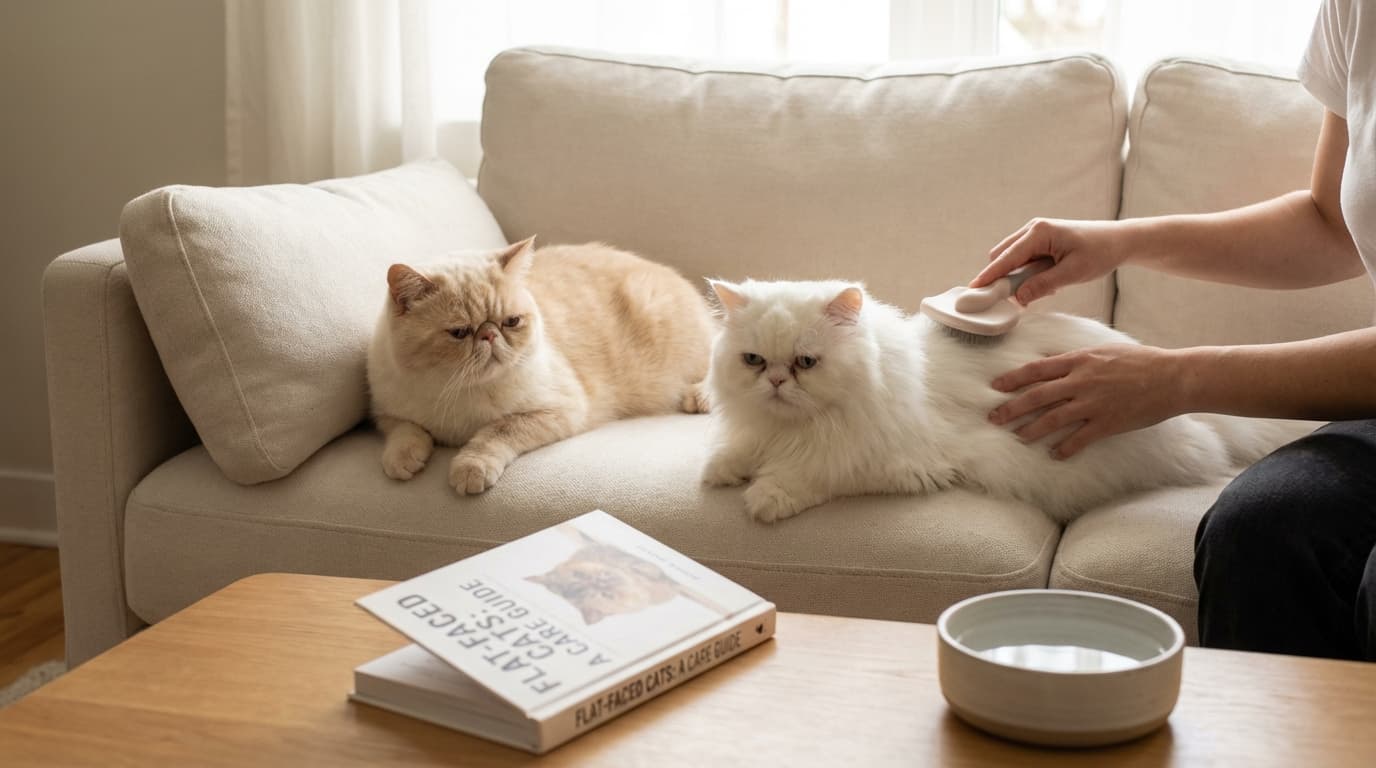
Have you ever looked at a cat with a perfectly squished face and felt your heart melt instantly? There is something about those big, round eyes and tiny noses that makes flat-faced cat breeds almost impossible to resist. Whether you call them smoosh-faces or purring pancakes, these unique felines have captured the world's attention with their sweet expressions and even sweeter personalities.
It is not just about the looks, though, because it is really about the deep bond they form with their human families. From the classic, regal Persian to the plush teddy bear cat known as the Exotic Shorthair, these breeds bring a special kind of charm to any home. But owning one is about more than just photo ops since their unique anatomy means they need specific brachycephalic cat care to stay comfortable.
In this guide, we will break down the differences in the Exotic Shorthair vs Persian debate and look closely at snub-nosed cat health essentials like breathing and grooming. You will find out exactly what it takes to keep these lovable cats happy so you can decide if one of these charming felines is the right fit for your life.
The Irresistible Appeal of the Squish-Faced Cat
Ever wonder why your heart melts when you see a snub-nosed cat? It is actually hardwired into our brains. Scientists call it the baby schema. Those big eyes and flat faces remind us of human infants, so we naturally want to scoop them up and protect them. It is a biological trick that makes these flat-faced cat breeds almost impossible to ignore.
Beyond their looks, these cats often act like little shadows. Whether you have a fluffy Persian or a short-haired Persian like the Exotic Shorthair, they tend to be calmer and more affectionate than your average feline. They are often called a teddy bear cat because of their sweet, easygoing nature. They would usually rather snuggle on your lap than climb your curtains.
But owning one of these cuties is about more than just cute photos. Their unique look comes with specific needs. We are going to look at everything from brachycephalic cat care and snub-nosed cat health to the daily grooming habits they require. Knowing the difference between an Exotic Shorthair vs Persian is just the start of making sure they stay happy and healthy.
Meet the Famous Faces: Popular Flat-Faced Breeds
Have you ever wondered why we are so drawn to those round faces and big, soulful eyes? It is not just a coincidence. These snub-nosed breeds have a specific look that triggers a nurturing instinct in us. Over decades, selective breeding has emphasized these features, moving from the more moderate doll-face look of the past to the extreme or peke-face profiles we often see in show rings today. This shift was about creating a look that felt more human-like and adorable. But wait, there is a big difference between a cat with a slightly flattened face and one with the more intense features that require extra care. Understanding these traditional versus extreme types is the first step in knowing what kind of life you are signing up for with these unique pets.
Think of the Persian as the original celebrity of the cat world. They have been around for centuries, carrying an air of quiet royalty wherever they go. If you want a cat that treats your lap like a throne, this is the one. They are not the type to zoom around your house at three in the morning. Instead, they prefer a calm environment where they can be admired for their beauty. They are famous for being sweet and quiet, making them the perfect companion for a peaceful home. They do not demand your attention with loud meows, but they will definitely show you love by staying close by.
But here is the reality: that beautiful, flowing coat does not stay that way on its own. Owning a Persian means committing to daily brushing. Without it, their fur quickly turns into a tangled mess of mats that can be painful for the cat. It is a high-maintenance reality that requires real dedication from you. You also have to keep an eye on their eyes and face folds, which need regular cleaning to stay healthy. It is a lot of work, but for many owners, that sweet personality and regal presence make every minute of grooming worth the effort.
What if you love everything about the Persian - the flat face, the sweet eyes, and the mellow attitude - but you just do not have the time to spend on heavy grooming? That is where the Exotic Shorthair comes in. Often called the teddy bear cat, they are essentially Persians in pajamas. They have a thick, plush coat that stands away from the body, giving them a round, cuddly appearance without the floor-length fur that catches every dust bunny in the house. This makes them a much more convenient version of their long-haired cousins for people with busy schedules.
Breeders often call them wash and wear cats because their grooming needs are so much lower. They still need their faces wiped and an occasional brush to remove loose hair, but they are perfect for cat lovers who want a low-energy companion that looks like a stuffed animal come to life. They bring all the charm and personality of the Persian breed but fit much more easily into a modern, fast-paced lifestyle. They are just as playful and affectionate as Persians, but they spend less time on the grooming table and more time hanging out with you on the couch.
The interesting part is how these two breeds compare when you look at them side by side. While they share the same flat-faced structure, their daily lives look very different. Choosing between them usually comes down to how much time you want to spend with a comb in your hand. Both breeds offer that unique, affectionate bond that flat-faced cat lovers crave, just in different packaging. Whether you choose the regal Persian or the plush Exotic Shorthair, you are getting a cat that prioritizes relaxation and affection over high-speed chasing.
Key insights:
- Selective breeding has moved from traditional doll-face looks to more extreme flat-faced profiles over time.
- Persians are calm and regal but require a serious daily commitment to grooming and coat care.
- Exotic Shorthairs offer the same sweet temperament as Persians but with a much easier wash and wear coat.
- The round features of these breeds trigger a human nurturing instinct, which is a big part of their popularity.
The Persian: The Regal Original
Have you ever seen a cat that looks more like royalty than a Persian? These long-haired beauties have been the gold standard for flat-faced cat breeds for centuries. Their history stretches back to ancient Persia, where they were prized by nobility for their striking looks and elegant, flowing coats. Today, they remain the most iconic snub-nosed cat, representing a mix of ancient history and high-end charm that is hard to ignore.
Living with a Persian is a bit like having a very sweet, living piece of art in your home. They are famously calm and quiet. While other breeds might be climbing your curtains or chasing shadows at three in the morning, a Persian is more likely to be found lounging on a soft pillow, waiting for a gentle chin scratch. This mellow personality makes them perfect companions if you prefer a peaceful home. But do not let that quiet nature fool you; they are deeply affectionate and form strong bonds with their favorite people.
Here is the reality check: that regal look comes with a serious time commitment. Unlike the short-haired Persian, often called the Exotic Shorthair, the traditional Persian has a thick coat that matts easily. You are looking at daily brushing sessions to keep them comfortable and tangle-free. When choosing between an Exotic Shorthair vs Persian, the grooming schedule is usually the biggest factor. Beyond the fur, you also need to keep an eye on snub-nosed cat health, specifically keeping those large eyes clean. It is a lot of work, but for many, that sweet face is worth every second of effort.
Key insights:
- Persians are the original snub-nosed breed with a history dating back to ancient royalty.
- Expect a calm, sweet temperament that prefers lounging over high-energy play.
- Daily grooming is non-negotiable to prevent painful matting in their long fur.
The Exotic Shorthair: The 'Teddy Bear' Cat
Ever wanted a Persian cat but felt overwhelmed by all that fur? Meet the Exotic Shorthair. People often call them the teddy bear cat because of their round faces and plush, dense coats. They are basically a Persian in a shorter outfit. You get that same sweet, flat-faced look and calm personality without the daily grooming marathon. It is easy to see why they have become so popular for people who love the look but have a busy schedule.
The best part about these cats is what breeders call the wash and wear convenience. While a traditional Persian needs constant brushing to avoid mats, the Exotic Shorthair handles most of it alone. Their fur is thick and soft, standing out from the body like a cloud. You only need a quick brush once or twice a week to keep them looking sharp. This makes them a dream for anyone who works long hours but still wants a snub-nosed companion to curl up with at night.
When you compare the Exotic Shorthair vs Persian, the physical differences are mostly about the hair length. But do not let the shorter coat fool you. They still have those big, soulful eyes and the quiet, affectionate nature that makes flat-faced breeds so charming. They are playful but not hyper. If you want a cat that looks like a stuffed animal and acts like a loyal friend, this breed hits the sweet spot.
Key insights:
- They offer the Persian look without the high-maintenance grooming schedule.
- The plush coat stays soft and fluffy with just a weekly brushing.
- Their calm but playful nature fits perfectly into a busy lifestyle.
Exotic Shorthair vs Persian: Which One Fits Your Life?
Deciding between an Exotic Shorthair and a Persian often feels like choosing between two flavors of the same delicious ice cream. They both have those iconic, flat faces and sweet, soulful eyes that make you want to cancel your plans and stay home. But while they look like twins from the neck up, their impact on your daily schedule is completely different. One is a high-maintenance beauty queen, while the other is often called the 'lazy man's Persian' for a very good reason. The choice really comes down to how much time you want to spend with a brush in your hand versus a toy in your lap.
When it comes to energy, do not expect a high-speed chase through your living room. Both breeds are the kings of the 'lap cat' lifestyle, though the Exotic Shorthair - the teddy bear cat - usually has a bit more spark. Because they have American Shorthairs in their family tree, they might actually chase a feather wand for a few minutes before deciding it is time for a snack. Persians, on the other hand, are the masters of the still-life pose. They are calm, dignified, and perfectly happy to spend the entire afternoon on the back of your sofa looking regal.
Health-wise, both breeds share the same snub-nosed challenges. Because they are brachycephalic, you have to be diligent about keeping their eye folds clean and making sure they do not get overheated. You can generally expect 12 to 15 years of companionship from either breed if they are kept indoors and fed well. The interesting part is that while their health outlooks are similar, the Exotic's shorter coat makes it easier to spot skin issues or weight changes early on, which is a small but helpful bonus for the busy owner.
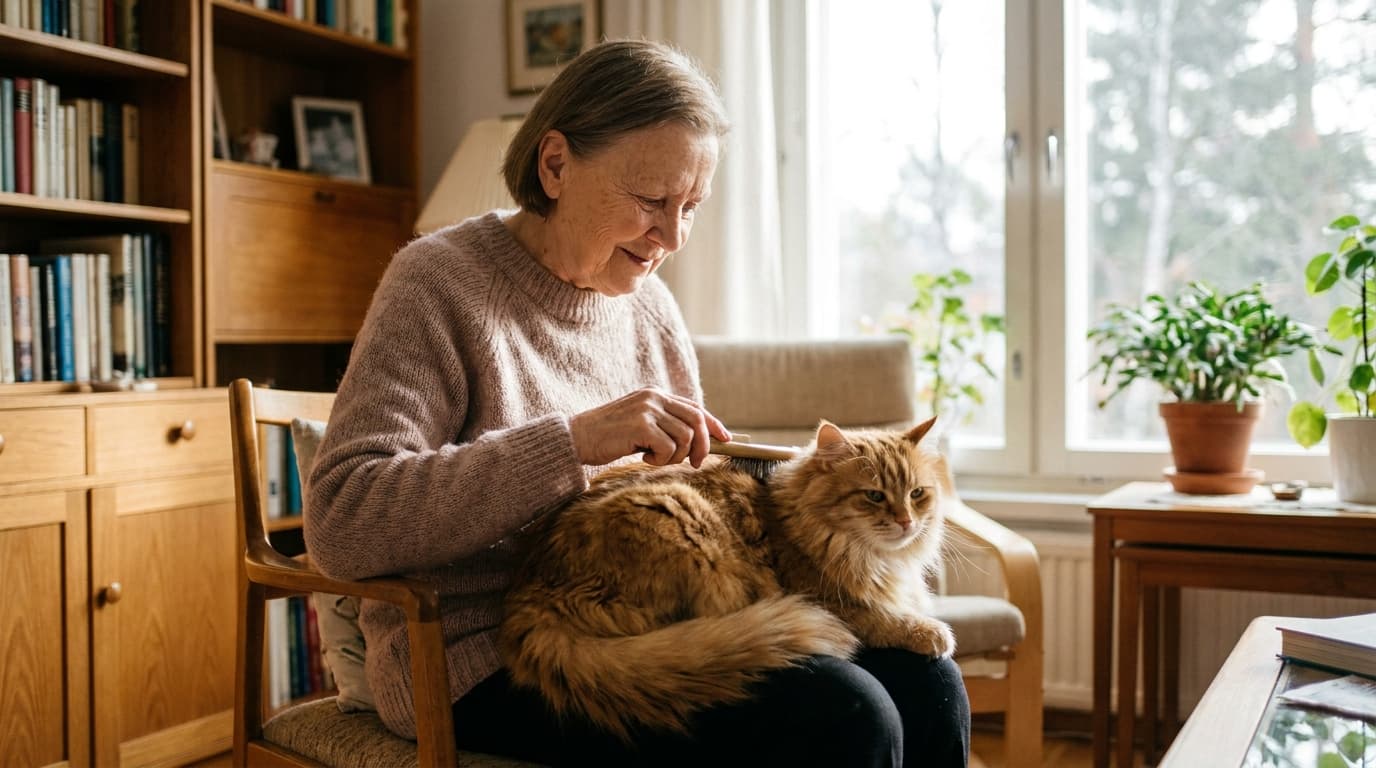
Now, let's look at the grooming. For a Persian, grooming is not a suggestion; it is a way of life. We call it the 15-minute daily rule. If you cannot commit to combing that long, silky fur every single day, you will quickly find yourself dealing with painful mats that require a trip to the vet for a shave. It is a bonding time, sure, but it is a serious commitment. Think of it as a daily ritual that keeps your cat comfortable and your house from becoming a fur-filled tumbleweed factory.
Exotic Shorthairs are much more forgiving, but they are not 'no-maintenance' pets. They have a thick, plush double coat that stands off their body. While they do not mat like Persians, they do go through heavy seasonal shedding. A quick weekly brushing is usually enough to keep them looking sharp, but you will want to step that up when the weather changes. To do the job right, every owner should have a solid stainless steel comb to get through that dense undercoat and a soft slicker brush for the top layer. It's about being prepared so the fur stays on the cat and off your clothes.
So, which one fits? If you find the act of grooming therapeutic and love the look of a flowing, regal coat, the Persian is your soulmate. But if you want the flat-faced charm without the daily salon sessions, the Exotic Shorthair is the perfect middle ground. Both will give you plenty of love; it is just a matter of whether you want to spend your Saturday mornings brushing fur or just cuddling on the couch.
Key insights:
- Persians require a non-negotiable 15-minute daily grooming session to prevent painful matting.
- Exotic Shorthairs offer the same personality with a 'wash and wear' coat that only needs weekly attention.
- Both breeds are low-energy, but the Exotic Shorthair tends to be slightly more playful due to its ancestry.
- Health care for both focuses on eye cleanliness and managing breathing due to their flat facial structure.
Grooming: A Daily Commitment or a Weekly Brush?
If you've fallen for a flat-faced cat breed, you know those stunning looks come with a daily chore list. For Persian lovers, the 15-minute daily rule is non-negotiable. Think of it as a morning ritual, but with fur. Skipping even two days leads to painful mats that are a nightmare to fix. It’s not just about style; it’s a core part of brachycephalic cat care because their skin needs to breathe under all that fluff.
Choosing an Exotic Shorthair - the famous teddy bear cat - doesn't mean you're totally off the hook. While they are essentially a short-haired Persian, they still deal with heavy seasonal shedding. You’ll notice a fur "blow out" twice a year where the hair seems to double overnight. A quick weekly brush usually works, but you'll need to step it up when the seasons change to keep your house and clothes clean.
Your toolkit needs two basics: a metal comb for the undercoat and a slicker brush for the top layer. Also, grab some fragrance-free wipes. Because of snub-nosed cat health issues, these pets often get tear staining or "eye goop" that needs a gentle daily wipe. It’s a small trade-off for such a sweet, charming face.
Key insights:
- Persians require daily attention to prevent painful matting.
- Exotic Shorthairs shed heavily twice a year despite their shorter coats.
- Daily eye cleaning is essential for all snub-nosed breeds to prevent irritation.
Understanding Snub-Nosed Cat Health
Ever wondered why flat-faced cats have that unique, squished look? It comes down to a trait called being brachycephalic, which literally means short-headed. While it makes them look like living teddy bears, it also changes how their bodies work. Their skull shape is compressed, which means their nasal passages and throat are a bit more crowded than a typical cat. Understanding this is the first step in being a great owner for breeds like Persians or Exotic Shorthairs. Working closely with a vet who understands these breeds is essential for catching potential issues before they become serious problems.
Effective brachycephalic cat care often starts with understanding how your cat gets air. Some of these cats have stenotic nares, which is just a fancy way of saying their nostrils are tiny slits. Imagine trying to breathe through a pinched straw all day. It is tough. Then there is the elongated soft palate, where the tissue at the back of the throat is a bit too long for their short faces, making it harder for air to get past. You might hear them snore or snort, but if they start gasping or their tongue looks pale, that is an emergency. Keeping an eye on these physical traits helps you know what is normal for your cat and what is cause for concern.
You can help them breathe easier by watching their environment and their weight. Strong smells like heavy perfumes, scented candles, or cigarette smoke can irritate their sensitive airways quickly. It is also vital to keep your cat at a healthy weight. Extra fat around the neck and chest puts even more pressure on their already narrow airways. A slim cat is a cat that can catch its breath much more easily, especially during a play session or a nap. This kind of preventative snub-nosed cat health management makes a huge difference in their daily comfort and overall quality of life.
Those big, beautiful eyes often need a bit of extra maintenance because of how the face is structured. Because their faces are flat, their tear ducts often cannot drain properly. This leads to weepy eyes where tears spill onto the face, causing those familiar reddish-brown stains. If left alone, this moisture can irritate the skin or lead to minor infections. A quick, gentle wipe with a warm, damp cloth once or twice a day is usually all it takes to keep their face clean and clear. It is a simple habit that keeps them looking and feeling great while preventing more complex skin issues.
Finally, do not forget about those adorable facial folds. The deep wrinkles around the nose and eyes are the perfect spot for moisture and heat to hide. This can lead to fungal or bacterial infections if the skin stays damp or dirty. Make it a habit to check these creases during your daily grooming routine. If you notice any redness, swelling, or a strange smell, it is best to check in with your vet. A little preventative care, like using pet-safe wipes and keeping the face dry, goes a long way in keeping your snub-nosed friend happy and healthy.
Key insights:
- Brachycephalic describes the short-headed skull shape that defines flat-faced cats and impacts their anatomy.
- Narrow nostrils and extra throat tissue can make breathing more difficult, requiring careful monitoring.
- Environmental triggers like smoke and perfumes should be avoided to protect their sensitive airways.
- Weight management is critical because extra weight puts significant pressure on their respiratory system.
- Daily cleaning of tear stains and skin folds prevents painful infections and skin irritation.
Keeping the Air Flowing: Respiratory Care
Have you ever noticed your teddy bear cat making little snorting sounds while they nap? While it might seem like a cute personality trait, those noises are actually a window into how snub-nosed cat health works. Because of their flat faces, many of these cats deal with what we call stenotic nares. Think of it like trying to breathe through a straw that is slightly pinched at the end. They also often have an elongated soft palate, which is just a fancy way of saying there is a bit too much tissue at the back of their throat that gets in the way of the air.
This unique anatomy means we have to be extra careful about the air they are actually breathing. Since their nasal passages are shorter, they do not have the same cooling or filtering system that a long-nosed cat has. Strong perfumes, scented candles, or even a little bit of smoke can really irritate their lungs and make breathing feel like a chore. If you are living with a short-haired Persian or an Exotic Shorthair, keeping the air clear and fresh is one of the best things you can do for their daily comfort.
Here is something many owners overlook: weight matters more than you might think. Carrying even a few extra ounces can put a lot of pressure on a cat’s chest and throat. For anyone focused on brachycephalic cat care, that extra weight makes every breath a little more taxing. Keeping them lean is not just about looking good; it is about making sure they can catch their breath after a play session. It is a simple change that makes a massive difference in their quality of life.
Key insights:
- Narrow nostrils and extra throat tissue are standard anatomical challenges for flat-faced breeds.
- Environmental irritants like smoke and strong scents can trigger breathing difficulties quickly.
- Maintaining a healthy weight is one of the most effective ways to support long-term respiratory health.
Eye and Skin Fold Hygiene
Ever wonder why your flat-faced friend always looks like they just watched a sad movie? Those big, soulful eyes are a huge part of the charm of flat-faced cat breeds, but they come with a bit of a messy reality. Because of their unique skull shape, tears often spill over onto the fur instead of draining away naturally. This leads to those brownish tear stains that can get crusty if you don't stay on top of them. It's just part of the package when you love a snub-nosed cat, whether it's an Exotic Shorthair or a classic Persian.
Cleaning those facial folds is where things get a little more hands-on. Think of those skin creases as cozy little caves where moisture and heat love to hang out. If you leave them alone, they can quickly become a playground for bacteria or yeast. You'll want to take a soft, damp cloth and gently wipe inside every single fold to remove debris. Make sure you follow up with a dry tissue or cotton ball because leaving the skin damp can actually cause the very problems you're trying to avoid. It might feel a bit fussy at first, but your cat will definitely appreciate the relief from itchy or irritated skin.
What does this look like in your daily routine? Most owners find that a quick daily wipe keeps things fresh and prevents that stinky face smell. If you notice a strange odor or the skin looks red and angry, it might be time to check in with a vet. It only takes a minute or two once you and your cat get into a rhythm. Think of it as a little spa moment that keeps your kitty feeling comfortable and looking their best. It's a small price to pay for that adorable, flat-faced expression we all love so much.
Key insights:
- Daily wiping prevents tear stains from hardening and irritating the skin.
- Drying the skin folds after cleaning is just as important as the cleaning itself to prevent fungal growth.
- Consistency is key to keeping brachycephalic cats comfortable and infection-free.
Daily Life and Comfort: Making Your Home 'Squish-Friendly'
Living with a snub-nosed cat is like having a tiny, furry roommate with very specific needs. Whether you are looking at the differences in Exotic Shorthair vs Persian care or just brought home your first short-haired Persian, their face shape means your home needs a few simple tweaks. You want them to be comfortable instead of struggling with basic things like eating or breathing. It is all about making their daily routine easy so they can focus on being the charming companions we love. These cats are often called teddy bear cats for a reason, but that cute look comes with some real responsibilities for you as an owner.
Let's look at mealtime first. Most standard cat bowls are too deep for flat-faced cat breeds. Think about how hard it would be to eat your dinner out of a tall jar without using your hands. It is messy and can be pretty stressful for them. Instead, choose very shallow bowls or even wide, flat plates. This lets them reach their food without pushing their face against a hard rim. It also helps with snub-nosed cat health by preventing chin acne and keeping their sensitive whiskers from getting cramped. It is a small switch that makes every meal a lot more enjoyable for your pet.
Keeping things cool is another essential part of brachycephalic cat care. Because of their shorter nasal passages, these cats cannot cool their bodies as efficiently as other breeds. If you feel a little warm, they are likely already feeling the heat. Air conditioning is a must for these pets during the summer months. You should also make sure they always have access to a chilled area, like a tile floor or a special cooling mat. If you ever notice your cat panting, that is a clear sign they are struggling to stay cool and need help immediately. Don't wait for them to show distress before turning the air up.
Playtime is great for bonding, but you have to keep it mellow. While they might have bursts of energy, long and intense exercise can lead to overheating or breathing trouble. Stick to short play sessions that last only a few minutes at a time. Watch their breathing closely while they chase toys. If they start to sound heavy or look winded, it is time to take a break. Making your home squish-friendly is mostly about being a good observer. By managing the temperature and keeping activity levels light, you ensure your cat stays happy and healthy for the long run.
Key insights:
- Shallow bowls or flat plates prevent face pressure and whisker fatigue during meals.
- Constant air conditioning is vital because flat-faced cats overheat much faster than other breeds.
- Short, frequent play sessions are safer than long ones to avoid respiratory stress.
- Panting in a cat is an emergency sign that they are too hot and cannot breathe well.
Is a Flat-Faced Cat Right for You?
So, you’ve seen those big, round eyes and that smooshed little nose and felt your heart melt. It happens to the best of us. But before you go out and find your own teddy bear cat, you have to ask: are you actually ready for the lifestyle that comes with a snub-nosed companion? It’s not just about the cute photos or the short-haired Persian look. These cats require a specific kind of devotion that goes beyond standard pet ownership. It is a choice that changes your daily routine and your budget.
Let’s talk about the financial side of things. Brachycephalic cat care is a real commitment. Because of that unique facial structure, breeds like the Exotic Shorthair or the Persian often face breathing issues or eye drainage problems. You’ll likely spend more on specialized vet visits and daily grooming supplies than you would with a standard tabby. It’s important to be honest with your bank account here. Can you handle the potential for corrective surgeries or lifelong maintenance? It’s better to know now than to be surprised later. Think of it as an investment in a very specific, very adorable way of life.
But wait, it’s not all bills and eye wipes. There is a reason these cats have such a massive following. Their personalities are often as soft as their fur. Whether you’re comparing an Exotic Shorthair vs Persian, you’re usually getting a cat that just wants to be near you at all times. They offer a quiet, steady kind of love that’s hard to find elsewhere. That emotional bond is why so many owners say the extra care is 100% worth it. They don't just live in your house; they become your shadow and your best friend.
Before you make the leap, run through a quick mental checklist. Do you have ten minutes every single day for face cleaning? Is your home kept at a cool, stable temperature? Flat-faced breeds really struggle in the heat. Also, do you have a vet nearby who truly understands brachycephalic needs? If you can say yes to these, you might just be the perfect match for one of these charming, snub-nosed friends. It’s a big step, but for the right person, it’s the best one you’ll ever take.
Key insights:
- Be prepared for higher-than-average veterinary costs related to respiratory and eye health.
- Daily grooming is a non-negotiable requirement for keeping their facial folds clean and healthy.
- Temperature control is vital because flat-faced cats overheat much faster than other breeds.
- The emotional payoff is huge, as these breeds are known for being exceptionally affectionate and loyal.
Common Questions About Flat-Faced Cats
You have probably seen those adorable, round faces on social media and thought about getting a teddy bear cat of your own. But before you bring one home, it helps to separate the cute photos from the daily reality. People often think flat-faced cat breeds are just like any other cat but with a squished nose. The truth is a bit more layered than that. While they definitely have that sweet and quiet personality everyone loves, their unique look comes with a specific set of needs that every new owner should understand before they commit.
One big myth is that these cats are constantly struggling just to exist. That is not really the case. While snub-nosed cat health is something you definitely have to monitor, many of these cats live long and happy lives when they have the right support. Another common question is about the Exotic Shorthair vs Persian. Think of the Exotic as a short-haired Persian for people who love the look but do not want to spend hours brushing long fur every single day. They still have that signature flat face, but their coat is much easier to manage. If you are a busy person who still wants a flat-faced friend, the Exotic might be your perfect match.
Here is the reality of brachycephalic cat care: it is mostly about simple routines. If you are a first-time owner, you should get used to having soft cloths and warm water nearby. Because of their face shape, their tear ducts do not always drain naturally. This leads to those little brown tear stains you often see. It is not a huge problem, but it does mean a quick face wipe once or twice a day to keep them comfortable and clean. Also, because they have shorter nasal passages, they really do not handle heat very well. If you live in a warm climate, keeping the air conditioning on for your cat is pretty much mandatory to keep them safe.
So, what does this look like for you? It means you get a buddy that is calm, loving, and looks like a fluffy cloud, but you also become their dedicated helper. You might ask if the extra cleaning is worth the effort. Most owners will tell you that once that big, round head rests on your arm, the maintenance feels like a very small trade-off. Just keep their space cool and their eyes clear, and you will have a happy, healthy friend for years to come. It is all about knowing what to expect so you can focus on the cuddles.
Key insights:
- Exotic Shorthairs offer the Persian look with much less grooming effort.
- Daily eye cleaning is a standard part of life with a flat-faced cat.
- Temperature control is vital because these breeds overheat easily.
- Many health myths are exaggerated, but proactive care is still necessary.
Frequently Asked Questions
The short answer is yes, they often do. Because their faces are tucked in, their nasal passages are much shorter and narrower than a typical cat. You will likely hear them snoring or making little snuffly sounds, which is pretty common for breeds like the Persian or Exotic Shorthair.
But here is the thing: while some snorting is normal for them, heavy panting or struggling for air is not. These snub-nosed cat health issues happen because their anatomy makes it harder to move air efficiently. If your cat seems to be working hard just to breathe, especially when it is warm out, you should definitely check in with your vet.
You will want to make this a daily habit. Since those adorable skin folds can trap moisture and tears, they become a magnet for bacteria and yeast if you leave them alone. It only takes a minute to wipe them down, and it keeps your kitty feeling much more comfortable.
If you skip a few days, you might notice a sour smell or some reddish staining on the fur. To keep things easy, just keep a pack of cat-safe wipes near your favorite petting spot. That way, you can do a quick swipe while you are hanging out together and prevent any skin irritation before it starts.
You've probably noticed those little tear tracks on your cat's face, and it's almost always because of their unique head shape. Since Exotic Shorthairs are a flat-faced breed, their tear ducts are often slightly tilted or even squished, which prevents tears from draining away like they do in other cats.
Instead, the moisture just overflows onto their cheeks. It is usually harmless, but you should keep an eye on it to make sure the skin underneath stays dry and healthy. A quick daily wipe with a warm cloth is usually all they need to stay comfortable.
Flying with a snub-nosed cat is a bit complicated and requires some extra planning. These breeds can struggle to breathe when they get stressed or when the air gets thin, so many airlines actually ban them from traveling in the cargo hold for their own safety.
If you really need to travel, your best bet is to book a spot in the cabin so your cat stays in a climate-controlled area right under your seat. It is also a good idea to talk to your vet about it first because some cats handle the pressure changes much better than others.
Conclusion
So what does it really take to live with these charming, squish-faced companions? It is a unique balance of enjoying their calm, sweet nature while staying on top of their specific needs. From the classic Persian to the plush Exotic Shorthair, these breeds offer a kind of quiet friendship that is hard to find anywhere else. But as we have seen, that beauty comes with a real commitment to their health and comfort.
If you are thinking about bringing one home, your best next move is to prepare your space and find a vet who truly understands snub-nosed cat health. Focus on the small things first, like getting shallow bowls and setting up a cool, breezy spot for them to nap. Once you have a simple routine for cleaning their facial folds and keeping them comfortable, the rest is just about enjoying the bond.
These cats are more than just a teddy bear look. They are sensitive, loving pets that rely on us to help them breathe and feel their best. When you put in the effort, you get a loyal friend who is always ready for a snuggle. A life with a flat-faced cat is full of personality, and for the right owner, every bit of extra care is worth it.
Send it to someone who should read it next.
PurrScript Editorial Team
Editorial Team
PurrScript's in-house editorial team. We research, write, and review every guide using established veterinary and behavioral resources, and update articles as best practices evolve.
View all articles