Why Your Cat Ignores Those Expensive Toys (And How to Actually Fix It)
Have you ever spent a small fortune on a fancy gadget only to have your cat ignore it and play with the cardboard box instead? It is a common struggle...

Oliver Chen
Cat Rescue Advocate
Why Your Cat Ignores Those Expensive Toys (And How to Actually Fix It)
Have you ever spent a small fortune on a fancy gadget only to have your cat ignore it and play with the cardboard box instead? It is a common struggle for owners who just want their pets to be happy and active. If your kitty is knocking things off the counter or sleeping all day, you might be noticing the signs of bored indoor cat behavior.
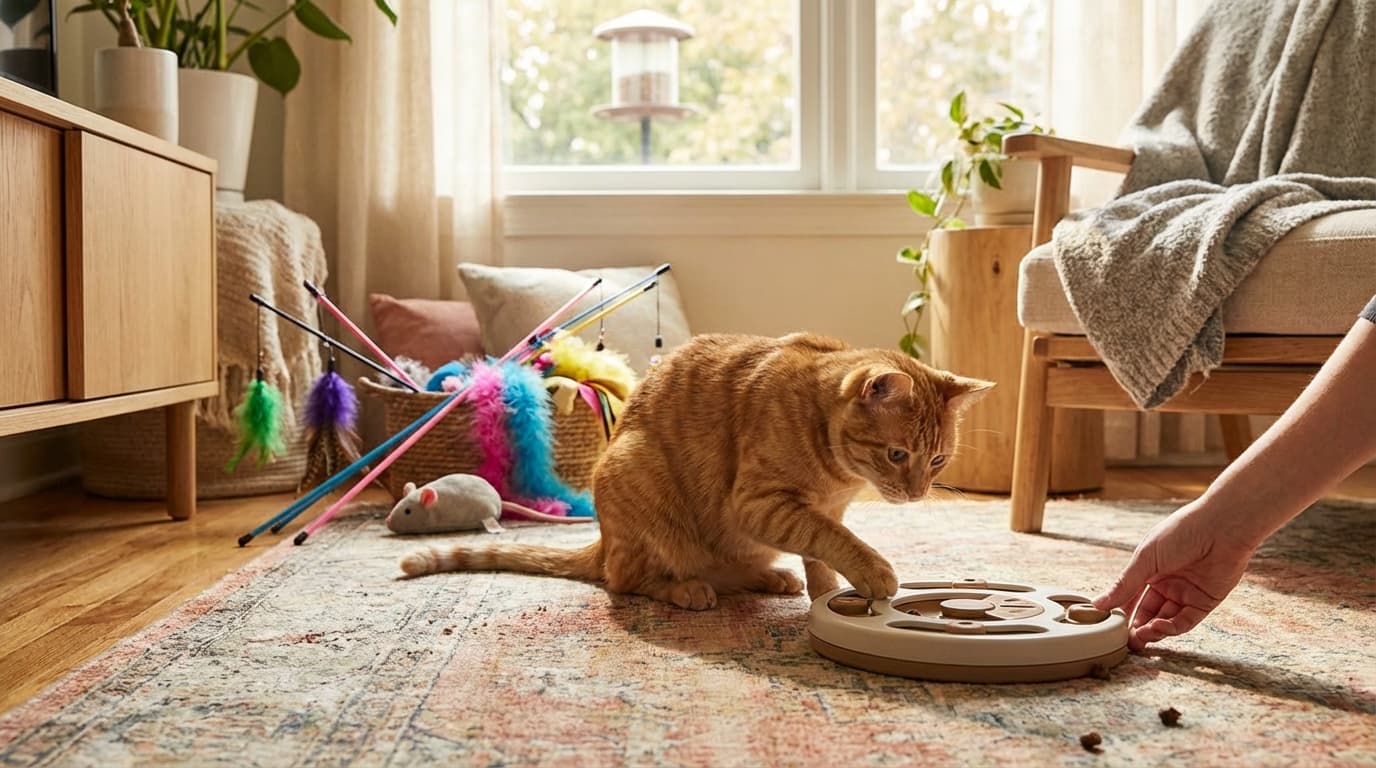
The truth is that cats are tiny hunters, and to them, a toy that stays still is basically just dead prey. To keep them engaged, you need to tap into their natural instincts with interactive cat puzzles and solo play toys for cats that actually react to their touch. We will show you how rotating cat toys and even cat TV videos for birds can turn your home into a much better habitat.
We also look at sensory enrichment for felines that goes way beyond basic catnip. You will get a clear plan for creating a fun daily routine that stops bad behavior and keeps your pet healthy. It is time to make those toys finally work for you and your cat.
Is Your Indoor Cat Bored? How to Bring the Hunt Home
Most of us keep our cats inside for safety, but a lack of activity can lead to stress and obesity. If you see signs of a bored indoor cat, like destructive scratching or over-eating, remember that play is a health requirement, not a luxury. It is the primary way we satisfy their internal need to hunt within four walls.
Ever wonder why your cat ignores those expensive toys? If a toy is just sitting still, it is 'already dead' to a predator. Cats are triggered by movement and noise. To get them engaged, try using interactive cat puzzles or solo play toys for cats that react to a paw swipe. Even 'Cat TV' videos for birds help by providing a functional outlet for their visual hunting process.
Bringing the hunt home is about variety. Try rotating cat toys to keep things fresh or use sensory enrichment for felines like silver vine and valerian. When we provide these outlets, we turn a boring living room into a habitat where a cat can finally feel like the hunter they were born to be.
Key insights:
- Play is a biological necessity that prevents stress-related health issues and obesity.
- Cats ignore stationary toys because they lack the movement that triggers hunting instincts.
- Scent and visual stimulation, like Cat TV, are effective ways to mimic the outdoor environment.
The Sneaky Signs of a Bored Indoor Cat
We often look at a cat napping in a sunbeam and think they have mastered the art of relaxation. But there is a thin line between a content, lazy cat and one that has simply given up because their environment is dull. When a cat stops engaging with their surroundings, it is not always peace - it might be a sign of feline depression or chronic stress. Without a regular outlet for those deep-seated hunting instincts, indoor cats can slide into a sedentary lifestyle that leads directly to obesity. It is a cycle where the less they move, the more stressed they become, often resulting in health issues that start with a simple lack of play.
Boredom does not always look like a cat staring blankly at a wall. Sometimes it looks like a cat staring at its own fur a little too much. Over-grooming is a common way for stressed felines to self-soothe when they are not getting enough mental stimulation. You might also notice bursts of random aggression, where your sweet pet suddenly swats at your ankles as you walk by. They are not being mean; they are desperate for something to move. Since cats are primarily triggered by movement, a stationary toy gathering dust on the carpet is basically dead to them. If it does not wiggle, roll, or squeak, it is simply not worth the energy of the hunt.
If your cat has started shredding the side of your favorite armchair or treats your morning coffee mug like a bowling pin, they are not trying to be a villain. Destructive scratching is often a physical release for built-up frustration. Think of it as a feline temper tantrum because their job as a hunter has been canceled. When they knock things off counters, they are often looking for the drama of the fall. They want to see how you react or simply want to see something move in an otherwise static room. It is a cry for help disguised as mischief, proving that even a little chaos is better than a boring afternoon.
To turn things around, we have to look past the basic plastic balls. Adding scent enrichment like silver vine, tatarian honeysuckle, or valerian can wake up their senses if they do not care for catnip. Even Cat TV - videos of birds and squirrels - serves a functional purpose in the hunting process by letting them track prey visually. The real secret is making them work for their fun. Using food-based motivation or interactive puzzles gives them a reason to get off the couch. When you turn a meal into a game, you are finally giving them the stimulation they need to feel like a real cat again.
Key insights:
- Stationary toys are often ignored because cats perceive non-moving objects as already dead prey.
- Over-grooming and ankle-swatting are frequently signs of sensory deprivation rather than skin issues or mean spirits.
- Scent alternatives like silver vine and valerian can engage cats that are bored by traditional catnip.
- Destructive behavior is usually a functional attempt to create movement or engagement in a static environment.
When 'Naughty' Behavior is Actually a Cry for Help
Ever wonder why your cat stares you down while pushing a glass off the counter? It looks like drama, but it is often a sign of a bored indoor cat. When they lack stimulation, they get frustrated. This leads to destructive scratching because they have no other way to release hunting energy. Without a proper outlet, your pet can even face stress-related health issues or obesity.
The issue is that most solo play toys for cats just sit there. To a feline, a stationary toy is basically already dead and not worth the effort. Since they are triggered by movement, they need things that mimic live prey. If your cat ignores the expensive stuff, try interactive cat puzzles that use food. Most cats are much more willing to work for a snack than a plastic ball that does nothing.
You can also try rotating cat toys or using Cat TV videos for birds. Watching prey move on a screen is a functional part of their hunting process and keeps their minds sharp. If catnip fails, silver vine or valerian are great for sensory enrichment for felines. It is all about turning your home into a space where they can actually hunt and explore.
Key insights:
- Cats view stationary toys as dead prey and quickly lose interest in them.
- Food-based motivation is one of the best ways to get a bored cat to interact with puzzles.
- Visual stimulation like Cat TV serves as a functional outlet for innate hunting instincts.
The 'Dead Toy' Problem: Why Your Cat Ignores That Sparkly Mouse
Ever wonder why your cat stares at that expensive sparkly mouse for two seconds before walking away to nap on a cardboard box? It is not because they are ungrateful. To a cat, a toy that just sits there isn't a toy at all - it is 'dead' prey. Cats are hardwired hunters, and their brains are specifically tuned to notice unpredictable movement and noise. If it does not wiggle, squeak, or run away, it simply is not worth the energy. This is why those stationary toys we buy in bulk often end up gathering dust under the sofa.
Think of it this way: for a feline, playing is hunting. When a toy lies perfectly still on your living room rug, your cat perceives it as something they have already caught. As Jessica from Feline Engineering points out, if playing is hunting, then those toys are already dead and not worth any effort. This lack of stimulation is more than just a minor annoyance. It can lead to real stress and obesity because your indoor hunter is not getting the activity they need to stay healthy and happy.
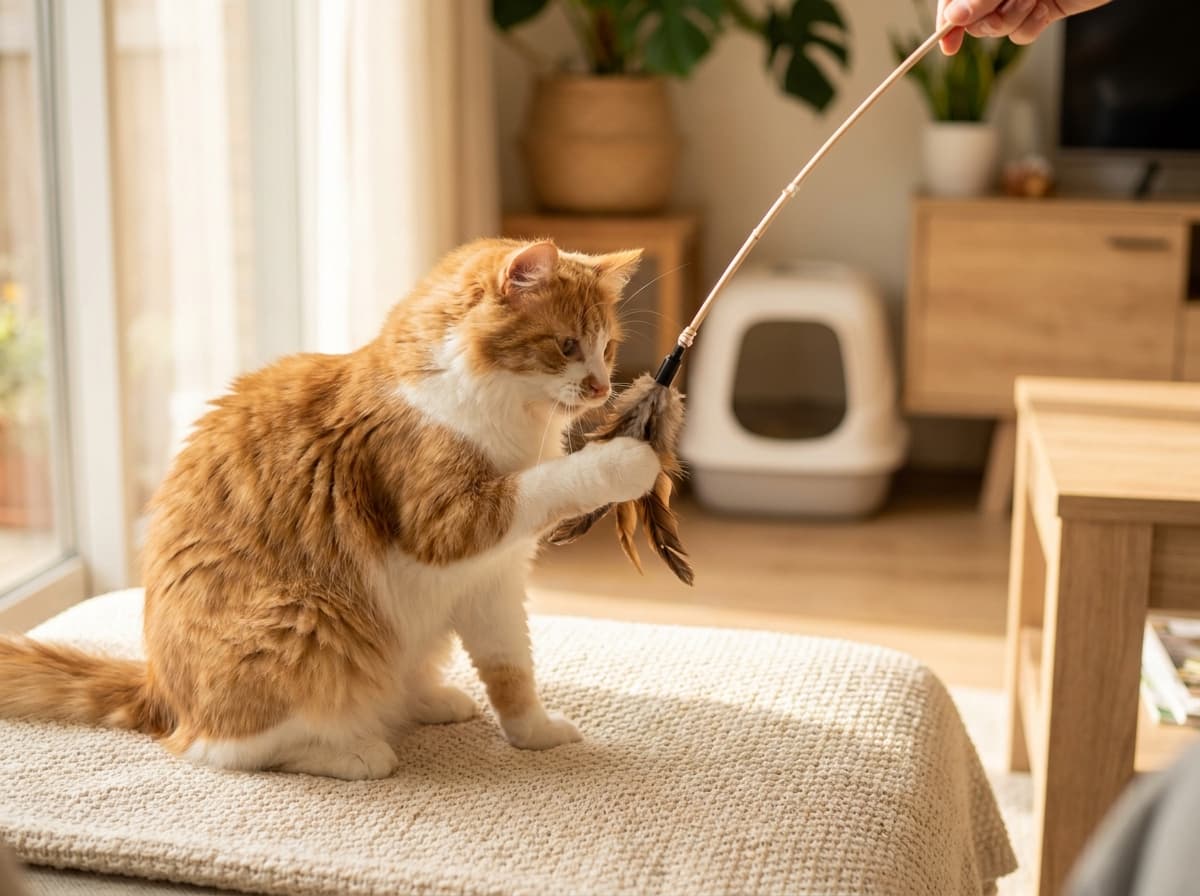
When looking for solutions, you will usually choose between electronic gadgets and reactive toys. Electronic toys, like automatic lasers or spinning feathers, provide movement without you having to lift a finger. But wait, there is a catch. Some cats quickly figure out the robotic patterns and lose interest. Reactive toys, which 'fight back' or wobble when swiped, often win for solo play because they respond directly to your cat's physical touch. This makes the hunt feel much more interactive and unpredictable.
If physical toys still are not doing the trick, consider sensory enrichment. Not every cat is a fan of catnip, but alternatives like silver vine or valerian can trigger that same playful spark. You might also try 'Cat TV' - videos of birds and squirrels - which provides a visual outlet for their hunting instincts. The most effective strategy is often food. Adding a treat-dispensing element to a toy builds immediate motivation, turning a boring object into a puzzle that is actually worth solving.
The reality is that your cat is not being picky, they are just following their instincts. By moving away from 'dead' toys and focusing on things that move, make noise, or smell interesting, you can turn a bored house cat back into a confident hunter. It is all about mimicking the thrill of the chase in a way that feels real to them.
Key insights:
- Cats ignore stationary toys because they lack the movement and noise that trigger a feline's natural prey drive.
- Reactive toys that respond to a cat's touch are often more engaging than electronic toys with predictable patterns.
- Food motivation and scent enrichment like silver vine are powerful tools for cats that do not respond to traditional play.
- Lack of independent play is a health risk that can lead to obesity and stress-related behaviors in indoor pets.
Reactive vs. Electronic: Which Wins for Solo Play?
Have you ever noticed your cat ignoring a toy the second it stops moving? Jessica from Feline Engineering points out that to a cat, a stationary toy is basically already dead. If it isn't moving, it isn't worth the hunt. This is the main reason we choose between reactive toys and electronic gadgets. One responds to your cat's touch, while the other runs on its own schedule.
Electronic toys like automatic lasers or spinning feathers are perfect for busy days. They provide the movement cats crave without you needing to lift a finger. However, they can sometimes feel a bit mechanical. Since cats are primarily triggered by movement, these gadgets are great for a quick fix, but some cats might get bored once they predict the pattern.
Reactive toys are the ones that fight back when your cat swipes at them. Because these toys move in response to your cat's physical interaction, they feel more like a real hunt. This kind of stimulation is vital because a lack of play can lead to stress related health issues or obesity. If you want to spice things up even more, try adding scents like silver vine or valerian to make the prey even more irresistible.
Key insights:
- Cats view stationary toys as dead prey and quickly lose interest.
- Electronic toys offer easy movement but can become predictable over time.
- Reactive toys provide a more realistic hunting experience by responding to a cat's touch.
- Scent enrichment like silver vine can help engage cats that do not care for catnip.
Interactive Cat Puzzles: Making Them Work for Their Dinner
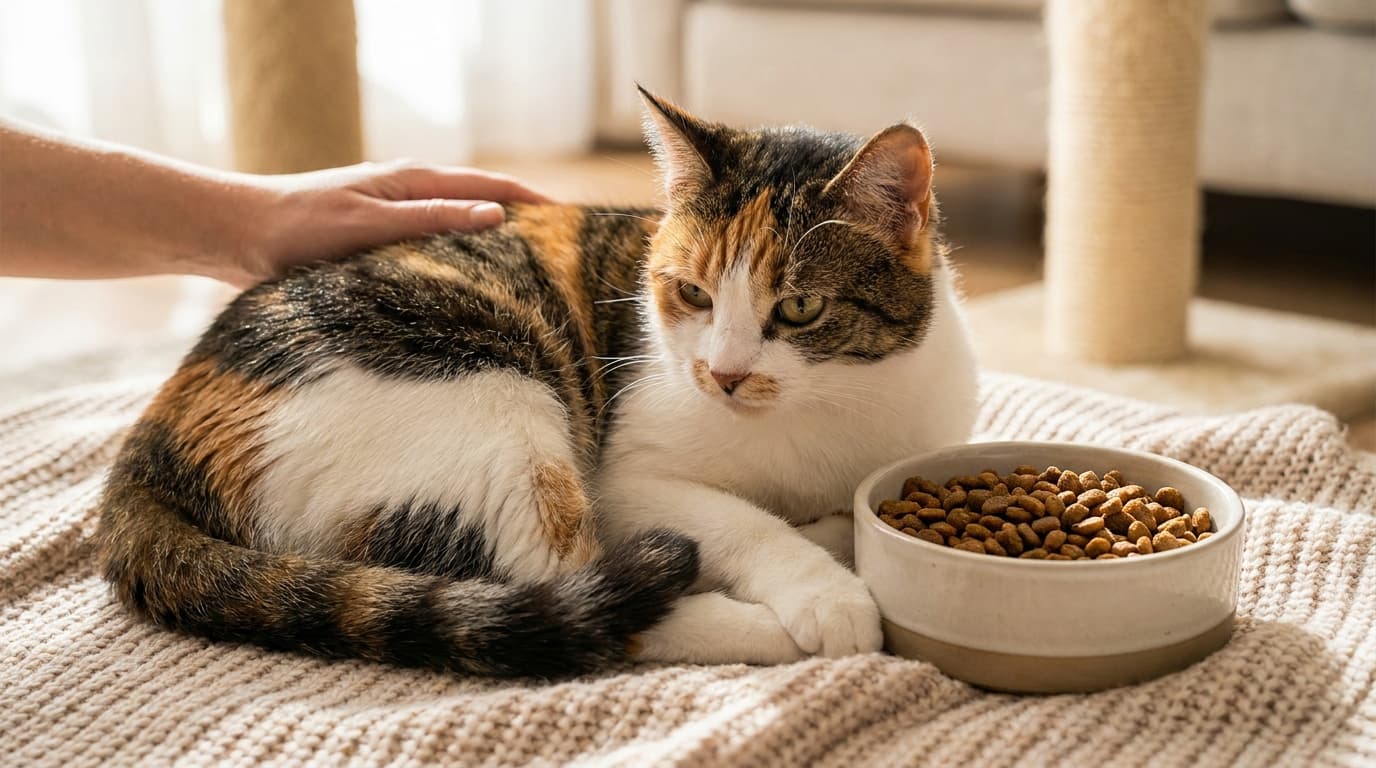
Ever wonder why your cat stares at a pile of expensive toys like they are pieces of trash? It is because to a cat, a toy that does not move is basically dead. As Jessica from Feline Engineering points out, if playing is hunting, then those stationary toys just are not worth any effort. This is where food-based motivation changes the game. By turning mealtime into a puzzle, you tap into their natural drive to work for what they eat. It is the easiest way to kickstart a routine because, let's face it, almost every cat is motivated by a tasty snack.
When cats work for their kibble, they are actually following a natural hunt-eat cycle that keeps their brains sharp. In the wild, they do not just find a bowl of food sitting in the grass. They stalk, pounce, and solve problems. Bringing this into your living room helps prevent the stress and obesity that often come when indoor cats get bored and inactive. If your cat does not respond to catnip, you can even spice things up with silver vine or valerian to get their nose working too. It is about more than just eating. It is about sensory stimulation that makes them feel like a real predator again.
You do not need to spend a fortune on high-tech gadgets to make this happen. Think about the last time you got a delivery. That plain cardboard box is actually a high-end brain game waiting to happen. Cut a few holes in it, toss in some treats or kibble, and watch your cat figure out how to fish them out. This kind of reactive play is way more exciting than a ball sitting still on the carpet. It keeps them moving and engaged, which is exactly what a healthy indoor cat needs to stay happy and satisfied.
Key insights:
- Adding food to play provides the 'catch' that makes the hunt feel real to a cat.
- Interactive puzzles help prevent stress-related health issues and weight gain.
- Simple household items like cardboard boxes can be more effective than expensive stationary toys.
- Scent alternatives like silver vine or valerian can boost engagement for cats who ignore catnip.
Cat TV and the Power of Visual Enrichment
Have you ever caught your cat staring intensely at a moth or a bird outside the window? It looks like they are just zoning out, but there is a lot more going on. Many owners turn on Cat TV videos for birds on YouTube to keep their pets busy while they are at work. But these videos are much more than just a digital babysitter. For an indoor cat, watching prey move is actually a functional part of the hunting process. It keeps their minds sharp and their instincts active without them even having to leave the couch.
Here is the thing about feline biology: cats are hardwired to react to movement. If a toy just sits there on the carpet, your cat probably thinks it is already dead and not worth the effort. As Jessica from Feline Engineering points out, if playing is hunting, then those stationary toys are boring because they do not fight back. This is why a video of a scurrying squirrel or a fluttering bird is so much more effective than a stuffed mouse. It triggers that deep-seated need to track and observe, which is the first stage of any successful hunt.
While digital screens are great, nothing beats the real-life version of Cat TV. You can set this up easily by placing a bird feeder right outside a window and adding a sturdy perch or window seat inside. This gives your cat a front-row seat to nature. It provides a constant stream of visual stimulation that changes throughout the day. This kind of environmental enrichment is vital because a lack of play and stimulation often leads to stress-related health issues or weight gain. Also, it is just fun to watch them get excited about the world outside.
Think of visual enrichment as a workout for your cat's brain. By giving them something to track, you are helping them fulfill their innate roles as predators. It is a simple way to bridge the gap between their wild ancestors and their life in your living room. So, next time you see your cat chirping at a bird through the glass, know that they are not just bored. They are practicing a skill that keeps them mentally fit and emotionally satisfied.
Key insights:
- Visual tracking is a functional stage of hunting, not just passive entertainment.
- Movement is the primary trigger for feline engagement, making stationary toys less effective.
- Real-life enrichment like bird feeders provides more complex sensory stimulation than digital screens.
- Consistent visual stimulation helps prevent stress-related health problems and obesity.
Beyond Catnip: Sensory Enrichment for Felines
Ever wonder why your cat looks at a pile of premium catnip like it is just old lawn clippings? You are not alone. It turns out about 30% of cats lack the catnip gene, meaning that famous herb does absolutely nothing for them. If your feline friend falls into this group, do not worry. You can still trigger that happy, playful high by using alternatives like silver vine, valerian root, or tatarian honeysuckle. These botanical stimulants work on different receptors, often turning a bored, stationary cat into a zooming ball of energy.
Scent enrichment is about more than just herbs. Consider the Outdoor Box hack. It is simple: grab a cardboard box and fill it with safe items from your yard or a local park. Think of things like dry leaves, large pinecones, or even a couple of sturdy twigs. To an indoor cat, these items are like a library of stories. They carry the scents of birds, squirrels, and the changing seasons, providing a massive hit of mental stimulation without the cat ever needing to step outside. It is a low-cost way to break the daily monotony.
While scents are powerful, we should not ignore what is happening in your cat's ears. Auditory stimulation is a growing trend for a reason. Many owners are now using Cat TV or nature soundtracks to keep their pets engaged. It is not just background noise. Watching birds move on a screen or hearing gentle chirps is actually a functional part of the feline hunting process. It satisfies that search and watch instinct that always happens before the pounce.
The surprising part is that cat-specific music actually works. Researchers have found that music using frequencies and tempos that mimic purring or suckling can significantly lower stress levels in anxious pets. While a loud TV show might send them hiding under the couch, these tailored sounds create a sense of safety. Combining these auditory layers with new scents creates a multi-sensory environment that keeps your cat's brain sharp. This helps prevent the obesity and stress-related health issues that often stem from a lack of daily stimulation.
Key insights:
- About one in three cats will not react to catnip, so try silver vine or valerian instead.
- Bringing outdoor scents inside via boxes of leaves or sticks provides vital mental enrichment.
- Nature sounds and cat-specific frequencies can lower anxiety and satisfy hunting instincts.
Auditory Stimulation: Bird Songs and Cat Music
Ever notice how your cat's ears twitch at the slightest rustle? While we often focus on what they see, what they hear is just as vital for their mood. Many owners now use nature-based audio to keep their indoor hunters happy. Watching prey move and hearing those chirps is actually a functional part of the feline hunting process.
You can also try music designed specifically for cats. These tracks use frequencies that match a cat's natural communication style. Gentle nature sounds like birdsong or rustling leaves can lower stress levels in anxious pets. It creates a rich environment even when you are away. Think of it as a background track for their daily prowls.
This sensory enrichment helps stop the boredom that causes trouble. Since cats are triggered by noise and movement, total silence can be stressful. Adding these sounds gives them a way to use their instincts without needing a physical toy. It is an easy way to make their indoor world feel a bit bigger.
Key insights:
- Audio stimulation mimics the sounds of live prey to satisfy hunting instincts.
- Specific frequencies tailored to feline hearing can actively reduce pet anxiety.
The Secret Sauce: Why You Must Rotate Cat Toys
Have you ever spent twenty dollars on a fancy feather wand only to have your cat sniff it once and walk away? It is frustrating, but think about it from their perspective. To a cat, playing is hunting. If a toy just sits in the same spot on the rug for a few days, it is not prey anymore. It is basically dead. Experts point out that stationary toys are boring because they do not mimic the erratic movement of something worth catching. This lack of stimulation is a real problem because it can lead to stress and weight issues for indoor cats.
The fix is actually simpler than buying more gear. You just need to start rotating cat toys. Most cats experience a novelty effect where even the coolest gadget loses its charm after about three days. To keep things fresh, try a simple rotation schedule. Keep only a few toys out at a time and tuck the rest away in a bin or a closet. When you bring a hidden toy back out a week later, your cat sees it as a brand-new discovery. Hiding the toys makes them much more valuable when they finally reappear.
You can also boost the excitement by adding different scents or movements. If your cat is bored with a plastic ball, try rubbing it with silver vine or valerian. These are great alternatives for cats that do not react to catnip. Also, remember that movement is the big trigger. A toy that moves or reacts to a paw swipe is always better than one that just sits there. By switching things up regularly, you turn your living room back into an interesting hunting ground, which is exactly what a healthy cat needs to stay happy.
Key insights:
- Cats usually lose interest in a specific toy after about three days of constant access.
- A simple rotation schedule keeps toys fresh and prevents them from being seen as dead prey.
- Using scent enrichment like silver vine can make old toys interesting again.
Creating a Happier Home for Your Hunter
Think about your morning. You grab coffee and head out, while your cat stares at a plastic ball that hasn't moved in days. To a cat, a stationary toy is a dead toy. It’s boring. Building a routine with interactive cat puzzles or cat TV videos for birds changes their world. Tossing kibble into a feeder takes seconds but turns a static room into a hunting ground for indoor cats.
The real win is your pet's long-term health. Boredom leads to stress and obesity, which means higher vet bills. By offering sensory enrichment for felines, like silver vine for cats who don't care for catnip, you keep their minds sharp. A cat busy with solo play toys for cats is a cat that lets you sleep through the night.
It’s about effort, not expensive gadgets. You don't need a robot when a cardboard box and some hidden treats work just as well. If you notice signs of a bored indoor cat, just rotate cat toys to keep things fresh. It's a simple way to keep your little hunter happy and tired.
Key insights:
- Movement is the essential trigger for play because cats view stationary toys as dead prey.
- Consistent mental stimulation prevents obesity and stress, leading to lower long-term vet costs.
- Effective enrichment relies on variety and movement rather than expensive or high-tech equipment.
Frequently Asked Questions
Conclusion
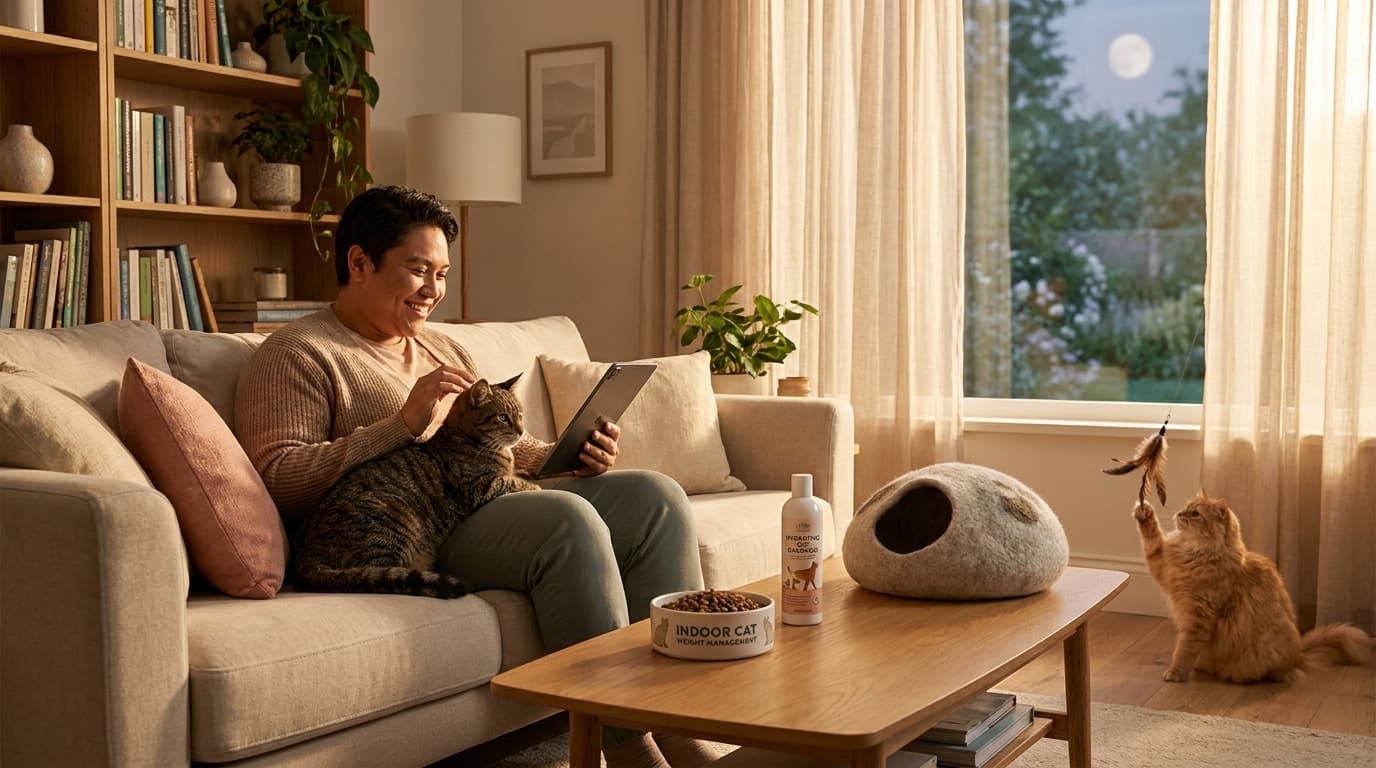
So what does all this mean for your living room? It turns out that a happy indoor cat is less about the price tag on a toy and more about how that object mimics the thrill of the hunt. When we bridge the gap between a safe indoor life and those deep hunting instincts through things like interactive cat puzzles and rotating cat toys, we see a real shift in behavior. The cat that seems naughty or lazy is often just looking for a job to do and a reason to use their nose and eyes.
Your next move does not have to be an expensive shopping spree. Start small by hiding a few toys today to bring them back as fresh surprises next week, or try putting on some bird videos for a quick session of Cat TV. You will likely notice your pet becoming more engaged and less prone to destructive scratching or midnight zoomies. It is all about keeping their environment just as dynamic and interesting as the world outside.
The bottom line is that a little bit of variety goes a long way in keeping your feline friend sharp and content. Give these simple sensory enrichment ideas a try and watch your bored kitty turn back into a confident hunter. After all, a busy cat is a happy cat, and a happy cat makes for a much calmer home for everyone.
Send it to someone who should read it next.
About the author

Oliver Chen
Cat Rescue Advocate
Founder of a no-kill rescue shelter and passionate advocate for feline welfare and responsible cat adoption.
View all articles