Why Your Cat's Paws Need More Than Just a Cute High-Five
Have you ever looked at your cat's paws and thought they were just for show? Those tiny pads are actually complex tools for balance and movement, but cats are so...

PurrScript Editorial Team
Editorial Team
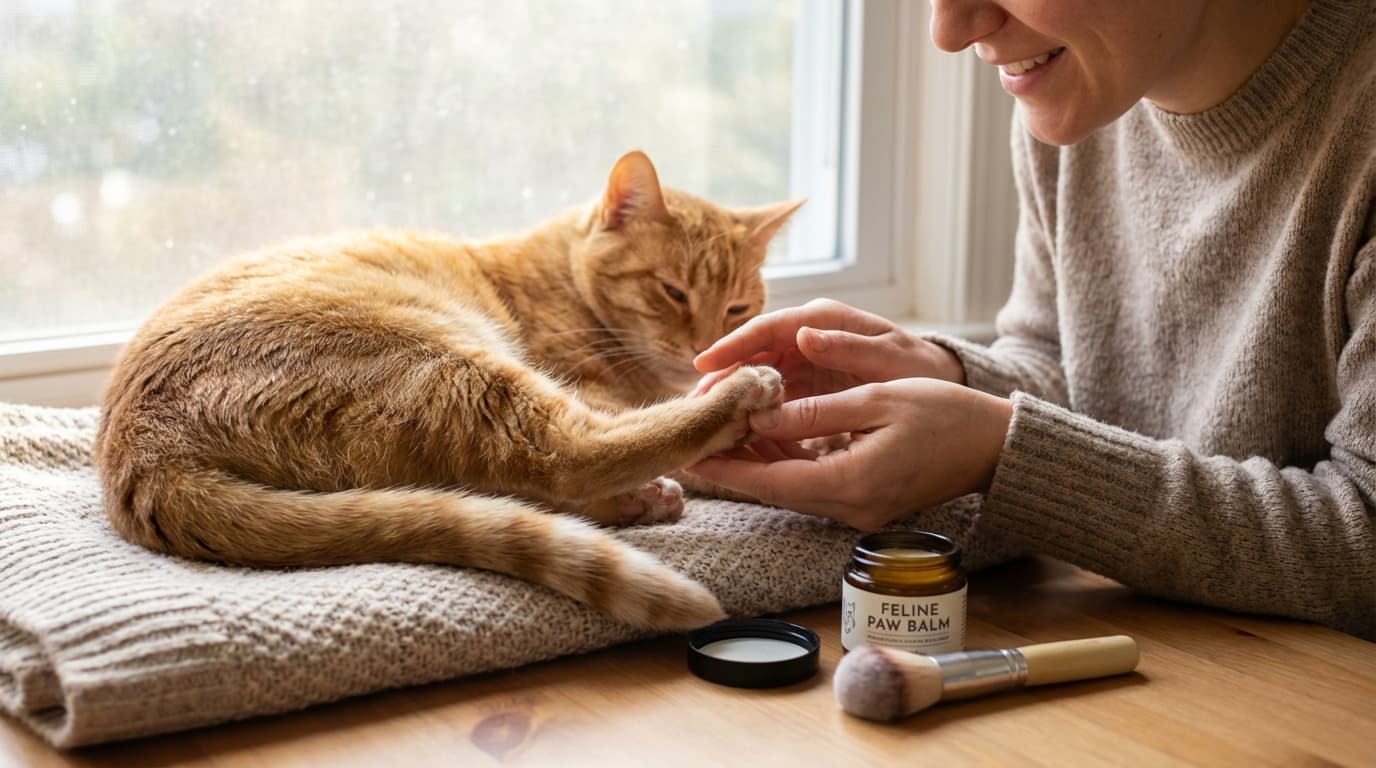
Why Your Cat's Paws Need More Than Just a Cute High-Five
Have you ever looked at your cat's paws and thought they were just for show? Those tiny pads are actually complex tools for balance and movement, but cats are so good at hiding discomfort that you might not realize they're hurting until it's a serious issue.
Daily life can be tough on feline feet, whether it's dry indoor air or rough outdoor surfaces. Taking a few minutes to check their paws can prevent infections and mobility problems that often go unnoticed.
We'll show you how to use a cat paw moisturizer safely and why trimming fur between cat toes is essential for long-haired breeds. You'll also find a simple cracked cat paws remedy and tips for giving a relaxing feline paw massage.
We'll even cover summer safety to avoid burned paw pads on hot sidewalks. This guide gives you the tools to keep your cat's paws healthy so they can keep jumping and playing for years.
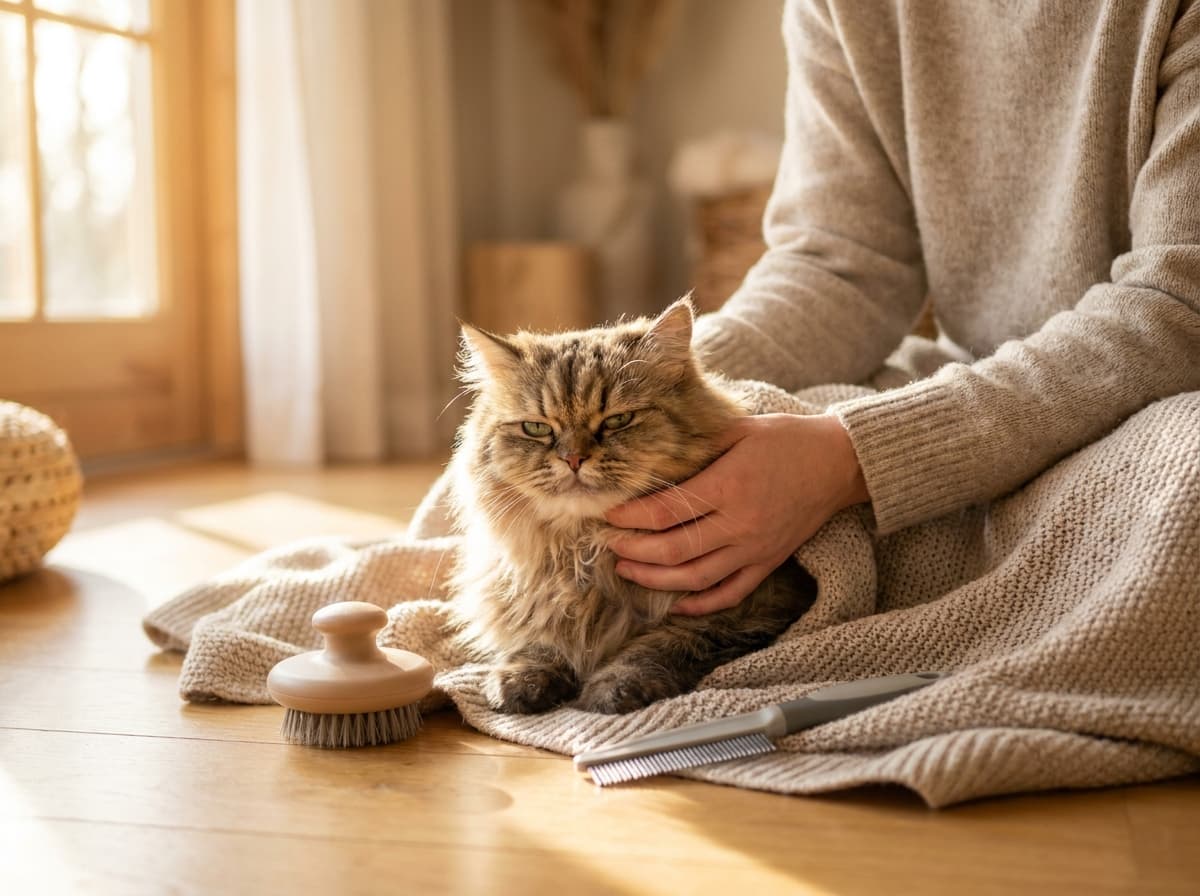
Think about the last time you watched your cat stick a perfect landing. Those soft toe beans are actually high-tech shock absorbers. While they look adorable during a high-five, your cat’s paws are complex tools built for balance and movement. Here is the tricky part. Cats are experts at acting like everything is fine even when it is not. Because they hide pain so well, a small crack can turn into a serious infection before you even notice a limp.
Regular checks are the best way to keep those paws healthy. You will learn how to spot signs of trouble, like when overgrown claws start digging into the pad. We will also cover daily care, including using a cat paw moisturizer for a cracked cat paws remedy and the right way of trimming fur between cat toes to prevent painful mats.
Whether you are worried about burned paw pads or want to try a feline paw massage, we have you covered. It is about more than just grooming. It is about making sure your cat stays mobile and comfortable for years to come.
Key insights:
- Cats naturally hide discomfort, so routine inspections are the only way to catch issues early.
- Paw pads need consistent moisture to stay resistant to abrasions and environmental damage.
- Long-haired cats need extra attention to prevent debris from getting trapped in their toe fur.
The 30-Second Daily Paw Check: Your New Best Friend
Think about the last time you really looked at your cat’s paws. Most of us just admire the toe beans from afar, but a quick thirty-second check every day can save your cat from a lot of pain later on. These tiny pads carry their whole weight, and because cats are masters at hiding when they hurt, you might not notice a problem until they start limping. It is not just about being thorough. It is about catching the small stuff like a tiny thorn, a stray piece of litter, or a small cut before it turns into a nasty infection that stops them from jumping and playing.
While you are looking, give them a quick wipe to remove the day. Cats are constantly grooming themselves, which means whatever they walk on eventually ends up in their mouths. Think about the floor cleaners, sidewalk salt, or even hot pavement that leads to burned paw pads in the summer. Using a damp cloth or a pet-safe wipe to clear away allergens and household irritants keeps their skin healthy and prevents them from ingesting things they should not. This matters because anything lingering on their feet is a potential health risk once they start their next grooming session. It is a simple step that acts as a first line of defense for their overall health.
But is your cat hiding a deeper foot problem? If you notice your cat is suddenly obsessed with cleaning one specific foot, take note. Excessive licking is often a red flag that something is wrong. Since cats naturally mask discomfort, they will not always cry out if they have a cracked paw or a small injury. You have to be the detective here. Watch for subtle changes in how they move or if they seem protective of a certain leg. A cracked cat paws remedy might be as simple as a feline paw massage with a bit of cat paw moisturizer, but you will not know they need it unless you are looking. Sometimes a gentle massage can help you feel for lumps or swelling that you cannot see through the fur.
Age plays a huge role in how those paws hold up over time. Life stages move fast, from playful kittens to mature cats and seniors over eleven years old. As they age, their claws can get thicker and more brittle. If you are not trimming the fur between cat toes or keeping those nails clipped, they can actually curl all the way around and grow back into the sensitive paw pad. It sounds painful because it is. Keeping an eye on their needs ensures they stay mobile and comfortable well into their golden years. A quick check ensures that age does not have to mean a loss of mobility.
If you have a long-haired breed, you have probably noticed those adorable toe tufts. While they look cute, that extra fur is a magnet for debris and can mat easily. Mats pull on the skin every time the cat walks, which is why trimming that extra fur is so important. The reality is that these mats can become quite hard and feel like walking on a pebble. Use blunt-tipped scissors and keep the mood calm to keep the area tidy. A little bit of maintenance now means a much happier, more active cat who is not bothered by every step they take.
Key insights:
- Daily checks are the best way to catch small injuries before they become mobility issues.
- Cats groom their paws constantly, so removing household chemicals is vital for their internal health.
- Senior cats require more frequent nail trims to prevent claws from curling into the paw pad.
- Long-haired cats need the fur between their toes trimmed to prevent painful matting and debris buildup.
Is Your Cat Hiding a Foot Problem?
Have you ever caught your cat obsessively licking just one paw? It looks like normal grooming, but cats are masters at hiding pain. Since they naturally mask discomfort to stay safe, a bit of extra licking might be the only clue that something is wrong. As Multipet points out, paw issues often stay hidden until they become serious.
Your cat’s needs change as they move from the kitten stage into their senior years. While adults are usually active, older cats in the mature and senior stages often struggle with thick claws that can actually curl back into the paw pad. It’s as painful as it sounds. If you have a long-haired cat, those fluffy tufts between the toes can also trap dirt or form mats that pull on the skin.
Regular checks are the best way to spot these problems early. Look for redness or swelling, and if you use a cat paw moisturizer, ensure it’s pet-safe. Since cats groom themselves constantly, whatever goes on their paws will be swallowed. A quick daily inspection keeps them jumping, climbing, and playing without a hitch.
Key insights:
- Cats hide pain instinctively, making routine paw checks essential for catching issues early.
- Senior cats are at higher risk for claws curling into the pad if not trimmed regularly.
- Always use pet-specific products since cats will ingest anything applied to their paws during grooming.
Soothing the Rough Stuff: A Guide to Cat Paw Moisturizer
Have you ever felt your cat's paw pads and wondered why they feel like a piece of old sandpaper? While those little beans are built for traction, they should not feel crusty or cracked. The tricky part is that cats are experts at hiding pain. You might not even realize their feet are hurting until the problem is hard to ignore. This is why daily paw checks are so helpful. If you notice the skin looking flaky or feeling rough, it is time to act before a small dry spot turns into a painful injury.
When you start looking for a solution, safety is the only thing that matters. Think about how much your cat grooms themselves. Anything you put on those paws will be licked off and swallowed in no time. This is why the Lick Test is the gold standard for any product you buy. If an ingredient is not safe for them to eat, it should stay far away from their feet. Human lotions are a big no-no because they often have scents or chemicals that can make a cat sick or irritate their sensitive skin.
You might worry about making a mess of your floors, but applying moisturizer can be easy. The secret is to use a tiny amount and rub it in while your cat is relaxed or sleepy. If you give them a few head scratches or a treat right after, they will be too distracted to walk around and leave greasy spots. Also, remember that keeping those claws trimmed is part of the process. If claws get too long, they can actually grow into the paw pad and cause even more trouble.
For deep cracks, natural oils are usually better than heavy synthetic balms. Oils like coconut or olive oil are simple and effective. They help the skin stay flexible and strong against the ground. Just remember that a little bit goes a long way. You do not need to soak the paw. A light, regular application is much better for preventing future scrapes than a huge glob used once a month because it helps the pads build up a natural resistance.
Beyond just moisturizing, keep an eye out for signs of real trouble. If you see swelling, redness, or a weird smell, that might be an infection rather than just dry skin. Wiping their paws after they use the litter box or come inside also helps. It removes the tiny bits of dirt and debris that cause irritation in the first place. Taking these small steps keeps your cat comfortable and ready for their next big jump.
Key insights:
- Daily paw checks are the primary way to prevent serious feline mobility issues.
- Product safety is critical since cats naturally ingest anything applied to their paws through grooming.
- Natural oils are safer and more effective for feline skin than human-grade lotions or creams.
- Regular application of pet-safe balms increases a cat's resistance to minor abrasions.
The Best Cracked Cat Paws Remedy (That Is Actually Safe)
Ever notice your cat acting a bit more "loaf-like" than usual? Since cats are masters at hiding pain, you might not realize their paw pads are dry or cracked until they are really hurting. It is tempting to grab your own lotion to help them out, but that is a big mistake. Human creams often contain scents or chemicals that are toxic if licked off during a grooming session. Because cats spend so much time cleaning themselves, anything you put on their feet will eventually end up in their stomach.
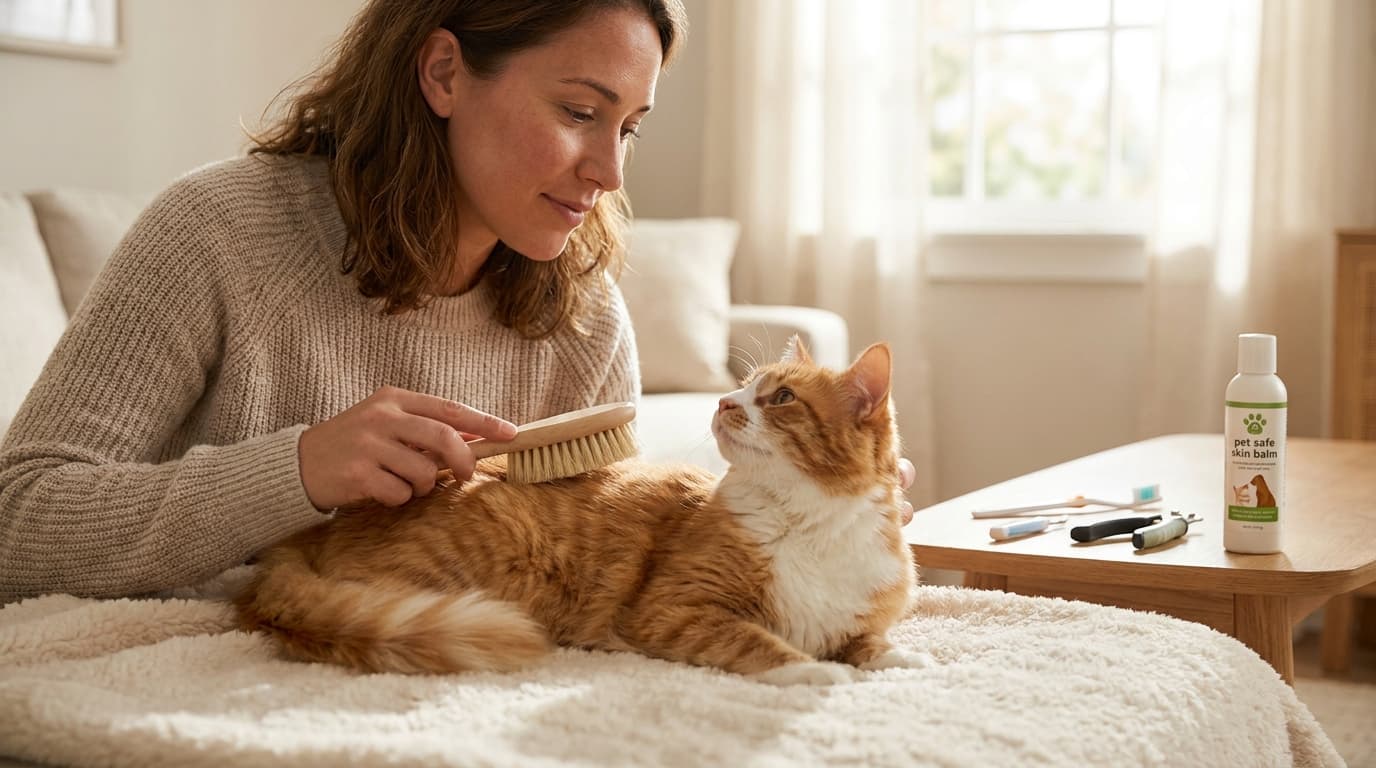
The best cracked cat paws remedy is actually quite simple: use natural, pet-safe oils or specialized balms. Think of it as a feline paw massage that doubles as protection. Applying a light cat paw moisturizer regularly builds up a natural resistance to minor abrasions and keeps the skin supple. Natural oils are usually better than synthetic balms because they are safer for a creature that uses its tongue as a washcloth. It is a small step that makes a huge difference in their daily comfort.
Consistency is the real secret here. Making paw checks part of your daily routine helps you catch small issues before they become serious infections. Keeping those pads soft and healthy helps your cat stay agile and ready for play, whether they are a tiny kitten or a dignified senior. A little bit of preventative care today keeps them jumping and climbing without any hidden discomfort.
Key insights:
- Never use human lotions because feline grooming behaviors lead to the ingestion of toxic ingredients.
- Natural oils are safer and more effective for cats than synthetic or scented balms.
- Routine application of moisturizer builds a protective barrier that prevents future cracks and abrasions.
- Daily paw checks are essential since cats are experts at concealing physical pain.
Taming the Toe Floof: Trimming Fur Between Cat Toes
Those long tufts of fur poking out from between your cat’s toes might look like whimsical slippers, but for long-haired cats, they are often more of a burden than a fashion statement. This interdigital fur acts like a natural broom, sweeping up bits of litter, dust, and outdoor debris as your cat moves through the house. Not only does this track a mess across your floors, but it also creates a hygiene risk. Since cats are meticulous groomers, whatever gets caught in that fur eventually gets licked off and swallowed, which is why keeping paws clean is so vital.
Beyond the mess, there is a real comfort issue at play. When this fur gets too long, it easily tangles into mats. These are not just unsightly knots; they actually pull on the thin, sensitive skin between the pads. The tricky part is that cats are experts at hiding pain. You might not even notice your kitty is struggling until a mat becomes so tight it affects how they walk or jump. Keeping this area trimmed prevents that constant tugging and keeps their paws functional and comfortable.
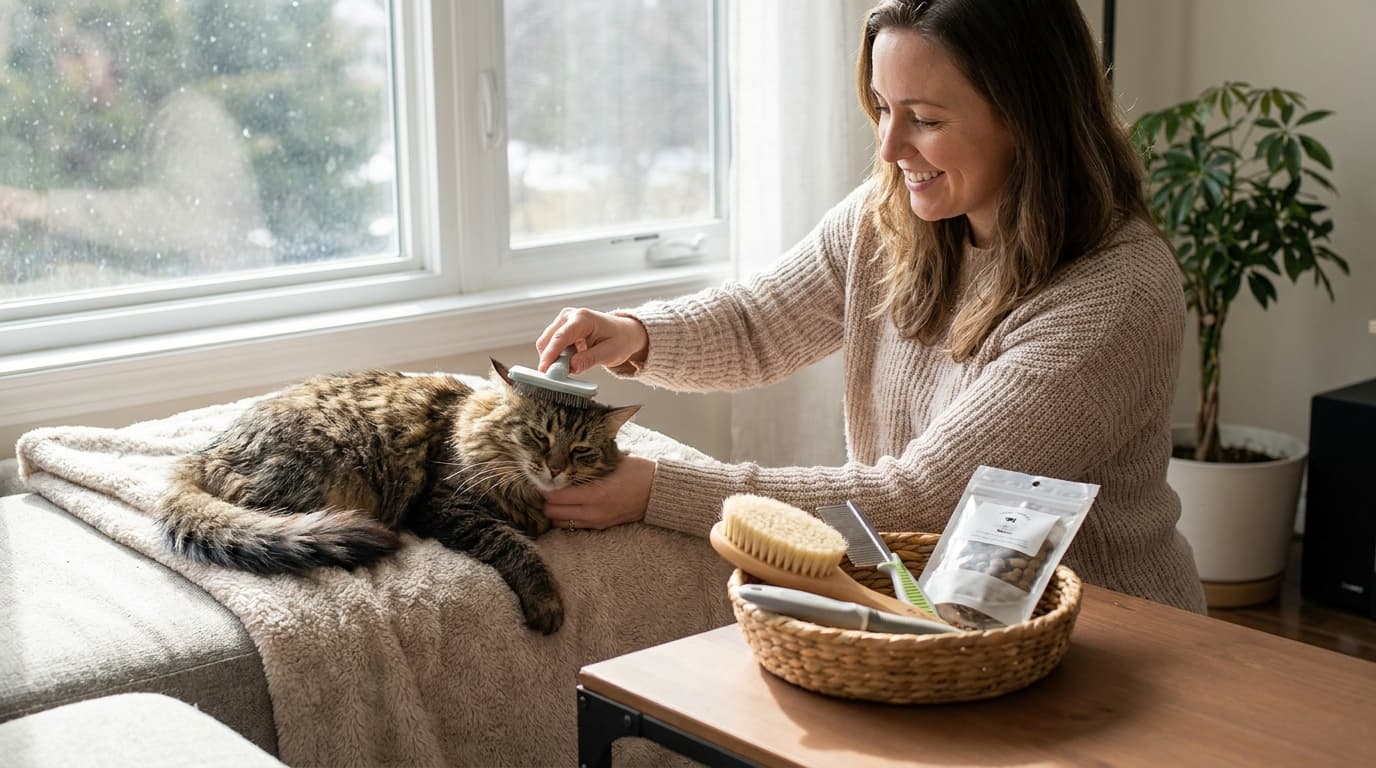
To keep the process stress-free, start by picking the right tools. Blunt-tipped scissors are a classic choice because they significantly lower the risk of accidental nicks if your cat flinches. If the sound does not bother them, small, quiet pet trimmers can make the work even faster. The goal here is not a perfect haircut. You just want to clear enough space so the pads can grip the floor properly and the fur stays clear of the ground.
Timing is everything when it comes to grooming. Find a quiet moment when your cat is already relaxed or sleepy, perhaps after a long nap. Instead of trying to tackle all four paws in one sitting, try a little by little approach. Snip one or two tufts, offer a high-value treat, and then let them go. By making it a low-pressure routine, you turn a potentially scary grooming task into a simple habit that keeps their paws healthy and your rugs a whole lot cleaner.
Key insights:
- Long-haired cats face unique risks like painful mats that pull on sensitive skin between the pads.
- Trimming interdigital fur reduces the amount of dirty litter and outdoor debris cats accidentally ingest during grooming.
- A slow approach using blunt-tipped scissors and treats helps nervous cats stay calm during paw maintenance.
Simple Steps for a Stress-Free Trim
Have you ever seen your cat sliding on the floor or fussing with their feet? It might be time for a trim. If ignored, overgrown claws can grow into the paw pad, causing pain that cats are experts at hiding. Trimming fur between cat toes is much easier with the right tools. Small, blunt-tipped scissors or quiet trimmers keep things safe and tidy.
The secret is a calm environment and a little by little approach. You don't need to finish every paw at once. Try clipping just one or two claws while they are relaxed, then stop. This keeps the experience positive for nervous pets. Regular maintenance also lets you clear out debris or mats stuck in long tufts, keeping your cat mobile and comfortable. What does this mean for your routine? It means less drama and a happier cat.
Key insights:
- Blunt-tipped scissors are safer than standard blades for wiggly cats.
- Trimming in short bursts helps build trust and reduces grooming anxiety.
- Regular checks help you find debris hidden in long-haired cat tufts.
Summer Safety: Preventing and Treating Burned Paw Pads
Think about a scorching July afternoon. You wouldn't dream of walking barefoot on the driveway, right? Your cat’s paw pads are impressively tough, but they aren't heat-proof boots. Here is the tricky part: cats are experts at hiding discomfort. You might not notice a thing until a minor burn turns into a serious injury. Protecting those little feet starts with a simple reality check before they even step outside into the sun.
Have you heard of the Seven-Second Rule? It is the easiest way to gauge if the ground is safe for your pet. Just press the back of your hand against the pavement or decking. If you can't keep it there for a full seven seconds because it stings, it is way too hot for your cat. If they have already been out, keep a close eye on their behavior. Look for signs of a thermal burn like deep redness, swelling, or pads that look like they are starting to peel.
If you spot some minor heat irritation, start with basic first aid immediately. Gently rinse the paws with cool water to pull the heat out of the skin. Avoid using ice, as it can actually shock the tissue and cause more damage. Since cats are obsessive groomers, remember that whatever you apply to their paws will eventually be swallowed. Stick to non-toxic, pet-safe moisturizers that build up a healthy barrier against dry, cracked skin without risking their internal health.
Daily paw checks are your best defense against summer hazards. It only takes a moment to wipe away debris and check for signs of trouble. This is especially vital for long-haired cats, where hot asphalt bits or stickers can get trapped in the fur between their toes and cause hidden burns. Keeping their paws healthy isn't just about comfort; it is about making sure they can keep jumping and playing through every life stage.
Key insights:
- The Seven-Second Rule is a foolproof way to test surface safety.
- Cats naturally mask pain, so visual checks for redness and peeling are mandatory.
- Only use pet-safe products on paws to prevent accidental ingestion during grooming.
- Cool water, not ice, is the best immediate treatment for heat-irritated pads.
The Magic of the Feline Paw Massage
Have you ever reached for a soft cat paw only to have it pulled away? It is a classic move. Most cats are protective of their feet because those pads are packed with nerve endings. But starting a routine feline paw massage can change that dynamic. It turns a sensitive zone into a way to bond while checking for hidden problems. Since cats are experts at hiding pain, this hands-on time is often the only way to catch small injuries early.
The physical perks are great too. A good rub improves blood flow and keeps joints flexible as your cat ages from a kitten into a senior. While you rub, you are also doing some stealthy training. By touching their paws often, you desensitize them to being handled. This makes future nail trims way less of a battle because they already trust your touch. It is basically prep work for a stress-free grooming session later on.
To start, wait for a quiet moment when your cat is sleepy. Gently take one paw and use your thumb to rub the large center pad in slow circles. Work your way to each toe with a light squeeze to help them get used to the sensation. If the pads feel dry, use a tiny bit of cat-safe moisturizer. Just make sure the product is made for pets because they will definitely lick it off during their next grooming session.
Watch for any redness or odd smells while you work. If your cat pulls back, just stop and try again later. You want them to link this with relaxation. Over time, these mini massages support their mobility and keep claws from growing into the pads. It is a simple way to stay on top of their health while getting in extra purrs.
Key insights:
- Massage helps spot hidden pain that cats naturally try to mask.
- Regular handling makes nail trims significantly easier for both owner and pet.
- Always use pet-specific products to avoid toxicity during self-grooming.
Red Flags: When to Call the Vet
Cats are masters of disguise. As the experts at Multipet note, cats hide pain so well that paw issues often stay hidden until they are already serious. Whether you are looking after a tiny kitten or a senior cat over eleven years old, you have to be their health detective because they simply won't tell you when it hurts.
When you do your daily checks, look for the obvious red flags. A foul odor is a huge sign of infection, as is any strange discharge or a sudden change in pad color. If a pad looks swollen or turns an angry red, it is more than just a dry patch. These clinical signs suggest bacteria has taken hold, and at that point, a simple moisturizer or cleaning wipe won't be enough to fix the problem.
Also, pay close attention to how they move. Sudden limping always deserves a professional look. It might be a hidden puncture or even an overgrown claw that has curled back and grown directly into the paw pad. If your cat is obsessively licking one specific spot or flinching when you try to touch their toes, do not wait to see if it improves. Getting a vet's opinion early saves your cat from a lot of unnecessary misery.
Key insights:
- Foul odors and discharge are immediate signs of bacterial infection.
- Cats instinctively hide discomfort, making routine visual checks essential.
- Sudden limping often signals an ingrown claw or a deep puncture wound.
Frequently Asked Questions
You can technically use these in a pinch, but it's usually better to go with a dedicated cat paw moisturizer. The big thing to remember is that cats are expert groomers. If you put something on their paws, they will almost definitely lick it off as soon as you're done.
While coconut oil is generally safe in small amounts, Vaseline is a petroleum product that can cause an upset stomach if your cat eats too much of it. Using a pet-safe cracked cat paws remedy ensures that even if they do some grooming after their paw massage, they won't get sick from the ingredients.
The easiest way to check is the seven second rule. Just press the back of your hand against the pavement for seven seconds. If it feels too hot for you to keep your hand there, then it's way too hot for your cat's sensitive pads.
Pavement and asphalt can get surprisingly hot during the summer and stay that way even after the sun goes down. Since cats are so good at hiding when they are in pain, you might not notice burned paw pads until they start peeling or looking red. Checking the ground first is the best way to keep them safe during your summer routine.
It is completely normal if your cat pulls away when you touch their paws. Most cats are naturally protective of their feet because they are so sensitive. The trick is to start very slowly when they are already relaxed or sleepy. You can try a gentle feline paw massage for just a few seconds and then follow it up with their favorite treat. If you do this regularly, they will start to associate paw handling with something positive.
Here is the thing you should know: cats are masters at hiding pain. If you cannot touch their feet, you might miss a situation that needs a cracked cat paws remedy or an ingrown claw until it is a serious issue. Getting them comfortable with touch now makes it much easier to check for injuries or apply a cat paw moisturizer later on.
That fur is actually pretty common, especially in long-haired breeds, but it can sometimes get out of hand. While short-haired cats usually do fine, long-haired cats often get mats between their toes that trap dirt and litter. These mats can pull on the skin and cause a lot of discomfort. If you see those tufts getting long or messy, it is a good idea to tidy them up.
When you are trimming fur between cat toes, always use blunt-tipped scissors to keep things safe. Keeping that area clear helps prevent infections and stops your cat from slipping on smooth floors. Also, keeping the hair short makes it much easier to see if their pads are dry or if they need a little moisturizer to stay healthy.
Conclusion
Taking care of your cat's feet is about more than just avoiding a scratch. It is about realizing those little pads do a lot of heavy lifting, from walking on hot pavement to staying steady on slippery floors. When you combine a quick daily check with a good cat paw moisturizer or a session of trimming fur between cat toes, you are doing more than just grooming. You are helping your cat stay fast and comfortable as they move through their world.
If you are not sure where to start, try a gentle feline paw massage tonight while your cat is relaxing. It is the easiest way to check if they need a cracked cat paws remedy and get them used to being handled. These small habits make it much easier to spot a problem like burned paw pads before it turns into a painful or stressful trip to the vet.
At the end of the day, a happy cat starts from the ground up. Those velvet paws deserve a little extra love, and your cat will appreciate the comfort, even if they never actually give you that high-five you have been asking for.
Send it to someone who should read it next.
PurrScript Editorial Team
Editorial Team
PurrScript's in-house editorial team. We research, write, and review every guide using established veterinary and behavioral resources, and update articles as best practices evolve.
View all articles