Why Your Indoor Cat Still Thinks It’s a Wild Hunter (And How to Help)
Ever wonder why your cat stalks your toes or treats a stray moth like a prize-winning gazelle? Even if they spend all day napping on the sofa, your fluffy friend...

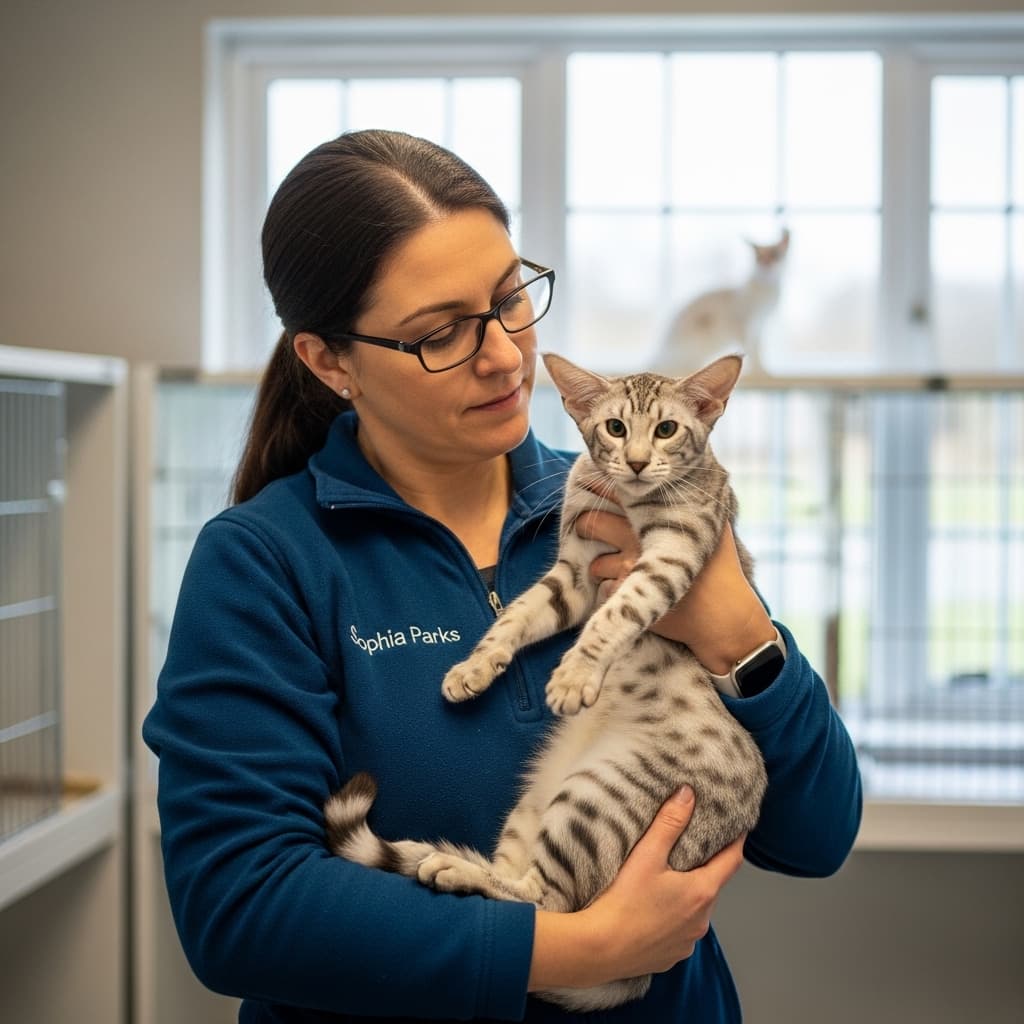
Sophia Parks
Breed Specialist & Breeder
Why Your Indoor Cat Still Thinks It’s a Wild Hunter (And How to Help)
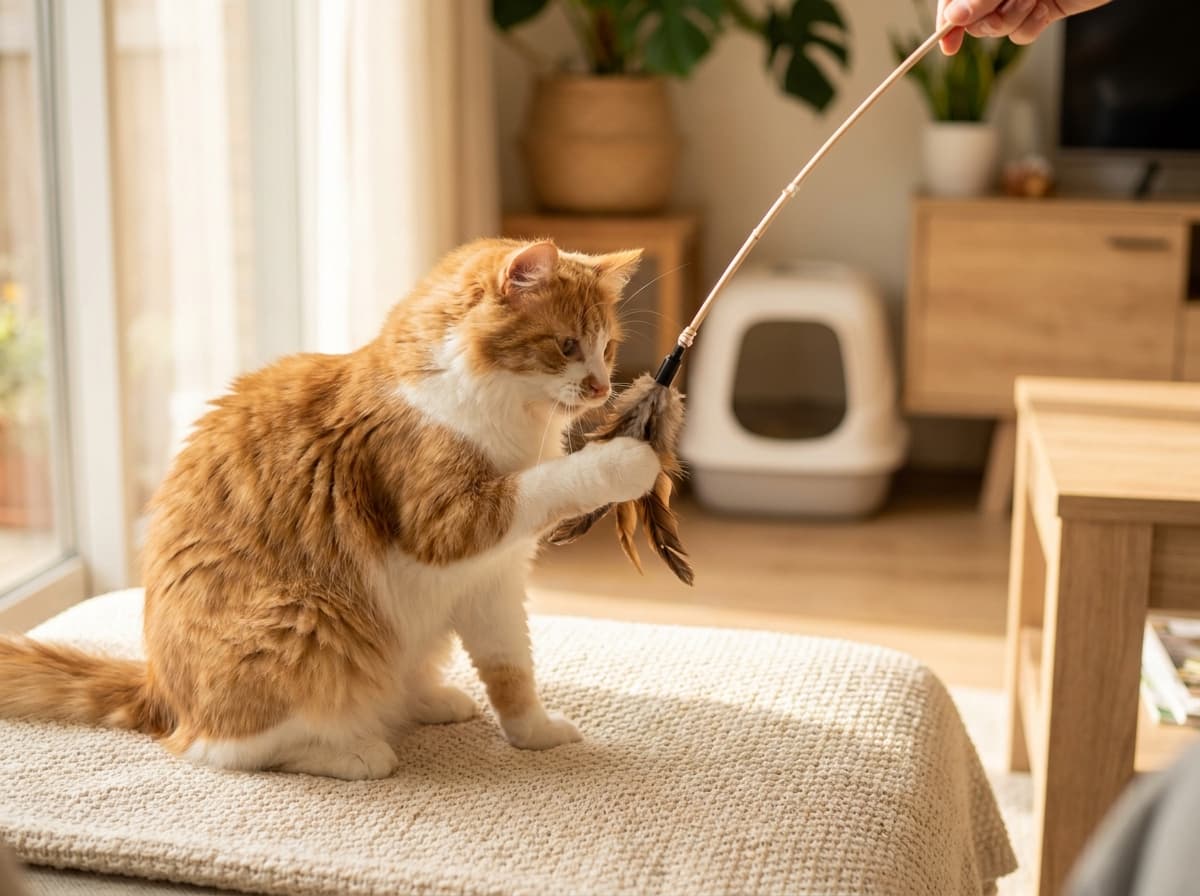
Ever wonder why your cat stalks your toes or treats a stray moth like a prize-winning gazelle? Even if they spend all day napping on the sofa, your fluffy friend is still a tiny tiger at heart with deep-rooted predatory instincts. The problem is that most indoor cats get a free lunch in a bowl, which can actually lead to boredom, frustration, and those late-night zoomies we all know too well.
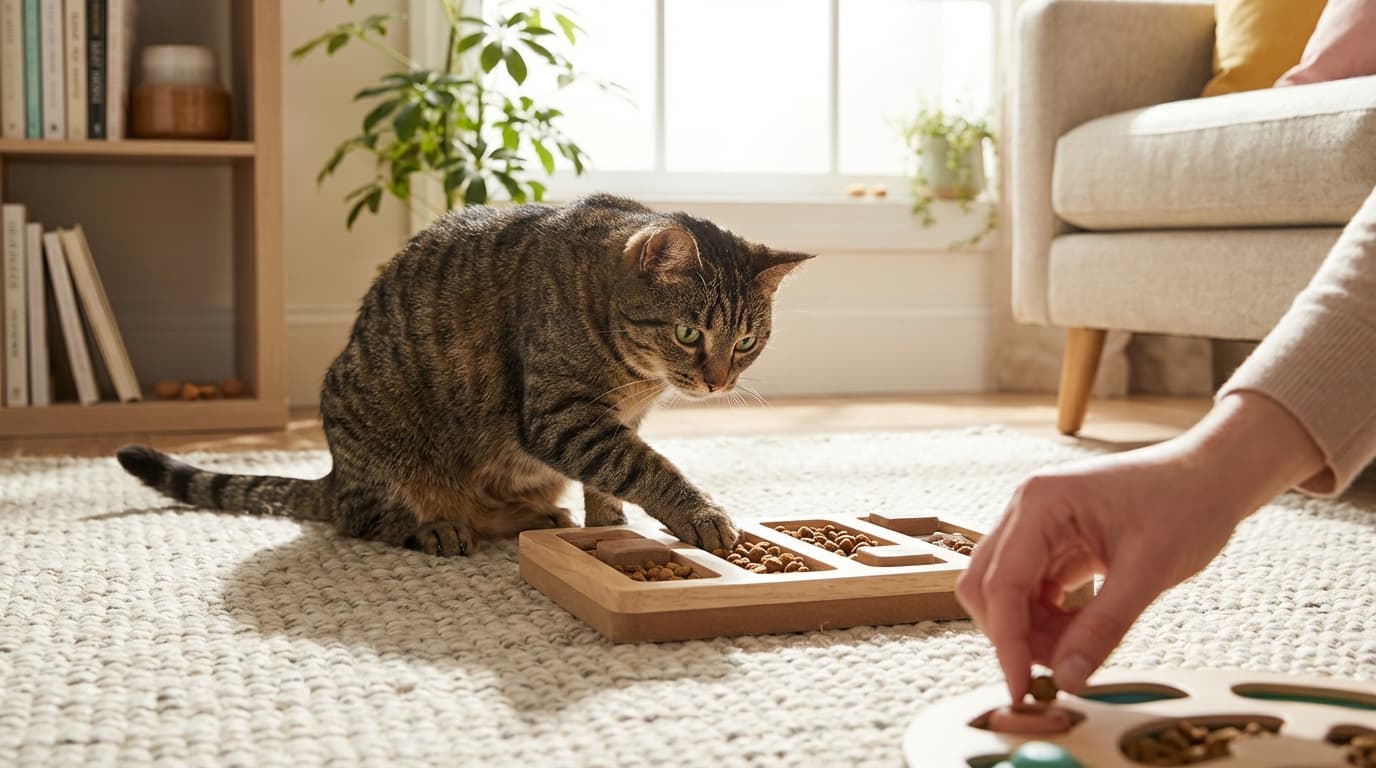
Switching to indoor hunting feeders for cats is one of the easiest ways to fix this. By hiding cat treats around the house or using foraging toys for cats, you allow your pet to use their brain and body to earn their meal. This transition is not just about fun, it is also a great way of slowing down fast eaters who tend to get sick right after finishing their kibble.
This article explores the best cat kibble puzzles and simple DIY tricks to keep your living room tiger engaged. You will find out how a little extra effort at mealtime leads to a much more relaxed and confident cat. Let's look at why your cat's wild side is still there and how you can help them express it safely.
Your fluffy friend is essentially a tiny tiger living in your living room. Even though you provide their meals, those deep-rooted hunting instincts are still very much alive. Susan Nilson points out that while cats no longer need to hunt to survive, their predatory drive remains powerful. Standard bowls make life too easy. Without a natural outlet for these behaviors, indoor cats often get bored or frustrated, which can lead to some pretty stressful behavioral problems.
This is where indoor hunting feeders for cats come in. Instead of a boring bowl, try using cat kibble puzzles or foraging toys for cats to mimic the wild. Some advanced designs, like the Rainy Puzzle, feature 27 different sections for exploration, while others offer 16 hidden compartments to keep them guessing. It turns a thirty-second meal into an engaging game that satisfies their natural curiosity. What does this mean for your cat? It means mealtime finally feels like a win.
Beyond the fun, these tools are great for slowing down fast eaters. Working through different challenge levels or a multi-compartment maze provides the mental stimulation indoor cats need to stay calm and happy. By encouraging instinctual feeding habits, you are helping your cat stay physically fit and emotionally satisfied. It is a simple way to bring a bit of the wild back into their daily routine without the mess of an actual hunt.
Key insights:
- Standard bowls often lead to boredom because they skip the 'hunt' phase of a cat's natural cycle.
- Puzzle feeders with up to 27 sections can provide the complex environmental enrichment cats crave.
- Slow feeding tools serve a dual purpose: better digestion and reduced anxiety through mental engagement.
The Secret Life of Your Living Room Tiger
Your cat might look like a lazy loaf on the sofa, but inside that fluffy exterior lives a tiny, highly efficient predator. Even though we serve their meals in ceramic bowls, their biological wiring hasn't changed a bit. They still have a deep-seated need to stalk, pounce, and earn their keep. When food is just handed over without any effort, it creates what experts call the biological cost of a free lunch. Without a job to do, that hunting energy has nowhere to go.
This is where things get messy. As Susan Nilson points out, a lack of outlets for these natural behaviors leads directly to boredom and frustration. You might see this as shredded curtains or random attacks on your ankles. The reality is that indoor cats retain these strong instincts regardless of how much kibble is in the dish. Using tools like the Rainy Puzzle, which has 27 different sections for them to explore, or mazes with 16 hidden compartments, turns a boring meal into a high-stakes scavenger hunt.
So, why does making them work actually help? It comes down to a literal brain chemical reward. When a cat forages, their brain releases a hit of dopamine during the seek and find process. It is the thrill of the chase. By hiding cat treats around the house or using cat kibble puzzles with progressive challenge levels, you satisfy that mental itch that a standard bowl just can't reach. It stops the dreaded boredom zoomies before they start.
Beyond the brain games, these tools solve practical problems like slowing down fast eaters who tend to eat too quickly and get sick. Whether it is a silicone mat that eases anxiety through licking or a five-level challenge system that keeps them guessing, you are giving them a sense of purpose. Instead of taking out their frustration on your furniture, they stay focused on the hunt. It turns mealtime from a static event into a game that leaves them physically full and mentally spent.
Key insights:
- Puzzle feeders act as a vital behavioral outlet to prevent psychological distress and boredom.
- Feeding tools serve a dual purpose: physical health through slow eating and emotional health through anxiety reduction.
- Progressive difficulty levels are essential for keeping cats engaged long-term as they get smarter.
Why Cats Need to Work for Their Food
Ever wonder why your cat suddenly sprints across the room at midnight or shreds your favorite chair? It is usually because their inner hunter is bored. Even though we serve them meals in a bowl, their predatory instincts stay sharp. Susan Nilson notes that without a way to use these skills, indoor cats get frustrated. They need to hunt to feel balanced and satisfied.
When a cat uses cat kibble puzzles, their brain releases dopamine during the seek and find process. It is a natural high. Instead of just inhaling dinner, hiding cat treats around the house or using indoor hunting feeders for cats turns mealtime into a rewarding challenge. This mental workout is often the best cure for those destructive boredom zoomies.
This approach also works wonders for slowing down fast eaters. Using tools like a multi-level treat maze or a lick mat reduces anxiety by giving them a focused job to do. You are not just feeding them; you are providing the mental stimulation they need to stay happy while keeping your furniture safe.
Key insights:
- Foraging releases dopamine, providing a mental high that prevents behavioral issues.
- Interactive feeders serve a dual purpose by improving physical digestion and emotional health.
From Boredom to Brain Games: How Puzzle Feeders Help
Ever watch your cat stare at a bowl of kibble like it is the most boring thing on earth? That is because it is. While we provide the food, their inner wildcat is still screaming for a chase. Expert Susan Nilson notes that though our cats no longer need to hunt, those predatory instincts stay strong. Without a way to use those skills, indoor cats often end up bored or frustrated. This is where cat kibble puzzles come in. Instead of a static meal, these tools turn dinner into a game. You can find mechanical designs that move when swatted, making the food move just like real prey would. It is basically gamifying their nutrition so they stay sharp and happy.
Choosing the Right Challenge Level. If you jump straight to the hardest level, your cat might just walk away in a huff. Think of it like a video game. You want to start slow with beginner foraging toys for cats to build their confidence. Some systems use a smart five-level approach that gets tougher as they learn. For the real geniuses, there is the Rainy Puzzle. It has 27 different sections for them to explore. Imagine the mental workout of checking 27 spots just to find a snack. There is also the Interactive Treat Maze which uses 16 hidden compartments. By hiding cat treats around the house or inside these mazes, you are giving them a job to do. It keeps even the smartest cats busy and stops them from becoming fast eaters who gulp down food too quickly.
Safe Materials for Playful Eaters. Since your cat will be nudging and licking these toys for hours, the materials really matter. You should always look for BPA-free plastics and food-grade silicone. It is just not worth the risk otherwise. We are also seeing a great trend toward biodegradable and eco-friendly tools, which is a win for the planet too. One thing many owners forget is whisker fatigue. Some cats have very sensitive faces, so deep bowls or narrow holes can be annoying. This is why lick mats are such a hit. They offer a whisker-friendly surface that feels good and helps reduce anxiety. These simple silicone mats tap into that hunting drive while slowing down their eating, making mealtime a relaxing experience rather than a stressful race.
Key insights:
- Puzzle feeders act as a vital behavioral outlet for indoor cats to prevent psychological distress.
- Feeding tools can serve dual purposes: physical health through slow eating and emotional health through anxiety reduction.
- Progressive difficulty levels are essential for long-term engagement with puzzle toys.
Choosing the Right Challenge Level
Imagine giving a toddler a calculus textbook. That is essentially what happens when you hand a complex puzzle to a cat who has never worked for a meal. If the challenge is too steep, they will just give up and walk away frustrated. Since indoor cats retain those deep-seated predatory instincts, we need to introduce cat kibble puzzles slowly. Start with beginner-level foraging toys to build their confidence and show them that playing with their food is actually rewarding.
As they get smarter, you can up the ante with progressive systems. Some interactive feeders offer five distinct challenge levels that grow with your cat's skills. For the feline Einsteins, options like the Rainy Puzzle are a game-changer. With 27 different sections to explore, it keeps even the most determined hunters busy for a long time. It turns a boring meal into a rich, 16-compartment maze of discovery that mimics the unpredictability of the wild.
This progression is about more than just fun. Without a way to express these natural behaviors, indoor cats often get bored or develop behavioral issues. By choosing the right difficulty level, you provide a vital outlet for their energy. These tools serve a dual purpose: they slow down fast eaters to improve digestion and offer the mental stimulation needed to keep your cat happy and relaxed. It is the easiest way to turn your living room into a safe, rewarding hunting ground.
Key insights:
- Start with beginner puzzles to prevent your cat from getting discouraged.
- Use multi-level feeders to keep the challenge fresh as your cat learns.
- The Rainy Puzzle's 27 sections provide a high-level challenge for smart cats.
- Matching the puzzle to your cat's skill level prevents boredom and behavior problems.
Safe Materials for Playful Eaters
When your cat is batting at a puzzle feeder or gnawing on a silicone toy, you want to know they are not swallowing hidden toxins. It is not just about the game; it is about what the game is made of. Most high-quality feeders now use BPA-free plastics and food-grade silicone because these materials stand up to sharp teeth and frequent washing without leaching chemicals into your pet's kibble.
There is also a great shift toward biodegradable and eco-friendly tools. This matters because pet gear often ends up in landfills, so choosing sustainable options helps the planet while keeping your hunter safe. Some of these designs are incredibly detailed, like the Rainy Puzzle which features 27 distinct sections to mimic a complex outdoor foraging environment.
But have you considered whisker fatigue? Cats have sensitive whiskers that can get stressed by deep, narrow bowls. Lick mats and flat surfaces are a total win here. They provide a whisker-friendly experience that reduces anxiety while slowing down fast eaters. It turns a potentially stressful meal into a soothing, tactile activity that satisfies their natural drive.
Key insights:
- Food-grade silicone is durable, easy to clean, and safe for aggressive chewers.
- Whisker-friendly surfaces like lick mats prevent sensory overload during mealtime.
- Eco-friendly materials are becoming the standard for modern enrichment tools.
Turning Your Home into a Hunting Ground
Your cat might look like a fluffy loaf on the sofa, but inside, they are still wired to stalk, chase, and pounce. In the wild, food never just appears in a bowl at the same time every day. It requires work. When we remove that 'job' from their lives, cats get bored, and that is often when they start scratching the furniture or acting out. Expert Susan Nilson notes that without an outlet for these predatory behaviors, indoor cats can become frustrated and develop real behavioral issues. Turning your home into a hunting ground isn't just fun; it is a necessity for their mental health.
A great way to start is by using your home's vertical space. Think about hiding treats on bookshelves, cat trees, or even safe spots on top of cabinets to mimic how a cat would find prey in the wild. While simple hiding works, you can also use tools designed for this exact purpose. Some interactive puzzles feature up to 27 distinct sections for exploration, while others use 16 hidden compartments to keep them guessing. These setups slow down fast eaters and turn a thirty-second meal into a twenty-minute brain game. It is a simple way to burn extra calories while giving your cat the 'win' they crave.
You do not need to spend a fortune to get started, either. Some of the best foraging toys are currently sitting in your recycling bin. Cardboard boxes and paper bags are perfect for DIY hunting. Try cutting small holes in a closed box and dropping kibble inside, or crumpling up a paper bag with a few treats tucked in the folds. The most important rule is to keep it unpredictable. If the 'prey' is always in the same corner, the challenge disappears. Rotate these hunting spots every few days so your cat never knows exactly where their next discovery will be. This constant variety keeps their instincts sharp and their boredom at bay.
Key insights:
- Moving food to vertical spots like shelves mimics natural wild foraging habits.
- Using multi-compartment puzzles can extend mealtime and prevent digestive issues from eating too fast.
- Rotating the location of DIY foraging spots prevents cats from becoming bored with the routine.
DIY Foraging: Using What You Already Have
You do not need expensive gadgets to tap into those wild instincts. Since indoor cats still have a strong drive to hunt, simple household items work wonders. Take a cardboard box, cut a few holes in it, and toss in some kibble. Now you have a DIY cat kibble puzzle. You can even crinkle up a paper bag with treats inside to create instant foraging toys for cats. It is a great way to give them a mental workout without spending a dime.
The secret is variety. If the prey stays in the same spot, the game gets boring. Try hiding cat treats around the house in new places every day. One morning they might find a snack in a cardboard tube, and the next, it is tucked behind a chair. This rotation mimics a real hunt and prevents the frustration that leads to behavioral issues. Keeping things fresh is what keeps your cat truly happy and engaged.
Key insights:
- Household items like boxes and bags offer a low-cost way to satisfy predatory drives.
- Rotating treat locations prevents boredom and mimics natural hunting patterns.
- Providing these outlets helps reduce feline anxiety and behavioral problems.
Solving the 'Scarf and Barf' Problem
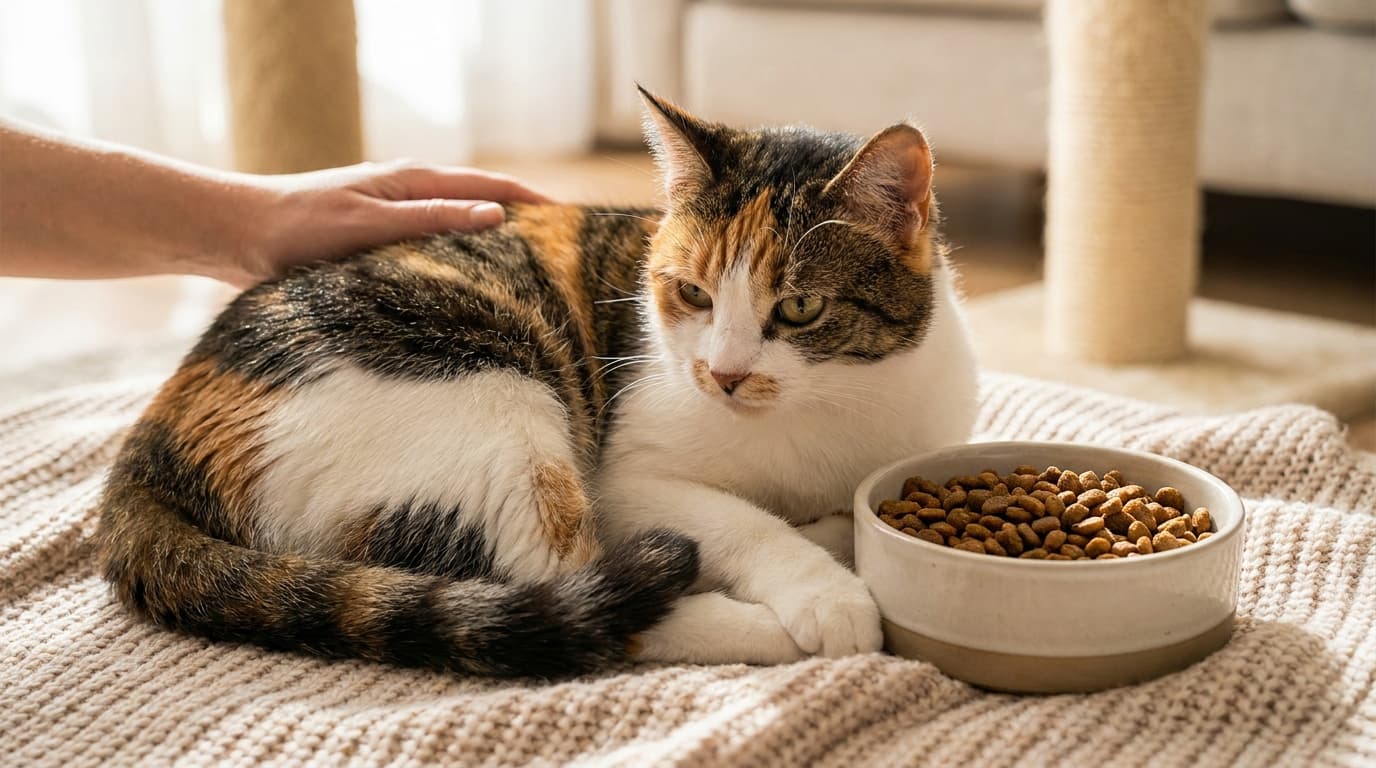
Ever watched your cat inhale a bowl of kibble in thirty seconds only to see it reappear on the carpet moments later? We call it scarf and barf, and while it is a common frustration, it is actually a sign that your cat is stuck in survival mode. In the wild, eating fast prevents other predators from stealing a catch. But in your living room, this frantic pace leads to regurgitation and painful bloating. Slowing down fast eaters is not just about saving your rugs; it is about protecting their digestive health from unnecessary risks.
Think of a slow feeder as a tactical speed bump for enthusiastic eaters. Instead of a wide open bowl, these tools use interactive mazes to turn a 30-second sprint into a 10-minute activity. Some designs, like the Rainy Puzzle, feature 27 distinct sections for your cat to explore, while others use 16 hidden compartments to keep them guessing. By making them work for every piece of kibble, you are tapping into those strong predatory instincts Susan Nilson mentions, preventing the boredom that often leads to behavioral problems in indoor pets.
There is a deeper connection between physical health and emotional well-being here. On the physical side, cat kibble puzzles are fantastic for weight management because they force cats to eat smaller portions slowly, giving their brain time to realize they are full. But the emotional side is just as important. The repetitive action of licking a silicone mat or pawing at a puzzle releases calming hormones. For a stressed cat, this focused activity acts like a natural anxiety reducer, turning a simple meal into a soothing ritual.
You also do not have to worry about safety or complexity. Most modern feeders use BPA-free plastics or food-grade silicone, making them safe for daily use and easy to toss in the dishwasher. Some even offer five different challenge levels so the game grows with your cat. It is a simple shift that turns mealtime from a static event into a brain game, giving your indoor hunter the mental fulfillment they crave without needing an actual mouse in the kitchen.
Key insights:
- Slow feeders act as a physical speed bump to prevent regurgitation and bloating.
- Interactive puzzles can extend a meal from seconds to ten minutes of healthy activity.
- The repetitive motion of foraging and licking provides natural anxiety relief for indoor cats.
- Using multi-compartment mazes satisfies predatory instincts that often cause boredom-related behavior issues.
Physical vs. Emotional Benefits
Ever wonder why your cat 'scarfs and barfs' or looks bored staring at a full bowl? It is because their body and brain are not on the same page. While our pets do not need to hunt for survival, expert Susan Nilson notes that those natural predatory instincts remain incredibly strong. Using something like the Rainy Puzzle - which features 27 distinct sections - does more than just offer a snack. It gives them a job. This naturally slows down fast eaters, which is a huge win for weight management because it forces them to work for every bite instead of inhaling it all at once.
The benefits go much deeper than just a slimmer waistline, though. Consider the emotional side of things. The repetitive action of licking a textured mat or pawing through sixteen hidden compartments in a treat maze actually helps lower a cat's stress levels. It acts as a soothing behavioral outlet. Without these ways to express their inner hunter, indoor cats often get frustrated or bored, which can lead to behavioral issues. By mixing in different challenge levels, you keep their minds busy and their spirits high. It turns a static meal into a brain game that leaves them feeling both full and calm.
Key insights:
- Puzzle feeders provide a vital behavioral outlet that prevents psychological distress in indoor cats.
- Interactive tools serve a dual purpose by managing weight through slow eating and reducing anxiety through repetitive foraging actions.
- Progressive difficulty levels, like five-level challenge systems, are necessary to keep cats engaged over the long term.
Wrapping Up: A Happier Cat Starts with a Little Hunting
You have seen that wild look in your cat's eyes when a moth flutters by or a shadow moves. Even though they have a cozy bed and a bowl that is always full, those predatory instincts are still firing at full speed. As Susan Nilson points out, without an outlet for these behaviors, indoor cats can easily become bored or frustrated. This is why mental stimulation is just as vital as a good diet. By using indoor hunting feeders or hiding cat treats around the house, you turn a basic meal into a rewarding game that satisfies their biological drive.
The transition from a static bowl to foraging toys is easier than you might think. You could start with something like the Rainy Puzzle, which uses 27 different sections to mimic a complex hunt, or a maze with 16 hidden compartments to keep them guessing. These tools do more than just provide entertainment; they are essential for slowing down fast eaters and reducing anxiety. Most modern puzzles use safe, BPA-free plastics or food-grade silicone, so you can feel confident while your cat paws and swats through different challenge levels.
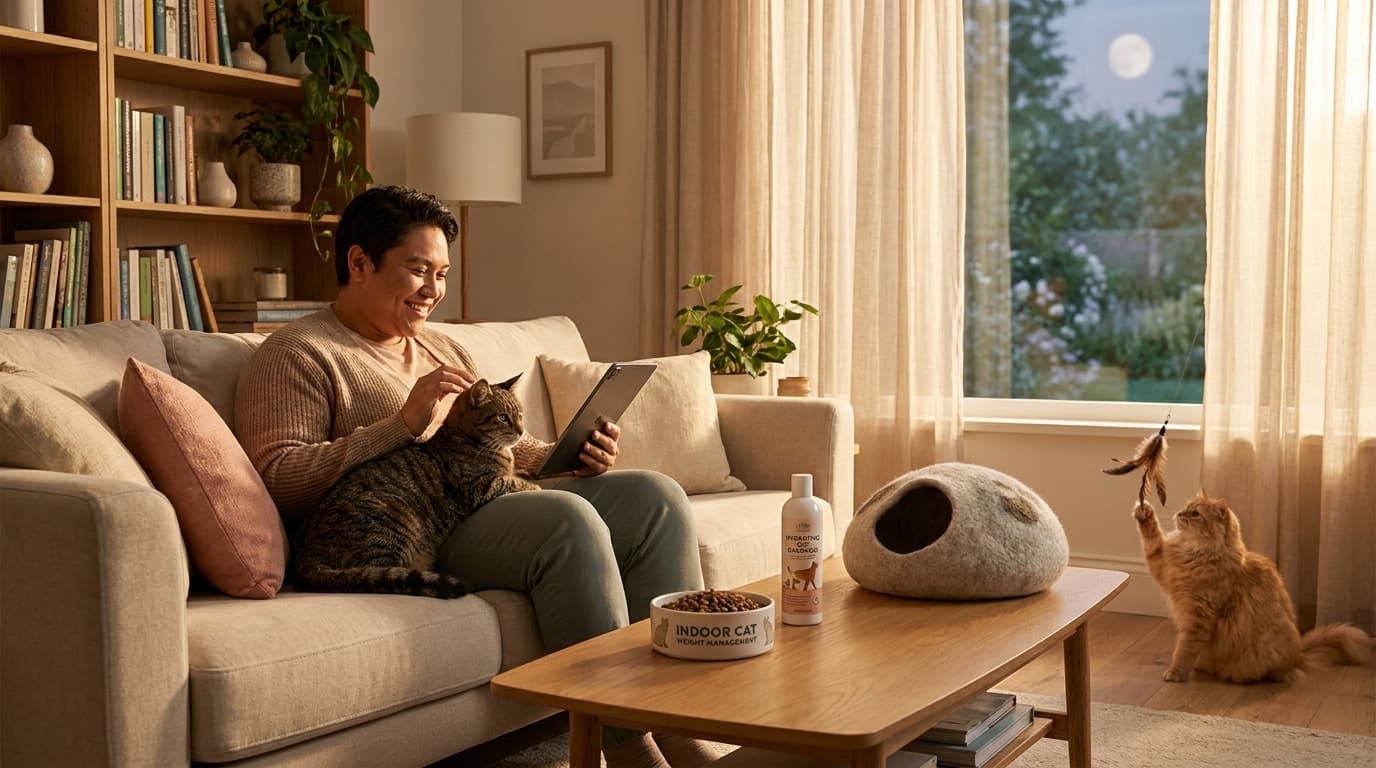
What does this mean for your daily life? It means a calmer, more engaged companion. You do not have to buy every gadget at once. Start small with one simple interactive feeder and watch how your cat reacts. The long-term reward is a pet that feels more like the hunter they were born to be, even if their only 'prey' is a bit of kibble hidden in a plastic raincloud. It is a simple shift that makes a massive difference in their happiness and your bond together.
Key insights:
- Puzzle feeders provide a necessary behavioral outlet to prevent psychological distress in indoor pets.
- Interactive tools serve a dual purpose by improving physical digestion and reducing emotional anxiety.
- Starting with one simple foraging toy can significantly reduce boredom and related behavioral problems.
Frequently Asked Questions
Conclusion
So what does all this mean for your favorite living room tiger? It means that while your cat looks content napping, their brain is still wired for the chase. By using indoor hunting feeders for cats, you give them a job that satisfies those deep instinctual feeding habits. It turns a boring routine into a series of small wins that keep them sharp and engaged.
You do not need a big budget to start. Try hiding cat treats around the house or using cat kibble puzzles to see how they react. Whether you want foraging toys for cats to cure boredom or need help slowing down fast eaters, the goal is making their day more active and rewarding.
A little extra effort during mealtime leads to a much more relaxed pet. Your cat gets to be the hunter they were born to be, and you get a happier, healthier companion. It is a simple shift that makes a world of difference for your tiny tiger.
Send it to someone who should read it next.
About the author
Sophia Parks
Breed Specialist & Breeder
Registered cat breeder and judge with deep expertise in pedigreed breeds and breed standards worldwide.
View all articles