Active vs. Calm: How to Find a Cat That Actually Fits Your Life
Ever fallen in love with a cat just because of its fluffy tail or striking eyes? You aren't alone, but picking a pet based on looks is a classic mistake...

Sophia Parks
Breed Specialist & Breeder
Active vs. Calm: How to Find a Cat That Actually Fits Your Life
Ever fallen in love with a cat just because of its fluffy tail or striking eyes? You aren't alone, but picking a pet based on looks is a classic mistake that can lead to a very chaotic home. The real secret to a happy life together is matching cat personality to owner needs rather than just picking the cutest face in the shelter. Whether you want a high-energy partner for games or you are interested in adopting a lap cat for quiet evenings, getting the vibe right is what really counts.
With over 70 breeds and thousands of rescues waiting for homes, the options are huge. It is easy to forget that a kitten with the zoomies might not fit a small apartment or a busy work schedule. We will help you compare active vs calm cat breeds so you can find a friend that fits your daily life and your energy level.
We will look at zen master breeds and why older cats are often the best choice for quiet homes. You will also learn how to read shelter profiles to find a match that works for you. Let's find a feline companion that brings balance and joy to your world.
The Secret to a Happy Home: It's About Vibe, Not Just Variety
We’ve all been there: you walk into a shelter and fall for the fluffiest kitten in the room. But picking a cat based on looks is a classic mistake. It is like picking a roommate based on their hair color. It doesn't tell you if they will be scaling your curtains at 3 AM. While there are over 70 breeds out there, the secret to a happy home is matching your daily routine to the cat’s energy level.
Think of it as the Goldilocks rule. You want a vibe that is just right. The American Shorthair is a great example, often called the Goldilocks of cats because it balances being playful with staying calm. If you live in an apartment, age often matters more than breed. Cats over five years old are usually the best fit for small spaces because they have moved past the high-energy kitten phase and have more predictable moods.
Personality beats pedigree every single time. Many shelters now focus on behavioral profiles like velcro pet or independent because a cat's temperament shapes your life more than its coat color. Even the search for a hypoallergenic cat is tricky, as allergies come from saliva proteins rather than just fur. Finding the right match is not about perfection; it is about finding a companion whose personality actually fits your lifestyle.
Key insights:
- Adult cats over five years old are often the best choice for quiet apartment living.
- Shelters are moving toward personality-based profiling to ensure better long-term matches.
- No cat is 100% hypoallergenic because the triggers are in the skin and saliva.
Active vs. Calm: Which Energy Level Can You Actually Handle?
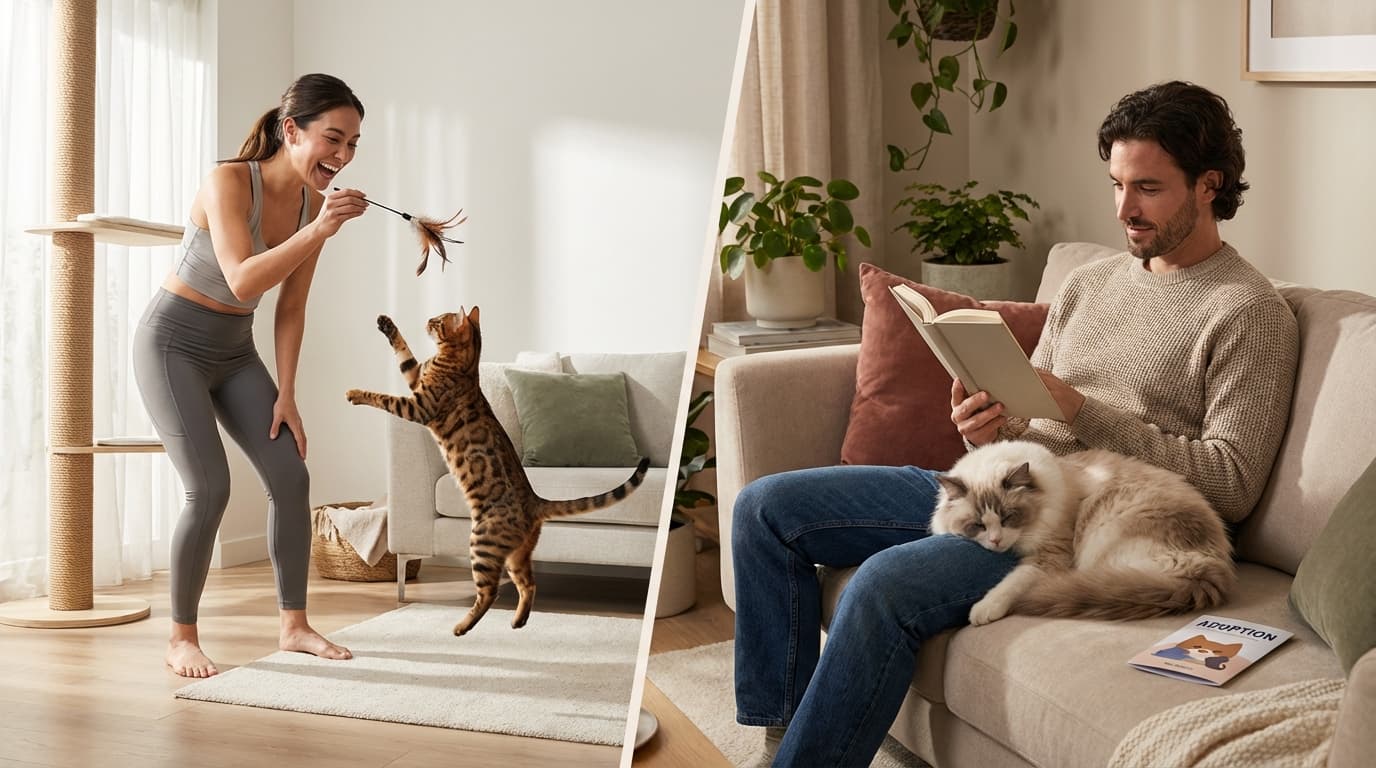
Ever watched a cat do a backflip off a bookshelf at 3 AM and thought, "Maybe I should have gotten a houseplant?" Choosing between a high-energy athlete and a professional napper is the most important decision you will make before heading to the shelter. While there are over 70 recognized breeds out there, the real magic happens when you match their daily rhythm to your own. Some people want a circus cat that treats the living room like an obstacle course, while others just want a warm, fuzzy weight on their lap while they watch TV. It is all about knowing which energy level you can actually handle on a rainy Tuesday night.
If you are leaning toward an Abyssinian or a similar breed, get ready for the high-energy hustle. These cats do not just sit around looking pretty. They need interactive play as a non-negotiable part of their day. You can easily spot a bored cat by their creative destruction, like unrolling toilet paper or knocking pens off desks. The zoomies can be fun, but they can also be frustrating if you are tired. Think of it this way: an active cat is a partner in crime, not just a pet. If you cannot commit to daily play sessions, that high-energy spark might start to feel like a second job.
On the flip side, we have the zen masters of the cat world, like Birmans and Ragdolls. These breeds are famous for their composure, and there is a cool reason for it. Birmans were originally companions to monks in temples, and that history of quiet equilibrium still shows up in modern living rooms. They love the beauty of low-power mode and would much rather watch the world go by from a sunny window than parkour off your head. This calm nature makes them incredible companions for anyone who needs a quiet, steady presence at home without the constant demand for entertainment.
But here is a secret that many people miss: age is a huge factor. While kittens are tiny balls of chaos, adult cats over one year old usually have much calmer temperaments. If you live in an apartment, experts actually recommend looking for a cat over five years old. Their energy levels are more predictable and they are less likely to climb your curtains. Even the American Shorthair, which started as a rugged barn cat, is now seen as the Goldilocks of cats because it strikes a perfect balance between being playful and totally chill. It is the best of both worlds for a busy owner.
At the end of the day, personality beats a pedigree every single time. Shelters often use labels like velcro pet or independent because they know that a cat's behavior shapes your life more than the color of its fur. Finding the right match is not about finding a perfect animal, but finding the one whose energy level fits your routine. Also, remember that no cat is truly hypoallergenic since allergies come from proteins in saliva and skin. Focus on the vibe and the connection. When you find a cat that matches your pace, everything else just falls into place.
Key insights:
- Personality is a more critical factor for long-term satisfaction than breed pedigree or physical appearance.
- Adult cats over five years old are superior choices for apartment living due to their predictable and lower energy levels.
- Breed history, like the Birman's time in temples, often dictates how chill a cat will be in your home today.
- High-energy breeds require non-negotiable interactive play to prevent boredom and destructive behavior.
The High-Energy Hustle
Ever watched a cat bounce off the walls at 2 AM? While some of us dream of a sleepy lap cat, high-energy breeds operate on a totally different frequency. With over 70 recognized breeds worldwide, there is a massive range of energy levels to think about before you adopt. If you bring home a high-octane hunter and do not give them a job, they will find one anyway - and it usually involves your curtains or the top of the fridge.
Boredom in an active cat looks like more than just a few extra naps. You might notice them over-grooming, picking fights with other pets, or becoming velcro pets that follow your every move. The fix is simple but requires effort: interactive play is a non-negotiable daily requirement. Think of it as a workout for their brain. Using toys that mimic prey helps satisfy that natural urge to hunt, which is a trait baked into their DNA since the days when breeds like the American Shorthair were busy protecting early colonies from rats.
Finding the right match is not about finding a perfect cat, but one that fits your daily rhythm. As the WeRescue team suggests, it is all about compatibility. If you live in a smaller space but still want that spark, look for a cat's personality profile at the shelter rather than just their coat color. Sometimes a high-energy kitten is a blast, but for many owners, an adult cat with a Goldilocks balance of play and chill is the real win.
Key insights:
- Destructive behavior and over-grooming are often cries for mental stimulation rather than just bad habits.
- Interactive play should mimic the hunt-catch-kill-eat cycle to truly satisfy high-energy breeds.
- Personality profiles at shelters are more reliable than breed labels for predicting how a cat will act in your home.
The Calm and Serene Crowd
Ever wonder why some cats seem to have reached a state of perpetual enlightenment while others are literally bouncing off the walls? If you are looking for a true lap cat, breeds like the Birman and Ragdoll are the undisputed zen masters of the feline world. This isn't just luck. Birmans carry a sense of composure that traces back to their history as companions to temple monks. They were basically born for quiet contemplation and steady companionship.
But here is a catch: breed is only part of the story. A cat's age is a huge factor in how much chill they actually bring to your living room. Most experts define adult cats as those at least one year old because that is when they finally outgrow the chaotic kitten zoomies. If you want the best cats for apartment living, consider looking for a friend over five years old. These older companions have lower energy levels and are much more predictable than a frantic kitten.
When matching a cat's personality to your own, focus on compatibility over looks. You might find an American Shorthair that hits a perfect balance between being calm and playful. Look for the cat that stays grounded when things get busy. A serene home starts with a pet that loves the quiet life as much as you do. Does your current lifestyle have room for a professional napper?
Key insights:
- Adult cats over five years old are the most reliable choice for quiet apartment living.
- A cat's history and age often influence their temperament more than their physical appearance.
- Birmans and Ragdolls are ideal for owners seeking a low-energy, steady companion.
The Quest for the Perfect Lap Cat
Ever dream of that perfect afternoon where you are reading a book and a warm, purring weight settles onto your lap? That is the dream of the lap cat. But here is the reality: a velcro pet is a specific personality type, not a standard feature that comes with every kitten. While there are over 70 recognized breeds out there, a cat's individual vibe matters way more than their pedigree. You might want a specific look, but you are living with the personality, not the fur color.
If you want a safe bet for a balanced companion, look at the American Shorthair. Lori Gardner from Litter-Robot calls them the Goldilocks of cats because they hit that sweet spot between being playful and totally chill. It is funny to think these cozy housemates started as rugged barn cats in early American colonies. They were hired to keep rats away, but they evolved into one of the most adaptable breeds we have today. They are not too demanding, but they are always happy to see you.
When you are at a shelter, do not just pick the one with the prettiest eyes. Spend a few minutes watching how they react to you. A true cuddler will often lean into your hand or stay near the front of the cage instead of hiding. Many shelters now use personality profiling instead of just breed labels to help you find a match. Finding the right rescue cat isn't about perfection, it's about compatibility. That is the best advice for any prospective owner.
Now consider the calmness equation. Kittens are adorable, but they go through an unpredictable teenager phase that can be a real handful. If you need a quiet companion for a small apartment, an adult cat is usually your best bet. Cats are officially considered adults once they hit one year old. By that point, their personality is set and their temperament is much calmer than a kitten's. You know exactly what you are getting when you sign the adoption papers.
If you really want a low-energy buddy, look for a cat over five years old. These older friends have outgrown the kitten zoomies and are much more likely to spend their day napping while you work. They do not need the constant stimulation and climbing that a young cat demands. Choosing an adult means you are skipping the mystery of how they will turn out and jumping straight into the best part of pet ownership: the companionship.
Key insights:
- Personality is a more critical factor for long-term satisfaction than breed pedigree or physical appearance.
- Adult cats over one year old offer more predictable energy levels and temperaments than kittens.
- American Shorthairs are highly recommended for their adaptable and balanced nature.
- Shelters are moving toward behavioral descriptions to help owners find the right lifestyle match.
Kittens vs. Adults: The Calmness Equation
Have you ever watched a kitten at three in the morning? It is usually a blur of fur and claws scaling your curtains. While kittens are undeniably cute, they are basically tiny, unpredictable teenagers with zero off-switches. If you are looking for a peaceful home, that new kitten charm might come with a side of shredded upholstery and midnight zoomies that keep you awake until dawn. It is a wild phase that every cat owner has to survive, but it is definitely not the definition of calm.
Here is the thing: cats over one year old are generally the safest bet if you want a quiet companion. By this age, their personalities are already set, and they have traded that frantic energy for a much steadier temperament. As the WeRescue Adoption Guide suggests, finding the right rescue cat is really about compatibility rather than perfection. If you live in a smaller apartment, looking for a cat over five years old is a smart move because their energy levels have naturally dipped into professional napper territory.
Choosing an adult means you actually know what you are getting. You are not guessing if a tiny kitten will grow up to be a cuddler or a loner. When you meet a three-year-old cat at a shelter, what you see is what you get. For anyone dreaming of a true lap cat who won't treat their ankles like chew toys, the calmness equation almost always points toward an adult who has already outgrown the chaos. It makes life easier for you and much more relaxed for them.
Key insights:
- Cats over 1 year old offer predictable temperaments compared to the unpredictable 'teenager' phase of kittens.
- For apartment living, cats over 5 years old are the gold standard due to their decreased energy levels.
- Adopting an adult allows you to skip the guesswork and find a cat whose established personality matches your lifestyle.
Small Space, Big Personality: Best Cats for Apartment Living
Living in a small apartment doesn't mean you have to give up on the dream of having a feline roommate. In fact, many cats thrive in cozy spaces, provided you choose the right personality rather than just a pretty face. While kittens are adorable, they often come with a level of energy that can make a studio flat feel like a chaotic race track. This is why many experts suggest looking at cats who are five years or older. These adult companions have usually outgrown their high-energy phase and are perfectly happy spending their day as a dedicated lap cat while you work or relax.
Think of it this way: for a cat, the floor plan matters much less than the vertical space you provide. You can make a tiny flat feel like a mansion by adding cat trees, wall shelves, or even just clearing off the top of a bookshelf. It gives them a sense of security and a way to survey their kingdom from above. It is also worth considering the history of the breed. For example, the American Shorthair is often called the Goldilocks of cats because it hits that perfect balance between being playful and calm. They are adaptable survivors and they do not need a sprawling estate to feel at home.
Of course, the litter box reality is the one thing every apartment dweller worries about. In tight quarters, managing dander and smells is a top priority. Since no cat is truly hypoallergenic, regular grooming with a damp cloth can help keep those allergy-triggering proteins in check. When you visit a shelter, look past the breed labels and ask about their personality profiles. Many modern shelters now focus on behavioral descriptions like velcro pets or independent to ensure a good match. Finding the right rescue cat is not about finding a perfect animal, it is about finding one whose energy level fits the rhythm of your home.
Key insights:
- Cats over five years old are highly recommended for apartments because they have calmer temperaments and lower energy.
- Vertical space is a secret weapon for small homes, allowing cats to feel they have more territory without needing more square footage.
- Shelters are moving toward personality-based profiling to help owners find a compatible match based on behavior rather than just breed.
Debunking the 'Hypoallergenic' Myth
Have you ever seen a cat labeled 'hypoallergenic' and thought your sneezing days were finally over? It is a tempting idea, but here is the reality check: no cat is truly 100% allergy-free. While we often blame the fur flying around the living room, the real culprit is a tiny protein called Fel d 1. This little troublemaker isn't just sitting in the hair; it is actually found in a cat’s saliva and skin oils. When your cat grooms themselves - which is basically their full-time job - they coat their fur in that protein. Once it dries, it hitches a ride on dander and floats through your home. So, it is less about the fluff and more about the spit.
If you have mild allergies, don't lose hope just yet. You can still share your life with a feline friend by focusing on management rather than searching for a mythical 'cure-all' breed. Some people find success with short-haired cats because there is simply less surface area for the allergens to cling to, but the individual cat matters most. Think of it this way: a calm, older cat that doesn't zoom around kicking up dust might be a better fit for your sinuses than a high-energy kitten. Finding the right rescue isn't about perfection; it is about compatibility and how that specific cat's biology interacts with yours.
Living with a cat when you are sensitive requires a few clever grooming hacks to keep the drama at bay. Instead of a full-blown bath - which usually ends in a scratched arm and a very grumpy pet - try using a warm, damp cloth. Wiping your cat down once or twice a week helps trap that dried saliva and dander before it becomes airborne. Also, keeping the bedroom a cat-free zone and using HEPA filters can make a world of difference. It is all about these small, consistent habits that let you enjoy those purrs without the constant itch or watery eyes.
Key insights:
- Fel d 1 protein is the real cause of allergies, and it is found in saliva and skin oils, not just fur.
- No cat breed is entirely hypoallergenic, though some individuals produce less dander than others.
- Regularly wiping your cat with a damp cloth is an effective, low-stress way to reduce allergens in the home.
Shelter Secrets: How to Read Between the Lines
Walking into a local shelter can feel like a whirlwind of meows and reaching paws. It is incredibly easy to get distracted by a cute face or a unique coat color, but finding a quiet cat companion or a high-energy partner requires looking past the surface. Most modern shelters now use personality profiles to help you match with the right animal. A cat labeled as a 'Wallflower' might hide at first but often becomes the perfect lap cat once they feel safe, while the 'Life of the Party' will likely keep you on your toes. As the WeRescue adoption guide points out, finding the right rescue cat is not about finding a perfect animal, it is about finding a compatible one.
If you are searching for the best cats for apartment living, here is a secret: look for the seniors. Cats over five years old are specifically recommended for smaller spaces because their energy levels have naturally dipped. While kittens are adorable, adult cats (those over one year old) have much more predictable temperaments. They have moved past the 'kitten zoomies' phase, making them a more reliable choice if you want a calm and serene friend rather than a tiny tiger climbing your curtains. Think of it this way: an older cat already knows who they are, so there are fewer surprises once you get them home.
Big adoption events like 'Clear the Shelters' are fantastic for helping animals find homes, but they can be chaotic. You need a plan before you go. It is tempting to pick a cat based on breed history, like the American Shorthair, which Lori Gardner from Litter-Robot calls the 'Goldilocks' of cats for its balance of calm and play. But remember that personality is a more critical factor for long-term happiness than a pedigree. Even if you are worried about allergies, keep in mind that no cat is truly hypoallergenic. The reaction is triggered by a protein in feline saliva and skin oils, not just the fur, so a 'meet and greet' is the only way to see how your body actually reacts.
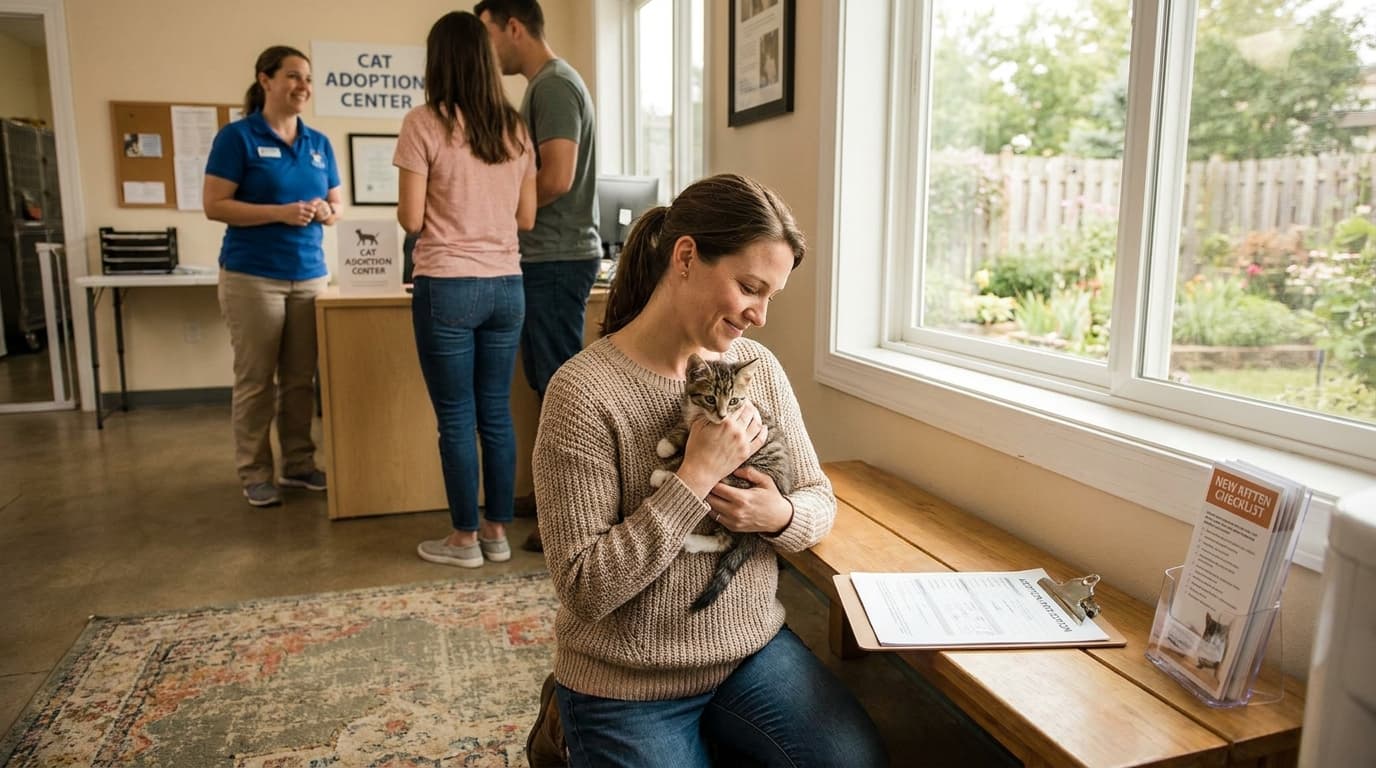
The most important part of the entire process is that face-to-face meeting. This is your chance to see if the 'velcro pet' description in the shelter notes actually fits your lifestyle. Sometimes, the cat really does choose you. You might walk in looking for a specific high-energy breed but find that an older, independent mixed-breed is the one who won't leave your side. Matching cat personality to owner is a lot like dating; you have to spend some real time together to see if the spark is there. Trust the shelter's behavioral notes, but trust your gut when you finally sit down together in that quiet greeting room.
Key insights:
- Shelter profiles like 'Wallflower' help identify cats that may be shy at first but make excellent lap cats.
- Adult cats over five years old are often the best choice for apartment dwellers due to their lower energy.
- The 'meet and greet' is essential for testing both personality compatibility and potential allergy triggers.
- Personality and behavioral notes from shelter staff are more accurate predictors of happiness than breed alone.
Summary: Your Roadmap to Feline Friendship
Choosing a cat is not about finding a trophy. It is about finding a roommate who likes your vibe. The perfect match is rarely about a specific look and almost always about how their energy fits into your daily mess. For apartment dwellers, cats over five years old are often the best fit since their energy has naturally leveled out.
With over 70 breeds out there, personality still beats pedigree every time. Consider the American Shorthair. It evolved from a rugged barn cat into a favorite pet because it strikes a balance between being playful and chill. If you want a quiet companion, look for adults over a year old. They have moved past the kitten zoomies and are ready for a more serene life.
Don't get hung up on hypoallergenic labels either. Allergies come from a protein in feline saliva, not just fur. Focus on the connection instead. When you prioritize lifestyle over looks, you are finding a friend who actually belongs in your world.
Key insights:
- Prioritize personality over breed pedigree for better long-term satisfaction.
- Adult cats over one year old offer more predictable temperaments than kittens.
- Real compatibility means matching a cat energy level to your specific living situation.
Frequently Asked Questions
Conclusion
Finding the right cat is less about picking a specific breed and more about matching your daily rhythm. Whether you want a high-energy partner for games or a quiet cat companion for movie nights, the goal is a lifestyle fit that lasts for years. It is about looking past the cute face at the shelter to see if their energy level aligns with your work schedule or your apartment layout. When you prioritize matching cat personality to owner, you skip the stress and go straight to the friendship.
Keep in mind that while kittens are full of surprises, an adult cat usually shows you exactly who they are from day one. If you are looking for a dedicated lap cat or a zen roommate, checking out those shelter personality profiles is your best bet. You do not need a massive house or a fancy pedigree to be a great owner, you just need to be honest about how much activity you can actually handle on a Tuesday night.
Your next move is to visit a local rescue and spend time sitting with different cats without any pressure. Let them choose you as much as you choose them. When you find that right energy match, your home will feel a lot more complete. The best cat is not the one with the most likes on social media, it is the one that makes your sofa feel like the happiest place on earth.
Send it to someone who should read it next.
About the author

Sophia Parks
Breed Specialist & Breeder
Registered cat breeder and judge with deep expertise in pedigreed breeds and breed standards worldwide.
View all articles