Why Cat Adoption Applications Get Rejected—And How to Make Yours Stand Out
There is nothing like the first time a rescue cat curls up on your lap and starts that deep, rumbling purr. But for many, the path to that moment feels...

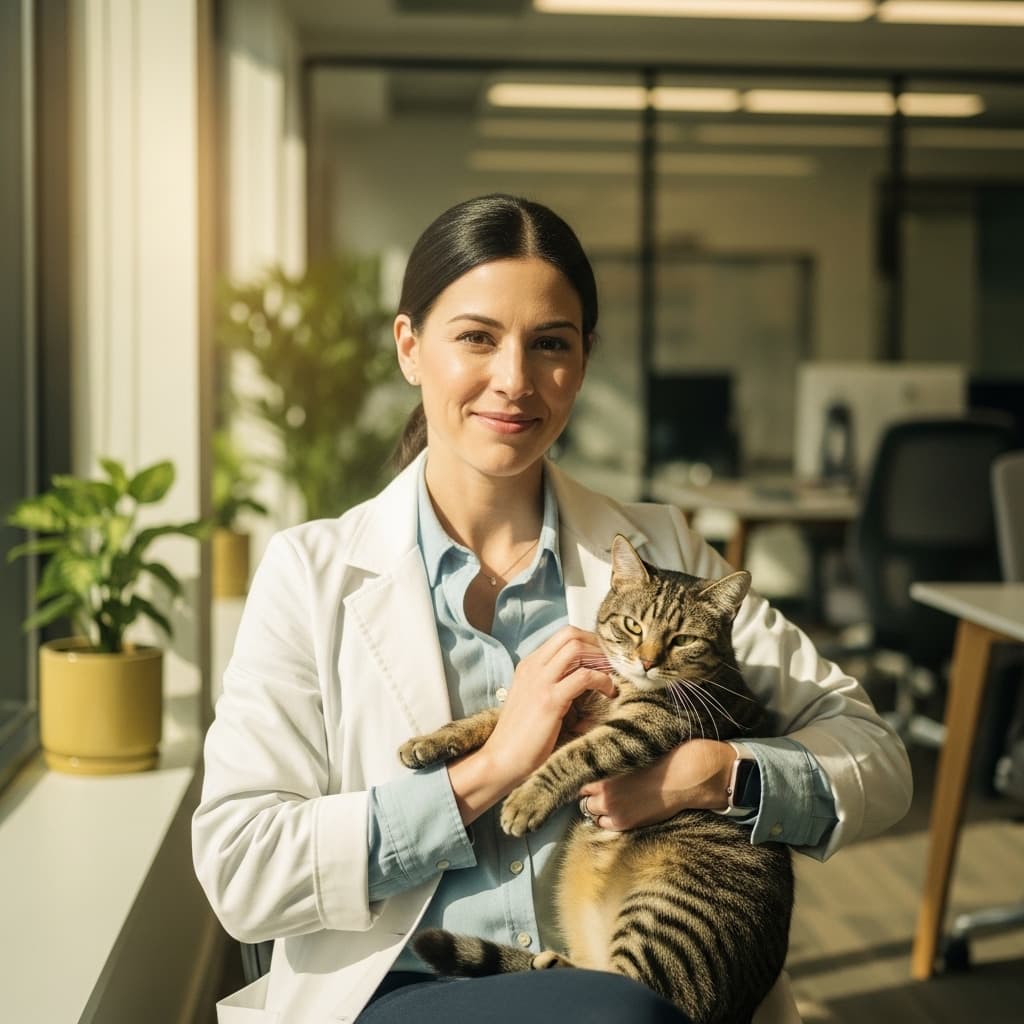
Dr. Emily Hart
Veterinarian, DVM
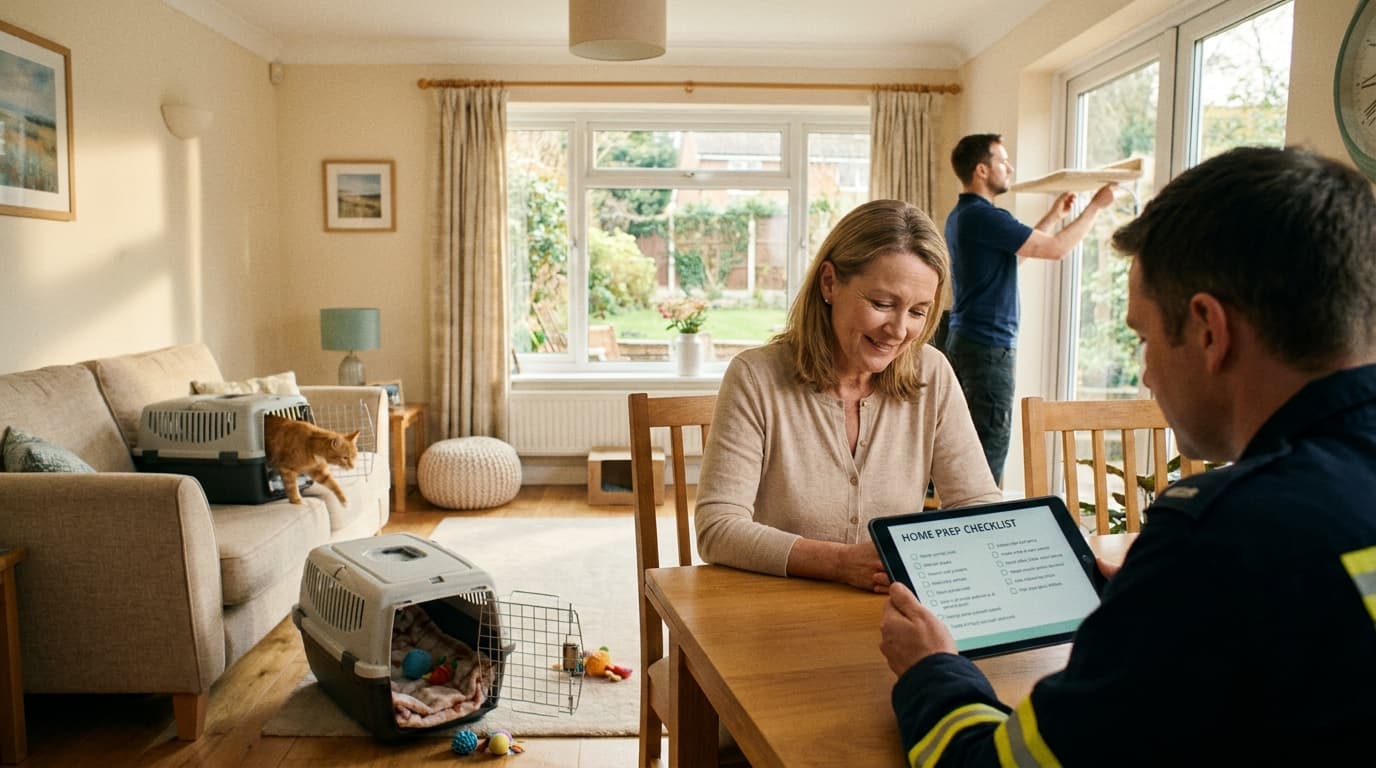
Why Cat Adoption Applications Get Rejected - And How to Make Yours Stand Out
There is nothing like the first time a rescue cat curls up on your lap and starts that deep, rumbling purr. But for many, the path to that moment feels like a high-stakes job interview. Dealing with a cat adoption application rejection is frustrating, but it is rarely a reflection of your character. Usually, it is just about finding the right fit for a specific animal's unique needs and personality.
This guide helps you navigate the process with ease so you can bring your new friend home sooner. We will show you how to pass a cat adoption home visit and provide a preparing your home for a rescue kitten checklist to ensure you are totally ready. Whether you are curious about the best questions to ask a cat rescue or you are caring for a rescue cat with a history of neglect, we have the practical tips you need to stand out.
We will walk through everything from landlord approvals to choosing a cat based on temperament rather than just a pretty coat. By the end, you will have the confidence to breeze through the paperwork and start your new life together. Let's get started on making your home the perfect sanctuary for a lucky feline.
Bringing Home Your New Best Friend: A Guide to the Adoption Journey
There is something about a cat’s purr that just settles your soul. It is a small, rumbling sound, but it has the power to completely change the energy in your home. The American Humane Society points out that these vibrations actually soothe humans and cats alike. It is more than just a sound; it is a sign of a deep bond that makes you smile after a long day.
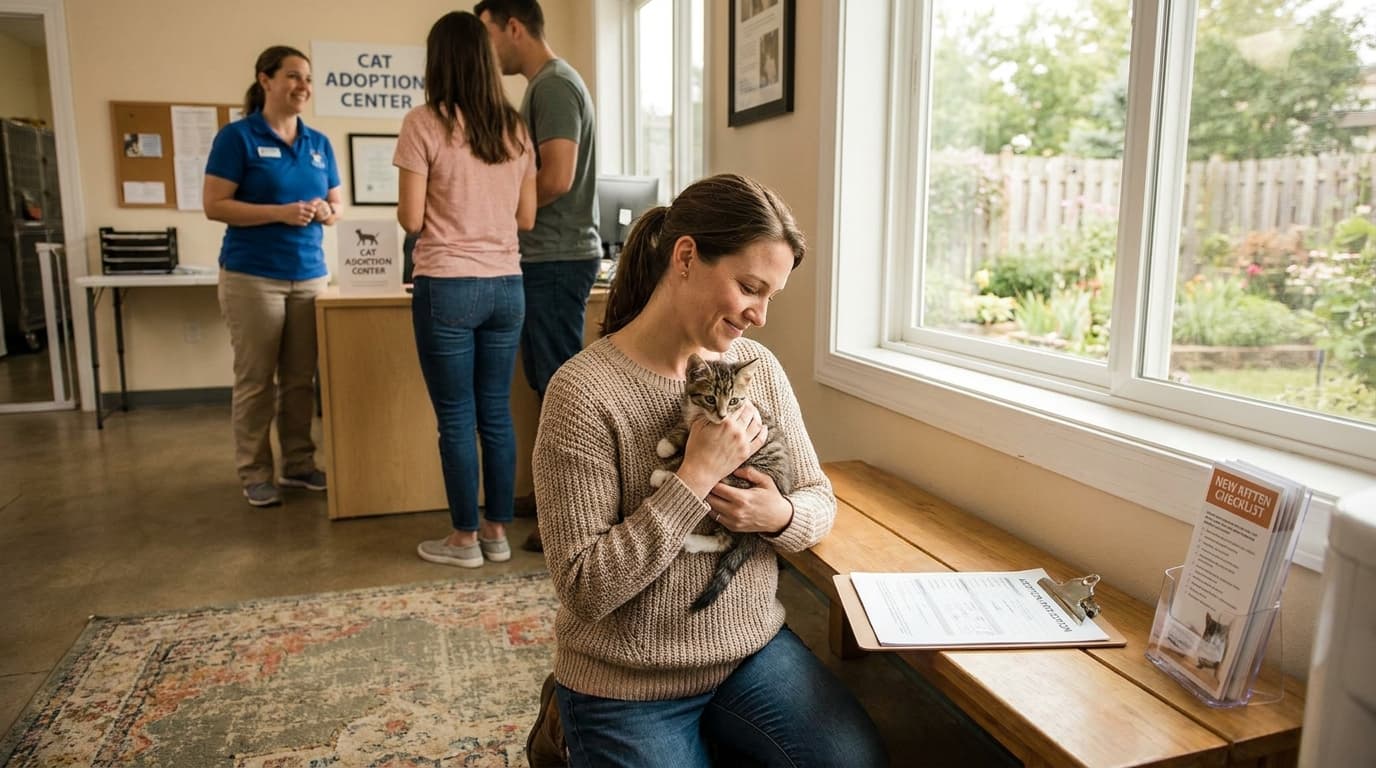
But when you start the process, you might feel like you are interviewing for a high-stakes job. Do not let the long forms or home visits scare you off. Shelters ask tough questions because they want to ensure a perfect match. For example, if you rent, they will need to see landlord permission so the cat does not end up back at the shelter later. It is about safety and stability, not just red tape.
We are going to show you how to breeze through the paperwork and get your space ready. You will learn why shelter fees cover essentials like microchips and how to pick a litter box that is actually larger than your cat’s body. Think of this as the first step in a life-long friendship with your new roommate. What could be better than that?
Key insights:
- Shelter fees are a bargain because they usually cover spaying, vaccines, and microchipping.
- Providing proof of landlord permission early prevents application delays or rejections.
- Adopting two cats together can provide the social interaction and exercise they need to stay happy.
Why Your Application Might Get a 'No' (And How to Change It)
Getting a 'no' on your adoption application can feel like a punch to the gut. It is easy to take it personally, but here is the truth: it is almost never about your character. Instead, it is about the fit. Rescue staff are like matchmakers who want to ensure your lifestyle and the cat's personality click. For instance, cats with rounder heads and long hair are often more easygoing, while lean cats tend to be more active. If you have a high-energy home, a short-haired cat might be the best match. Showing you understand these nuances helps you stand out as a prepared and loving owner.
One of the biggest hurdles is your living situation. Many rescues require proof of landlord permission before they process your paperwork. They do this because they want to avoid 'return' situations where a tenant is forced to bring a cat back because of a lease violation. It is a smart move to check for any breed or weight restrictions before you fall in love with a specific pet. Bringing a copy of your lease or a letter from your landlord shows you are organized. It tells the rescue that you have done your homework and that the cat will have a stable home for life.
Then there is the financial side of things. Adoption fees might seem like an extra expense, but they are actually a great deal. These fees usually cover the cost of spaying or neutering, initial vaccines, and a microchip for permanent identification. Beyond that initial fee, you should be ready to discuss your long-term budget. Shelters appreciate when you are upfront about your ability to handle veterinary costs or even the benefits of adopting two cats together for social interaction and mental stimulation. Being honest about the money shows you are a responsible adult who sees a pet as a family member rather than a temporary hobby. It proves you are looking at the big picture.
Key insights:
- Rejection is usually about lifestyle matching rather than personal failings.
- Proof of landlord permission is a top requirement to prevent animals from being returned to shelters.
- Adoption fees are cost-effective because they bundle essential medical services like microchipping and vaccines.
The Landlord Hurdle: Why Your Lease Matters
You find the perfect cat, your heart melts, and then the application asks for your landlord's contact info. It might feel like a lot, but here is the reality. Rescues need to know you actually have permission to keep a pet. They require this proof to prevent return situations where a cat ends up back in a cage because of a lease violation. It is all about stability for the animal.
Also, do not forget to check the fine print for breed or weight restrictions before you fall in love. Imagine bringing home a big, friendly cat only to realize your building has a strict ten-pound limit. Verifying these details ahead of time proves you are prepared. It shows the rescue that you have done your homework and that this adoption is built to last.
Key insights:
- Rescues prioritize landlord checks to ensure the cat's new home is permanent and legally secure.
- Checking your specific lease for weight or breed caps prevents heartbreaking returns and application rejections.
- Proactively offering your landlord's approval letter can make your application move faster than others.
Budgeting for Your New Arrival
Let's talk money. When you see a three-figure adoption fee, it might feel like a lot up front. But here is the reality: you are actually getting a bargain. Most shelters include the heavy hitters in that price, like spaying or neutering, initial vaccines, and even a microchip for permanent identification. If you paid for these services separately at a private clinic, you would easily spend triple that amount. It is the shelter's way of ensuring every cat starts off healthy and safe.
But the adoption fee is just the start. Rescues often reject applications if they worry about a person's long-term financial stability. They have seen too many cats returned when a sudden vet bill hits. You need to be honest with yourself about handling future costs beyond the basics. Think about annual checkups, dental care, and those unexpected clinic visits. In fact, you should plan to visit a vet within the first few days of adoption to sync up medical records. Showing you have a plan, like pet insurance, proves you are a responsible owner ready for the commitment.
Key insights:
- Adoption fees are usually a cost-saving bundle for essential medical procedures.
- Proof of financial preparedness can prevent an application rejection.
- Early veterinary socialization helps kittens adjust to medical visits more easily.
Nailing the Home Visit: What Rescues Are Actually Looking For
Think of the home visit as a conversation rather than a high-stakes inspection. You might feel like you are being graded on your interior design, but rescue volunteers are not checking for dust on your baseboards. They want to see that you have truly thought about what it means to live with a cat. For instance, if you rent your home, having your landlord's written permission ready to go is a massive win. It shows you are organized and ensures the cat will not be returned to the shelter because of a lease dispute later on. This level of preparation proves you are serious about a forever commitment.
They also look for how well you understand feline behavior. It is often the small details that make the biggest impression. You might mention that you have picked out a litter box that is longer than the cat’s physical body, which is essential for their comfort. If you are looking at kittens, you could even talk about adopting two together. Since cats need exercise, mental stimulation, and social interaction, showing you understand their psychological needs proves you are looking out for their best interests rather than just finding a cute pet.
One of the best ways to impress a volunteer is by showing off a designated safe space. This is usually a quiet room where the new arrival can decompress for a few days. Experts suggest that confining a new cat to a single room at first helps reduce their stress during the transition. When you point out a cozy corner or a spare room prepared with a bed and water, you are telling the rescue that you respect the cat's need for a slow start. It shows you understand that a new home is a big adjustment.
Proofing your space is the next step to showing you are prepared. Take a walk through your home from a cat's eye view to find potential hazards. Those dangling phone chargers look like toys to a curious kitten, and certain common house plants can be toxic if nibbled. Clearing your counters and securing loose items shows you have considered their safety. It demonstrates that you are proactive about preventing accidents before they happen. Volunteers love to see that you have already imagined how a cat will interact with your specific layout.
Finally, show that you have the essentials ready to go. Having scratching posts, food bowls, and grooming tools on hand shows you are prepared for the long haul. Remember that shelter fees usually cover things like initial vaccines and microchipping, so you can focus your budget on these home comforts. By showing you have secured the environment and gathered the right supplies, you prove you are ready to be a responsible pet parent. This proactive approach makes your application stand out because it removes any doubt about your readiness.
Key insights:
- A litter box should be larger than the cat's physical length to ensure they feel comfortable using it.
- Providing a designated safe space or single room for the first few days reduces a cat's transition stress.
- Adopting two cats together can provide the necessary social interaction and mental stimulation they crave.
- Proof of landlord permission is a critical step for renters to prevent forced returns to the shelter.
Proofing Your Space: Counters, Cords, and Cabinets
Ever wonder what a rescue volunteer actually looks for during a home visit? They are not checking your decor or your dusting habits. They want to see if your home is a hazard for a curious kitten. This means clearing off your kitchen counters and tucking away loose electrical cords that look like tempting chew toys. If you have houseplants, check for toxic species like lilies or ivy. Moving these into a closed room shows you are proactive about feline safety.
Here is a pro tip to help your application stand out. Set up a designated safe space before the volunteer arrives. Whether it is a guest bathroom or a quiet corner of a bedroom, show them where the cat will decompress. Using a small, confined room helps reduce transition stress by giving the cat a predictable spot to hide and relax while they get used to new smells.
Make sure your gear is visible too. A litter box should be longer than the cat itself, so having a large one ready proves you have done your homework. When you walk a volunteer through your proofed home, you are not just showing off a clean house. You are proving that you understand the responsibility of keeping a new family member safe from day one.
Key insights:
- Securing loose items and toxic plants demonstrates a proactive approach to pet safety.
- Setting up a small safe space like a bathroom shows you understand how to reduce feline transition stress.
- Having a litter box larger than the cat's length proves you have researched proper feline care requirements.
The Rescue Kitten Checklist: Getting Your Home Ready
Bringing a tiny, purring ball of fur home is exciting, but your space needs to be a sanctuary first. Rescuers look for owners who know kittens need more than just love; they need a specific environment. If you rent, get landlord permission in writing now. Nothing triggers a rejection faster than a lack of proof that your pet is actually allowed. It shows you are prepared for the long haul and respect the rules of your home.
Next, look at your gear. You might think any bin works for a bathroom, but size matters. The litter box should be longer than the cat’s physical body so they don’t feel cramped while they work. You will also need scratching posts and a dedicated feeding spot. Setting a routine for meals and play from day one helps a rescue kitten feel secure. It turns a scary new house into a predictable home where they know exactly when the fun starts.
If you’re thinking about adopting, consider taking home two. It sounds like double the trouble, but it’s often easier for everyone involved. The American Humane Society notes that kittens provide each other with social interaction and exercise that humans can't always replicate. A pair can burn off energy together, which stops boredom-related behaviors like scratching furniture or waking you up at 3 AM. Plus, their purring soothes each other just as much as it soothes you.
Before they arrive, kitten-proof everything. Clear the counters and hide loose wires that look like chew toys. When they get home, start small. Confining a new cat to one room for a few days reduces their transition stress. It gives them a quiet place to escape while they learn your scent. While they settle in, schedule a vet visit within the first few days. Even if the shelter covered the microchip and vaccines, an early visit helps the staff bond with your kitten, making future trips much smoother.
Did you know a kitten's look can often predict their personality? Lean cats with narrow heads tend to be active and athletic, while those with rounder bodies and long hair are often more easygoing. Matching their energy level to your own lifestyle is a huge part of a successful application. It shows the rescue that you aren't just picking a cat based on color, but on a genuine connection that will last a lifetime.
Key insights:
- Confining a kitten to one room initially prevents sensory overload and reduces stress.
- Litter box size is a common mistake; ensure it exceeds the cat's physical length.
- Physical traits like head shape and hair length can help predict future energy levels.
- Adopting pairs reduces behavioral issues by providing constant companionship and exercise.
Double the Trouble? Why Adopting Two Cats Often Makes Sense
If you’re worried that taking on two cats is twice the work, you might be surprised to find it’s often the opposite. The American Humane Society suggests that if you’re thinking about adopting, you should consider taking home two. Why? Because cats, especially kittens, are social creatures that need constant mental stimulation. When they have a buddy, they provide each other with shared exercise and social interaction that a human just can’t replicate while at work or asleep.
Think about those bored-cat behaviors like shredded curtains or midnight zoomies on your face. A pair often prevents these issues because they burn off energy together. It also helps with the transition because a new home is less scary with a friend.
Interestingly, you can even guess their vibes before they arrive. Lean, short-haired cats with narrow heads are usually high-energy athletes, while rounder, fluffier cats tend to be the easygoing couch potatoes. Plus, since shelter fees usually cover the spay, neutering, and microchips for both, you’re setting up a complete social ecosystem from day one.
Key insights:
- Adopting two cats provides built-in social interaction and exercise that humans cannot always provide.
- Having a pair can drastically reduce destructive behaviors caused by feline boredom.
- Physical traits like head shape and hair length are often reliable predictors of a cat's energy level.
Personality Over Pictures: Finding Your Perfect Feline Match
It is so easy to fall in love with a photo of a fluffy kitten or a cat with striking green eyes. But here is the thing: a pretty face does not tell you if that cat will want to snuggle while you watch movies or if they will be zooming across your counters at 3 AM. To make your adoption application stand out, you need to show shelters you have thought about your lifestyle. Are you out of the house ten hours a day? A high-energy kitten might get lonely and frustrated, whereas a more chill adult cat would be perfectly happy napping until you get back.
Digital tools like Petfinder are great for narrowing this down before you even step foot in a shelter. You can filter for traits that actually fit your home life rather than just coat colors. Also, if you are worried about your cat getting bored or lonely, consider taking home two. It sounds like more work, but they provide each other with the mental stimulation and social interaction they need. Shelters love to see applicants who understand that cats are social creatures. Plus, adoption fees usually cover the big stuff like spaying, vaccines, and microchipping, so you are getting a lot of support right from the start.
Just remember that if you rent, you will need landlord permission ready to go so the rescue knows the cat has a permanent spot. It is all about proving you have prepared for the reality of a living, breathing roommate. The goal is to find a match that makes both of you happy for years to come. When you focus on personality, you are much more likely to find a companion that fits your daily rhythm.
Believe it or not, you can actually get a hint about a cat’s vibe just by looking at their face. It sounds like a myth, but there is often a link between physical features and activity levels. Take those long-haired, round-bodied cats with wide heads. They are frequently the biggest couch potatoes you will ever meet. They tend to be easygoing and happy to just exist in your general vicinity without demanding a constant game of chase the feather.
On the flip side, lean cats with narrow, wedge-shaped heads and short hair are usually the athletes of the feline world. These guys are active, curious, and might require more cat-proofing of your high shelves. This is not just a guess. Groups like the American Humane Society have noted these trends in feline temperament. Understanding these nuances shows rescues that you are not just picking a pet based on a color preference, but that you are looking for a genuine personality match that fits your energy level.
Key insights:
- Adopting two cats together provides essential social interaction and mental stimulation.
- Digital databases like Petfinder allow you to filter for personality traits that match your lifestyle.
- Physical traits like head shape and hair length can often predict whether a cat is high-energy or a couch potato.
- Shelter adoption fees are a great value because they typically include spaying, vaccines, and microchipping.
Round Heads vs. Narrow Heads: Predicting Temperament
Ever looked at a cat and wondered if their face reveals their personality? It actually might. Physical traits are surprisingly good predictors of how a cat will act in your home once they settle in. If you want a professional napper, look for cats with round heads, round bodies, and long hair. These fluffy friends are often the biggest couch potatoes. They usually prefer a quiet lap over a high-speed chase across the living room.
But what if you want an active playmate? Lean cats with narrow heads and short hair tend to be the athletes of the feline world. They are usually more active and need extra mental stimulation to stay happy. Mentioning these cues in your application shows the rescue you have done your research. It proves you are looking for a personality match, which makes your application much stronger and harder to reject.
Key insights:
- Round-bodied, long-haired cats are typically more easygoing and less active.
- Lean, narrow-headed cats often require more exercise and mental engagement.
- Using physical traits to explain your preference shows rescues you are a knowledgeable owner.
Patience and Purrs: Helping a Neglected Cat Feel Safe
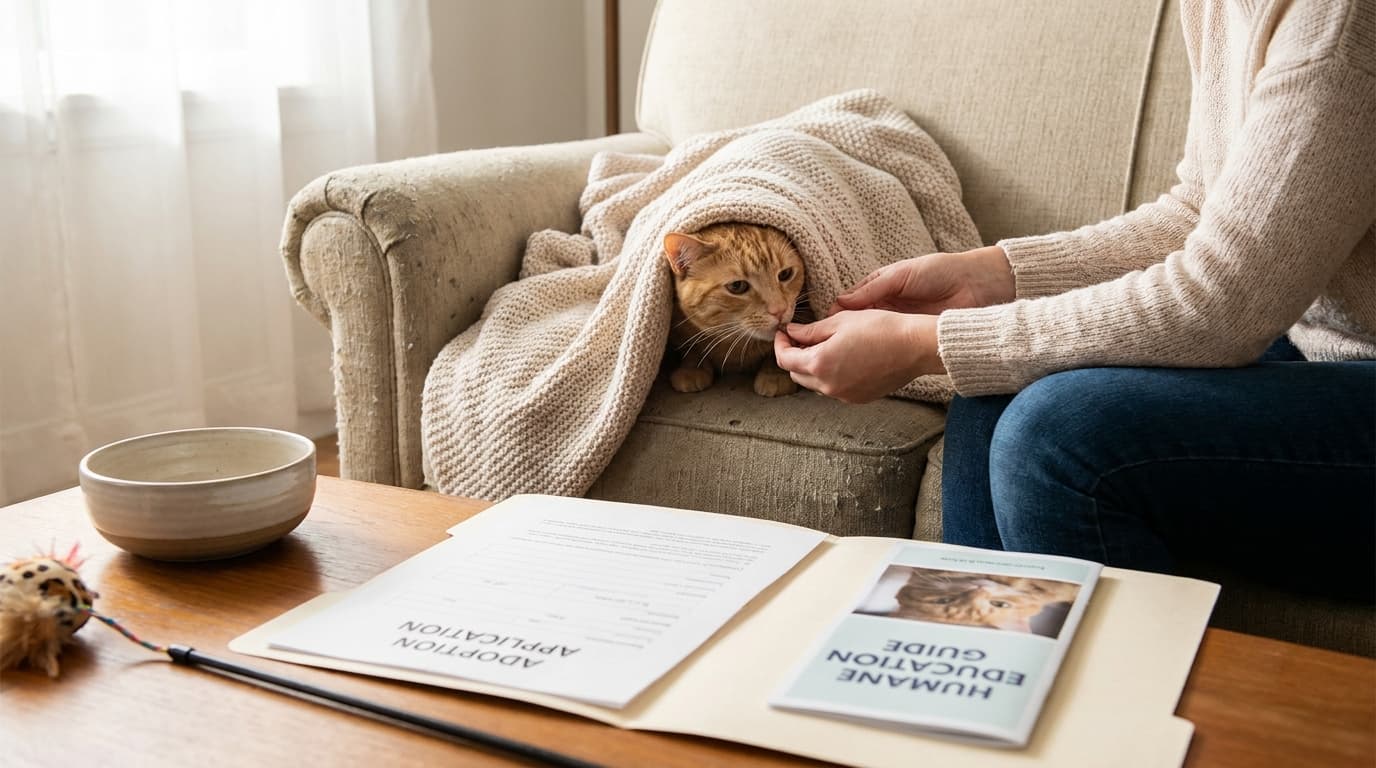
You finally passed the home visit and brought your new rescue home, but instead of a lap cat, you have a furry shadow hiding under the sofa. Caring for a rescue cat with a history of neglect requires a total shift in expectations. It is a slow-burn romance, not a movie montage. These cats often view the world as a series of threats, so your job is to prove you are the exception. This matters because trust is earned in inches, not miles.
Start small. It sounds counterintuitive to lock a new pet in a bathroom, but experts agree that confinement to a single room reduces transition stress significantly. A wide-open house is terrifying to a cat that has never had a safe space. In this tiny starter home, they can learn your scent and the sounds of your life without feeling exposed. The interesting part is that even your gear choice helps. For example, a litter box should actually be larger than the cat’s physical length so they feel comfortable and secure while using it.
While you wait for them to come out of their shell, look at their physical traits for clues about their natural vibe. Here is the thing: cats with rounder heads and longer hair tend to be more easygoing, while lean, short-haired cats often have higher energy. Knowing this helps you tailor your approach. If you are working with a high-energy rescue, they might need more mental stimulation or even a second cat companion once they feel safe enough to play.
Progress is measured in tiny moments. The first time they give you a slow blink from across the room, they are telling you they trust you enough to close their eyes. When that first purr finally vibrates through their chest, remember that a cat's purring has been shown to soothe humans just as much as the cat itself. These small victories, like the first head-butt against your hand or a quiet meow for food, are the real trophies of rescue work.
Do not forget the logistics while you are bonding. You will want a vet visit scheduled within the first few days to review the medical records provided by the shelter. Since adoption fees usually cover things like spaying, neutering, and microchips, you can focus your budget on high-quality food and scratching posts. If you are a renter, keep that landlord permission slip handy so nothing interrupts this new and fragile bond you are building.
Key insights:
- Confinement to a single quiet room like a bathroom prevents the cat from feeling overwhelmed by a large, unfamiliar house.
- Physical features like head shape and coat length can often predict whether a cat will be active or easygoing.
- Small behavioral cues like the slow blink or a head-butt are significant indicators of building trust.
- Initial adoption fees often provide a financial head start by covering essential medical costs like microchipping and vaccines.
The Big Questions to Ask Before You Sign the Papers
Before you grab that pen to sign the adoption papers, take a breath. You are about to commit to a new family member, so now is the perfect time to get a little nosy. Start with the basics: what does their medical history look like? Most shelters include spaying, neutering, and initial vaccines in their adoption fees, but you will need the full records for your own vet visit. Ask about behavioral quirks, too. Here is a fun tip: cats with rounder heads and longer hair are often more laid-back, while lean, short-haired cats tend to be high-energy athletes. The rescue staff knows these personalities best, so ask if the cat’s vibe truly matches your home life.
Here is a simple way to avoid a messy first night: ask exactly what the cat is eating right now. Suddenly switching food is a quick way to cause tummy troubles and a stressed-out kitty. While you are talking shop, ask if the rescue thinks this cat would be happier with a buddy. Sometimes adopting two cats together is the best way to ensure they get enough exercise and social time. It is much better to know now if they have a bonded friend they can’t live without.
Finally, what happens after you drive away? Many modern rescues are moving toward holistic services, meaning they might offer behavioral counseling or help with microchip registration. You want to know if they will be there for you if the transition gets a bit rocky. Think of it as a safety net. Asking these questions shows the rescue you are serious and prepared, which is the best way to make your application stand out.
Key insights:
- Physical traits like head shape and hair length can often predict how active or chill a cat will be.
- Ask for a full medical history to ensure your first vet visit within the first few days goes smoothly.
- Check if the rescue offers post-adoption support like behavioral advice to help your new pet settle in.
What Every New Cat Owner Wants to Know
Bringing a new cat home is a mix of joy and nerves. Most adopters worry about those first 48 hours, but the trick is starting small. Confine your new friend to one quiet room so they don't feel overwhelmed by the whole house. Also, ensure their litter box is longer than their body - space matters for their comfort.
Schedule a vet visit within the first few days to review shelter records and start a health baseline. If you’re worried about personality, rounder, long-haired cats are often more easygoing, while lean, short-haired ones stay busy. Sometimes, adopting two together is the best way to keep them both happy and entertained.
A New Chapter for You and Your Cat
You have handled the paperwork and proofed your home. Now comes the part where all that effort pays off. Bringing a cat home is about more than just a new pet; it is about the quiet moments that change your daily life. Think about that first time your new friend curls up next to you. A cat’s purr actually helps soothe humans while they soothe themselves. You are saving a life and gaining a companion that makes you smile just by being there.
The journey ahead is exciting, but success often lives in the small details. For instance, did you know a litter box should be longer than the cat's physical length? Also, consider taking home two cats if you want them to have built-in exercise and social time. Having a buddy makes the transition easier for everyone and provides the mental stimulation they need to thrive in a new environment.
Do not let a long application or a few tough questions discourage you. Shelters just want to ensure these animals never face the stress of being returned to a cage. Whether you are adopting a playful kitten or a calm senior, your patience is the bridge to their forever home. You are starting a partnership that will last for years. Get ready for that very first purr.
Key insights:
- Adopting two cats together provides essential social interaction and mental stimulation.
- Physical traits like a rounder head and longer hair are often indicators of a more easygoing personality.
- Shelter fees are a practical investment, as they usually cover spaying, neutering, and microchipping.
Frequently Asked Questions
Conclusion
The adoption journey might feel like a series of hoops to jump through, but every question is really about finding a perfect match. Rescues look at things like landlord rules and budgets because they want to ensure this is the cat's final stop. Understanding that a rejection is often just about fit helps take the sting out of the process and keeps you focused on finding the right feline friend.
Getting your home ready with a solid checklist and showing you understand cat behavior will make your application stand out. Whether you are proofing your cabinets or creating a safe space for a shy rescue, these small efforts prove you are prepared for the long haul. It is not about having a perfect house, but about showing you have a big heart and a plan for your new roommate.
Your next step is to start those conversations with local rescues and ask the big questions about medical history and temperament. The effort you put in now pays off the moment you hear that first happy purr. You are not just filling out paperwork; you are opening your door to a new best friend.
Send it to someone who should read it next.
About the author

Dr. Emily Hart
Veterinarian, DVM
Small animal veterinarian with 12 years of clinical experience specializing in feline health and preventive care.
View all articles