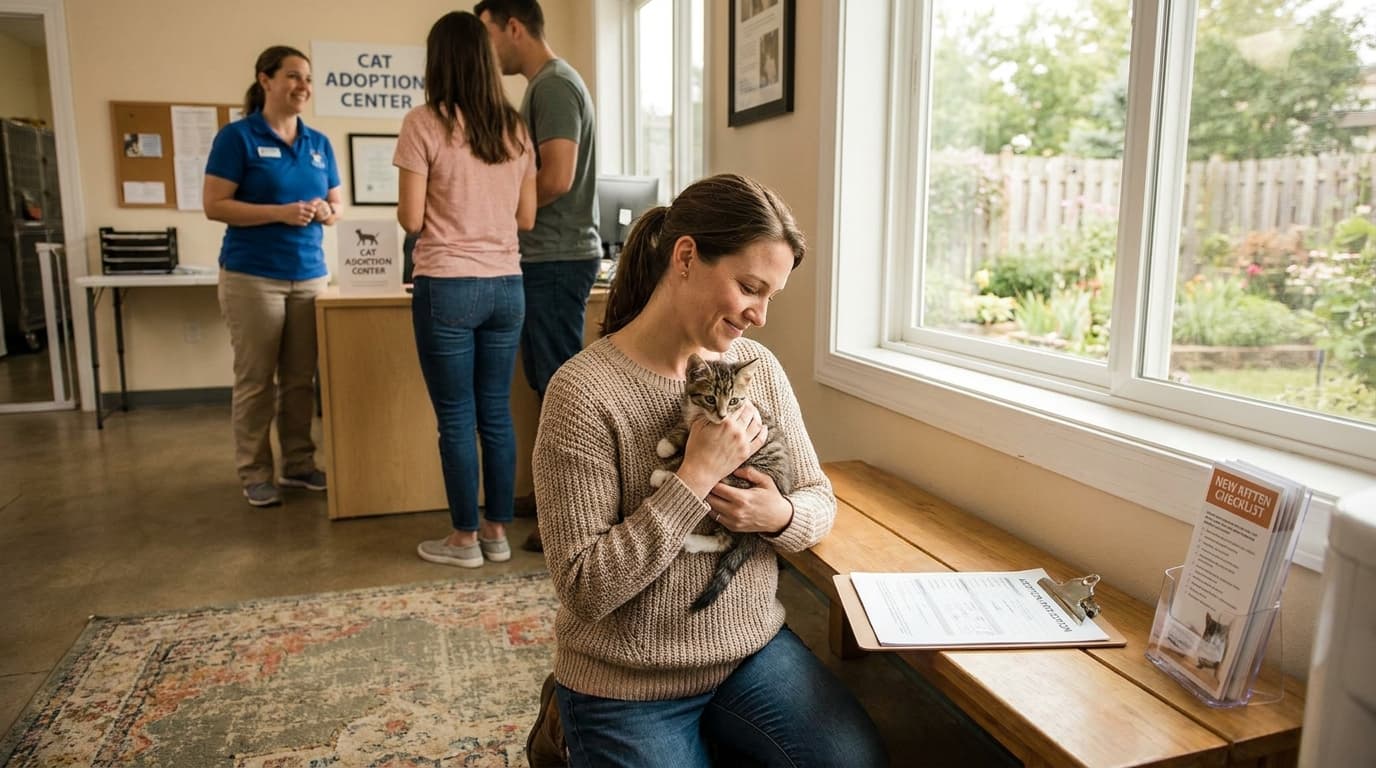
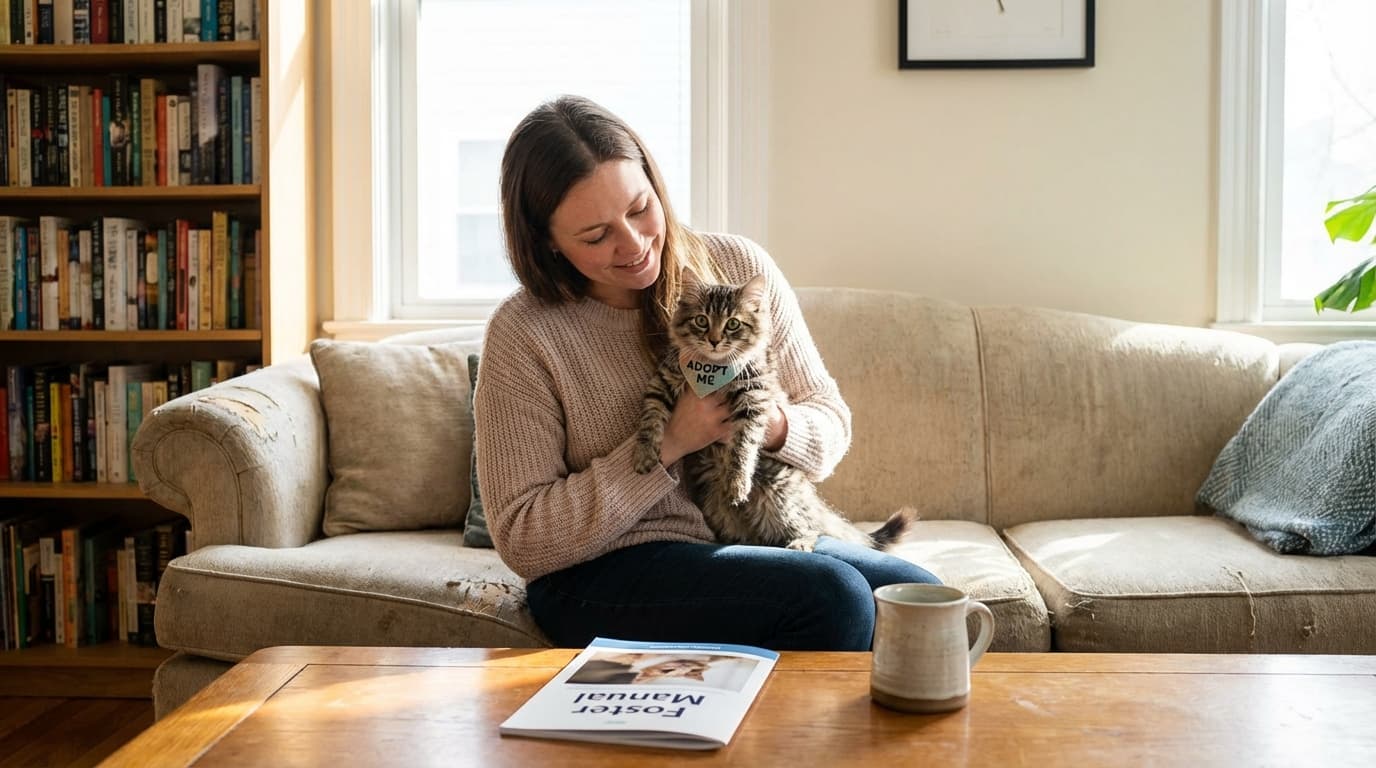
Is Adopting a Cat Really a Bargain? The Truth About Costs and First Year Care
Did you know over 3 million cats end up in U.S. shelters every single year? It is a huge number, but it also means there are millions of chances to...

PurrScript Editorial Team
Editorial Team
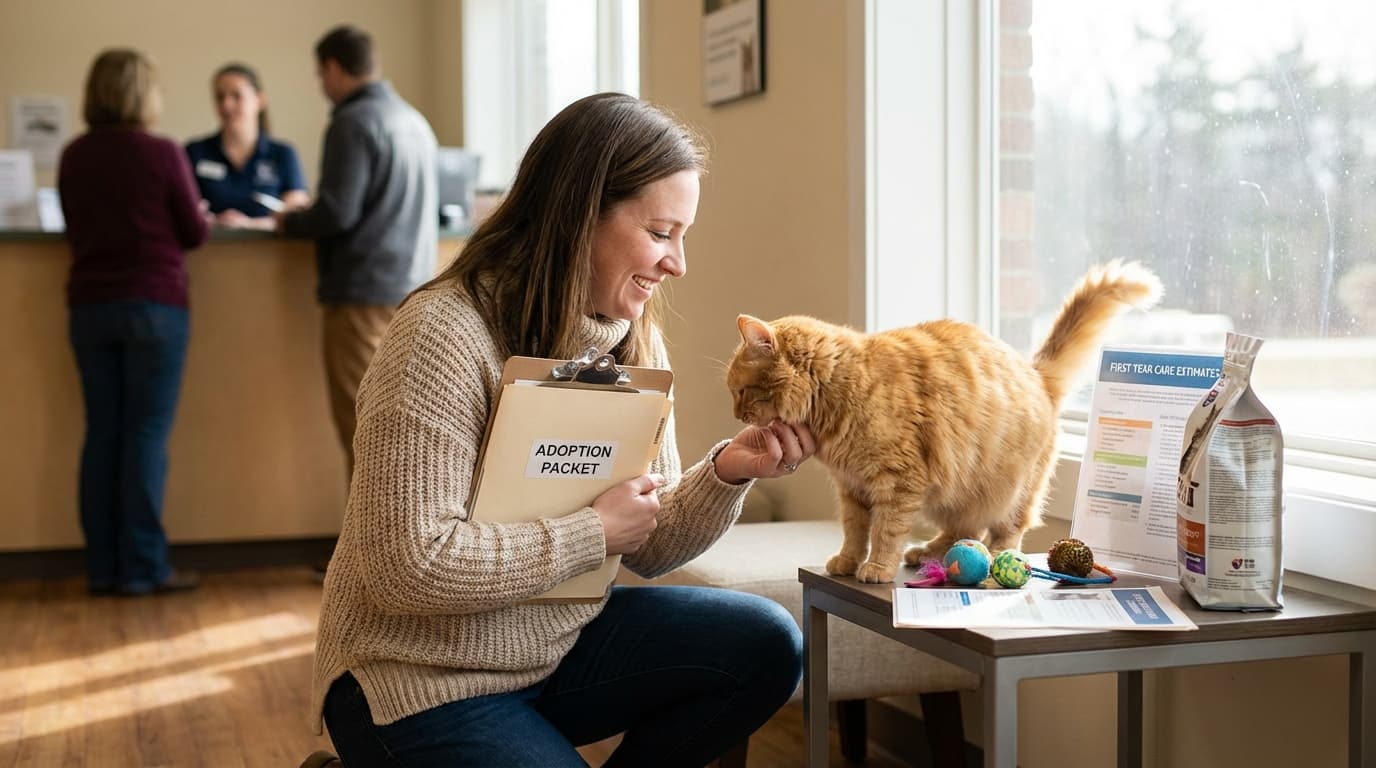
Is Adopting a Cat Really a Bargain? The Truth About Costs and First Year Care
Did you know over 3 million cats end up in U.S. shelters every single year? It is a huge number, but it also means there are millions of chances to find a new best friend. If you have heard that 'adopt don't shop' is the way to go, you are probably curious if it is actually a budget-friendly choice or if the hidden expenses will catch you by surprise.
When you look at the big picture of adoption: total cost of cat adoption and first year care, it is clear that shelters offer a massive head start. You will save money on things like spaying and microchipping while supporting a great cause. We will help you figure out how to find local cat adoption events and look at the best reasons to adopt a cat from a humane society center.
You will also get a list of questions to ask shelter staff when adopting a cat and learn the sweet benefits of adopting a shy cat from a rescue. From setting up your home to picking the right personality, here is everything you need to know about your first year as a cat parent.
The Real Deal on Bringing Home a Shelter Cat
Every year, about 3.1 million cats enter U.S. shelters. It is a massive number. While 2.1 million find homes, a million are still waiting for a family. Adopt Don’t Shop is more than just a catchy slogan. It helps address this crisis and the 40 million community cats living outdoors. By choosing to adopt, you are giving a second chance to a pet that truly needs it.
Adopting from a humane society center is also a total bargain regarding the total cost of cat adoption. Your fee usually covers spaying, shots, and a microchip. This is much cheaper than paying a private vet for those services separately. Also, talk to the shelter staff. Ask them questions about habits, because they are the best resource for learning about a cat's personality after seeing them every day.
This first year of care is your roadmap for life with a new pet. Whether you are cat-proofing your home or seeing the benefits of adopting a shy cat from a rescue, focus on the bond. Also, consider that two cats often provide better mental stimulation for each other than one. What does this mean for you? It means a year of discovery, health checks, and a lot of purring.
Key insights:
- Shelter adoption fees cover medical procedures like spaying and microchipping that would cost much more at a private clinic.
- Shelter staff have the best perspective on a cat's temperament due to daily interaction and observation.
- Adopting two cats simultaneously can improve their social well-being and provide more emotional benefits for the owner.
The Price Tag: Breaking Down the Total Cost of Cat Adoption and First Year Care
When you look at the price tag of a new pet, it is easy to focus only on the upfront fee. But choosing a shelter cat is actually a massive bargain. Think about it: roughly 3.1 million cats enter the U.S. shelter system every single year. While about 2.1 million find homes, that still leaves a million cats waiting for a lap to curl up in. This is why the 'adopt don't shop' movement is so vital. When you pay an adoption fee, you are not just buying a pet. You are essentially getting a pre-paid package of medical services that would cost a fortune at a private clinic.
Most shelters include spaying or neutering, initial vaccinations, and a microchip in that one-time fee. If you went to a private vet for those procedures, you would likely walk out several hundred dollars lighter. It is a major medical head start that makes the transition to your home much smoother. However, your work is not quite finished once you leave the shelter. You should still plan to see your own vet within the first week. Bringing the medical records provided by the adoption center helps your new doctor get up to speed quickly and keeps your cat on the right track.
Budgeting for the first year also means prepping your home with the essentials. You will need the basics right away: a litter box, scratching posts to save your furniture, and stimulating toys. While it sounds like more work, many experts suggest adopting two cats at once. Cats need exercise and mental stimulation, and they can provide that for each other. Having a pair often makes your life easier because they have a built-in friend to burn off energy with, which can prevent behavioral issues caused by boredom.
Finding the right match is about more than just a cute face. Shelter staff spend all day with these animals, watching them eat, play, and react to new people. They are your best resource for finding a cat that fits your specific lifestyle. Interestingly, physical traits can give you a clue about temperament too. Lean cats with short hair tend to be more active, while those with rounder bodies and long hair are often more easygoing. By talking to the staff and looking past the surface, you can ensure your first year together is about building a bond rather than managing surprises.
Key insights:
- Shelter adoption fees are a financial bargain because they cover surgery, shots, and microchipping that cost much more at private clinics.
- Adopting two cats can be easier than adopting one because they provide each other with necessary social interaction and exercise.
- Shelter staff are the primary authority on a cat's true personality and can help you find a match based on your daily routine.
- Physical traits like head shape and hair length can often indicate whether a cat will be high-energy or more laid back.
Medical Head Starts: Spaying, Neutering, and More
Think of your adoption fee as a massive discount on your new best friend’s health. If you took a 'free' kitten to a private vet, you’d easily spend hundreds on spaying, neutering, and initial shots. Shelters handle these essentials before you even sign the paperwork. It’s one of the best reasons to adopt a cat from a humane society center. The American Humane Society calls it a total bargain because you’re getting a 'pre-serviced' pet, leaving you more room in your budget for the fun stuff like climbing towers.
Those initial vaccinations and the microchip provide a huge safety net. Having the chip done upfront saves you a separate appointment and extra fees, giving you peace of mind from day one. But here is the thing: even though the shelter did the heavy lifting, you should still schedule an independent vet visit within your first week. Bring the medical records the shelter gave you so your local doctor can get up to speed on the total cost of cat adoption care.
This quick check-up catches any minor stress-related sniffles that might pop up after the move. It also gets your cat on a long-term wellness track immediately. By taking care of these medical head starts early, you are setting your new companion up for a much healthier, happier life by your side.
Key insights:
- Adoption fees act as a bundled discount for essential surgeries and vaccinations.
- A microchip is usually included, providing permanent identification immediately.
- A follow-up vet visit within seven days is vital to transition from shelter care to long-term health.
The Shopping List: Essential Supplies for Day One
So, you are ready to bring a new feline friend home. It is an exciting step, but before visiting the local humane society center, you need a gear plan. Think of the adoption fee as a major bargain. It usually covers spaying, neutering, and microchipping. This alone significantly lowers the total cost of cat adoption and first year care before you even get through the front door.
What goes in the shopping cart? You will need a litter box, scratching posts, and plenty of stimulating toys. Instead of guessing, ask the shelter staff questions about the cat's personality because they are the best resource for knowing if a cat is a couch potato or an athlete. For example, cats with rounder heads and long hair are often more easygoing, while lean, short-haired cats tend to be more active. These small details help you pick the right match for your lifestyle.
Also, consider adopting two cats together. It might sound like more work, but a pair provides constant mental stimulation for each other, which actually makes your job easier. With millions of cats entering the shelter system every year, finding a bonded pair is a great way to help. They keep each other company while you are away. This ensures they stay happy and well-adjusted in their new home with you.
Key insights:
- Adoption fees are cost-effective because they include essential medical procedures.
- Shelter staff have the best perspective on a cat's true temperament.
- Adopting two cats can be easier for the owner and better for the animals' health.
Finding 'The One': How to Find Local Cat Adoption Events
Finding your perfect cat feels a bit like modern dating. You usually start with a scroll. Digital platforms like Petfinder are the go-to because they let you filter by age, color, or even how well a cat gets along with dogs. This is incredibly helpful when you realize that about 3.1 million cats and kittens enter the U.S. shelter system every year. It is a massive number, so narrowing it down online helps you focus on the cats that actually fit your life before you get overwhelmed by all the cute faces.
Sometimes you want to see a personality in action before you commit. Local pet stores often host adoption events on weekends where rescues bring in a few feline candidates. These events are great because they are less intense than a full shelter visit. You can see how a cat reacts to a busy environment or a stranger's touch. Since about 2.1 million shelter cats find homes annually, these events are a huge reason why. They bring the cats to you, making it easy to see if that spark is real.
You might hear people say that adopting a cat is a bargain, and they are right. When you pay an adoption fee, you are not just buying a pet. You are getting a package deal that usually includes spaying or neutering, initial shots, and a microchip for identification. If you went to a private vet for all those services, the bill would be much higher. It is one of the best ways to start your first year of cat ownership without a massive financial shock while supporting the mantra to adopt and not shop.
Walking into a humane society center is a different experience because of the sheer variety. You are not just seeing the easy kittens. You are meeting cats of all shapes and sizes. Interestingly, their looks can tell you a bit about them. Lean cats with narrow heads are often the ones zooming around, while those rounder, long-haired cats might just want to nap on your lap. Because these centers house so many animals, you have a better chance of finding a specific personality that matches your home vibe.
The staff at these centers are your secret weapon. They spend all day with these cats, watching them eat, play, and interact. They know who is shy and who is a social butterfly. When you go through their structured application process, it might feel like a lot of paperwork, but it is there for a reason. They want to make sure the match sticks. By asking them the right questions, you are tapping into a wealth of knowledge about medical histories and behavioral assessments that ensures you take home the right cat for your specific lifestyle.
Adopting from a humane society also means you are propping up the local welfare system. With an estimated 30 to 40 million community cats living outside the formal shelter system, these organizations are the front line of care. Your adoption fee and your choice to support them helps keep their doors open for the next million cats waiting for a home. It is a way to give back to your community while getting a new best friend in return.
Key insights:
- Shelter staff are the best resource for understanding a cat's true temperament.
- Adoption fees are a financial bargain because they cover essential medical procedures like microchipping.
- Structured applications and behavioral assessments help ensure a long-term match between cat and owner.
- Supporting humane societies helps fund care for the millions of community cats living outside the shelter system.
Reasons to Adopt a Cat From a Humane Society Center
Why choose a humane society center for your next furry friend? For starters, it is a total bargain. Your adoption fee usually covers spaying, neutering, initial shots, and a microchip. If you paid for those separately at a private vet, the cost would be much higher. You also get a clear medical history and a behavioral assessment. This helps you know if your new friend is a chill lap cat or a high-energy explorer before you even leave the building.
There is a bigger story here too. Around 3.1 million cats enter U.S. shelters every year, and your choice helps support that local safety net. Shelter staff are also your best secret weapon. Since they see these cats every day, they can tell you who likes belly rubs and who prefers their space. This structured matching process takes the guesswork out of finding a pet that actually fits your life.
Key insights:
- Shelter adoption fees often include medical services that would cost hundreds of dollars at a private clinic.
- Staff members provide unique insights into a cat's true personality that you cannot find in a simple online listing.
- Adopting directly supports the local community and helps manage the millions of cats entering the system annually.
The Insider Track: Questions to Ask Shelter Staff When Adopting a Cat
Walking into a shelter can feel overwhelming when you realize that about 3.1 million cats enter the U.S. system every year. With so many faces peering through the glass, how do you actually find "the one"? The secret isn't on the cage card; it is in the minds of the people working there. Shelter staff are your best resource because they see these cats during breakfast, playtime, and even those stressful vet checks. They know who actually enjoys a lap and who is just putting on a show for treats.
When you start chatting with the team, get specific about energy levels. A fun rule of thumb is to look at their build: lean cats with narrow heads often have high-octane personalities, while those round-headed, stocky cats tend to be more easygoing. But do not just guess. Ask the staff about the cat’s history and how they handle a busy environment. Remember, an adoption fee is a total bargain since it usually covers the spay or neuter surgery, shots, and microchipping that would cost a fortune at a private clinic.
Sometimes the best match isn't the cat screaming for attention at the front of the cage. "Wallflowers" or shy cats are often overlooked, but adopting one is incredibly rewarding. These are the hidden gems that rescues desperately want to place in quiet, patient homes. Why? Because the bond you form when a shy cat finally decides to trust you is unlike anything else. It is a slow burn that turns into a deep, fiercely loyal friendship that feels earned.
Helping a shy cat bloom takes time and a bit of floor-sitting. You provide the space, and they provide the magic. While 2.1 million cats find homes annually, many of these "invisible" ones wait the longest. If you have a calm house and a little extra patience, you might just find that the cat who was hiding under a blanket on day one becomes your most devoted companion by month three. What could be better than watching a timid soul finally feel safe enough to purr?
Key insights:
- Shelter staff observe cats in various moods and are the most reliable source for temperament checks.
- Physical traits like head shape and body type can often signal whether a cat is high-energy or laid-back.
- Adopting a shy cat requires patience but results in a uniquely strong bond of trust.
- Shelter fees are a financial win because they bundle essential medical care like microchipping and neutering.
The 'Wallflower' Benefit: Why Adopting a Shy Cat Is Rewarding
Ever walk past the cat hiding in the very back of their kennel? These are the wallflowers. While they might not jump into your lap immediately, they are often the most rewarding pets you will ever find. With roughly 3.1 million cats entering U.S. shelters every year, many quiet ones get overlooked. But here is the thing: shelter staff are your best resource here. They see these hidden gems during mealtime and play, and they can tell you exactly which shy kitty is just waiting for the right person to feel safe.
Choosing a wallflower from a humane society center is also a major bargain. Your adoption fee typically covers essentials like spaying, vaccinations, and microchipping, which saves you a ton on the total cost of adoption compared to private clinics. By bringing home a shy cat, you are directly helping the 1 million shelter animals who still need homes each year. Rescues love finding quiet, patient owners because they know these cats just need a little extra space and time to finally bloom.
The real reward comes when that first slow blink or head-bump finally happens. It takes patience, but the bond formed when a shy cat chooses to trust you is incredibly deep. You aren't just getting a pet; you are providing a sanctuary for a soul that has likely lived outside or in a crowded cage. Think of it as a slow-burn friendship that pays off in a lifetime of loyalty. Is there anything better than being the one person a cat finally decides to trust?
Key insights:
- Shelter staff are the best authority on a shy cat's true personality.
- Adoption fees are a cost-effective way to cover initial medical needs like microchipping.
- Providing a quiet home environment is the key to helping a shy cat gain confidence.
Prepping the Pad: Cat-Proofing and Integration
You have signed the papers and paid the adoption fee, which is honestly a total steal. Think about it: that fee usually covers the spay or neuter surgery, first vaccines, and a microchip. If you went to a private vet for all that, you would pay way more. But before you open the carrier, you need to look at your home through a cat’s eyes. We often miss the little things, like loose dental floss in the trash or that tipped-over floor plant that looks like a snack. Even the shape of your new friend matters. Usually, those fluffy, round-bodied cats are pretty chill, while the lean, short-haired ones are basically tiny athletes looking for trouble.
The first 48 hours are all about the safe zone. This is just a small room with their litter box, food, and some toys. It keeps them from feeling overwhelmed by a big, new house. If you are not sure how they will react, just ask the shelter workers. They see these cats every day during meals and playtime, so they really are the best resource for learning a cat’s true personality. They can tell you if a shy cat just needs a quiet corner or if they are ready to zoom around your living room immediately.
Now, here is a thought: have you considered getting two? It sounds like more work, but it actually makes life easier. Cats need social interaction and exercise, and they can give that to each other while you are at work. With about 3.1 million cats entering U.S. shelters every year, taking home a pair helps tackle that huge number while giving your pet a built-in best friend. It is a win for your home and a win for the many cats still waiting for a spot. Just remember to schedule a vet visit within the first few days to keep everything on track.
Key insights:
- Adoption fees are a bargain because they cover essential medical care like microchipping and vaccines.
- Shelter staff are the experts on a cat's temperament because they interact with them every day.
- Adopting two cats provides them with social interaction and helps reduce the number of animals in the shelter system.
Common Questions About Starting Your Cat Journey
Bringing a new cat home feels like a big leap, and it is normal to feel nervous. You might worry about the cost or if you are truly ready. But adopting from a shelter gives you a major head start. Most fees cover spaying, neutering, and microchipping. If you went to a private vet for those services, you would pay much more. It is a total bargain for your wallet and your peace of mind.
If you want a specific personality, ask the shelter staff. They know who is a couch potato and who is a track star. A cat's body type can even give you a hint. Leaner cats with short hair are usually more active, while rounder, long-haired ones tend to be more chill. Also, consider taking two. They keep each other busy and social, which often makes your life easier.
With 3.1 million cats entering U.S. shelters every year, a perfect match is waiting. While many are still looking for homes, your choice to adopt helps bridge that gap. Just book a vet visit in the first few days to stay on track. Starting this journey is not just about saving a life. It is about adding a quirky new family member who will likely end up running the house.
Key insights:
- Shelter staff are the best resource for understanding a cat's true temperament before you bring them home.
- Adoption fees act as a bundled discount for essential medical costs like vaccinations and microchipping.
- Adopting two cats at once provides them with vital social interaction and mental stimulation.
Frequently Asked Questions
Yes, adopting from a shelter is almost always cheaper in the long run. While a 'free' kitten costs nothing at first, you will quickly run into big bills for spaying or neutering, first shots, and microchipping. Shelter adoption fees are a total bargain because they usually bundle all those medical costs into one flat rate.
If you took a free kitten to a private vet for those same services, you would likely pay double or triple what the shelter charges. Think of the adoption fee as a pre-paid health package that ensures your new friend starts off on the right paw without breaking your budget.
The best way to find events quickly is to use digital tools like Petfinder to search for local rescues in your area. Most shelters also post their weekend schedules on Facebook or Instagram, especially for pop-up events at pet supply stores.
You can also just call your local humane society center and ask where they will be this weekend. Many groups hold community events to help their cats find homes faster, and the staff can tell you exactly which locations will have kittens available for you to meet.
You should start by asking about the cat's daily personality and their medical history. The staff members are your best resource because they see these cats during mealtime and play every single day, so they know how a cat actually behaves when they aren't stressed out by new visitors.
It is also smart to ask exactly what is covered in the adoption fee. Most of the time, adoption is a huge bargain because the price includes things like spaying or neutering, first shots, and a microchip. Getting those done at a private vet would cost you way more, so it is good to know what you are getting up front.
Shy cats are often the ones who need us most, and they can be incredibly rewarding pets once they feel safe in a home. Since about a million cats in the US shelter system are still looking for homes each year, picking a quiet cat means you are giving a chance to someone who usually gets overlooked.
Here is a little tip: a cat's looks can sometimes tell you about their vibe. Cats with longer hair and rounder heads are often more easygoing, while lean cats with short hair tend to be more active. A shy cat might just need a few weeks of patience to show you their true, loving self.
Conclusion
So where does this leave you and your future feline friend? Adopting a cat is about much more than just a lower price tag. It is a smart way to start your journey because those initial fees cover medical work that would cost a fortune at a private vet. When you look at the total cost of cat adoption and first year care, you see that the real value is in the support and health checks you get from the start. Whether you are visiting local cat adoption events or a humane society center, you are joining a community that cares about these animals as much as you do.
Your next move is to start asking the right questions to ask shelter staff when adopting a cat so you can find a personality that fits your life. Do not overlook the quiet ones in the back of the room either. There are so many benefits of adopting a shy cat from a rescue, mostly because that slow-earned trust creates a bond like no other. Once your home is cat-proofed and the litter box is ready, the transition becomes much smoother for both of you.
The bottom line is that bringing a cat home is a big commitment, but it is one that pays back in purrs and head-butts every single day. You are not just getting a bargain. You are giving a second chance to a new best friend.
Send it to someone who should read it next.

PurrScript Editorial Team
Editorial Team
PurrScript's in-house editorial team. We research, write, and review every guide using established veterinary and behavioral resources, and update articles as best practices evolve.
View all articles