Bringing Home a Rescue: What Feline Adoption is Really Like
Every year, about 3.1 million cats enter the shelter system, and while many find homes, around 1 million are still waiting for their big break. It's easy to fall in...

James Miller
Certified Cat Behaviorist
Bringing Home a Rescue: What Feline Adoption is Really Like
Every year, about 3.1 million cats enter the shelter system, and while many find homes, around 1 million are still waiting for their big break. It's easy to fall in love with a cute face on a website, but the reality of bringing home a rescue involves a bit more than just a quick trip to the pet store.
If you're feeling nervous about the feline adoption application process, you're not alone. It can feel pretty personal when shelters ask about your life, but they're just trying to help you succeed. This guide breaks down how to handle those questions, the best ways of preparing your home for a rescue cat, and which questions to ask a cat adoption center before you sign anything.
We also look at how to find cat adoption events in your neighborhood and the many benefits of adopting an indoor cat. By the time you finish reading, you'll be ready to find your new best friend and make their transition to your home as smooth as possible.
Every year, about 3.1 million cats and kittens find themselves in the U.S. shelter system. While it is heartening that around 2.1 million of these pets find new families, that still leaves a million cats waiting for a lap to curl up on. Choosing to adopt is more than just picking out the cutest face in the room. It is a choice to change a life. You are joining a huge community of people who believe in the phrase 'adopt don't shop' to help these animals find safety.
Think of it this way: a shelter cat is actually a bit of a bargain. When you pay that adoption fee, you are usually getting a pet that is already spayed or neutered, vaccinated, and microchipped. If you tried to pay for all those medical steps yourself, it would cost way more. Plus, shelter staff often know the personalities of their residents. They can tell you if a cat is a round-headed, easygoing snuggler or a lean, active explorer who needs plenty of vertical space to climb.
But what does the actual transition look like? It starts with the basics, like having a secure carrier ready for the ride home. It also means understanding that your new friend might need time to adjust. Beyond the millions in shelters, there are also an estimated 30 to 40 million community cats living on their own. By bringing one rescue home, you are doing your part to manage this massive population. We are going to look at how you can make this move smooth for both you and your new feline roommate.
Key insights:
- Adoption fees cover medical costs like spaying and vaccinations that would be much more expensive at a private vet.
- Shelter staff can help match you with a cat whose physical traits often hint at their personality and energy levels.
- Bringing home a rescue helps address the reality of the millions of cats currently living in shelters or on the streets.
The Adoption Application: It is Not a Test, We Promise
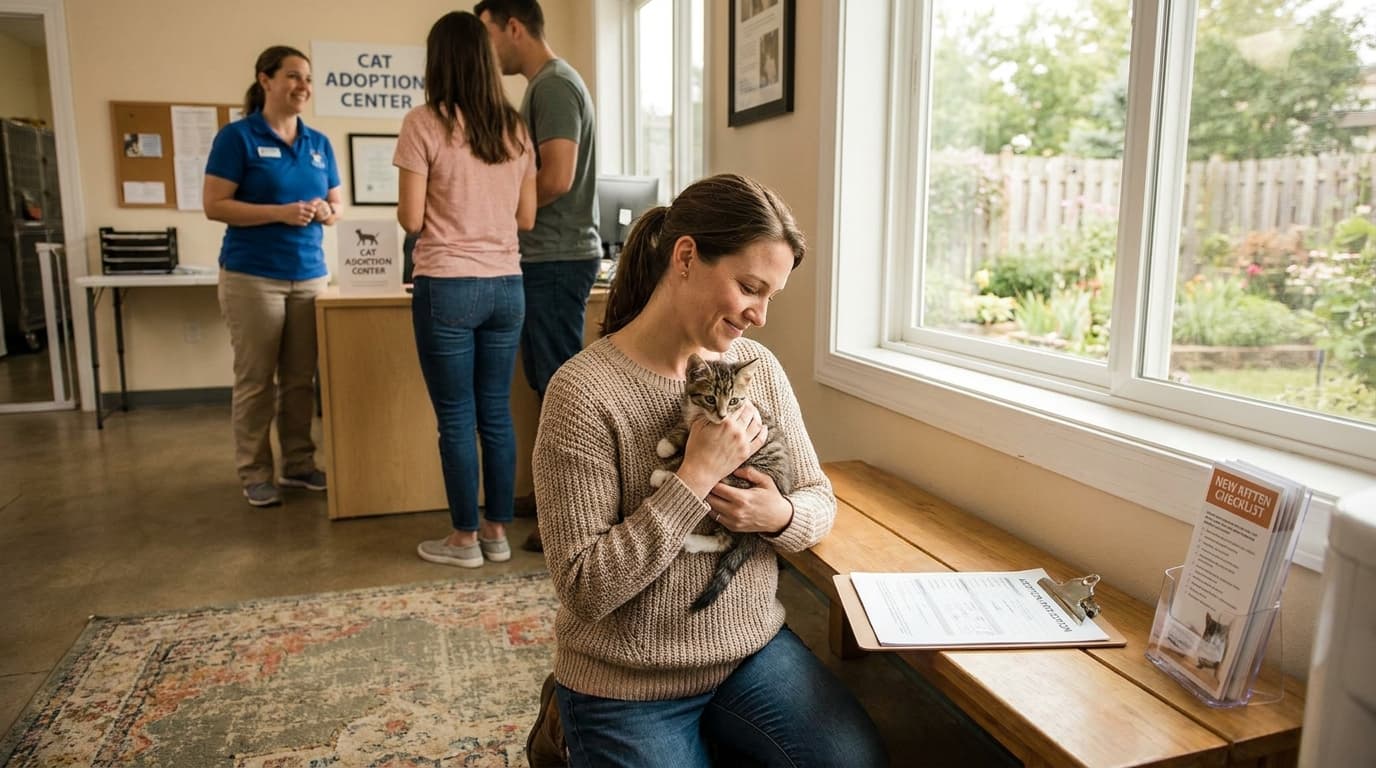
Walking into a shelter can feel a bit like a high-stakes job interview. You see those tiny faces and just want to help, but then you are handed a multi-page application. It is easy to feel like you are being grilled, but here is the reality: about 3.1 million cats enter U.S. shelters every year. While 2.1 million find homes, that still leaves a million cats waiting. Shelters ask those personal questions because they want to make sure the next home is the permanent one. They are not looking for a perfect mansion; they are looking for a stable environment where a cat will not end up back in a cage.
When you fill out these forms, you are sharing details about your living situation and your history with pets. It might feel like overkill to talk about your landlord or your past vet records, but consider what is happening behind the scenes. Most shelter adoptions cover the big stuff like spaying or neutering, initial vaccines, and microchipping. As the American Humane Society puts it, a shelter cat is a total bargain when you look at the medical costs you would pay out of pocket. They just want to ensure you are ready for the logistics, like having a secure carrier ready for the ride home, which is a mandatory requirement for the safety of your new friend.
Think of the application as your pet resume. It is your chance to show you understand that a cat is a fifteen-year commitment, not just a weekend whim. If you have had cats before, sharing your experience with feline behavior helps the staff match you with the right personality. Did you know physical traits can sometimes hint at temperament? Cats with rounder heads and long hair often lean toward being easygoing, while lean cats with narrow heads tend to be more active. The application helps the shelter play matchmaker so you do not end up with a high-energy kitten when you actually wanted a quiet buddy to watch movies with.
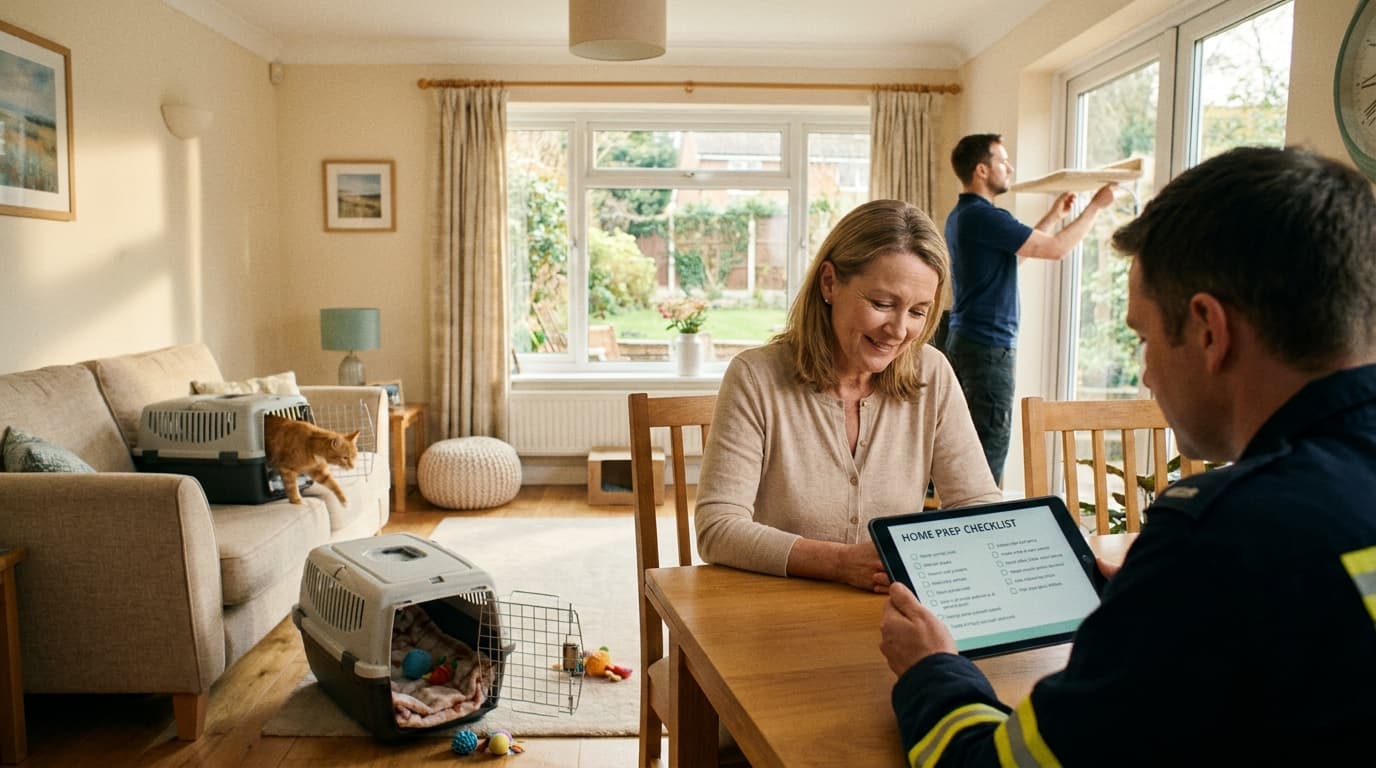
You might also hear about home visits. While they sound intimidating, they are usually just a quick check to see if the environment is safe. It is about spotting things like loose window screens or toxic plants rather than judging your decor. The goal is to reduce return rates by addressing issues before they start. Also, keep in mind that many shelters now offer behavioral counseling. They want to help you through the transition so that those first few weeks of integration go smoothly. At the end of the day, the application is just the first step in a partnership between you and the rescue to give a cat a second chance at a great life.
Key insights:
- Adoption fees are a financial win since they cover spay/neuter, vaccines, and microchips that would cost much more at a private vet.
- Shelters use your history to match you with a cat whose personality fits your lifestyle, not just your aesthetic preferences.
- The application process is designed to ensure the 2.1 million successful annual adoptions stay successful and permanent.
Why Your 'Pet Resume' Actually Matters
Ever feel like a cat adoption application is tougher than a job interview? There is a good reason for all those questions. Every year, roughly 3.1 million cats enter U.S. shelters. While 2.1 million find homes, many are still waiting. Your pet resume proves you are ready for a long-term commitment. It shows you are looking for a family member, not just a temporary pet.
Use this paperwork to show off your feline IQ. Mentioning your experience with different behaviors helps the staff match you with the right kitty. For instance, knowing that lean cats with narrow heads tend to be more active can help you pick a cat that fits your lifestyle. Shelters check your history to ensure that once a cat leaves in a secure carrier, they never have to return.
Adoption is also a total bargain. Your fee usually covers vaccines, microchips, and spaying or neutering. Being thorough on your application helps the rescue center find your perfect match. It is the first step in giving a rescue cat the stable home they deserve.
Key insights:
- The application process helps lower return rates by matching cat personalities to owner lifestyles.
- Adoption fees are often lower than the cost of paying for vaccines and microchipping out of pocket.
Questions You Should Ask Before Falling in Love
You walk into a shelter and see those big eyes staring back at you. It is so easy to just say "I want that one" and call it a day. But with about 3.1 million cats entering the U.S. shelter system every year, finding the right match is about more than just a cute face. You want to look past the initial "is he friendly?" moment and think about how this cat fits into your life. For instance, did you know that physical traits can actually hint at a cat's personality? Cats with rounder heads and longer hair are often the chill ones, while the leaner, short haired cats tend to be more active. Knowing these little secrets helps you find a buddy who matches your energy level.
When you start talking to the adoption center, ask about their history. Many of these cats come from the 30 to 40 million community cats living outdoors, so their medical background is a huge deal. You want to make sure they have had their FVRCP and Rabies shots, along with deworming and flea treatments. It might sound like a lot of technical stuff, but it is actually why people say a shelter cat is a bargain. If you paid for all those shots and the spay or neuter surgery at a private vet, you would be spending way more than the typical adoption fee. You are basically getting a pre-vetted best friend for a fraction of the cost.
The medical checklist the shelter handles is pretty impressive. They usually take care of the spaying or neutering and get that microchip in place before you even sign the papers. But here is the catch: you still have to register that chip with your own contact info so the cat can actually be found if they ever get lost. Also, even if the shelter says they are healthy, the stress of moving can sometimes trigger minor issues or hidden sniffles. That is why a vet visit in the first 14 days is so important. It is the best way to start your new life together on the right foot and make sure everything is perfect.
Think about the logistics too. You cannot just carry a cat out in your arms because you will need a secure carrier for the ride home. Also, consider if one cat is enough. Many experts suggest adopting two cats at the same time so they can keep each other busy and happy. It is a big commitment, but when you hear that first purr, you will know exactly why the animal advocacy community loves the phrase "adopt don't shop." You are not just getting a pet, you are helping one of the 2.1 million cats that find homes every year join a real family.
The application process might feel a bit long, but it is there for a reason. Shelters often ask about your living situation or your previous pet experience because they want this to be a forever match. Some might even do a quick home visit to help you cat proof your space. While it feels like a lot of steps, it is all part of making sure you and your new rescue cat have the best possible start. Once you get through the paperwork and bring your new friend home, the reward is a loyal companion who will soothe you with their purring for years to come.
Key insights:
- Shelter cats are a financial win because adoption fees cover hundreds of dollars in medical costs like FVRCP and Rabies shots.
- Physical features like head shape and hair length can actually give you a clue about a cat's energy level and temperament.
- A follow up vet visit within 14 days is a must to keep your new pet healthy and catch any stress related issues early.
- Microchips are usually already in the cat, but you must complete the registration yourself to make the identification effective.
The Medical Checklist: What the Shelter Already Handled
Think of your adoption fee as a golden ticket. With roughly 3.1 million cats entering the U.S. shelter system every year, organizations have their medical routines down to a science. The American Humane Society even calls a shelter cat a total bargain because that initial fee covers the big ticket items. You are usually getting a cat that is already spayed or neutered, dewormed, and treated for fleas. They also handle core shots like Rabies and FVRCP so you do not have to worry about those costs right away.
But here is one thing many new owners miss: the microchip paperwork. While the shelter handles the actual injection for permanent identification, you usually have to finish the registration yourself. It is common for chips to be pre-registered in a database like HomeAgain, but they need your current phone number to be effective. If your new friend ever decides to go on an unplanned adventure, that chip is only as good as the contact info you provide. It only takes a few minutes but it makes a huge difference.
Now, you might wonder why you still need a vet visit if the shelter did everything. Experts suggest scheduling a checkup within your first 14 days home anyway. This visit is about more than just shots. It is about establishing a health baseline and catching any minor issues caused by the stress of moving. Plus, it is the perfect time to ask about the best diet to keep your new roommate happy and healthy for years to come. Think of it as a wellness reset for their new life with you.
Key insights:
- Shelter fees are significantly cheaper than paying for spaying and vaccines separately at a private clinic.
- You must manually update microchip contact info after adoption to ensure your cat can be returned if lost.
- A vet visit within two weeks is vital to catch stress-related health issues that often pop up after a move.
Prepping the 'Home Base' for Your New Roommate
You have signed the papers, passed the adoption application process, and now it's officially go-time. But before you pull out of the shelter parking lot, there is one non-negotiable: the carrier. Most facilities will not even let you leave without a secure one because that first car ride is a huge deal for a rescue cat. Think about it from their perspective. They are leaving a loud shelter where over 3 million cats land every year and heading into the unknown. A sturdy carrier is not just a box; it is their first safe space. It keeps those curious paws away from the car pedals and gives them a little privacy while they process the big move.
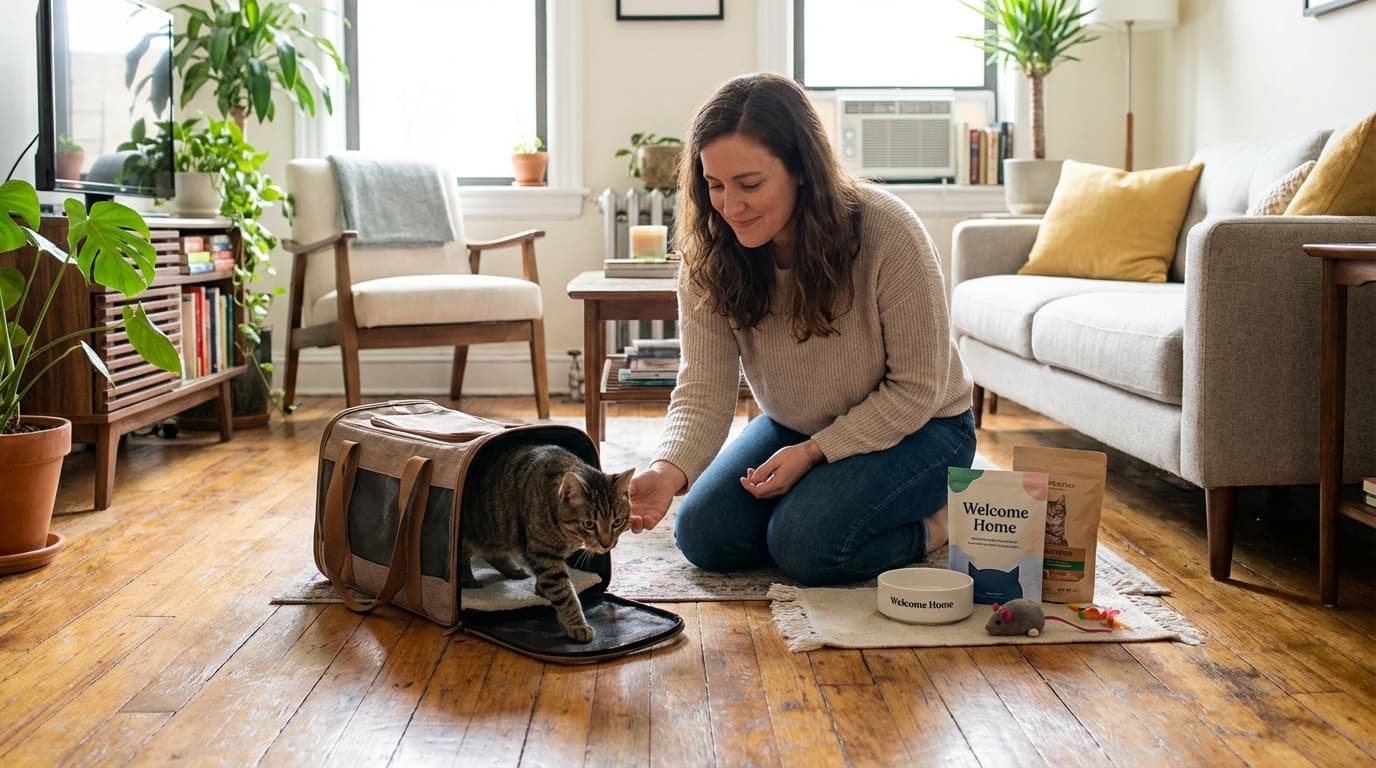
Once you get home, resist the urge to give them a full tour of the entire house right away. To a cat that just came from a small kennel, a multi-room home feels like a giant, scary forest. Instead, set up a 'safe room' like a quiet bathroom or a spare bedroom. Put their bed, litter box, and water in there so they can get their bearings without feeling overwhelmed. This is especially helpful for indoor cats from a local rescue who might be a bit shy. By starting small, you are actually helping them gain confidence faster. What does this mean for you? Fewer weeks spent fishing them out from under the sofa and more actual bonding time.
While your new friend is chilling in their safe room, take a lap around the rest of the house for some serious cat-proofing. If you think a cord is hidden, a cat will find it. If you think a plant is out of reach, they will see it as a climbing challenge. Hide those phone chargers and check your greenery because some common houseplants are big no-nos for felines. Remember, shelter adoption is a bargain because it covers things like microchips and vaccines, but it is up to you to keep the environment safe from curious paws. Think of it as toddler-proofing, but for an athlete who can jump five feet in the air.
Now, let's talk about the kitchen. It is tempting to buy the fanciest, most expensive organic food the moment you get home, but hold that thought. Sudden changes to a cat's diet are a one-way ticket to tummy trouble. During that first week, consistency is your best friend. Ask the adoption center exactly what they have been feeding the cat and stick to it for at least a few days. The stress of moving is already hard on their system; adding a brand-new food brand can lead to a messy litter box situation that neither of you wants to deal with during your first week together.
If you want to switch to a different brand, do it in slow motion. Start by mixing just a tiny bit of the new stuff into the old food. Over the course of a week, slowly tip the scales until they are eating the new meal entirely. This gradual handoff keeps their digestion on track and helps them feel their best while they adjust to their new life. After all, a happy belly usually leads to that famous therapeutic purring. It is a small step that makes a massive difference in how quickly they settle into their new 'home base'.
Key insights:
- A secure carrier is a legal and safety requirement for the first trip home.
- Starting a cat in a single 'safe room' prevents sensory overload and helps them bond faster.
- Dietary consistency is the secret to avoiding digestive upset during the first week of transition.
The Menu Matters: Avoiding the 'Tummy Trouble' Transition
You finally brought your new rescue home, and you are likely excited to spoil them with the best food. But hold on a second. Your cat's stomach is already dealing with the stress of a new environment. Experts advise sticking with whatever they were eating at the shelter for at least the first week. This consistency is vital because a sudden change often leads to digestive upsets that nobody wants to deal with on day one.
Think of it this way: adoption is a massive life shift. You can slowly integrate new food by mixing a small amount of the new brand into their current meals over several days. Start with just a spoonful and increase the ratio gradually. This simple step helps prevent tummy trouble and ensures your new companion stays comfortable while they get used to your home.
Since a rescue cat is already a bargain with vaccines and medical checks covered, keeping their diet stable is just one more way to protect their health. It makes the transition smoother for everyone. What does this mean for you? It means a happier cat and a much easier first week together.
Key insights:
- Keep the shelter's food for the first 7 days to avoid digestive stress.
- Mix new food in slowly by increasing the ratio over a full week.
- Adoption fees cover medical costs that would be much higher out of pocket.
Where to Find Your Future Best Friend
Every year, about 3.1 million cats enter the shelter system across the country. That is a massive number, but it also means your perfect match is out there right now. While roughly 2.1 million of these animals find homes, a million others are still waiting for a family. If you are ready to start looking, digital tools like Petfinder have changed the game. You can filter by age, color, or even personality traits right from your couch. It is a fast way to see who is available nearby without needing to drive to five different shelters in one day.
There is something special about local adoption events, though. You might find these pop-up events at a pet supply store or a community fair. They let you see a cat’s personality in person, which is helpful because looks can be deceiving. An interesting trick is to look at their physical traits. For instance, cats with round heads and long hair are often more easygoing. On the other hand, lean cats with narrow heads and short hair are usually the high-energy athletes of the group. Seeing them interact with people helps you decide if their energy level matches your lifestyle.
Here is a tip that many first-time owners overlook: consider taking home two cats instead of one. It sounds like more work, but it actually makes your life easier. Cats provide each other with mental stimulation and exercise, which keeps them from getting bored or destructive. Plus, as the American Humane Society points out, a shelter cat is a total bargain. Your adoption fee usually covers the cost of spaying or neutering, initial vaccines, and a microchip. If you paid for all those medical services out of pocket, it would cost hundreds of dollars more.
Before you head out to pick up your new friend, remember to bring a secure carrier. Most facilities will not let you leave without one because safety is the top priority during the car ride home. Once you arrive, keep things consistent by using the same food they had at the shelter to avoid tummy issues. The first week is all about building trust and establishing a health baseline with a quick vet visit. It is a big transition for them, so take it slow and enjoy the process of getting to know your new roommate.
Key insights:
- Digital aggregators allow you to search multiple local rescues simultaneously to find specific personality matches.
- Adopting two cats provides them with built-in social interaction and can actually reduce behavioral issues.
- Adoption fees are a financial win since they cover essential medical treatments like microchipping and vaccinations.
- Physical features like head shape and coat length can often give you a clue about a cat's natural energy level.
The Perks of Choosing an Indoor Life
Choosing to keep your new rescue cat indoors is about more than just keeping them off the street. It is a choice that changes their entire world. When you think about the 3.1 million cats that enter the U.S. shelter system every year, you realize how lucky your new friend is to have a roof over their head. While about 2.1 million of these cats find homes, there are still millions of community cats living outside who never get the chance to nap on a sunlit sofa. By keeping your cat inside, you are protecting them from traffic, predators, and diseases. This simple decision can double their lifespan, giving you many more years of head bumps and quiet moments together.
But what about their wild side? You can give your cat the best of both worlds without the risks. Think about setting up a catio or a sturdy window perch. These spots let them watch birds and feel the breeze while staying totally safe. It is also a great way to keep them mentally sharp. If you adopted a cat with a lean body and a narrow head, they are likely to be active and curious, so they will especially love a high vantage point. On the other hand, those round-headed, long-haired cats might just want to use that window perch for a very long afternoon nap.
The perks go both ways too. It is a fact that a cat's purring has been shown to soothe humans as well as themselves, lowering stress and making your home feel more peaceful. It is one of the biggest benefits of adopting an indoor cat from a local rescue. If you are worried about them getting lonely while you are at work, consider the idea that adopting two cats at once is often better. They provide each other with social interaction and double the emotional support you get in return. Just remember to bring a secure carrier when you pick them up from the facility. That first safe ride home is the start of a long, happy life spent together on the right side of the front door.
Key insights:
- Indoor life can significantly extend a cat's lifespan by removing environmental risks.
- Physical traits like head shape and coat length can help you predict if a cat will be active or easygoing.
- Catios and window perches provide essential mental stimulation for indoor-only pets.
- Adopting two cats together often leads to better social development and more emotional benefits for the owner.
Frequently Asked Questions
Conclusion
Adoption is a big step, but it is also one of the most rewarding things you will ever do. Between the feline adoption application process and preparing your home for a rescue cat, you are doing more than just paperwork. You are building a safe foundation for a creature who really needs it. Every question you ask a cat adoption center brings you one step closer to a match that lasts a lifetime.
Bringing a cat home is really about partnership. When you check out cat adoption events in your local community, you are looking for a friend who will thrive in your care. The benefits of adopting an indoor cat are huge for their safety, but the best part is the quiet companionship and the loud purrs that finally turn a house into a home.
Your next move is simple. Visit a local rescue or start that application today. You might go in with a specific plan, but you will likely leave with a cat who chose you instead. The journey is worth every bit of effort for the years of head bops and slow blinks ahead.
Send it to someone who should read it next.
About the author

James Miller
Certified Cat Behaviorist
Feline behavior consultant helping cat owners understand and strengthen their bond with their cats.
View all articles