Cat Adoption: How to Handle the Requirements and Win Over a Shy Kitty
Have you ever walked through a shelter and felt your heart melt for the quiet cat tucked away in the back corner? Choosing a new feline friend is a big...

Sophia Parks
Breed Specialist & Breeder
Cat Adoption: How to Handle the Requirements and Win Over a Shy Kitty
Have you ever walked through a shelter and felt your heart melt for the quiet cat tucked away in the back corner? Choosing a new feline friend is a big deal, but the process can sometimes feel like a lot of work. From understanding cat adoption center requirements for first time owners to handling the paperwork, there is a bit of a learning curve. But don't let the forms or a shy kitty's initial cold shoulder keep you from finding your perfect match.
This guide helps you get ready for the whole journey. We will look at humane education programs for prospective cat owners so you can speak your cat's language before you even bring them home. You will also learn about preparing your home for a shy shelter cat to make their first few days as easy as possible. It is all about setting both of you up for a lifetime of happy purrs and head bumps.
We are going to walk through how to handle cat adoption paperwork and application fees without the stress. You will also find the best questions to ask a cat adoption counselor to make sure you have the right fit. By the time you finish reading, you will know exactly how to turn that wallflower cat into a confident member of the family.
Bringing Home Your New Best Friend: A Real-Talk Guide to Cat Adoption
Finding that perfect feline match is a rush, but the paperwork can feel like a lot. There is a good reason for the deep dive. When a shelter asks for landlord permission or an adoption fee, they are ensuring the cat has a permanent spot. Those fees usually cover spaying, vaccines, and microchips, so you are actually getting a head start on vet care.
The real work starts at home. It is tempting to let a new kitty roam free, but starting them in a small safe room prevents them from feeling overwhelmed. If you picked a shy cat who hides, don't worry. Shelter behavior is often just a stress response. Most experts say shy cats reveal their true selves only after weeks of low-pressure interaction. Watching them finally trust you is the best part of the journey.
Key insights:
- Adoption fees include essential medical care like spaying and microchipping.
- A cat's personality in a shelter is often masked by stress.
- Using a safe room helps a new cat adjust without feeling scared.
Why 'Cat School' is the Best First Step
Think of humane education as a pre-adoption bootcamp. These programs are the best first step because they take the guesswork out of bringing a new friend home. Instead of learning by trial and error, you get to understand the basics of cat behavior before you even sign the paperwork or pay those application fees. It is about more than just knowing which litter to buy. It is about setting yourself up for success from day one.
A huge part of this 'cat school' is learning to read body language. Understanding the subtle flick of a tail or the position of a cat's ears helps you avoid early mishaps. When you know what a cat is trying to tell you, the bonding process happens much faster. You can also use online tools like Petfinder to narrow down your search before you visit a physical shelter. This lets you filter for specific personalities so you do not feel overwhelmed when you walk through the doors.
When you finally start looking at the adoption center, remember that a cat's looks can actually tell a story. Generally, cats with long hair and rounder heads are the easygoing types. They are often the ones who are happy to nap while you work. In contrast, lean cats with narrow heads are usually the high-energy athletes of the feline world. These cats often need more stimulation and active play to keep them out of trouble.
The trick is to match your own energy level to the cat's natural vibe. If your idea of a good night is quiet and calm, a 'chill' cat is your best bet. But if you want a playful shadow who follows you around, look for those sleek, narrow-headed explorers. Taking the time to assess temperament instead of just picking based on color makes a world of difference in your long-term happiness together. What kind of energy are you looking for in a companion?
Key insights:
- Humane education programs help prospective owners understand behavioral needs before adoption.
- Petfinder is a powerful tool for filtering cats by personality and specific needs from home.
- Physical features like head shape and coat length can be surprisingly good indicators of energy levels.
- Matching your daily activity level to a cat's temperament is more important than visual preference.
Reading the Signs: Temperament vs. Appearance
Ever look at a cat and feel like you just know their vibe? Their looks actually offer a sneak peek into their personality. Research suggests that long-haired cats with round heads are often the easygoing couch potatoes of the feline world. They usually have a low-key energy that fits a quiet home perfectly.
In contrast, lean cats with narrow faces are often natural athletes who need plenty of playtime. If you want a relaxed buddy, the round-headed fluff-ball is a great bet. If you want a playful shadow, go for the sleek, active type. It is all about how your daily routine meshes with their natural rhythm.
Keep in mind that shelter stress can mask a cat's true self. A shy cat might just be overwhelmed by the environment. Sites like Petfinder help you filter for these traits, but trust your gut when you meet them. Matching your energy to theirs is the secret to a happy home.
Key insights:
- Physical traits like head shape and coat length can often hint at a cat's activity level.
- Lean, narrow-headed cats typically require more mental and physical stimulation than rounder breeds.
- Shelter behavior is often a reflection of stress rather than a cat's permanent personality.
The Paperwork Shuffle: What to Expect Before You Sign
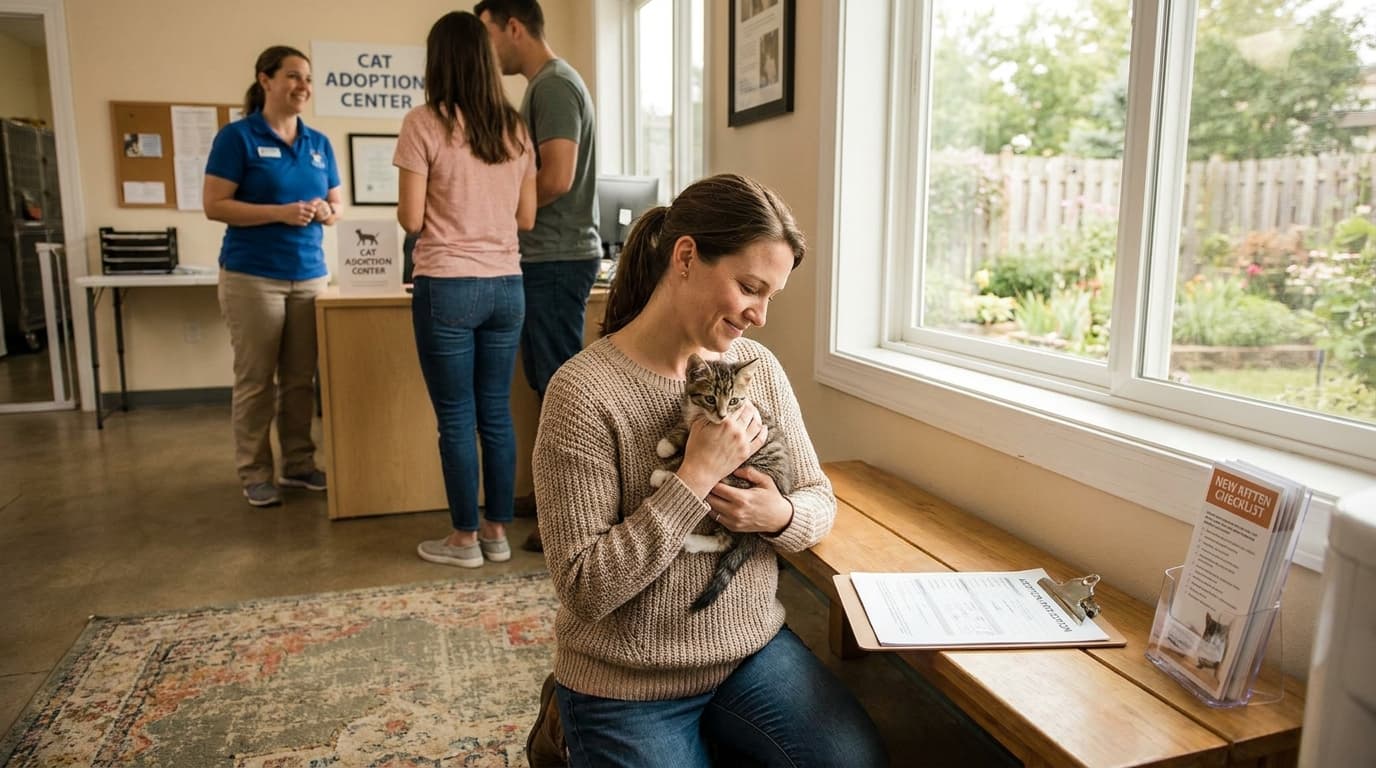
Walking into a shelter for the first time is a mix of excitement and, honestly, a little bit of paperwork fatigue. You are there for a fluffy friend, but the adoption counselor is handing you a thick packet of forms. Why the interrogation? It is not because they are nosy. These cat adoption center requirements for first time owners are there to ensure the match lasts a lifetime. Shelters ask personal questions about your lifestyle and previous pets because they want to know if a high-energy kitten or a mellow senior cat fits your daily rhythm. What does this mean for you? It means they are looking for a partner for the cat, not just a customer.
One item on your checklist might surprise you: your landlord’s contact information. If you rent, this is arguably the most important piece of data you will provide. Shelters call landlords to verify that pets are actually allowed. It sounds like a hurdle, but it is really a safety net. The goal is to prevent the heartbreak of a cat being returned later because of a strict no-pets policy. Also, keep in mind that shelter behavior is often a poor indicator of a cat's true personality. A cat who seems afraid and hides in the shelter may be friendly and outgoing once they feel safe at home.
While you wait for the background check, take a look at the cats through a different lens. Did you know that physical traits can sometimes hint at a cat’s vibe? Experts often find that long-haired cats with rounder heads tend to be more easygoing, while leaner cats with narrow faces are usually the ones zooming around the room. You can even use sites like Petfinder to browse these personalities before you step foot in the building. It is all about finding that perfect click before you put pen to paper.
Now, let us talk about the money. When you see an application fee, it is easy to feel a bit of sticker shock, but learning how to handle cat adoption paperwork and application fees becomes much easier when you see the breakdown. That fee is not just a price tag. It is a bundle of essential healthcare that protects your new pet from day one. Think of it as a pre-paid health plan rather than just a cost of entry.
Most shelter fees cover spaying or neutering, initial vaccines, and a microchip for permanent identification. If you were to pay for these separately at a private vet, you would likely spend hundreds more. This is the big trap of free cats found on social media. A free cat usually comes with a long list of immediate medical bills. By paying the adoption fee, you are supporting the shelter’s mission and ensuring your new kitty starts their life with you on a healthy note. It is a smart investment that saves you stress and cash in the long run.
Key insights:
- Landlord verification is a standard requirement to ensure the cat has a permanent home and won't be returned due to lease violations.
- Physical features like head shape and coat length can often provide clues about a cat's energy levels and temperament.
- Adoption fees are actually cost-effective because they include essential medical services like microchipping and spaying that would cost more at a private clinic.
Where Does the Money Go? Understanding Application Fees
When you first see an adoption fee, it might feel like just another bill. But here is the thing: that money is actually a massive shortcut to a healthy pet. Most shelters bundle the essentials into that one price. We are talking about spaying or neutering, the first round of vaccines, and a microchip for permanent identification. If you tried to pay for these separately at a private clinic, you would likely spend double or triple what the shelter asks.
Think about the cost of a free kitten from a neighbor. By the time you cover the surgery and shots, that free cat becomes quite expensive. Shelters handle the heavy lifting so you can focus on the fun stuff. Just keep in mind that the paperwork involves more than just a check. You will often need to show landlord permission if you rent. This helps ensure your new friend stays with you for good instead of ending up back in a cage.
So, how do you handle cat adoption paperwork and application fees without the stress? Start by asking your counselor exactly what is included. Most are happy to explain how those funds support other animals in need too. It is less of a purchase and more of a contribution to the mission of saving lives.
Key insights:
- Shelter fees usually cover medical costs that would be much higher at a private vet.
- Application paperwork often requires proof of landlord approval to prevent pets from being returned.
- A free cat often costs more in the long run than a shelter cat with a set adoption fee.
Winning Over the Wallflower: Preparing for a Shy Shelter Cat
Ever walk through a shelter and see a cat pressed against the back of the cage? It is easy to assume they are unfriendly, but the truth is usually the opposite. Shelter behavior is often just a mask. High stress levels in a facility can make even the sweetest cat look like a terrified wallflower. They need time and a low-pressure environment to show you who they really are. Think of it as a first date where one person is incredibly nervous; you wouldn't judge their whole personality on those first ten minutes.
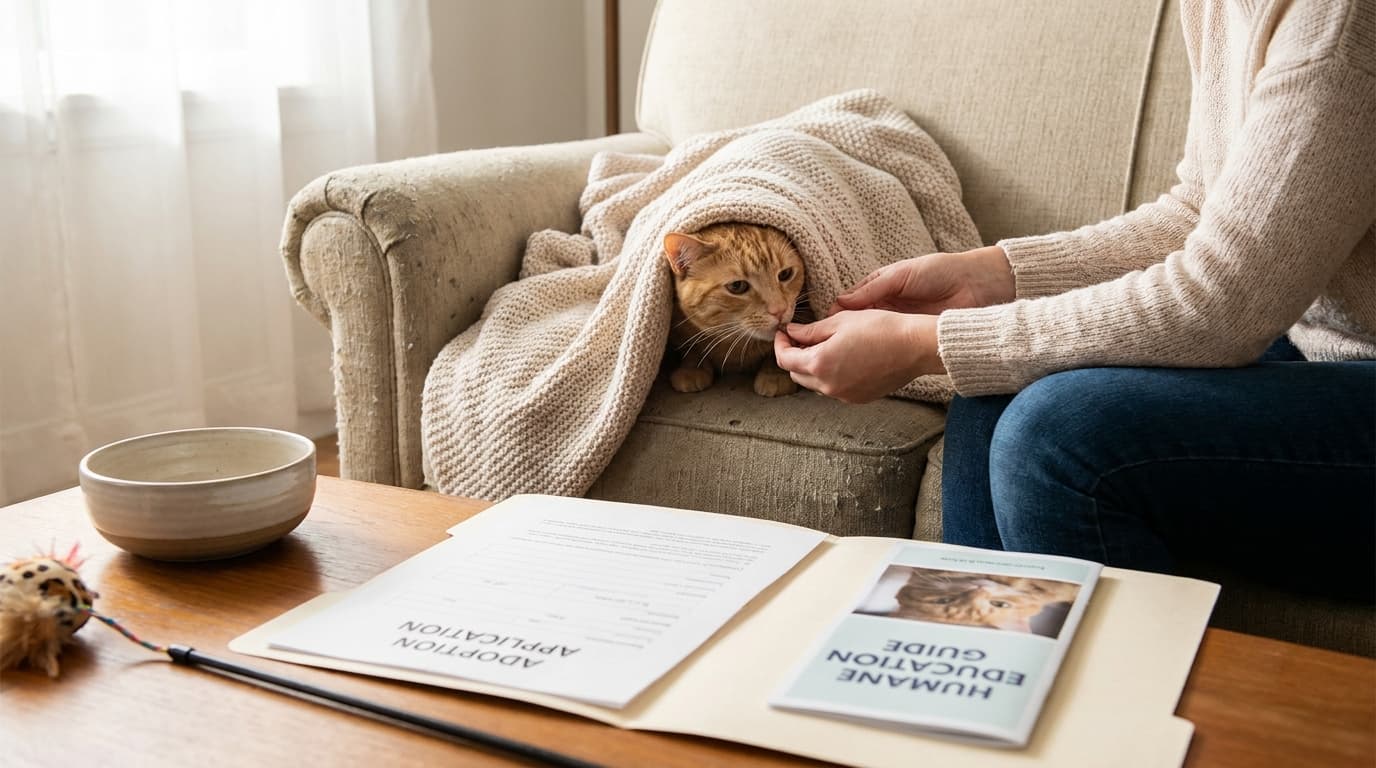
Building trust with a shy cat is all about the art of doing nothing. This is the core of the 'Shy Cats Club' approach. Instead of trying to pet or pick up your new friend, try sitting on the floor and ignoring them. Work on your laptop or read a book. This passive presence lets the cat explore you on their own terms. When they realize you aren't a threat, they will eventually come to you. It might take days or even weeks, but that first head-butt is worth the wait.
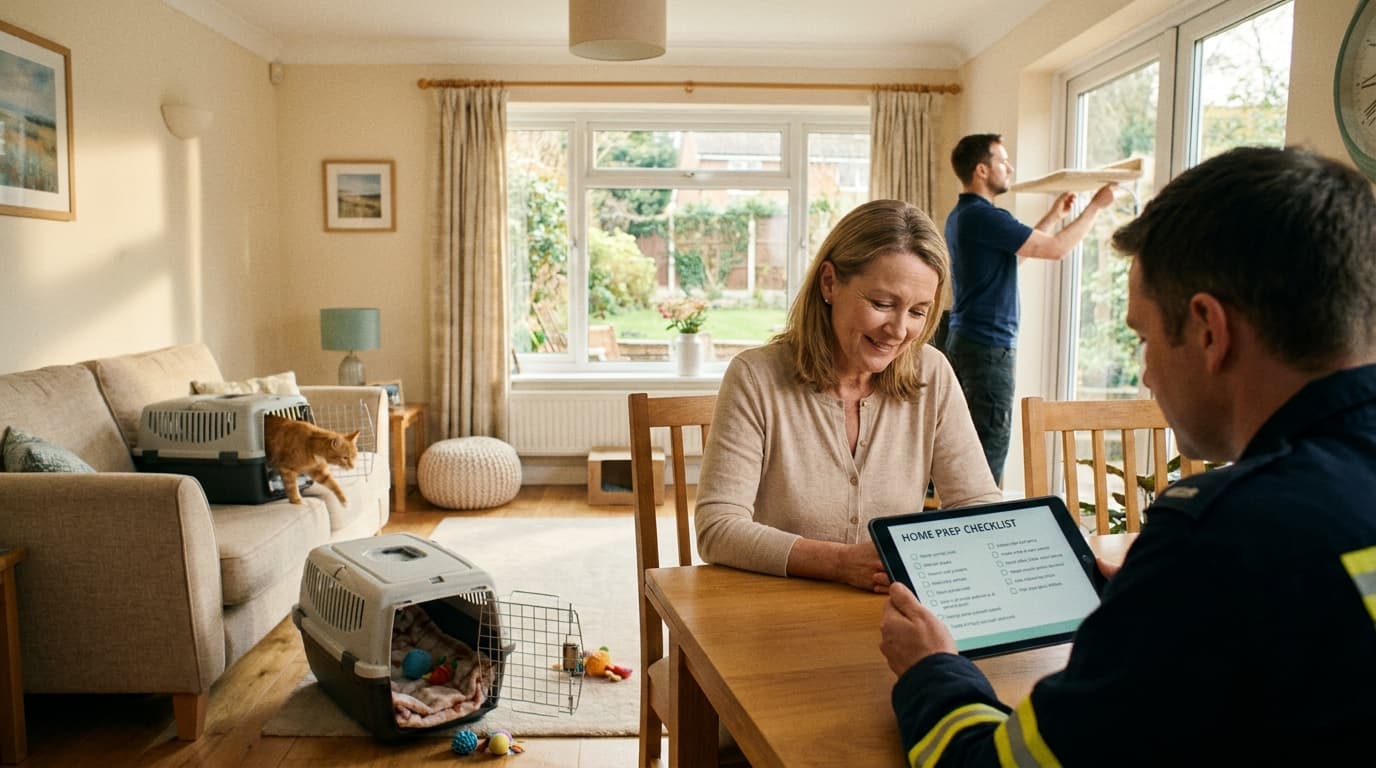
When preparing your home for a shy shelter cat, your first instinct might be to give them the run of the house. But that is actually quite scary for them. Start small. A quiet bathroom or spare bedroom works best for those first few days. This 'safe zone' helps them feel secure while they learn the sounds and smells of your home. Think of it as a home base where they can always feel in control. Once they are confidently using their litter box and eating regularly, you can slowly let them explore further.
While they are in their safe room, make sure the setup is perfect. Experts recommend having one litter box per cat, plus an extra one on every level of your home. For a shy cat, vertical space is also a huge confidence booster. Tall, sturdy scratching posts allow them to stretch and mark their territory safely. You might even find they prefer watching you from a high shelf where they feel untouchable. As Amanda Kowalski, a director of behavior, notes, watching a shy cat finally blossom is incredibly rewarding, even if it takes a bit of patience.
Key insights:
- Shelter behavior is a poor indicator of personality because high stress levels mask a cat's true nature.
- Passive presence is more effective than forced interaction for building trust with fearful animals.
- Confining a new cat to a single room prevents them from becoming overwhelmed by a large, unfamiliar house.
- Vertical space and proper litter box placement are essential for helping a shy cat feel secure in their new territory.
Setting Up the 'Safe Zone'
Imagine being dropped into a giant, unfamiliar mansion. That's how a new cat feels about your living room. Instead of giving them the run of the house, start small. A bathroom or spare bedroom works best because it lets them get their bearings without feeling exposed. This safe zone acts as a home base where they can hide, eat, and sleep while they adjust to your home's sounds. It prevents them from feeling overwhelmed by too much space at once.
Setting up this space correctly is key to a happy home. Experts suggest the "one plus one" rule: have one litter box per cat, plus an extra one on every level of the house. In a small room, one box is fine, but keep it away from their food. You also need to think vertically. Provide tall, textured scratching posts so they can stretch fully and shed nail sheaths. Use catnip and praise to reward them for using the post instead of your sofa.
Key insights:
- Confinement to a single room for the first few days prevents cats from feeling overwhelmed.
- One litter box per cat plus an extra one on every level is the gold standard for avoiding accidents.
- Tall scratching posts are essential for cats to stretch and maintain their claws properly.
The Counselor Interview: Questions That Actually Matter
When you sit down with a cat adoption counselor, remember that you are also the interviewer. These experts have seen the cat in many different moods and can help you look past the initial shelter stress that often hides a pet's true personality. Start by asking about the cat's history with other animals or kids. If you are a renter, do not be surprised if they ask for landlord verification. It might feel like a lot of paperwork, but they just want to make sure your new friend does not end up back at the shelter because of a lease issue.
Did you know that a cat's physical traits can sometimes hint at their vibe? Observations show that long-haired cats with rounder heads are often more easygoing, while lean cats with narrow faces tend to be high-energy. Ask the counselor if they have noticed these patterns during daily care. Since adoption fees usually cover the essentials like spaying, neutering, and microchips, you are already starting with a solid foundation. However, you still need to get a vet visit on the calendar right away.
The best move is to schedule a checkup within the first few days of bringing your cat home, and you should bring all the medical records the counselor provides. This is also a great time to ask if the cat would do better with a buddy. Sometimes adopting two cats at once is actually easier because they provide each other with social and mental stimulation while you are busy. It is all about finding the right match for your lifestyle and making sure the transition is as smooth as possible for everyone involved.
Key insights:
- Ask about the cat's behavior outside of the cage to get a better idea of their real personality.
- Check if the adoption fee covers initial vaccines and microchipping before you leave.
- Schedule a follow-up vet visit within the first week to keep your new pet on the right track.
Double the Love: Why Two Cats Are Often Better Than One
Ever wonder if your cat gets lonely while you are grinding through a nine-to-five? It is a common worry for many new owners. While we often think of cats as solitary hunters, they actually crave social interaction and mental play. Adopting a bonded pair or two compatible kitties provides built-in stimulation that a human just cannot replicate. Think of it as an insurance policy against boredom. When they have a buddy to wrestle with, your curtains and couch corners are usually much safer from frustrated claws.
This setup actually makes your life easier if you work long hours or travel. Instead of coming home to a needy, vocal cat demanding immediate attention the second you walk in, you will often find two relaxed pets who have spent the day keeping each other company. But you do need to plan for the logistics. Experts suggest having one litter box per cat, plus an extra one on every level of your home. It might seem like a lot of equipment, but it prevents territory disputes before they ever start.
Transitioning a duo into your home is often smoother than bringing in a single cat who feels exposed and alone. Start them off together in a safe room, such as a laundry room or small bedroom, for the first few days. This keeps them from feeling overwhelmed by a big, empty house. Since most shelter adoption fees already cover spaying, neutering, and vaccines, bringing home two does not mean doubling your initial medical paperwork. It just means doubling the head bumps and purrs waiting for you at the door.
Key insights:
- Two cats provide mutual mental and physical exercise, reducing destructive behaviors.
- A second cat acts as a social safety net for owners with busy professional schedules.
- The one-plus-one litter box rule is essential for maintaining peace in a multi-cat household.
- Starting cats in a single safe room helps prevent them from feeling overwhelmed by their new environment.
The First 48 Hours: Settling In Without the Stress
You finally made it home with your new friend. Now what? The most important thing is to resist the urge to give them a full tour of the house right away. Instead, set them up in a small safe room like a bathroom or a spare bedroom. This keeps them from feeling overwhelmed while they figure out where their food and litter box are. Experts actually suggest having one box per cat plus an extra one on every level of the home. It might feel like overkill, but it saves you from messy accidents later.
If you adopted a shy kitty, do not be surprised if they spend the first two days under a bed. Many people think shelter behavior shows a cat's true personality, but that is rarely the case. A cat who seems terrified in a cage might be a total cuddle bug once they feel safe. The trick is to use passive presence. Just sit on the floor and read a book or work on your laptop while ignoring them. Let them come to you on their own terms. It can take weeks for a shy cat to fully emerge, so try not to rush the process.
When they do start showing some brave behavior, like stepping out of their hiding spot or using their scratching post, reward them. Use catnip or a few treats to show them they are doing a great job. Since you likely handled the cat adoption center requirements and paperwork already, your next big task is a quick vet visit. Schedule this within the first few days to keep them on track with their health. Watching a nervous cat blossom into a happy family member is one of the most rewarding parts of the whole experience.
Key insights:
- Shelter behavior is often a poor indicator of a cat's true personality due to high stress levels.
- Socialization is most effective when humans use passive presence rather than forced interaction.
- New cats should be confined to a single safe room for the first few days to prevent them from feeling overwhelmed.
Common Cat Adoption Questions
Let's talk money first because it is usually the first thing on everyone's mind. You see an adoption fee and might wonder why you are paying to save a life. Think of it as a starter kit for your new best friend. Most fees cover the heavy lifting like spaying or neutering, initial vaccines, and a microchip for identification. If you paid for these at a private clinic, the bill would be much higher. It is not a price tag on the cat, but a way to help the shelter keep its doors open for the next animal in need.
Finding your match is easier than ever. You can browse sites like Petfinder to see cats from dozens of rescues at once without leaving your couch. But do not just look at the photos. A cat's face shape can actually hint at their personality. Rounder heads often belong to chill, easygoing cats, while lean faces usually belong to the high energy athletes of the cat world. When you find a match, expect some paperwork. Shelters often check with landlords to ensure your new friend will not be returned due to housing rules.
When you get home, start small. Set up a safe room like a spare bedroom for the first few days so your new friend does not feel overwhelmed by the whole house. Also, follow the golden rule of litter boxes by having one per cat, plus one extra, and make sure there is at least one on every level of your home. If you pick a shy cat, remember that shelter behavior is often just a mask for stress. A cat hiding in a cage might be a total cuddle bug once they feel safe at home. As behavior expert Amanda Kowalski says, watching a shy cat blossom is incredibly rewarding.
You might even consider adopting two cats at once. They provide each other with the social interaction and mental stimulation they need to stay happy, especially if you travel or work long hours. After the move, visit a vet within the first few days and bring your shelter records. This simple step ensures a healthy, long life for your new companions and gives you peace of mind from the very start.
Key insights:
- Shelter environments are high stress, so a cat's true personality might not show until they have been in a home for a few weeks.
- Adopting a pair of cats can be better for their mental health as they provide each other with constant companionship.
- The 'Shy Cats Club' approach of sitting nearby while ignoring a fearful cat is often the fastest way to build trust.
Your New Journey Starts Now
Bringing home a cat that used to hide in the back of a shelter cage is a huge win. Amanda Kowalski, a behavior expert, says watching these shy ones blossom is incredibly rewarding. You are not just getting a pet; you are being their hero. It takes heart to choose the socially awkward kitty, but the bond you build is worth every quiet moment.
The first month takes patience. You might spend days just sitting on the floor ignoring them so they feel safe enough to explore. Since shelter life is stressful, a cat's true personality often stays hidden until they feel secure. Give them a safe room and let them come to you on their own terms.
Finally, go ahead and book that first vet visit. Do this within the first few days and bring all the medical records the shelter provided. It is the best way to start this journey on the right paw and ensure your new companion stays healthy for years to come.
Key insights:
- Shelter behavior is rarely a true reflection of a cat's personality due to high stress levels.
- The 'passive presence' method - sitting nearby but ignoring the cat - is the fastest way to build trust.
- Establishing a veterinary relationship immediately ensures all shelter records are properly integrated into a long-term health plan.
Frequently Asked Questions
Conclusion
Adopting a cat is a big step, and the paperwork might feel like a lot at first. But when you look at the cat adoption center requirements for first time owners, you realize it is all about making sure you and your new friend are a perfect match. From learning about humane education programs for prospective cat owners to understanding how to handle cat adoption paperwork and application fees, you are building a solid foundation for your life together.
If you are preparing your home for a shy shelter cat, remember that trust takes time. It is not just about the background checks or the rules. It is about those quiet moments when a nervous kitty finally decides you are okay. By asking the right questions to a cat adoption counselor, you can make sure you are ready for that first head-bump, which is worth every bit of the effort you put into the process.
Your next move is to find a local shelter and start the conversation. Do not let the forms or the labels hold you back. Every cat has a story, and yours is just waiting for you to turn the page. It might take a few weeks to settle in, but the love of a rescued cat is a pretty great reward.
Send it to someone who should read it next.
About the author

Sophia Parks
Breed Specialist & Breeder
Registered cat breeder and judge with deep expertise in pedigreed breeds and breed standards worldwide.
View all articles