Best Cat Breeds for Emotional Support, Easy Care, and Playing Fetch
Finding the best cat breeds for your home depends on whether you need an affectionate support animal or a low-maintenance pet for a busy schedule.

Sophia Parks
Breed Specialist & Breeder
Best Cat Breeds for Emotional Support, Easy Care, and Playing Fetch
Finding the best cat breeds for your home depends on whether you need an affectionate support animal or a low-maintenance pet for a busy schedule.
If you want comfort, the Ragdoll is a top choice, while the independent and calm British Shorthair is great if you're a busy first-time owner. Understanding these specific traits helps you avoid common pitfalls like mismatched energy levels or unexpected allergy flare-ups in your home environment.
You'll learn how to identify your cat's ancestry, which breeds actually play fetch, and the truth about hypoallergenic cats that don't shed.
Table of Contents
- What are the best cat breeds for emotional support?
- The truth about hypoallergenic cat breeds that don't shed
- How to identify my cat's breed at home
- Finding the easiest cat breeds to take care of
- Which cat breeds actually like to play fetch?
- Frequently Asked Questions
- Conclusion
What are the best cat breeds for emotional support?
When you need a cat that acts more like a shadow than a roommate, you want to look for a velcro breed. These cats are famous for their deep bond with humans and their uncanny ability to sense when you need a little extra love. While most cats are affectionate, emotional support stars like the Ragdoll and Maine Coon take it to a whole new level by staying physically close to you during your toughest moments.
The Ragdoll is often the top choice because they literally go limp with trust when you pick them up. This floppy trait is a huge reason why some cats go floppy and which breeds are actually the best for families because it provides immediate tactile comfort. Maine Coons are also fantastic because they are gentle giants that prefer to be in the same room as you, often chirping to keep the conversation going while you work or rest.
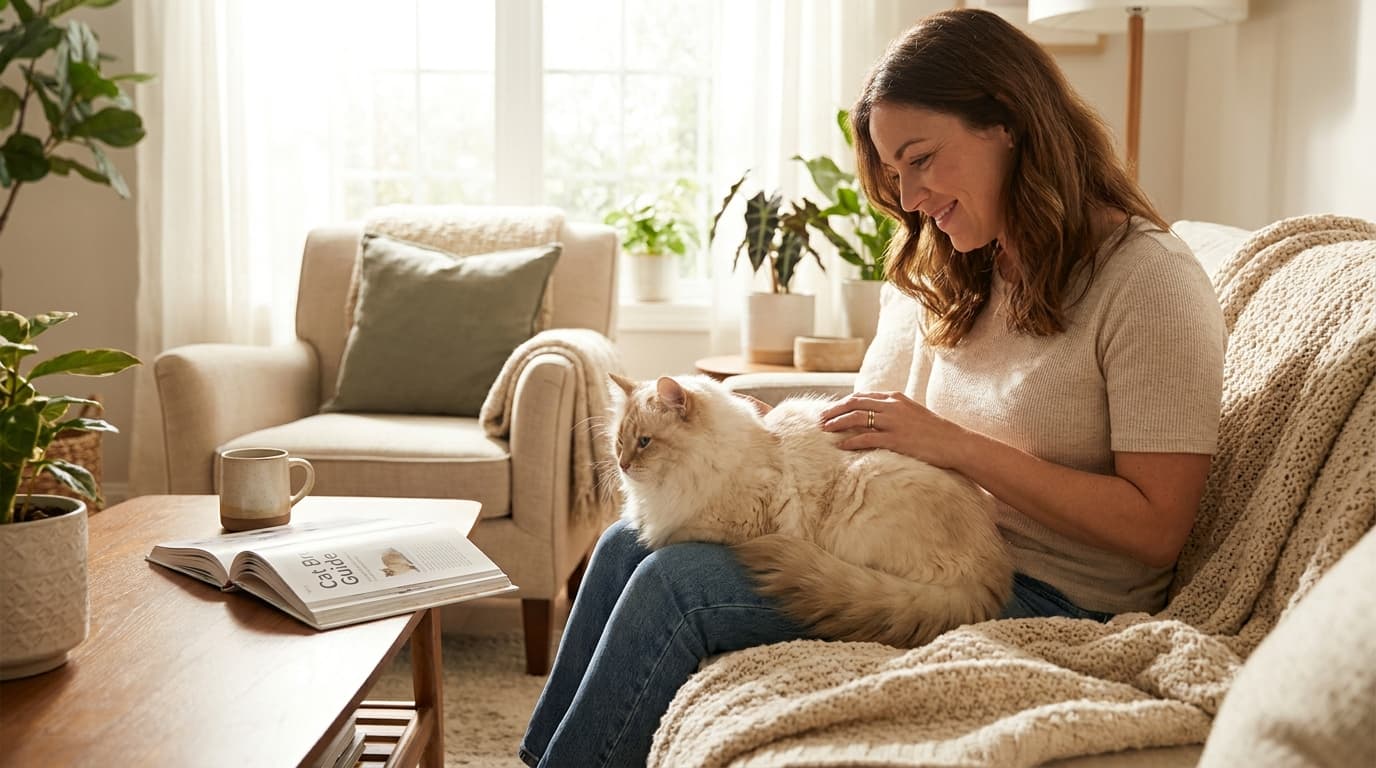
Imagine walking through your front door after a grueling ten-hour shift where everything went wrong. Instead of hiding under the sofa, your Ragdoll meets you at the door with a soft meow. As you sink into the couch, they climb right onto your lap, purring so loudly you can feel the vibration through your chest. They don't want food or play right now; they just want to be your anchor while you decompress from the day's stress.
Finding the right companion is about matching your emotional needs with the cat's natural temperament. If you are a first-time owner, you might want to look into finding the right match best cat breeds for first time owners and allergy sufferers to ensure your new friend's energy levels align with your home life. A high-needs support cat requires your time, but the mental health benefits they provide in return are often life-changing.
Key insights:
- Look for velcro breeds like the Ragdoll or Maine Coon if you need a consistent, calming presence that stays by your side.
- Prioritize cats with a floppy or relaxed temperament if physical touch and holding your pet is your primary way of de-stressing.
- Choose a vocal breed like the Maine Coon if you find comfort in a pet that communicates and interacts with you throughout the day.
- Avoid highly independent or aloof breeds if your goal is to have a dedicated emotional support animal that prioritizes human interaction.
- Spend time with a cat before adopting to see if they naturally gravitate toward you, as individual personality often matters as much as the breed.
The truth about hypoallergenic cat breeds that don't shed
You can definitely share your home with a cat even if you usually reach for the tissues. The secret is knowing that no cat is 100% hypoallergenic. Every feline produces a protein called Fel d 1 in their skin, saliva, and urine, which is the real culprit behind your itchy eyes and sneezing.
Many people think long hair means more sneezing, but that is a total myth. Since all cats produce this protein, Dr. Chris Menges explains that you expose yourself to it every time you touch any cat. However, some breeds simply produce much less of it than others, making them much easier to live with.
Take a first-time owner who desperately wants a fluffy companion but worries about their asthma. They might find total relief with a Siberian. Even though Siberians have thick, long fur, they are famous for having naturally lower allergen levels. It is a perfect example of why you should focus on protein production rather than coat length when finding the right match best cat breeds for first time owners and allergy sufferers.
If you prefer a shorter coat, the Russian Blue is a fantastic choice. These elegant cats usually only shed their coat once or twice a year for a short two-week period. This makes them much easier to manage than a high-shedding breed that leaves fur on every surface year-round.
But wait, don't assume that hairless cats like the Sphynx are a maintenance-free shortcut. Without fur to absorb skin oils, these cats can get greasy and develop skin irritation if they aren't wiped down regularly. You still need a solid routine to stop the shedding of dander and keep their skin healthy.
Managing your home environment is just as vital as picking the right breed. Using HEPA filters in your vacuum and air purifiers can catch the tiny dander particles that standard filters miss. This keeps the air fresh and ensures that even if your cat produces a little protein, it won't stay trapped in your carpets or curtains.
Key insights:
- Focus on allergen production levels instead of just looking for short-haired or hairless cats.
- Consider breeds like the Siberian or Russian Blue which naturally produce less Fel d 1 protein.
- Wipe down hairless breeds like the Sphynx frequently to remove skin oils and trapped dander particles.
- Use HEPA air purifiers and vacuums to capture the fine dander that triggers most allergic reactions.
- Spend time with a specific cat before bringing them home to see how your body reacts to their individual allergen levels.
Managing dander in low-shedding homes
Managing a home with a low-shedding cat is less about the vacuum and more about skin care. All cats produce the Fel d 1 protein in their skin glands and saliva, regardless of how much hair they lose. Because these allergens are so small, they can stay airborne for long periods or stick to hard surfaces. Keeping your home comfortable requires a strategy that targets the skin and the air simultaneously to keep protein levels low.
Imagine someone who brings home a hairless Sphynx thinking they are done with grooming forever. Without fur to absorb natural body oils, these cats can get quite greasy and develop skin issues. Regular wiping is essential to keep them healthy and prevent those oils from transferring dander to your clothes or furniture. It is a reminder that even the easiest breeds require a consistent routine when finding the right match best cat breeds for first time owners and allergy sufferers.
Key insights:
- Install HEPA filters in your air purifiers to trap the tiny dander particles that standard filters miss.
- Use pet-safe wipes on hairless cats weekly to remove oil buildup and soothe their skin.
- Groom short-coated breeds with a rubber curry comb to remove dead hair and skin flakes gently.
- Wash your cat's favorite bedding in hot water to neutralize the protein buildup from their saliva.
How to identify my cat's breed at home
Identifying your cat's breed at home usually starts with a reality check. Unless you have papers from a breeder, your feline friend is likely a Domestic Shorthair or Domestic Longhair, the cat world's version of a wonderful, unique mutt. Knowing how to identify my cat's breed at home is mostly about playing detective with their physical traits. By looking at specific markers like ear shape, face structure, and coat texture, you can start to piece together their potential heritage.
Size and coat patterns are huge clues that help you understand why some cats live to 20 and which breeds are best for your lifestyle. For instance, if your cat is unusually tiny, they might share DNA with the Singapura, which is recognized as the smallest breed of cat. On the flip side, some cats have distinct wild looks or specific dog-like traits that hint at their background and personality.
Imagine you have a rescue cat with a long, elegant nose and giant, bat-like ears. You might look at them and think they're just a skinny cat, but then you see a photo of an Oriental Shorthair. These cats come in over 300 different colors and patterns, so your cat's unique spots or stripes might actually be a signature look of a high-fashion lineage. Comparing your cat's silhouette to these standards is like a fun, DIY version of a DNA test that helps you appreciate their special history.
Key insights:
- Check the ear shape and placement to see if they are tufted like a Maine Coon or large and low-set like an Oriental Shorthair.
- Examine the face shape, looking for a round apple head or a sharp, wedge-shaped profile typical of Siamese-descended cats.
- Look at the coat texture and shedding patterns, noting if they have a thick undercoat or a single, silky layer.
- Observe their adult weight and frame to see if they lean toward a petite Singapura build or a sturdy British Shorthair frame.
- Browse a gallery of Breeds to see which physical traits most closely match your cat's current look.
Finding the easiest cat breeds to take care of
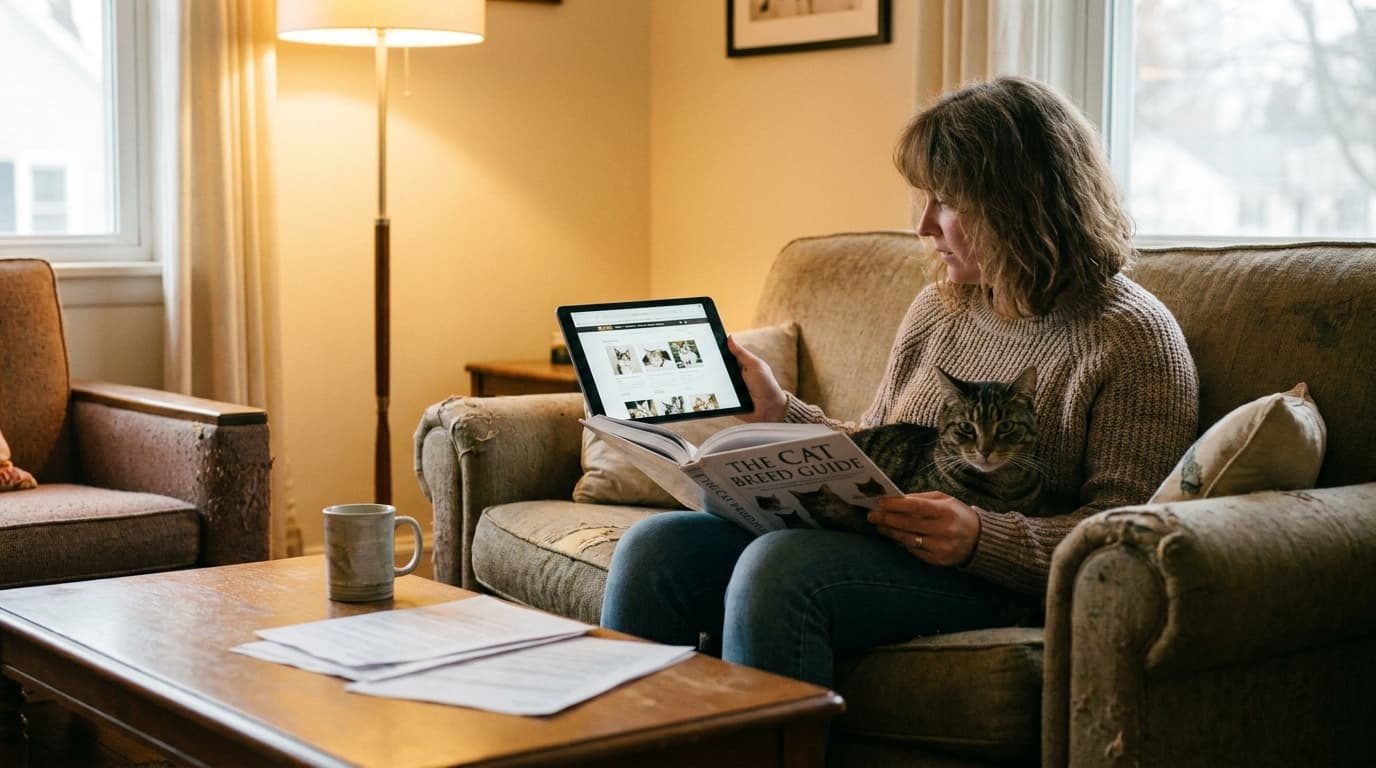
The easiest cats for first-time owners or busy professionals are those that balance independence with a chill personality. You want a buddy that doesn't mind some alone time and won't demand hours of grooming every weekend. While many people think hairless cats are the low-maintenance choice, they actually require regular baths to manage skin oils. Instead, look for breeds with short, dense coats that mostly care for themselves.
Finding The Right Match Best Cat Breeds For First Time Owners And Allergy Sufferers often leads people to the British Shorthair. These cats are the introverts of the feline world, famously calm and happy to lounge while you are at work. They have a plush coat that doesn't mat easily, making them a top contender for the title of easiest cat breeds to take care of.
Imagine a lawyer who works ten-hour days and lives in a tidy apartment. Instead of coming home to a high-energy cat that has knocked over every plant, they find their British Shorthair waiting patiently by the door, having spent the day napping. There is no frantic need for immediate play or a giant pile of shed fur on the rug. This kind of low-drama companionship is perfect for a high-stress lifestyle.
If you want to keep things simple, focus on grooming efficiency. Even low-shedding breeds like the Russian Blue, which typically only sheds for a few weeks twice a year, benefit from the right approach. You can Stop The Shedding Practical Cat Care Tips For A Happier Fluffier Friend by using a rubber curry comb once a week to grab loose hairs before they hit your furniture.
Key insights:
- Prioritize breeds with short, single-layer coats to minimize brushing time.
- Choose low-drama breeds like the British Shorthair or Russian Blue if you have a busy schedule.
- Avoid hairless breeds if you want to skip the bath-time routine, as they need frequent skin care to remove oils.
- Use HEPA filters in your vacuum to catch fine dander that even the cleanest cats leave behind.
- Look for adult cats at rescues, as their temperaments are already established and they are often calmer than kittens.
Which cat breeds actually like to play fetch?
Yes, some cats really do act like dogs when it comes to playtime. While most felines prefer the stalk and kill method of playing with toys, a few specific breeds treat a tossed ball like a team sport. These cats are usually highly social and very smart, viewing the act of bringing a toy back as a way to keep the fun going with their favorite human. It is a form of social bonding that goes beyond simple hunting instincts.
If you are looking for this kind of interaction, breeds like the Burmese, Abyssinian, and Colorpoint Shorthair are your best bets. These cats are famous for their velcro personalities, meaning they want to be involved in whatever you are doing. You can learn more about matching a cat to your energy level by looking at Why Some Cats Live To 20 And Which Breeds Are Best For Your Lifestyle. They do not just sit on the sidelines. They want to be part of the action.
Imagine you are sitting on the rug with an active Burmese cat. You flick a wadded-up paper ball across the floor, and she launches after it like a heat-seeking missile. Within seconds, she is back, dropping the paper on your lap and staring at you with wide, expectant eyes. This isn't just about the toy. It is about the bond. For these active cats, fetching is a conversation, a way to say they are ready for more. They will often repeat this cycle until you are the one who gets tired first.
It is fascinating how breed traits influence behavior. For example, the Colorpoint Shorthair is often cited as one of the most intelligent felines, frequently engaging in complex games that require problem-solving. This behavior is a far cry from the independent loner stereotype often associated with cats. If you are also worried about coat maintenance, you can Stop The Shedding Practical Cat Care Tips For A Happier Fluffier Friend while still enjoying an active pet. Most fetch-loving breeds have short coats. The Russian Blue, for instance, typically only sheds heavily for a few weeks twice a year, so you spend more time playing and less time cleaning.
Key insights:
- Choose highly social, intelligent breeds like the Burmese or Abyssinian if you want a cat that plays fetch.
- Use lightweight, easy-to-carry toys such as crinkle balls, plastic rings, or even wadded-up paper.
- Reward the return of the toy with praise or a small treat to reinforce the bring it back behavior.
- Look for signs of high energy and velcro behavior, as these cats are most likely to enjoy interactive games.
- Start training early to help your cat understand that returning the toy leads to more playtime.
Frequently Asked Questions
Conclusion
Choosing the right cat is about matching their natural quirks with your daily life. Whether you need a Ragdoll for emotional support or a low-shedding Siberian for your allergies, there is a perfect feline friend out there. Some cats act like dogs by playing fetch while others are simply the easiest cat breeds to take care of because of their calm nature. Understanding these traits helps you move past the guesswork to find a pet that fits your home.
Your next move is to spend some quality time with a cat before you commit. Even within specific breeds, every cat has its own unique personality. You might find a rescue cat that defies the rules or a purebred that surprises you with its energy. If you are still trying to identify your own cat's breed at home, look closely at their coat and ears to piece together their history.
Bringing a cat into your home is a big step but it is incredibly rewarding. Focus on what you need most, whether that is a playful partner or a quiet companion for long evenings. Your new best friend is ready for their forever home.
Send it to someone who should read it next.
About the author
Sophia Parks
Breed Specialist & Breeder
Registered cat breeder and judge with deep expertise in pedigreed breeds and breed standards worldwide.
View all articles