Better Cat Care: Simple Ways to Handle Health, Habits, and Emergencies
Being a cat parent is one of the best things in the world, but let’s be honest, it can get a little overwhelming. From weird habits to sudden vet visits,...

James Miller
Certified Cat Behaviorist
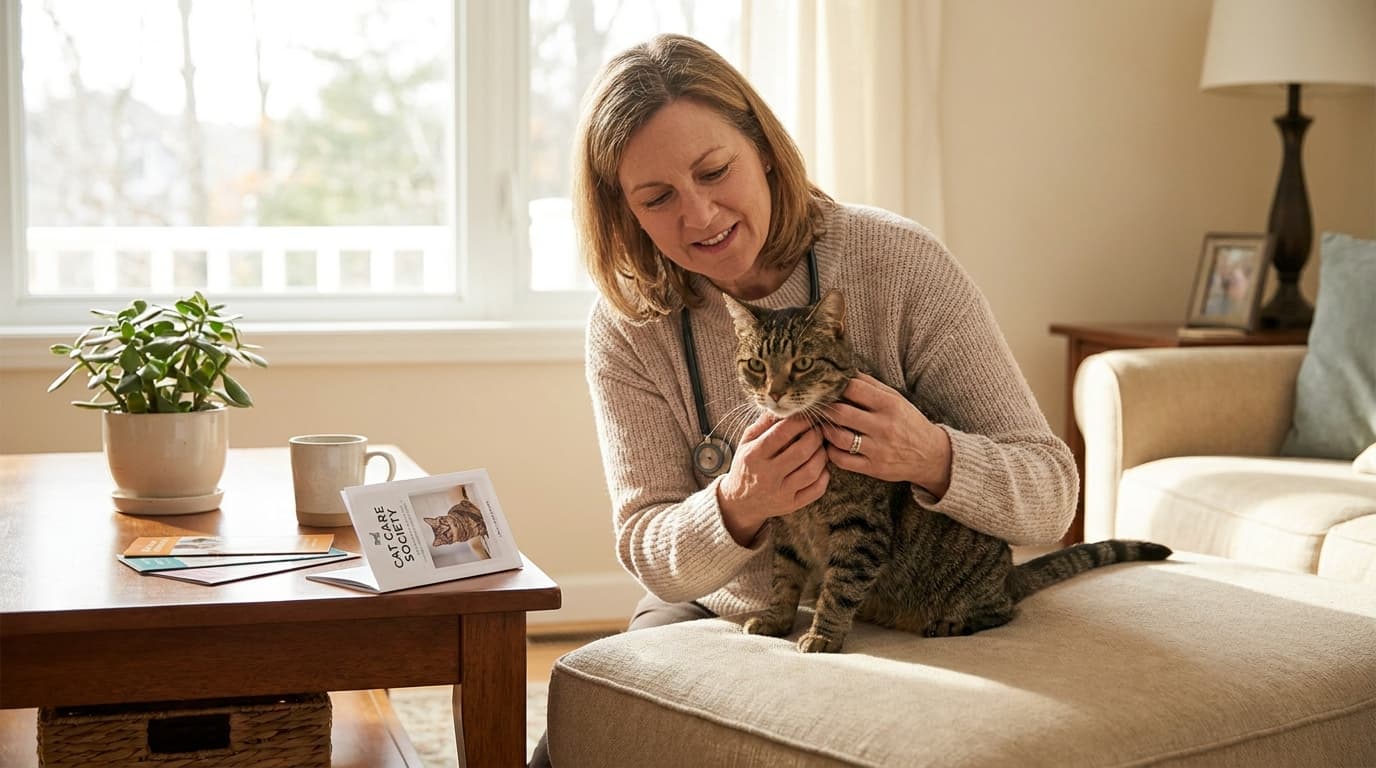
Better Cat Care: Simple Ways to Handle Health, Habits, and Emergencies
Being a cat parent is one of the best things in the world, but let’s be honest, it can get a little overwhelming. From weird habits to sudden vet visits, you want to give your pet the best life without feeling like you need a second job to pay for it. Good cat care is about being proactive so you can save yourself a lot of stress and money later on.
In this guide, we will look at simple ways to level up your routine. You will find out about the benefits of joining a local cat care society and how to set up affordable cat dental care home routines that actually work. We also cover the tricky stuff, like how to apply for care credit for feline emergencies or finding a nutritional guide for weaning orphaned kittens.
Whether you are transitioning an outdoor cat to indoor life safely or just looking for better ways to handle daily habits, these tips make everything easier. It is all about small steps that lead to a much happier, healthier cat. Let’s get started on making your home the best place for your feline friend.
Why Your Local Cat Society Is Your New Best Friend
Ever feel like your friends are tired of hearing about your kitten's latest zoomies? We have all been there. Joining a local cat society is like finding your people. It is about more than just sharing cute photos. It is about building a safety net. When you connect with others who speak cat, you stop feeling like the eccentric neighbor and start feeling like part of a team. This matters because having a community makes the hard parts of pet ownership feel a lot lighter.
These groups are gold mines for practical help. Think about the last time you needed a last-minute sitter or a vet recommendation that would not break the bank. Members often share leads on low-cost clinics or trusted pet sitters who actually understand feline quirks. It makes the benefits of joining a local cat care society very clear when you realize you are not alone in managing a budget or a sick pet. Also, these connections often lead to shared resources you would not find on a standard search engine.
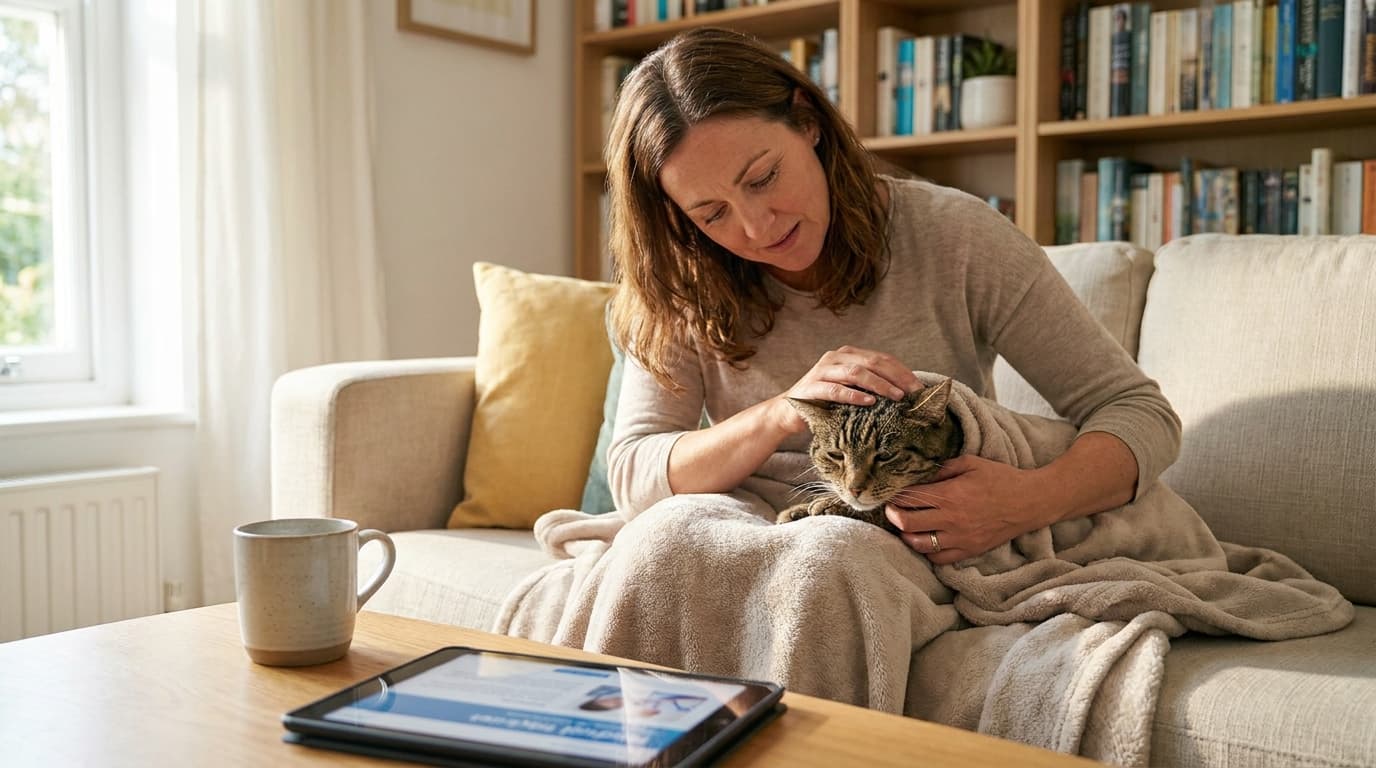
There is also a huge emotional side to this. Caring for a cat can be stressful, especially during health scares or when you are transitioning an outdoor cat to indoor life safely. Having a group to lean on provides a massive boost. They offer advice, a shoulder to cry on, or even just a funny meme when you are stressed. It turns the solo job of pet parenting into a shared experience that feels much more manageable because you have a cheering section behind you.
So, how do you find these groups? Start by checking social media or local community boards. Look for active groups where people are actually helping each other, not just posting ads. A good society feels supportive and inclusive right from the start. You can get involved by attending a coffee meet-up or just answering a quick question on a forum thread. It is a small step that pays off the next time you need advice on something like affordable cat dental care home routines or how to apply for care credit for feline emergencies. Being part of the conversation means you are ready before a crisis even hits.
Key insights:
- Local groups provide access to vet recommendations and low-cost clinics you might otherwise miss.
- Community support reduces the emotional stress of handling feline health emergencies.
- Social media and neighborhood boards are the fastest ways to find active, supportive cat societies.
The Real Benefits of Joining a Local Cat Care Society
Ever feel like your cat is a mystery? You are not alone. One of the best moves you can make is finding your own clowder. The benefits of joining a local cat care society go beyond just sharing photos. It is about having a safety net for when life gets a bit hairy.
Finding these groups is simple. Start by scrolling social media or checking community boards at your local pet shop. Look for active groups where members actually help each other. You want a supportive space, not a place that judges you. Getting involved usually just takes a quick message or attending a meet-up.
A good society offers advice on local sitters or vet deals. These connections provide insights that a search engine just cannot match. It is always better to have a community that has your back when you need it most.
Key insights:
- Use social media and local pet shops to find active groups.
- Prioritize supportive, non-judgmental communities over large, inactive ones.
- Local groups provide better advice on neighborhood services than search engines.
Sparkling Teeth on a Budget: Dental Care at Home
Have you ever looked at your cat's vet bill and felt your heart sink? Usually, the biggest surprises come from dental work. Dental health is easily the most overlooked part of feline wellness, yet it affects everything from their heart to their kidneys. Think of home care as an investment. By spending a few dollars on basic supplies now, you can prevent those massive bills that come with professional cleanings and extractions down the line. It is about keeping them comfortable and keeping your wallet full.
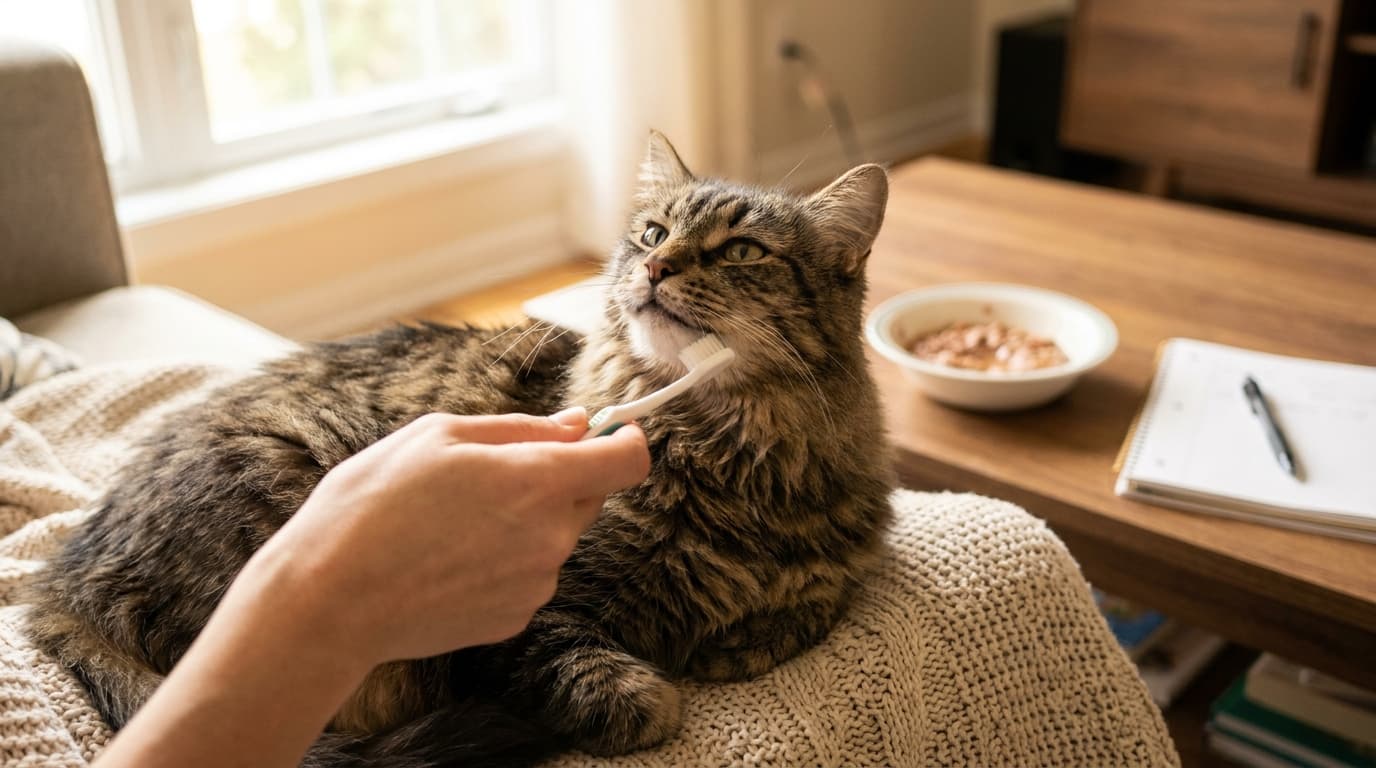
If you want to try affordable cat dental care home routines that work, you have to ditch the grab and scrub mindset. Cats hate being forced. Instead, try the slow approach. Let them sniff the brush and taste the paste. It should feel like a treat, not a chore. Look for enzymatic toothpastes that do the work for you. Avoid anything with xylitol or fluoride, as these are dangerous for pets. A simple finger brush is often cheaper and easier to control than a long handled one.
Sometimes, despite your best efforts, a toothbrush is a no-go. That is okay. You can still protect their teeth with easy alternatives. Water additives are basically mouthwash for cats. You just add a little to their fresh water daily to break down bacteria. Dental treats are another win because they use mechanical action to scrape off gunk while the cat snacks. It is a simple way to help busy owners stay on top of things without any drama.
But wait, how do you know when home care is not enough? Even the best routine has limits. If you see bright red gums, heavy drooling, or if your cat starts dropping food while eating, those are red flags. This is when you have to admit you need professional help. If the cost of a vet visit feels scary, you might want to look into how to apply for care credit for feline emergencies. It is better to handle a small issue now than let it turn into a major health crisis later.
Think of it this way: a five minute brush or a quick splash of additive in their bowl is a small price for a happy cat. We often forget that cats are masters at hiding pain. By the time they show they are hurting, the dental issue is usually advanced. Consistency is your best friend here. You do not need to be perfect, you just need to be present. Your cat might not thank you for the brush, but their healthy body certainly will.
Key insights:
- Dental disease can lead to systemic issues like heart and kidney disease if left untreated.
- Enzymatic toothpaste is more effective than manual scrubbing alone for cats.
- Slow introduction to dental tools prevents fear and makes the routine sustainable.
- Professional intervention is necessary once symptoms like red gums or food dropping appear.
Affordable Cat Dental Care Home Routines That Work
Ever tried shoving a toothbrush into a cat's mouth? It usually ends in a flurry of fur and some very offended meows. But keeping those feline teeth clean doesn't have to be a battle or a drain on your wallet. The secret is to ditch the drama and start slow. Think of it as a long game where you win with patience rather than force.
Start by letting your cat lick a tiny bit of cat-safe toothpaste off your finger. Avoid human toothpaste at all costs, as ingredients like fluoride and xylitol are toxic to pets. You can find affordable, poultry-flavored gels that cats actually think are treats. Once they enjoy the taste, gently rub your finger along their gums. This gets them used to you being in their personal space without the immediate stress of a plastic brush.
After a week of finger-rubbing, graduate to a soft finger brush or even a simple piece of gauze. You don't need fancy gadgets to see results. Just a few swipes on the outer teeth twice a week helps prevent expensive vet bills later. If they only let you brush for ten seconds today, that’s still a win for their health and your bank account.
Easy Alternatives to Manual Brushing
Let’s be honest: trying to brush a cat's teeth often feels like wrestling a tiny, angry octopus. If your cat hates the toothbrush, you aren't alone. You can still maintain affordable cat dental care home routines without the battle scars. Water additives are a great choice here. You just add a tasteless capful to their bowl to help break down plaque while they drink. It’s a simple win for busy owners who want results without the daily struggle.
Then there are dental treats. Look for ones with the VOHC seal to make sure they actually scrub away tartar rather than just tasting good. But even with the best treats, home care has its limits. If you notice red gums or your cat starts dropping food, it's time to call the pros. If the cost is a concern, looking into how to apply for care credit for feline emergencies can help manage those vet bills when simple home care isn't enough.
Think of home care as maintenance. It keeps things steady but won't fix a broken tooth or a deep infection. Cats are very good at hiding pain, so watch their breath. If it smells bad, that's your cue that something is wrong. A quick check-up now saves you a lot of stress and money later. What does this mean for you? It means staying observant is just as important as the treats you buy.
Key insights:
- Water additives offer a passive way to reduce plaque daily.
- Only trust dental treats that carry the VOHC seal of approval.
- Professional help is necessary if you notice red gums or bad breath.
What to Do When the Vet Bill Is a Surprise
You are sitting in a quiet vet lobby at 2 AM, and the news is a mix of relief and a total gut punch. Your cat is going to be okay, but the estimate on that clipboard is way more than you have in your checking account right now. It is a moment every pet owner dreads. Feline emergencies do not send a calendar invite, and they certainly do not care about your monthly budget. Whether it is a sudden blockage, a bad fall, or an unexpected illness, the costs can hit four figures before the sun even comes up. The shock of the price tag can be just as stressful as the medical emergency itself.
The reality is that relying on luck or a small rainy day fund usually is not enough when things get serious. We often tell ourselves we will just handle it when the time comes, but panic makes for terrible financial planning. Veterinary medicine has gotten incredibly advanced, and that technology comes with a price tag. Emergency clinics have to staff specialists and run expensive diagnostic equipment all night long. A single surgery or a three-day stay for observation can wipe out a standard savings account in hours. Having a solid backup plan is not about being worried; it is about making sure you never have to choose between your cat’s health and your rent. Savings can vanish, so having a dedicated line of credit ensures you are not left empty-handed.
Think of it this way: when your cat is hurting, your brain should be on them, not on a calculator. If you do not have a dedicated pet insurance policy or a massive stash of cash, you need a way to bridge the gap quickly. That is why many owners look into specialized financing options. It is not just about the money; it is about the peace of mind that comes with knowing you can say yes to the treatment your cat needs right now without a second thought. Having this safety net allows you to focus on the recovery process instead of the math.
If you are wondering how to apply for Care Credit for feline emergencies, the process is actually pretty fast and straightforward. You can usually do it right from your phone while you are sitting in the waiting room or even before you leave the house. You will just need to provide some basic details like your income and social security number, and most people get an answer in a few minutes. It is always a good idea to check with the front desk first to make sure they accept it, as most emergency hospitals do. If you are approved, the vet can process the payment immediately using your account number, even before your physical card arrives in the mail. It is designed for exactly these high-stress moments when you need an answer right now.
The most important part is understanding the interest-free window. Many clinics offer no interest if paid in full plans for six or twelve months. This is a huge help, but you have to be smart about it. If you do not pay the whole balance before that time is up, the interest hits all at once from the very first day. It is a great tool for spreading out a big bill, but you will want to set a strict repayment schedule to avoid those extra costs. Knowing this turns a scary, four-figure emergency into a manageable monthly expense that fits into your life.
Key insights:
- Emergency vet costs often exceed standard savings due to the high cost of 24/7 specialized care and diagnostics.
- Instant financing applications can be completed via smartphone in the waiting room for immediate use.
- Promotional interest-free periods require disciplined repayment to avoid large back-dated interest charges.
How to Apply for Care Credit for Feline Emergencies
Nothing makes your heart drop like a midnight vet trip. When your cat is hurting, the last thing you want to do is scramble for cash. Care Credit acts like a dedicated safety net for pet emergencies. You can apply online or via their app in minutes, even from the vet’s lobby. Just fill out a quick form with your details, and you’ll typically get an instant decision.
The real magic lies in the interest-free periods, which usually range from 6 to 18 months. If you pay the full balance within that window, you won't owe a dime in interest. But stay sharp. If you miss the deadline, that interest catches up with you fast. It’s best to divide your bill by the number of months in your promo period and pay that exact amount every time.
Most vets accept it, but double-check with yours to be safe. Having a plan ready means you can focus on cuddles and recovery instead of stressing over the bill. Your cat will thank you.
Key insights:
- Apply instantly from your phone during a vet visit to get immediate coverage.
- Pay the full balance before the promotional period ends to avoid high interest charges.
- Confirm your local vet accepts Care Credit before an emergency happens.
From Bottle to Bowl: Helping Orphaned Kittens Start Real Food
Imagine your tiny foster kitten suddenly showing interest in your own dinner or trying to chew on the bottle nipple instead of sucking. That is usually the first sign they are ready to move past the liquid-only diet. Most orphans start this big transition around four weeks old, but it is not just about the calendar. It is about when they can stand steadily on all fours and show curiosity about the world around them. Moving too fast can upset their sensitive stomachs, while waiting too long might slow down their physical growth. It is a delicate balance of watching for those first wobbly steps toward independence.
Since these little ones do not have a mom to provide the perfect meal, you have to step in as the nutritional expert. Growing kittens need significantly more calories, protein, and fat than adult cats to fuel their constant zooming and development. When picking out food, look for recipes specifically made for kittens that include DHA for brain and eye health. Think of it as building a house; you need the best materials possible in those first few months to make sure the foundation stays strong for a lifetime of health.
Now comes the fun, messy part: making the slurry. You are not just plopping a bowl of meat on the floor and walking away. Start by mixing their usual warm formula with a small amount of high-quality wet kitten food until it looks like a runny soup. It feels a lot like making porridge. Use a very shallow saucer rather than a deep bowl so they do not accidentally dip their whole face in. They will likely step in it, wear it, and maybe even sneeze it out at first, but that is all part of the learning process.
Getting a kitten to lap instead of suckle is often the hardest hurdle. If they just try to chew the edge of the plate, try putting a little bit of the mush on your finger and letting them lick it off. Once they realize how tasty it is, they will usually follow your finger down to the saucer. As they get better at eating, you can slowly make the mix thicker and eventually introduce dry kibble by soaking it in warm water or formula until it is soft. Before you know it, that bottle will be a thing of the past.
The most important thing to remember during this phase is that every kitten moves at their own pace. Some will dive headfirst into a bowl of mush and never look back, while others might need the comfort of a bottle for another week. If they seem stuck or lose weight, do not be afraid to slow down. Keeping them hydrated and happy is much more important than hitting a specific deadline. Just keep the food warm, the environment calm, and have plenty of paper towels ready for the cleanup.
Key insights:
- Watch for the bite reflex on the bottle nipple as a primary cue that weaning can begin.
- Use shallow dishes to prevent the kitten from accidentally inhaling the food slurry.
- Always warm the food slightly to match the temperature of mother's milk for better acceptance.
- Transitioning too quickly can cause digestive upset, so monitor litter box habits closely during the switch.
A Nutritional Guide for Weaning Orphaned Kittens
Weaning an orphaned kitten is a messy, adorable milestone that usually starts around four weeks. Think of it as their first big step toward being a 'grown-up' cat. To start, you'll need to make a slurry - essentially a kitten milkshake. Just mix their usual formula with a little high-quality wet food until it's a smooth, soupy consistency. Use a shallow saucer so they don't have to dive headfirst into a deep bowl.
The transition is often hilarious. Since they're used to suckling, they might try to 'nurse' the mush or even walk right across the plate. You’re teaching them how to lap, which takes practice. Once they’re pros at the slurry, slowly add more solid food and less liquid. Soon enough, they'll be ready for dry kibble, and those tiny teeth will finally be put to good use.
The Great Move: Helping an Outdoor Cat Love Indoor Life
Bringing an outdoor explorer inside is a huge life change. It is like asking a world traveler to spend the rest of their days in a studio apartment. You know it is the right choice because the world outside is full of cars, predators, and nasty parasites, but your cat just sees a closed door. They have spent their life patrolling the neighborhood, and suddenly their kingdom has shrunk. This move is safer for their health, but it can be a tough emotional transition for both of you while they adjust to the new rules.
To make this work, you have to think about what your cat is actually missing. It is not just the grass; it is the mental stimulation and the sense of territory. In the wild, cats have jobs to do, like watching birds and guarding their turf. When they move inside, those jobs disappear. If we do not give them something else to focus on, they get bored and frustrated. Think of it this way: a bored cat is a cat that starts looking for trouble, whether that is scratching the sofa or yowling at the window at midnight.
The best way to help them settle in is to bring the outdoors to them. Since cats love to be up high, adding vertical space is a game-changer. Tall cat trees or wall-mounted shelves let them survey their new indoor kingdom from a safe distance. If you have a porch or a window, consider a catio or a sturdy window perch. This gives them a front-row seat to 'cat TV' where they can watch birds and feel the breeze without any of the risks. It makes the transition feel less like a cage and more like a luxury suite.
You also need to satisfy that deep-rooted hunting instinct. Outdoor cats spend a lot of time tracking prey, so a bowl of kibble sitting on the floor can feel a bit boring. Try using puzzle feeders or hiding small treats around the house to make them work for their food. Interactive toys like feather wands or laser pointers can also help burn off that restless energy. It takes a little extra effort on your part, but watching your cat finally curl up for a peaceful indoor nap makes the whole process worth it.
Key insights:
- Moving inside keeps cats safe from cars and predators but requires replacing their outdoor 'jobs' with indoor activities.
- Vertical space and window perches help mimic the climbing and observing cats do in the wild.
- Puzzle feeders and interactive play sessions are essential to satisfy a former outdoor cat's hunting drive.
Transitioning an Outdoor Cat to Indoor Life Safely
Moving a cat from the wild outdoors to the living room sofa is a big shift. You might worry they will get bored, but safety does not have to mean a dull life. To keep your kitty happy, you simply need to bring the best parts of the outdoors inside. Think about what they love most out there: climbing, watching birds, and the thrill of the hunt.
Start by looking up. Cats feel safest when they have a high vantage point to survey their kingdom. Installing sturdy shelves or a tall cat tree gives them a place to climb and hide. You can also set up a window perch so they can watch the neighborhood birds for hours. If you have a little extra space, a catio is a huge win. It lets them feel the breeze and hear the sounds of nature while staying behind a safe screen.
Finally, make sure to satisfy that natural hunting instinct. In the house, food usually just sits in a bowl, which is pretty boring for a predator. Use puzzle feeders to make them work for their snacks. Mix in some feather wands or interactive toys to keep them moving. This keeps their mind busy and their body fit without any of the risks of the great outdoors.
Key insights:
- Vertical space like shelves and cat trees mimics the climbing opportunities found in nature.
- Puzzle feeders prevent boredom by turning mealtime into a rewarding brain game.
- Catios and window perches provide essential mental stimulation without the safety risks of roaming free.
Common Questions About Leveling Up Your Cat Care
Ever feel like your cat is quietly judging your life choices? It is completely normal to have a few doubts when you are trying to give them a better life. Maybe you are worried that bringing your outdoor explorer inside will make them miserable, or perhaps you are staring at a tiny orphaned kitten wondering how on earth to feed it. You are not alone in this. Taking that next step in cat care often starts with these exact questions. The good news is that most of these challenges have simple, practical solutions that you can start using today.
If you are worried about your cat’s happiness indoors, think about joining a local cat care society. These groups are full of people who have already figured out how to keep a former stray entertained with vertical spaces and window perches. Also, do not let the cost of health scares keep you up at night. Many owners do not realize they can apply for CareCredit to handle feline emergencies. It is a specialized credit card for health expenses that can be a total lifesaver when an unexpected vet bill pops up. It gives you some breathing room so you can focus on your pet instead of the math.
What about the daily stuff, like those sharp little teeth? You do not need a degree in veterinary medicine to start a dental routine at home. Simple habits like using cat-safe enzymes or specialized treats go a long way in preventing expensive cleanings later. And if you find yourself caring for a tiny kitten, remember that weaning is all about patience and the right nutrients. Moving them from milk to solid food is a big milestone, but doing it slowly ensures their little stomachs can handle the change. These small steps might seem minor, but they add up to a much longer, happier life for your furry roommate.
Key insights:
- Local cat societies provide a community of support for transitioning outdoor cats to indoor life.
- CareCredit offers a financial safety net for unexpected feline medical emergencies.
- Home dental routines are easy to start and save significant money on vet bills over time.
- Slow nutritional transitions are vital for the health of weaning orphaned kittens.
Final Thoughts: Small Steps to a Happier Cat
Taking care of a cat isn't about being perfect every single day. It’s really about those tiny, consistent choices that keep their tails twitching with joy. Whether you’re starting an affordable cat dental care home routine or joining a local cat care society for community support, you are making a difference. These small steps, like following a nutritional guide for weaning orphaned kittens or transitioning an outdoor cat to indoor life safely, build a foundation of health that lasts a lifetime.
It’s okay to feel a bit overwhelmed by things like care credit for feline emergencies. Preparation is just another way to show you care. You’re doing the work to ensure your friend has a safe, happy home, and that is what truly matters. Keep learning, stay curious, and remember to enjoy those quiet purrs on the couch. You’ve got this, and your cat is lucky to have such a dedicated person in their corner.
Frequently Asked Questions
Conclusion
Improving your cat care routine does not have to happen all at once. It is really about the small, daily choices that add up over time. From starting an affordable dental routine at home to finding your tribe in a local cat care society, these steps make life less stressful for both of you. When you combine proactive health habits with a solid backup plan for emergencies, you move from just reacting to problems to truly supporting your cat's long-term happiness.
Your next move might be as simple as looking up how to apply for care credit so you are ready before a crisis hits, or finally setting up that window perch for your former outdoor explorer. These changes aren't just about safety or saving money. They are about building a deeper bond with your feline friend while keeping your own peace of mind intact.
Being a cat parent is a wild, rewarding journey that is always better with a little help from friends and a few smart habits. So, take a deep breath and pick one small thing to try this week. Your cat might not say thank you in words, but a loud purr and a head butt are usually all the feedback you need.
Send it to someone who should read it next.
About the author

James Miller
Certified Cat Behaviorist
Feline behavior consultant helping cat owners understand and strengthen their bond with their cats.
View all articles