More Than Just Purrs: 5 Ways to Keep Your Cat Healthy and Happy
Did you know that by age three, most cats are already dealing with some form of dental disease? It's true, but since cats are experts at hiding pain, you might...

Dr. Emily Hart
Veterinarian, DVM
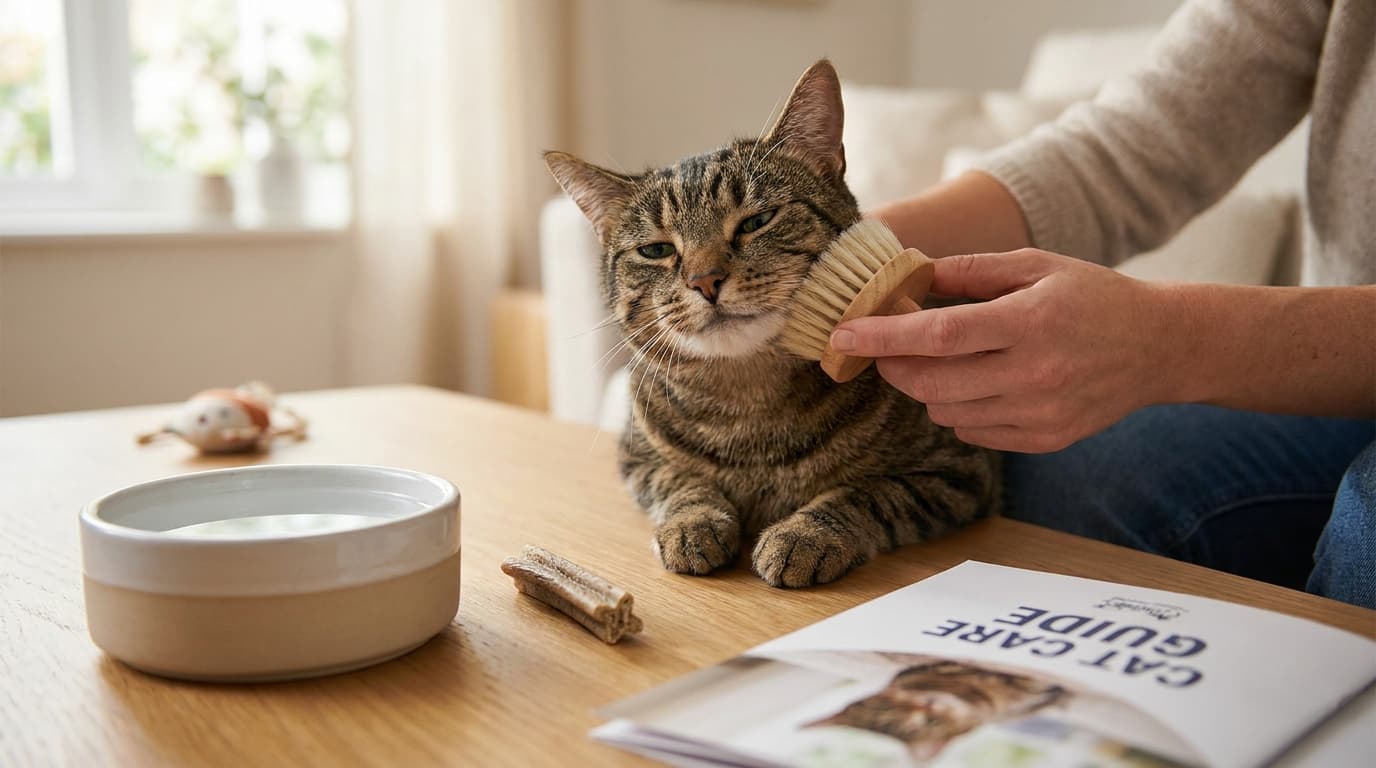
More Than Just Purrs: 5 Ways to Keep Your Cat Healthy and Happy
Did you know that by age three, most cats are already dealing with some form of dental disease? It's true, but since cats are experts at hiding pain, you might not even notice your furry friend is struggling. Good cat care is about much more than just filling a food bowl and offering occasional head scratches.
It involves watching for subtle signs of trouble and setting up routines that keep them healthy for years. We are going to look at preventing feline gingivitis before it starts, how to spot feline dehydration signs early, and where to find low cost cat vaccinations to save some money.
Whether you are introducing a new kitten or managing an outdoor to indoor cat transition, these five tips will help you build a happier home. Let's get started on making life better for your favorite purr machine.
More Than Just Purrs: The Secrets to a Long and Happy Cat Life
Ever wonder why your cat seems fine until they suddenly aren't? Cats are experts at hiding pain. While a purr usually means they're happy, it can also mask a quiet struggle. Small daily habits are the real secret to avoiding those scary vet bills later on. We’re going to look at how simple tricks with hydration and dental care keep your feline friend thriving.
Let’s talk about their teeth. Adult cats have 30 teeth designed for chewing, but dental disease hits most cats by age three. Plaque starts forming just hours after a meal. If ignored, bacteria can travel from the gums to the heart or kidneys. Finding the best cat dental care routine for preventing gingivitis isn't just about breath. It is really about protecting their organs.
Just remember: never use human toothpaste since it's toxic to cats. Try getting them used to mouth checks early on. It might feel a bit silly, but prevention is much easier than surgery. A clean mouth makes for a much happier purr machine.
The Tooth About Feline Health: Preventing the Silent Pain
Have you ever looked closely at your cat's mouth? Those 30 sharp teeth are perfectly designed for a predator, but they are also a major health risk. By the time most cats reach their third birthday, they are already struggling with dental disease. Because cats are so good at hiding their pain, you might not notice anything is wrong until the damage is already done. This is why a regular routine is so important for their long term comfort.
It is not just about bad breath or yellowing teeth. When bacteria build up in the mouth, they can enter the bloodstream and travel to vital organs like the heart and kidneys. This connection makes oral hygiene one of the most important parts of pet care. As the team at Epic Tails Veterinary Clinic points out, preventing these issues is much cheaper and easier than paying for a major surgery later on. Think of it as a small daily investment in their overall health.
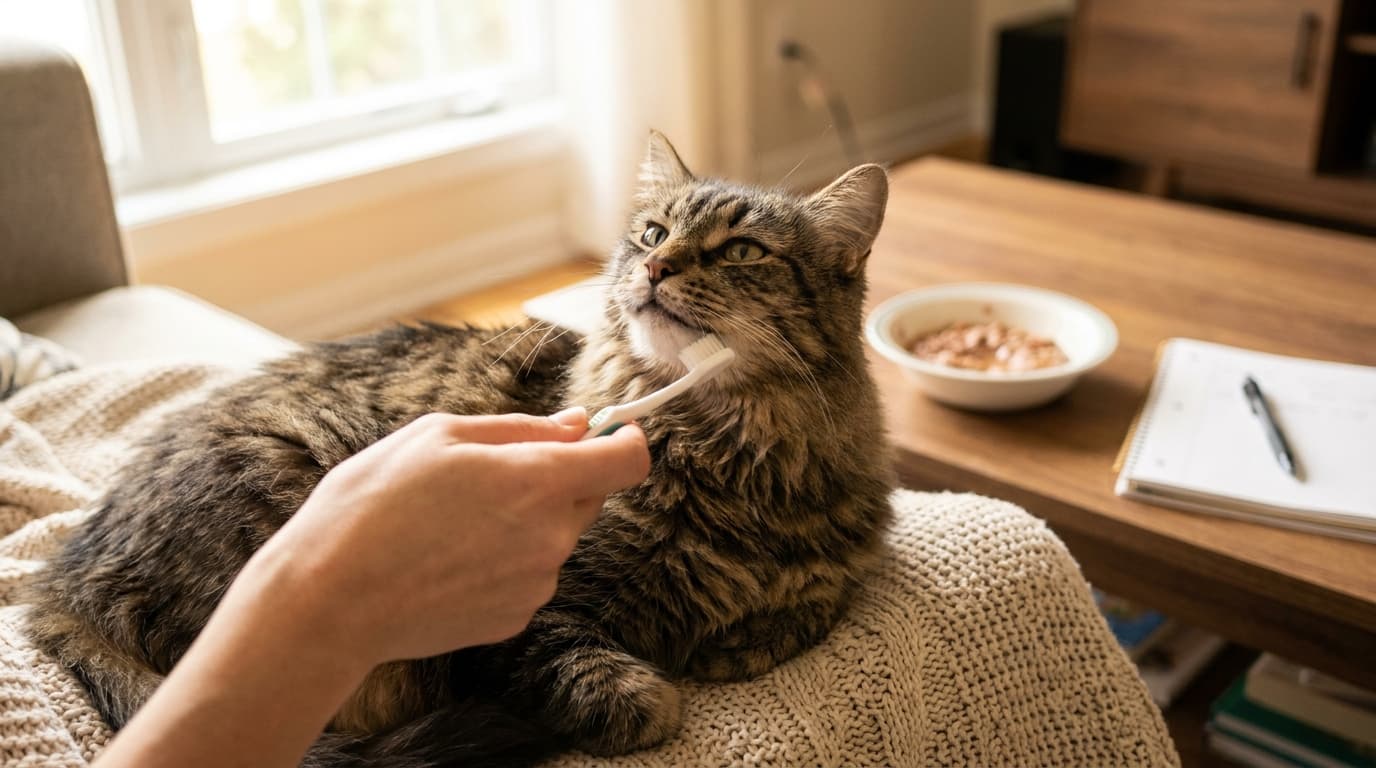
Starting a brushing routine is the best way to fight back, and it helps to start when they are still kittens. If you can get them used to having their mouth handled early, it becomes a normal part of life rather than a scary event. When you brush, hold the bristles at a 45-degree angle where the teeth meet the gums. Also, never use human toothpaste because it contains ingredients that are toxic to cats. Stick to feline-friendly flavors like chicken or fish that they actually enjoy.
If your cat simply will not tolerate a toothbrush, do not give up. You can find treats and foods that do some of the work for you. Always check for the VOHC seal on the package to make sure the product actually does what it claims. Some dental kibbles have a rough texture that scrubs the teeth mechanically as the cat eats. You can also use water additives or gels as an extra layer of protection to keep their mouth clean and their heart healthy.
Key insights:
- Cats are masters at hiding oral pain, so you have to be proactive about checking their teeth.
- Bacteria from dental disease can travel through the blood to damage the heart and kidneys.
- Always look for the VOHC seal on treats to ensure they are effective at removing plaque.
- Human toothpaste is dangerous for cats and should never be used in their mouth.
Brushing Without the Battle
Cats are masters at hiding pain, so you might not realize they have a toothache until it is quite serious. Since plaque starts forming just hours after a meal, dental disease becomes a major issue for most cats by age three. To prevent this, start touching your cat's mouth while they are still kittens. They lose their baby teeth between three and six months, making it the best time to get them used to a toothbrush so they do not fight you later.
When you start brushing, aim the bristles at a 45-degree angle where the teeth meet the gums. Use small, oval motions to scrub away the day's snacks. One huge rule: never use human toothpaste. It is toxic to cats and can cause a real emergency. Instead, find a feline-friendly paste they actually enjoy. What does this mean for your cat? It means avoiding painful infections that could spread to their heart or kidneys through the bloodstream.
Even with perfect brushing, remember that cats still need professional checkups. A vet can clean below the gum line while your cat is under anesthesia, which is the only way to be 100% thorough. Prevention is always easier and cheaper than treating a major infection later. Keep that purr machine healthy by making dental care a regular part of your bonding time and keeping an eye out for any subtle signs of discomfort.
Key insights:
- Starting dental habits during the kitten stage prevents future stress and resistance.
- Human toothpaste contains ingredients that are poisonous to cats and must be avoided.
- Only professional veterinary cleanings can reach the bacteria hiding deep under the gum line.
Treats and Tools That Actually Work
Did you know plaque starts forming on your cat’s teeth just hours after they eat? It is a fast process, and by age three, most cats already show signs of dental disease. Since human toothpaste is toxic to cats, we have to get creative with how we keep those thirty adult teeth clean and healthy.
One of the easiest wins is looking for the VOHC seal of approval on dental treats. This seal means the product actually works to reduce buildup. Some specialized kibbles also use a unique texture to scrub away grime as your cat crunches down. Think of it as a tasty, mechanical toothbrush that does the hard work for you.
If your cat hates the toothbrush, water additives and gels are perfect backups. You just add them to their bowl or swipe them on their gums to break down plaque. Keeping things clean now stops bacteria from spreading to organs like the heart or kidneys later. It is a simple way to keep that purr machine happy.
Key insights:
- Look for the VOHC seal to ensure dental treats are effective.
- Specific kibble textures can help scrub teeth during mealtime.
- Water additives offer a low-stress way to fight plaque daily.
Keeping Your Kitty Hydrated: Is Your Cat Drinking Enough?
Does your cat treat their water bowl like a decorative piece of furniture? It is a common frustration for many owners. Cats are biologically designed to get most of their moisture from their prey, so their internal "I'm thirsty" alarm is surprisingly quiet. This desert-heritage trait means they can become dehydrated without you even noticing. You have to look for the subtle clues: is their coat looking a bit dull or spiked? Are they visiting the litter box less often than usual? These small shifts often point to a need for more fluids before it becomes a bigger health issue.
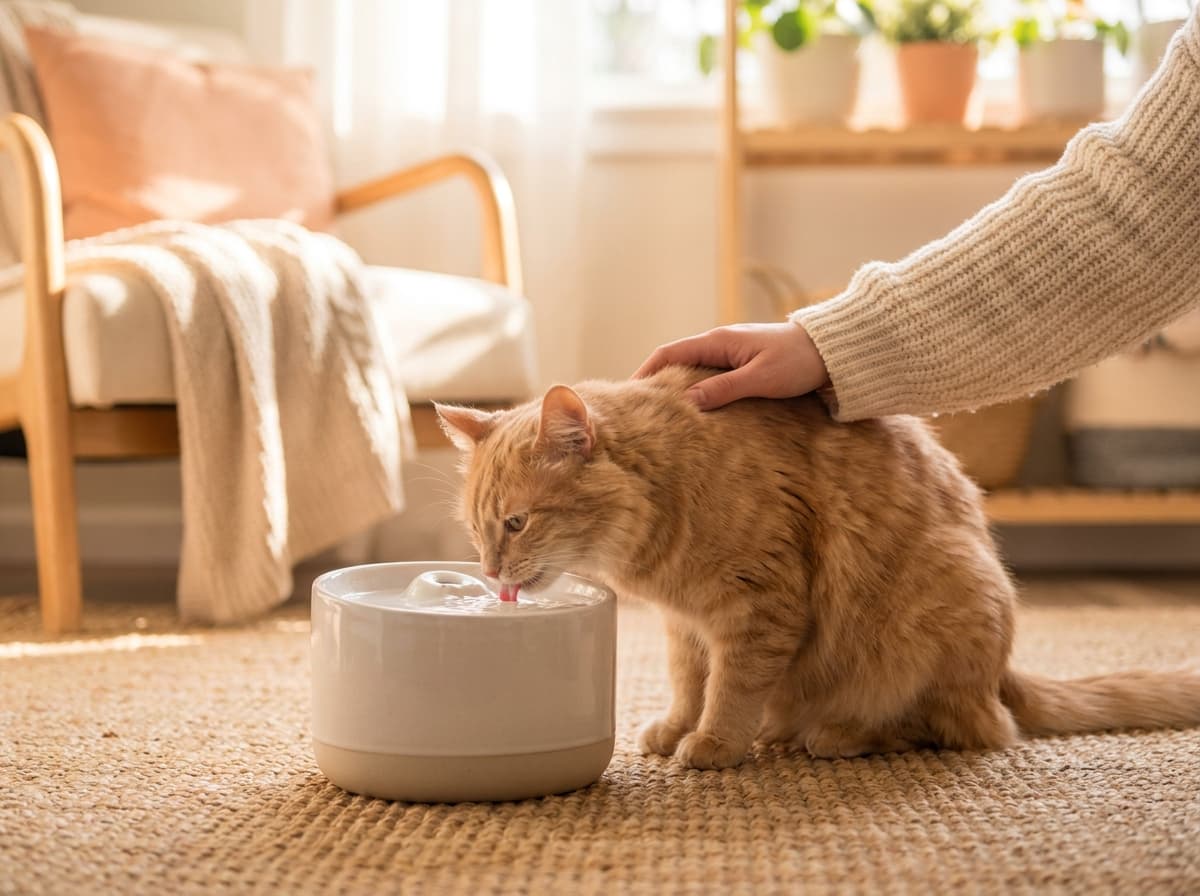
Most cats are incredibly particular about how they drink. If the water has been sitting for a day, they likely won't touch it. They also have a weird instinct to keep their water source separate from their food to avoid what they perceive as contamination. Try moving the bowl to a different room or upgrading to a ceramic fountain. The bubbling sound mimics a fresh stream, which is much more enticing than a still puddle. Also, make sure the bowl is wide and shallow. If their sensitive whiskers hit the sides of the bowl, it can cause whisker fatigue, making them avoid drinking altogether.
If your kitty still won't budge, the wet food advantage is your best friend. Transitioning even one meal a day to canned food can significantly boost their daily intake because it's roughly 70 to 80 percent water. It is a simple strategy for long-term health. You can even perform a quick skin tent check at home to see where they stand. Gently lift the skin on the back of their neck. In a well-hydrated cat, it should snap back immediately. If it takes a second or two to flatten, your cat is likely running low on fluids and needs a boost.
Remember that while we focus on water, everything is connected. A hydrated mouth helps wash away some debris, but it doesn't replace a solid routine. Since dental disease is one of the most common health issues in cats over age three, keeping them hydrated is just the first step in a much larger picture of feline wellness. Think of it this way: a hydrated cat is a more resilient cat, ready to stay happy and active for years to come.
Key insights:
- Cats often prefer running water because their instincts link still water with bacteria.
- Whisker fatigue is a real thing - use wide, shallow bowls to make drinking more comfortable.
- The skin tent test is the fastest way to check for dehydration at home.
- Wet food acts as a hydration hack for cats with low thirst drives.
The Wet Food Advantage
Ever wonder why your cat barely touches their water bowl? Cats have a low thirst drive because their ancestors got most of their hydration from prey. Switching to wet food is a simple way to boost moisture intake without a struggle. It’s a meal and a drink all in one. Keeping those fluids up helps their kidneys stay healthy and their skin stay supple.
But how do you know if they’re actually hydrated? Try the skin tenting test. Gently pinch the skin between your cat's shoulder blades and let go. If it snaps back quickly, they’re doing great. If it stays up or moves slowly, they might be dehydrated. Also, check their gums; they should feel slick and wet, not tacky or dry.
These small checks matter. While we often focus on dental health - since plaque can form within hours of eating - proper hydration is just as vital for their daily comfort. As the saying goes, a clean mouth and a hydrated body lead to a much happier purr machine.
Key insights:
- Wet food mimics a cat's natural diet by providing hydration through meals.
- Skin elasticity and gum moisture are the most reliable ways to check for dehydration at home.
- Consistent moisture intake supports long-term kidney health and overall vitality.
Quality Care on a Budget: Finding Low-Cost Clinics
Let's be real: vet bills can feel like a punch to the wallet. But here is a secret that experienced cat owners know: skipping that small checkup today usually leads to a massive bill later. Epic Tails Veterinary Clinic puts it perfectly by saying that prevention is way easier and more affordable than treatment. Think about dental health, for instance. Since dental disease is one of the most common issues for cats over three, catching it early saves you from the nightmare of emergency surgery and systemic health risks down the road.
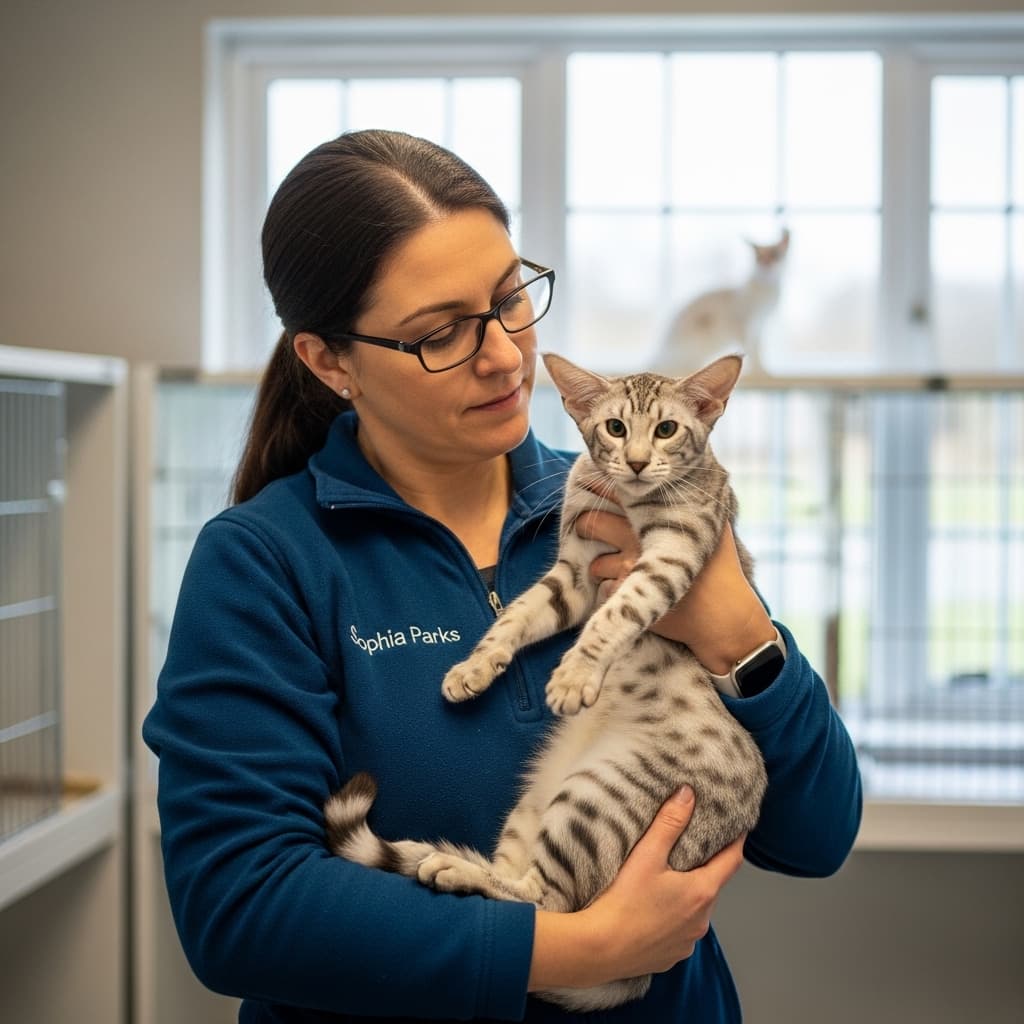
So, how do you keep your cat healthy without going broke? Look for community clinics or wellness packages at local shelters and non-profits. These spots often offer routine vaccinations and basic exams at a fraction of the cost of a full-service hospital. It is also worth checking if they do low-cost dental screenings. Since cats are experts at hiding their pain, these quick checks are vital. You might not notice your cat is hurting until they start dropping food or losing weight, so having a pro look at those thirty teeth once a year is a smart financial move.
While you are hunting for deals, remember that some of the best care happens at home for free. Brushing your cat’s teeth with feline-safe paste - never human stuff, as it is toxic - prevents the plaque that starts forming just hours after they eat. If you start this habit while they are kittens, they will learn to tolerate it much better. Combining these cheap at-home routines with budget-friendly clinic visits keeps your purr machine running smoothly. It is all about being proactive rather than reactive, which your bank account will definitely appreciate.
Key insights:
- Community clinics and shelter wellness packages offer high-quality vaccinations and exams for a fraction of standard costs.
- Routine dental checks are essential because cats instinctively hide oral pain until it becomes a costly emergency.
- Starting at-home care during kittenhood makes long-term health maintenance easier and far less expensive.
New Roommate? How to Introduce a Kitten Without the Drama
Bringing home a tiny ball of fluff is exciting, but your resident cat might see it as a hostile takeover. To keep the peace, start by giving your new kitten a home base. This is a separate room with everything they need like food, water, and a litter box. It lets the newcomer settle in while your older cat gets used to the new sounds and smells through a closed door. Think of it as a low-stakes introduction before they ever lock eyes.
Scent swapping is your best friend during this phase. Rub a cloth on the kitten and leave it near your older cat’s food bowl, and do the same for the kitten. You want them to associate this new smell with something positive, like dinner. These strategies for introducing a new kitten to a resident cat work because they respect feline territory. If you rush the process, you are basically asking for hisses and swiping.
When they finally meet face to face, watch their body language like a hawk. A little puffing up or a quick hiss is normal communication, but if ears go flat or someone starts stalking, it is time for a break. While they are getting used to each other, it is also the perfect time to start healthy habits. Since kittens typically lose their baby teeth between 3 and 6 months of age, getting them used to you touching their mouth now is a huge win for their future health.
You might wonder why dental care matters during a move-in, but early habituation makes life easier for everyone. Adult cats have 30 teeth designed for tearing and chewing, and plaque can begin forming just hours after eating. If you start a brushing routine while they are young, they will learn to tolerate it much better as adults. It is much easier to prevent issues now than to deal with periodontal disease later, which can spread bacteria through the bloodstream to organs like the heart and kidneys.
A peaceful home is about more than just a lack of fighting. It is about long-term well-being. As Epic Tails Veterinary Clinic says, prevention is far easier and more affordable than treatment. By taking these slow steps, you are not just avoiding drama today. You are setting up a foundation where your cats can coexist happily while staying healthy from the inside out. A clean mouth and a stress-free home lead to a much happier purr machine.
Key insights:
- Start scent swapping early to build positive associations before physical meetings.
- Kittenhood is the best time to habituate cats to mouth handling to prevent future dental disease.
- Plaque forms within hours, making daily habits more effective than occasional interventions.
- Watch for flat ears or stalking behavior as signs to pause the introduction process.
From Jungle to Living Room: Transitioning Your Outdoor Cat
Making the choice to transition an outdoor cat to living indoors full time is a huge win for their safety, but your cat might disagree at first. To them, the living room looks a bit small compared to the neighborhood territory they used to patrol. The trick is to stop thinking like a human and start thinking like a predator. You are not just trapping them inside. You are building a controlled version of their old world where the food is guaranteed and the cars can't reach them.
Since they are losing the real trees, you need to provide plenty of vertical space. Cat trees and window perches are a big deal because cats feel safest when they can look down on their kingdom. This move also gives you a chance to monitor their health more closely than you ever could when they were roaming. While they are lounging nearby, take a peek at their mouth. Most cats over age three deal with dental disease. Since they have 30 teeth designed for tearing and chewing, any pain there makes life miserable. Also, plaque starts forming just hours after they eat, so being indoors makes it much easier for you to start a consistent cleaning routine.
Boredom is the biggest hurdle in this process. If they do not have enough enrichment, they might take their frustration out on your sofa. Use food puzzles or catios to let them smell the breeze without the danger. If you are feeling brave, harness training is a great way to explore together. This transition is also the perfect time to get them used to having their mouth touched. Because human toothpaste is toxic to cats, you should always use a feline-friendly version. Starting these habits now prevents bacteria from spreading through the blood to their heart or kidneys later on. It is all about making the indoor life feel like a high-end upgrade.
Key insights:
- Vertical space like wall shelves helps a cat feel secure in a smaller indoor environment.
- Indoor transitions provide the perfect opportunity to start dental routines that prevent systemic health issues.
- Safe outdoor access through catios or leashes reduces the stress of losing territory.
Common Questions from Cat Parents
Ever wonder why your cat seems fine even though their breath smells a bit off? It is because cats are masters at hiding pain. Since dental disease hits most cats by age three, you are definitely not alone in your worries. Think of it this way: adult cats have thirty teeth meant for serious work, but plaque starts building up just hours after they eat. If we do not step in, that bacteria can travel through the bloodstream to their heart or kidneys. It sounds scary, but catching things early makes a world of difference for your pet.
A common question is whether you can just use your own toothpaste to save a trip to the store. The short answer is a big no because human toothpaste is actually toxic to cats. Instead, look for products with the VOHC seal of approval. If you are starting with a kitten, you have a head start because they lose their baby teeth between three and six months. Getting them used to you touching their mouth now is a total game-changer for their long-term health and makes daily maintenance much easier as they grow up.
What about those deep cleans at the vet? While brushing at home is great, a professional cleaning under anesthesia is the only way to really get under the gum line where the real trouble hides. As the team at Epic Tails says, prevention is way easier and cheaper than treating a major problem later. A little daily effort keeps that purr machine running smoothly and avoids those expensive emergency extractions down the road. It is all about keeping your feline friend comfortable and happy for as long as possible.
Key insights:
- Plaque begins forming on a cat's teeth within hours of eating a meal.
- Human toothpaste contains ingredients that are poisonous to cats.
- Cats instinctively mask dental pain, so regular home checks are vital.
The Big Picture: A Healthier, Happier Purr Machine
Think about your cat’s purr for a second. It is the sound of a happy pet, but that vibration starts in a mouth that needs more than just kibble to stay healthy. Since adult cats have 30 teeth meant for tearing and chewing, keeping those pearly whites clean is about more than just fresh breath. It is the secret to a long, pain-free life together. Because cats are masters at hiding discomfort, we often miss the early signs of dental disease, which affects most cats by age three.
The real danger isn't just gingivitis. It is how bacteria can travel from the gums to the heart and kidneys. It sounds heavy, but the fix is simple. By mixing a solid dental care routine with good nutrition and plenty of love, you are protecting their whole body. As the team at Epic Tails says, prevention is far easier and more affordable than treatment. Start with small steps today, like picking up VOHC-approved treats, to keep that purr machine running perfectly for years.
Key insights:
- Oral health is a direct gateway to protecting your cat's heart and kidney function.
- Because cats hide pain instinctively, your proactive care is their only defense.
- Consistency with small habits like dental treats is more effective than occasional deep cleans.
Frequently Asked Questions
Conclusion
Taking care of a cat is about more than just keeping the food bowl full. When you look at everything from a solid dental care routine for preventing gingivitis to making sure your kitty stays hydrated, you start to see how these small daily habits build a bigger picture of health. It is about creating a safe and stress-free home where they can thrive, whether you are trying to transition an outdoor cat to living indoors or introducing a new kitten to the family for the first time.
The bottom line is that cats are experts at acting like everything is fine even when it is not. By keeping an eye out for warning signs of feline dehydration or looking for low cost cat care clinics for routine vaccinations, you are staying one step ahead of potential problems. You do not need a massive budget to be a great cat parent because you just need to stay observant and proactive about their needs.
Your next move could be as simple as checking your cat's gums tonight or finally setting up that window perch they have been eyeing. Every little bit of effort helps ensure those purrs stay loud and happy for years to come. After all, a healthy cat is a happy cat, and there is nothing better than a content kitty curled up on your lap.
Send it to someone who should read it next.
About the author

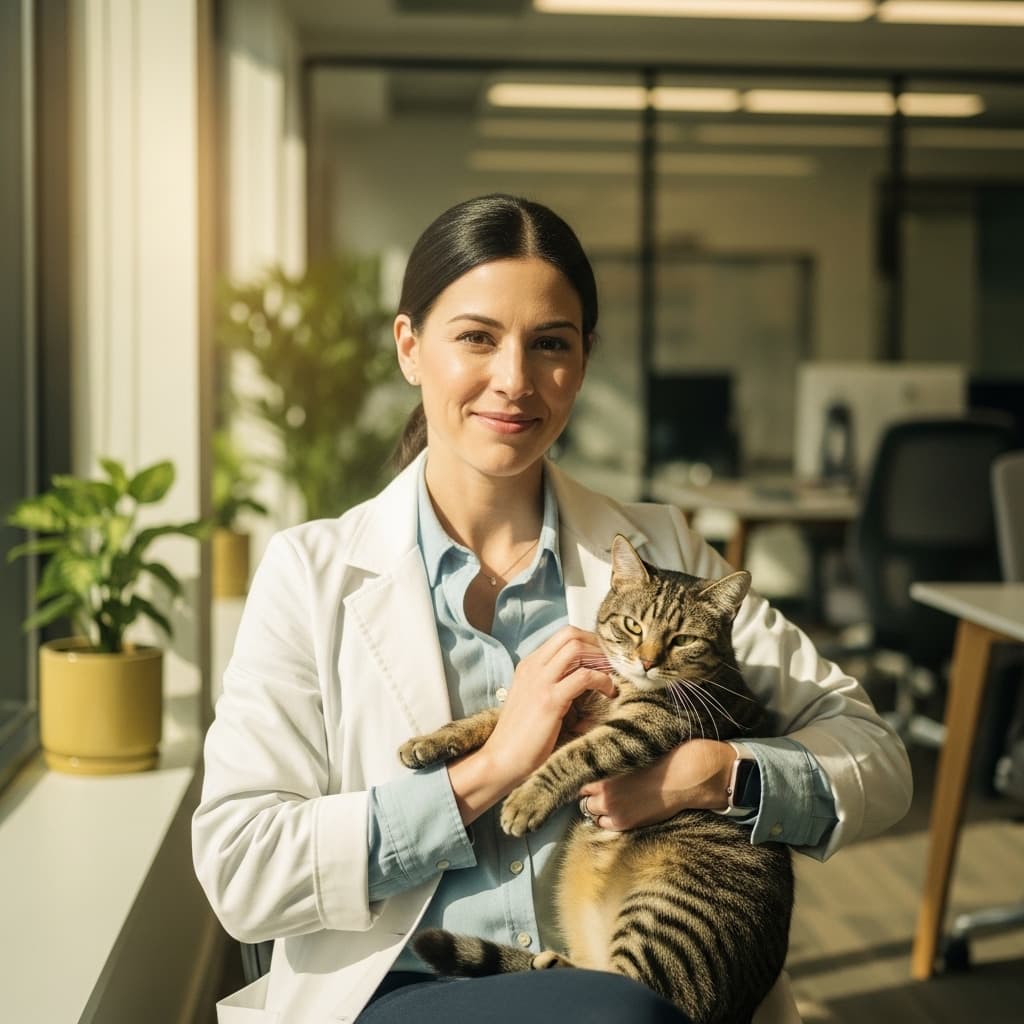
Dr. Emily Hart
Veterinarian, DVM
Small animal veterinarian with 12 years of clinical experience specializing in feline health and preventive care.
View all articles