Beyond the Bowl: What Your Cat Actually Needs to Thrive at Home
Ever feel like your cat is judging you from across the room? It is probably because they want more than just a full food dish to be truly happy. While...

Sophia Parks
Breed Specialist & Breeder
Beyond the Bowl: What Your Cat Actually Needs to Thrive at Home
Ever feel like your cat is judging you from across the room? It is probably because they want more than just a full food dish to be truly happy. While we often think of Cat Care as just kibble and cuddles, our feline friends have instincts that require a lot more attention to detail than you might think.
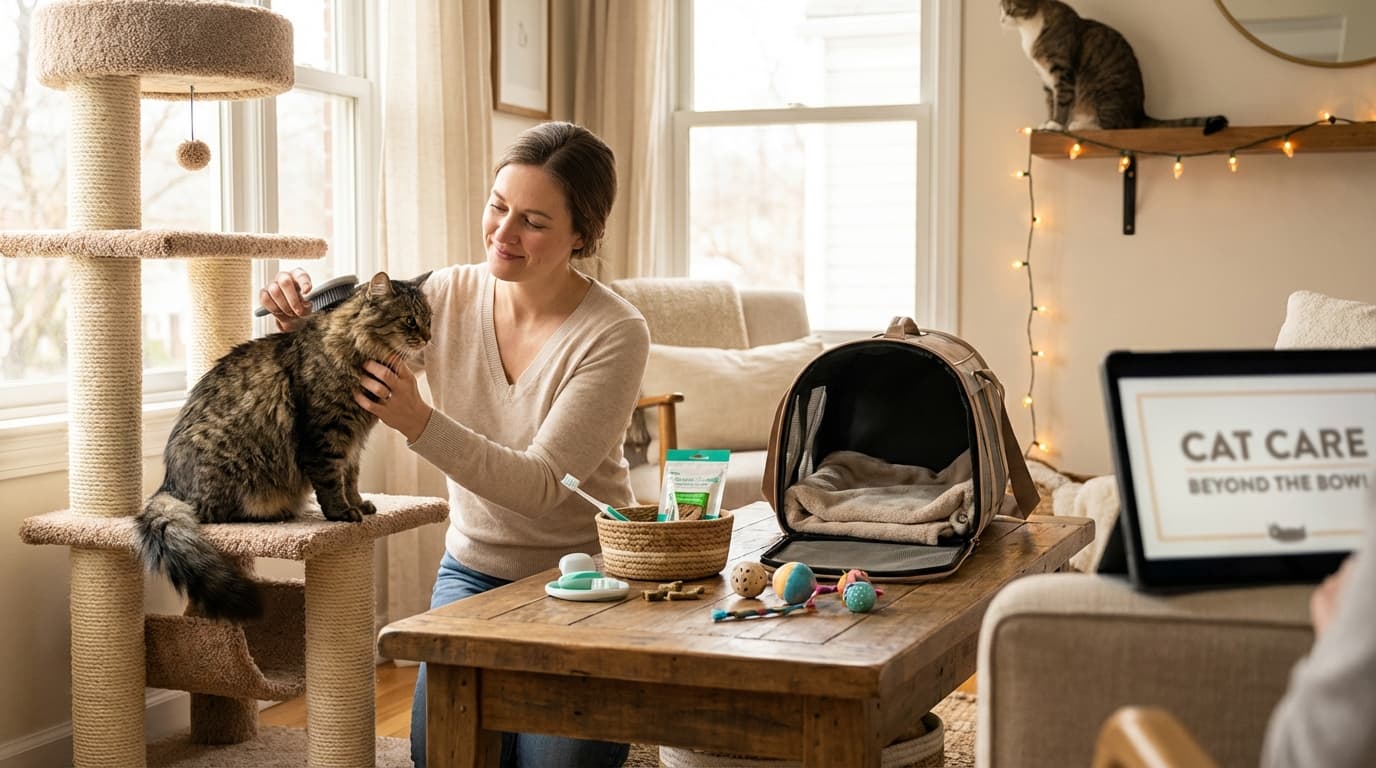
From setting up feline enrichment activities for solo indoor cats to finding the perfect cat scratching post placement to save your sofa, your home environment plays a huge role in their health. It is not just about fun and games. We also need to look at vital habits like preventative feline dental hygiene routines and low-stress feline crate training techniques to keep them calm during vet visits.
This guide covers everything you need to level up your kitty's life, including holiday safety tips for multi-cat households and simple hydration hacks. You will learn how to turn your living room into a jungle and make sure your cat lives a long, healthy life. Let's start with why their diet is about much more than just a bag of dry food.
Most of us think a happy cat just needs a full bowl and a warm lap. But being a cat parent is actually about much more than just dinner time. Since cats are obligate carnivores, they need specific nutrients like taurine to keep their hearts and eyes working right. But even the best quality food - which should have at least 26% protein - won't solve every problem. Your cat's environment is just as vital as their diet when it comes to their long-term health.
Here is the thing: indoor cats usually live longer because they are safe from traffic and diseases, but they can get bored or stressed easily. Small changes make a massive difference in feline happiness. Adding a few shelves for climbing or following the rule of having one litter box per cat plus one extra can stop behavioral issues before they even start. It is about looking at the whole picture, from hydration to vertical space, to help them truly thrive at home.
Key insights:
- Indoor cats live longer but require more mental and environmental stimulation.
- Dietary health requires specific animal-based nutrients like taurine for heart function.
- Litter box hygiene and the 'one plus one' rule are essential for preventing stress.
The Real Reason Your Cat Needs More Than Just Kibble
Ever wonder why your cat stares at your chicken dinner with such intensity? It isn't just greed. Cats are obligate carnivores, which means they literally cannot survive without nutrients found in animal meat. While a bag of kibble is convenient, it often misses the mark on what a feline body actually craves to stay healthy. To keep an adult cat in peak condition, their food needs to hit a baseline of at least 26% protein and 9% fat, which is a basic physiological requirement for their survival.
One specific thing you can't overlook is taurine. This amino acid is a big deal for your cat's heart and eye health. Unlike us, cats can't make enough of it on their own, so it has to come directly from their food bowl. If they don't get enough, the consequences for their vision and heart can be very serious. It is the one ingredient that is absolutely non-negotiable for a long and happy life.
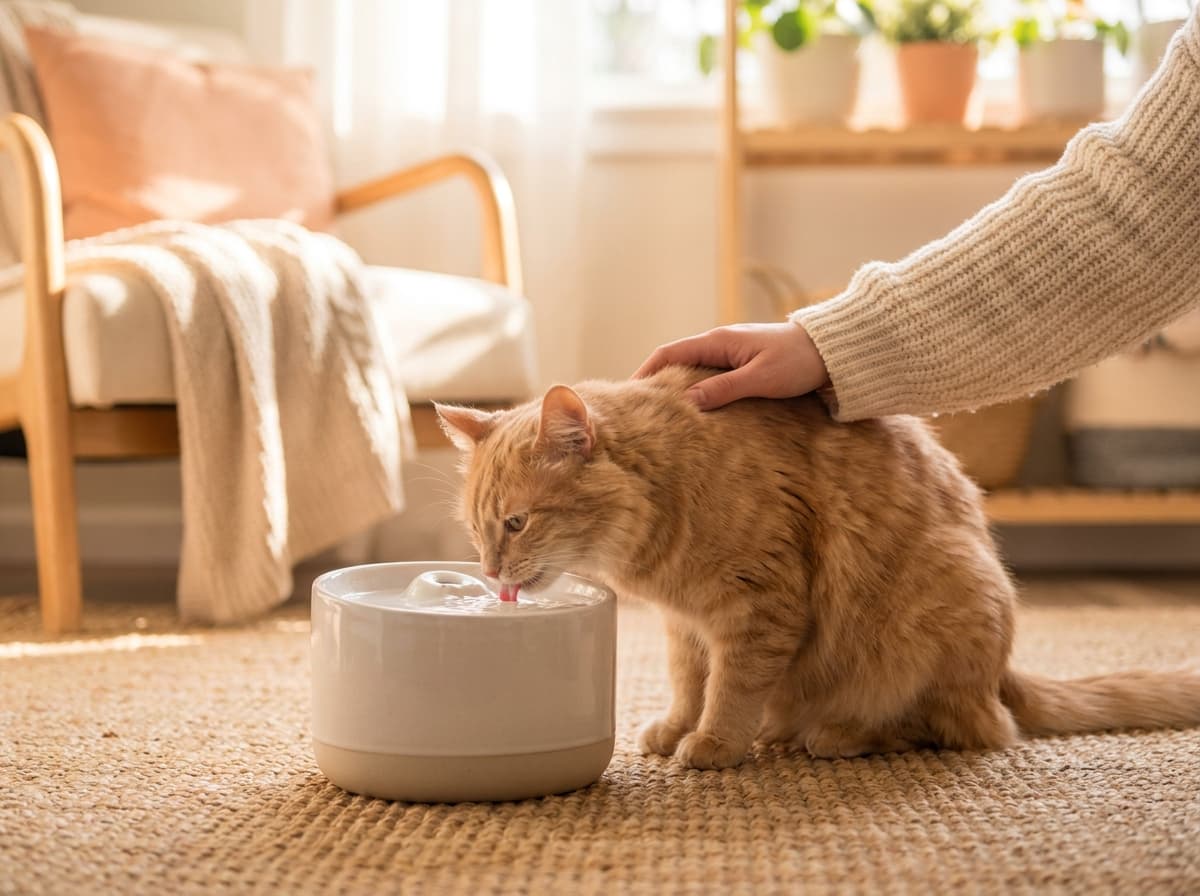
Here is a weird fact: cats have a naturally low thirst drive. Their ancestors lived in dry climates and got most of their water from prey rather than puddles. This is why you might notice your cat barely touches their water bowl, but this lack of interest can lead to serious kidney issues down the road. You can get ahead of this by adding wet food to their routine or getting a water fountain. Moving water mimics the fresh streams their ancestors sought out, making it much more appealing than a stagnant dish.
We all love spoiling our pets, but treats should really only make up about 10% of their total diet. Sticking to this rule helps prevent weight gain that puts unnecessary stress on their joints. Think of it this way: every extra treat is like a human eating a whole candy bar on top of their regular meals. Since kittens grow so fast, they need about double the nutrients per pound compared to an adult cat to support all that energy. Their little bodies require a diet that is much more nutrient-dense to support every stage of their rapid development.
Key insights:
- Cats are obligate carnivores and must have animal-based protein to survive.
- Taurine is a critical amino acid for maintaining a cat's heart and eye health.
- Water fountains and wet food help overcome a cat's naturally low thirst drive.
- Kittens need twice the nutrients of adults to support their rapid growth.
Why Hydration is the Silent Challenge
Ever notice how your cat seems totally uninterested in their water bowl until you turn on the kitchen faucet? There is a fascinating reason for that. Because cats evolved from desert-dwelling ancestors, they have a naturally low thirst drive. They were built to get most of their moisture directly from their food. In a modern home, this silent challenge means your cat might not feel thirsty even when their body really needs water.
Here is the thing: since cats are obligate carnivores, they thrive on nutrients found in animal tissue, which is naturally high in water. You can mimic this by making wet food a staple in their routine. It is a simple way to boost their intake without a struggle. It makes a huge difference because, unlike us, they often will not just grab a drink when they should.
If your cat still ignores their bowl, consider a water fountain. Many cats instinctively prefer moving water over a still dish. These small habits, like using fountains and wet food, help protect their kidneys and keep them healthy for years to come. It is a simple fix that leads to a much happier, hydrated cat and fewer expensive vet visits down the road.
The 10% Rule for Treats
We all love the sound of a crinkling treat bag and the way it brings our cats running. But how much is too much? To keep your cat healthy, treats should only make up 5% to 10% of their daily calories. This matters because cats are obligate carnivores. They require specific nutrients like taurine for heart and eye health that are usually found in high quality meals rather than snacks. If you overdo the rewards, you might accidentally cause weight gain or miss out on those essential building blocks.
If you have a kitten, the stakes are even higher. These little ones are growing so fast they actually need twice the nutrients per pound of body weight compared to an adult cat. Because their bodies are working overtime, filling them up on treats can lead to weight issues or nutritional gaps. Think of it this way: every bite they take needs to count toward their development. While adult food should have at least 26% protein, kittens need that and so much more to thrive.
What does this mean for your daily routine? It means keeping rewards small and purposeful. Sometimes the best reward is not food at all, but a quick game with a feather wand or a new cardboard box to explore. By sticking to the 10% rule, you ensure your cat stays lean and gets the real nutrition they need to live a long, happy life at home.
Key insights:
- Limit treats to 10% of the total diet to avoid obesity and nutrient deficiencies.
- Kittens need double the nutrients of adults, making balanced meals more critical than snacks.
- Essential nutrients like taurine are found in meat-based meals, not just any cat snack.
Turning Your Living Room Into a Feline Jungle
Ever wonder why your cat stares at the top of the fridge like it is a royal throne? To a cat, floor space is fine, but height is everything. Turning your living room into a feline jungle is not about making a mess; it is about giving them a sense of security. Recent trends show a huge move toward verticality, using cat trees and wall-mounted shelves to satisfy those climbing instincts. This matters because vertical space significantly lowers stress. When a cat can look down on their kingdom, they feel less vulnerable and much more in control of their territory.
It is a trade-off we make for their safety. Indoor cats generally live much longer lives because they are not dodging traffic, predators, or nasty infectious diseases like feline distemper. But a long life should not be a boring one. This is where window perches come in. Think of a sunny windowsill as high-definition cat TV. It provides the mental stimulation they crave, keeping their brains sharp while they stay safe within your four walls. It is about bringing the outside world in, without any of the risks found in the great outdoors.
While we focus on the environment, remember that enrichment is a full-body experience. A happy cat needs to be a healthy one, which means staying on top of things like preventative feline dental hygiene routines and proper nutrition. Since cats are obligate carnivores, they need animal tissue to thrive, specifically requiring at least 26 percent protein in their food. Keeping them active in their jungle helps balance their diet, especially since those tasty treats should only be about 5 to 10 percent of what they eat. Even small details, like having one extra litter box more than the total number of cats you have, can reduce stress and keep the peace in your home.
If you have a solo indoor cat, the pressure is on you to be their entire social circle. Without a playmate, boredom often leads to naughty behaviors that are really just cries for engagement. One of the best feline enrichment activities for solo indoor cats is mimicking the hunt. You do not need expensive gear. Try hiding kibble in an empty toilet paper roll with the ends folded in. Watching them paw and toss it around satisfies that deep-seated urge to work for their food, turning a boring meal into a rewarding game.
The real secret to success is variety. If the same plush mouse has been sitting in the corner for a month, it is basically just part of the carpet to your cat. They have already hunted it to death. Try a toy rotation strategy: keep only three or four items out at a time and swap them every week. When that old feathered wand reappears after a week in the closet, it feels brand new again. This simple trick keeps the novelty alive and prevents your solo explorer from getting into trouble while you are away.
Key insights:
- Vertical space is a primary stress-reduction tool that helps indoor cats feel secure in their territory.
- Indoor cats live longer due to reduced environmental risks but require intentional mental stimulation to thrive.
- Food puzzles and toy rotation are essential for preventing boredom and behavioral issues in solo pets.
- Proper nutrition and litter box management are as vital to a cat's mental health as physical play.
Enrichment for the Solo Solo Indoor Cat
Ever notice your cat staring at a blank wall like they’re watching a high-stakes thriller? For a solo cat, the living room is their entire world. While staying inside keeps them safe from outdoor risks, life can get a bit predictable. To keep their minds sharp, we need feline enrichment activities for solo indoor cats that bring the "hunt" back into their day. You don't need fancy gadgets; simple DIY puzzles made from egg cartons or toilet paper rolls can hide their kibble. This forces them to work for their food, mimicking how they’d scavenge in the wild.
Novelty is also key. If the same plush mouse has been in the corner for weeks, it’s basically just furniture to your cat. Try a toy rotation: keep only a few toys out and swap them every Sunday to keep the excitement alive. Also, look up. Since cats have a natural instinct to climb, adding a tall tree or wall shelves provides the vertical space they crave. It makes their indoor kingdom feel much bigger than it actually is. This simple shift turns a bored pet into a curious explorer.
Key insights:
- Rotate toys weekly to prevent boredom and keep your cat's environment fresh.
- Utilize vertical space with trees or shelves to expand a solo cat's territory.
- Use DIY food puzzles to mimic natural hunting and scavenging behaviors.
Brushing Teeth Without the Scratches
Have you ever tried to look inside your cat’s mouth only to get a warning hiss? It is a common struggle. While we often obsess over the right protein levels or finding the perfect litter box, dental health is actually the most overlooked part of preventative care. Since cats are obligate carnivores, their teeth and gums are vital for processing the nutrients they need to thrive. Ignoring those pearly whites can lead to hidden pain that your cat is too stoic to show you.
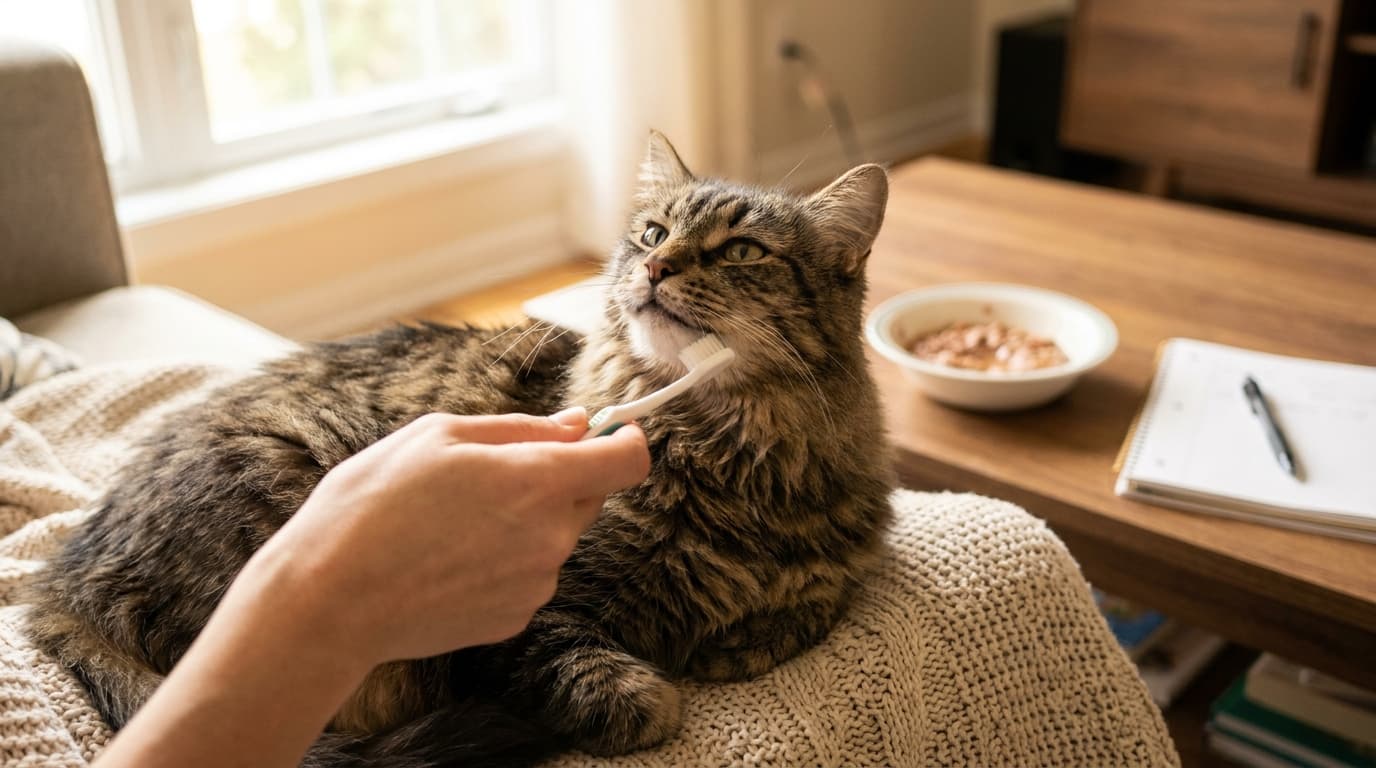
Establishing a preventative feline dental hygiene routine doesn't have to feel like a wrestling match. The secret is starting small. You might begin by just letting them lick some kitty-safe toothpaste off your finger. Eventually, you can move to a soft brush or even a small piece of gauze. If you make it a calm, daily habit, it becomes just another part of your life together. Think of it this way: a few minutes of patience now saves a lot of stress later.
Even with the best home care, professional help is non-negotiable. Annual veterinary dental evaluations are essential because some issues hide beneath the gum line where a toothbrush cannot reach. Also, keep an eye on their behavior. Sometimes, what looks like a picky eater is actually a cat with a toothache. When we treat dental care as a priority rather than an afterthought, we help our indoor cats live those longer, healthier lives we want for them.
Key insights:
- Start dental training slowly with flavored toothpaste to build trust before using a brush.
- Annual vet exams are the only way to catch painful issues hidden under the gum line.
- Poor dental health often mimics behavioral problems like picky eating or irritability.
Teaching Your Cat to Love Their Carrier (Yes, It's Possible)
You know the drill: you pull the carrier out of the closet, and suddenly your cat has vanished into thin air. It is a classic battle of wills, but it doesn't have to be this way. Low-stress feline crate training techniques actually start with a simple interior design choice. If the carrier only appears right before a scary car ride, your cat will always associate it with fear. Instead, try making it a permanent piece of furniture. Leave the door open, toss in a soft blanket, and let them explore it on their own terms. When it becomes a regular nap spot, the 'scary box' stigma simply disappears.
Once the carrier is just another cozy nook, you need to master the lift. Many owners grab their cat haphazardly, which often triggers a frantic flight response. The trick is to keep them feeling secure. Place one hand behind their front legs and your other hand under their hindquarters to support their full weight. Lift gently and move slowly. This isn't just about physics. It's about making sure they don't feel like they're falling or being hunted. What does this mean for you? It means a much calmer cat when it's time to head out for a checkup.
But wait, there is one thing you should never do: never pick up a cat by the scruff. While you might see mother cats do this with kittens, it is actually painful for adults and causes a huge amount of stress. It can break that bond of trust you've worked so hard to build. Instead, use a few tasty treats to guide them inside. Just keep an eye on the portions, since treats should only be about 5 to 10 percent of their total diet. By combining a familiar environment with respectful handling, you change the whole dynamic. It stops being a hunt and starts being just another part of the day.
Key insights:
- Keeping the carrier out year-round removes the 'vet visit' trigger.
- Supporting a cat's hindquarters during a lift prevents the panic of feeling unbalanced.
- Scruffing an adult cat is a major stressor and should be avoided entirely.
Why Location is Everything for Scratching Posts
Ever wonder why your cat ignores that expensive scratching post but treats your sofa like a personal gym? It isn't out of spite. Scratching is a vital part of feline enrichment that helps them stretch their muscles and mark their territory. But if the post is tucked away in a dusty corner where nobody goes, your cat simply won't use it. Cats want to scratch where they spend time and where their scent matters most. Think about it: they almost always want a good stretch right after waking up.
This is why cat scratching post placement for furniture protection is all about strategy. Try putting posts right next to their favorite sleeping spots or near the entrances of rooms they frequent. It is about catching them in the moment. Also, keep in mind that every cat has a specific preference for textures. Some love the rough resistance of sisal, while others prefer the shred-ability of cardboard or the familiar feel of carpet. If the material doesn't feel right under their claws, they will head straight back to your upholstery.
While we often focus on health essentials like the right protein levels or keeping a clean litter box, these environmental outlets are just as important for a cat's well-being. Indoor cats generally live longer because they are safe from outside risks, but they need these physical activities to stay mentally sharp. Finding the perfect spot for their post isn't just about saving your couch. It is about giving your cat a home where they can actually act like a cat. What happens when you move the post three feet closer to the sofa? You might just find the scratching stops being a problem.
Key insights:
- Place posts near 'high-traffic' areas like room entrances and sleeping zones to mirror natural marking behavior.
- Experiment with vertical and horizontal surfaces to see if your cat prefers climbing or floor-level scratching.
- Match the post material to your furniture; if they like the sofa, try a carpeted post, or sisal for more resistance.
Holiday Proofing Your Multi-Cat Household
Holidays are a whirlwind of loud relatives and crinkly paper, but for your cats, this often feels like a total sensory overload. In a multi-cat home, the tension can ramp up fast. One cat might hide under the sofa for three days, while another gets unusually grumpy with their siblings. This is where a safe zone becomes a lifesaver. Set up a quiet room with plenty of vertical space, like a tall cat tree. Cats feel much more secure when they can observe the chaos from a height where no one can reach them.
Decorations bring their own set of headaches. Tinsel is a classic hazard because it is so tempting to chew but can cause life-threatening blockages. Even more dangerous are holiday lilies, which are highly toxic to felines. Beyond the decor, think about the logistics of your holiday safety tips for multi-cat households. If guests are staying in the room where you keep the litter boxes, your cats might feel too intimidated to go. Stick to the golden rule of having one box for every cat plus one extra, and ensure they are in low-traffic areas where a loud guest won't accidentally corner them.
It is also tempting to share the holiday feast, but those extra bites add up quickly. Treats and table scraps should stay under 10 percent of their total daily diet to prevent weight gain and digestive upset. Cats are obligate carnivores, so they need the specific nutrients in their own food rather than buttery side dishes or sugary snacks. Keep their routine steady and give them a quiet place to escape the noise. This ensures the holidays are actually a vacation for them too instead of a source of stress.
Key insights:
- Vertical space like cat trees provides a psychological escape for cats feeling crowded by houseguests.
- Maintaining the N+1 litter box rule is critical when guest traffic disrupts a cat's normal territory.
- Treats and table scraps should never exceed 10 percent of a cat's daily nutritional intake.
The Golden Rules of Litter Box Management
Ever wonder why your cat seems to have a math degree when it comes to the bathroom? It turns out there is a specific formula for feline happiness. The rule is simple: you always need one more litter box than you have cats. If you have one cat, you need two boxes. If you have three cats, you need four. This isn't just about convenience; it is about territory and choice. Experts from the Veterinary Medical Center of Hardeeville point out that cats are notoriously clean animals, and a dirty box can quickly lead to stress or avoidance. Having that extra safety box ensures they always have a fresh spot, even if you are stuck in traffic or have a busy day.
When a cat starts going outside the box, many owners assume it is a behavioral protest. But here is the thing: accidents are usually a cry for help. It is often a signal of a medical issue or a hygiene problem. Recent insights suggest that behavioral struggles are frequently rooted in physical discomfort or a box that just isn't up to their standards. Before getting frustrated, ask yourself if the box is clean enough or if your cat might need a checkup. They aren't trying to ruin your rug. They are trying to tell you something is wrong.
Keeping things fresh doesn't have to be a chore if you stick to a simple rhythm. Think of it as Maintenance 101. You should scoop out solid waste every single day. Once a week, give the whole thing a proper wash with mild detergent and fresh litter. Just be careful with your cleaning supplies. Avoid anything that smells like ammonia or citrus, as these scents can actually drive a cat away from the box. A little bit of daily effort keeps the peace and ensures your home stays smelling like a home, not a kennel.
Key insights:
- The 'N+1' rule helps prevent territorial stress in multi-cat homes.
- Litter box avoidance is more likely a medical or hygiene issue than a behavioral one.
- Avoid citrus or ammonia cleaners, as these scents can discourage cats from using their box.
Health Milestones: Vaccines and Senior Care
Cats are absolute pros at hiding when they do not feel well. It is a survival instinct that served their ancestors, but it makes our job as cat parents a bit tricky. To keep them ahead of the game, we start with the core four vaccines. These are not just suggestions; they protect your furry friend from heavy hitters like Rabies, Distemper, Herpesvirus, and Calicivirus. Think of these shots as a biological shield that lets your cat focus on more important things, like napping in a sunbeam or judging your interior design choices.
As your cat blows out more birthday candles, their health needs start to shift. While an annual checkup works for a spunky three-year-old, senior cats really benefit from seeing the vet twice a year instead of just once. Why the double-up? Cats age much faster than we do, so six months for them is like a few years for us. This trend toward bi-annual visits is the gold standard for early detection, helping you catch age-related conditions before they become serious hurdles.
The real magic happens when you catch a health issue before your cat even shows symptoms. For example, a senior cat might need a little extra taurine for heart health or a specific diet to support aging organs. When you stay on top of these milestones, you are not just reacting to illness but actively extending the good years. It is about making sure your senior kitty stays comfortable and playful for as long as possible, because a little prevention goes a long way in keeping that motor purring.
Key insights:
- The core four vaccines provide essential protection against Rabies, Distemper, Herpesvirus, and Calicivirus.
- Switching to bi-annual vet visits for seniors helps account for the rapid pace of feline aging.
- Early detection of age-related issues allows for easier management and a better quality of life for older cats.
Wrapping It Up: Small Changes, Big Purrs
At the end of the day, your cat isn’t just looking for a full bowl. They want a lifestyle that respects their wild roots while keeping them safe on the sofa. We know indoor cats generally live longer because they avoid risks like traffic, but that shouldn't mean their daily routine is dull. Small shifts, like setting up feline enrichment activities for solo indoor cats, turn a quiet home into a stimulating playground.
It’s often the little things that boost long-term health. Establishing preventative feline dental hygiene routines or ensuring their food has enough taurine for heart health goes a long way. Even the litter box matters - having one for each cat plus an extra one reduces stress and avoids messy accidents. These aren't just chores; they are the building blocks of a thriving life for your feline friend.
Every cat has a unique personality, so watch closely for what makes yours happy. Whether you are a brand-new owner or a seasoned pro, staying curious about their needs is the best gift you can give. Those simple environmental tweaks you make today mean many more years of head bumps and slow blinks tomorrow. What small change will you start with first?
Key insights:
- Indoor environments extend life but require active enrichment to prevent boredom.
- Health is holistic, combining diet, dental care, and stress-free hygiene setups.
- Observation is your best tool for tailoring care to a cat's specific personality.
Frequently Asked Questions
Conclusion
So, what is the big takeaway? Being a great cat parent is about looking at your home through your cat's eyes. It is not just about keeping the bowl full of kibble. It is about those feline enrichment activities that keep their brains sharp and the preventative feline dental hygiene routines that keep them healthy for years. When you combine low-stress feline crate training techniques with smart cat scratching post placement, you are not just protecting your furniture; you are building a space where your cat feels safe and in control.
Your next move does not have to be a total home makeover. Maybe you just move a scratching post closer to the sofa or set up a quiet zone for holiday safety in your multi-cat household. These small shifts in your cat care routine add up quickly because they respect your cat's natural instincts instead of fighting against them.
At the end of the day, a thriving cat is a happy cat, and a happy cat makes for a much better roommate. Take it one step at a time, watch how they react, and enjoy the extra purrs that come with a job well done.
Send it to someone who should read it next.
About the author
Sophia Parks
Breed Specialist & Breeder
Registered cat breeder and judge with deep expertise in pedigreed breeds and breed standards worldwide.
View all articles