Is Your Cat Living Their Best Life? A Practical Guide to Modern Feline Care
Did you know that raising a cat can cost up to $47,000 over their lifetime? It is a staggering number, but it also shows how much we are willing to...

PurrScript Editorial Team
Editorial Team
Is Your Cat Living Their Best Life? A Practical Guide to Modern Feline Care
Did you know that raising a cat can cost up to $47,000 over their lifetime? It is a staggering number, but it also shows how much we are willing to do for our furry friends. Modern cat care has come a long way, helping our pets live longer than ever, but it also brings new challenges like knowing when to head to a cat urgent care visit and how to keep them healthy on a budget.
Whether you are looking for the best wet food for cat urinary care health or need feline dental care tips for cats that hate brushes, being a pet parent is a constant learning process. It is about more than just toys and head scratches. It is about managing those surprise costs, like using care credit for emergency cat vet bills, and deciding if cat day care is worth it for indoor cats who need a bit more excitement.
This guide breaks down the essentials of modern feline wellness so you can feel confident and prepared. We will look at everything from nutrition and dental hacks to financial planning for the unexpected. Let's start by figuring out how to handle those scary moments when your cat is not acting like their usual self.
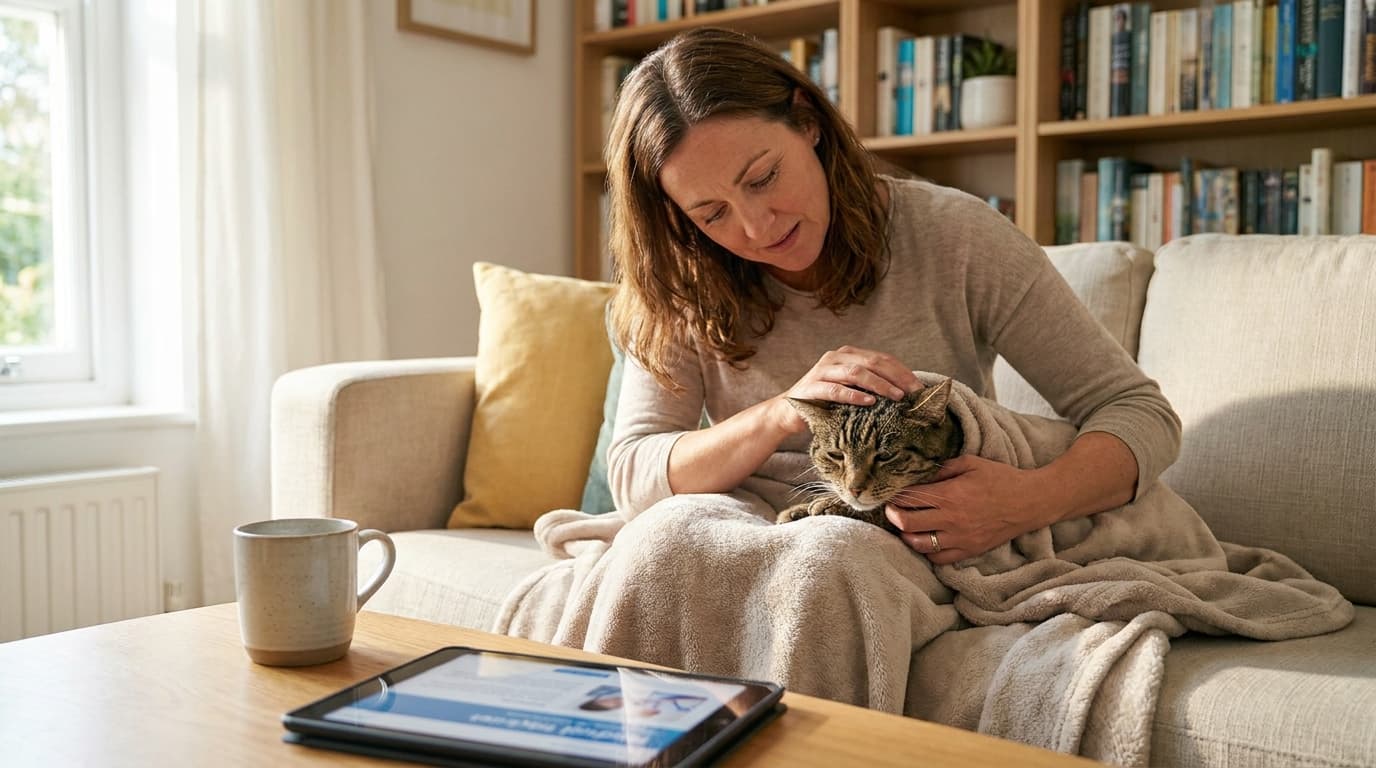
When the Meow Sounds Different: What to Expect at Cat Urgent Care
Have you ever heard your cat make a sound that just did not sit right? It is not the usual feed me chirp or the get off my chair growl. It is something else entirely. When the meow sounds different, your gut usually tells you something is wrong. This is the moment you have to decide if you can wait for your regular vet to open on Monday or if you need to find a cat urgent care clinic immediately. Since 72% of cat owners hit an unexpected vet bill of $250 or more at some point, these surprise visits are a normal part of the journey. Getting help quickly can be the difference between a quick fix and a long recovery.
Walking into the clinic can be stressful, especially if you see a crowded lobby. Here is the thing about vet clinics: they use a triage system. This means they see the sickest cats first, not necessarily the ones who arrived first. A cat having trouble breathing or one that cannot urinate will always go to the front of the line. If your cat is there for a minor wound, a possible UTI, or sudden lethargy, you might have to wait a bit. It takes patience, but it ensures every pet gets the level of care they need. Many owners use tools like CareCredit to handle these moments so they can focus on their pet instead of the immediate price tag.
Once your cat is in the exam room, the vet might suggest bloodwork or imaging. Cats are experts at hiding when they feel bad, so these tests are like a roadmap for the doctor. They help catch things that a simple physical exam might miss. Even though cats sleep up to 16 hours a day, you know when their rest looks different than usual. These behind the scenes checks are why costs can climb, but they are vital for getting a quick diagnosis. With cats in the U.S. now living an average of 14.2 years, having a plan for these urgent visits helps you support them through a long and healthy life.
Key insights:
- Triage means the most critical cases are seen first, regardless of arrival time.
- Expect diagnostics like bloodwork to happen behind the scenes to find hidden issues.
- Financial tools can help bridge the gap for the 72% of owners facing unexpected costs.
The Triage Reality: Why Patience is a Virtue
You are sitting in the waiting room, gripping the carrier handle, and wondering why that dog who just walked in is getting seen before your kitty. It is hard not to feel frustrated when you are worried, but cat urgent care works on a triage system. This means vets have to prioritize the most life-threatening cases first. While a sudden bout of lethargy or a nasty-looking scratch feels like a total crisis to you, the team might be in the back dealing with a pet that cannot breathe or has a failing heart.
Most visits to cat urgent care are for things like minor wounds or urinary tract issues. If your cat is straining in the litter box, it is definitely an emergency, but it might not be the first in line kind of emergency. The interesting part is that many of these urinary scares can be avoided by using the best wet food for cat urinary care health. Since cats do not always drink enough water, wet food is a simple way to keep their system moving and avoid those late-night clinic trips.
The reality is that 72% of cat parents face unexpected vet bills of $250 or more at some point. Only about 66% of owners feel financially ready for that hit. When those surprises happen, many people find that using CareCredit for emergency cat vet bills helps take the pressure off. It is all about being prepared so you can focus on your cat's recovery instead of just the receipt. Knowing what to expect at a cat urgent care visit makes the whole process a lot less scary for both of you.
Key insights:
- Triage ensures the most critical life-saving care happens first, even if it means a longer wait for minor issues.
- Financial tools like CareCredit help bridge the gap when 72% of owners face unexpected costs over $250.
- Preventive measures like wet food diets can significantly reduce the risk of emergency urinary tract visits.
The Price of Purrs: Managing Emergency Vet Bills Without Panic
Ever wonder why your cat seems so relaxed? Maybe it is because they are not the ones paying the bills. While we love our feline friends, the cost of keeping them healthy is rising. Recent findings show that 72% of cat owners have faced an unexpected vet bill of $250 or more. It usually happens when you least expect it, like late on a Tuesday or right before a holiday. Being financially ready is not just about spreadsheets. It is actually a form of preventive care. When you are not panicking about the price tag, you can focus on getting your cat the help they need immediately.
Think about a surgery like TPLO. This fixes a common knee injury, but it can cost anywhere from $2,734 to over $6,000. For many of us, that is a massive hit to the budget. It is one reason why only 66% of cat parents feel truly prepared for the financial side of pet ownership. The interesting part is that cats are living longer than ever. In 2010, the average lifespan was about 12.3 years, but by 2023, it jumped to 14.2 years. That extra time is a gift, but it also means more years of potential medical needs we have to plan for.
Here is the thing about sudden vet visits. They do not wait for your next paycheck. This is where using CareCredit for emergency cat vet bills makes a real difference. It gives you breathing room. Think of it as a dedicated safety net for those sudden medical needs. Instead of draining your emergency savings all at once, specialized financing lets you manage the cost over time. Comparing this to dipping into your personal savings shows a clear benefit because you keep your cash for other life emergencies. It is a practical way to bridge the gap and make sure your cat gets the treatment they need right now.
Key insights:
- Unexpected vet costs over $250 affect 72% of cat owners.
- Veterinary costs for major surgeries like TPLO can reach over $6,000.
- Specialized financing acts as a safety net to protect emergency savings.
How CareCredit Works for Your Cat
Have you ever faced a sudden vet bill of $250 or more? You are not alone. About 72 percent of cat owners have been in that exact spot. Since yearly care can cost up to $3,006, many people feel stuck when a crisis hits. Only 66 percent of owners say they feel financially ready for their pets. This is where using CareCredit for emergency cat vet bills helps. It acts as a safety net so you do not have to drain your savings all at once.
Consider a major cost like TPLO surgery, which can reach $6,282. Taking that much from your emergency fund is a big risk. Financing lets you spread those costs out over time. This helps close the financial gap many families face. Instead of a huge hit to your bank account, you get a manageable way to pay. It keeps your rainy day fund safe while your cat gets the help they need right away.
Hydration is Key: Choosing the Best Wet Food for Urinary Health
Ever notice how your cat barely touches their water bowl? It is a common struggle for many owners. Cats are famously bad at drinking enough water because their ancestors were desert dwellers who got most of their hydration directly from their prey. Today, this low thirst drive often leads to painful urinary crystals and other health issues. Here is the thing: many cats simply do not drink enough naturally, making a moisture-rich diet essential for their long-term comfort. When you are scanning labels for the best wet food for cat urinary care health, look for high protein and low ash content. Since cats are obligate carnivores, they need meat-based animal tissue to get taurine, which is vital for their heart and eyes. Also, consider swapping those plastic bowls for glass or porcelain to avoid feline acne caused by trapped bacteria.
So, wet or dry? While kibble is convenient, wet food is widely considered the gold standard for urinary support. It is a proactive way to avoid the unexpected vet bills that 72% of cat owners face. If your cat is a total kibble addict, do not worry. You can try a slow transition by mixing a spoonful of canned food into their scheduled meals rather than free-feeding. This helps manage their weight and gets them used to the new texture without too much stress. Think of it this way: paying a bit more for quality wet food now is a smart move when you consider that emergency visits often start at $250 or more. Transitioning might take some patience, but the health benefits are worth the effort.
Routine wellness care and proper nutrition are the main reasons we are seeing feline lifespans increase from 12.3 to 14.2 years. It is not just about the food itself; it is about smart financial planning too. Only 66% of us feel fully prepared for pet costs, but simple changes in the kitchen can prevent expensive surgeries down the road. It is all about giving your cat the best chance to live those 14-plus years comfortably. What does this mean for you? It means that even if your cat spends 16 hours a day sleeping, the few minutes they spend at their food bowl are the most important for their future health and your peace of mind.
Key insights:
- Wet food acts as a primary tool for preventing urinary tract issues by boosting daily water intake.
- Switching from free-feeding to scheduled meals helps manage weight and makes dietary transitions easier.
- Using glass or porcelain bowls prevents feline acne that often develops from plastic materials.
- High protein and low ash content are the two most important factors to look for on a urinary health food label.
Wet vs. Dry: The Great Feline Debate
Deciding between kibble and cans is a major choice for any pet parent. While dry food is easy, wet food is often the gold standard for feline wellness. Since cats are obligate carnivores with a naturally low thirst drive, the best wet food for cat urinary care health provides vital moisture they won't get from a water bowl alone. This hydration helps prevent the kind of painful urinary issues that often lead to stressful, high-cost emergency vet visits.
If your cat is a total kibble addict, don't panic. Transitioning takes patience. Try mixing a small spoonful of wet food into their dry meals or warming the food slightly to release those meaty smells cats love. Moving away from free-feeding also helps, as a hungry cat is much more likely to try something new. It is a small change that makes a massive difference in their long-term health and keeps them hydrated without a struggle.
Key insights:
- Wet food acts as a primary preventative measure against urinary tract blockages by increasing daily water intake.
- Cats require taurine, an amino acid found only in animal tissue, for essential heart and eye health.
- Scheduled feedings rather than free-feeding can help manage weight and make cats more receptive to new food textures.
Brush-Free Dental Care for Cats That Hate the Toothbrush
Let’s be honest: trying to brush a cat’s teeth often feels like trying to bathe a cactus. Most owners start with great intentions, but after a few hisses and a scratched arm, the toothbrush usually ends up forgotten in the back of a drawer. You aren’t alone in this struggle. The good news is that feline dental care has evolved, helping our pets live longer than ever. Since 2010, the average cat lifespan in the U.S. has jumped from 12.3 to 14.2 years, and a huge part of that progress comes down to better preventive habits at home.
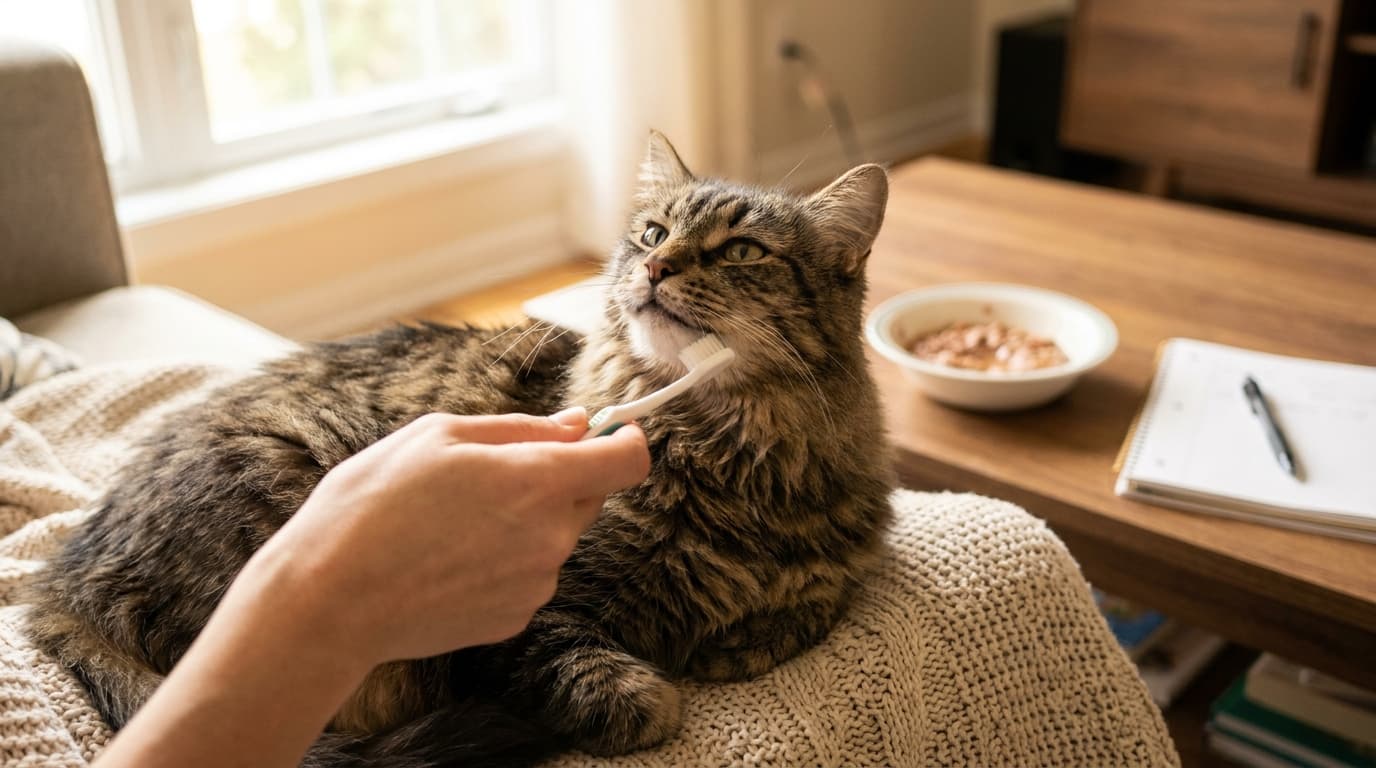
If your cat treats the brush like a mortal enemy, don't force it. You can still protect their mouth using dental treats, water additives, or oral gels. These options work by breaking down plaque or using enzymes to keep bacteria in check without the daily wrestling match. But remember, oral health actually starts with what is in the bowl. Because cats are obligate carnivores, they need animal-based proteins to thrive. Specifically, they require taurine, an essential amino acid found only in animal tissue that is vital for heart and eye health. A diet rich in real meat supports their immune system and keeps their gums more resilient.
For a middle ground, try using a small piece of gauze or a textured finger wipe instead of a bulky brush. It is often less scary for a cat and allows you to gently rub away debris while feeling exactly what is going on in their mouth. While you are doing this, watch for subtle red flags. Cats are experts at masking pain, but if you notice them drooling, pawing at their face, or suddenly preferring wet food over kibble, they might be hiding a dental ache. These signs are easy to miss if you aren't looking.
Investing a few minutes into these brush-free habits pays off in the long run. While 72% of cat parents face unexpected vet expenses of $250 or more, routine care acts as a financial safety net. It is much easier on your wallet and your cat to prevent a problem now than to face an expensive emergency extraction later. Think of it as a small daily investment in their long-term happiness and your own peace of mind.
Key insights:
- Taurine is a non-negotiable nutrient for feline heart health found only in meat.
- Dental wipes or gauze are effective, less-intrusive alternatives to traditional brushes.
- Early detection of dental pain can prevent emergency costs that often exceed $250.
Clever Hacks for Clean Teeth
Ever tried brushing a cat's teeth? It often feels like wrestling a tiny, angry cactus. Since the average cat now lives over 14 years, keeping their mouth healthy is a long-term game. If your pet treats a toothbrush like a mortal enemy, there are feline dental care tips for cats that hate brushes that actually work without the drama.
Try using a piece of gauze or a textured finger wipe instead of a bulky brush. It is a perfect middle ground because it feels more like a friendly chin rub than a medical chore. A quick daily swipe removes plaque before it hardens into tartar. It is much easier for both of you and far less stressful.
Watch for hidden pain too. If your cat drops kibble or only chews on one side, they might be struggling. With 72% of owners facing unexpected vet bills of $250 or more, catching dental issues early saves you money and keeps your cat purring.
Key insights:
- Gauze wipes are less intimidating than plastic brushes for sensitive cats.
- Changes in chewing habits are often the only sign of feline dental distress.
Is Cat Day Care Actually Worth It for Indoor Kitties?
Think cats are just solitary loners who want to be left alone all day? That is actually a bit of a myth. While it is true they can sleep up to 16 hours a day, their waking hours need more than just a quiet room and a full bowl. Many owners are now looking at professional day care to bridge that social gap, especially for high-energy breeds that might otherwise take their boredom out on your curtains or furniture. Cats are sentient beings that perceive and feel, and they crave engagement just as much as any other family member.
Deciding if day care is worth the price tag is the real challenge for most families. With the average cat parent already spending between $1,873 and $3,006 each year on basics, adding a daily fee is a significant financial step. It is often a lifesaver during chaotic times like home renovations, long work days, or when you have a kitten that needs constant eyes on them. However, keep in mind that 72% of cat parents face unexpected expenses of $250 or more, so it is important to balance these luxury services with your emergency fund. For a shy kitty, the stress of a commute and a new environment might actually outweigh the benefits of a play session.
The main goal is simply quality of life. Since cats in the U.S. are living longer than ever - averaging 14.2 years now compared to 12.3 a decade ago - we have more time to get this right. Whether you choose a pro facility or stick to home enrichment, the focus should be on keeping their minds active to match their longer lifespans. If professional day care feels like too much for your budget or your cat's personality, you can still turn your home into a feline wonderland that offers the same stimulation without the recurring cost.
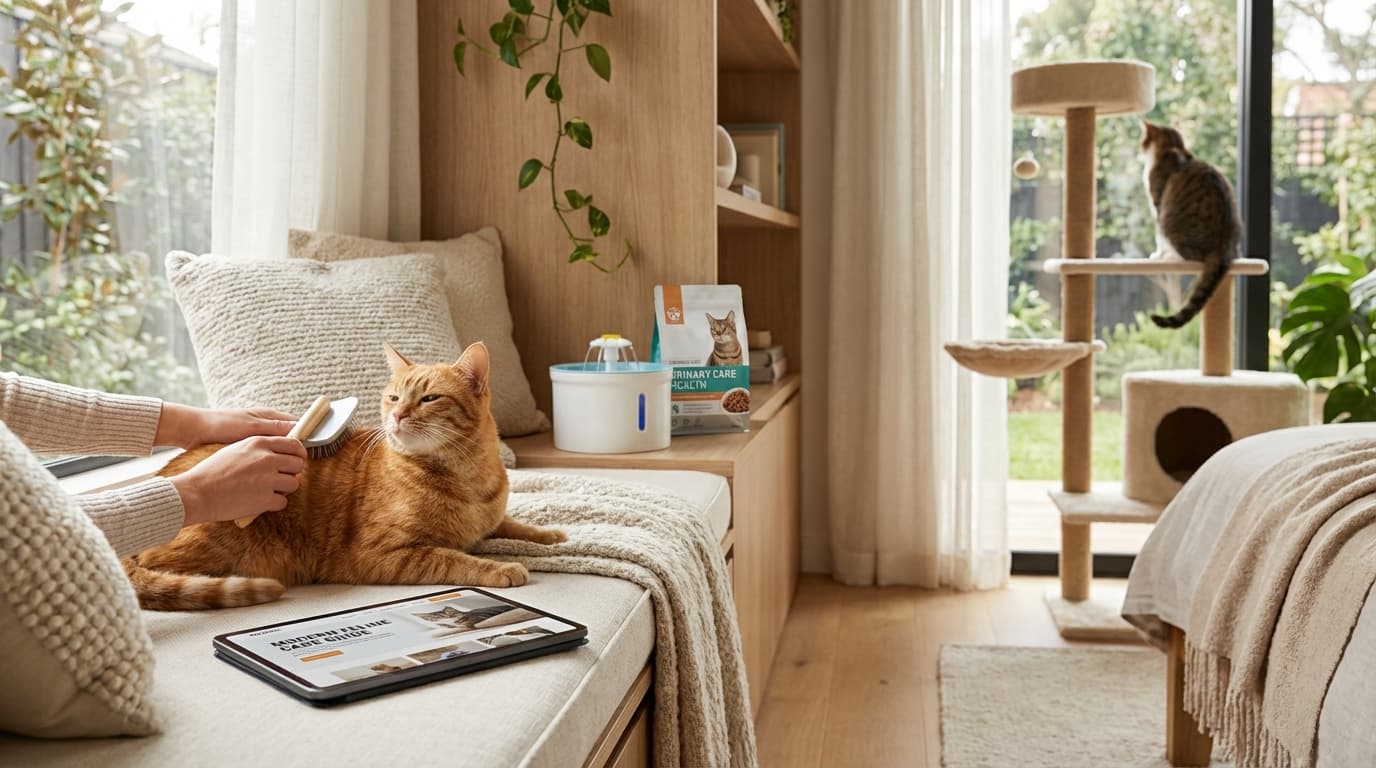
If you decide to skip the day care commute, you can bring the adventure to them by focusing on vertical space. Cats see the world in three dimensions, so a sturdy window perch or a tall cat tree gives them a safe spot to survey their kingdom from above. Creating a 'catio' - a screened-in outdoor enclosure - is a fantastic way to let them experience the sights and smells of the world without the risks of wandering. It is a one-time investment that pays off in daily happiness and keeps them busy while you are away.
This kind of indoor environment helps satisfy their natural hunting and climbing instincts. Simple additions like wall-mounted shelves, scratching posts, or even a bird feeder placed safely outside a favorite window allow them to explore their world. Because indoor cats live twice as long as those who roam outside, these home upgrades are a smart way to ensure they stay both safe and entertained for the long haul. It is about making their indoor world feel as big and interesting as the Great Outdoors, minus the predators and traffic.
Key insights:
- Indoor cats live twice as long as outdoor cats, making home-based enrichment essential for their mental health during those extra years.
- While cats sleep up to 16 hours, their active hours require social stimulation to prevent behavioral issues.
- A catio provides the sensory benefits of the outdoors without exposing cats to the risks of infectious diseases or accidents.
Creating a 'Catio' or Indoor Playground Instead
Since indoor cats are living longer than ever, reaching over 14 years on average, we need to keep their daily life exciting. You might ask yourself if cat day care is worth it for indoor cats. While some social kitties enjoy it, many prefer staying in their own territory. Building a catio or a dedicated indoor playground gives them that fresh air feeling without the dangers of the street. It is a great way to let them explore safely.
The secret to a happy indoor cat is vertical space. Cats love to climb and look down on everything. Adding wall shelves or tall trees lets them use their natural instincts. Since they sleep up to 16 hours a day, a cozy window perch is a must for those long naps in the sun. Given that we spend thousands of dollars on our pets over their lifetime, creating a fun home is one of the best investments we can make for their mental health.
Key insights:
- Indoor cats now live nearly two years longer than they did a decade ago.
- Vertical territory like shelves and perches helps prevent boredom and stress.
- A catio provides outdoor stimulation without the risks of predators or disease.
Common Questions Cat Parents Ask
Most of us go into cat ownership thinking they are the low-maintenance alternative to dogs, but the reality of the checkbook tells a different story. Recent data shows that cat parents spend anywhere from $1,873 to over $3,000 every single year. Over a cat's lifetime, those costs can climb as high as $47,106. It is a bit of a wake-up call, especially since only about 66% of owners feel financially prepared when they first bring their kitty home. This is why many people are now looking into using Care Credit for emergency cat vet bills. With 72% of cat parents facing unexpected expenses of $250 or more, having a financial safety net is just as essential as a sturdy carrier.
When it comes to the daily routine, the most frequent questions usually involve the bowl and the box. You might be searching for the best wet food for cat urinary care health because cats are notoriously bad at drinking enough water. Since they are obligate carnivores, they need meat-based proteins to get taurine, which is vital for their heart and eye health. Think of wet food as a hydration hack that keeps their systems running smoothly. Also, consider ditching the plastic bowls. Switching to glass or porcelain can prevent feline acne. If your cat runs away the moment they see a toothbrush, you are likely hunting for feline dental care tips for cats that hate brushes. While brushing is the gold standard, dental rinses or specialized treats can help manage plaque when your cat treats the brush like a mortal enemy.
Then there is the mystery of the litter box. Many owners do not realize that size actually matters here; a box should be at least one and a half times the length of your cat. If you have a multi-level home, try to keep one box on every floor and avoid moving them around, as cats are creatures of habit. While your cat is busy sleeping their 16 hours a day, you might wonder if cat day care is worth it for indoor cats. Generally, a stimulating home with plenty of vertical space is enough, but very social cats might benefit from the extra interaction. Keeping them indoors is a major win for longevity, as indoor cats often live twice as long as those who roam outside.
What happens when things go wrong? Knowing what to expect at a cat urgent care visit can help lower your stress during a crisis. Whether it is a minor injury or something major like TPLO surgery, which can cost upwards of $6,000, being prepared for the process is key. The silver lining is that our efforts are working. Since 2010, the average cat lifespan in the U.S. has increased from 12.3 years to over 14 years. By focusing on routine wellness and catching issues early, we are making sure our feline friends stay by our side for as long as possible.
Key insights:
- Unexpected vet costs over $250 affect 72% of cat owners, making financial tools like Care Credit a common necessity.
- Wet food is a primary strategy for preventing urinary issues because it compensates for a cat's low natural thirst drive.
- Lifespans have increased by nearly two years since 2010 thanks to better routine care and keeping cats indoors.
- Litter box success often depends on sizing the box to be 1.5 times the cat's body length and keeping placement consistent.
Frequently Asked Questions
You should probably prepare for a bill of at least $250. Most cat owners find that unexpected visits hit that mark pretty quickly. If the situation is more serious, like if your cat needs a specific surgery, you could be looking at anywhere from $2,700 to over $6,000 depending on the procedure.
The price really comes down to what tests or treatments are needed. Since only about 66% of owners feel fully prepared for these costs, having a plan for those $250-plus moments is a big help. It is always better to ask for an estimate as soon as you get there so you know what to expect.
You can definitely use it for both. While it is a lifesaver for emergencies, you can also use it for routine wellness visits and dental care. It is not just for the scary stuff.
Using it for regular checkups is actually a great strategy. Those routine visits help find health problems before they turn into expensive emergencies, which helps your cat live a longer and happier life. Since cats are living nearly two years longer than they used to, that consistent care really makes a difference.
You'll find that the best wet foods are those with high moisture content and plenty of animal-based protein. Since cats are obligate carnivores, they really need that meat-based diet to stay healthy. Wet food is a total game changer because it boosts their daily water intake, which is the best way to flush out their system and prevent urinary issues.
Here's a quick tip: try to avoid plastic feeding bowls. They can harbor germs that lead to chin acne, so stick with glass or porcelain instead. Also, make sure the food you choose has taurine, which is an essential amino acid for their heart and eyes. Keeping your cat on a schedule for their meals rather than letting them graze all day can also help manage their weight and keep their urinary tract in top shape.
Keep an eye out for bad breath or any changes in how your cat eats. If they start tilting their head or acting hesitant around the food bowl, their teeth might be bothering them. Cats are famously good at acting like everything is fine, so red gums or a bit of drooling are signs you shouldn't ignore. It's often the small things, like a cat suddenly preferring wet food over dry, that tell the real story.
Routine checkups are your best friend here because they help you catch problems while they're still small and easy to treat. If you're worried about the cost of a dental procedure, you're not alone. About 72 percent of cat parents have faced unexpected vet costs of 250 dollars or more. Many owners use tools like CareCredit to handle those surprise bills so their cat gets the care they need right away without the stress.
Conclusion
Keeping a cat happy and healthy is about more than just a bowl of kibble and a window to look out of. It is about connecting the dots between what they eat, how we handle surprise vet visits, and the small ways we care for their teeth and hydration every day. When you look at feline wellness as a whole, you see that physical health and financial planning go hand in hand.
Your next step does not have to be a total lifestyle overhaul. Maybe you start by swapping one dry meal for wet food to support their urinary health or look into a specialized credit line like CareCredit so you are never caught off guard by a trip to cat urgent care. These small, proactive choices are what turn a standard indoor life into a great one.
At the end of the day, our cats rely on us to be their advocates and their providers. Putting in a little extra thought now means more head bumps, louder purrs, and many more years of companionship. After all, a happy cat makes for a much happier home.
Send it to someone who should read it next.

PurrScript Editorial Team
Editorial Team
PurrScript's in-house editorial team. We research, write, and review every guide using established veterinary and behavioral resources, and update articles as best practices evolve.
View all articles