Bringing Home a New Kitten: How to Keep Everyone Happy (and Sane)
They say cats are like potato chips because you can't have just one. With about 85 million cat owners in the US, it is clear many of us agree. But...

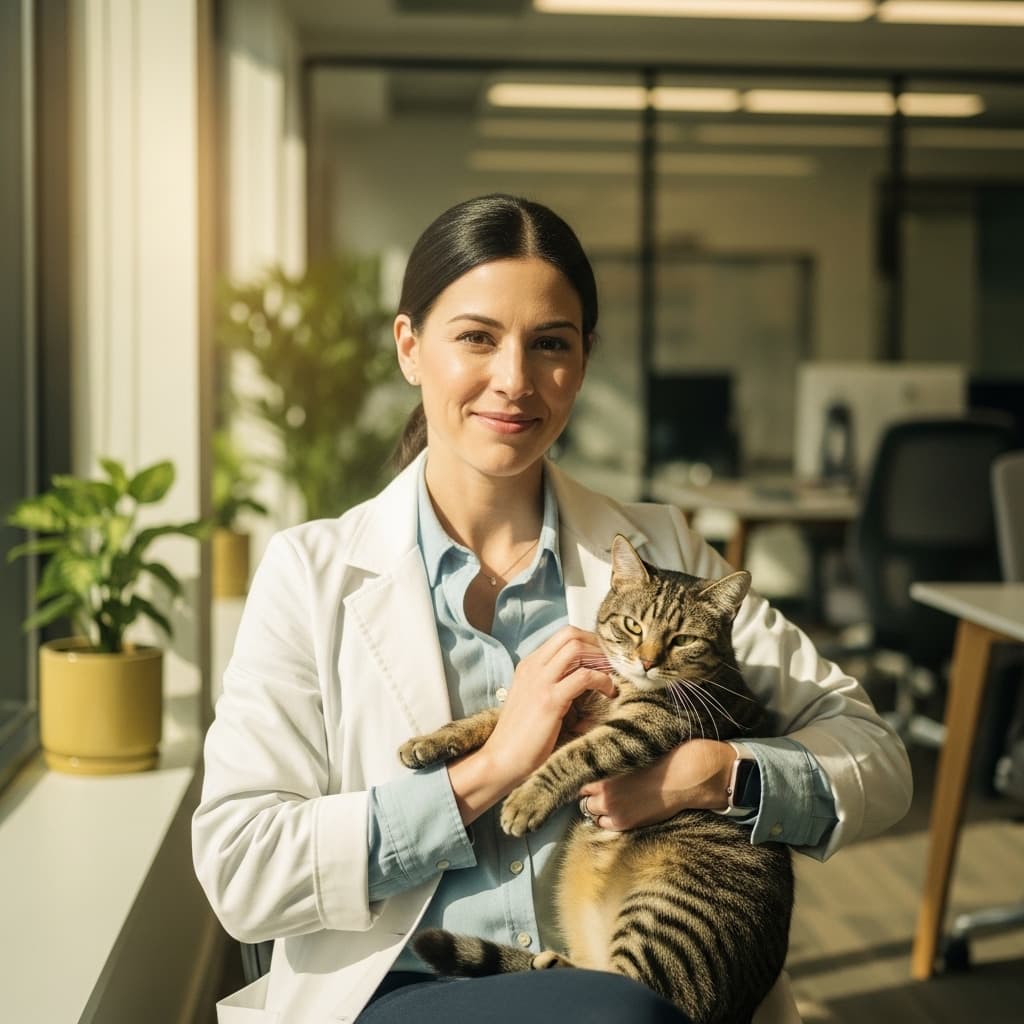
Dr. Emily Hart
Veterinarian, DVM
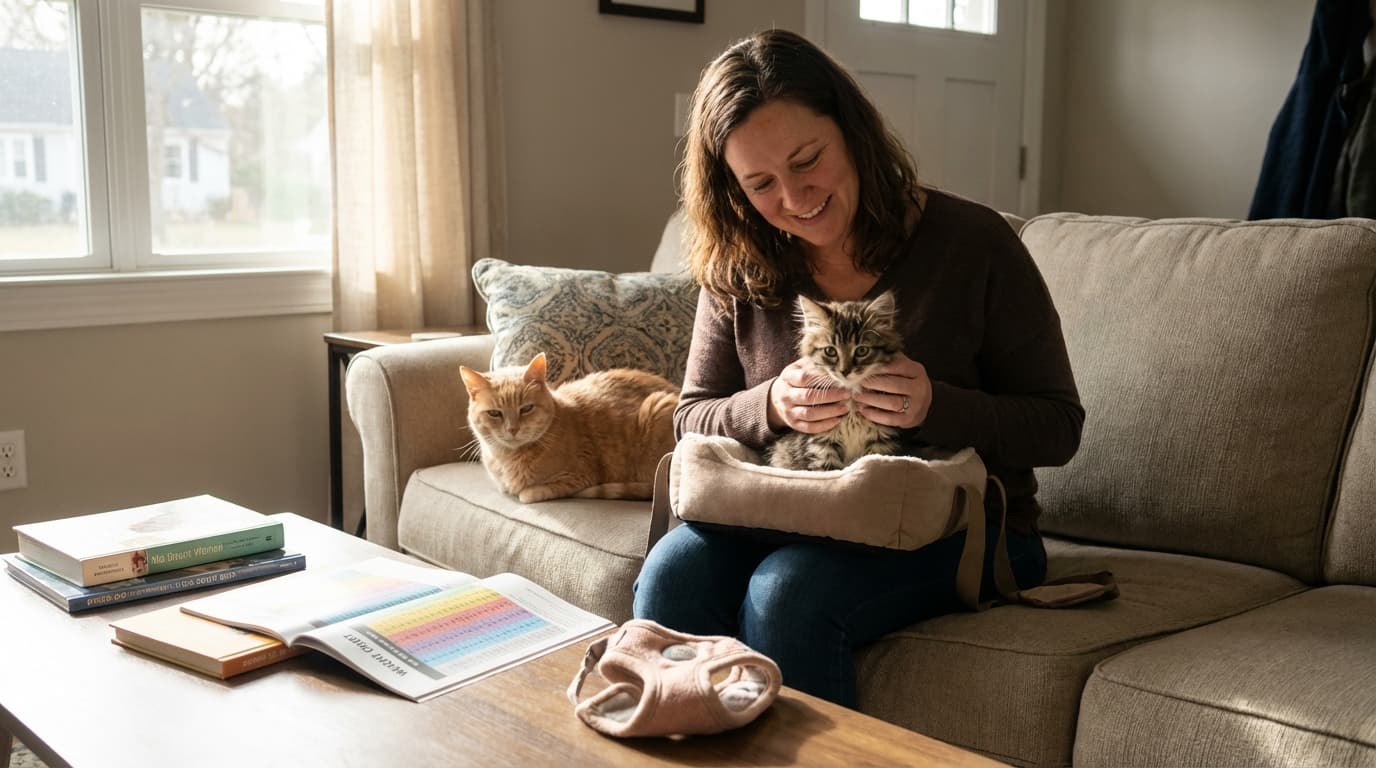
Bringing Home a New Kitten: How to Keep Everyone Happy (and Sane)
They say cats are like potato chips because you can't have just one. With about 85 million cat owners in the US, it is clear many of us agree. But adding a new ball of fur to your home isn't always as simple as opening a second bag. Between the chaos of kitten season and the stress of meeting a grumpy resident cat, things can get loud and messy fast.
If you are wondering what to expect when adopting kittens from shelters, you are in the right place. We will cover everything from finding the perfect personality match to introducing new kittens to older resident cats without the drama. You will also learn how to use a healthy weight chart for growing kittens to ensure they are thriving and how to harness train a kitten safely for outdoor adventures.
Whether you are trying to figure out how to calm vocal siamese kittens or just setting up your first isolation room, this guide has you covered. We will walk through the first vet visit and the secret scent swapping tricks that keep the peace. Let's get your home ready for a happy and confident new family member.
Some people say cats are like potato chips - you really can't have just one. With about 85 million cat owners in the U.S., plenty of us are living that multi-cat life. But while adding a new face to the family is exciting, it's also a big responsibility. Right now, shelters are often overwhelmed, especially during kitten season, and sadly about 71 percent of cats entering those shelters are euthanized due to a lack of homes. Choosing to adopt is a beautiful thing, but keeping the peace at home takes more than just good intentions.
The reality is that introducing new kittens to older resident cats can be stressful for everyone. If you move too fast, your cats might deal with more than just hissing; stress can actually lead to physical issues like vomiting, diarrhea, or even urinary tract disease. That is why the first step is always keeping them in separate rooms for at least a few days. It gives everyone a chance to calm down and adjust without a face-to-face confrontation.
In the following sections, we will look at everything from what to expect when adopting kittens from shelters to how to harness train a kitten safely once they are settled. We will even touch on personality matching and scent swapping. The most important rule? Let the most stressed cat in the house set the pace. This changes everything because a slow start leads to a lifetime of friendship.
Key insights:
- Moving at the pace of the most stressed cat prevents long-term behavioral issues.
- Scent is a cat's primary communication tool and should be the first point of contact.
- Personality matching is more important for a happy home than age or breed.
The Shelter Truth: Why Your Next Kitten Should Be a Rescue
Ever heard the saying that cats are like potato chips because you can never have just one? With about 85 million cat owners in the United States, it is clear that many of us feel exactly the same way. But when you decide to add a tiny new member to your family, where you get them from makes a world of difference. Choosing a shelter kitten is not just about finding a new pet. It is about stepping in when the animal rescue system is most overwhelmed and making a choice that truly matters.
Every spring, shelters face what rescuers call kitten season. It sounds cute, but the reality is tough. Shelters get flooded with homeless litters, and they often run out of space and resources to care for them all. This leads to a heartbreaking statistic where around 71 percent of cats that enter shelters are euthanized because there just are not enough homes. This changes everything. When you adopt, you are literally saving a life and opening up a spot for the next kitten that needs help.
Now, how do you pick the right one? It is easy to get distracted by a kitten with unique markings or a fluffy coat. But looking past the surface is the secret to a happy home. A kitten that looks like a supermodel might have a high-energy personality that keeps you up all night. If you have a quiet lifestyle, a laid-back kitten is a much better match than a pretty one that wants to climb your curtains. Personality always beats looks in the long run.
Matching energy levels is the most important part of the process. If you have an older, calm cat at home, bringing in a tiny whirlwind can cause a lot of stress. That stress is not just annoying. It can actually make cats sick with things like viral infections or stomach issues. The pace of any new introduction should always be set by the most stressed cat in the house. Think about your daily routine. Do you want a buddy who wants to wrestle for hours, or someone who is happy to nap on your lap while you watch a movie?
Shelters are great because the staff usually knows the kittens well. They can tell you who is the brave explorer and who is the shy snuggler. This kind of insight is something you rarely get from a pet store. By focusing on temperament instead of just looks, you ensure that your new friend fits into your life naturally. It sets the stage for them to grow into a confident and well-adjusted adult cat with a much higher tolerance for new things.
Key insights:
- Kitten season causes shelters to overflow every spring, making adoption a life-saving choice for millions of animals.
- Personality is more important than appearance when matching a kitten to your specific home environment and energy level.
- High stress during introductions can lead to actual physical illness, so choosing a compatible temperament is a health priority.
Personality Over Looks: Finding the Right Match
It is so easy to walk into a shelter during kitten season and lose your heart to the fluffiest, cutest face in the room. But here is the thing: a kitten’s personality matters way more than their coat color when you already have a cat at home. Think about your current lifestyle. If your house is a quiet sanctuary, a high-energy kitten might feel like a tiny, furry hurricane. Choosing based on looks alone is a common mistake, but finding a behavioral match is what creates a lasting bond.
Matching energy levels is the secret to a happy home. Insights from experts suggest that personality matching is actually more important for success than age or breed. If you have an older, mellow cat, look for a laid-back kitten instead of the one climbing the curtains. While a pretty kitten is tempting, a calm one is much less likely to overwhelm a resident cat who prefers naps over wrestling matches. You want a friend for your current pet, not a source of constant stress.
This isn't just about peace and quiet; it is about health. When cats get stressed during introductions, they can actually get sick with things like respiratory infections or digestive issues. Since a staggering 71 percent of cats entering shelters are euthanized because they cannot find homes, making sure your new addition truly fits your life is the best way to ensure they stay with you forever. What kind of energy does your home actually have?
Key insights:
- Pair laid-back cats together to avoid stressing out older or quieter residents.
- Personality is a better predictor of a successful match than age, gender, or breed.
- High stress during introductions can lead to physical illness like urinary tract disease or infections.
The Art of the Introduction: Keeping the Peace With Older Cats
Some people say cats are like chips - you can’t have just one. But if you have ever brought a tiny, chaotic kitten home to a grumpy senior cat, you know it is not always a picnic. The reality is that the most stressed cat in your house sets the schedule for everyone else. If your resident cat feels threatened, the whole introduction will stall. With about 85 million cat owners in the United States, many of us have faced this challenge, yet we often rush the process. Moving too fast can lead to more than just a few hisses; it can cause physical health issues like vomiting, diarrhea, or even respiratory infections in your pets.
Think of your cats as pen pals before they ever see each other face-to-face. Since scent is a cat's primary communication tool, you should start by swapping blankets or toys between rooms. This scent swapping lets them get to know each other without the threat of a physical fight. Rub a soft cloth on the new kitten and leave it near your older cat’s favorite nap spot, allowing them to sniff it at their own pace. It is a low-pressure way to say hello. When they stop reacting to the smell with flattened ears, you know you are making real progress.
Setting up a dedicated isolation room is your best defense against lifelong behavioral trauma. This space needs to be a kitten's sanctuary, fully stocked with a litter box, food, scratching posts, and vertical space like a cat tree. Keeping them separate for at least a couple of days is not mean; it is necessary. It gives the kitten a safe zone to find their footing and prevents the older cat from feeling like their entire kingdom has been invaded overnight. This buffer period is vital for preventing the kind of aggression that can lead to cats being returned to shelters.
Why go through all this trouble? Because slow socialization pays off in the long run. As Dr. Hannah Hart points out, this gradual approach helps kittens grow into confident adults who handle new things with ease. With shelters often overwhelmed during kitten season, doing the work to ensure a successful introduction helps keep these pets in their forever homes. Taking it slow builds a foundation of trust that keeps your household sane and your cats happy for years to come.
Key insights:
- The pace of the introduction must be dictated by the most stressed cat to avoid long-term aggression.
- Scent swapping with toys and blankets creates a non-threatening first point of contact.
- Isolation rooms provide a necessary safe zone that prevents behavioral issues and stress-related illnesses like UTIs.
- Successful early socialization leads to a more confident, well-adjusted adult cat with higher tolerance for change.
Scent First, Sight Later: The Secret to No-Hiss Meetings
Some people say cats are like chips and you really can’t have just one. If you are bringing a new kitten home from a shelter, you might be tempted to let them meet right away. But wait. Cats live in a world of smells, not just sights. Since scent is their main way of talking to each other, the best first meeting happens through their noses.
Think of your cats as pen pals before they ever see each other. You can start this by scent swapping. Just rub a soft cloth on your new kitten and place it in your older cat’s favorite spot. Let them sniff it whenever they want. This lets them get used to each other without any pressure. It is a big deal because stress during these early days can lead to real health problems like vomiting or even respiratory infections.
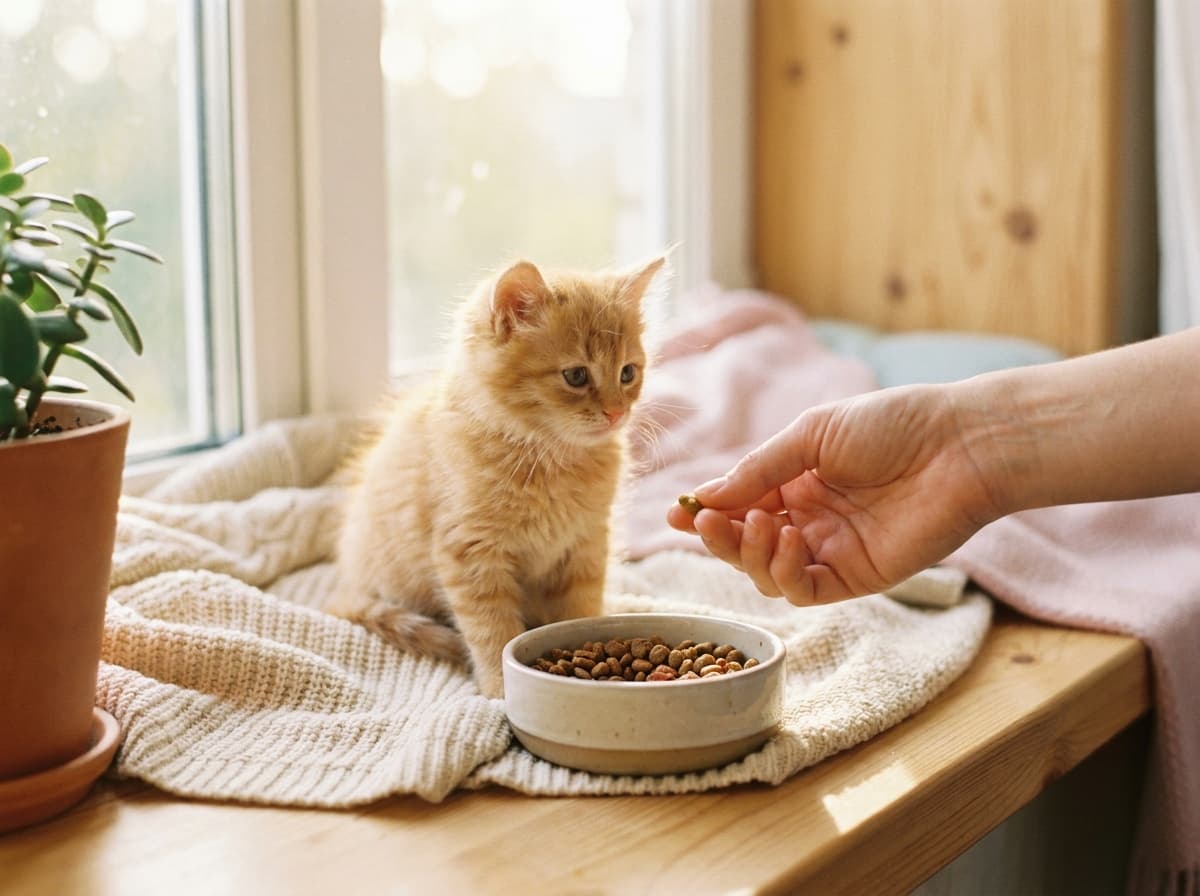
Keep the new arrival in their own room for at least a few days. This space should have everything they need, like a scratching post and their own litter box. By moving at the pace of your most stressed cat, you help them grow into confident adults. Taking it slow now means fewer hisses and more purrs later on.
Key insights:
- Scent swapping lets cats meet safely through smell before they ever lock eyes.
- High stress during introductions can cause physical illness like UTIs or infections.
- The most anxious cat in the house should always set the speed of the introduction.
Setting Up the Perfect Isolation Room
Before your new kitten even walks through the front door, they need a designated safe zone. Think of this as a private studio apartment where they can decompress without feeling threatened by the rest of the house. The first step in any successful introduction is keeping cats in separate rooms for at least a couple of days. Without this transition, the sudden stress can manifest as physical issues like respiratory infections or even vomiting. By providing a room stocked with food, litter, and vertical climbing spots, you are preventing behavioral trauma and giving them a much-needed sense of security.
Scent is the primary way cats communicate, so use this isolation period for scent swapping. You can rub a cloth on one cat and let the other sniff it at their own pace to build familiarity. As Dr. Hannah Hart points out, this slow socialization helps kittens grow into confident, well-adjusted adults with a better tolerance for new experiences. The most important rule is to let the most stressed cat in the house set the pace. If they seem overwhelmed, keep the door shut a little longer. Taking it slow now ensures a much more peaceful home for everyone later.
Key insights:
- A dedicated room with vertical space and scratching posts prevents lifelong behavioral trauma.
- The speed of the introduction must be dictated by the most stressed cat in the household.
- Scent swapping allows cats to meet safely through smell before they ever see each other.
The Scale Tells a Story: Tracking Your Kitten's Growth
Have you ever looked at your kitten and wondered if they are growing too fast or maybe not fast enough? It is a common worry. With about 85 million cat owners in the country, you are definitely not alone in obsessing over those tiny paws. While it is tempting to just enjoy the cuteness, keeping a close eye on the scale is one of the best ways to make sure your new friend is on the right track. Think of the scale as a storyteller that gives you a heads-up on their health before they can even meow about it.
In those first six months, kittens grow at a pace that seems almost impossible. They are basically tiny athletes in training. Most healthy kittens gain about a pound a month, so a four-month-old should usually weigh around four pounds. Using a healthy weight chart helps you spot if they are falling behind. This is especially important if you adopted during kitten season when shelters are packed and kittens might have had a rough start. A steady climb in weight means their body is getting the fuel it needs to build strong bones and a healthy immune system.
But what happens if the numbers stop moving? A sudden weight plateau is more than just a pause. It is often a signal that something is wrong. Kittens do not really do maintenance mode while they are young. If the scale stays the same for more than a few days, it is time to call the vet. It could be anything from parasites to the stress of moving into a new home. Remember that stress can show up as tummy issues like vomiting or diarrhea, which quickly leads to weight loss. Catching these plateaus early ensures your kitten stays on the path to becoming a confident and healthy adult.
Key insights:
- Steady growth is a better indicator of health than hitting a specific weight on a specific day.
- A digital kitchen scale is much more accurate for weighing tiny kittens than a standard bathroom scale.
- Weight tracking is your first line of defense against silent health issues like internal parasites.
Stepping Out: Harness Training Without the Drama
Have you ever seen a cat strolling through a park on a leash and thought, I want that for my kitten? It looks fun, but it is actually about much more than just a cute photo for your feed. With about 85 million cat owners in the U.S., more people are looking for ways to keep their pets active and safe. Harness training is a great tool for this, especially since so many cats end up in shelters every year. Giving your kitten a way to explore the world safely helps them grow into a confident adult. Dr. Hannah Hart says that slow socialization helps kittens grow into well-adjusted adults with a better tolerance for new things. It is about building a foundation of trust before the front door ever opens.
The trick is to start slow and use what experts call a Fear-Free approach. This means letting your kitten wear the harness inside the house long before you ever step foot outside. Why does this matter? Because stress in cats is not just a bad mood. It can actually cause physical problems like urinary tract disease or even vomiting. If you rush the process, you might see these signs of distress. Instead, let them sniff the gear and wear it while they eat or play. Think of it like breaking in a new pair of shoes before a long hike. You want them to forget they are even wearing it before you add the weight of a leash.
You should always make the harness mean party time. Use treats, toys, and lots of praise to build a positive association. As the American Humane Society puts it, some people say cats are like chips because you can't have just one! If you are bringing a second kitten home during kitten season, harness training can even be a way to give them individual attention away from the resident cat. Just remember to keep an eye on their weight as they grow so the harness always fits properly. A healthy weight chart for growing kittens can help you make sure they are not getting too many training treats while they learn.
If you notice your kitten getting vocal or frustrated, especially if you have a chatty breed like a Siamese, take a step back. The pace of any new training should always be set by the cat who feels the most pressure. If they seem scared, go back to just letting them sniff the harness. Scent is the primary way cats communicate, so let them get used to the smell of the nylon first. By keeping things low-stress, you are building a bond that lasts a lifetime. What does this mean for you? It means fewer headaches and a much happier cat who is ready for the backyard when the time is right.
Key insights:
- Safety first: Harnesses prevent escapes and keep kittens safe while satisfying their natural curiosity.
- Indoor practice: Using the gear inside first reduces the risk of stress-related illnesses like urinary issues.
- Positive reinforcement: High-value treats help the kitten associate the harness with fun rather than fear.
- Pace control: Always let the most stressed cat in the house dictate how fast the training moves.
Chatty Kittens: Living With a Vocal Siamese
If you just brought home a Siamese kitten, you probably realized your house isn't quiet anymore. These cats are famous for having an opinion on everything from the weather to what you are eating for dinner. They were bred to be royal companions, so they basically think they are the center of the universe. It is not just noise. It is their way of staying connected to you and making sure you haven't forgotten they exist.
Think of it this way. Their meow is a tool. A short, demanding chirp is usually a request for dinner. But if you hear a low, repetitive moan while they wander the hallway, they are likely just bored and looking for a playmate. Learning how to calm vocal Siamese kittens starts with knowing what they are actually asking for before you react. If you give them a treat every time they scream, you are accidentally teaching them that being loud is the best way to get what they want.
Keep in mind that stress can also play a role in how much they talk. If your kitten is new, they might be overwhelmed by their new surroundings. Some cats show stress through physical signs like vomiting or sneezing instead of just meowing. Since scent is the primary way cats communicate and feel safe, providing a blanket that smells like you can help them feel more secure. This makes them less likely to cry out for constant reassurance as they settle in and learn the house rules.
To encourage some quiet time, try the ignore and reward method. It sounds tough, but if you pet them while they are screaming, you are just training them to be louder next time. Wait for a few seconds of silence, then give them all the love and attention they crave. This builds a confident, well adjusted adult cat that knows how to relax. After all, with so many kittens entering shelters every year, we want to make sure these vocal little guys stay happy and stay in their forever homes.
Key insights:
- Siamese kittens use different pitches and patterns to communicate specific needs like hunger or boredom.
- Rewarding silence rather than reacting to noise helps prevent long term behavioral issues.
- Using scent based comfort can reduce stress related vocalization in new environments.
The First Vet Visit: More Than Just a Checkup
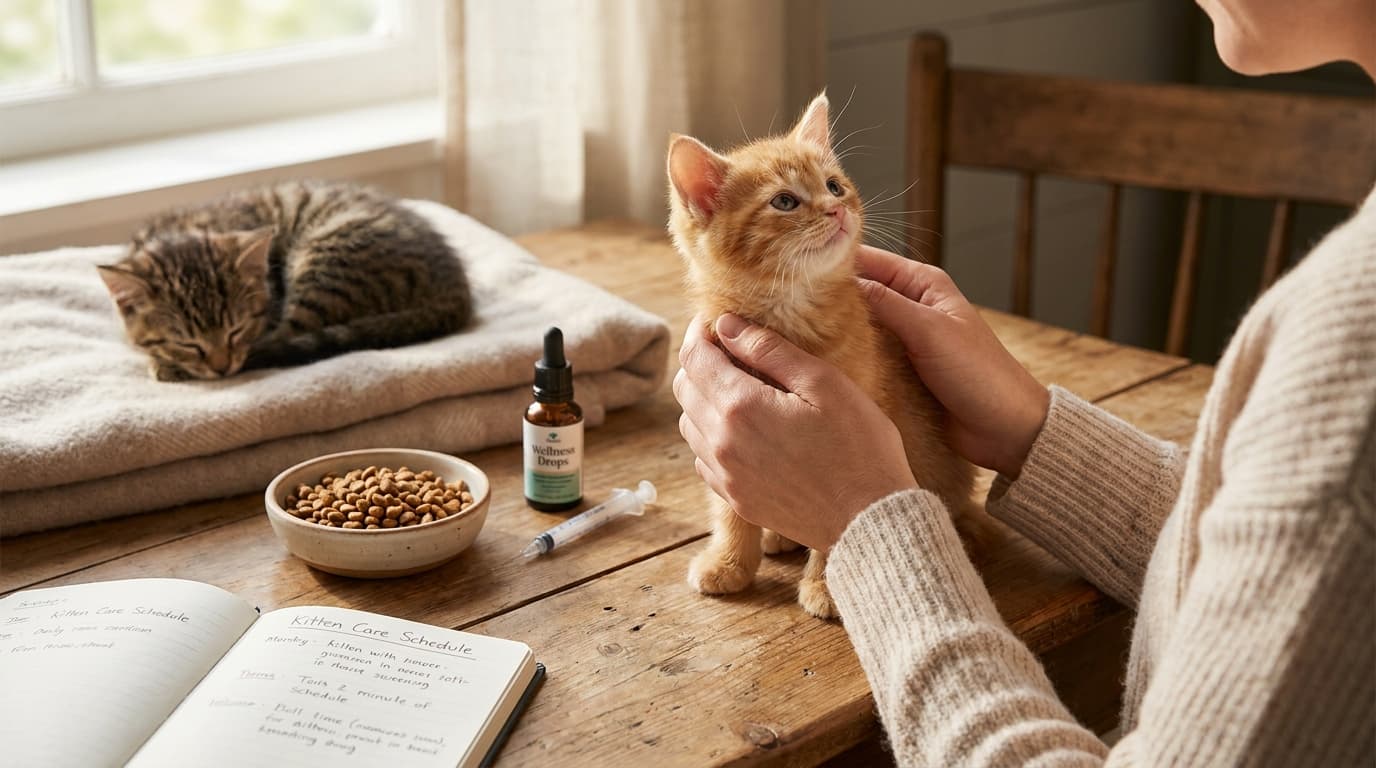
So, you finally brought home that tiny ball of fluff. Before you get too settled into the cuddle routine, your first stop needs to be the vet clinic. Think of it as a safety move for everyone in the house. Even if your kitten looks perfectly healthy, they might be carrying tiny hitchhikers like fleas or respiratory bugs. This is especially vital if you have older resident cats. You do not want a new arrival accidentally making your senior cat sick with something that was easily preventable.
During this initial visit, your vet will set up a schedule for essential vaccinations and talk through spay or neuter options. It is about more than just a medical checklist. It is the start of a lifelong partnership for your cat health. With about 85 million cat owners in the country, clinics stay busy, so try to book this appointment as soon as you know your adoption date. If you adopted during the spring kitten season, shelters are often overwhelmed. This makes an immediate professional wellness check even more important to catch any lingering shelter related issues.
What does this mean for your daily life? Beyond the physical exams, a vet can help you spot early signs of stress. New kittens often feel overwhelmed, and that anxiety can show up as vomiting or even respiratory infections. Getting ahead of these issues keeps your kitten confident and helps them adjust. Plus, having a vet you trust from day one means you have an expert to call when you are wondering about things like weight charts or the best way to start harness training.
Key insights:
- Immediate exams prevent the spread of shelter-related germs to resident cats.
- Early vet visits help identify stress-related health issues before they become serious.
- Establishing a relationship early provides a reliable resource for growth and behavior questions.
Final Thoughts: Growing Together
They say cats are like chips because you can't have just one. With 85 million cat owners in the U.S., many of us clearly agree. But bringing a new friend home requires a slow dance. The most important thing is letting the most stressed cat set the pace. If they need more time, give it to them.
This patience pays off. Dr. Hannah Hart notes that slow socialization helps kittens grow into confident adults. Rushing can lead to stress-induced health problems like tummy issues or infections. By using scent first and keeping them in separate rooms for a few days, you are protecting their long-term bond.
Adopting from a shelter makes a huge difference, especially since many cats need homes. While introducing new kittens to older resident cats takes work, the result is a happy family. Stick with it. You are doing great, and a peaceful home is worth the wait.
Key insights:
- The pace of introduction should always be dictated by the most stressed cat.
- Scent is a cat's primary communication tool and the best way to start a meeting.
- Proper introductions prevent stress-related health issues like respiratory infections.
Frequently Asked Questions
Conclusion
Bringing a kitten home is a whirlwind of tiny paws, but the real magic happens in the quiet moments. Whether you are learning how to calm vocal Siamese kittens or tracking progress with a healthy weight chart for growing kittens, the goal is always the same: building trust. Success usually comes down to patience, especially when introducing new kittens to older resident cats. It is about the slow, steady introductions that eventually turn a house into a happy home.
Beyond the basics of what to expect when adopting kittens from shelters, your new life together will be full of small adventures. Maybe you will learn how to harness train a kitten safely for backyard walks, or maybe you will just enjoy finally hearing that first happy purr from your older cat. These milestones matter because they show your new family member is finally feeling safe and settled.
The bottom line is that while kittens are a lot of work, they are also a lot of fun. Take it one day at a time, keep your vet on speed dial, and enjoy the chaos. You are not just raising a pet; you are growing a best friend.
Send it to someone who should read it next.
About the author

Dr. Emily Hart
Veterinarian, DVM
Small animal veterinarian with 12 years of clinical experience specializing in feline health and preventive care.
View all articles