Raising a Happy Kitten: Tackling Ear Mites, Leash Training, and Everything in Between
Bringing a tiny, purring ball of fur home is a joy, but those first few weeks are often a whirlwind of questions. You might wonder why your new friend's scratching...

Dr. Emily Hart
Veterinarian, DVM
Raising a Happy Kitten: Tackling Ear Mites, Leash Training, and Everything in Between
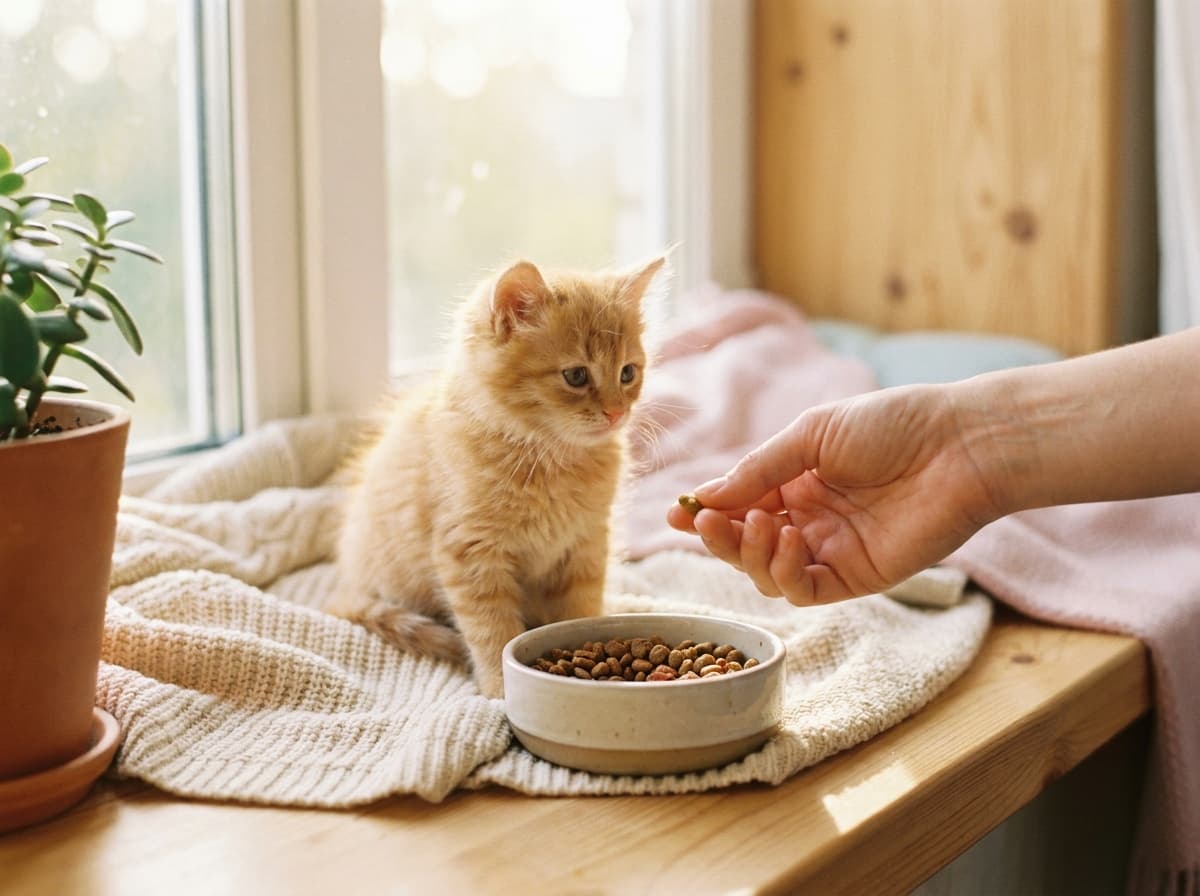
Bringing a tiny, purring ball of fur home is a joy, but those first few weeks are often a whirlwind of questions. You might wonder why your new friend's scratching or if that dark gunk in their ears is normal. Learning the signs of ear mites in kittens and how to treat them is a big part of early care. Whether you need essential care tips for a rescued stray kitten or just want to be prepared, getting the basics right now sets the stage for a happy life.
It's about more than just health, though. We'll show you how to leash train a kitten for outdoor walks and the best way of transitioning kittens from wet food to dry kibble without any tummy trouble. You'll even learn to identify different tabby kitten coat patterns so you can finally name those cute stripes and swirls.
This guide covers the practical details that make being a cat parent much easier. From vaccines and vet visits to backyard adventures, we've got everything you need to help your kitten grow up strong and happy.
Wait, Is That Coffee in Their Ears? Spotting and Treating Ear Mites
Have you ever looked inside your kitten’s ears and thought they had been playing in the coffee tin? That dark, crumbly residue that looks exactly like dried coffee grounds is the classic calling card of ear mites. These microscopic pests are more than just a minor itch; they are highly contagious hitchhikers that jump from one animal to another with ease. If you have other pets in the house, there is a good chance they are all sharing the same uncomfortable secret.
It is easy to dismiss a little ear scratching as normal behavior, but kittens have fragile immune systems that can struggle if an infestation takes hold. Hannah Shaw, known as the Kitten Lady, explains that these mites create a thick, waxy mess that can lead to serious discomfort or secondary infections if left alone. Because a kitten's health can shift from playful to poorly in a heartbeat, spotting that gritty residue early is a major win for their overall well-being.
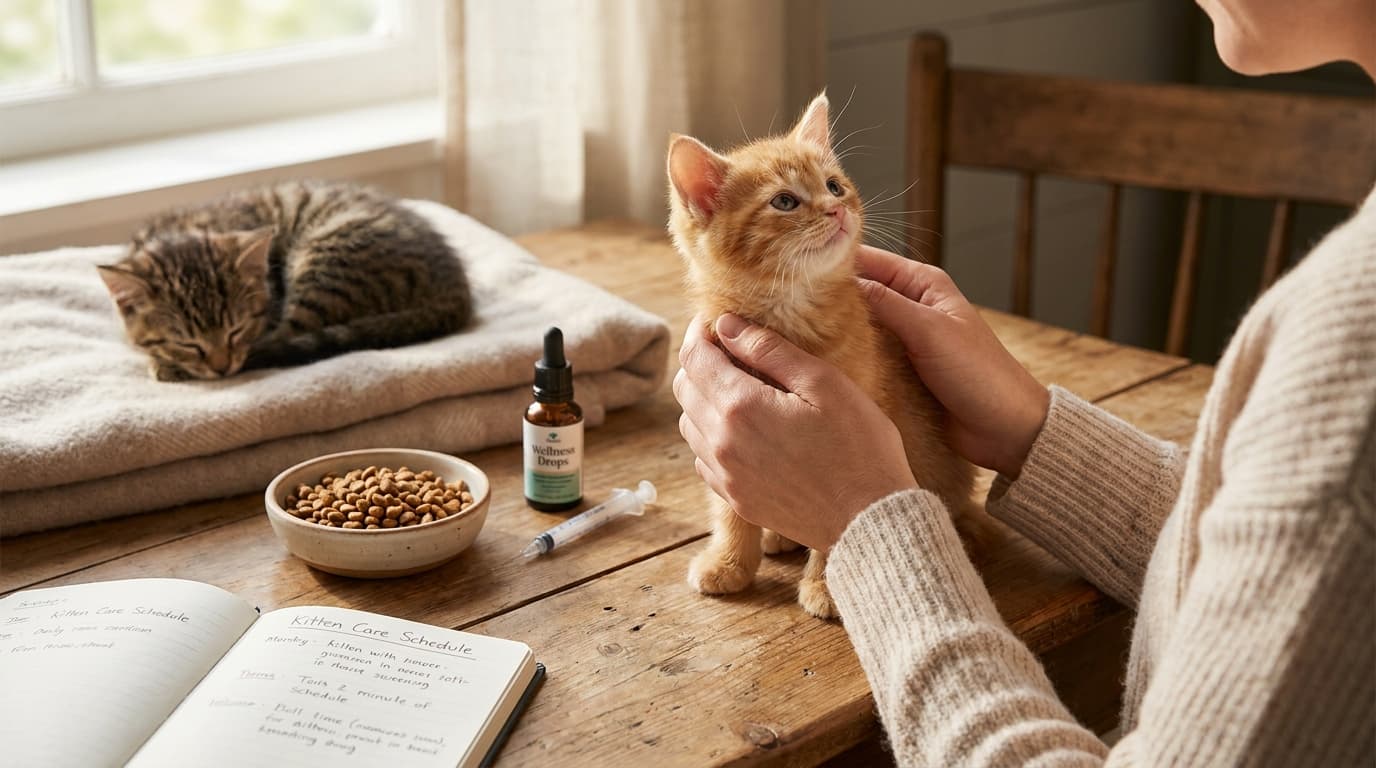
When it comes to the actual cleaning, you need to be gentle but thorough. Start by using a vet-approved solution designed to break up the stubborn, waxy discharge. Here is the trick: apply the drops and then perform a 15-second rub at the base of the ear. You should hear a squishing sound as you massage the canal, which tells you the solution is working. Whatever you do, keep the Q-tips out of the inner canal. You do not want to push the debris deeper or risk a painful injury. Just use a soft cotton ball to wipe away the gunk that floats to the surface.
Cleaning is only the first step in the recovery process. Once the ears are clear of the physical mess, you have to tackle the mites themselves with prescribed medication. Experts usually recommend a two-step approach: the deep clean followed by a topical treatment like a kitten-specific version of Revolution. Even if your kitten never steps foot outside, parasites can still find their way in, so do not assume your indoor-only cat is naturally protected.
The real secret to success is consistency. These mites have a life cycle that requires follow-up care, so a single cleaning session usually won't finish the job. Stick to the schedule your vet provides and keep checking those ears for a few weeks to ensure the debris stays gone. It might seem like a lot of work for such tiny ears, but it means your kitten can get back to the important business of being a happy, healthy ball of fur instead of a walking pincushion for pests.
Key insights:
- The 'coffee ground' appearance is a definitive sign of ear mite infestation that requires immediate attention.
- A 15-second massage at the base of the ear is the most effective way to break up debris without using dangerous tools like Q-tips.
- Indoor kittens are still at risk for parasites and require vet-approved, kitten-specific treatments rather than generic pet store products.
The 15-Second Rub: How to Clean Tiny Ears Safely
If you spot dark residue in your kitten's ears that looks like coffee grounds, you are likely dealing with ear mites. These microscopic pests are common and easily spread, but clearing them out requires a specific touch. Start with a vet-approved cleaning solution to soften that stubborn, waxy buildup. This liquid is essential because it breaks down the discharge so it can actually be removed.
Here is the secret: after applying the liquid, gently massage the base of the ear for 10 to 15 seconds. You want to hear a squishing sound to know the solution is breaking up the debris. But be careful! Never use a Q-tip deep in the canal. You could easily hurt their eardrum or just pack the gunk in tighter. Use a soft cotton ball for the outer areas instead.
Once the ears are clear, do not stop there. You must follow up with the prescribed topical treatment, like a kitten-specific formula of Revolution, to actually kill the mites. Cleaning simply clears the path so the medicine can do its job. It is a quick two-step habit that keeps those tiny ears healthy and itch-free.
Key insights:
- The coffee ground appearance is the primary physical indicator of an ear mite infestation.
- A 15-second massage is necessary to ensure the cleaning solution reaches the debris.
- Cleaning must always be followed by medication to prevent the mites from returning.
The Vaccination Roadmap: Keeping Your Kitten Safe From Day One
Bringing a new kitten home is a whirlwind of purrs and tiny claws, but your first big date as a pair isn't at the toy store. It is the vet clinic. When your kitten hits that 6 to 8-week mark, it is time for their first round of shots. This visit is a non-negotiable milestone because their mother’s natural antibodies are starting to fade, leaving them vulnerable. You might think they look healthy, but kittens can go from happy and playful to seriously ill very fast. Early intervention is the best way to keep that tiny motor purring and prevent complications like pneumonia later on.
The star of the show is the FVRCP vaccine. It sounds like a bunch of alphabet soup, but it is actually a life-saving core vaccine. It protects against three major threats: Feline Rhinotracheitis, Feline Calicivirus, and Feline Panleukopenia. Think of it as a shield against nasty respiratory infections and the dreaded feline distemper. Because their immune systems are still learning the ropes, one shot is not enough. They need boosters every 3 to 4 weeks until they are about 16 to 18 weeks old. This cycle ensures their body actually remembers how to fight off these germs as they grow into adults.
You might wonder if all this is really necessary if your cat never steps a paw outside. The short answer is yes. It is a common myth that being an inside cat means being immune to illness. The reality is that viruses and parasites are great at hitchhiking. You can accidentally carry germs in on your shoes, or a stray flea might hop off your clothing after a walk. Even if your home is a fortress, indoor kittens still face risks from other pets or microscopic invaders that do not care about your front door.
Think of it this way: you wouldn't leave your front door unlocked just because you live in a quiet neighborhood. Vaccinating an indoor kitten is like having a security system. It covers the what-ifs, like a guest bringing in a virus or a kitten slipping out an open window for a quick adventure. Since their health can deteriorate so quickly, having that baseline protection gives you peace of mind. It is a small investment of time that prevents a lot of heartache and high vet bills down the road.
Key insights:
- Kittens possess fragile immune systems and need early vaccinations to stay safe.
- The FVRCP vaccine is essential for preventing serious respiratory issues and feline distemper.
- Indoor kittens still face risks from parasites and viruses carried into the home by humans or other animals.
- Following the 3 to 4 week booster schedule is the only way to ensure full immunity.
Why Indoor Kittens Still Need Protection
You might think your kitten is safe because they never step a paw outside, but 'indoor' does not mean 'invincible.' It is a common myth that many new owners believe. Even if your furball stays inside, viruses and tiny pests are experts at breaking in. You can easily bring hitchhikers home on your shoes or clothes without even realizing it.
The reality? Indoor kittens still need core vaccinations like FVRCP starting at 6 to 8 weeks. These protect against respiratory issues and distemper. Also, parasites like ear mites, which look like dark coffee grounds, can jump from other pets in the house. Since kittens have fragile immune systems, they can get sick very fast.
Stick to those boosters every 3 to 4 weeks until they hit about 18 weeks old. It is about making your home a true safe haven. Prevention is always easier than treating a health crisis later.
Key insights:
- Human clothing and other household pets are common bridges for parasites to reach indoor kittens.
- A kitten's immune system is fragile, making early vaccination schedules vital for their survival.
From the Street to the Sofa: Caring for a Rescued Stray
So you found a tiny ball of fur on the street and decided to bring them home. It is a wonderful thing to do, but that first week is a whirlwind. Rescued strays have fragile immune systems that have not had much help yet. One minute they are zooming across the floor and the next they might seem totally wiped out. Because their health can dip so fast, keeping a close eye on them is your top priority. You want to watch for things like runny eyes, sneezing, or a sudden lack of appetite. These are big red flags that mean a trip to the vet is needed right away. Think of it this way: their little bodies are still learning how to fight off germs, and early help prevents things like pneumonia.
The best way to start is by setting up a Kitten Zone. This is just a small, safe home base like a bathroom or a spare room. It gives them a chance to get used to indoor sounds without feeling overwhelmed by a big house. It also makes it much easier for you to spot health issues like ear mites. If you see dark gunk in their ears that looks like coffee grounds, they likely have these tiny pests. A vet can confirm it and give you a cleaning solution and medication. You will usually rub the ear for about fifteen seconds after applying the drops to break up all that waxy residue.
While your rescue settles in, you have to look at your home through their eyes. Everything looks like a toy to a kitten, but some things are deadly. Take lilies, for example. These common flowers are highly toxic and can cause kidney failure almost instantly. It is best to just keep them out of the house entirely. You also need to watch out for strings, yarn, and dental floss. Kittens love to chew on these, but if they swallow them, the string can get tangled in their guts. This causes a life-threatening blockage that usually requires surgery to fix.
Getting them on a medical schedule is the next big step. Most kittens need their first round of shots between 6 and 8 weeks old. This usually includes the FVRCP vaccine, which handles respiratory issues and distemper. Since their immunity is still building, they will need boosters every 3 to 4 weeks until they are about 16 weeks old. Even if you plan on keeping them strictly indoors, they still need protection against parasites like fleas and worms. Other pets or even your own shoes can bring these hitchhikers inside, so always use kitten-specific formulas recommended by your vet.
Key insights:
- Kittens can go from playful to seriously ill very quickly, making early vet intervention vital.
- A Kitten Zone prevents accidents and helps you monitor a rescue kitten's health more effectively.
- Common household items like lilies and dental floss pose life-threatening risks to curious kittens.
- Indoor-only status does not protect kittens from parasites brought in by other pets or humans.
Kitten-Proofing: Hiding the Lilies and the String
Think of your new kitten as a tiny, furry toddler with zero sense of self-preservation and a mouth that wants to taste everything. While they’re exploring, you might not realize that the flowers on your table are actually a hidden hazard. Lilies are a major red flag because they are highly toxic to cats. Even a small nibble or some pollen on their fur can lead to serious trouble. It’s usually safer to keep these plants out of the house entirely to protect those curious whiskers.
Then there’s the classic image of a kitten playing with yarn. It looks cute, but in reality, strings, ribbons, and even dental floss are high-risk items. These can cause life-threatening blockages in a kitten's gut if swallowed. Since their bodies are still so fragile, things can go from playful to a veterinary emergency very fast. Scan your floors for stray floss and try setting up a safe 'Kitten Zone' with cat-specific toys to keep them occupied and out of trouble.
Key insights:
- Lilies are so toxic that even the water in the vase can be dangerous for a kitten.
- Linear items like string can twist the intestines, making them far more dangerous than solid objects.
Walking Your Cat? How to Start Leash Training Without the Drama
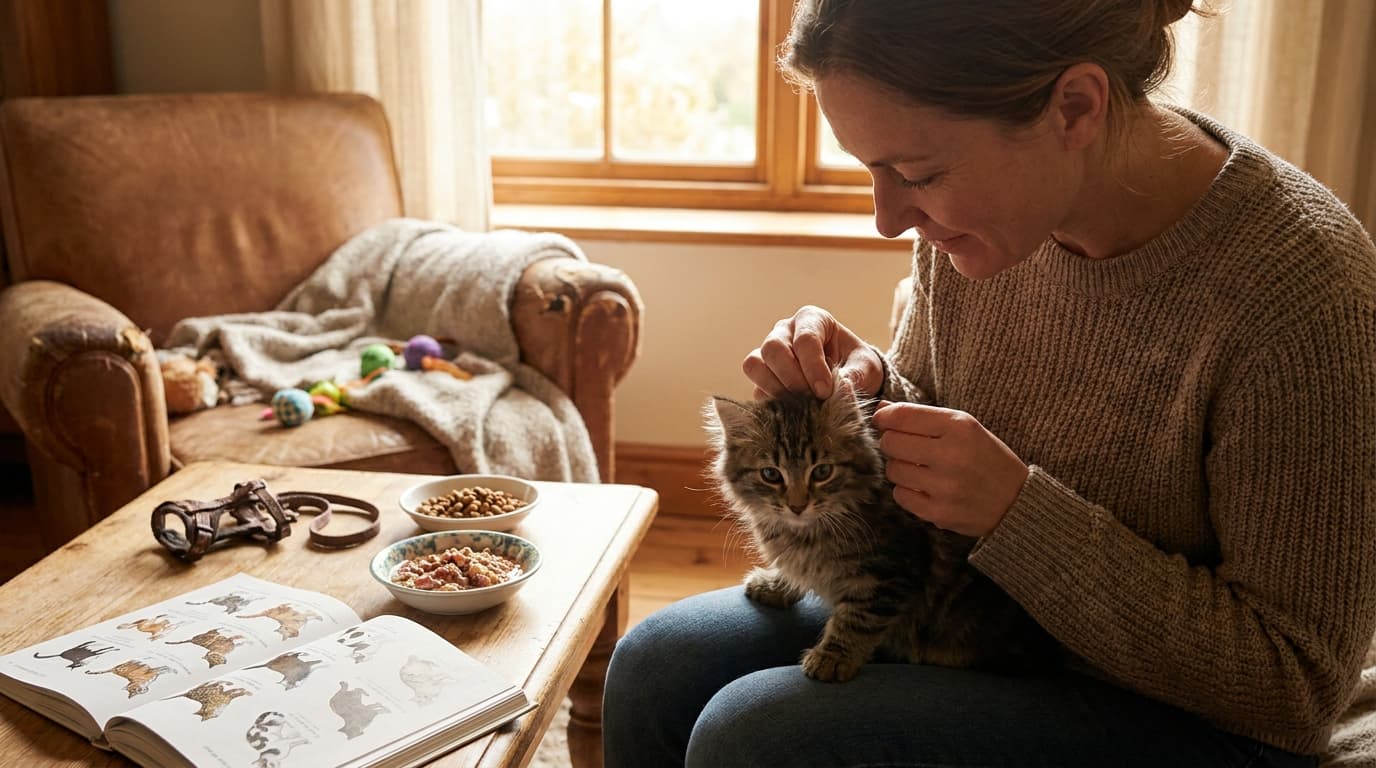
Ever thought about taking your kitten for a stroll? It sounds like a dream, but if you just slap on a collar and head out, you are likely heading for a disaster. Cats have very soft necks and can easily slip out of a standard collar if they get spooked. This is why a sturdy harness is your best friend. It distributes pressure across the chest and shoulders so your kitten stays safe and secure while you keep control.
Before you even think about the sidewalk, start in your living room. Let your kitten sniff the harness and then put it on for just a few minutes while they eat or play. We call this the Indoor First rule. If they act like their legs have stopped working or flop over, do not worry. It is a normal reflex. Use their favorite treats to build a positive link between the gear and a tasty reward. Pretty soon, they will see the harness and think snack time instead of scary trap.
The reality is that even if you only plan to walk in your backyard, your kitten still needs their core FVRCP vaccinations and parasite protection. Because parasites like fleas and worms can live in the grass, you want their immune system ready before that first blade of grass touches their paws. Think of it as a health shield that stays on even after the harness comes off.
When you finally head out, choose a quiet and enclosed spot. A fenced backyard or a calm balcony is perfect for that first big sniff. Keep the lead loose and let them lead the way. This is their time to explore the world at their own pace, not a power walk for you. Let them take in the new smells and sounds without any pressure to move fast.
Keep a close eye on their body language. If the tail starts twitching fast or their ears go flat, they have had enough. It is much better to go back inside after five successful minutes than to push for ten and end on a scary note. What does this mean for you? It means being patient and ending the session while they are still having fun so they look forward to the next adventure.
Key insights:
- Always use a harness instead of a collar to prevent choking or escapes.
- Build positive associations by offering high-value treats during indoor gear practice.
- Ensure all vaccinations are up to date before the first outdoor trip.
- End the walk immediately if your kitten shows signs of stress like flattened ears.
Your First Steps Outside
Ready to take your kitten on their first big adventure? It is a huge milestone, but safety comes first. Before you head out, remember that core vaccinations usually start around 6 to 8 weeks old. You want those boosters finished so their immune system is ready for the world.
Pick a quiet and enclosed spot for that first outdoor sniff. A small garden or a calm patio works best. This keeps things predictable while they explore new smells. Think of it as a tiny field trip where they get to set the pace.
Watch their body language. Are their ears pinned back? If they crouch low or look for a hiding spot, they have had enough. Every kitten is different, so let them decide when to go back inside. It is all about building confidence, one little paw step at a time.
Key insights:
- Patience is key because a kitten's confidence grows through positive, short experiences rather than long, forced outings.
- Vaccination status is the most important prerequisite for any outdoor activity to protect their fragile health.
Stripes, Spots, and Swirls: Decoding Tabby Coat Patterns
Have you ever looked closely at your kitten's forehead and noticed a clear "M" shape? It's the legendary mark of the tabby, and every single one has it. But while that signature is universal, the rest of their coat tells a much more specific story. Learning how to identify different tabby kitten coat patterns is like becoming a feline detective. You aren't just looking at colors; you're looking at the architecture of their fur.
Most people first notice the mackerel pattern. It's named after the fish because of the thin, vertical stripes that resemble a skeleton. These fishbone lines are narrow and run parallel down the kitten's sides. But wait, what if your kitten has big, bold swirls instead? That’s the classic tabby. Instead of thin lines, they sport thick, circular patterns that look like a bullseye or a marble cake. If you see a large oyster shape on their flank, you have definitely got a classic on your hands.
Beyond the stripes and swirls, you might find spots or even a ticked look. Spotted tabbies have stripes that are broken up into distinct dots, almost like a miniature leopard. Ticked tabbies are the most deceptive because they do not have traditional body stripes at all. Instead, each individual hair has bands of different colors, giving them a shimmering, solid appearance from a distance. While identifying these patterns is fun, remember that a healthy coat starts from the inside. Just like you would watch for ear mites or keep up with vaccinations, keeping their skin healthy ensures those beautiful patterns really pop.
What does this mean for you as a new owner? It means your kitten's coat is more than just a pretty design; it is a link to their genetic history. Whether they are a swirly classic or a sleek mackerel, these markings are unique to them. Take a moment to really look at those patterns next time you are playing. You might be surprised at the hidden spots or subtle ticks you missed before.
Key insights:
- The 'M' on the forehead is the universal trait shared by all tabby patterns.
- Mackerel tabbies have vertical 'fishbone' stripes, while classic tabbies feature circular 'bullseye' swirls.
- Ticked tabbies lack body stripes because the pattern is contained within individual hair shafts.
The Big Switch: Moving from Wet Food to Crunchy Kibble
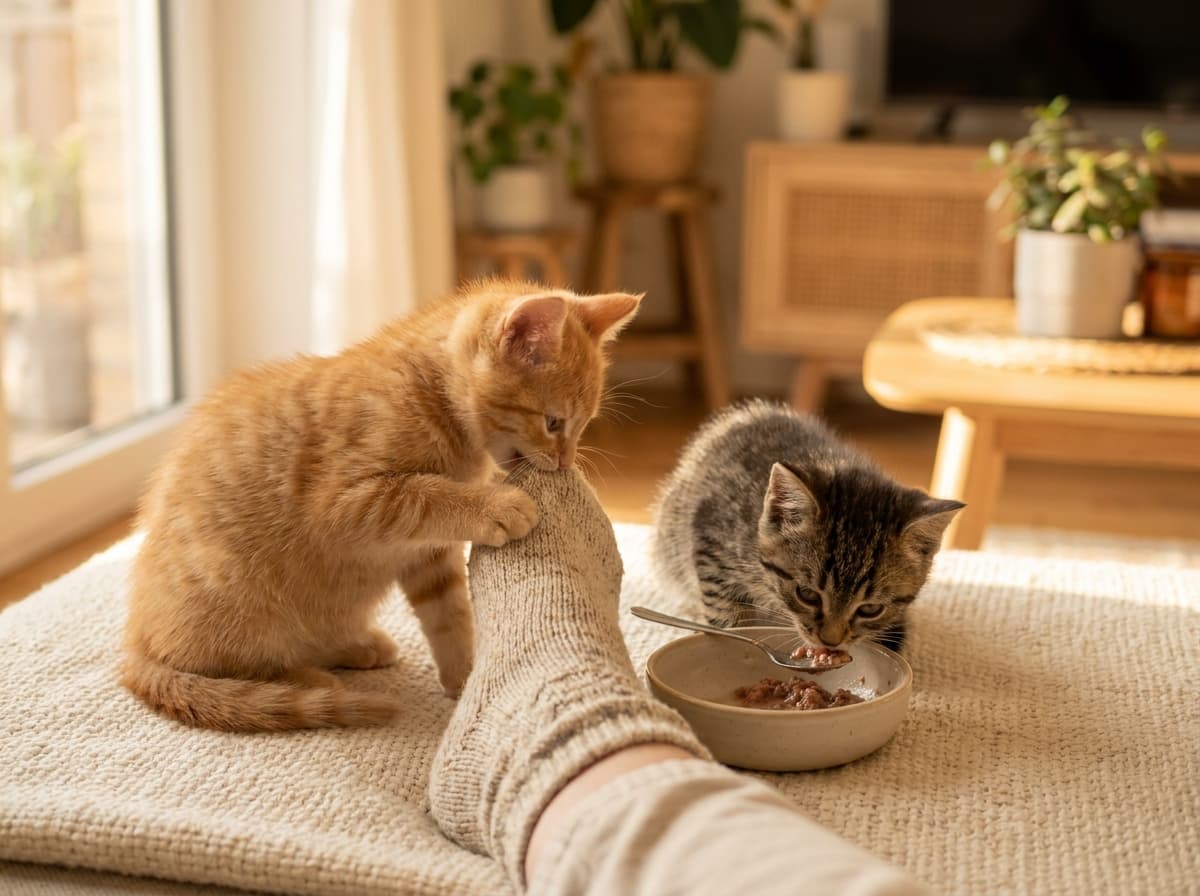
Think about your kitten's tiny stomach like a sensitive piece of machinery. If you suddenly swap their soft wet food for hard kibble, you are asking for trouble - specifically the kind involving a messy litter box and a very unhappy pet. This is why a slow transition is your best friend. Since kittens have fragile immune systems that can deteriorate quickly, we want to avoid any unnecessary stress on their bodies during this big change. It is much easier to be patient now than to deal with a sick cat later.
The golden rule for a smooth switch is the 75/25 method. Start by mixing 75% of their usual wet food with just 25% of the new dry kibble. Do this for a couple of days, then move to a 50/50 split. If their tummy stays settled, shift to 75% dry food before finally going all-in on the crunch. This week-long process gives their digestive tract time to catch up without the dreaded 'kitten tummy' drama. It is a simple way to ensure they stay happy and playful instead of ending up at the vet with a preventable upset.
But wait, there is one more thing to watch. Wet food is mostly water, but kibble is very dry. When you make the switch, your kitten is no longer getting that built-in hydration from their meals. You will need to make sure fresh water is always available and easy to reach. Think of it as part of your 'Kitten Zone' setup - a safe space where they have everything they need to grow. While you are focusing on their diet, remember that overall wellness matters too. Just like you are careful with their food, stay alert for other issues like ear mites or missed vaccinations, because a healthy kitten needs a proactive owner.
Key insights:
- A slow, seven-day transition prevents digestive upset and keeps a kitten's fragile immune system stable.
- The 75/25 mixing rule provides a clear schedule for moving from wet food to dry kibble.
- Increased water intake is mandatory when shifting to a dry-food diet to compensate for the loss of moisture.
Frequently Asked Questions
Conclusion
Raising a kitten is a mix of checking for signs of ear mites and figuring out if those swirls on their fur make them a classic or mackerel tabby. When you balance medical basics with milestones like how to leash train a kitten for outdoor walks, you build a foundation of trust. Every step, from proofing your home for a rescue to transitioning kittens from wet food to dry kibble, helps your tiny ball of fluff grow into a confident adult.
The bottom line is that being a great cat parent is about staying observant. You do not need to be an expert on day one, but knowing how to spot a health issue or how to safely introduce the outdoors makes the process much easier. As your kitten grows, you will see their unique personality shine through every stripe and pounce.
Your next move is simple: take it one day at a time and enjoy the purrs. Whether you are helping a stray settle in or teaching a bold kitten to walk on a harness, your patience is the best gift you can give them. Here is to many happy years with your new best friend.
Send it to someone who should read it next.
About the author

Dr. Emily Hart
Veterinarian, DVM
Small animal veterinarian with 12 years of clinical experience specializing in feline health and preventive care.
View all articles