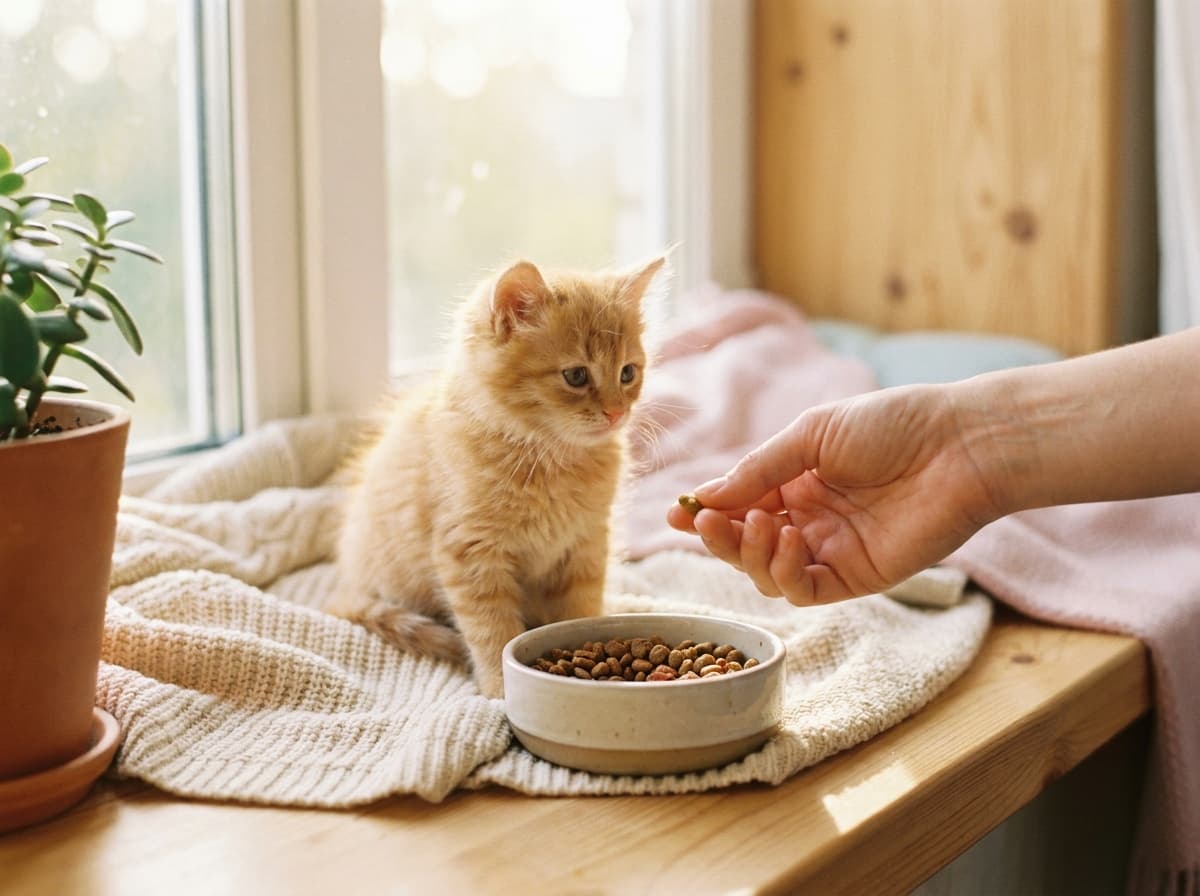
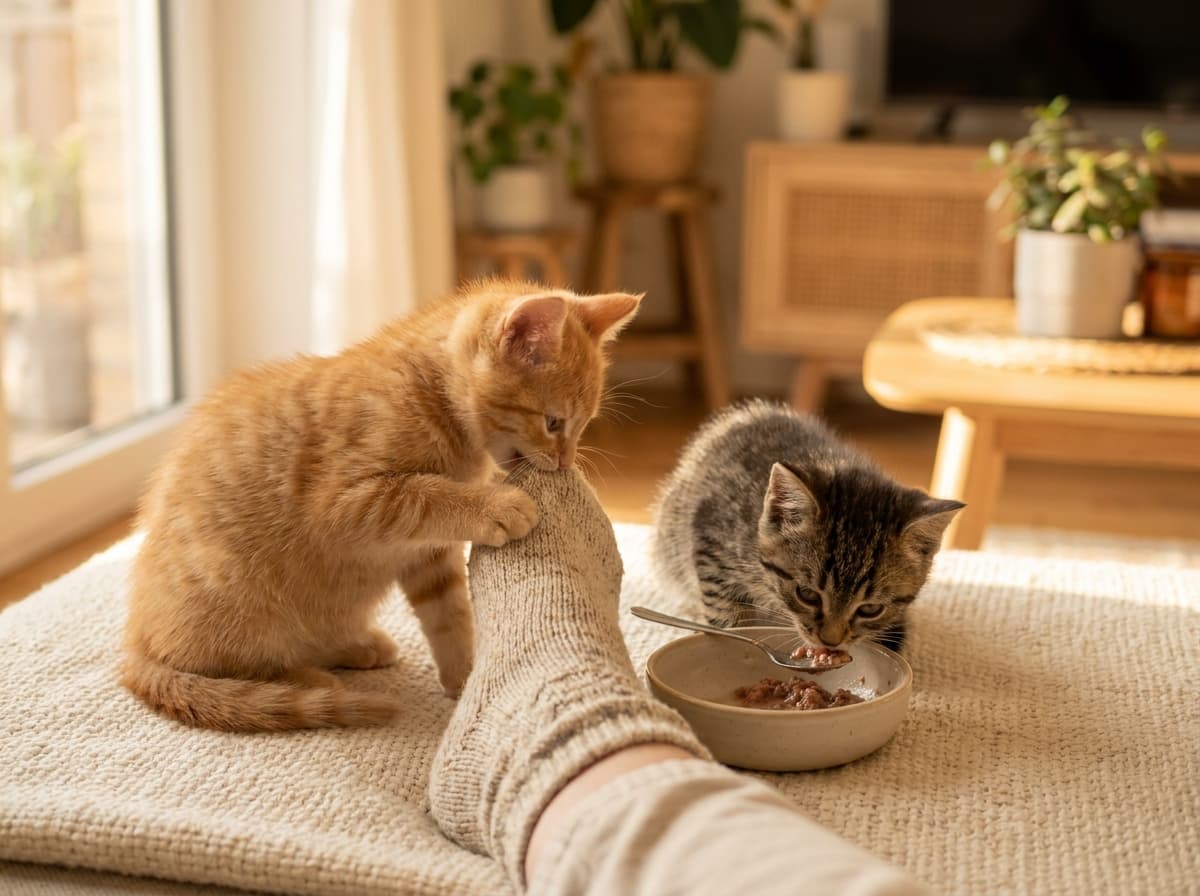
New Kitten in the House? Here’s How to Keep Everyone Happy and Healthy
Is there anything more chaotic or wonderful than a tiny kitten zooming through your living room at three in the morning? That little ball of fluff brings so much joy,...

Mia Torres
Cat Lifestyle Writer
New Kitten in the House? Here’s How to Keep Everyone Happy and Healthy
Is there anything more chaotic or wonderful than a tiny kitten zooming through your living room at three in the morning? That little ball of fluff brings so much joy, but it also brings a lot of big questions about health and happiness. Bringing a new pet home is a huge milestone, and you want to make sure you are prepared for every meow and milestone along the way.
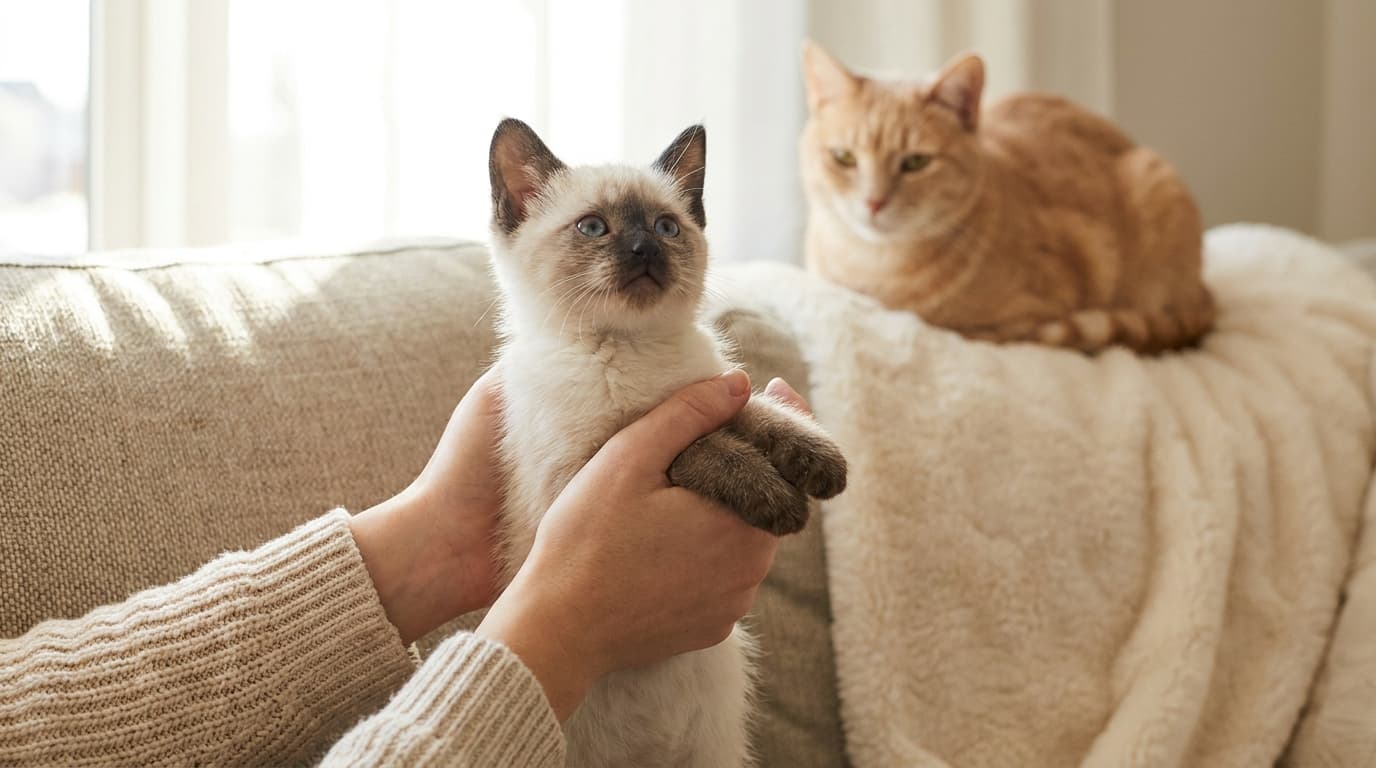
Whether you just brought home a vocal blue point Siamese kitten or you are trying to figure out how to introduce a kitten to a resident cat safely, those first few weeks are a major game-changer. It is about more than just cute photos because the care you provide now sets the stage for their whole life as they grow into healthy adults. Understanding their unique needs helps everyone in the house stay calm and happy.
This guide covers everything from the basics of caring for an orphaned newborn kitten to tracking growth milestones with a kitten weight chart. We also look at essential safety tips like effective flea prevention for kittens under 8 weeks and why gut health matters for their development. Let's get started on making your house the perfect home for your newest family member.
Meet the Blue Point Siamese: More Than Just a Pretty Face
Have you ever looked into the eyes of a Blue Point Siamese? Those icy blue depths are famous for a reason. These cats are known for their striking points, which are the darker colors on their ears, face, paws, and tail that contrast against a snowy or silvery white body. But there is a lot more going on behind those eyes than just good looks. They are elegant and lean, yet they carry a presence that fills up a whole room.
If you want a quiet cat that sits on a shelf like a decoration, this is not the breed for you. People often call them the dogs of the cat world because they will follow you from room to room and tell you exactly what they think about everything. They are incredibly vocal and social. They do not just want your attention, they demand to be part of the family conversation. This social nature makes them wonderful companions, but it also means they can get lonely if left alone for too long.
When you bring home a Blue Point kitten, you are starting a journey through several distinct life stages. Experts define the kitten stage as 2 to 12 months of age. After that, they move into the adult stage until they are 7 years old, eventually becoming mature and then senior at age 11. During those early months, their brains and bodies grow at a wild pace. This is why science led nutrition is so important. Modern pet care now focuses heavily on the microbiome to support overall health, ensuring your smart Siamese stays sharp and active as they grow.
If you are raising a very young or orphaned kitten, there are specialized resources to help. Organizations like the Koret Shelter Medicine Program have been leaders in this field since 2001, offering protocols for kittens from birth to eight weeks. There are even downloadable guides from groups like Elanco that help new pet parents manage these early milestones. Whether you are tracking a weight chart or looking for flea prevention for a kitten under 8 weeks, the data shows that standardized care in these early days is critical for long term health.
Is a Blue Point Siamese Right for You? These cats have high energy levels and a deep need for mental stimulation. Because they are so smart, they can actually get into trouble if they are bored. They might find their own version of fun by opening cabinets or knocking things off counters. Think of it this way. You are not just getting a pet, you are getting a tiny roommate who needs puzzles, toys, and active playtime to stay happy. They thrive when they have a job to do or a game to play.
Luckily, their grooming needs are pretty simple. Their sleek coat does not mat easily, so a quick weekly brush is usually enough to keep them looking sharp. This is also a great time for bonding, which is something these social cats crave. While they are low maintenance in the grooming department, they are definitely high maintenance when it comes to your time and affection. If you have the space in your heart and your schedule for a talkative, loyal friend, the Blue Point Siamese is a rewarding choice.
Key insights:
- Blue Point Siamese cats are highly social and are often compared to dogs for their loyalty and vocal nature.
- Cats progress through four main life stages from kitten to senior, with the kitten phase ending at 12 months.
- Modern feline nutrition emphasizes the microbiome and science led formulas to support brain and gut health.
- Mental stimulation is a requirement rather than an option for this intelligent and active breed.
Is a Blue Point Siamese Right for You?
So, are you ready for a Blue Point Siamese? These cats are famous for those icy blue eyes, but they’re way more than just a pretty face. If you want a quiet cat that just sits there, this breed might surprise you. From the time they enter the kitten stage at two months until they become adults at one year, they are non-stop. They don't just want to play; they need to. Without puzzles or toys to challenge their smart brains, they might find their own fun, which usually involves your curtains or furniture.
The good news is that their sleek coat is very easy to handle. A quick weekly brush keeps them looking sharp and helps you bond. It's also a perfect time to check their overall condition. Since feline nutrition is now focusing more on specific needs like the microbiome and digestive health, keeping an eye on their habits early on is smart. If you have the time to talk back to a vocal cat and keep them busy, you'll have a loyal friend for life. Just remember, they crave attention and don't love being left alone.
Key insights:
- Siamese kittens need high levels of mental stimulation to stay out of trouble.
- Their short coats are low-maintenance but offer a great chance for weekly bonding.
- They are highly social and vocal, making them better for owners who are home often.
Bringing Home a Buddy: The Art of the Stress-Free Introduction
You walk through the door with a tiny furball, expecting your resident cat to be overjoyed. Instead, you get a hiss and a disappearing act. Do not worry because this is completely normal. Your cat sees their home as a kingdom, and you just invited a stranger to the throne. It helps to remember that kittens, which are in that high-energy stage from two to twelve months old, have a very different vibe than an adult cat between one and seven years. Your older cat might value peace and quiet, while the newcomer just wants to play tag at three in the morning.
The secret to a smooth start is working with their noses first. Cats live in a world of smells, so try a scent swap before they ever lock eyes. Take a soft cloth or a toy and rub it gently on the new kitten, then leave it near your resident cat’s favorite sleeping spot. Do the same for the kitten with the older cat’s scent. This lets them meet without the pressure of a face-to-face confrontation. It is a simple trick that builds a foundation of familiarity. Think of it as a digital introduction before the real-life meeting.
Once the sniffing goes well, you can move to visual introductions. Use a baby gate or keep a door cracked just enough for them to see each other safely. This barrier acts as a security blanket for both parties. If they can look at each other without lunging or growling, you are on the right track. You want them to be curious rather than combative. If things get tense, just close the door and try again later. There is no need to rush a friendship that could last for the next fifteen years.
How do you know if the meeting is actually going well? You have to learn to read the room by watching their eyes and ears. A slow blink is basically a cat's way of saying they are relaxed and trust you. If you see both cats blinking lazily at each other, take a breath because things are looking up. On the flip side, if you see flattened ears, a puffed-up tail, or a low growl, it is time to hit the pause button. There is no shame in separating them for the night and starting fresh tomorrow. Forcing a meeting when they are stressed only sets you back.
Patience is your best tool during this process. Some cats become best friends in a weekend, while others need weeks to negotiate a truce. Focus on keeping their routines steady and offer plenty of praise for calm behavior. Modern feline science, like the research from the Koret Shelter Medicine Program, emphasizes that a low-stress environment is vital for their long-term health. By moving at their pace, you are helping them build a bond that keeps everyone in the house happy and healthy. Remember that every cat is an individual, so let them set the timeline.
Key insights:
- Scent swapping allows cats to become familiar with each other's presence without physical stress.
- Kittens (2-12 months) and adults (1-7 years) have different energy levels that require a slow introduction.
- Body language like slow blinks indicates trust, while flattened ears mean it is time to take a break.
- Physical barriers like baby gates provide a safe way for cats to observe each other during the first meeting.
Signs the Meeting is Going Well (or Not)
You have finally opened the door, and now you are holding your breath. How do you know if your resident cat and the new kitten are vibing or if a feline feud is brewing? Watch their eyes and ears first. A slow, relaxed blink is basically a cat's way of saying they are cool with you, while flattened ears are a clear signal to back off immediately.
It helps to remember that age plays a huge role in these meetings. If you are introducing a high-energy kitten, which covers the life stage from 2 to 12 months, to a mature cat aged 7 to 11 years, the older cat might get annoyed quickly. While cats do not hit the senior stage until 11, middle-aged cats still value their peace. If you see constant hissing or hunting, it is time to hit the pause button.
There is no shame in trying again tomorrow. Experts at the Koret Shelter Medicine Program emphasize that patience and specialized care are key to long-term success. If the vibe feels tense, separate them and let everyone cool down. Successful introductions are a marathon, not a sprint, so trust your gut when it says not today.
Key insights:
- The slow blink is a sign of trust, while flattened ears mean the cat feels threatened.
- A kitten's high energy (2-12 months) can easily overwhelm a mature cat (7-11 years).
- Don't force it; ending a session early prevents long-term territorial grudges.
Caring for the Tiniest Kittens: A Guide to Newborn Success
Imagine finding a tiny ball of fur, no bigger than your palm, crying for help. It is a high-stakes situation because the first eight weeks of a kitten's life are incredibly fragile. During this 0-8 week window, every single day counts toward their survival. While we usually think of kittens as those playful 2 to 12-month-old bundles of energy, newborns are a different story. They require a level of precision that experts in shelter medicine have spent decades perfecting. Organizations like the Koret Shelter Medicine Program have been leading this charge since 2001, proving that having the right protocol can be the difference between life and death for these tiny rescues.
If you are learning how to care for an orphaned newborn kitten, you are basically stepping into a round-the-clock job. It involves bottle feeding at specific intervals and making sure the formula temperature is just right. Experts at the University of Wisconsin and Koret emphasize that standardized care protocols are the best way to reduce mortality in these tiny ones. This is where the concept of Capacity for Care comes in. It is not just about having enough space; it is about having the right resources and time to meet every kitten's specific needs. It is also a time to be cautious about hygiene and pests. If you're dealing with parasites, you must find flea prevention for kittens under 8 weeks that is safe for their developing bodies, as adult products can be toxic to them.
The tricky part about newborns is that they are essentially unable to regulate their own body heat for the first few weeks of life. They cannot shiver or move to a warmer spot effectively, so they rely entirely on you or a safe heating source to stay alive. If a kitten’s body temperature drops too low, their digestive system actually shuts down, making feeding dangerous. You also have to play the role of the mother cat by stimulating them to go to the bathroom using a soft, warm cloth after every feeding. It is a delicate cycle of warming, feeding, and cleaning that keeps them on the path to becoming healthy adults.
As they grow, their needs shift significantly. By the time they hit that two-month mark, they officially enter the kitten life stage, which lasts until they are a year old. Modern feline nutrition has come a long way, and now we look at more than just age. We look at the microbiome and specific health needs like digestive or urinary support. Resources like the 2022 Elanco kitten guide offer great roadmaps for this journey. Whether you are dealing with a tiny newborn or a growing blue point Siamese, the goal is science-led care that focuses on long-term health from the very first day.
Key insights:
- Newborn kittens cannot digest food if their body temperature is too low, making external heat sources a life-saving necessity.
- Standardized protocols from programs like Koret have significantly reduced mortality rates in shelter environments since 2001.
- Kittens require manual stimulation for bathroom breaks until they are several weeks old, mimicking the natural grooming of a mother cat.
- Modern kitten nutrition is increasingly focused on the microbiome and specific health categories rather than just caloric intake.
Keeping Them Warm and Fed
Imagine finding a tiny, fuzzy ball of fur that fits in the palm of your hand. It’s adorable, but orphaned newborn kittens are incredibly fragile. One of the biggest hurdles is that they actually can't regulate their own body temperature for the first few weeks. Without a mama cat to snuggle against, they can get chilled dangerously fast. This is why specialized care protocols for unweaned kittens from birth to eight weeks are so vital. Think of yourself as their personal thermostat. You have to provide a consistent, safe heat source to keep them thriving.
But staying warm is only half the battle. You also have to handle the bathroom breaks. Newborns don't just go on their own. In the wild, the mother cat licks them to stimulate their systems. Since you’re stepping into that role, you’ll need to use a warm, damp cloth to gently mimic that sensation after every feeding. It might feel a bit strange at first, but it's a literal lifesaver. Groups like the Koret Shelter Medicine Program have been leading the way in these care techniques since 2001 because getting these basics right is what helps them reach that next big milestone at two months old.
Key insights:
- Newborn kittens (0-8 weeks) rely entirely on external heat sources since they lack internal temperature regulation.
- Manual stimulation after every feeding is required to help orphaned kittens eliminate waste properly.
- Standardized shelter protocols have significantly reduced mortality rates for unweaned neonates.
Watch Them Grow: Milestones and Your Kitten’s Weight Chart
Ever wonder when your tiny furball stops being a baby and starts being a real cat? The shift happens around the two-month mark. From eight weeks until their first birthday, your pet is in the kitten life stage. This is a high-energy window where they do most of their growing and learning. It is a busy time for you too, because you are basically their coach and nutritionist rolled into one. Watching them move from those early neonate weeks into this active phase is one of the best parts of being a pet parent. You get to see their unique personality finally start to shine.
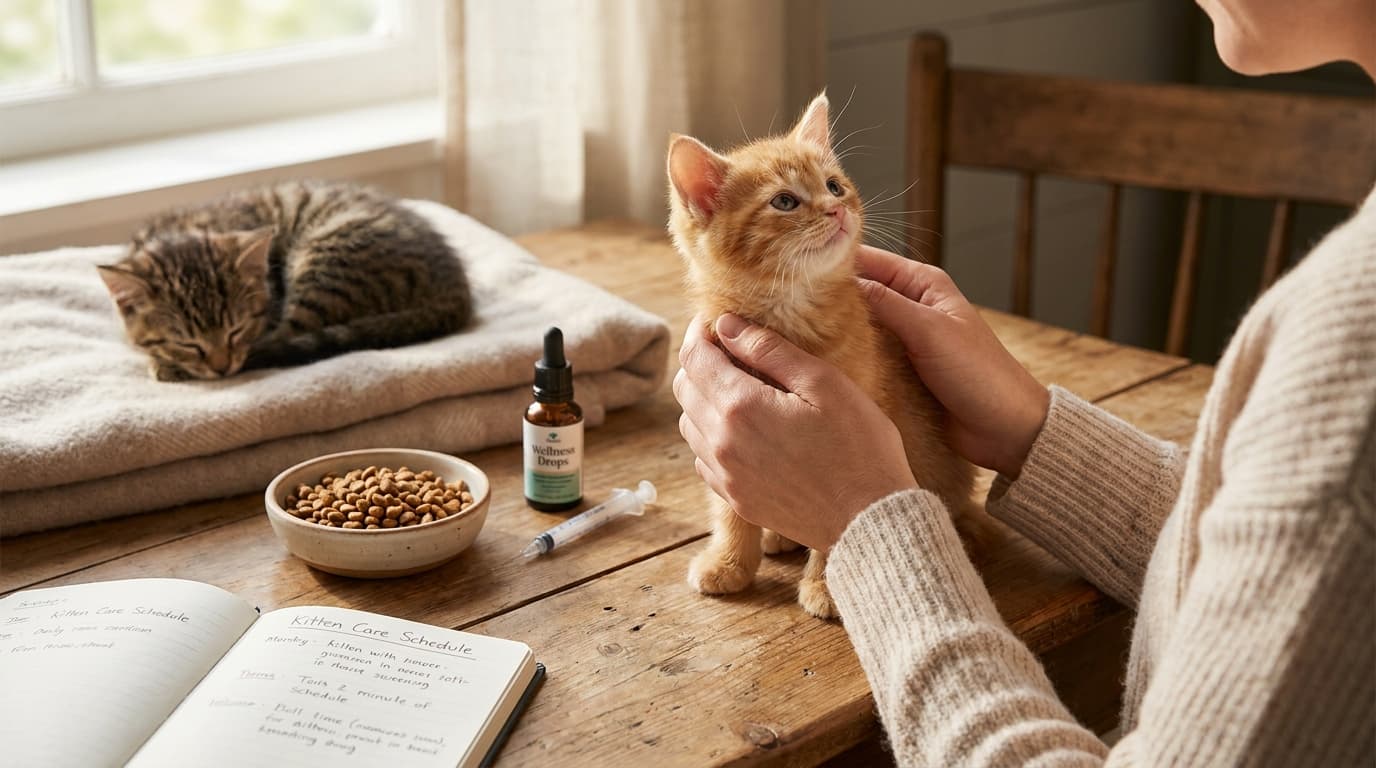
One of the most important things you can do is keep a close eye on the scale. Most healthy kittens put on about four ounces every week. It sounds like a small number, but for a tiny animal, it is a huge deal. If you see that weight gain stall, it is usually a sign that something is off. Many pet parents use a simple kitchen scale to track these weekly goals. It is a quick way to make sure they are thriving and getting the nutrients they need to build strong bones and muscles. This simple habit helps you spot potential health issues long before they become serious problems.
Transitioning to solid food is another big step in their development. While the very early weeks are all about milk, those first bites of solid food usually happen as they approach the eight-week mark. You want to look for science-led nutrition that focuses on more than just calories. Modern pet food research now looks at the microbiome, which is the community of good bacteria in their gut. Starting them on the right food now helps prevent digestive or urinary issues later on. Think of it as setting them up for a long and healthy life by building a strong foundation from the inside out.
The 12-Month Milestone is a big deal for every cat owner. When the candles come out for that first birthday, your kitten officially enters the adult stage. This stage lasts until they turn seven, so you have plenty of time before they become a senior. At 12 months, it is time to move away from growth-focused kitten food. Adult cats need a balance that maintains their weight rather than pushing for rapid growth. While they might still have that kitten energy, their nutritional needs have shifted. The mature and senior stages are still a long way off, starting at age seven and eleven, so just focus on enjoying these prime adult years together.
Key insights:
- Healthy kittens should ideally gain about four ounces of body weight every week.
- The official kitten stage lasts from two months until the first birthday.
- Switching to adult food at 12 months is necessary to avoid obesity as growth slows down.
- Cats are considered adults until age seven, followed by the mature and senior stages.
The 12-Month Milestone
Reaching the one-year mark is a huge deal. Your tiny ball of fluff is officially stepping into the adult life stage, which actually lasts until they turn seven. While it feels like they just got here, this milestone means their nutritional needs are shifting. It is time to start moving away from calorie-dense kitten food toward adult formulas. This transition matters because their bodies are done with the most intense growing pains, so they need a diet focused on maintenance rather than rapid development.
Here is something that might surprise you: your cat won't even hit the mature stage until they turn seven, and they aren't considered a senior until age eleven. This means you have years of prime young adult life ahead. Think of this shift as moving from a toddler diet to a balanced athlete's plate. It is less about growth spurts now and more about keeping a healthy weight and a shiny coat. So, celebrate that first birthday knowing the golden years are still a long way off.
Key insights:
- The adult life stage is a long plateau from 12 months all the way to age seven.
- Switching to adult food at one year prevents unnecessary weight gain from high-calorie kitten formulas.
- Senior care protocols typically don't kick in until a cat reaches 11 years of age.
Keeping the Itch Away: Safe Flea Prevention for the Little Guys
Imagine a tiny kitten, barely bigger than your palm, constantly scratching at its ears. While it looks annoying, for a baby under eight weeks old, fleas are actually a major health crisis. Because kittens are so small, a heavy flea infestation can cause life-threatening anemia. They simply do not have enough blood to share with a colony of parasites. This is why experts in shelter medicine emphasize strict care protocols for these little ones. Keeping them flea-free isn't just about comfort, it is about survival.
You might be tempted to grab the flea drops you use on your older cats, but please stop right there. You should never use adult cat medicine on a tiny kitten. Their livers and nervous systems are still developing and cannot process the strong chemicals found in most store-bought treatments. Using the wrong product can lead to serious illness. Most flea medications are only rated for kittens at least eight to twelve weeks old. Until they hit that milestone, we have to stick to manual methods that are much gentler on their little bodies.
So, how do you actually get those pests off? The most effective flea prevention for kittens under 8 weeks is surprisingly simple: a fine-toothed flea comb and a bit of patience. You can also use a warm bath with a tiny drop of original dish soap. It is a trick used by rescuers everywhere because it is effective and safe. Just make sure to keep the baby warm afterward since kittens cannot regulate their body temperature very well. Think of it as a spa day that happens to save their life. It takes more work than a quick drop of medicine, but it is the only way to keep them safe while they grow.
Key insights:
- Fleas can cause fatal anemia in kittens under 8 weeks due to their small blood volume.
- Adult flea medications are toxic to young kittens and should be avoided entirely.
- A flea comb and gentle dish soap baths are the safest ways to manage pests on neonates.
- Kittens enter the official 'Kitten' life stage at 2 months, which is usually when stronger preventatives become an option.
The Science of the Belly: Why Microbiome Nutrition Matters
Did you know that your kitten’s belly is essentially the control center for their whole personality? It sounds like a stretch, but modern pet food has moved way beyond just counting calories. Today, the focus is on the microbiome. This is the tiny world of bacteria living in your cat's gut. When that ecosystem is balanced, you get a kitten with soft fur and endless energy. But when it is off, you might be looking at a grumpy, gassy furball who just wants to hide.
Between the ages of 2 and 12 months, your kitten is in a high-speed growth phase. This is why brands like Hill's Pet say that science-led nutrition creates differences you can trust. It is not just marketing talk. We now see food specifically designed for sensitive stomachs and skin because a kitten's digestive system is still learning the ropes. If you have ever cared for an orphaned newborn or an unweaned kitten under eight weeks, you know how fragile their health can be. The Koret Shelter Medicine Program has been a leader in shelter medicine since 2001 and has helped create protocols to keep these little ones healthy. A huge part of that success comes down to gut health.
Think of it this way. A healthy gut equals a happy kitten. If their tummy feels good, they are more likely to be that playful, curious companion you were hoping for. While we used to just pick any kitten food off a shelf, the trend is shifting toward specialized care for things like urinary health and stress management. Feeding them right during this first year sets the stage for their adult life. This adult stage lasts from 12 months until they are seven years old. By focusing on their microbiome now, you are not just filling a bowl. You are building a foundation for years of zoomies and late-night cuddles.
Key insights:
- Kittens are categorized in the kitten life stage from 2 to 12 months of age.
- The microbiome is a key focus in modern pet science for managing sensitive skin and stomachs.
- Nutrition segmented by health conditions is an emerging trend in feline care.
- The adult life stage for cats begins at 12 months and continues until they are seven years old.
Wrapping Up: Your Journey as a Cat Parent
Bringing a tiny furball into your life is a big deal, and it is okay to feel a bit overwhelmed at first. Whether you are looking after an orphaned newborn or helping a blue point Siamese settle in, the journey is full of surprises. Keep in mind that your little one stays in the kitten stage until they hit 12 months of age. After that, they officially join the adult club, which lasts until they turn seven. It really does go by faster than you think!
Focus on the essentials like science-led nutrition that supports their microbiome and those critical flea treatments for the tiny ones under eight weeks. We know now that health-specific food makes a real difference in how they grow. But beyond the bowls and brushes, it is the connection you are building that matters most. Those late-night play sessions and quiet purrs are the foundation of a friendship that will last for years.
So, take a breath and enjoy the chaos. Yes, the 2 AM zoomies can be a lot, but these high-energy moments are fleeting. You are doing the hard work now to ensure a happy, healthy life for your new best friend. It is totally worth every single scratch on the sofa.
Frequently Asked Questions
Conclusion
Bringing home a kitten is a whirlwind of tiny paws and big responsibilities. Whether you are falling for the vocal charms of a Blue Point Siamese or bottle-feeding a fragile newborn, success comes down to patience and prep work. It is about more than just cute photos; it is about managing those first hisses from your older cat and keeping a close eye on that growing weight chart to ensure they stay on track.
As your little one moves past those early flea risks and starts exploring their world, their health depends on a steady routine and good gut nutrition. Seeing them hit those weekly milestones is incredibly rewarding, especially when you know you have set them up for a lifetime of wellness by focusing on the small details early on.
Your next move is to just be present and keep observing their progress. Those wild zoomies and clumsy jumps do not last forever, so soak up the chaos while they are small. You have the tools and the knowledge now, so go enjoy the wonderful, messy journey of being a new cat parent.
Send it to someone who should read it next.
About the author

Mia Torres
Cat Lifestyle Writer
Cat mom of four and writer covering the joys, quirks, and everyday adventures of living with cats.
View all articles