Bringing Your New Kitten Home: Practical Tips for a Happy, Healthy Start
Bringing home a tiny, purring ball of fur is one of the best days ever, but it can feel a bit overwhelming when they start climbing curtains or hiding under...

PurrScript Editorial Team
Editorial Team
Bringing Your New Kitten Home: Practical Tips for a Happy, Healthy Start
Bringing home a tiny, purring ball of fur is one of the best days ever, but it can feel a bit overwhelming when they start climbing curtains or hiding under the sofa. You want to get everything right from day one. Learning how to care for a new kitten is about more than just buying toys. It is about creating a safe space where they feel confident and loved.
Whether you need to know how to clean a kitten's ears safely at home or you are hunting for the best kitten food for sensitive stomachs, those first weeks are a big learning curve. If you have a Maine Coon, you are likely already checking a Maine Coon kitten weight chart by month to track their growth. These early details really matter for their long term health.
This guide covers a step by step kitten socialization guide and practical tips for calming a kitten during their first car ride. From feeding schedules to the first vet visit, we have everything you need to help your new friend settle in and thrive.
Welcome to the Family: Getting Ready for Your New Kitten
Bringing a new kitten home is a whirlwind of tiny paws and big responsibilities. Those first few days are vital because they set the tone for your cat’s long-term behavior and trust. It is more than just fun; it is about building a foundation for a happy life together.
Maine Coons are unique because they take up to four years to fully mature. This slow growth means early nutrition is key, usually requiring three to four small meals a day when they are young. We will walk through everything you need, from calming a kitten during their first car ride to using a Maine Coon kitten weight chart by month to track their progress.
The goal is to make the transition smooth for everyone. This starts with a quick vet visit within the first three days of arrival to ensure your new friend is healthy and ready to explore their new world.
Key insights:
- The first 72 hours are the most important for establishing trust and safety.
- Maine Coons require specialized care due to their slow, four-year maturation process.
- Early vet check-ups are non-negotiable for a healthy start.
Prepping Your Home: Creating a Spot Where Your Kitten Feels Safe
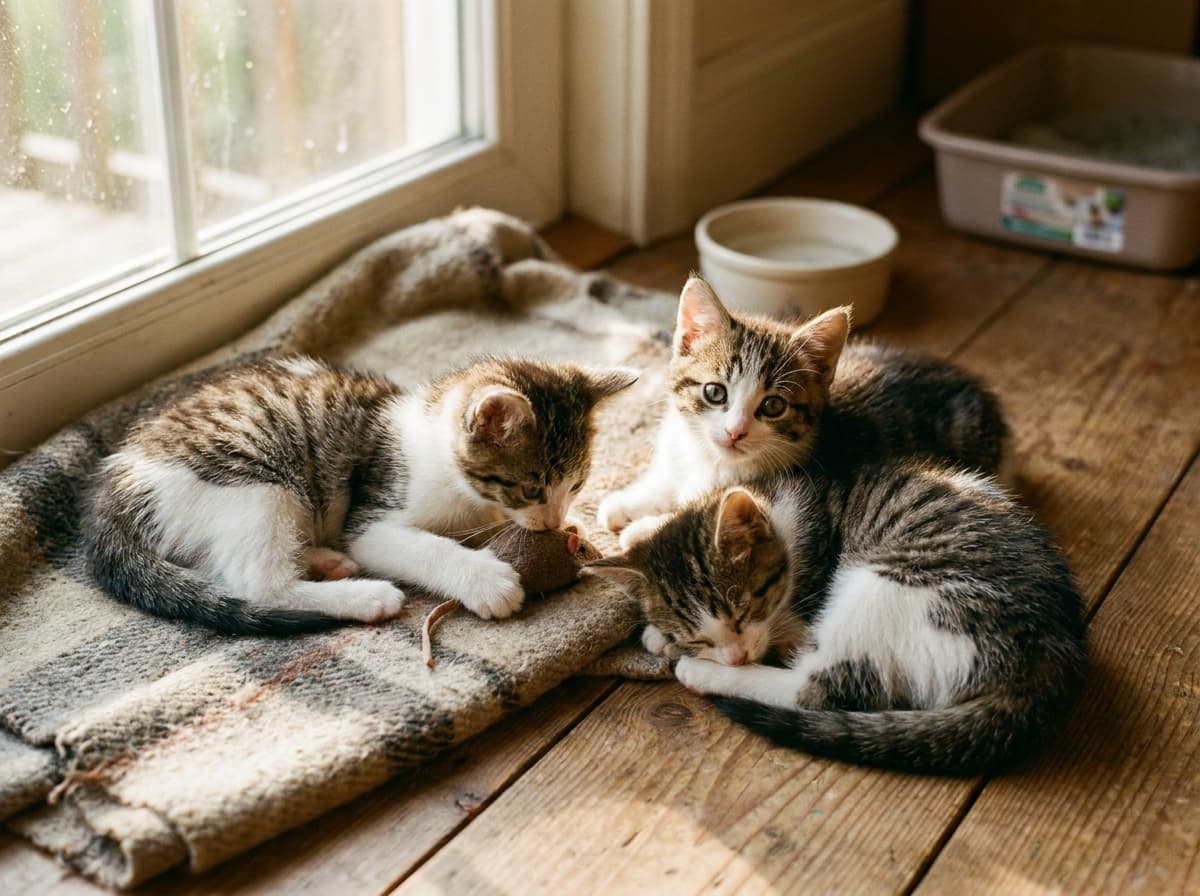
Bringing a new kitten home is an exciting milestone, but for the kitten, your living room probably looks like a massive, unfamiliar stadium. Instead of letting them loose in the whole house right away, start small. A spare bedroom or a quiet office works best as a designated safe room. This gives them a home base where they can learn your scent and the sounds of the house without feeling exposed in a giant, open space. It is much easier for a small cat to gain confidence in a single room than it is to navigate five or six rooms at once.
While you are setting up this space, pay close attention to the layout. Cats are naturally clean animals, so keep the litter box at least 6 to 8 feet away from their food and water bowls. It is a simple hygiene rule they really appreciate because nobody wants to eat where they go to the bathroom. If you are bringing home a Maine Coon, remember they are not your average house cat. These guys are slow-maturing and can take up to four years to reach their full size. Because they grow so large, you will need a sturdy vertical scratching post that is at least 30 inches tall. Anything shorter and they will likely knock it over once they start stretching out those big frames.
It is also worth considering the size of the equipment you buy now versus what you will need later. Since Maine Coons get so big, look for a litter pan that is 1.5 times the length of their body. Providing the right gear from day one helps prevent behavioral issues later on. Think of these first few days as a slow introduction rather than a grand opening. You might wonder if they are lonely in that one room, but the reality is they feel much more secure with four walls they can recognize. It takes a little patience, but watching a shy kitten transform into a confident explorer is one of the best parts of the process.
When it comes to the first few hours, there is one rule that stands above the rest: never pull a hiding kitten out by force. It is incredibly tempting to reach under the sofa or behind a chair to pull your new friend out for a cuddle, but you have to resist that urge. If they are tucked away in a dark corner, they are busy processing the sounds and smells of their new world. Let them come out on their own timeline, even if it takes a few hours or a whole day. When they finally decide to step out and sniff your hand, they are doing it because they feel safe. That choice is exactly what builds a lasting bond of trust between you and your new companion.
Key insights:
- Designating a 'safe room' like an office or spare bedroom prevents the kitten from feeling overwhelmed by a large house.
- Maintain a 6 - 8 foot gap between food and litter boxes to respect the kitten's natural hygiene instincts.
- Maine Coons require specialized, taller scratching posts (at least 30 inches) to accommodate their large physical stature.
- Forcing a kitten out of a hiding spot can damage trust; letting them explore at their own pace builds long-term confidence.
The Golden Rule of Hiding
Your new kitten just bolted under the couch. It is tempting to reach in and scoop them up for a cuddle, but here is the golden rule: never pull a hiding kitten out by force. They aren't being difficult; they are just overwhelmed by new smells and sounds. Forcing them out can actually damage the trust you are trying to build before it even starts.
The best thing you can do is let them explore on their own schedule. This builds the confidence they need to feel truly at home. Since Maine Coons are slow-maturing and take up to four years to fully grow, they need a lot of patience during this transition. Set up a quiet safe room with a tall scratching post and keep their litter box at least six feet away from their food. When they feel secure, they will peek out on their own. It is about showing them that your home is a sanctuary, not a place where they will be chased.
Key insights:
- Forced interaction creates negative associations that can slow down the socialization process.
- A designated safe room allows the kitten to master a small space before tackling the rest of the house.
Is My Kitten Growing Right? The Maine Coon Timeline
You might look at your tiny Maine Coon kitten and struggle to imagine them as a twenty-pound house lion, but that transformation is exactly what is happening - just very, very slowly. Unlike most cats that finish growing by their first birthday, Maine Coons are the marathon runners of the feline world. They take a full three to four years to reach their true size and physical maturity. This means your kitten will technically be a teenager for a long time, so do not be surprised if they keep getting longer and heavier well past their second birthday.
Since they have such a massive frame to build, these guys need specific fuel. You cannot just grab any bag of kibble off the shelf and hope for the best. Look for growth-labeled nutrition specifically designed for large-breed kittens. These diets usually pack more animal protein and the right balance of minerals to support those heavy bones as they develop. To stay on track, keep a monthly weight chart. It is the best way to see those steady gains and make sure they are not hitting a plateau or packing on unhealthy weight too fast.
Think of their feeding schedule as a sliding scale that changes as they age. When they are tiny, specifically between eight and twelve weeks, they need three or four small meals a day because their stomachs are small but their energy is high. As they hit the six-month mark, you can usually scale back to two or three meals. The goal is consistent, high-quality energy that fuels that slow-burn growth without putting stress on their joints. What does this mean for you? Mostly, it means you get to enjoy that playful kitten energy for much longer than the average cat owner.
Key insights:
- Maine Coons are slow-maturing giants that take 3 - 4 years to reach full physical maturity.
- Use a monthly weight chart to ensure steady progress and avoid growth plateaus.
- Large-breed kittens require specialized growth-labeled food to support their heavy bone structure.
- Feeding frequency should decrease from 4 meals to 2 meals as the kitten ages from 8 weeks to 12 months.
Feeding for a Happy Tummy: Schedules and Sensitive Stomachs
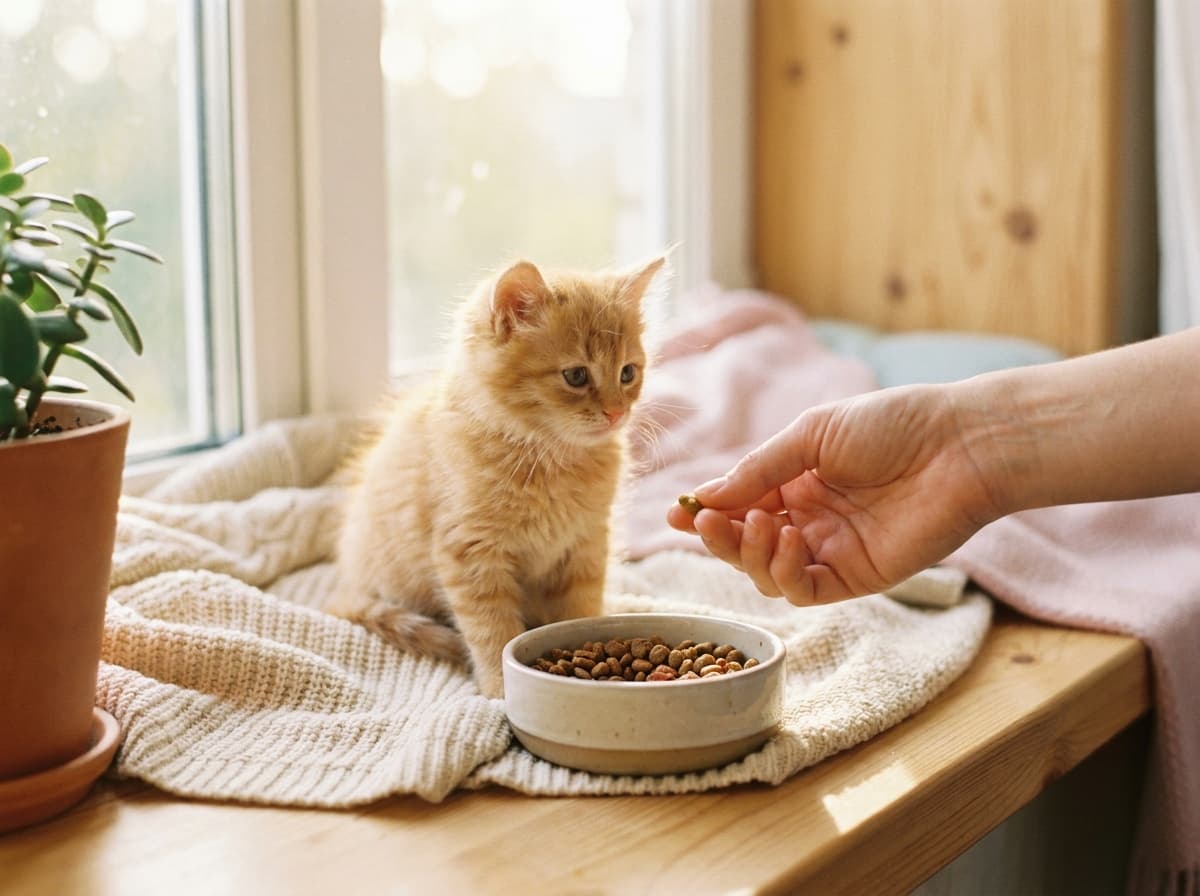
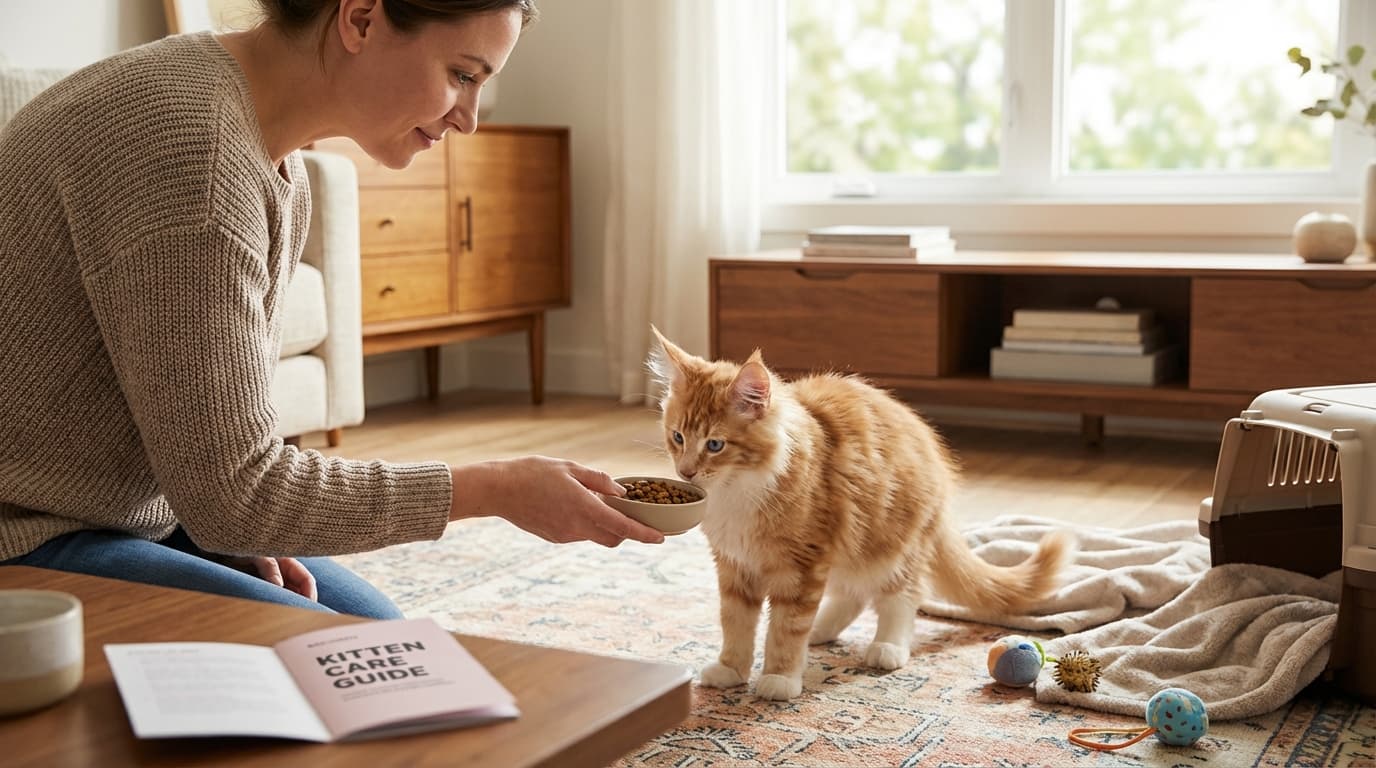
When you first bring that tiny ball of fur home, their stomach is roughly the size of a walnut. Because they are growing so fast, especially large breeds like Maine Coons that take up to four years to fully mature, they need a massive amount of energy but simply cannot handle big portions at once. For kittens between 8 and 12 weeks old, the magic number is three to four small meals every single day. Mixing high-quality kitten kibble with wet food helps keep them hydrated and ensures they get the dense nutrients required for those early growth spurts. It is a busy schedule, but it prevents the blood sugar crashes and tummy aches that can happen in very young cats.
Switching foods too quickly is the fastest way to end up with a messy litter box and a stressed kitten. If you are changing brands or moving from the breeder's choice to your own, you must follow the 7-10 day rule. Start by mixing just a tiny bit of the new food into the old, gradually increasing the ratio each day until the transition is complete. When searching for the best kitten food for sensitive stomachs, look for recipes that prioritize high animal protein and are specifically labeled for growth rather than just maintenance. Avoid heavy fillers or artificial dyes that can irritate a developing digestive system, as Maine Coons specifically thrive on specialized diets that support their large frames without causing upset.
As your kitten gets older, their internal clock and hunger levels will start to shift. Between 3 and 6 months of age, you can usually scale back to three consistent meals a day. Once they hit the 6-month mark and head toward their first birthday, two to three meals works well depending on how active they are. Even though they might look huge by 12 months, remember that Maine Coons are still technically kittens in terms of development. Moving to a standard adult schedule of two meals a day is usually fine after the first year, but always keep an eye on their weight and energy to make sure they are getting enough fuel for their slow-maturing bodies.
Key insights:
- Small, frequent meals prevent digestive overload and keep energy levels stable for growing kittens.
- A slow 10-day transition is the best defense against kitten diarrhea and food refusal.
- Maine Coons need growth-focused nutrition much longer than standard cat breeds due to their 4-year maturity window.
Feeding Frequency by Age
Maine Coons are slow-maturing cats that take up to 4 years to reach full size. Because they grow so much, their feeding schedule must keep up. Between 3 and 6 months, aim for 3 meals a day. From 6 to 12 months, you can scale back to 2 or 3 meals.
After their first birthday, most cats do well on a standard adult schedule of 2 meals. If you ever change their diet, do it gradually over 7 to 10 days to avoid stomach issues. A predictable routine doesn't just fill their belly. It also helps your kitten feel safe and secure in their new home.
Key insights:
- Maine Coons require consistent nutrition for up to 4 years as they mature.
- Gradual food transitions over 7 to 10 days prevent digestive upset.
- Scheduled feeding builds trust and security for a new kitten.
Clean Ears and Happy Paws: Grooming Tips That Don't Scare Your Cat
Ever tried to brush a kitten only to end up with a tiny whirlwind of fur and claws? We have all been there. The trick is to stop treating grooming like a chore and start treating it like a game. If you introduce the brush or the nail clippers while they are still young, you can build a bond that makes the whole process much easier for both of you.
Use high-value treats to reward your kitten every time a tool touches their fur. This creates a positive association where the sight of a brush means snacks are on the way. It is just as much about behavior as it is about hygiene. Keeping these sessions short and fun helps them realize that being handled is actually a good thing rather than something to fear.
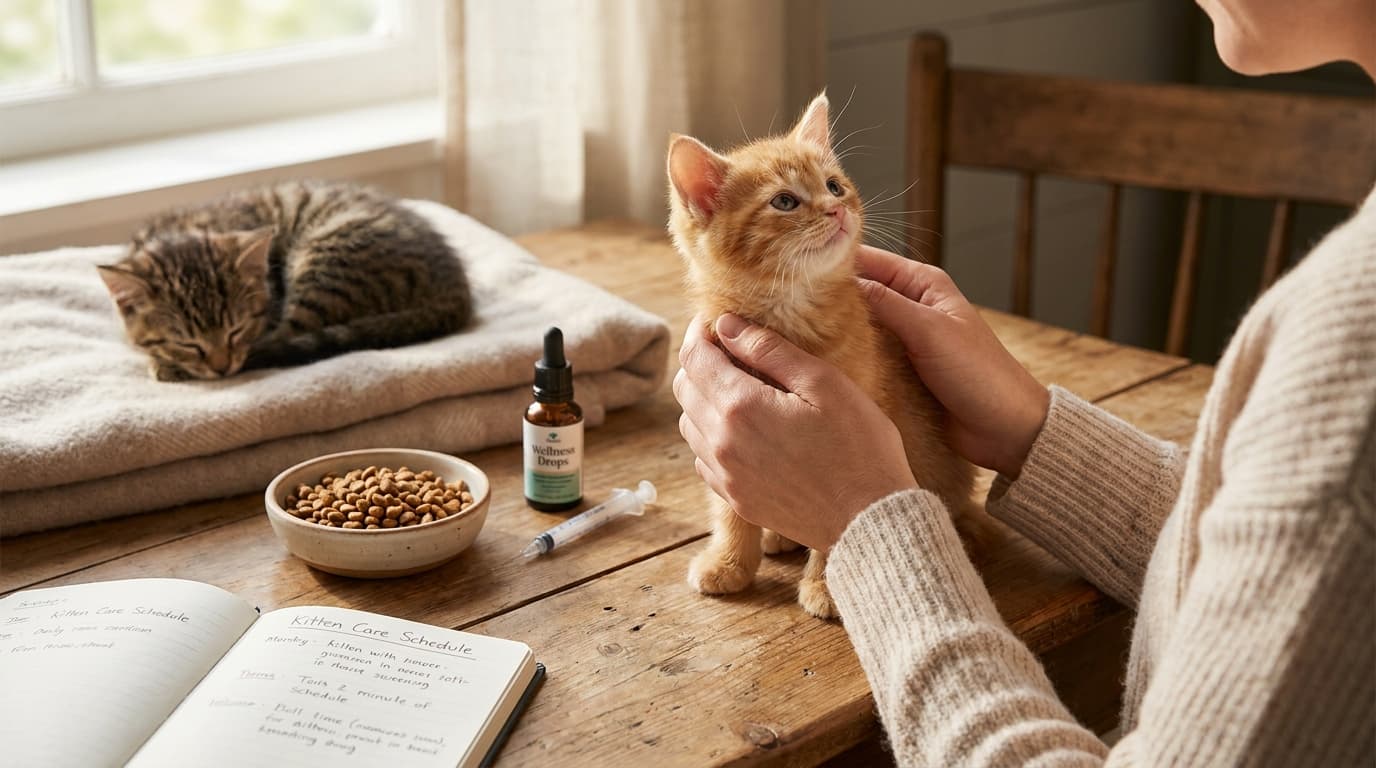
Ear care is a major part of this routine, especially for fluffy kittens who might hide dirt in all that fur. You should check your kitten's ears about once a week for any dark wax, debris, or unusual smells. If things look a bit grimy, stick to the vet-approved method: use a soft cotton round dampened with a safe ear cleaner. Gently wipe the visible parts of the ear to keep things fresh and healthy.
But here is the golden rule: never use cotton swabs inside the ear canal. It is far too easy to cause a serious injury or push debris deeper where it can cause real trouble. Stick to the outer areas you can clearly see and keep your movements light and quick. If your kitten stays calm during the process, celebrate with a treat immediately. Over time, they might actually look forward to their weekly check-up.
Key insights:
- Turn grooming into a positive game by rewarding tool contact with high-value treats.
- Only use soft cotton rounds for ear cleaning to avoid damaging the delicate ear canal.
- Perform weekly ear checks to catch wax buildup or dirt before they lead to infections.
How to Clean Kitten Ears Safely at Home
Have you taken a peek inside your kitten’s ears lately? It might not be the most glamorous part of pet parenthood, but checking for dirt and wax once a week is a simple way to stop infections before they start. Since large-breed kittens like Maine Coons take up to four years to reach full maturity, starting these grooming habits early helps them stay calm and cooperative as they grow into big cats.
When it is time for a cleaning, the process is actually pretty straightforward if you follow the vet-approved method. The golden rule is to use cotton rounds only. You should never use cotton swabs deep in the ear canal because you could accidentally cause a painful injury. Just apply a bit of vet-approved ear cleaner to the round and gently wipe the visible areas. Think of it as a quick surface tidy-up rather than a deep dive.
If your kitten seems a bit wiggly, remember that grooming is about behavioral association too. Pair the ear check with a few favorite treats to build a positive routine. If you spot anything red or smelly during your weekly check, it is worth bringing up at your next vet visit. Keeping things relaxed now makes for a much easier time down the road.
Key insights:
- Check ears weekly to catch dirt or wax buildup early.
- Only clean the visible parts of the ear with a soft cotton round.
- Never insert cotton swabs into the ear canal to avoid injury.
- Use treats to help your kitten associate grooming with good things.
Socializing Your Kitten: Car Rides and New Friends
Bringing a new kitten home is a whirlwind of purrs and tiny paws, but the real work starts when it is time to meet the rest of the family. You might be tempted to let everyone pass the kitten around immediately, but there is a smart biosecurity trend among breeders that suggests a slower pace. Many experts now recommend limiting visitors until your kitten has finished their first round of vaccinations. It is not just about germs. It is about giving their immune system and their confidence a chance to catch up. Think of it as protecting their bubble while they get their bearings.
When it comes to other pets, think of it as a slow burn rather than a big reveal. By day three, you can start introducing them through a cracked door or a sturdy gate. This lets them sniff each other and swap stories without the pressure of a face to face confrontation. If your kitten is a Maine Coon, remember they are slow maturing cats that take up to four years to fully grow up. This means the social habits they learn now will stick with them through a very long childhood. What happens if they hide during these introductions? The best move is to let them be. Do not pull them out by force. They will come out when they feel safe and curious enough to explore.
That first trip home or the initial vet visit can be a loud, stressful event for a tiny cat. To keep things chill, use a secure carrier lined with a blanket that smells like their favorite sleeping spot. Familiar scents act like a security blanket in a strange, moving environment. Before the big vet day, try taking a few short practice trips around the block. These practice drives help your kitten realize that the car does not always lead to a scary exam room. It is all about building positive associations early on so they do not grow up to be a cat that disappears the moment the car keys jingle.
Key insights:
- Limiting visitors early on protects a kitten's developing immune system and reduces environmental stress.
- Maine Coons take up to four years to mature, making early positive socialization vital for their long development period.
- Short practice car rides without a destination help prevent kittens from associating the carrier only with vet visits.
Calming a Kitten During Their First Car Ride
Ever wonder why your kitten treats a car ride like a trip to another planet? It’s loud, it vibrates, and it smells nothing like home. To help them settle, put a blanket or a t-shirt you’ve worn inside their carrier. These familiar scents act like a security blanket for a confused pet. Use a sturdy carrier, especially for slow-maturing Maine Coons that take up to four years to reach full size. A solid, stable space makes them feel much safer while the world moves around them.
Don't let the big vet visit be their very first car experience. Try a few short practice trips around the block first. Since your new arrival needs a professional check-up within the first two or three days, these mini-runs help them get used to the engine's hum. If they hide in the back of the carrier, just let them be. Letting them explore on their own terms turns a scary ride into a simple, calm routine. What does this mean for you? A much quieter drive to the clinic.
Health First: The Essential Early Vet Visits
You’ve just brought your new fluffy friend home, but before the snuggling takes over, there’s one vital stop to make. Getting your kitten to the vet within the first 48 to 72 hours is non-negotiable. It’s about more than a quick check; it sets a wellness baseline. Since Maine Coons take up to four years to fully mature, starting their medical history early helps your vet track their unique growth and health needs from the start.
During this visit, you will likely go over the first rounds of vaccinations and discuss a solid feeding plan. Kittens between 8 and 12 weeks old need three or four small meals daily to fuel their high energy and big frames. This is also the perfect time to ask for a demo on how to clean a kitten’s ears safely at home. Using a cotton round with vet-approved cleaner on the visible parts of the ear is the way to go, but never use swabs deep in the canal.
Back at home, keeping things clean is its own health priority. If your kitten has an accident, reach for an enzyme cleaner rather than bleach. Because bleach contains ammonia, it can actually smell like a bathroom to a cat and lead to repeat accidents in the same spot. Also, keep the litter box at least six feet away from their food and water stations. Cats are naturally tidy, and keeping their dining area separate from their bathroom helps them feel much more comfortable in their new space.
Key insights:
- A vet visit within 3 days ensures a baseline for a breed that matures slowly over 4 years.
- Enzyme cleaners are better than bleach because they actually break down odors that lead to repeat accidents.
- Keep food and litter boxes at least 6 feet apart to respect a kitten's natural hygiene instincts.
Common Questions from New Kitten Parents
You have finally brought that tiny ball of fur home, and suddenly, you have a million questions. It is totally normal to feel a bit overwhelmed as a new pet parent. One of the first things people ask is about the initial vet visit. You should actually schedule a general check-up within the first two or three days of their arrival. It is the best way to start off on the right foot and ensure they are healthy. Also, if your kitten decides to hide under the couch immediately, do not panic. Just let them be. If you try to pull them out by force, it only adds stress. They will come out when they feel safe and ready to explore their new world on their own terms.
Feeding is usually the next big mystery for new owners. If your kitten is between 8 and 12 weeks old, they generally need three or four small meals a day. Think of it as keeping their tiny engines running with high-quality fuel. If you are switching their food, do not do it all at once or you will likely end up with a grumpy stomach to deal with. Mix the new food with the old stuff gradually over about a week or ten days. And here is a simple tip for the house layout: keep the litter box at least six to eight feet away from where they eat and drink. Cats are very picky about hygiene, and they really do not like their bathroom and kitchen in the same spot.
If you have a Maine Coon, things get even more interesting because they are the giants of the cat world. These guys are slow-movers when it comes to growing up, taking up to three or four years to reach their full size. This means you need gear that can handle their scale right from the start. For example, a standard scratching post will not cut it for long. You will want one at least 30 inches tall so they can actually stretch out their spine as they grow. While you are at it, keep a close eye on those ears. Check them weekly, but never stick a cotton swab deep down the canal. Just use a vet-approved cleaner on a cotton round to wipe the parts you can see. It is all about making these grooming routines feel like a normal and rewarding part of their day.
You might also wonder about the best way to introduce them to the rest of the house. Start with a safe room, like a spare bedroom, to help them adjust without feeling lost in a huge space. By day three, you can let them sniff other pets through a cracked door or a gate. This slow approach reduces stress for everyone involved. Remember that grooming and nail trimming are about building trust too. If you reward them with a treat after a quick brush or a nail clip, they will start to associate these chores with something positive. It takes a bit of patience, but watching them grow into a confident adult cat makes every bit of effort worth it.
Key insights:
- Maine Coons require larger, more stable equipment because they continue to grow for up to four years.
- Keep litter boxes at least six feet away from food stations to respect a kitten's natural instinct for cleanliness.
- Schedule a veterinary visit within 72 hours of bringing a new kitten home to establish a health baseline.
- Use treats and positive reinforcement during grooming to build a lifetime of easy handling.
Final Thoughts: Enjoying the Journey
Bringing a kitten home is a fun, slightly chaotic mix of checklists and cuddles. You’ve likely spent hours measuring scratching posts or finding the perfect spot for the litter box, but these tasks are really just the start of your bond. Every time you patiently wait for a shy kitten to peek out from under the couch instead of pulling them out, you're building real trust.
The best part is that you have plenty of time to grow together. Maine Coons take up to four years to fully mature, so there is no rush to get everything perfect on day one. Focus on the small wins, like a smooth food transition or a quiet moment of purring. This journey is a rewarding long-term project, and the friendship you’re building is worth every step.
Key insights:
- Patience in the first few days sets the tone for years of trust.
- Maine Coons stay in the kitten phase longer than most breeds, giving you more time to bond.
Frequently Asked Questions
You should aim to check your kitten's ears about once a week. You do not necessarily need to scrub them every time, but a quick weekly look helps you stay ahead of any wax buildup or dirt that might be starting to settle in.
When they do look a bit dirty, use a vet-approved ear cleaner on a soft cotton round to gently wipe the parts you can see. Here is a big tip: never use cotton swabs deep in the ear canal because you could accidentally cause an injury. If you keep the sessions short and follow up with a treat, your kitten will eventually learn that ear cleaning is just a normal, stress-free part of their routine.
For a kitten with a touchy stomach, the best option is usually a high-quality food labeled for growth that features plenty of animal protein. Since breeds like Maine Coons take up to four years to fully mature, they really need that extra nutritional support to grow into their large frames properly.
The secret to avoiding tummy troubles is a very slow transition. You should mix the new food with their old food gradually over a period of 7 to 10 days. Also, for kittens between 8 and 12 weeks old, try splitting their food into 3 or 4 small meals throughout the day. Smaller, more frequent portions are much easier for a sensitive system to handle than one or two large meals.
You'll find that Maine Coons are slow-maturing cats that take up to 3 or 4 years to reach their full size. It is quite a bit longer than your average house cat, which usually finishes growing by its first birthday.
Because they have such large frames to build, they need that extra time to fill out properly. This slow growth is also why it's a good idea to stick with growth-labeled nutrition and high-protein diets for longer than usual to support their bone and muscle development.
The best way is to start with a designated safe room, like a spare office or bedroom, so your new kitten can get comfortable without feeling overwhelmed. This helps keep both cats calm while they get used to each other's scents.
By about the third day, you can try letting them see each other through a cracked door or a baby gate. If the kitten decides to hide during these first meetings, don't pull them out by force. Just let them come out when they feel safe. This gradual exposure really helps reduce stress and makes the whole adjustment go a lot faster for everyone involved.
Conclusion
Bringing a tiny ball of fur home is a total whirlwind of purrs and "what are they eating now?" moments. Between finding the best kitten food for sensitive stomachs and learning how to clean a kitten's ears safely at home, there is plenty to juggle. But all these small tasks, from checking a Maine Coon kitten weight chart by month to following a step by step kitten socialization guide, are really just ways to show your new friend they can trust you.
These first few months fly by, but keep in mind that the work you do now sets the stage for years of friendship. Whether you are calming a kitten during their first car ride or just sitting quietly while they explore, you are teaching them that the world is a safe, happy place. It is okay if things feel a bit messy at first because you are both learning as you go.
Your next move is easy: just enjoy the head bumps and tiny meows. Pick one small thing to focus on today, like a calm meal or a quick play session, and let the rest fall into place. Raising a happy cat is a long, rewarding journey, and you are already off to a great start.
Send it to someone who should read it next.

PurrScript Editorial Team
Editorial Team
PurrScript's in-house editorial team. We research, write, and review every guide using established veterinary and behavioral resources, and update articles as best practices evolve.
View all articles