Cat Health Guide: Signs of Dental Disease, Kidney Care, and More
Dental disease, kidney disease, and systemic hypertension in cats all progress silently for months before producing obvious symptoms. This guide explains the mechanisms behind each condition and the specific monitoring — behavioral and clinical — that catches them at treatable stages.

James Miller
Certified Cat Behaviorist
Cat Health Guide: Signs of Dental Disease, Kidney Care, and More
Cats conceal illness more effectively than almost any other domestic animal, and the concealment is not behavioral — it is physiological. The biological drive to appear functional when compromised is encoded in the same survival system that makes cats effective predators. The practical consequence is that by the time a cat shows visible signs of illness, the underlying condition has typically been developing for weeks to months. This is not most true for minor conditions — it is most true for the chronic conditions that cause the most harm: kidney disease, dental disease, and systemic inflammation from oral bacteremia.
This guide covers five specific cat health topics that require different levels of monitoring and response: dental disease (which causes systemic harm quietly), kidney disease and its dietary management, lethargy combined with water refusal (which is never normal), eye discharge and when home care is sufficient, and digestive upset with appropriate food support. Each section explains both the mechanism behind the condition and the specific monitoring that catches it early rather than after significant damage has occurred.
The '75 percent' figure that appears in kidney disease literature is worth understanding correctly: by the time standard blood panels (creatinine, BUN) flag elevated kidney values, functional kidney tissue loss is typically two-thirds or greater. This is a property of how the kidney compensates through hyperfiltration in remaining nephrons — it is not a failure of testing but a reflection of the remarkable reserve capacity of the organ. The practical implication is that earlier-detection markers (symmetric dimethylarginine, or SDMA) and clinical behavioral monitoring are the tools that catch kidney disease before it enters the symptomatic compensation failure phase.
One principle throughout: behavioral changes in cats are the earliest available indicators of health problems, and the monitoring that catches problems at treatable stages is behavioral monitoring rather than waiting for symptoms obvious enough to prompt a vet call. The five-category behavioral baseline (appetite, grooming, drinking, litter box output, social engagement) observed during normal daily interaction is the foundation of proactive senior cat care.
Spotting the Early Signs of Dental Disease in Cats
Dental disease is the most prevalent health condition in cats over four years old, with estimates ranging from 50 to 90 percent of adult cats showing some degree of periodontal disease — and the clinical consequence that most justifies aggressive management is not the oral discomfort itself but the systemic impact. Periodontal bacteria are predominantly gram-negative anaerobes that enter the systemic circulation through inflamed gingival tissue. Once in the bloodstream, these bacteria can colonize the mitral valve (producing bacterial endocarditis), deposit in renal tubular tissue, and contribute to the chronic inflammatory burden that accelerates the decline of already-compromised organs. In a cat with subclinical kidney disease, untreated dental disease is not a separate problem — it is an accelerant.
The behavioral indicators of dental pain that appear before any gum or tooth is visually obviously abnormal: the 'interested but unable to complete a meal' pattern — approaching food with normal enthusiasm but stopping mid-meal, dropping individual pieces, or chewing only on one side. Cats in dental pain do not typically vocalize, because pain vocalization is suppressed by the same concealment mechanism that hides illness generally. The cat is hungry but the act of chewing produces enough pain to interrupt the meal. This pattern is more specific to dental pain than general appetite reduction, which occurs in many conditions.
Visible oral signs that indicate established disease: bright red, inflamed gum margins along the tooth base (healthy gums are pale pink and firm); yellow-brown tartar accumulation on tooth surfaces, particularly the upper back teeth; halitosis with a specifically sulfuric, putrid quality rather than normal food-related odor (the sulfuric character indicates volatile sulfur compounds produced by anaerobic bacterial metabolism, not surface food residue); and gum recession that makes teeth appear longer than they should. Any of these warrants a dental examination at the next veterinary visit. Facial swelling below the eye or along the jaw, or visible draining tracts in the facial skin, indicate abscess formation requiring same-day veterinary contact.
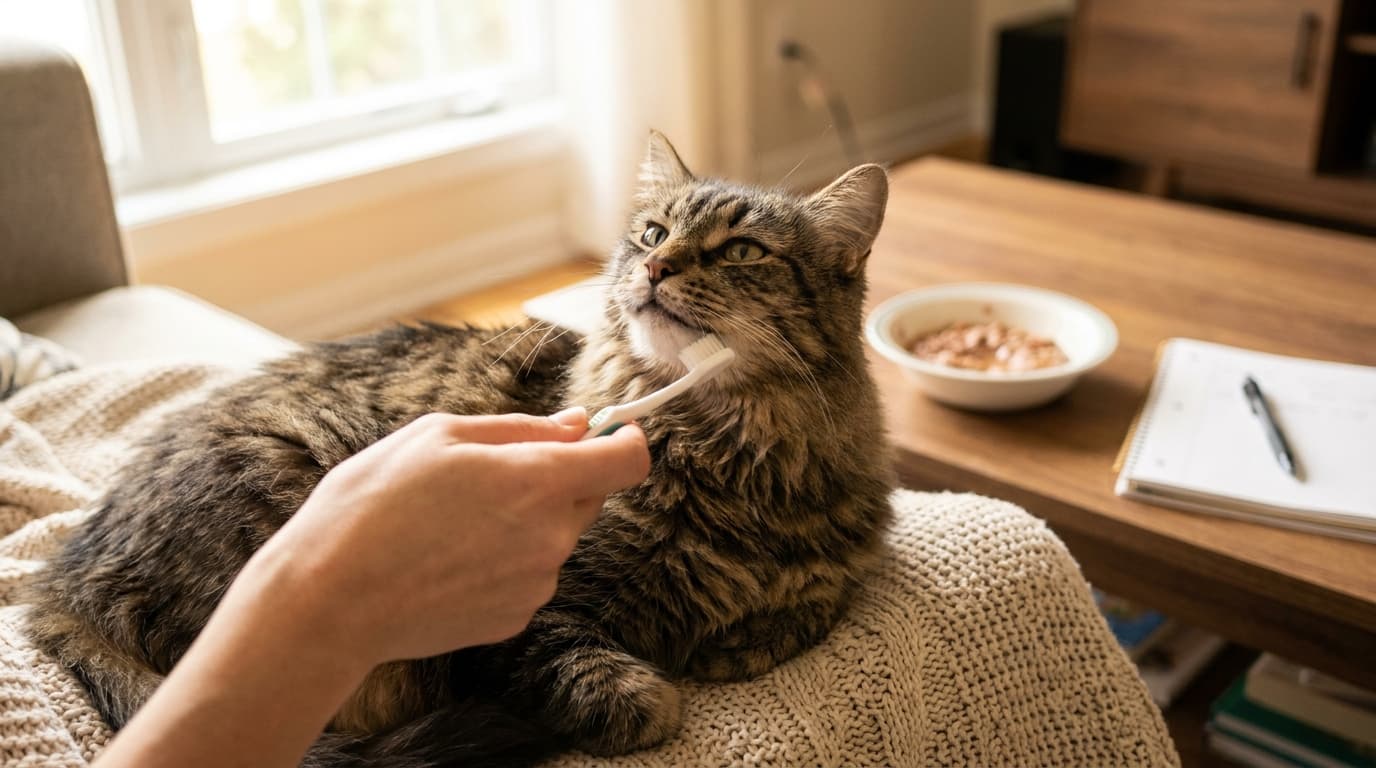
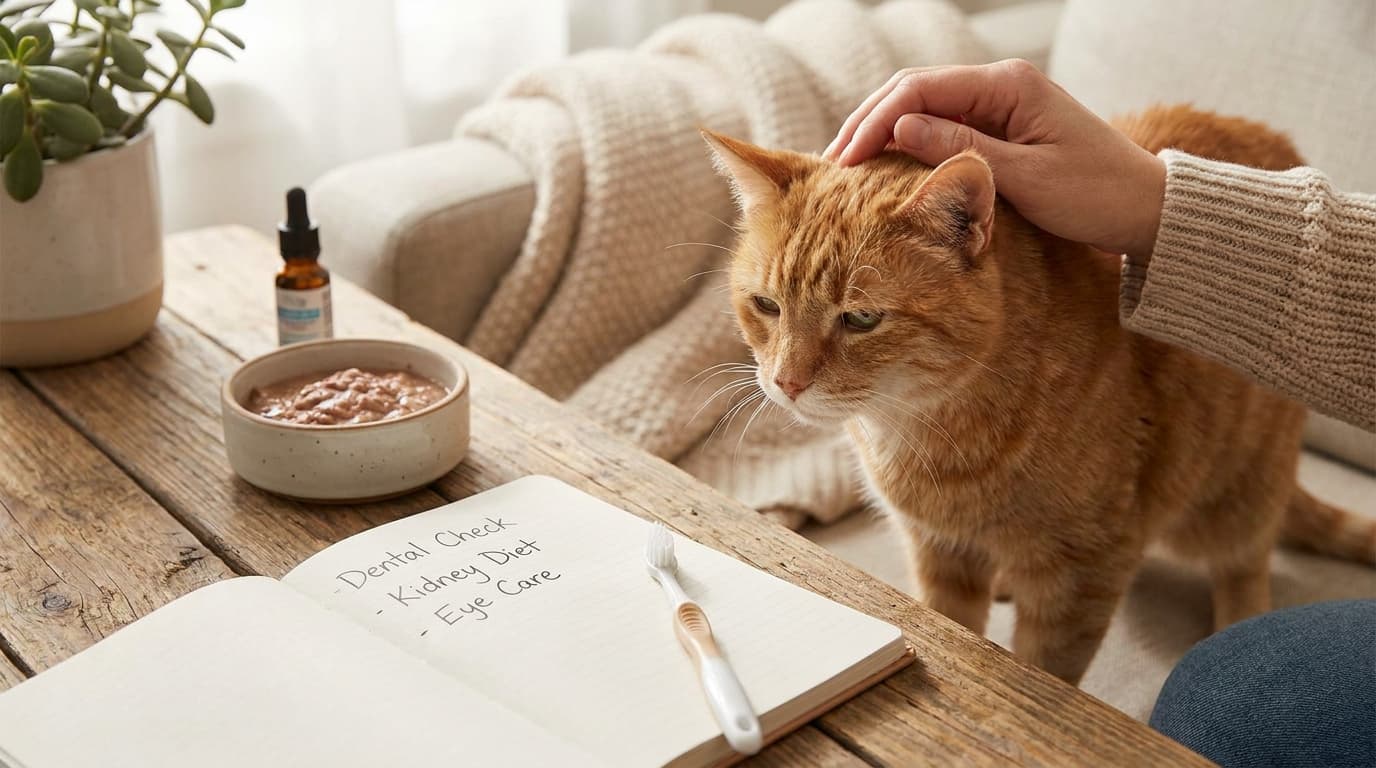
Home dental care is prevention rather than treatment, and its value is in maintaining the interval between professional cleanings by slowing plaque accumulation rate. Cat-specific enzymatic toothpaste provides antibacterial activity through a biochemical mechanism that works even with imperfect brushing technique, making it effective for cats whose owners cannot achieve comprehensive brushing. The introduction must be gradual — the cat needs to be desensitized to lip and gum handling before any brushing tool is introduced, or the attempt will fail and create lasting aversion. Dental diets and Veterinary Oral Health Council (VOHC)-approved treats provide supplementary mechanical plaque reduction between professional cleanings.
**Key insights:
- Watch for the 'interested but unable to complete' feeding pattern — approaching food normally but stopping, dropping pieces, or chewing one-sided — this is more specific to dental pain than general appetite loss.
- Assess gum color and breath odor weekly during normal handling — red gum margins and sulfuric odor indicate active bacterial disease requiring professional assessment.
- Treat dental care as cardiovascular and renal protection, not cosmetic care — periodontal bacteremia directly damages cardiac valves and renal tissue over time.
- Schedule professional dental examination annually from age 7 — the progression from manageable gingivitis to abscess takes time, and earlier-stage intervention is less expensive and less medically complex.
- Begin home dental care with enzymatic toothpaste during desensitization to gum handling, before any brushing tool is introduced — attempting brushing without this foundation produces aversion that makes future attempts harder.
Why Dental Health Is Cardiac and Renal Protection
The mechanism connecting periodontal disease to distant organ damage is bacteremia — the periodic seeding of bacteria into the systemic circulation through inflamed, ulcerated gingival tissue. In healthy gingiva, the junctional epithelium at the tooth-gum interface provides a physical and immunological barrier. Periodontal inflammation compromises this barrier, and bacteria from the subgingival pocket enter venous capillaries with every chewing movement. This bacteremia is typically transient and handled by a healthy immune system. In an older cat with reduced immune reserve, or one whose organ function is already compromised, repeated bacteremic episodes produce cumulative inflammatory and infectious damage.
The kidney connection is particularly significant because kidney disease is the most prevalent organ disease in cats over 10. Bacterial emboli depositing in renal tubular tissue produce inflammatory responses that contribute to tubular dysfunction. In a cat that already has 50 percent functional kidney tissue, repeated bacteremic insults from untreated dental disease accelerate the progression to clinically apparent kidney failure. This is not theoretical — veterinary pathology studies consistently show higher rates of chronic glomerulonephritis in cats with severe untreated dental disease compared to matched controls.
**Key insights:
- Consider annual professional dental cleaning an investment in cardiac and renal longevity, not optional maintenance — the systemic consequences of untreated dental disease compound over years.
- Do not delay dental treatment in senior cats due to anesthetic concern without discussing the risk-benefit tradeoff with your vet — chronic bacteremia from dental disease carries cumulative organ risk that typically exceeds properly managed anesthetic risk.
- Ask your vet specifically about dental assessment during senior wellness appointments — dental examination is sometimes abbreviated in general wellness visits and should be specifically requested for cats over 7.
Choosing the Best Food for Cats with Kidney Disease
Dietary management is the most evidence-supported primary intervention for slowing chronic kidney disease (CKD) progression in cats, and it is most effective when initiated at the earliest detectable stage rather than after significant compensation failure. The nutritional goals for CKD cats are: reduce phosphorus to slow the tubulointerstitial damage that accelerates when phosphorus clearance is impaired; provide adequate but not excessive high-quality protein to minimize uremic waste accumulation without causing muscle catabolism from protein restriction; increase omega-3 fatty acid content to reduce renal inflammatory mediators; and maximize hydration through wet food format to reduce the urinary concentrating demand on compromised nephrons.
The phosphorus reduction target is the most clinically established dietary intervention for CKD cats — studies show that phosphorus restriction significantly slows histopathological progression compared to unrestricted diets in cats with experimental and naturally occurring CKD. This does not mean eliminating protein, which would cause muscle wasting and reduce quality of life, but it does mean that therapeutic renal diets' phosphorus-to-protein ratio is specifically calibrated to provide adequate amino acids while limiting the phosphate load that impaired kidneys cannot clear effectively.
Wet food is the appropriate primary format for CKD cats for a mechanistic reason beyond general hydration benefits. A cat with 40 percent functional kidney tissue can still concentrate urine, but at the cost of significant tubular workload. Wet food reduces the urine concentration required to excrete waste loads, which reduces the energy and effort demand on remaining nephrons. This is a directly protective dietary effect rather than a general wellness benefit. A CKD cat whose primary diet is dry food is imposing a higher daily workload on its remaining functional kidney tissue than a CKD cat on a wet diet with the same total fluid intake.
The SDMA (symmetric dimethylarginine) test is the early detection marker that changed CKD management over the past decade. SDMA is a byproduct of protein metabolism that is cleared exclusively by the kidneys and rises in serum concentration before creatinine — the standard kidney marker — becomes elevated. SDMA elevation corresponds to approximately 25 percent kidney function loss, compared to creatinine elevation at 75 percent function loss. This three-stage detection advancement allows dietary and management intervention during the period when the most nephrons are still functional and the progression is most amenable to influence. Any senior cat wellness panel should include SDMA alongside creatinine, BUN, and urine specific gravity.
**Key insights:
- Request SDMA testing at every senior wellness panel — this marker detects CKD at approximately 25 percent function loss, compared to creatinine's 75 percent threshold.
- Prioritize wet food as the primary diet format for any CKD cat — the reduction in urine concentrating workload is a direct nephroprotective effect, not just a hydration preference.
- Use therapeutic renal diets prescribed by your vet rather than selecting generic 'kidney-friendly' commercial foods — therapeutic diets have clinically verified phosphorus-to-protein ratios that consumer-grade foods do not.
- Add flavor enhancement — low-sodium fish broth, warm water mixed into the food — to encourage food and water consumption in CKD cats with reduced appetite.
- Schedule veterinary weight assessment monthly for CKD cats on protein-restricted diets — muscle mass loss is the primary risk of protein restriction and needs to be caught early.
Why Annual Senior Blood Panels Are the Primary Early Detection Tool
The compensatory capacity of the feline kidney is why CKD is so consistently diagnosed late: as nephrons fail, remaining nephrons hyperfiltrate — they individually process more blood volume to maintain overall clearance. This compensation maintains near-normal blood values until the reserve capacity is exhausted. Standard blood panels that measure creatinine and BUN detect the failure of this compensation, not the disease process driving it. By the time these values are elevated, the compensation mechanism has been active for months to years.
Annual senior blood panels starting at age 7 — or age 5 for breeds with known hereditary renal risk such as Abyssinians (amyloidosis), Persians (polycystic kidney disease), and British Shorthairs (higher HCM and CKD prevalence) — provide the longitudinal trend data that identifies early CKD even when values remain within reference ranges. A creatinine that was 1.2 two years ago and is now 1.6 — both within the normal reference range — represents a 33 percent increase over two years that warrants discussion and SDMA testing to determine whether progression is occurring. Single-point-in-time readings cannot provide this context.
**Key insights:
- Begin annual senior blood panels at age 7 for all cats — at age 5 for breeds with hereditary renal risk.
- Track creatinine and BUN trends over years, not just against reference ranges — rising values within the normal range may indicate early progression requiring management.
- Request urine specific gravity alongside blood values — a low specific gravity (inability to concentrate urine) is an early functional indicator of CKD that may precede blood value changes.
What to Do When Your Cat Is Lethargic and Not Drinking Water
A cat that is lethargic and not drinking water is a same-day veterinary presentation — not because it is certainly an emergency, but because the differential diagnosis includes conditions that deteriorate rapidly when fluid intake stops. Dehydration in cats accelerates renal impairment by increasing urine concentration demands on already-stressed nephrons. A cat with subclinical kidney disease that stops drinking for 36 hours is at meaningful risk for acute-on-chronic decompensation. The practical urgency is that the window between 'something is clearly wrong' and 'the situation has become significantly worse' is shorter in cats than owners typically expect.
The correct assessment sequence when a cat is lethargic and not drinking: gum color and capillary refill time first (pink and moist with one to two second refill is normal; any deviation is emergency), breathing assessment (nasal and effortless is normal; open-mouth or labored is emergency), and then temperature assessment if a thermometer is available (normal is 99.9°F to 102.5°F; above 104°F or below 99°F warrants emergency care). If all three assessments are normal, the presentation is urgent but not immediately life-threatening, and a same-day veterinary call with timeline information is the appropriate response. If any assessment is abnormal, the presentation is an emergency.
The most common causes of the lethargy-plus-water-refusal combination in adult and senior cats: acute upper respiratory infection (nasal congestion prevents smelling food and water, driving combined appetite and water refusal), early renal decompensation (the paradox where kidneys that need fluid cannot produce the thirst response that would compensate), toxin exposure (lily ingestion, NSAID ingestion, antifreeze — all of which produce acute kidney injury with rapid progression), and acute pancreatitis (which produces profound lethargy and nausea that suppresses eating and drinking). Each of these requires different management, which is why same-day veterinary assessment is more productive than home management attempts.
The toxin differential is worth specific mention because lily toxicity is severe and specifically common in cats. All true lilies (Lilium and Hemerocallis species — Easter lily, Tiger lily, Asiatic lily, Daylily) are acutely nephrotoxic in cats through a mechanism not yet fully characterized. Ingestion of any part of the plant, including pollen, produces acute tubular necrosis. Onset of lethargy, vomiting, and water refusal can occur within six hours of exposure. Without aggressive veterinary intervention including IV fluid support to flush the toxin and support renal function, acute renal failure develops within 36 to 72 hours. A cat that has had any contact with lily plants requires emergency veterinary care regardless of current symptom severity.
**Key insights:
- Assess gum color and breathing before deciding urgency — these two checks take 30 seconds and determine the most critical urgency decision.
- Contact your vet same-day for any cat that has not drunk water in 24 hours or appears lethargic and not eating — the dehydration-renal damage cycle can progress quickly in cats with underlying CKD.
- Remove all true lily plants from any home with cats — Easter lily, Tiger lily, Asiatic lily, and Daylily are acutely nephrotoxic in cats and any exposure warrants emergency veterinary contact.
- Check for NSAID access — ibuprofen, naproxen, and other NSAIDs are acutely nephrotoxic in cats and a primary cause of acute kidney injury from accidental ingestion.
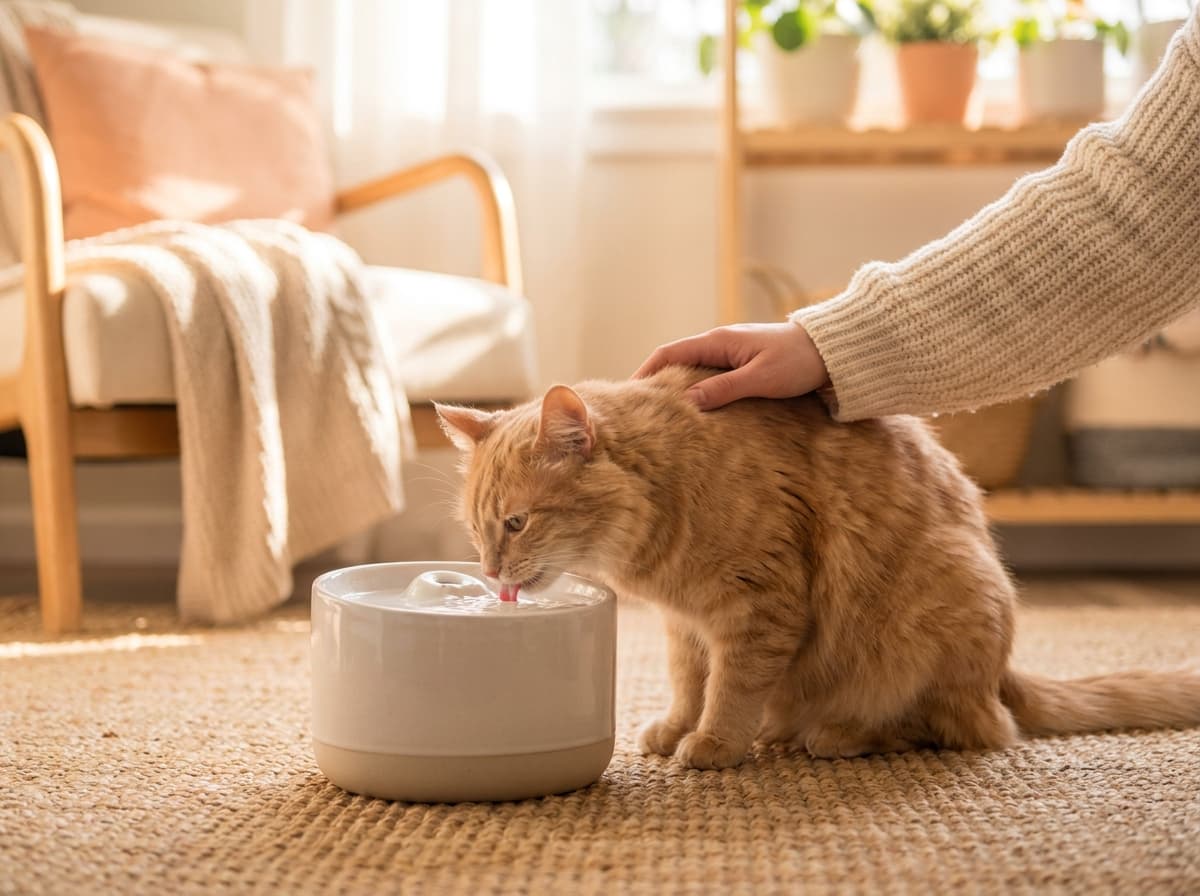
- Have a water fountain accessible — the preference for moving water increases voluntary intake and is a practical way to maintain adequate hydration in cats who drink minimally from still bowls.
How to Safely Treat Cat Eye Discharge at Home
The triage variable for eye discharge management is discharge character, not discharge presence. Cats produce small amounts of ocular discharge through normal mechanisms — clear, watery discharge, particularly from the inner corner of the eye, is often from normal tear drainage and dust or environmental particle irritation. This is the equivalent of human 'sleep' and requires no treatment beyond optional gentle wiping. The character that distinguishes normal from abnormal: clear and watery is typically normal; thick, mucoid (cloudy white or yellow-white), or purulent (distinctly yellow or green) indicates active immune response to infection.
The correct home cleaning technique: warm a clean cloth, cotton ball, or gauze pad with clean water — not contact lens solution, not human eye drops, not herbal preparations. Wipe gently from the inner corner of the eye outward in a single motion, rather than back-and-forth, to avoid dragging debris across the corneal surface. Dispose of the wiping material after a single use to avoid reintroducing bacteria. This technique is appropriate for clear discharge and as supportive care while awaiting a veterinary appointment for significant discharge — it is not a substitute for veterinary assessment of infection.
The presentations requiring veterinary assessment rather than home management: yellow or green discharge indicating bacterial infection or viral infection with secondary bacterial involvement; any discharge accompanied by squinting or the eye being held partially or fully closed (indicating pain or corneal involvement); visible opacity or cloudiness of the corneal surface; asymmetric discharge where one eye is significantly more affected than the other (suggesting specific unilateral cause); and discharge in a cat that is also showing other signs of systemic illness. Corneal ulceration specifically — a defect in the corneal surface that produces squinting, photophobia, and visible cloudiness — requires same-day veterinary assessment and does not improve with home care.
Human eye products — whether over-the-counter lubricant drops, antibiotic drops, or 'natural' preparations — are not appropriate for cats for two distinct reasons. First, feline ocular surface pH and tear film composition differ from human parameters, and products formulated for human use are not balanced for feline ocular tissue. Second, and more practically, feline ocular infections require species-specific diagnosis to determine whether treatment should be topical antibacterial (bacterial conjunctivitis), antiviral (feline herpesvirus), or corneal ulcer protocol — and applying the wrong treatment delays appropriate care.
**Key insights:
- Distinguish clear watery discharge (typically normal, clean and monitor) from thick, yellow, or green discharge (indicates infection, warrants vet assessment within 24 to 48 hours).
- Wipe from inner to outer corner with a clean warm damp cloth in a single motion — back-and-forth wiping risks dragging debris across the corneal surface.
- Treat squinting or a held-closed eye as same-day urgent — these indicate pain or corneal involvement that requires professional assessment.
- Never use human eye drops, contact lens solution, or 'natural' eye products without veterinary guidance — these are not formulated for feline ocular tissue and may delay appropriate treatment.
- Note whether discharge is bilateral or unilateral and whether it correlates with recent stress, new animals, or respiratory symptoms — these contextual factors help the vet differentiate causes.
Safe Human Food for Cats with Diarrhea: Simple Solutions
The 24-hour frequency threshold is the most practically useful triage variable for feline diarrhea: occasional soft stool or a single episode of diarrhea in an otherwise normal-appearing, eating, and drinking cat warrants monitoring and dietary simplification. Diarrhea persisting more than 24 hours, diarrhea with blood or mucus, diarrhea in a cat that is also lethargic or not drinking, or diarrhea with concurrent vomiting warrants same-day veterinary contact rather than home management. The home management approach is appropriate only for the first category.
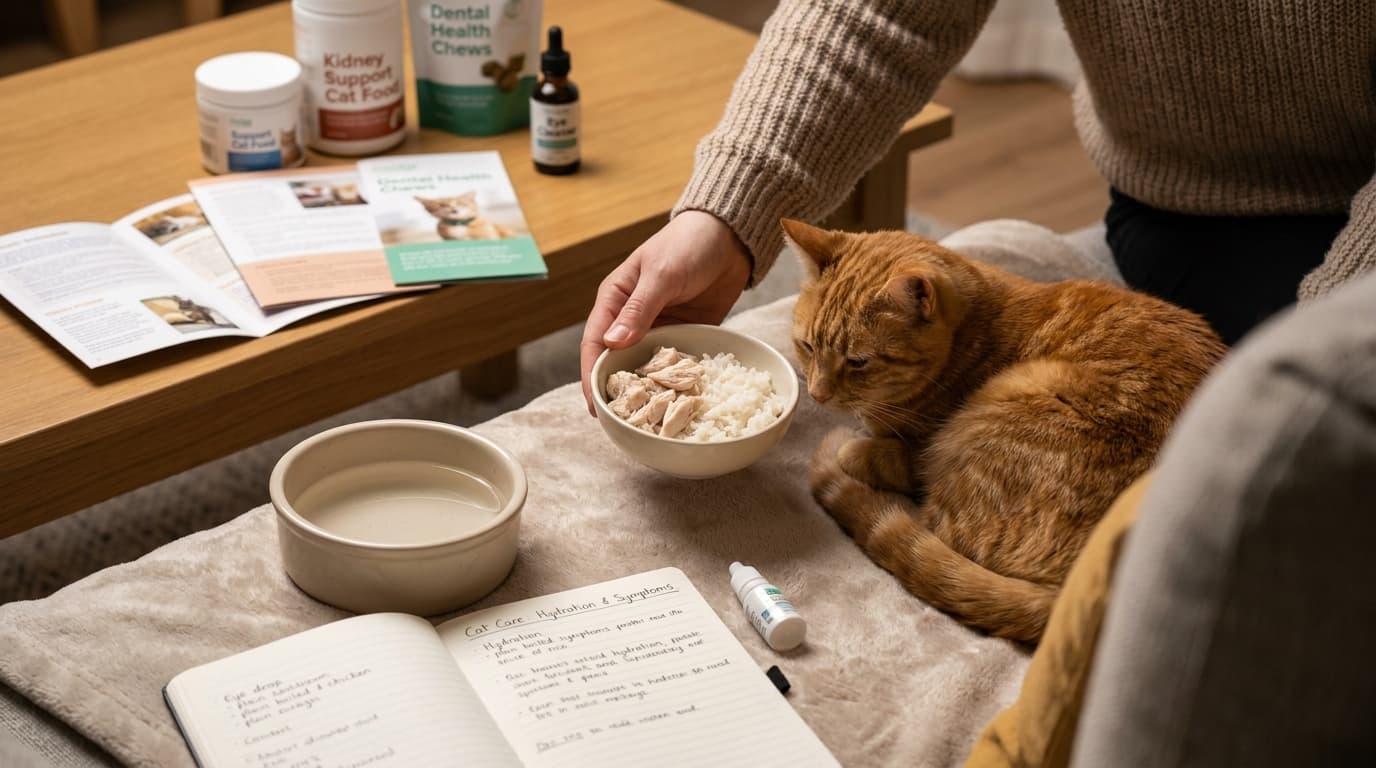
The mechanism of bland diet benefit during digestive upset is intestinal mucosal rest — reducing the diversity and complexity of substrates the intestinal enzyme system must process, allowing the mucosal surface and microbiome to stabilize without the additional challenge of high-fat, high-fiber, or novel-antigen foods. Boiled chicken breast — no skin (high fat), no seasoning, no onion or garlic (alliums are toxic to cats) — provides highly digestible animal protein that meets minimal nutritional requirements while being gentle on the gut lining. It should be offered in small portions, not a full meal, and the cat should be able to eat voluntarily without evidence of nausea.
Plain pumpkin puree (canned, not pie filling which contains spices) provides soluble fiber that acts as a prebiotic substrate and intestinal water-absorbing gel. The soluble fiber (primarily pectin) absorbs excess intestinal water, reducing stool fluidity, while simultaneously providing fermentable substrate for beneficial microbiome bacteria. The effective dose in cats is one to two teaspoons mixed into food — a small amount that most cats tolerate. Fiber supplementation does not work for all diarrhea causes and is inappropriate when diarrhea is caused by toxin exposure, intestinal obstruction, or severe inflammatory disease.
Dairy products warrant specific mention because they are commonly offered to cats with digestive upset based on the human intuition that yogurt or cheese is gentle on the stomach. Adult cats are typically lactose intolerant — they lack the intestinal lactase needed to digest milk sugar, and dairy consumption produces osmotic diarrhea rather than resolving it. The amount of dairy that causes obvious diarrhea varies between individual cats, but there is no category of dairy product that is genuinely appropriate as a digestive supportive food for cats.
**Key insights:
- Seek veterinary assessment for diarrhea lasting more than 24 hours, diarrhea with blood or mucus, or diarrhea with concurrent lethargy or vomiting — these presentations exceed the scope of home management.
- Offer small portions of plain boiled chicken breast without skin, seasoning, onion, or garlic — provide it in small amounts rather than a full replacement meal.
- Add one to two teaspoons of plain canned pumpkin puree (not spiced pie filling) for its soluble fiber content — this absorbs intestinal water and provides prebiotic support.
- Never offer dairy products for digestive support — adult cats are typically lactose intolerant and dairy consumption is more likely to worsen diarrhea than improve it.
- Maintain continuous access to fresh water and monitor for signs of dehydration — skin tent test (skin should snap back immediately when pinched) provides a quick home assessment.
Building a Proactive Cat Health Monitoring Routine
The most effective cat health monitoring is not reactive — it does not begin when the cat seems obviously unwell. It is a baseline-tracking practice that establishes individual normal parameters during clearly healthy periods, so deviations from those parameters are apparent before they have progressed to obvious symptoms. The categories most sensitive to early health changes in cats are appetite (quantity and enthusiasm of eating), drinking behavior (frequency and volume, recognizing that meaningful changes are hard to assess from a still bowl versus a measured fountain), grooming and coat quality (cessation of grooming produces observable coat changes within 24 to 48 hours), litter box output (frequency, volume, consistency, color), and social engagement (changes in seeking contact, response to stimuli that normally produce a response).
The veterinary tools that extend this home monitoring into earlier-detection clinical screening: SDMA alongside creatinine for kidney disease detection at 25 percent rather than 75 percent function loss; T4 thyroid testing starting at age 8 for hyperthyroidism, which produces a clinical presentation resembling good health while driving weight loss and cardiac stress; blood pressure measurement starting at age 10, as systemic hypertension in cats is common, silent, and causes irreversible retinal and neurological damage if untreated; and dental examination at every wellness visit, not just when obvious symptoms are present. These are the tests that catch the conditions this guide covers at manageable stages.
The home toxin removal that prevents a significant proportion of acute presentations is straightforward but requires deliberate action: remove all true lily plants (Lilium and Hemerocallis species) from the home and garden accessible to the cat; store NSAIDs, acetaminophen, and human vitamins in locations physically inaccessible to cats; secure antifreeze and automotive products; verify that cleaning products are stored and used in ways that prevent contact with the cat's paws and coat. These preventive actions take less than an hour and eliminate the most common causes of acute kidney injury in cats.
**Key insights:
- Track the five behavioral baseline categories — appetite, drinking, grooming, litter box output, social engagement — informally each day, and note any deviation from established individual normal.
- Request SDMA, T4, and blood pressure measurement at senior wellness panels in addition to standard bloodwork — these tests catch the most common serious senior cat conditions at earlier stages.
- Remove all true lily plants from the home — this single action eliminates the most common cause of acute kidney failure from plant toxicity in cats.
- Secure all human NSAIDs and acetaminophen in cat-inaccessible storage — these are the most common causes of human-medication toxicity in cats and a primary cause of acute kidney injury.
- Schedule semi-annual wellness examinations for cats over 10 — the interval between annual visits is long enough for significant deterioration in conditions that progress monthly.
Frequently Asked Questions
Conclusion
The unifying principle across every topic in this guide is that the conditions causing the most harm in cats — dental disease, kidney disease, systemic hypertension — all progress for months to years before producing behavioral changes obvious enough to prompt most owners to seek veterinary care. The monitoring that catches these conditions at manageable stages is proactive rather than reactive, and it is primarily behavioral observation combined with scheduled clinical screening, not waiting for symptoms.
The specific tools that produce earlier detection: SDMA testing for kidney disease at 25 percent function loss rather than 75 percent; T4 and blood pressure measurement in senior panels; annual dental examination with professional cleaning; and the behavioral baseline monitoring that converts daily observation into a clinical signal rather than general impressions. None of these require exceptional effort — they require incorporating specific assessments into the routine interactions that already occur with a cared-for cat.
Two concrete actions this week: remove all true lily plants from your home and garden, and confirm that human NSAIDs and acetaminophen are stored in locations physically inaccessible to your cat. These preventive actions are the single highest-impact thing you can do for acute illness prevention, take under an hour, and eliminate the most common causes of preventable acute kidney failure in cats. The third action — requesting SDMA alongside standard bloodwork at your cat's next veterinary appointment — costs nothing additional and provides the early-detection data that makes every other intervention in this guide more effective by catching the conditions that drive it at the stage where management is most successful.
Send it to someone who should read it next.
About the author

James Miller
Certified Cat Behaviorist
Feline behavior consultant helping cat owners understand and strengthen their bond with their cats.
View all articles