Cat Health: Signs of Infection, Arthritis, and Home Remedies
Cats conceal pain and illness by design. This guide covers the specific behavioral signals that precede obvious symptoms for dental infection, vaccine reactions, arthritis, fast breathing, and loose stool — and what each presentation actually requires.

PurrScript Editorial Team
Editorial Team
Cat Health: Signs of Infection, Arthritis, and Home Remedies
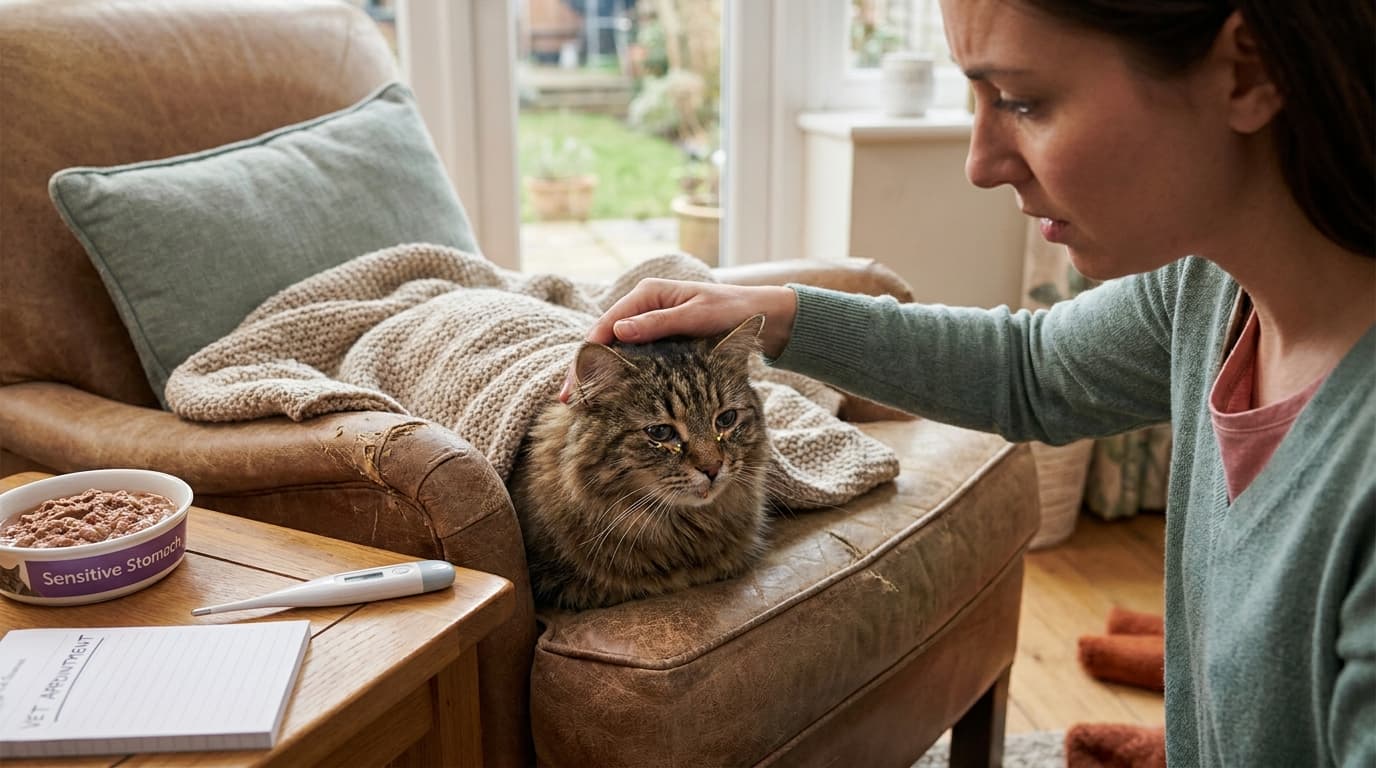
Cats conceal pain and illness more effectively than almost any companion animal, and the concealment is not a behavioral choice — it is an evolved survival mechanism. A visibly sick or injured cat in the wild is a vulnerable cat, and the biological imperative to appear functional overrides the normal expression of discomfort. The practical consequence for cat owners is that by the time a cat displays obvious signs of illness, the condition has usually been developing for some time. Early detection requires knowing what behavioral and physical changes to look for before they become unmistakable.
This guide covers five specific health topics that represent the most common diagnostic and management challenges for indoor cat owners: dental infection signs, vaccine reactions and when they become emergencies, arthritis management in senior cats, rapid breathing at rest, and loose stool home management. Each section identifies the early behavioral signals that precede obvious symptoms, explains the medical mechanism behind them, and distinguishes changes that can be managed at home from those requiring immediate veterinary care.
The distinction between home-manageable and emergency-requiring presentations is the most practically useful information this guide provides. Knowing when to wait and observe versus when to drive to an emergency clinic is what prevents both unnecessary panic and the delayed care that allows treatable conditions to become serious ones.
For every topic covered here, a consistent principle applies: when in doubt about a cat's health status, veterinary assessment costs less in every sense than delayed diagnosis of a condition that has progressed. The guide is written to help you assess, not to replace that assessment.
Recognizing the Subtle Signs My Cat Has a Tooth Infection
Dental disease is the most prevalent health condition in domestic cats, with studies estimating that between 50 and 90 percent of cats over four years old have some form of periodontal disease. Despite this prevalence, it is among the most consistently underdiagnosed conditions in primary care because cats do not display pain behavior in ways owners recognize as pain. A cat with significant dental infection is not crying, holding their jaw, or visibly distressed. They are eating more slowly, avoiding hard food, becoming irritable when touched near the face, and sitting differently at the food bowl — behavioral changes that are easily attributed to mood, age, or pickiness rather than oral pain.
Halitosis in cats — persistent bad breath — is the symptom most owners notice first and most frequently dismiss. Normal cat breath has a mild food-related smell that dissipates quickly. Persistent foul odor, particularly odor described as sulfuric, rotten, or distinctly chemical, indicates bacterial activity in the oral cavity that has progressed beyond normal microbial load. The bacteria responsible for periodontal disease produce volatile sulfur compounds as metabolic byproducts — these are the specific compounds that produce the distinctive odor. The intensity of the odor correlates roughly with the severity of bacterial burden, though this is not precise enough to be used for staging.
Behavioral changes around food are the most reliable early indicators of dental pain in cats. The specific pattern to watch for: a cat that approaches food with normal enthusiasm but hesitates, drops individual pieces, chews only on one side, or stops mid-meal and walks away. This is distinct from a cat that simply has reduced appetite — the dental-pain presentation involves willingness to eat interrupted by pain response. The cat is hungry but cannot complete the meal comfortably. Some cats will preferentially seek out wet food, avoid hard treats they previously enjoyed, or stop crunching kibble and instead swallow it whole to avoid contact with the painful tooth or gum.
Facial handling intolerance is another consistent early signal. A cat that has previously tolerated or enjoyed chin scratches, cheek rubs, or tooth brushing and now avoids or reacts defensively to face touching is communicating that the area is painful. The reaction may range from pulling away to hissing or swatting when the sensitive area is approached. Owners often interpret this as a mood change or personality shift — it is usually physical pain localizing to the oral or facial area.
The urgency associated with dental infection is driven by the systemic risk. Periodontal bacteria can enter the bloodstream through inflamed gum tissue, reaching the kidneys, liver, and cardiac valves. This is not a theoretical risk — feline bacteremia from dental sources is documented in the veterinary literature, and the cardiac and renal consequences of chronic untreated dental infection in cats are clinically significant. This is the reason annual professional dental examination and cleaning is recommended rather than managing dental disease only when symptoms are obvious.
**Key insights:
- Watch for mid-meal stopping, food dropping, or one-sided chewing — these are more reliable early indicators of dental pain than reduced appetite.
- Treat persistent foul breath as a clinical sign requiring examination rather than a normal cat characteristic — the odor indicates bacterial activity that warrants assessment.
- Note changes in facial handling tolerance — a cat that was comfortable with face touching and now resists is communicating localized discomfort, not a personality change.
- Do not use enzymatic toothpaste as a substitute for professional examination when infection signs are present — toothpaste manages plaque on accessible surfaces but does not address subgingival infection.
- Schedule a dental examination when you observe any combination of halitosis, behavioral feeding changes, and facial handling intolerance — this pattern is more specific to dental disease than any single sign.
Why Halitosis in Cats Is Always a Clinical Signal
The mechanism behind feline halitosis distinguishes it from the normal food-related breath that dissipates after meals. Periodontal bacteria — primarily gram-negative anaerobes that colonize the subgingival pocket between tooth and gum — metabolize sulfur-containing amino acids from food and tissue debris, producing hydrogen sulfide and methyl mercaptan as metabolic waste products. These volatile sulfur compounds are detectable at very low concentrations and persist continuously rather than following the meal timing of food-related odor. Their presence in measurable concentration indicates active bacterial colonization below the gumline rather than on the tooth surface.
The implication for home assessment is straightforward: if the breath odor is continuous rather than meal-associated, and if it persists after the cat has not eaten for several hours, the source is most likely subgingival bacterial activity rather than diet. This distinction allows owners to differentiate a feeding-related smell that is not clinically significant from a persistent odor that warrants examination.
**Key insights:
- Assess breath odor several hours after a meal, not immediately after eating — persistent odor independent of meal timing indicates subgingival bacterial activity.
- Add a vet-approved water additive as a preventive measure in cats without current infection signs — these compounds reduce oral bacterial load but do not replace professional cleaning.
- Begin tooth brushing or gauze wiping of the teeth in kittens to establish tolerance early — adult cats that have never had their teeth touched are significantly harder to establish a home dental routine with.
What Are Common Cat Vaccine Side Effects to Watch For?
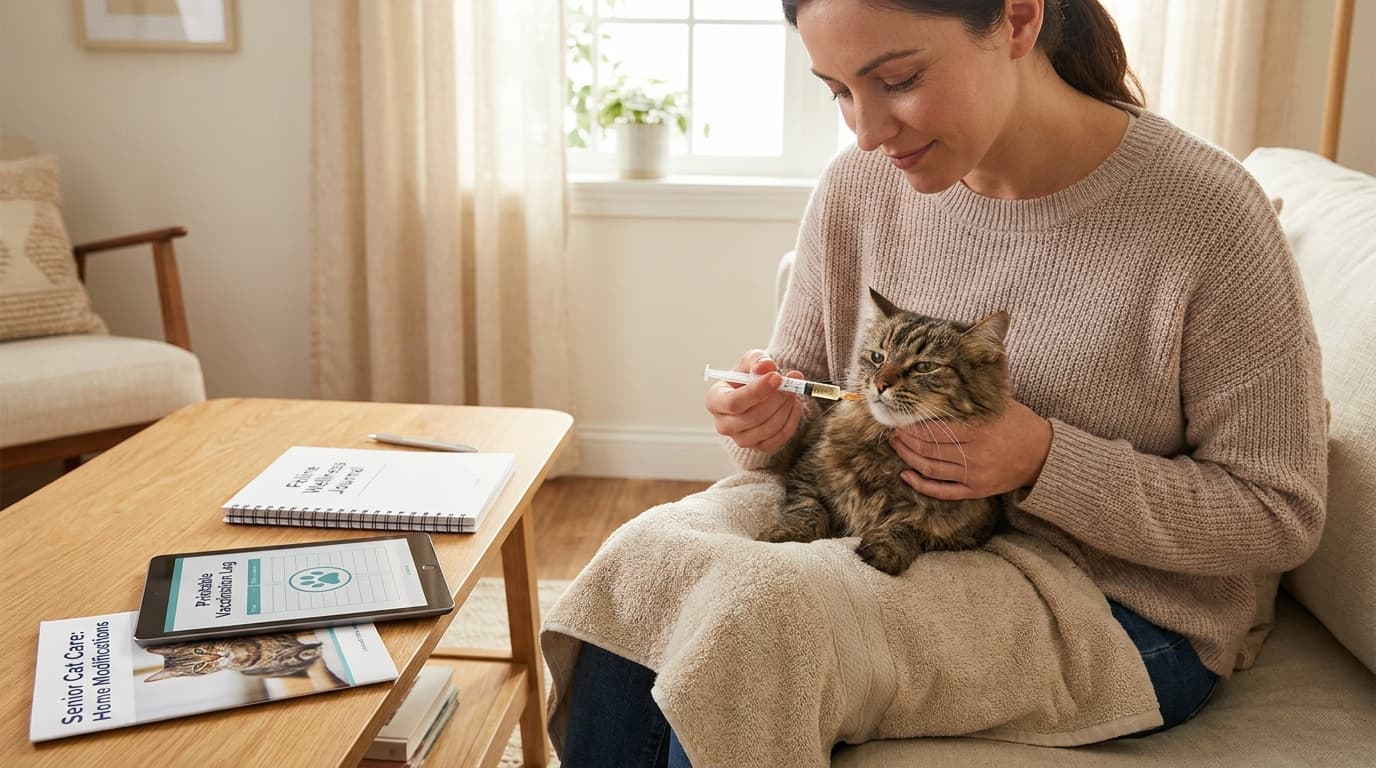
Vaccine reactions in cats follow a distribution from common and self-limiting to rare and life-threatening, and the critical skill for owners is distinguishing between these categories in the 24 to 72 hours following vaccination. The common, expected response — lethargy, mild inappetence, and low-grade tenderness at the injection site — reflects the immune system's appropriate response to the vaccine antigen. The immune activation required to produce protective antibody titers is metabolically demanding and produces the systemic symptoms associated with acute phase immune response: temporary fatigue, reduced appetite, and mild elevation in body temperature. These symptoms resolve independently within 24 to 48 hours in most cats.
The rare but serious reaction is anaphylaxis — a severe, rapid-onset systemic allergic response that represents a medical emergency. Anaphylactic reactions in cats typically begin within 15 to 30 minutes of vaccination but can occasionally be delayed up to several hours. The clinical signs are specific and distinct from normal post-vaccination lethargy: facial swelling particularly around the muzzle, eyes, and ears; urticaria (hives) visible as raised skin bumps, particularly on the abdomen where hair is thinnest; acute onset vomiting; and most critically, respiratory distress. The reason anaphylaxis is life-threatening is the combination of bronchospasm, laryngeal edema, and cardiovascular collapse that can develop within minutes of onset.
Respiratory distress in cats deserves specific emphasis because cats are obligate nasal breathers — they breathe exclusively through the nose except during extreme exertion. Open-mouth breathing at rest in a cat is therefore never normal and always indicates that the nasal airway is compromised or that the respiratory demand cannot be met through nasal breathing alone. Post-vaccination open-mouth breathing is an anaphylactic emergency requiring immediate veterinary intervention. This is categorically different from a dog panting, which is normal thermoregulatory behavior. A cat panting or breathing with the mouth open in any non-exercise context requires emergency evaluation.
Injection site reactions deserve separate attention because they can develop days to weeks after vaccination rather than immediately. A small, firm swelling at the vaccination site that persists beyond three weeks, grows rather than shrinks, or becomes attached to underlying tissue warrants veterinary assessment. Feline injection-site sarcoma — a rare but aggressive tumor — is associated with vaccination sites in a small proportion of cats. The risk is low but the consequence serious enough that any persistent injection-site lump should be evaluated rather than watched indefinitely.
**Key insights:
- Expect lethargy and mild inappetence for up to 48 hours post-vaccination — this reflects appropriate immune activation and resolves independently.
- Return to the clinic or go to emergency care immediately for facial swelling, hives, vomiting within 30 minutes of vaccination, or any open-mouth breathing — these are anaphylactic signs, not normal post-vaccine responses.
- Monitor the injection site for three weeks — a lump that persists beyond three weeks, grows, or adheres to underlying tissue warrants veterinary assessment regardless of how small it appears.
- Know the difference between feline and canine post-vaccination behavior — a cat panting is never normal, where a dog panting often is.
- Report any reaction to your vet before the next vaccination appointment — documented reactions affect the vaccination protocol and the clinic's post-vaccination monitoring time.
Natural Relief for Cat Arthritis Pain and Mobility
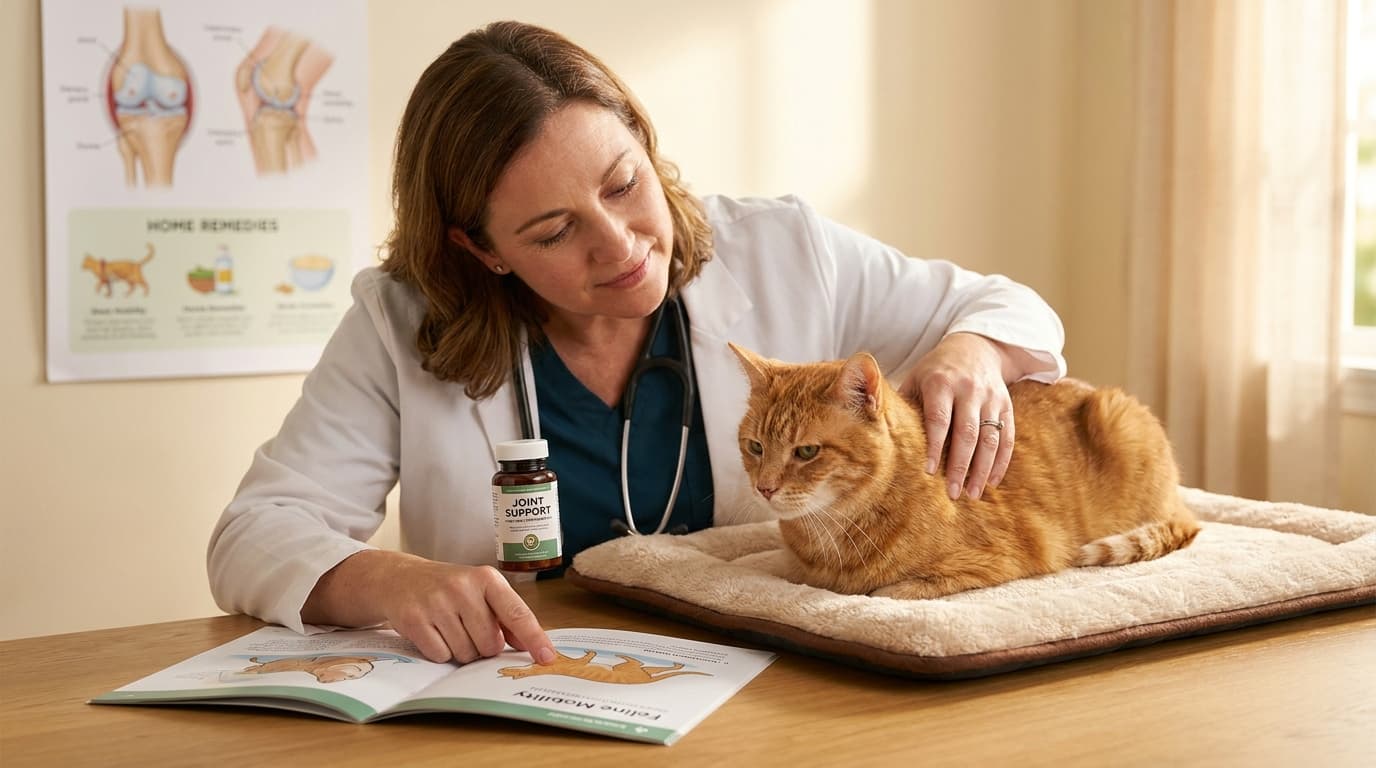
Feline osteoarthritis is significantly more prevalent than most owners realize. Research published in veterinary journals estimates that approximately 70 to 90 percent of cats over 12 years old have radiographic evidence of degenerative joint disease, and that the condition affects the elbows and hips most commonly in cats — different from the pattern in dogs, where larger joints bear more of the load. Despite this prevalence, feline arthritis is chronically underdiagnosed because cats do not limp as reliably as dogs. Their response to joint pain is behavioral adaptation: they stop doing things that hurt rather than continuing and showing visible pain.
The behavioral changes that most reliably indicate arthritis-level joint pain in cats are: reduced or absent jumping to previously used elevations, avoidance of stairs, behavioral changes around the litter box (hesitation at entry, elimination immediately outside the box, choosing the floor adjacent to the box), reduced grooming of hard-to-reach areas particularly the lower back and base of the tail, and decreased activity overall. None of these are diagnostic — a vet examination and X-ray are required for diagnosis — but they represent the observable signals that should prompt that examination.
Environmental modification is the most impactful intervention available to owners for managing arthritic cats day-to-day, and it can be implemented immediately without a prescription or veterinary consultation. The specific changes with the most consistent benefit: replacing any litter box with sides higher than three to four inches with a low-entry alternative (a shallow storage container with one end cut down is effective); installing pet ramps or foam steps at any surface the cat previously accessed by jumping; moving the cat's primary resources — food, water, sleeping area — to the floor level where they currently spend most time; and providing a heated orthopedic sleeping surface. Each of these changes reduces the physical demand on compromised joints without requiring the cat to accept a changed quality of life.
Omega-3 fatty acid supplementation has the most substantial evidence base among nutritional approaches to feline arthritis management. EPA and DHA — the omega-3 fatty acids found in marine oil sources — are incorporated into joint tissue and function as substrate for anti-inflammatory eicosanoids. Multiple studies in cats and dogs have shown measurable reduction in inflammatory markers and owner-reported improvement in mobility with appropriate supplementation. The veterinary-recommended dose for cats is lower than for dogs, and fish oil intended for human use should not be used at human doses — consult your vet for the appropriate feline dose based on the cat's body weight.
Veterinary pain management for feline arthritis has advanced considerably in recent years. Meloxicam, a non-steroidal anti-inflammatory, is approved for cats in many countries and provides measurable pain relief. Grapiprant is a newer NSAID alternative with a different mechanism that some cats tolerate better. Robenacoxib and buprenorphine are additional options. Importantly: aspirin, ibuprofen, acetaminophen, and naproxen are all acutely toxic to cats and must never be administered. The feline liver lacks the metabolic pathways that detoxify these compounds in humans and dogs. This is not a dose question — there is no safe dose of these drugs for cats.
**Key insights:
- Replace high-sided litter boxes with low-entry alternatives immediately for any cat over 10 — litter box elimination outside the box in senior cats is arthritis until proven otherwise.
- Install ramps or foam steps at the couch, bed, or windowsill before the cat stops attempting to access them — maintaining access preserves quality of life and reduces the muscle loss that accelerates mobility decline.
- Discuss omega-3 supplementation with your vet for any arthritic cat — the evidence base is substantive and the risk profile is low compared to pharmaceutical options.
- Never administer aspirin, ibuprofen, acetaminophen, or naproxen to a cat under any circumstances — these compounds are acutely toxic to cats at any dose.
- Request radiographic assessment when behavioral arthritis signs are present — owner-reported behavior changes combined with X-ray findings guide appropriate pharmaceutical pain management decisions.
Why Litter Box Changes Are the Most Reliable Arthritis Indicator
The litter box behavior change associated with feline arthritis is among the most diagnostically reliable early indicators available to owners — and among the most frequently misinterpreted. When a cat that has been reliably litter box trained for years begins eliminating immediately adjacent to the box, the instinctive interpretation is behavioral regression, territorial marking, or cognitive decline. In a cat over 8 to 10 years old, the first differential to investigate is physical inability to entry — specifically, hip or lumbar joint pain making the step over the box wall painful enough that the cat chooses the nearest available surface to avoid it.
The diagnostic test is straightforward and costs nothing: replace the current litter box with a shallow-sided alternative and observe whether the elimination pattern changes over one to two weeks. If it does, the previous box entry height was the barrier, and arthritis management is indicated. If it does not change, other causes including cognitive dysfunction, urinary tract infection, and territorial behavior require investigation. This one environmental change is both a diagnostic tool and an intervention, making it the highest-value first step for any senior cat with litter box inconsistency.
**Key insights:
- Use litter box entry height modification as a diagnostic intervention — if changing to a low-entry box resolves the problem, arthritis was the barrier.
- Place a second low-entry box on the same floor level the cat currently uses most — reduced walking distance compounds the benefit of reduced entry height.
- Interpret near-miss elimination in senior cats as a mobility problem until proven otherwise — behavioral or territorial explanations are less likely in a cat with no history of these issues.
Why Is My Cat Breathing Fast While Resting?
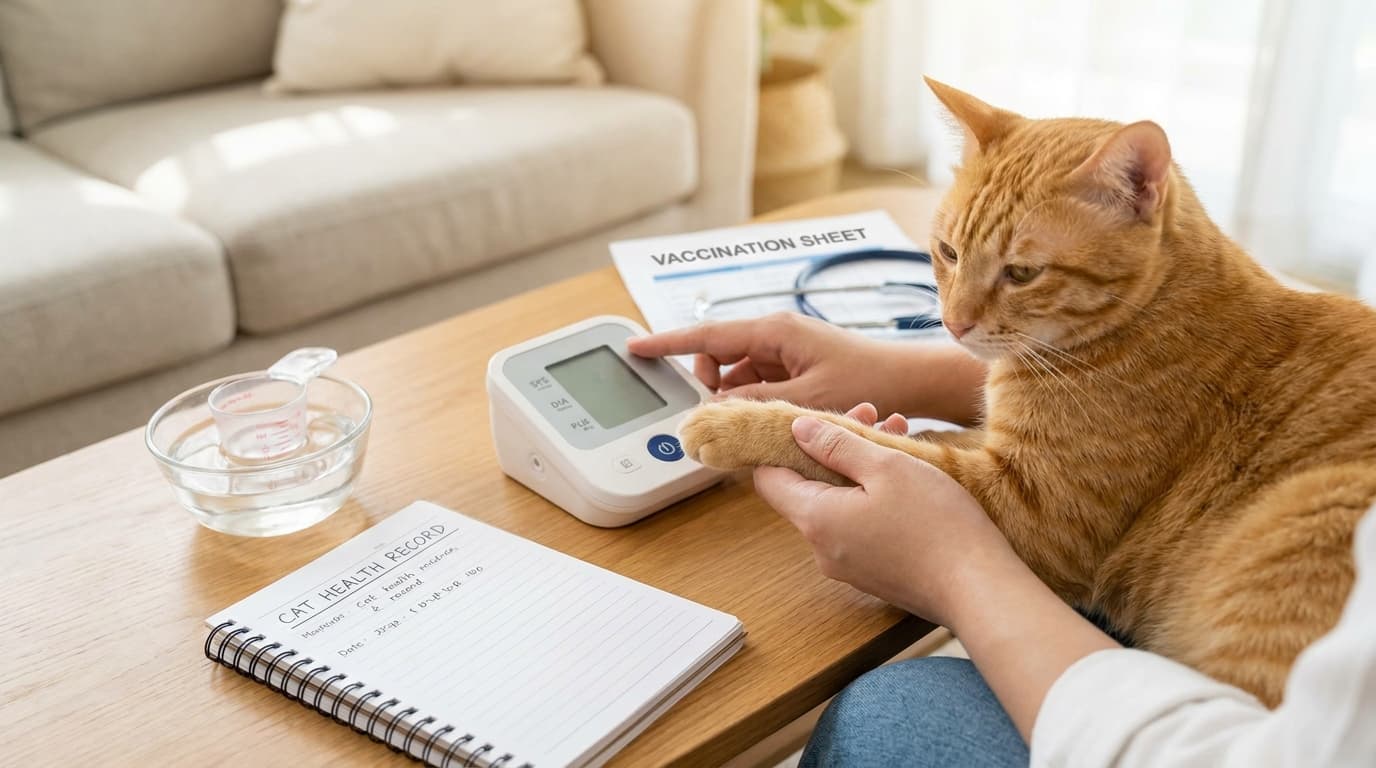
Resting respiratory rate is one of the most clinically useful home monitoring parameters for cats, particularly those with known or suspected cardiac or respiratory disease. Normal resting respiratory rate in cats is 16 to 30 breaths per minute — measured when the cat is asleep or deeply relaxed, not when awake and alert. A consistent resting rate above 30 breaths per minute is a clinical threshold that warrants same-day veterinary contact. A rate above 40 at rest is an emergency presentation. The value of knowing this specific threshold is that it converts an ambiguous observation ('my cat seems to be breathing more than usual') into an actionable number.
The conditions that produce elevated resting respiratory rate in cats are predominantly cardiac and pleural in origin. Hypertrophic cardiomyopathy — the most common cardiac disease in cats — produces left-sided heart failure in which fluid accumulates in the lungs (pulmonary edema) or around them (pleural effusion). Cats with significant pulmonary edema or pleural effusion cannot oxygenate adequately during normal nasal breathing, and the resulting oxygen deficit drives increased respiratory effort. The cat appears to be working to breathe: exaggerated chest or abdominal movement, orthopneic posture (elbows held wide, neck extended), and eventually open-mouth breathing in severe presentations.
Respiratory infections — primarily caused by feline herpesvirus and calicivirus, which account for the majority of upper respiratory infections in cats — produce a different presentation. Upper respiratory infection typically produces nasal discharge, sneezing, and eye discharge alongside lethargy. Lower respiratory involvement produces moist-sounding breathing, increased effort, and potentially fever. The progression from upper to lower respiratory disease can be rapid in young kittens and immunocompromised cats — within 24 to 48 hours in severe cases. Feline asthma is a third presentation that produces acute bronchospasm with a characteristic crouching posture, open-mouth breathing, and coughing that owners sometimes mistake for hairball attempts.
The gum color assessment is the most immediately informative physical check an owner can perform. Normal feline gum color is bubblegum pink, with a capillary refill time of approximately one to two seconds when pressed and released. Blue, gray, or lavender gum color (cyanosis) indicates severe oxygen deficit and is an immediate emergency — call ahead to the veterinary clinic while transporting the cat. Pale white or very pale pink gums with rapid capillary refill indicate shock or severe anemia. Normal gum color does not rule out respiratory compromise but provides reassurance that oxygenation is currently adequate.
**Key insights:
- Learn to count resting respiratory rate — count chest rises for 30 seconds and double it; establish a baseline for your cat so deviations are obvious.
- Contact your vet same-day for any resting rate consistently above 30 breaths per minute — do not wait for additional symptoms to develop.
- Go to emergency care immediately for open-mouth breathing at rest, orthopneic posture (elbows out, neck extended), blue or gray gums, or any combination of labored breathing with sudden behavior change.
- Check gum color as a rapid assessment — pink and moist is normal; blue, gray, pale, or tacky indicates an emergency.
- Never attempt to calm or confine a cat in respiratory distress — reduce environmental stress and transport immediately with minimal handling.
Cat Poop Soft Like Pudding: Home Remedy and Care
Soft stool in cats — particularly the sudden onset of pudding or liquid consistency — indicates accelerated intestinal transit: food and fluid are moving through the large intestine too quickly for adequate water absorption. In an otherwise healthy adult cat that is eating, active, and showing no other symptoms, this presentation most commonly results from dietary change, stress, or a transient intestinal irritant. It is typically self-limiting and responds to supportive care within 24 to 72 hours. The intervention priority in this presentation is managing the immediate discomfort and preventing secondary dehydration rather than aggressively diagnosing the cause.
The most effective home intervention for acute soft stool is a temporary bland diet combined with probiotic support. Boiled chicken breast — no salt, no seasoning, no onion or garlic which are both toxic to cats — provides a highly digestible protein source that minimizes the intestinal workload while maintaining adequate nutrition. Plain cooked white rice or plain pumpkin puree (not pie filling, which contains spices) can be added to provide soluble fiber that absorbs excess fluid in the intestine. This combination is appropriate for 24 to 72 hours; prolonged feeding of a bland diet without veterinary guidance is not appropriate as it is nutritionally incomplete.
Probiotic supplementation with a feline-specific product — FortiFlora is the most commonly recommended and has clinical evidence for acute feline diarrhea — supports restoration of the normal intestinal microbiome that acute diarrhea disrupts. The evidence for human or dog probiotics in cats is weaker; the species-specific strains matter for colonization efficacy. Probiotic supplementation is safe to initiate at home and does not require a veterinary prescription for the standard products.
The presentations that mandate immediate veterinary care rather than home management are specific: blood in the stool (red streaks or dark tarry consistency), vomiting concurrent with diarrhea, significant lethargy or behavior change beyond what the diarrhea itself would explain, any open-mouth breathing, complete refusal to eat for more than 12 to 24 hours, or soft stool persisting beyond 72 hours without improvement. Any of these shifts the presentation from self-limiting acute diarrhea to something requiring diagnosis. Dehydration assessment matters specifically in cats: skin tent test (gently pinching the skin between the shoulder blades and observing whether it snaps back immediately — sluggish return indicates dehydration) and gum moistness assessment provide a rough home assessment.
It is worth noting that the food transition error is the most common preventable cause of acute soft stool in cats. Abrupt changes between food brands or formulas produce intestinal dysbiosis and osmotic diarrhea in a high proportion of cats because the enzymatic profile adapted to the previous food does not match the new substrate. All food transitions should be conducted over a minimum of seven days, mixing progressively increasing proportions of the new food. This single practice prevents the majority of diet-related diarrhea cases.
**Key insights:
- Use plain boiled unseasoned chicken with optional plain pumpkin puree for a 24 to 72-hour bland diet — avoid rice as the sole carbohydrate source for cats, who have limited ability to digest starch.
- Add a feline-specific probiotic like FortiFlora for three to five days — this supports microbiome restoration that acute diarrhea disrupts.
- Ensure continuous access to fresh water and monitor for dehydration signs — skin tent test and gum moistness are the most accessible home assessments.
- Go to the vet immediately for blood in stool, concurrent vomiting, lethargy, or any open-mouth breathing — these shift the presentation from self-limiting to requiring diagnosis.
- Transition future food changes over a minimum of seven days — this single practice prevents most diet-related diarrhea episodes.
Monitoring Your Cat's Health at Home: A Practical Framework
The most useful framework for monitoring a cat's health at home is establishing a behavioral baseline during a period when the cat is clearly well, and tracking deviations from that baseline rather than comparing to general norms. Individual cats have significant variation in normal behavior — some cats sleep 18 hours, some 13; some groom twice daily, some continuously; some greet arrivals reliably, some never do. What matters diagnostically is not whether the behavior fits a norm but whether it has changed from that individual cat's established pattern.
The five behavioral categories most sensitive to early health changes in cats are: appetite and food interest, grooming behavior and coat condition, litter box use frequency and consistency, activity level and willingness to access previously used elevations, and social engagement or avoidance. Changes in any of these categories — particularly sudden changes, or gradual changes in multiple categories simultaneously — provide the earliest available indicators of developing health problems. Keeping informal notes on these patterns, particularly for senior cats, converts vague impressions into specific and useful information for veterinary consultations.
The presentations that warrant immediate emergency veterinary care regardless of the time of day are: open-mouth breathing at rest, blue or gray gum color, complete collapse or inability to stand, seizure activity, suspected toxin ingestion, severe uncontrolled vomiting or diarrhea, obvious trauma, and urinary straining in male cats particularly (which indicates potential urethral obstruction, a rapidly fatal condition if untreated). These are not situations to observe and monitor overnight. They are situations where the time between observation and treatment significantly affects outcome.
**Key insights:
- Establish a behavioral baseline for your individual cat — deviations from that specific baseline are more informative than comparison to general norms.
- Track the five key behavioral categories: appetite, grooming, litter box use, mobility/access behavior, and social engagement.
- Keep a brief health log for any cat over 10 — the specific dates of behavioral changes are more useful to a vet than a general impression that 'things have been off lately.'
- Know the emergency presentations by memory: open-mouth breathing, blue gums, collapse, seizure, male urinary straining, suspected toxin ingestion — these require immediate care, not monitoring.
- Schedule a senior wellness examination every six months for cats over 12 — many of the conditions covered in this guide are detectable at earlier stages through physical examination and bloodwork than through behavioral observation alone.
Frequently Asked Questions
The absence of vocalization is the expected presentation of pain in cats, not an indicator that pain is absent. Cats do not cry, whimper, or vocalise pain in the way dogs and humans do. Their behavioral response to pain is inhibitory rather than expressive: they stop doing things that cause discomfort. A cat in dental pain stops eating with enthusiasm. A cat in joint pain stops jumping to previously accessed heights. A cat with abdominal pain stops grooming their ventral surface. A cat with an undiagnosed internal condition withdraws, reduces activity, and hides.
The most reliable home pain indicators in cats are behavioral cessations: activities they have stopped doing, locations they have stopped accessing, interactions they have started avoiding. These are more consistently present than positive pain behaviors like guarding or vocalizing. If you observe a cat that has stopped doing two or more things it previously did reliably — particularly in combination with reduced appetite or increased hiding — the behavioral pattern warrants a veterinary examination even in the absence of any obvious physical sign of distress.
Post-veterinary visit lethargy is normal and expected, particularly after a visit that included vaccination, blood draw, or any procedure requiring handling beyond a standard examination. The stress of transport, the unfamiliar environment, and the handling involved in a vet visit activate the stress response, and the physiological recovery from that response produces fatigue. Cats returning from vet visits commonly sleep more than usual, eat less enthusiastically, and are less interactive for 12 to 24 hours. This is self-limiting.
The boundary between normal post-visit recovery and a concerning presentation is defined by specific signs: lethargy extending beyond 48 hours, facial swelling, persistent vomiting, complete food refusal beyond 24 hours, or any open-mouth breathing. The last of these is the most urgent — a cat breathing with its mouth open in any context outside of extreme exertion requires evaluation immediately, regardless of what happened earlier in the day. Post-vaccination anaphylaxis can occasionally have a delayed onset, and this is the presentation that distinguishes it from normal recovery.
No. Aspirin is toxic to cats at doses that would provide meaningful pain relief in humans. Cats lack the hepatic glucuronidation pathway that allows humans and dogs to metabolize salicylates — the active compounds in aspirin. Without this metabolic route, aspirin accumulates to toxic concentrations with standard human dosing, producing gastrointestinal ulceration, hepatotoxicity, and in severe cases, respiratory alkalosis and metabolic acidosis. The same toxicity applies to ibuprofen, naproxen, and acetaminophen. There is no safe dose of any of these compounds for cats.
Effective and safe veterinary options for feline arthritis pain exist and are increasingly available. Meloxicam (cat-approved formulation), grapiprant, and buprenorphine are among the most commonly prescribed. Omega-3 supplementation at appropriate feline doses provides meaningful anti-inflammatory support. Environmental modification — low-entry litter boxes, ramps, heated orthopedic beds — reduces the daily pain load independently of any pharmaceutical intervention. The correct response to a cat showing arthritis signs is a veterinary consultation, not a reach into the medicine cabinet.
Sulfuric or 'rotten egg' breath in a cat specifically indicates the presence of volatile sulfur compounds produced by gram-negative anaerobic bacteria — the bacteria characteristic of periodontal disease and subgingival infection. This is a more specific indicator than general bad breath: the sulfuric character points toward active bacterial metabolism in the subgingival pocket rather than food-related odor or surface plaque. It warrants a dental examination rather than watchful waiting.
The concurrent symptoms that change the urgency are respiratory signs. If sulfuric breath is accompanied by open-mouth breathing, nasal discharge, or significant lethargy, the combination suggests a respiratory infection with secondary oral bacterial involvement, or a systemic process affecting multiple sites. Respiratory infections in cats can progress from manageable upper respiratory disease to lower respiratory compromise within 24 to 48 hours in vulnerable individuals. Any combination of halitosis and respiratory signs warrants same-day veterinary assessment rather than waiting to see if the breath improves.
Conclusion
Every topic in this guide connects to the same underlying challenge: cats are biologically designed to conceal signs of illness, and the behavioral signals they do show are indirect, subtle, and easily misread as personality changes, aging, or pickiness. Becoming effective at monitoring a cat's health requires shifting from looking for obvious distress — which cats do not display — to tracking deviations from established individual baselines in the specific behavioral categories that are most sensitive to health changes.
The most practical takeaway from this guide is the distinction between presentations that can be managed at home with monitoring and those that require immediate professional care. Soft stool in an otherwise active, eating cat with no blood and no vomiting is a home-management situation. Open-mouth breathing at rest is not. Lethargy for 24 hours after vaccination is expected. Facial swelling and vomiting in the hour after vaccination is anaphylaxis. Litter box avoidance in a 12-year-old cat probably reflects joint pain. Litter box avoidance in a young adult male cat with straining is a urinary obstruction. The differences matter, and knowing them in advance is what allows correct triage rather than either panicking at normal post-vaccine drowsiness or waiting too long on a cat that cannot breathe adequately.
Two actions that improve any cat owner's monitoring capacity regardless of the cat's current health status: establish and write down the behavioral baseline for your cat during a clearly well period, and learn to count resting respiratory rate by watching your sleeping cat for 30 seconds. Neither takes more than five minutes and both produce actionable information the next time you are uncertain whether what you are observing requires a call to the vet.

Send it to someone who should read it next.

PurrScript Editorial Team
Editorial Team
PurrScript's in-house editorial team. We research, write, and review every guide using established veterinary and behavioral resources, and update articles as best practices evolve.
View all articles