How to Give a Grumpy Cat Liquid Medicine Without the Drama
Ever tried to give your cat a dose of medicine only to end up with more on your shirt than in their mouth? It is a struggle almost every pet...

PurrScript Editorial Team
Editorial Team
How to Give a Grumpy Cat Liquid Medicine Without the Drama
Ever tried to give your cat a dose of medicine only to end up with more on your shirt than in their mouth? It is a struggle almost every pet owner knows. Learning how to administer liquid medication to a difficult cat usually feels like a wrestling match where the cat always wins. But it does not have to be a battle of wills every time you reach for the bottle.
If your kitty is a pro at the spit and run or turns into a furry buzzsaw when they see a syringe, you are in the right place. We will look at smart food tricks to hide the taste and the famous cat burrito wrap technique for when you need a little more control. These feline medication tips help you keep your pet healthy without the stress or the scratches.
We also explain why cats sometimes foam at the mouth after a dose and how compounded pet medications might be your new favorite tool. From better syringe positioning to the best post-medication treats, this is how you handle liquid medicine for cats without the usual drama.
The Art of Medicating a Cat Who Really Doesn't Want It
Ever tried giving a cat liquid medicine? It is often a high-stakes wrestling match where you are the only one losing. To your cat, that syringe is a personal insult rather than a helping hand. Dr. Brittany Kleszynski notes that cats naturally fight anything going into their mouths. But forcing the issue usually backfires, leaving you scratched and your cat hiding under the bed for hours.
Start with the easy wins. Mixing medicine into a small amount of wet food or gravy is the best way to avoid a struggle. If your cat tastes it and starts foaming at the mouth, do not panic. It is likely just a reaction to a bad flavor. You can even ask your vet about compounded meds that are flavored like tuna or chicken to mask the bitterness and make the process much smoother.
For the truly stubborn, we will cover the famous towel wrap to keep paws tucked away safely. The secret is aiming the syringe at the back third of the tongue from the side of the mouth. This helps them swallow quickly and minimizes the bad taste. Let's look at how to get that dose down without the drama.
Key insights:
- Physical restraint should be a backup plan after food-based tricks fail.
- Compounded medications can be custom-flavored to match your cat's favorite treats.
- Correct syringe placement on the back of the tongue reduces the chance of gagging or foaming.
The 'Sneaky' Method: Why Food Is Your Best Friend
Ever tried to outsmart a creature that spends sixteen hours a day plotting? Giving medicine to a cat often feels like a high-stakes chess match where you are definitely losing. But here is a secret: most cats have a price, and that price is usually a very smelly spoonful of wet food. Mixing liquid medication into food is the easiest way to get the job done because it avoids the wrestling match entirely. Think of it as a peace treaty served on a saucer.
The type of food you choose makes or breaks the mission. You might think chunks in gravy sounds like a fancy treat, but it is actually a trap for you. Cats are experts at licking the delicious gravy and leaving the medicinal chunks behind like tiny, bitter islands. Instead, go for a smooth pâté. When you mash the liquid into a thick paste, it becomes impossible for them to separate the medicine from the meal. It is much harder for even the pickiest eater to pick around a well-blended mousse.
There is one golden rule you cannot break: keep the portion tiny. If you mix the dose into a full bowl of dinner, your cat might get full halfway through and leave half the medicine behind. Use just one or two teaspoons of their favorite high-value treat. This ensures they lick the plate clean and get every single drop of that dose. It is a simple trick, but it saves you from the stress of wondering if they actually got their meds or if the medicine is just sitting at the bottom of the bowl.
But what happens when food fails? You will know your cat is onto you when they take one sniff, look at you with pure judgment, and walk away. Some cats have a nose for chemistry and can detect even the smallest change in their snacks. If they start avoiding their favorite treats, it is a clear sign that the sneaky method has been compromised. At this point, forcing the issue with food usually just leads to a cat that stops eating altogether, which is a much bigger problem.
Some medications are just naturally bitter, and no amount of tuna flavor can mask that chemical sting. If your cat starts foaming at the mouth after a dose, do not panic. Stephanie Dube Dwilson from Adams Pet Care notes that this is often just a reaction to a bad taste rather than a sign of harm. When things get this difficult, you might need to talk to your vet about compounded medications. These are custom-made versions of the drug that come in flavors cats actually like, such as chicken or fish, to help make the process a little less dramatic for everyone involved.
Key insights:
- Pâté is superior to chunks because it creates a uniform texture that hides liquid medicine better.
- Small portions are vital to ensure the cat finishes the entire medicinal dose in one sitting.
- Foaming at the mouth is a common sensory reaction to bitterness and usually isn't a medical emergency.
- Compounded medications can be a lifesaver for owners of cats with highly sensitive palates.
When Food Fails: Moving to Plan B
You tried the pâté trick and your cat just looked at you like you were pulling a fast one. It happens. Some cats have a nose for medicine that would put a bloodhound to shame. When they catch a whiff of something bitter, they might even start foaming at the mouth. Don't panic because that is usually just a physical reaction to a nasty taste rather than a sign of harm. But once they know the game is up, you need a real Plan B.
This is where the kitty burrito comes in. Snugly wrapping your cat in a towel keeps those claws tucked away so you can focus on the dose. The trick is to skip the front of the mouth where the taste buds are most sensitive. Instead, slide the syringe into the side of their mouth and aim for the back third of the tongue. This bypasses the worst of the flavor and helps them swallow quickly. If things are still a mess, ask your vet about compounded medications that taste like tuna or chicken.
Key insights:
- Foaming at the mouth is often a simple reaction to a bad taste.
- The back of the tongue has fewer taste buds, making it the best target for syringes.
- Compounded flavors like fish or poultry can solve the compliance problem entirely.
Mastering the 'Cat Burrito' (The Towel Wrap)
Before you even reach for a towel, think about the vibe in the room. If you are stressed or rushing, your cat will pick up on that energy immediately. Try to create a quiet environment with low lighting to keep things low-key. It helps to have the syringe filled and the towel laid out before you bring your cat into the space. This prep work is what makes the difference between a quick dose and a long wrestling match on the kitchen floor.
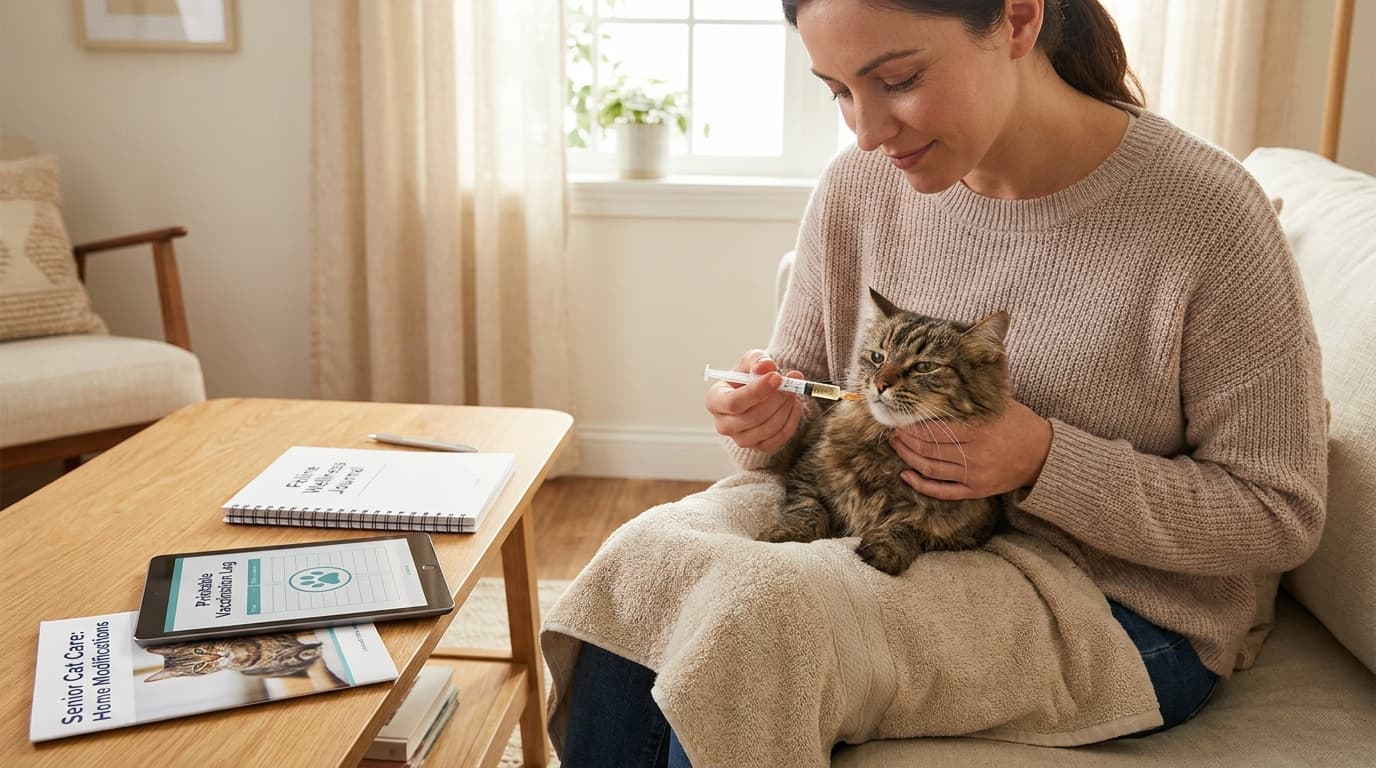
The 'cat burrito' is a classic move for a reason. Lay a thick towel on a flat surface and place your cat right in the middle. Fold one side over their back and then the other, making sure their paws are tucked securely inside. You want it snug enough to prevent them from wiggling out a claw, but loose enough so they can breathe easily. According to experts at PetMD, this kind of gentle restraint is often the best way to handle a cat that is being particularly difficult about their health care.
Positioning is the secret to a smooth delivery. It is usually a game-changer to have your cat face away from you. This prevents them from backing up and gives you much better control over their head. Use a very gentle head-tilt to point their nose toward the ceiling. When you insert the syringe into the side of their mouth, aim for the back third of the tongue. This helps the medicine bypass the taste buds and prevents the gag reflex from kicking in. You can even stroke their chin afterward to encourage them to swallow.
Do not be alarmed if your cat starts foaming at the mouth after the dose. It looks scary, but Stephanie Dube Dwilson from Adams Pet Care notes that this is often just a reaction to a bitter taste. It is their way of saying they do not like the flavor, not a sign of actual harm. If the taste becomes a deal-breaker, consider asking your vet about compounded medications. These allow you to choose flavors like tuna or chicken, which can turn a daily struggle into a much more tolerable routine for everyone involved.
Key insights:
- A calm, prepared environment is just as important as the physical wrap itself.
- The towel wrap should be snug to keep paws tucked away but never restrictive to breathing.
- Aiming for the back third of the tongue reduces the chance of the cat tasting the medicine or gagging.
- Foaming at the mouth is a common reaction to bad taste and usually not a medical emergency.
- Compounded medications can offer flavored alternatives to make administration easier.
Positioning is Everything
Ever tried to approach a cat head-on with a syringe? It is basically like announcing a duel. Instead, try having your cat face away from you. When they cannot see the medicine coming, they stay much calmer. You can tuck them against your body or even use a snug towel wrap to keep those paws tucked safely inside. This simple change makes the whole process feel less like a battle and more like a quick chore.
Once they are settled, try the gentle head-tilt. You want to tilt their nose toward the ceiling just enough to let gravity help you out. Insert the syringe into the side of the mouth where there is a natural gap behind the teeth. Aim for the back third of the tongue so the liquid goes down fast. This helps because cats often foam at the mouth just because they hate a bad taste. If you hit the back of the tongue, they have less time to taste it and the drama stays at a minimum.
If things still feel shaky, do not be afraid to ask your vet for a quick demonstration. They can show you exactly how to hold the head without causing stress. Sometimes just seeing a pro do it gives you the confidence to get it right on the first try. After the dose is in, a quick chin stroke usually encourages them to swallow. What matters most is staying calm so your cat does not pick up on your nerves.
Key insights:
- Facing the cat away from you prevents them from seeing the syringe and panicking.
- Targeting the back third of the tongue reduces the chance of foaming or spitting.
- Using a towel wrap can stabilize a wiggly cat and protect you from scratches.
The Syringe Secret: Aim for the Back Third
Have you ever tried to give a cat medicine and ended up with more on your shirt than in the pet? Most of us make the same mistake by aiming right for the front of the mouth. This is a battle you will lose every time. The front of a cat’s tongue is packed with taste buds and a very sensitive gag reflex. If you put the syringe there, your cat will likely spit it out or start foaming at the mouth. It looks scary, but experts like Stephanie Dube Dwilson point out that this foam is usually just a reaction to a nasty taste rather than a sign of harm.
Instead of a head-on approach, look for the side gap in their teeth. Most cats have a small space behind those long canine teeth where you can slide a syringe in without forcing their jaw wide open. Think of it as a secret side door. Once you are in, aim for the back third of the tongue. By depositing the liquid there, you bypass the majority of the taste buds. This makes it much harder for them to taste the bitterness or fight the swallow reflex. It is a simple shift that makes a world of difference for a difficult cat.
The key here is to keep things moving slowly. If you squirt the whole dose at once, you risk your cat choking or accidentally inhaling the liquid. Go for a slow and steady stream instead. You can even stroke their chin or throat afterward to encourage that natural swallowing motion. If your cat is a real Houdini with their paws, do not be afraid to use the burrito wrap technique first. Snugly wrapping them in a towel keeps those claws tucked away so you can focus entirely on the syringe placement without getting scratched.
If you find that the taste is still the biggest hurdle, you might want to look into compounded medications. These are custom versions of the medicine that come in flavors like tuna or chicken to help with compliance. It turns a stressful chore into something that actually tastes like a treat. At the end of the day, the goal is to get the medicine in with as little drama as possible. What does this mean for you? It might mean a few tries to find the right angle, but once you hit that back-third sweet spot, the whole process gets a lot easier for everyone involved.
Key insights:
- Aiming for the back third of the tongue bypasses most taste buds and reduces the chance of the cat spitting the medicine back out.
- The side gap behind the canine teeth provides an easy entry point for the syringe without needing to pry the mouth open.
- Foaming at the mouth is a common reaction to a bad taste and does not necessarily mean the cat is in danger.
- Compounded medications with meat flavors can drastically improve how a difficult cat reacts to their daily dose.
Don't Panic: Why Your Cat Is Foaming at the Mouth
You just finished the struggle of a lifetime, and now your cat looks like a rabid cartoon character. It is terrifying to see white foam bubbling out of your pet's mouth, but take a deep breath. Most of the time, this isn't a medical emergency. As Stephanie Dube Dwilson from Adams Pet Care points out, cats often foam simply because they hate the taste of what you just gave them. It is a physical protest, not a sign of poisoning.
Think of it as a hypersensitive bitter taste reflex. When medicine hits the wrong part of the tongue, the mouth produces excess saliva to try and flush the offending flavor away. While you might worry about an allergic reaction, those usually involve swelling, hives, or trouble breathing. If it is just bubbles and a very offended cat, you are likely dealing with a flavor fail. To avoid this next time, try squirting the liquid onto the back third of the tongue from the side. This bypasses many of the taste buds and reduces the gag reflex.
Once the medicine is down, you can help your cat move on by offering a chaser of their favorite wet food or a bit of tuna juice. This washes away the medicinal tang and helps rebuild trust. If the drama is too much every single day, look into compounded medications. These allow vets to create custom flavors like chicken or fish, making the whole process much smoother for everyone involved. You might even find that mixing the dose into a small spoonful of pâté works better than the dreaded syringe.
Key insights:
- Foaming is usually a taste reaction, not a sign of harm.
- Placing medicine on the back of the tongue reduces the bitter response.
- Compounded flavors like tuna or chicken can stop the foaming before it starts.
Is There an Easier Way? The Rise of Flavored Meds
Ever watched your cat turn into a foaming-at-the-mouth dragon after a single drop of medicine? It’s a stressful sight, but that foam is usually just a physical protest against a bitter taste rather than a sign of harm. If you’re tired of the daily wrestling matches and the dreaded towel wrap, there’s a much friendlier path forward. Compounded medications are changing the game for frustrated pet parents. These are custom-made versions of prescriptions that allow for specific strengths and, most importantly, much better flavors.
Imagine swapping that chemical-smelling liquid for something that actually smells like tuna, chicken, or even marshmallow. It sounds like a feline dream, right? Compounding pharmacies can take standard meds and mix them into a base your cat won't run away from. This matters because when the medicine tastes like a treat, you can often just stir it into a small spoonful of pâté or chunks in gravy. When they lick the bowl clean, you know they’ve gotten the full dose without the drama. It's a total relief for everyone involved.
The best way to start is by having a quick chat with your vet about custom formulations. While some meds have to stay in their original form, many can be tailored to fit your cat's specific cravings. Ask your vet if a flavored liquid or a different form is an option for your grumpy patient. This trend toward personalized pet meds is all about making life easier for you and your cat. After all, the best medicine in the world won't work if it ends up on your carpet instead of in your cat's belly.
Key insights:
- Foaming at the mouth is often just a reaction to a bad taste, not a medical emergency.
- Compounding pharmacies can turn bitter liquids into flavors like tuna or chicken to improve compliance.
- Mixing flavored medicine into a small amount of wet food is often the easiest way to ensure the full dose is taken.
Beyond the Bottle: Managing Your Cat's Long-Term Health
Giving the medicine is only half the battle. If your cat is on a long-term treatment plan, you need a system that keeps you sane and your cat healthy. Think of it as a health routine rather than a daily wrestling match. When you move beyond the initial struggle of the syringe, you can focus on the bigger picture of their recovery and comfort.
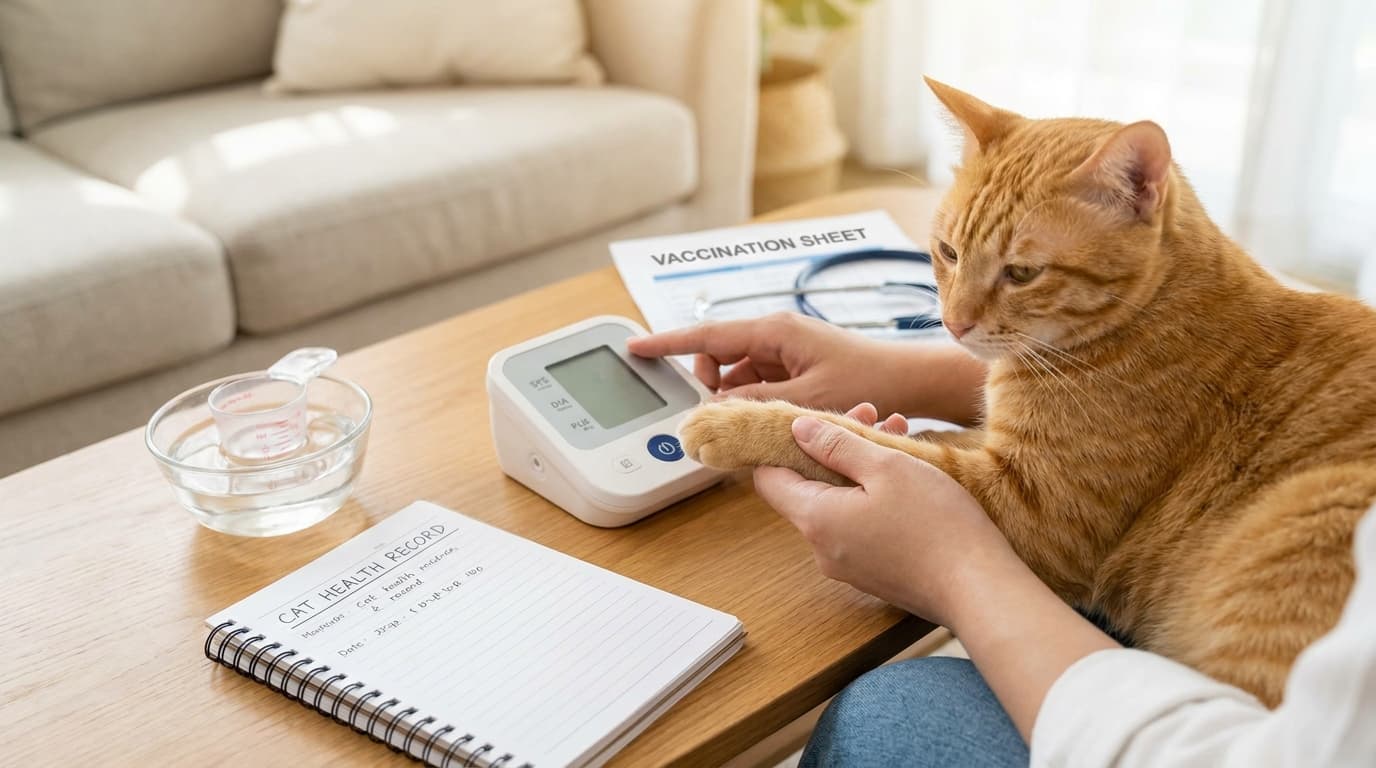
If you live in a house with multiple cats, you know the chaos. Was it Luna or Oliver who got their drops today? Keeping a printable feline vaccination log for multi-cat households is a total lifesaver. It stops you from double-dosing or skipping a day, which is surprisingly easy to do when life gets busy and the cats are all staring at you for breakfast. Having a physical chart on the fridge makes it easy for everyone in the house to see exactly what has been done.
Here is something most people forget: those treats used to hide medicine add up fast. If you are mixing liquid meds into a bit of tasty pâté or gravy to make it go down easier, you are adding extra calories every single day. For a cat that is already a bit chunky, you should keep a tracking daily calorie intake for overweight cats journal. This helps you balance their main meals so they get their medicine without gaining extra weight that could put pressure on their joints or lead to other health issues.
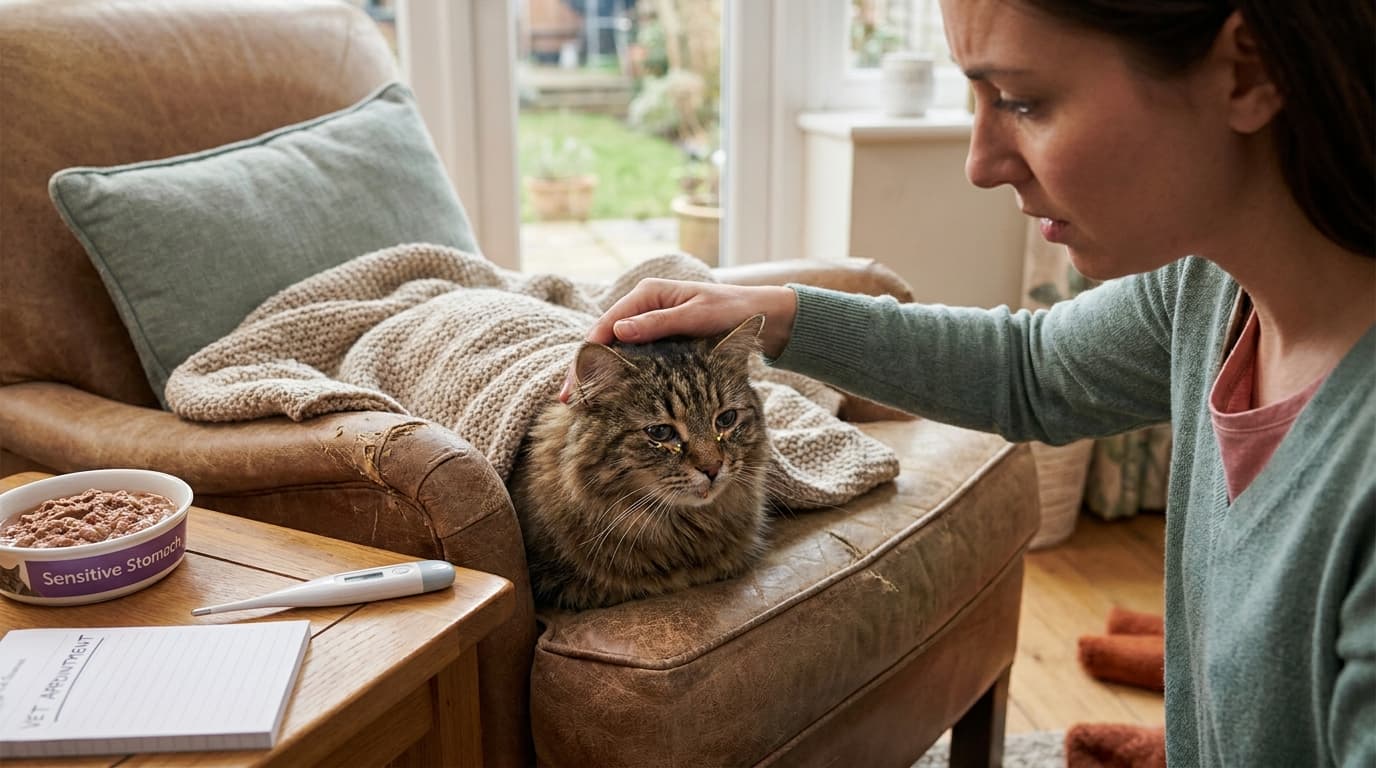
Finally, you have to be a bit of a detective. While foaming at the mouth is usually just a reaction to a bitter taste, other things like watery eyes in indoor kittens or sudden lethargy mean it is time to call the vet. It is always better to ask a quick question than to ignore a symptom that might be an allergic reaction or a sign that the dosage needs adjusting. If the struggle is too much, ask about compounded medications. They can flavor the medicine like tuna or chicken to make the whole process much smoother for everyone involved.
Key insights:
- Use a physical log to prevent medication errors in busy multi-pet homes.
- Account for the calories in food used to mask medicine to prevent weight gain.
- Distinguish between harmless reactions like foaming and serious signs like watery eyes.
- Consider compounded medications with custom flavors to improve daily compliance.
Frequently Asked Questions
It is super common for cats to spit out medicine because, let's be honest, it usually tastes pretty bad. If they lose a big chunk of the dose, give your vet a quick call before you try to give them more. You do not want to accidentally overdo it.
To help it go down better next time, try to aim the syringe toward the back of their tongue so they cannot taste it as much. You can also look into flavored versions that actually taste like tuna or chicken. These custom flavors make the whole process much easier for everyone involved.
Mixing medicine into a big bowl of water usually is not the best idea. You cannot really be sure they drank enough to get the full dose, and the weird taste might even scare them away from their water bowl. If they stop drinking, that creates a whole new set of problems.
Instead, try mixing the liquid with a tiny bit of wet food or a lickable treat. Just make sure it is a small enough amount that they will finish it all in one sitting. That way, you know for sure they got exactly what the doctor ordered.
It can be pretty alarming to see your cat foaming, but usually, it is just a dramatic reaction to a bad taste. Cats have very sensitive taste buds, and many liquid medicines are quite bitter. The foam is just their way of trying to get the icky flavor out of their mouth rather than a sign that they are actually hurt.
Here is a tip to help keep things cleaner: try aiming the syringe at the back third of their tongue from the side of their mouth. This helps the medicine go down faster and bypasses the parts of the tongue that pick up on those bitter flavors. You can also ask your vet about compounded medications that come in cat-friendly flavors like tuna or chicken to make the whole process much easier.
It is usually better to skip the scruffing and try something a bit more comfortable for your cat. While people used to do it often, scruffing can sometimes make a cat feel more panicked or defensive. Instead, many pros recommend the burrito wrap technique where you snuggle your cat snugly in a towel or blanket with only their head sticking out.
This keeps their paws tucked away so you do not get scratched and helps them feel more secure. Also, keep in mind that physical restraint should really be your backup plan. The easiest way to give medicine is often just mixing it into a small scoop of smelly wet food or pâté so they eat it all on their own without a fuss.
Conclusion
Giving your cat medicine does not have to be a daily wrestling match that leaves you both stressed and scratched. When you combine the cat burrito wrap technique with a few sneaky food hacks, you turn a scary chore into a manageable routine. The bottom line is that keeping things calm and using the right angles makes all the difference when you need to know how to administer liquid medication to a difficult cat.
If the standard way still feels like a struggle, consider trying flavored medications. Many vets offer liquid meds that taste like tuna or chicken, which changes the whole experience for your cat. You might also want to start a simple health log to track doses and symptoms so you stay organized without the extra stress.
At the end of the day, your cat is not trying to be a villain. They are just scared and confused by the syringe. With a little patience and a few well-timed treats, you can get the job done and get back to the cuddles. You have got this, and your grumpy friend is in good hands.
Send it to someone who should read it next.

PurrScript Editorial Team
Editorial Team
PurrScript's in-house editorial team. We research, write, and review every guide using established veterinary and behavioral resources, and update articles as best practices evolve.
View all articles