Is Your Cat Just Tired? A Simple At-Home Wellness Checklist for Owners
Ever noticed your cat suddenly acting like a professional hide and seek champion? Cats are master actors who instinctively mask their pain to stay safe, which often means their sleepy...

James Miller
Certified Cat Behaviorist
Is Your Cat Just Tired? A Simple At-Home Wellness Checklist for Owners
Ever noticed your cat suddenly acting like a professional hide and seek champion? Cats are master actors who instinctively mask their pain to stay safe, which often means their sleepy behavior is actually a cry for help. If you have been searching for a cat lethargy and loss of appetite checklist, you are already doing the right thing by paying attention to those subtle shifts.
Being a proactive owner is always better than being a reactive one, and you don't need a medical degree to help your pet. This guide provides a simple at home cat wellness exam checklist for owners that you can use while your furry friend is purring on your lap. We will also show you how to tell if cat ears are infected, share natural ways to support kitten immune system health, and look at preventing feline obesity in multi cat households.
From checking gum color to testing hydration, these quick checks help you spot trouble early before it becomes a crisis. You know your cat better than anyone else, so let's walk through the signs that tell you if it is time for a vet visit or just another long nap.
The Secret Life of Cats: Why They Hide When They're Sick
Cats are survivalists at heart. In the wild, a sick animal is a vulnerable one, so they have evolved to hide their pain with incredible skill. This instinct to mask discomfort is exactly why you have to be a bit of a detective in your own home. ASL Vets notes that cats are experts at this, making those tiny behavioral shifts your most important clues. If your cat is suddenly acting like a stranger, they are not just being aloof; they are likely protecting themselves while they feel unwell. What might look like a mood swing is often a survival strategy.
Keep a close eye on their grooming habits. A cat’s coat is often a direct reflection of their internal comfort and physical mobility. When a cat feels good, they are meticulous about their appearance. But if they stop grooming - leaving their fur looking greasy or matted - it is a signal that they lack the energy or comfort to keep up with their routine. Hiding is another major red flag. While every cat loves a good cardboard box, spending hours tucked away in dark, unusual corners is often a way to cope with significant pain. If your cat is choosing the back of a closet over their favorite sunny perch, they are telling you something is wrong.
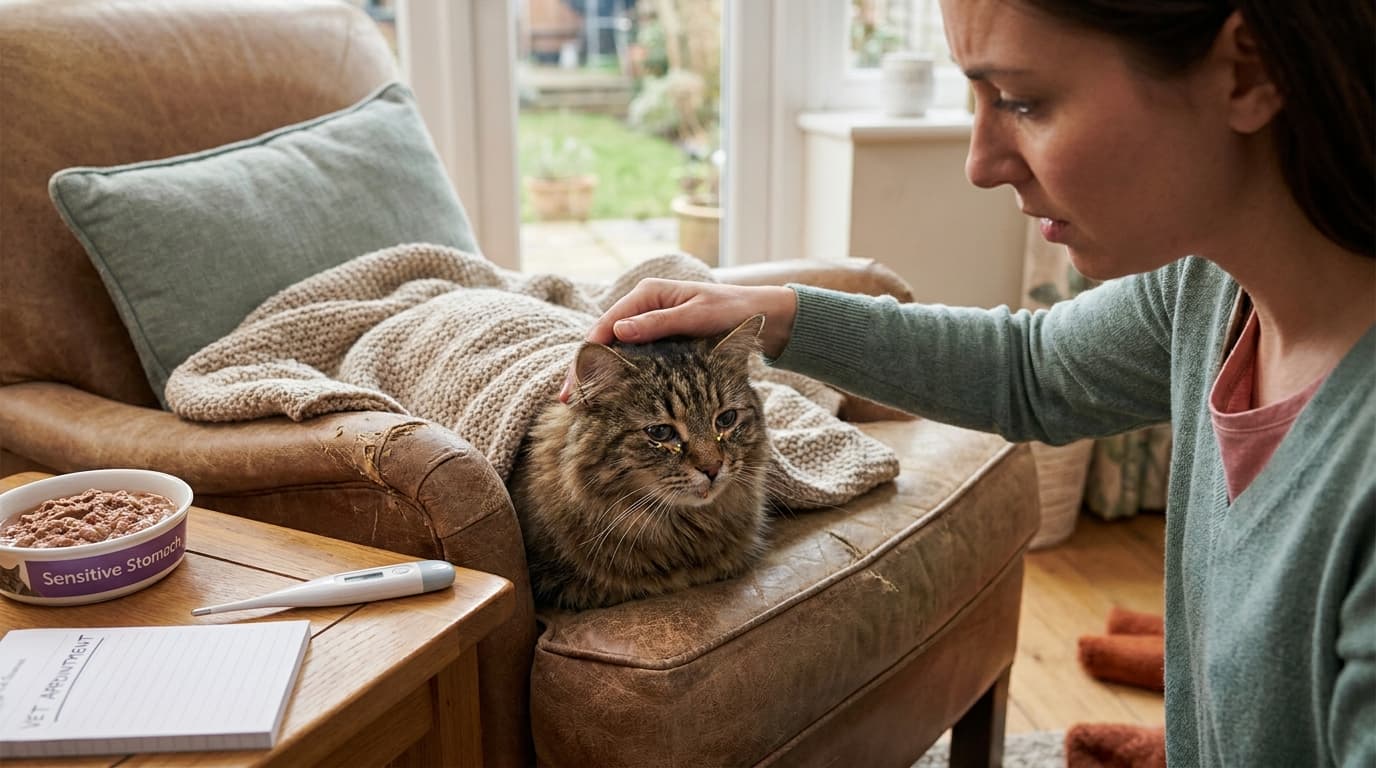
It is easy to mistake a long afternoon nap for a health problem, but there is a clear line between a sleepy cat and a truly lethargic one. A healthy cat might be out cold, but they will still perk up at the sound of a treat bag or a bird chirping outside the window. Lethargy is a heavy, dull lack of energy where the cat seems 'flat' or unresponsive. They might look at you but refuse to move, or they might stay tucked away even when the house gets busy and exciting. This is not just a deep sleep; it is a sign that their body is diverted all its energy toward fighting an illness.
This withdrawal often goes hand-in-hand with defensive behavior. If your normally sweet cat swats at you, hisses, or hides when you approach, it is usually because they are in pain and feel vulnerable. They are not trying to be mean; they are trying to protect themselves from being handled when it hurts. Recognizing these shifts early - long before physical symptoms like a loss of appetite even kick in - is the best way to catch health issues before they become serious emergencies. Think of it as listening to your cat's behavioral whispers before they are forced to scream.
Key insights:
- Cats instinctively hide pain to avoid appearing vulnerable, making subtle behavioral changes more important than obvious symptoms.
- A dull or matted coat is a primary indicator that a cat has lost the physical comfort or energy required for daily grooming.
- Lethargy is distinguished from normal sleep by a lack of response to typical stimuli like food, play, or household activity.
- Sudden defensive behavior or aggression in a friendly cat is often a protective response to underlying physical pain.
Lethargy vs. The Standard Cat Nap
We all know cats are the undisputed champions of the sixteen-hour snooze. But there is a big difference between a cat enjoying a deep nap and one that is truly lethargic. While a sleepy cat will usually perk up for the sound of a treat bag, a lethargic cat seems heavy, disinterested, and slow to react to the world around them.
The tricky part is that cats are experts at masking pain. Because they are both predators and prey in the wild, showing weakness is a survival risk. This is why withdrawal is such a huge red flag. If your normally social kitty is suddenly hiding or acting defensive when you touch them, they might be dealing with a systemic disease or hidden discomfort.
When you use an at home cat wellness exam checklist for owners, you start to notice these subtle shifts. Instead of just being tired, your cat might be showing a loss of appetite or a lack of grooming. If you see them pulling away from life, it is usually because their body is fighting something off.
Key insights:
- Lethargy is characterized by a lack of response to stimuli like food or play, unlike normal sleep.
- Withdrawal and hiding are common ways cats instinctively cope with physical pain or illness.
- Sudden defensive behavior often signals that a cat is protecting a painful area of their body.
Your 5-Minute At-Home Cat Wellness Exam Checklist
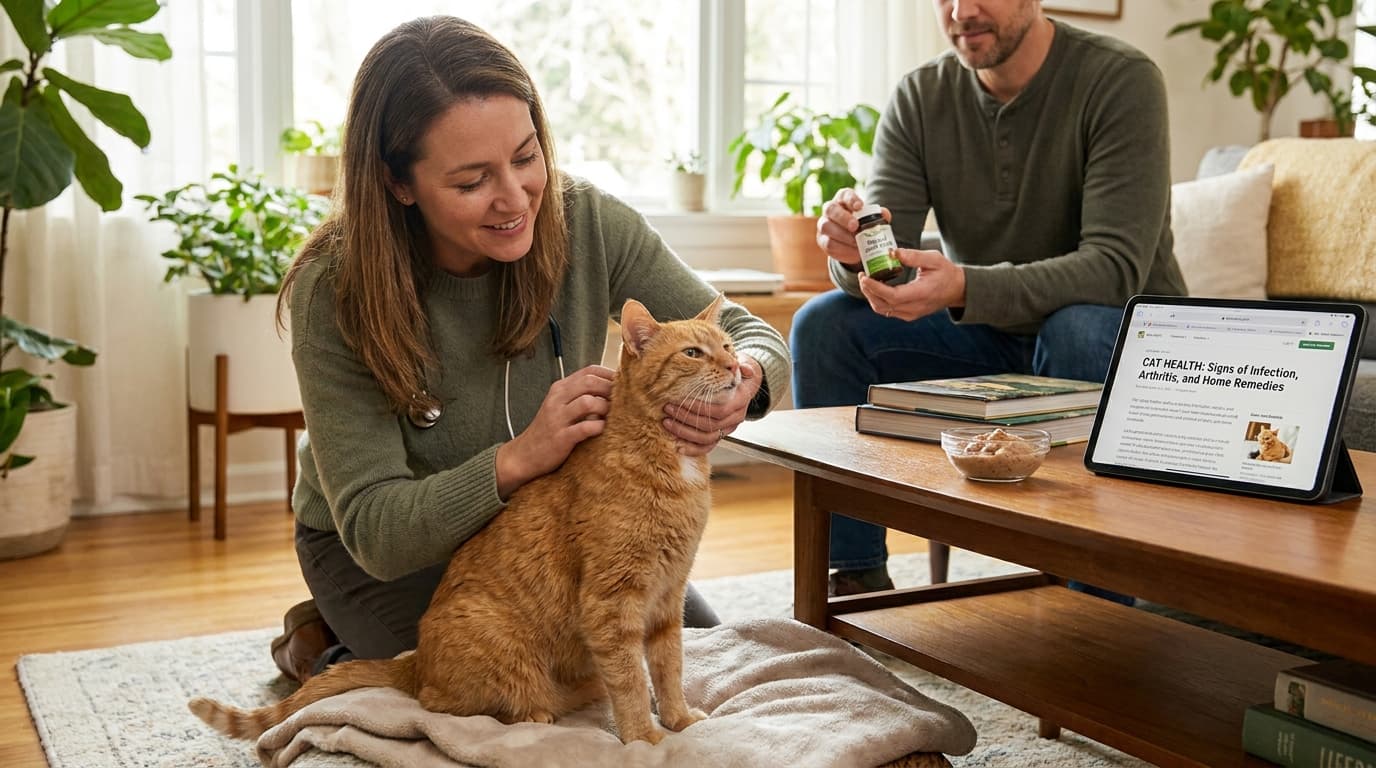
Cats are the ultimate masters of the poker face. Because they instinctively mask pain to avoid looking vulnerable, you might not realize your cat is feeling under the weather until they are actually quite sick. This is why the Paws-On method is such a game changer for owners. It is not a clinical procedure; it is just the simple habit of running your hands over your cat's body during your daily snuggle sessions to feel for new lumps, bumps, or tender spots. As the experts at Humane World suggest, getting into this routine is truly the best way to catch health issues before they turn into serious medical emergencies.
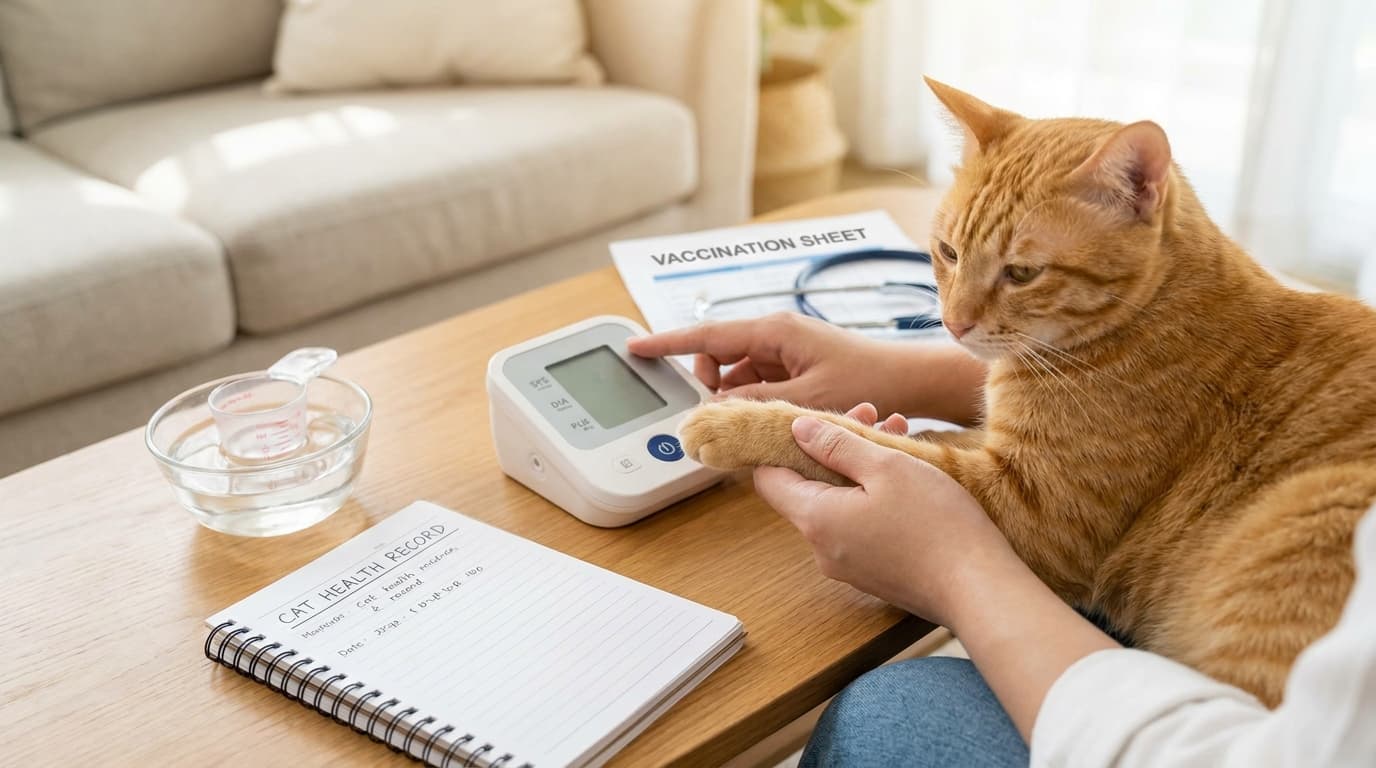
Part of this routine involves knowing your cat's baseline through TPR, which stands for Temperature, Pulse, and Respiration. Think of this as your cat's personal 'normal.' When your cat is relaxed, take a moment to notice how fast they breathe and how their heart feels against their ribs. If you know what they look like when they are healthy, you will be the first to notice when they start acting lethargic or withdrawing from the family. These subtle shifts in behavior are often the loudest warning signs a cat can give you that something inside is not quite right.
One of the easiest places to start your checkup is with a quick look at the mouth and skin. Healthy feline gums should be firm, moist, and a soft salmon pink color. If you notice they look pale, bright red, or feel sticky to the touch, it is a clear sign that something is off. While you are checking their head, take a peek in the ears too. If you see a black, gritty substance that looks like coffee grounds, you are likely looking at ear mites, which are contagious parasites that need a vet's attention. These small visual cues are often the first indicators of a brewing infection or dental issue.
Hydration is another critical piece of the wellness puzzle, and you can check it in seconds using the skin turgor test. Gently lift the loose skin between your cat's shoulder blades and let it go. In a well-hydrated cat, the skin will snap back into place almost instantly. If the skin stays 'tented' or slides back down slowly, your cat is likely dehydrated. This lack of elasticity is a red flag that your cat might not be getting enough water or could be dealing with an underlying kidney or digestive issue that needs professional investigation.
Next, give your cat a quick physical assessment using the rib test to check their body condition. You should be able to feel your cat's ribs easily under a thin layer of fat, but you should not be able to see them through the fur. If the ribs are poking out, they might be underweight; if you have to press hard to find them, they are likely carrying too much weight. Obesity is a growing trend in multi-cat households, and keeping your cat at a lean weight is one of the best ways to support their long-term joint health and immune system.
Finally, take a bird's-eye view of your cat from above and then look at them from the side. You are looking for a visible waistline behind the ribs and a slight upward slope of the belly toward the back legs, known as the abdominal tuck. If your cat looks more like a rectangle or a loaf of bread from above, it is time to rethink their diet and activity levels. These simple visual checks, combined with your daily Paws-On exam, ensure that you are staying proactive about your cat's health rather than just reacting to problems after they arise.
Key insights:
- Cats hide illness naturally, so your daily observations are more accurate than a once-a-year vet visit.
- TPR (Temperature, Pulse, Respiration) helps you identify emergencies by knowing what your cat's healthy baseline looks like.
- Hydration can be tested instantly at home by checking how fast the skin on the shoulders snaps back.
- A healthy body shape includes ribs you can feel but not see, a visible waist from above, and an abdominal tuck from the side.
Checking the Basics: Gums and Hydration
Ever notice how your cat acts like everything is fine even when it is not? Cats are experts at masking illness, which makes our job as owners a little harder. One of the easiest ways to see past the act is to check their gums. Healthy feline gums should be firm, moist, and a nice salmon pink color. If they look pale or feel tacky, it is a sign that something might be off with their circulation or hydration levels.
While you are at it, try the skin turgor test to check for dehydration. Just gently lift the skin between their shoulder blades and let go. It should snap back into place immediately. If the skin stays up or sinks back slowly, your cat is likely dehydrated. This is a big deal because hydration impacts everything from kidney function to energy levels. If you notice a slow snap back along with signs like lethargy or a loss of appetite, it is time to consult your vet.
Think of these checks as a regular part of your at home cat wellness exam checklist. It only takes a minute but gives you so much peace of mind. Catching these subtle changes early is the best way to keep your feline friend feeling their best. When you get in the habit of running your hands over your cat, you discover problems before they become serious.
Key insights:
- Healthy gums should always be moist and salmon pink, never dry or pale.
- The skin turgor test at the shoulders is the fastest way to spot dehydration at home.
- Slow skin recovery is a major red flag that often accompanies lethargy or loss of appetite.
The Rib Test: Checking Body Condition
Ever wonder if your cat is getting a bit too "fluffy" or if they are just right? It is hard to tell under all that fur, but your hands do not lie. Humane World suggests running your hands over your cat’s body often. This is the best way to catch health issues before they get serious. Think of it as a mini-massage that doubles as a wellness check.
The gold standard for this is the rib test. When you stroke their sides, you should feel the ribs easily, much like the bones on the back of your hand. If you have to press hard to find them, your kitty might be carrying some extra weight. On the flip side, you should not actually see the ribs poking out. A healthy cat also has a visible waist when you look from above and a slight tummy tuck when you see them from the side.
This matters because cats are experts at masking illness and discomfort. Since they will not tell you if they are feeling sluggish, these physical cues are your best bet for spotting changes. Monitoring their shape is a huge part of preventing feline obesity, especially in multi cat households where one cat might be stealing all the snacks. It is a quick, low-stress way to stay on top of their health between vet visits.
Key insights:
- The rib test is the most reliable way to check body condition through thick fur.
- A healthy weight includes a visible waist from above and an abdominal tuck from the side.
- Regular tactile exams help catch weight gain or loss that visual checks might miss.
Ears, Eyes, and Fur: Spotting Hidden Trouble
Have you ever noticed your cat scratching their ear and wondered if it is just a random itch or something more serious? Most of the time, a little wax is normal, but you need to know what to look for when things go south. If you peek inside and see a black, gritty substance that looks like old coffee grounds, you are likely dealing with ear mites. These tiny parasites are incredibly contagious and can make your cat miserable in a hurry. It is one of those hidden problems that stays quiet until it becomes a real headache for both of you.
While you are looking at the ears, take a second to check the fur. You might see what looks like black pepper spots near the base of the tail or on the neck. There is a simple way to tell if this is just dirt or a flea problem. Pick up a few of those spots and put them on a wet paper towel. If they turn red and start to bleed out, that is flea dirt, which is actually digested blood. It is a gross discovery, but knowing for sure helps you jump on the problem before your house is crawling with unwanted guests.
Signs of ear discomfort go beyond just scratching. If the skin inside the ear looks angry and red, or if you see a thick discharge, an infection might be brewing. Watch for persistent head shaking or a strange tilt. While a quick home cleaning is great for a healthy cat, it is not enough when an infection takes hold. If your cat pulls away when you touch their ears or if there is a bad odor, it is time to let the vet take a look. Catching it early saves your cat from a lot of unnecessary pain and potential hearing issues.
Beyond the ears, remember that your cat's grooming habits tell a story. If their coat looks dull or matted, they might be too sore or tired to keep up with their usual routine. Also, try the rib test. You should be able to feel their ribs easily without them sticking out. Since cats are so good at hiding when they feel sick, these quick physical checks are your best tool for keeping them happy and healthy. What seems like a small change in their fur or ears is often the first clue that they need a little extra help from you.
Key insights:
- Ear mites often look like dark, gritty coffee grounds and require medical treatment because they are highly contagious.
- The flea dirt test is a foolproof way to distinguish between regular dirt and a flea infestation using only a wet paper towel.
- Redness and discharge in the ear are clear indicators that a professional vet visit is needed rather than just a home cleaning.
- Changes in grooming and body condition are subtle behavioral clues that a cat is masking physical pain or illness.
Signs of Ear Discomfort
Ever notice your cat shaking their head or scratching their ears like they just can't get comfortable? Because cats are experts at masking illness, these small movements are often your first clue that something is wrong. If you take a peek inside and see redness or a strange discharge, it’s time to pay attention.
Wondering how to tell if cat ears are infected? Look for a black, gritty substance like coffee grounds. This usually points to ear mites, which are contagious parasites. You might also spot flea dirt nearby, which is actually feces that turns red when wet because it contains digested blood.
While a light cleaning helps with normal wax, persistent head shaking or a foul smell means the vet needs to step in. Catching these issues early is key. By checking their ears as part of your weekly routine, you can spot problems before they become truly painful for your feline friend.
Key insights:
- Cats hide discomfort naturally, so frequent head shaking is a major behavioral red flag.
- Gritty black discharge is a classic sign of contagious ear mites rather than simple wax build-up.
The 'Am I Sick?' Checklist: Lethargy and Loss of Appetite
Ever notice your cat acting a bit too quiet? Maybe they didn't greet you at the door or they've suddenly decided breakfast isn't interesting. It is tricky because cats are experts at masking illness. ASL Vets points out that they naturally hide discomfort to stay safe, so by the time you notice something is off, it might have been brewing for a while. If your cat is suddenly hiding under the bed or seems unusually sluggish, do not just write it off as a long nap. Lethargy is often a primary red flag that something internal is bothering them.
When it comes to food, follow the 24-hour rule. If your cat refuses to eat for a full day, it is officially an emergency. While you are monitoring their bowl, keep a close eye on their water too. Dehydration happens fast in small bodies. You can actually check this yourself with a quick skin turgor test. Gently lift the skin at their shoulders and let go. In a healthy cat, it snaps back instantly. If it stays peaked or sinks back slowly, they are likely dehydrated and need help.
While you are checking things out, take a peek at their mouth. Healthy gums should look salmon pink and feel moist to the touch. Also, run your hands along their sides to check their body condition. You should be able to feel their ribs without them poking out visually. Humane World suggests that getting into the habit of these mini-exams helps you catch small changes before they turn into big problems. It is all about knowing your cat’s normal so you can spot the abnormal immediately. What does this mean for you? It means being their detective when they cannot tell you where it hurts.
Key insights:
- The 24-hour rule: Total food refusal for one day requires an immediate vet visit.
- Hydration check: Use the skin-lift test at the shoulders to spot dehydration quickly.
- Physical baseline: Healthy gums should be salmon pink and moist, not pale or tacky.
Too Much of a Good Thing: Preventing Obesity in Multi-Cat Homes
Ever wonder why one of your cats looks like a sleek athlete while the other is starting to resemble a furry beanbag? In a multi-cat home, the food thief is a very real character. It is usually the bolder or more dominant cat who treats every bowl in the house as their own personal buffet. This is more than just a quirky personality trait. Feline obesity is a leading cause of chronic health issues, from joint pain to diabetes, and it often sneaks up on owners because cats are so good at hiding their discomfort. By the time a cat looks noticeably heavy, they may already be struggling with mobility or internal stress.
To see where your cats actually stand, try a simple hands-on check known as a body condition assessment. A healthy cat should have ribs that you can feel easily under a thin layer of fat, but you should not be able to see them poking through the fur. When you look at them from above, they should have a visible waistline, and from the side, you want to see a clear abdominal tuck where the belly goes up toward the back legs. If they start looking more like a round loaf of bread, it is time to step in. As the team at Humane World suggests, the best way to catch these problems early is to get in the habit of running your hands over your cat's body during your regular grooming or petting sessions.
Managing a household with a food thief means moving away from the all-you-can-eat dry food bowl. Scheduled meals are a total lifesaver for weight management. You can try feeding your cats in separate rooms or even using microchip-activated feeders that only open for a specific cat. This stops the bowl hopping and ensures the slower eater actually gets their share without being bullied. Also, keep an eye on their grooming habits. If a cat is struggling to reach their back or tail, it might be because their size is limiting their range of motion. A lack of grooming is often a direct reflection of physical mobility and comfort.
Weight management is about more than just calorie counting; it is also about changing your cat's relationship with food. Puzzle feeders are a fantastic tool for those fast eaters who inhale their meal in three seconds flat. These toys turn mealtime into a hunt, slowing them down and giving their brain a much-needed workout. This keeps them focused on the task at hand rather than looking around to see if they can sneak some kibble from their sibling. It turns a boring routine into an engaging challenge that mimics their natural instincts.
Finally, remember that movement is the other half of the health puzzle. Indoor cats often become sedentary out of boredom, so environmental enrichment is vital for keeping them fit. Think of it as creating a feline playground. Tall cat trees, vertical perches, and active play sessions with feather wands keep them burning calories and building muscle. By providing plenty of vertical space, you encourage them to jump and climb, which are essential movements for joint health. When a cat is mentally engaged and physically active, they are much less likely to loiter by the kitchen begging for extra treats just because they have nothing else to do.
Key insights:
- Use the rib and waist check to monitor body condition at home.
- Separate feeding stations stop dominant cats from stealing extra portions.
- Puzzle feeders and vertical spaces provide the mental and physical exercise indoor cats need to stay lean.
Mental Stimulation as Weight Management
Ever notice how some cats treat their food bowl like a high-speed eating contest? It’s a common struggle. But keeping your cat at a healthy weight isn't just about counting kibble; it’s about making them move their bodies and their brains. This is where mental stimulation becomes your secret weapon for weight management.
Try swapping that boring bowl for a puzzle feeder. These gadgets force fast eaters to slow down, nudge, and think to get their meal. It mimics the natural hunt and stops that "scarf and barf" habit. It’s simple but effective. When they have to work for their dinner, they're burning calories before they even swallow.
Beyond food, think of your home as a feline playground. Environmental enrichment - like climbing trees or hidden treat spots - keeps indoor cats active. You’re looking for that healthy body condition where you can see a waist and an abdominal tuck. If they’re busy exploring and jumping, they aren’t just napping. It's a win-win for their health.
Key insights:
- Puzzle feeders mimic natural hunting behaviors to slow down digestion.
- Environmental enrichment acts as a passive gym for indoor cats.
- Mental health and physical fitness are directly linked in feline weight management.
Tiny Tigers: Natural Ways to Support Kitten Immune System Health
Those first few months with a new kitten are more than just cute photo ops. They are the foundation for everything that comes later. Think of your kitten as a tiny tiger whose immune system is still learning the ropes. Because their bodies are growing so fast, any small health hiccup can become a big deal quickly. This is why natural support starts with a stable, low-stress environment. When a kitten feels safe and has a predictable routine, their body can focus energy on building defenses instead of managing anxiety.
Food and water are your best tools here. High-quality protein isn't just about muscle; it's the fuel for a strong immune response. But don't overlook hydration. You can actually check this yourself by gently lifting the skin at their shoulders. If it snaps back quickly, they're doing great. If it moves slowly, they need more moisture. Since kittens are experts at masking when they feel off, checking their gums is another smart move. You're looking for a healthy salmon pink color. If they're pale or dry, it's often a sign of dehydration or underlying stress.
The goal is to catch things before they escalate. While you're petting them, get in the habit of feeling for their ribs. You should be able to feel them but not see them, which tells you they're at a healthy body condition. This kind of hands-on monitoring turns into a bonding moment while giving you a baseline for what's normal. It's about shifting from reacting to problems to proactively keeping that kitten energy high. After all, a kitten that's well-hydrated, well-fed, and stress-free is a kitten that's ready for a long, healthy life.
Key insights:
- Stress reduction is a primary factor in maintaining a kitten's immune resilience.
- A quick skin turgor test at the shoulders is the easiest way to monitor hydration levels at home.
- Healthy gums should be salmon pink; any other color warrants a closer look at their wellness.
Common Questions About Cat Health
You have started checking your cat at home, but now you are staring at a weird spot and wondering if it is a big deal. It is normal to feel unsure at first. If you find black, gritty stuff in their ears, that is usually a sign of ear mites. If you see dark specks on their skin, try getting them wet. If they turn red, it is actually flea dirt, which contains digested blood. These issues are annoying but usually mean a standard vet visit rather than an emergency room dash.
The real key is knowing what normal looks like for your pet. Healthy gums should be salmon pink and moist to the touch. When you pet your cat, you should be able to feel their ribs without seeing them sticking out. If you lift the skin at their shoulders and it stays up instead of snapping back, your cat is likely dehydrated. Remember that cats are experts at masking pain. They will not always cry out when they are hurting, so subtle changes in how they act are your best clues.
When do you stop monitoring and call the vet? If your cat is suddenly hiding, stops grooming, or seems lethargic, pay close attention. These behavioral shifts are often the first red flags for illness. Check their TPR, which stands for temperature, pulse, and respiration. If these vitals are way off or if your cat refuses to eat for more than 24 hours, skip the home observation and get professional help. It is always better to be safe when your gut says something is wrong.
Key insights:
- Flea dirt is easily identified because it turns red when it touches water.
- Lethargy and a lack of grooming are major warning signs that a cat is in pain.
- Healthy cats have moist, pink gums and skin that snaps back quickly when lifted.
- Establishing a baseline for your cat's temperature, pulse, and respiration helps you spot trouble early.
Frequently Asked Questions
Conclusion
So where does this leave you and your favorite furball? It means you no longer have to guess if they are just having a lazy Sunday or if something is actually wrong. By keeping an at home cat wellness exam checklist for owners in mind, you can spot the tiny shifts in behavior that most people miss. These quick checks are not just about medical facts; they are about knowing your cat better than anyone else.
The bottom line is that being a proactive owner is the best way to keep your pet happy. Whether you are learning how to tell if cat ears are infected or using a cat lethargy and loss of appetite checklist, you are building a safer home. It is about catching things early, from preventing feline obesity in multi cat households to supporting a kitten immune system naturally.
Your next move is simple: the next time your cat is purring in your lap, try a quick paws-on exam. Trust your gut if things feel off because you are their biggest protector. A little bit of attention today ensures many more happy years of head bumps and purrs.
Send it to someone who should read it next.
About the author

James Miller
Certified Cat Behaviorist
Feline behavior consultant helping cat owners understand and strengthen their bond with their cats.
View all articles