Does Your Indoor Cat Really Need All Those Shots? A Practical Guide to Vaccines
Is your cat a professional napper who never sets foot outside? You might wonder if they really need those annual pokes. It feels like a lot of stress for a...

PurrScript Editorial Team
Editorial Team
Does Your Indoor Cat Really Need All Those Shots? A Practical Guide to Vaccines
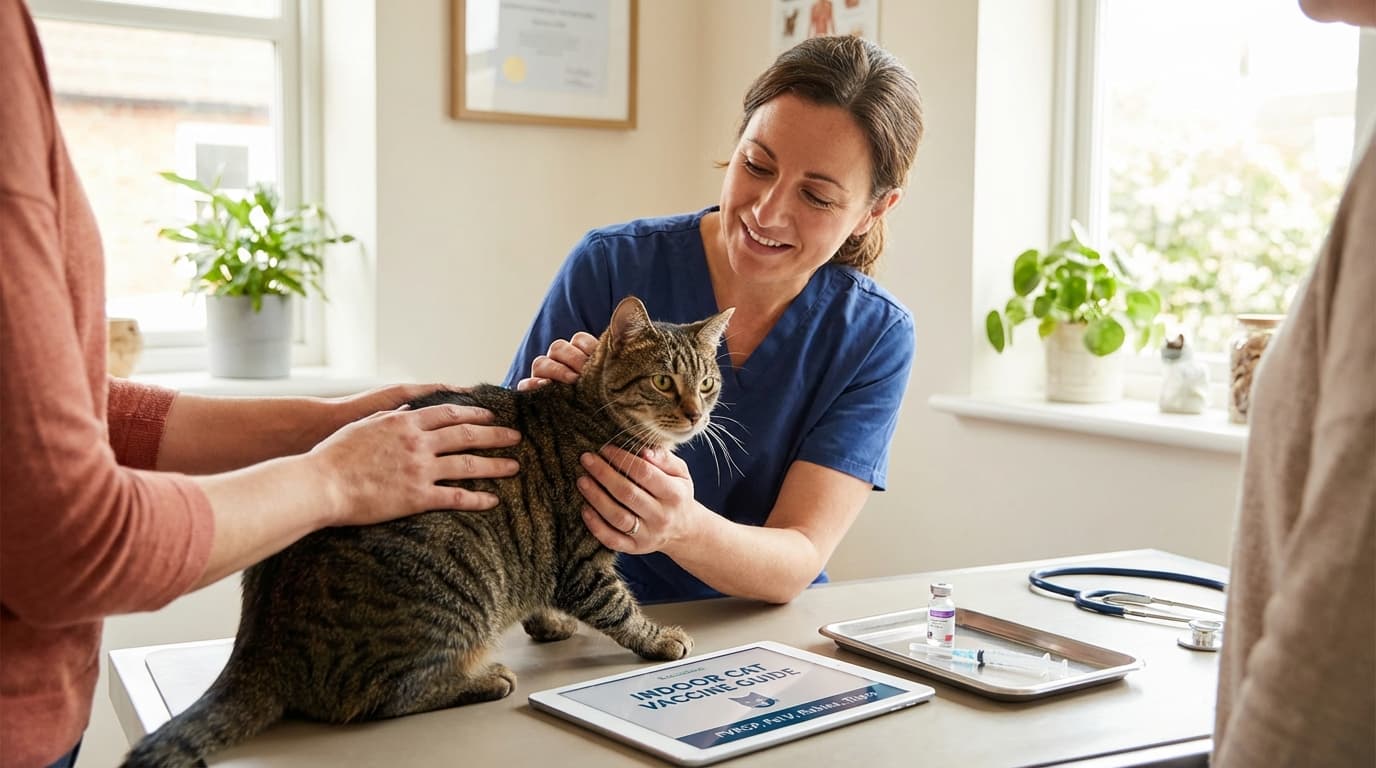
Is your cat a professional napper who never sets foot outside? You might wonder if they really need those annual pokes. It feels like a lot of stress for a pet who only hunts toy mice. But even indoor cats can run into trouble from a stray bat in the attic or germs you track in on your shoes. That is why following a proper cat vaccination schedule is so important for every feline friend.
We are looking at the essentials like the FVRCP vaccine for cats and why the law says you can't skip Rabies shots. We will also talk about the feline leukemia vaccine (FeLV) and help you spot any rabies vaccine side effects if they happen. It is all about finding that perfect balance between keeping them safe and avoiding too many shots.
This guide breaks down exactly what your cat needs based on their lifestyle. You will learn about kitten boosters, indoor cat vaccine requirements, and even if titers testing for cats is worth the extra cost. Let's make sure your furry roommate stays healthy for years to come without the guesswork.
Wait, Another Vet Visit? Why Those Shots Actually Matter
Ever wonder why your lazy indoor cat needs shots if they never leave the couch? It feels like overkill until you realize how easily the outside world sneaks in. A bat in the chimney or a quick dash through an open door can change everything. In fact, Texas law requires a Rabies shot by four months old because the risk is real, even for homebodies.
These vaccines have turned once-fatal diseases into manageable risks. Without protection, 85% of cats with Feline Leukemia die within three years. Core shots like FVRCP, which covers respiratory viruses and distemper, are the first line of defense. Experts now suggest tailoring care to your cat's specific lifestyle rather than following a rigid, old-school schedule.
We are looking at the specifics next: the timing you need, how to find shots for as low as $10, and what side effects to expect. Keeping your roommate safe and healthy does not have to be a headache or a massive expense.
FVRCP: The 'Triple Threat' Shot Every Cat Needs
You’ve likely seen FVRCP on your vet bill and wondered if your cat actually needs a vaccine that sounds like a secret government code. It stands for Feline Viral Rhinotracheitis, Calicivirus, and Panleukopenia. Think of this shot as the foundation of your cat's immune system. Even if your kitty never sets a paw outside, these viruses are incredibly hardy and can even travel into your home on your clothes or shoes. It is the triple threat because it tackles the most common and dangerous respiratory and digestive issues cats face.
The most terrifying part of the trio is Panleukopenia, which many people still call feline distemper. Do not let the old-fashioned name fool you; it is a modern nightmare. It is a highly contagious virus that aggressively attacks the digestive system and white blood cells. For a tiny kitten, Panleukopenia is often a death sentence. This is exactly why vets insist on a strict schedule, starting shots as early as 6 to 8 weeks of age. It is not about being pushy. It is about building a biological shield before the kitten’s natural maternal antibodies wear off.
What do these diseases actually look like in real life? If your cat catches Viral Rhinotracheitis, you are looking at a miserable pet with constant sneezing and thick, watery eyes. It is like the worst flu you have ever had, but for a five-pound animal. Calicivirus adds another layer of pain, often causing nasty ulcers on the tongue and gums that make eating almost impossible. Some cats even develop painful, swollen joints that make them limp. Then there is Panleukopenia, which hits the gut with such force that it causes severe dehydration. It is a brutal experience for any cat, especially kittens.
You might wonder if this is overkill for a cat that just naps on the sofa all day. But here is the thing: while modern vets are moving toward more personalized, lifestyle-based schedules, the FVRCP remains non-negotiable. Many clinics are shifting to a three-year booster cycle for adults to avoid over-vaccination, but that initial series is what gives your cat a fighting chance. It is the first line of defense for a reason. Think of it as the safety net that ensures a small sneeze does not turn into a life-threatening emergency.
Key insights:
- FVRCP is considered a core vaccine because the viruses it prevents are highly contagious and can be brought into the home by humans.
- Panleukopenia is specifically dangerous for kittens because it attacks rapidly dividing cells in the gut and bone marrow.
- Modern veterinary standards are shifting toward triennial boosters for adult cats to balance long-term immunity with pet safety.
What These Diseases Actually Look Like
Have you ever seen a cat with a cold that just won't quit? It is often Viral Rhinotracheitis. Think of it as a heavy-duty respiratory attack. Your cat is not just sneezing; their eyes get watery and crusty, making them feel completely miserable. It is the 'R' in the FVRCP vaccine, and while the name is a mouthful, the reality is just about protecting those tiny lungs and noses.
Then there is Calicivirus, which is even nastier. Instead of just sniffles, this virus brings painful mouth ulcers that make eating a chore. Some cats even deal with 'limping syndrome' because the infection can attack their joints. It is heartbreaking to see a playful kitty suddenly struggle to walk or hiss at their food bowl because it hurts too much to chew.
But the real villain, especially for kittens, is Panleukopenia. Often called feline distemper, it is a brutal strike against the digestive system. This virus is why experts call the FVRCP shot the first line of defense for every cat. Since it is often fatal for the little ones, that triple-shot is not just a suggestion. It is a life-saver.
Key insights:
- FVRCP is a 3-in-1 vaccine protecting against Rhinotracheitis, Calicivirus, and Panleukopenia.
- Panleukopenia is particularly dangerous for kittens because it attacks the digestive system.
- Calicivirus symptoms go beyond respiratory issues to include mouth sores and joint pain.
The Law and the Paw: Why Rabies Shots Aren't Optional
You might think your indoor cat is perfectly safe from the outside world, but the law usually sees things differently. In Texas, for example, the legal reality is that every cat must have their first Rabies shot by four months of age. This rule exists in major cities across the globe, from Austin to Shanghai. It is not just about keeping your pet healthy. It is a major public health safety net. Rabies is a viral death sentence that can easily jump from animals to humans, making it a community-wide concern rather than just a private pet issue. When authorities track vaccination rates, they are looking at the shield protecting the whole neighborhood, not just your living room.
Even if your cat never sets a paw on the grass, they are still at risk. A bat getting into the house through a chimney or an accidental escape through a propped-open door can happen in seconds. It sounds like a freak accident, but it happens more often than most owners realize. The good news is that keeping your pet legal and safe is actually very affordable. You can often find local low-cost clinics that offer these shots for as little as $10. It is a small price to pay to avoid legal trouble and keep your household safe from a preventable tragedy. Many of these clinics operate on weekends specifically to help busy pet parents stay compliant.
Timing the first poke is vital for a kitten's developing immune system. Most vets follow the four-month rule, ensuring the kitten is old enough to handle the vaccine but young enough to be protected early on. After that first shot, the schedule requires a booster exactly twelve months later. This one-year booster is the bridge that builds lasting immunity. It essentially tells the cat's body to remember the virus for the long haul. Skipping this specific milestone can leave your cat's defenses much weaker than they should be, even if they had that very first kitten shot.
Once that first year is handled, your schedule might change. Depending on the type of vaccine used and your local laws, your cat might only need a booster every three years. This shift toward three-year shots is becoming more common for indoor cats to avoid over-vaccination while maintaining core immunity. But life happens. If you realize you missed a booster date, do not panic or skip it entirely. Call your vet immediately. While they might need to restart the protocol if the gap is too long, getting back on track is always better than leaving your cat unprotected and leaving yourself liable for legal fines or quarantine issues if an accident occurs.
Key insights:
- Indoor cats still need Rabies shots because bats can enter homes and accidental escapes are common.
- The first booster at the one-year mark is the most critical step for establishing long-term protection.
- Low-cost clinics often provide legal Rabies vaccinations for as little as $10, making compliance easy for any budget.
The Schedule: When to Get the Poke
Timing those first pokes is all about building a strong foundation. Kittens usually start their FVRCP series at 6 to 8 weeks, with boosters every few weeks until they are four months old. That 4-month mark is huge because, in many places like Texas, it is the legal deadline for their first Rabies shot. Think of it as your kitten’s official graduation into the world of protected pets.
After that initial round, you will return for a one-year booster to lock in that immunity. But here is the good news: many adult cats can eventually move to a three-year schedule. This triennial trend is great for indoor cats because it maintains protection without constant trips to the clinic. It is a more personalized way to handle health as they age and their risks change.
Missed a date? It happens to the best of us! If you are just a little late, your vet will likely just give the booster and get you back on track. But if it has been a long time, they might suggest a fresh start to make sure that protection is actually working. Just give them a call because keeping that shield up is what matters most.
Feline Leukemia (FeLV): The 'Maybe' Vaccine
Let’s talk about the 'maybe' vaccine. Feline Leukemia (FeLV) is a bit of a wildcard in the veterinary world. While Rabies is a legal must-have, FeLV is often left up to your cat's social life. But here is the heavy truth: this virus is a heartbreaker. Data shows that 85% of cats infected with FeLV don't make it past three years, even with medical help. It is a persistent, aggressive disease that basically hijacks a cat’s immune system, making it one of the most serious diagnoses a pet owner can face. It is a lot to process, but understanding the risk is the first step in protecting your furry friend.
So, how does a cat even catch it? Think of it as the 'social butterfly' disease. It spreads through close contact - we are talking mutual grooming, sharing water bowls, or the occasional neighborhood cat scrap. Because it is carried in saliva and other bodily fluids, an outdoor cat who likes to mingle is at high risk. But what about your indoor-only couch potato? If your cat never sees the sun except through a window screen and doesn't have any roommates, their risk drops significantly. This is why many vets treat it as a lifestyle choice rather than a mandatory requirement for every adult cat.
Here is where it gets interesting for kitten owners. Most vets will insist on the FeLV series for kittens, regardless of your plans to keep them inside. Why? Because kittens are escape artists, and their immune systems are still learning the ropes. Plus, life happens - you might adopt a second cat later who carries the virus without showing symptoms. As Dr. Cory Waxman from Montclair Veterinary Associates puts it, modern care is about tailoring protocols to a pet’s individual risk rather than a one-size-fits-all schedule. Once your cat reaches adulthood and their indoor lifestyle is set in stone, you and your vet might decide to skip the boosters. It is all about balancing that scary 85% statistic against the reality of your cat's daily routine.
Key insights:
- FeLV is highly fatal, with an 85% mortality rate within three years of infection.
- The virus spreads through 'friendly' contact like grooming and sharing bowls, not just fighting.
- Kittens usually get the shot as a safety net, while adult indoor cats may skip it based on lifestyle risk.
But My Cat Never Goes Outside! (And Other Common Vaccine Myths)
We’ve all been there - staring at a vet bill and wondering if our indoor-only fluffballs really need every single shot on the list. It feels like a bit much, right? If your cat’s biggest adventure is chasing a sunbeam across the rug, you might think they’re living in a germ-free bubble. But here’s the reality: even the most dedicated homebody can’t hide from everything. Your house is more porous than you think, and some risks literally fly right through the front door or hitch a ride on your sneakers.
Take the bat in the attic scenario. It sounds like a freak accident, but it is a surprisingly common way indoor cats get exposed to Rabies. A disoriented bat slips through a vent or chimney, your cat’s hunting instincts kick in, and suddenly there is a major health crisis in your living room. This is why Texas law requires that first Rabies vaccination by 4 months of age, followed by a booster a year later. In many jurisdictions, this isn't just a medical suggestion - it is a legal requirement. Since some low-cost clinics offer these shots for as little as $10, it is a tiny investment to avoid a legal and medical nightmare.
Then there are the hitchhiker germs. You don’t have to visit a shelter to bring viruses home; you can carry them on your own shoes and clothes. The FVRCP vaccine - which covers Feline Distemper and nasty respiratory infections - is the first line of defense for every cat, indoor or not. These viruses are incredibly tough and can live on surfaces for a long time. If you walk through an area where an outdoor cat was lingering and then head home to pet your kitty, you could be accidentally delivering a dose of germs right to their nose. It is a simple way to prevent diseases that are much harder to treat than they are to prevent.
Finally, think about the unlocked door moment. Even the calmest cat might slip out if they are spooked or see a bird. Without protection against things like Feline Leukemia (FeLV), a quick scuffle with a neighborhood stray could be devastating, especially since 85% of cats with FeLV die within three years. Modern vets are moving away from one-size-fits-all schedules toward personalized care. While things like titer tests can check immunity levels, they are often too expensive for the average owner. A smart, tailored vaccine plan based on your cat's specific lifestyle is usually the most practical way to keep your little hunter safe.
Key insights:
- Indoor cats are still at risk for Rabies via wildlife like bats that enter the home.
- Owners can accidentally bring respiratory viruses home on clothing and footwear.
- FVRCP is considered the primary defense for all cats regardless of outdoor access.
- Legal requirements for Rabies vaccines often apply to indoor cats to ensure public safety.
The Kitten Roadmap: Your First Year Schedule
Ever wonder why your vet wants to see your kitten every few weeks? It feels like a lot, but there is a method to the madness. For most kittens, the journey starts at six to eight weeks with the FVRCP vaccine. This protects against respiratory issues and feline distemper, which can be devastating for a small animal. Think of this first shot as a starter kit for their growing immune system.
Once they start, you are on a three to four week cycle. These boosters build a wall of immunity that actually lasts. Around four months old, things get serious with the Rabies shot. In places like Texas, this is the law. You can find these for as low as ten dollars at some clinics, making it an easy and affordable win for your pet's safety.
The goal is to move from frequent kitten shots to adult maintenance. While some owners look into titer tests to check immunity levels, they are often too expensive for the average person. Instead, modern vets suggest tailoring the plan to your cat's life. Even indoor cats need basics because bats can get inside and curious cats sometimes slip out the door when you aren't looking.
The stakes are high for Feline Leukemia, as 85 percent of infected cats die within three years. Getting those early shots right is vital for a long life. As your cat matures, the trend is moving toward boosters every three years rather than every single year. This keeps them safe without the risk of over-vaccinating your furry friend.
Key insights:
- Kittens need FVRCP boosters every 3 to 4 weeks until they reach 16 weeks old to ensure the vaccine takes hold.
- Texas law requires a Rabies vaccine by 4 months of age, followed by a booster one year later.
- Modern veterinary care is shifting toward lifestyle-based schedules rather than one-size-fits-all annual shots.
What Happens After the Poke? Spotting Side Effects
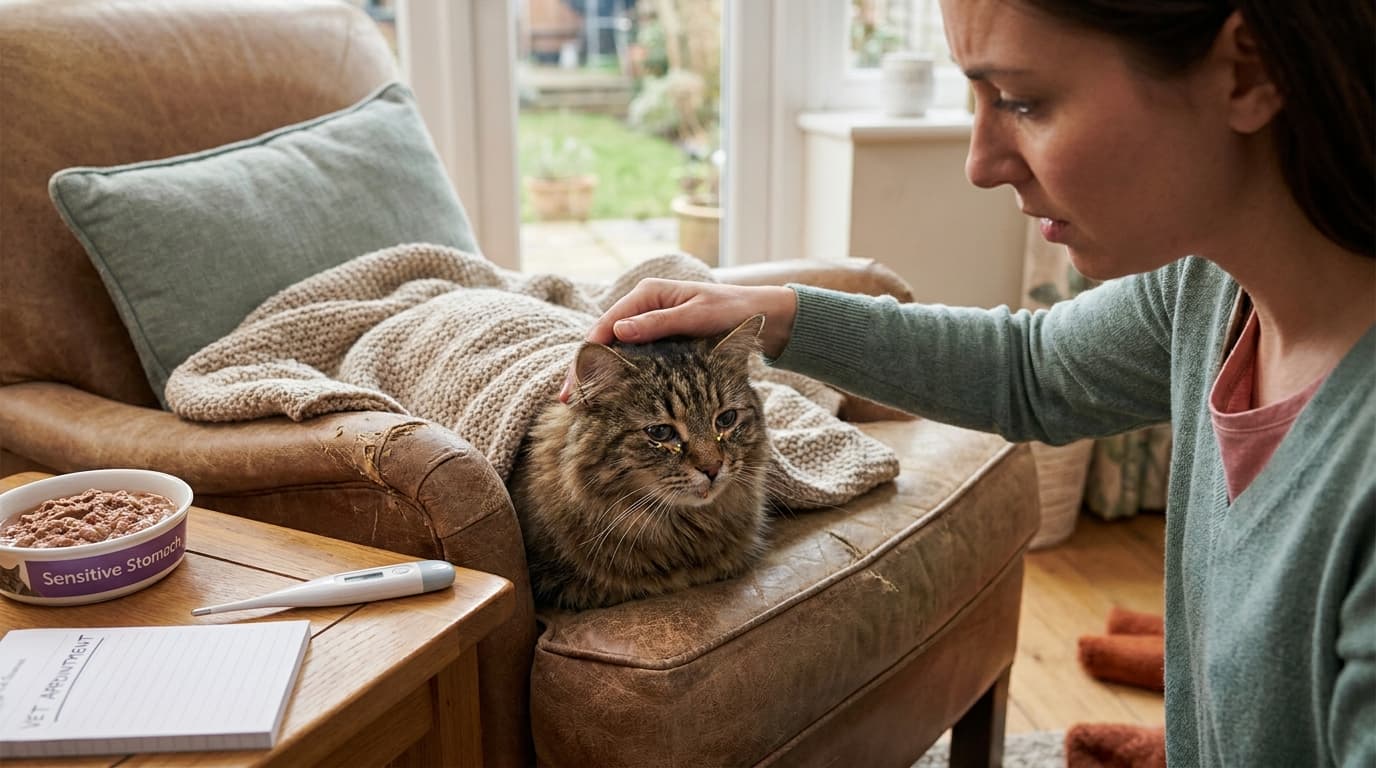
So you’ve just brought your cat home from the vet, and they’ve headed straight for the back of the closet. Is that normal? Most of the time, a sleepy or slightly sore cat is nothing to worry about. Their body is busy processing the FVRCP vaccine - that’s the big one for respiratory and digestive health - and building up a defense. Think of it like the groggy feeling you get after a heavy lunch or a flu shot; it’s just their immune system getting to work and learning how to protect them.
However, you need to know the red flags. If your cat starts wheezing, develops hives, or shows significant swelling around the face, that’s a 'call the vet now' situation. While reactions are rare, they can be serious. This is why many owners worry about over-vaccinating, especially with diseases like Feline Leukemia (FeLV). Even though FeLV is incredibly dangerous - statistically, 85% of infected cats don't make it past three years even with treatment - we still want to be smart about how often we poke them.
The trend in modern vet care is shifting toward a lifestyle-based approach. Instead of a rigid yearly schedule, many experts now look at individual risk factors. In Texas, for example, the law is clear about Rabies shots by four months of age followed by a booster a year later. But for an indoor cat, a three-year booster for other core vaccines might be plenty. It’s about keeping them safe from random risks, like a bat getting into the attic or an accidental escape, without overdoing the medical interventions.
What if you could skip the shot entirely? That’s where titer testing comes in. Instead of just giving a booster, the vet checks your cat’s blood to see if they still have enough antibodies to stay protected. It sounds like the perfect solution for people worried about side effects, but it hasn't quite gone mainstream yet for one big reason: the cost. These tests are almost always more expensive than the vaccine itself.
While you can find a Rabies shot for as little as $10 at some low-cost clinics, a titer test involves detailed lab work that adds up fast. Most experts agree that titering makes the most sense for older cats or those with sensitive health histories who might react poorly to another injection. For a young, healthy indoor cat, it’s often just extra work for the same result. It’s a great tool to have in the kit, but for many owners, the standard schedule remains the most practical path to safety.
Key insights:
- Most post-vaccine lethargy is just the immune system doing its job, not a cause for alarm.
- Vets are moving toward three-year booster schedules for adult indoor cats to prevent over-vaccination.
- Titer testing is a great way to check immunity levels but often costs significantly more than the vaccines themselves.
- Even indoor cats need core shots because local laws often require rabies protection and indoor environments aren't 100% risk-free.
The Truth About Titer Testing
Ever wonder if your cat actually needs another round of shots? That is where titer testing comes in. It is a blood test that checks for antibodies to see if your pet is still protected against diseases like FVRCP. Think of it as a status report for their immune system.
But here is the catch. Titer tests are usually much more expensive than the vaccines themselves. While they are a great way to avoid over-vaccination, the high cost makes them a bit impractical for many pet owners. For most healthy cats, a low-cost vaccine is often the simpler path.
So when does a titer test actually make sense? They are perfect for cats with a history of bad vaccine reactions or those with sensitive health issues. Modern vets are moving away from rigid schedules anyway, so a titer test helps create a plan that fits your cat's unique life without unnecessary stress.
Key insights:
- Titer tests measure existing immunity but often cost more than the vaccine itself.
- These tests are best for cats with medical conditions or past vaccine sensitivities.
- Vets use these results to move toward personalized care rather than one-size-fits-all schedules.
Wrapping It Up: Your Kitty's Long-Term Health
At the end of the day, your cat is an individual, not a checklist. We are seeing a big shift in vet medicine away from those old one-size-fits-all schedules. Instead, experts like Dr. Cory Waxman suggest tailoring shots to your pet's specific lifestyle and health. This matters because an indoor cat in a high-rise has very different risks than a porch-sitter in a rural area.
It is easy to get lost in internet forums, but an honest talk with your vet is always better than a generic online guide. They know the local laws, like how Texas requires a Rabies shot by four months old. They also understand the stakes, noting that 85% of cats with Feline Leukemia die within three years. While titer tests can check immunity, they are often too expensive for most of us. So, stick to the core basics and customize the rest.
Keeping your furry friend safe for years to come does not have to be a headache. Focus on personalized care and stay flexible as they age. Your kitty relies on you to make the right calls, so keep it simple, stay informed, and enjoy the purrs.
Key insights:
- Modern veterinary care is moving toward lifestyle-based risk assessments rather than rigid annual schedules.
- Core vaccines like Rabies are often legal requirements, regardless of whether your cat stays indoors.
- Personalized care plans help avoid over-vaccination while protecting against high-mortality risks like FeLV.
Frequently Asked Questions
Honestly, it really is. Even if your cat never sets a paw outside, FVRCP is what vets call a core vaccine because it protects against some pretty nasty stuff like Feline Distemper and respiratory infections. Think of it as the basic toolkit for your cat health. As the experts at Wixbio put it, this vaccine is the first line of defense for every cat, regardless of their lifestyle.
Here is the thing most people miss: you can actually bring some of these germs into the house yourself on your clothes or shoes. Plus, there is always the chance of a sneaky bat getting into the house or your cat making a quick dash for the door. It is much better to have that protection ready just in case than to risk a life-threatening illness.
This one depends a bit on where you live and which specific vaccine your vet uses, but there is a standard path most owners follow. Usually, kittens get their first shot by 4 months of age, followed by a booster exactly one year later. After that, you are typically looking at a booster every one to three years.
In places like Texas, the law is very specific about that first one-year booster. But the good news is that for adult cats, the trend is moving toward three-year boosters whenever possible. This helps maintain immunity without over-vaccinating your pet. Just keep in mind that even if your cat stays inside, many cities still legally require them to be up to date on their Rabies shots.
First off, try not to worry too much because most reactions are very mild. It is pretty normal for your cat to be a little sleepy or have a tiny bit of soreness where they got the poke. If they are just napping more than usual, they probably just need some quiet time to bounce back.
But you should definitely call your vet right away if you notice anything more serious. If your cat starts vomiting, gets hives, or seems to have a hard time breathing, that is an emergency. While these things do not happen often, it is always better to have a professional take a look just in case. Most of the time, any minor discomfort will fade away within a day or two.
You might be able to skip it, but it really depends on your cat's specific lifestyle. The Feline Leukemia vaccine is usually for cats that go outside or live with other cats who do. However, if there is even a small chance your kitty could slip out the door or if you plan on fostering other cats, your vet might still suggest it. This is because FeLV is very serious, and about 85 percent of cats who catch it die within three years.
Also, remember that being an indoor cat doesn't mean skipping all vaccinations. You still need core shots like Rabies and FVRCP. Even if your cat never leaves the house, things like bats can get inside and carry Rabies. Plus, you can actually bring certain germs home on your own clothes or shoes without even knowing it. It is all about finding the right balance of protection for your pet's specific risks.
Conclusion
So, where does this leave your favorite couch potato? It is tempting to think your home is a perfect shield, but the reality is a bit more layered. Staying current with the FVRCP vaccine for cats and a sensible cat vaccination schedule is about building a safety net for those weird just in case moments. These simple shots turn big health risks and potential rabies vaccine side effects into minor worries.
The goal is to find a balance that fits your cat's life and indoor cat vaccine requirements. You might ask about titers testing for cats to see if they already have enough immunity before agreeing to every booster. Every cat is an individual, so their medical plan should be too. Your next move is easy. Check your records and have a relaxed talk with your vet about a plan that makes sense for your cat.
A few quick pokes are a small price to pay for years of head bumps and midnight zoomies. Keeping your indoor hunter protected means they can focus on their most important job, which is usually napping in a sunbeam.
Send it to someone who should read it next.

PurrScript Editorial Team
Editorial Team
PurrScript's in-house editorial team. We research, write, and review every guide using established veterinary and behavioral resources, and update articles as best practices evolve.
View all articles