Essential Cat Care: Why Senior Cats Cry, Fast Breathing, and Dental Tips
Senior cats develop predictable, treatable health changes — and behavioral signals like nighttime crying, altered feeding behavior, and elevated resting breathing rate are the earliest indicators. This guide explains what each signal means and when it requires emergency care versus management.

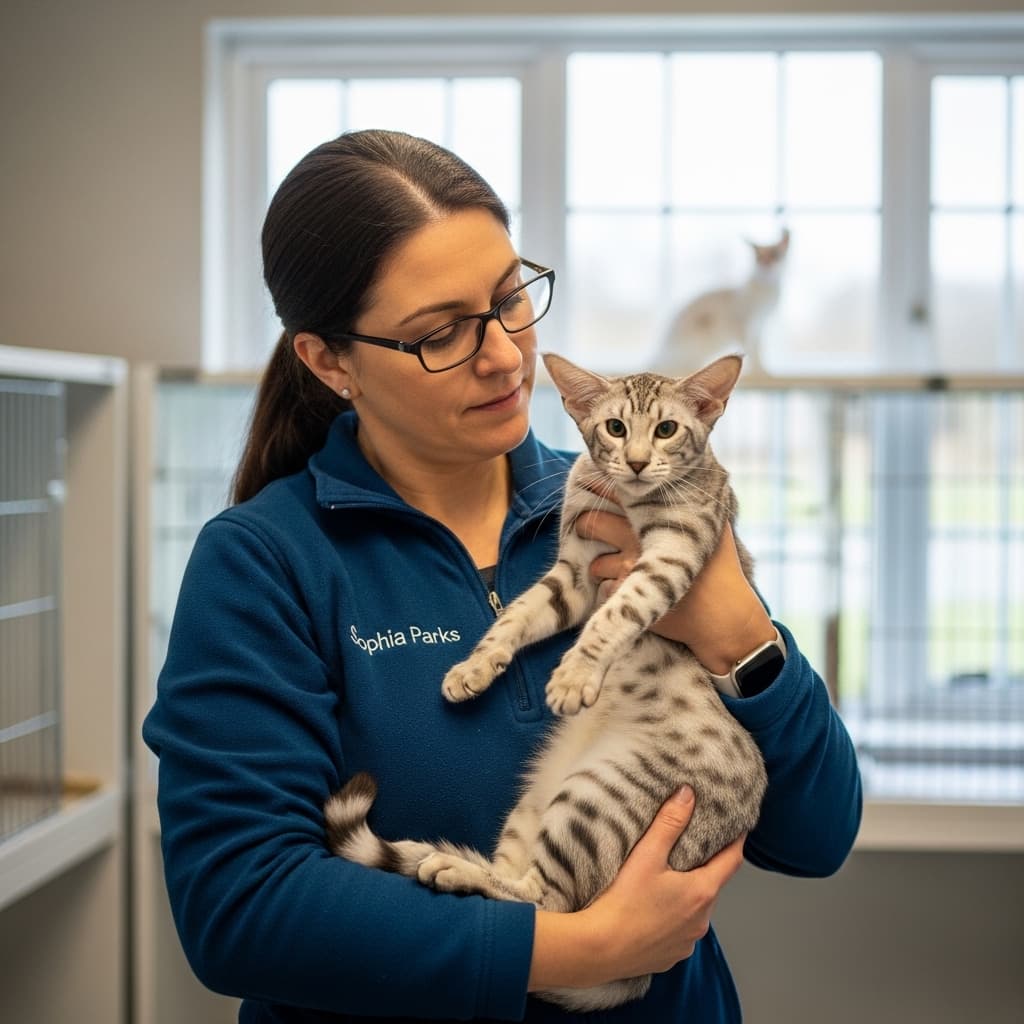
Sophia Parks
Breed Specialist & Breeder
Essential Cat Care: Why Senior Cats Cry, Fast Breathing, and Dental Tips
Senior cats develop specific, predictable health challenges as they age — and the behavioral changes that signal these challenges are often the first observable indicators, appearing before any physical sign that would be obvious during a routine examination. A senior cat crying at night, breathing faster at rest than usual, showing reluctance at the food bowl, or accepting less handling around the face is communicating something specific through each of these changes. Recognizing what each signal means, and knowing when it requires same-day emergency care versus a scheduled vet appointment versus environmental management, is the practical knowledge this guide develops.
The five care topics covered here — nighttime vocalization, dental abscess recognition, home dental care, fast resting breathing, and sensitive stomach food selection — are interconnected in ways that matter for senior cat health. Untreated dental disease produces bacteremia that damages cardiac and renal tissue, which contributes to the heart conditions that produce elevated resting respiratory rate. Chronic low-grade oral pain produces the behavioral changes — reduced food interest, facial handling avoidance, irritability — that owners sometimes attribute to cognitive decline. Adequate nutrition and hydration through appropriate wet food supports kidney and digestive function that affects every other health parameter. Understanding these connections changes how you prioritize and manage each issue.
Senior cat care is not primarily about responding to crises; it is about establishing monitoring habits that catch changes early enough for management to be effective. Most of the conditions covered in this guide are significantly more manageable when identified at early stages than when discovered after symptoms are already advanced. The guide is therefore as much about what to watch for and how to watch for it as about what to do when problems appear.
One consistent principle: behavioral changes in senior cats are clinical signals requiring assessment, not personality shifts requiring acceptance. A cat that has changed in observable ways — more vocalization, altered eating behavior, reduced activity, changed breathing pattern — is communicating something worth investigating. The most common error in senior cat care is attributing specific, assessable behavioral changes to vague aging rather than identifying the treatable cause.
Why Is My Senior Cat Crying at Night?
Nighttime vocalization in senior cats has a differential diagnosis that spans from behavioral to neurological to cardiovascular, and identifying the likely cause determines both the urgency and the appropriate response. The ASPCA documents Feline Cognitive Dysfunction Syndrome (FCDS) affecting over 55 percent of cats aged 11 to 15 and approximately 80 percent of cats aged 16 to 20 — making it the most prevalent health condition in senior cats by prevalence data, and the condition most commonly driving nighttime vocalization in cats this age. FCDS is the feline equivalent of Alzheimer's disease: progressive neurodegeneration that produces disorientation, altered sleep-wake cycles, reduced recognition of familiar environments, and the sundowning pattern — worsening confusion as ambient light decreases — that produces the distressed nighttime calling owners describe.
Systemic hypertension is the second most common cause of sudden-onset nighttime vocalization in senior cats and is critically important to identify because it is both common and treatable, and because untreated hypertension causes irreversible retinal damage (hypertensive retinopathy producing sudden blindness), neurological damage, and cardiac and renal consequences. A cat that begins yowling suddenly, shows apparent disorientation, seems to be bumping into objects, or has pupils that do not respond normally to light changes may be experiencing acute hypertensive retinopathy. This is an urgent presentation — same-day veterinary contact is appropriate, and blood pressure measurement is a non-invasive test that takes minutes.
Pain is the third major cause of nighttime vocalization, and dental disease is the most common pain source that produces predominantly nocturnal symptoms. Cats with oral pain often show behavioral changes most prominently during feeding times and at night when normal protective behaviors relax slightly. The connection to dental disease matters because it means managing the nighttime crying may require identifying and treating oral pain rather than managing cognitive dysfunction — and these are different interventions. A senior cat with both FCDS and dental pain has two separate problems, and treating only one produces incomplete improvement.
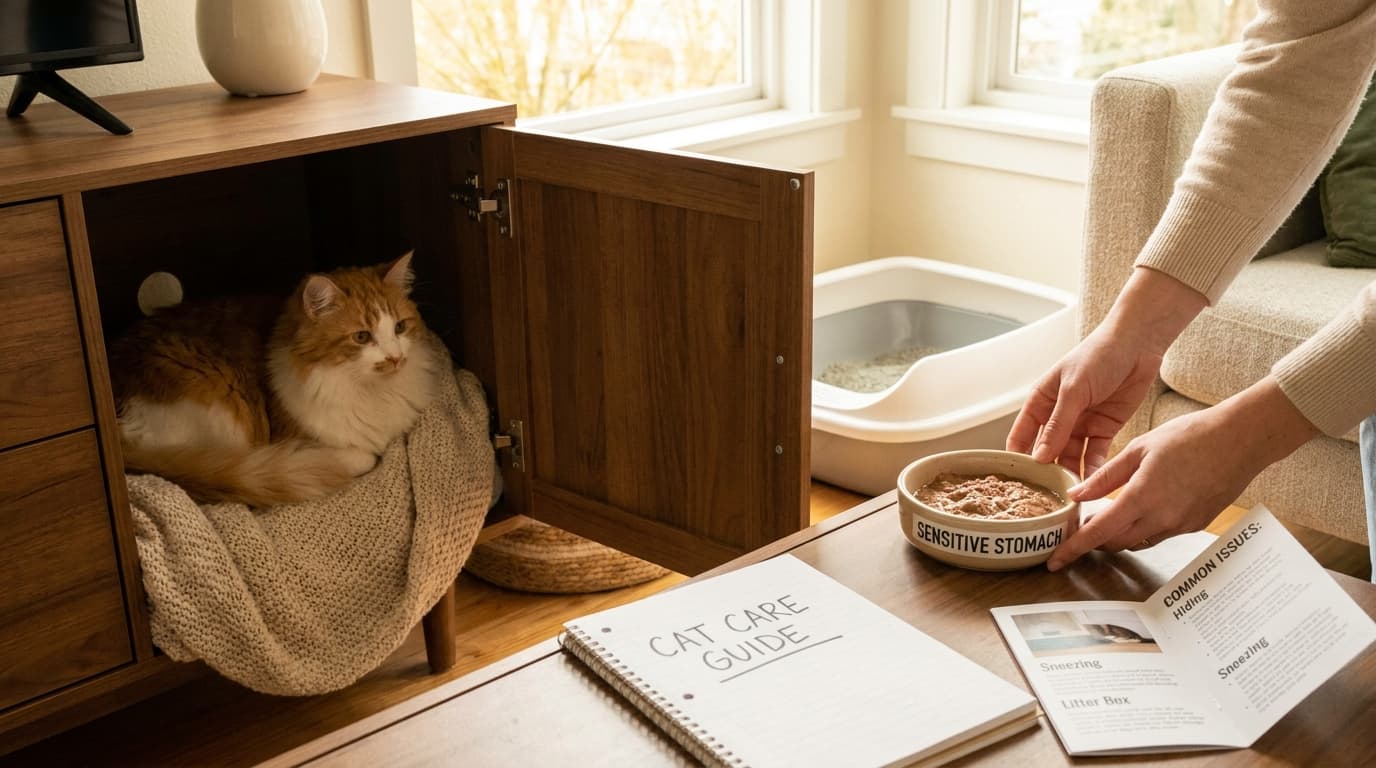
Environmental modifications that reduce FCDS-associated nighttime distress have good evidence for effectiveness. Nightlights along the routes the cat uses most frequently — between sleeping areas, the litter box, and food and water — reduce the spatial disorientation that worsens in low light and drives the most distressing vocalizations. Keeping furniture, litter box locations, and feeding stations in consistent positions eliminates the spatial problem-solving that a cognitively compromised cat may no longer be able to perform reliably. A heated orthopedic sleeping surface near the owner's sleeping area addresses both the comfort needs of an arthritic cat and the proximity needs of a cat experiencing social anxiety from cognitive changes.
Selegiline (Anipryl) is the medication with the most established evidence base for FCDS symptom management in cats — it is approved for cognitive dysfunction in dogs and used off-label in cats with clinical improvement documented in case series. It is most effective when initiated early in the course of FCDS rather than after significant progression, which is an argument for discussing it with your vet at the first signs of cognitive change rather than waiting for symptoms to become severe. Omega-3 fatty acid supplementation at appropriate feline doses has supporting evidence for maintaining cognitive function and reducing inflammatory mediators associated with neurodegeneration.
**Key insights:
- Request blood pressure measurement at any vet visit for a senior cat with new-onset nighttime vocalization — hypertension is common, treatable, and can cause sudden vision loss that is entirely preventable.
- Distinguish sundowning pattern (confusion worse at night, better in daytime) from continuous distress — sundowning is more consistent with FCDS, while constant distress regardless of time suggests pain.
- Install nightlights along the cat's primary navigation routes — litter box, food, water — and keep all these locations in consistent positions.
- Ask your vet specifically about selegiline for FCDS management — it is most effective when started early in the cognitive decline trajectory.
- Evaluate for dental pain as a concurrent cause of nighttime distress — FCDS and oral pain frequently coexist, and both need to be addressed for full symptom management.
Feline Cognitive Dysfunction: What It Is and What the Numbers Mean
The ASPCA prevalence figures — 55 percent of cats aged 11-15, 80 percent of cats aged 16-20 — place FCDS among the most prevalent health conditions in geriatric cats, yet it is dramatically underdiagnosed. The primary reason is owner attribution: the behavioral changes of FCDS (increased vocalization, altered sleep-wake cycle, spatial disorientation, changed social behavior) are consistently attributed to normal aging rather than recognized as symptoms of a specific, assessable neurological condition. This attribution matters because FCDS is not untreatable — environmental modification, pharmaceutical management, and dietary support can meaningfully improve quality of life and slow progression when initiated appropriately.
The specific behavioral pattern that most reliably distinguishes FCDS from other causes of behavioral change: the sundowning pattern (marked worsening in the evening and night), spatial disorientation in familiar environments (getting stuck in corners, appearing confused about the location of familiar objects), altered recognition of household members or the home environment, and changes in learned behaviors (forgetting previously reliable litter box use). These behavioral changes together represent a recognizable clinical syndrome rather than diffuse 'acting old.'
**Key insights:
- Recognize the sundowning pattern — confusion specifically worsening in the evening — as a characteristic FCDS indicator worth discussing with your vet.
- Keep a simple behavioral log noting changes in litter box reliability, navigation, sleep-wake pattern, and vocalization — this provides the specific data that enables veterinary assessment.
- Initiate environmental support (nightlights, consistent furniture placement, heated bed near owner's sleeping area) at the first sign of nighttime disorientation — these interventions are low-cost and can begin immediately.
Spotting the Signs of Dental Abscess in Cats
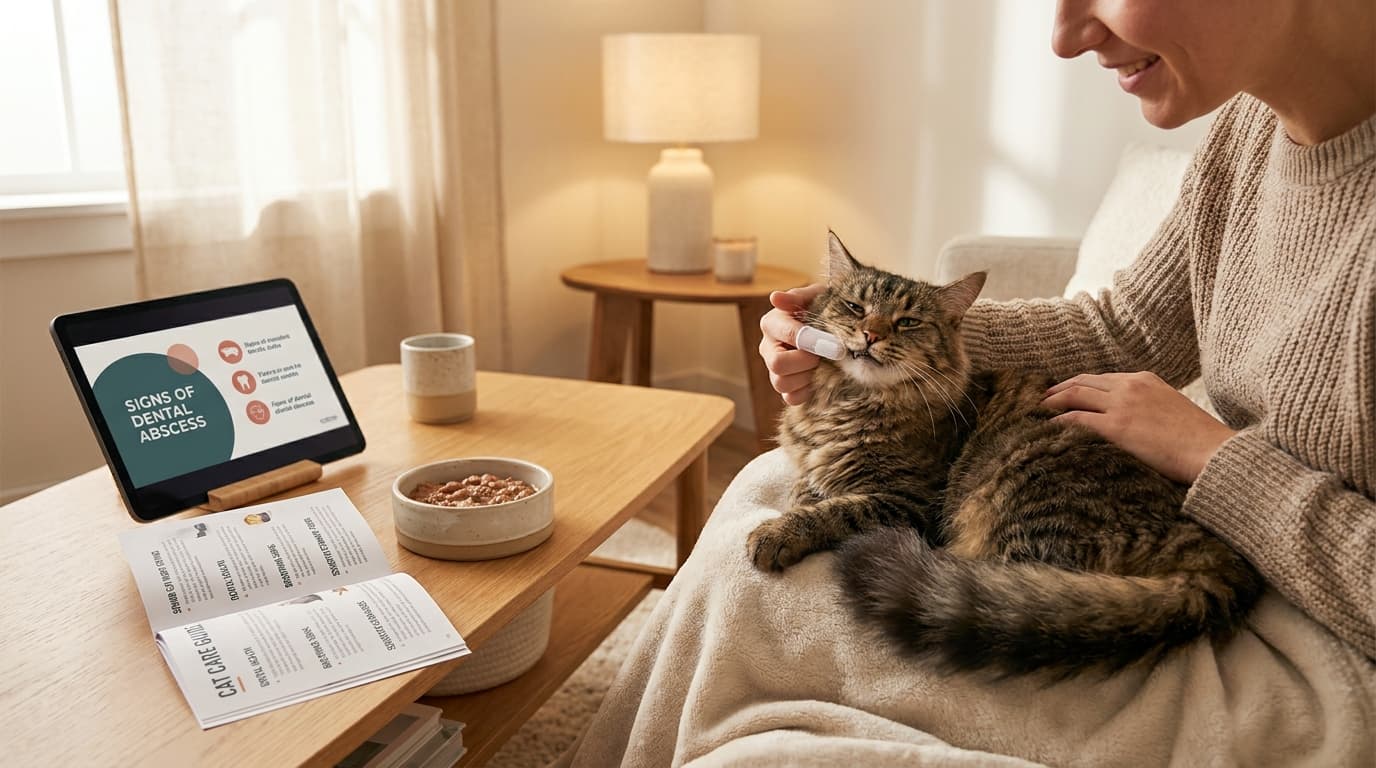
Dental abscesses in cats develop when periodontal disease progresses beyond gum inflammation to active bacterial infection in the periapical tissue — the tissue at the root tip and surrounding bone. The bacteria involved are predominantly anaerobic gram-negative species that produce toxins damaging to local tissue and, when bacteremia occurs through inflamed gum tissue, potentially damaging to distant organs. The cardiac and renal consequences of chronic bacteremia from untreated dental disease in cats are clinically documented — chronic kidney disease and hypertrophic cardiomyopathy are both significantly associated with periodontal disease in older cats, which is why dental care is not primarily a cosmetic concern.
The specific behavioral signs of dental abscess that precede the visible physical signs most owners recognize. The most sensitive early behavioral indicator is a change in feeding behavior: a cat that approaches food with normal enthusiasm but then hesitates, drops individual pieces, chews asymmetrically on one side, or walks away from a full bowl it was clearly interested in a moment before is displaying the 'can-opener response without eating' that reliably indicates oral pain. The cat is hungry but the act of chewing produces pain. This behavioral pattern — food interest without food completion — is more specific to dental pain than general appetite reduction, which occurs in many conditions.
Visible physical signs of dental abscess include: swelling of the face, particularly below the eye (indicating upper premolar or molar root abscess, which drains upward through the bone toward the facial tissue), or along the jaw margin for lower teeth. Draining tracts — small openings in the skin overlying a dental root — occasionally form and appear as small wet spots or crusting on the facial skin. Halitosis that has a specifically putrid, necrotic quality rather than normal food-related or mild bacterial odor indicates tissue destruction in the oral cavity consistent with abscess. Gum tissue that appears bright red, swollen, or receding, or gum margins that bleed when touched, indicate active periodontal inflammation.
A specific note on anesthesia and age: the most common reason owners decline dental treatment for senior cats is anesthetic risk concern. Current veterinary anesthetic protocols for senior cats, with appropriate pre-anesthetic blood work, blood pressure monitoring, IV fluid support, and careful monitoring, make elective dental procedures under anesthesia manageable at far older ages than the concern suggests. An untreated dental abscess causing chronic bacteremia, systemic inflammation, and daily pain carries its own significant health risk that must be weighed against anesthetic risk. Most veterinary internal medicine specialists consider the cumulative risk of untreated dental disease in a senior cat to be greater than the risk of properly managed anesthesia.
**Key insights:
- Watch for the 'interested but unable to complete a meal' feeding pattern — this is more specific to dental pain than general appetite reduction.
- Check for facial swelling below the eye or along the jaw — these locations correspond to specific tooth root positions and indicate abscess that requires veterinary treatment.
- Assess breath odor during regular handling — putrid or necrotic odor is a different quality from normal cat breath and indicates active tissue destruction.
- Do not allow anesthesia concern to delay necessary dental treatment in senior cats — properly managed anesthesia in a pre-screened senior cat carries lower risk than chronic dental disease and bacteremia.
- Schedule professional dental examination annually from age 7 — the progression from manageable periodontal disease to abscess takes time, and earlier-stage treatment is both less expensive and less medically complex.
How to Clean Cat Teeth at Home Without the Stress
Home dental care for cats is most effective as a prevention strategy rather than a treatment strategy — it reduces the rate of plaque accumulation and bacterial recolonization between professional cleanings, rather than replacing professional care. The distinction matters because many owners initiate home brushing after a cat has already developed significant periodontal disease and expect it to resolve the problem. Home brushing does not clean below the gumline, where the bacteria causing periodontal disease proliferate. Professional scaling under anesthesia accesses these subgingival areas that home tools cannot reach.
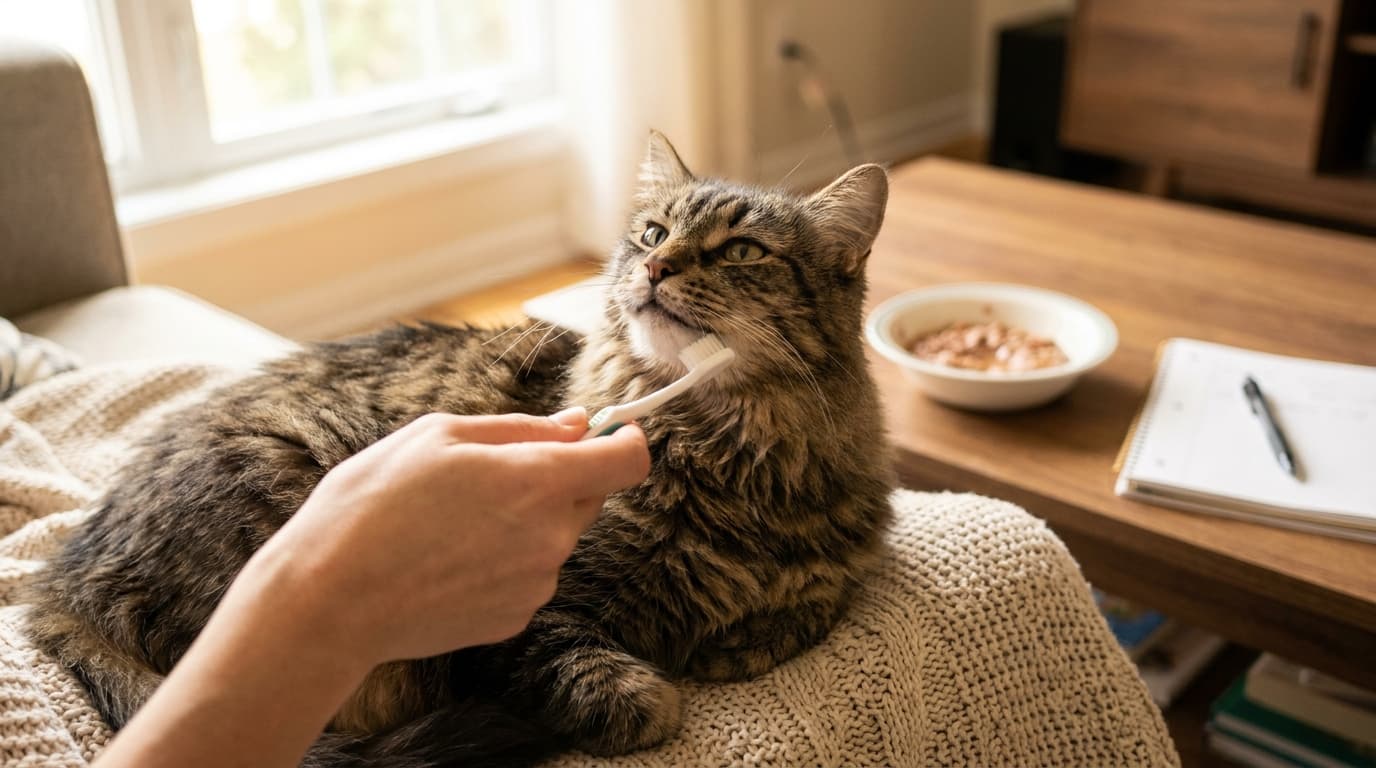
The behavioral foundation for successful home dental care is desensitization — a gradual systematic process of increasing the cat's tolerance for oral handling before any brushing tool is introduced. The error that produces the scratched arms and abandoned toothbrushes most owners experience is compressing this desensitization phase or skipping it entirely. A cat that has never been handled around the mouth cannot be immediately expected to accept a toothbrush. Desensitization moves through incremental stages: first, accustoming the cat to having the lips gently touched during a positive interaction; then, brief contact with the gum line; then, introducing the taste of the toothpaste on a finger; then, using a soft finger brush with minimal pressure; finally, progressing to a toothbrush with full coverage. Each stage requires no resistance from the cat before progressing.
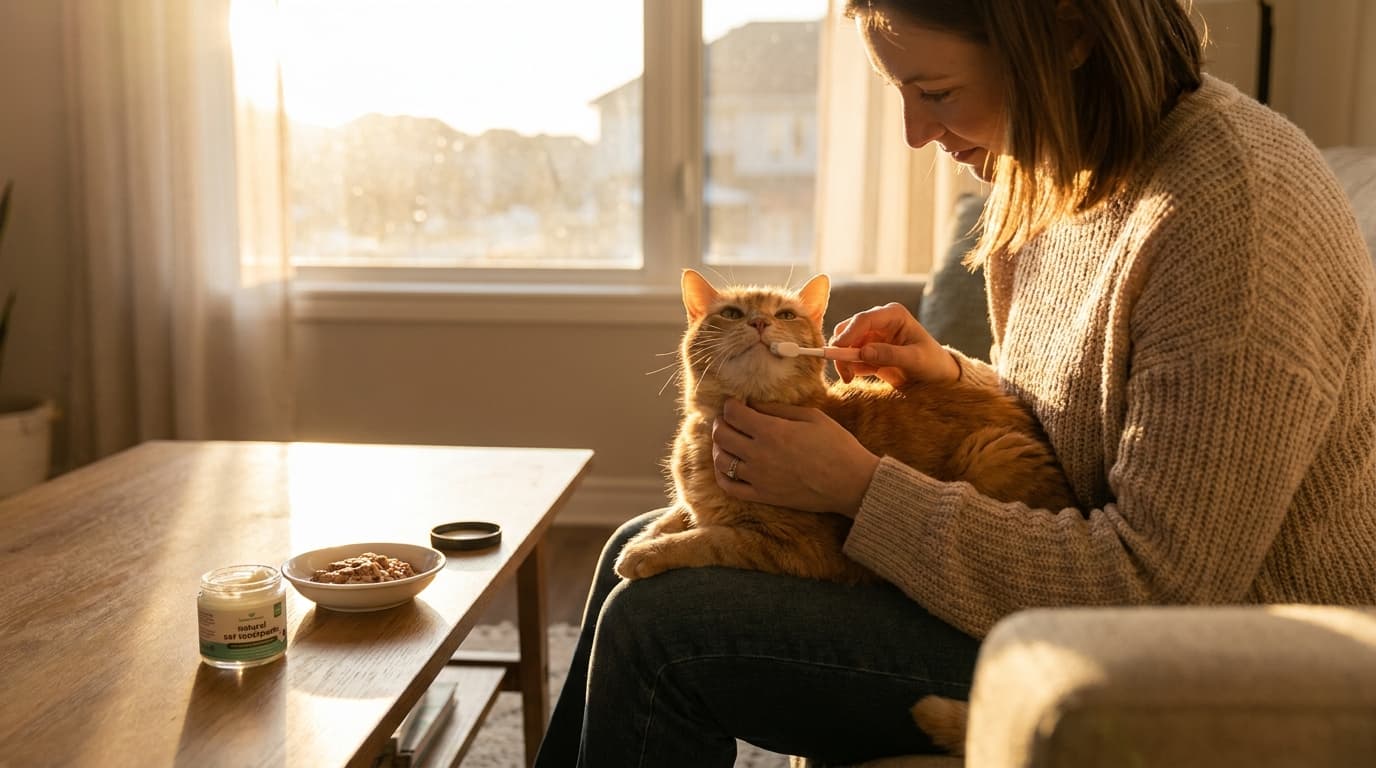
Product selection matters specifically: only cat-specific enzymatic toothpaste should be used. Human toothpaste contains fluoride at concentrations toxic to cats when ingested, and xylitol-containing products are acutely toxic. Enzymatic toothpastes designed for cats contain glucose oxidase and lactoperoxidase systems that work with saliva to reduce oral bacterial load even when mechanical brushing is imperfect — making them effective even in cats who only partially tolerate brushing. The flavoring in these products (poultry, tuna, beef) serves the practical purpose of making the cat approach the paste as food rather than avoid it as an aversive substance.
For cats that will not accept brushing despite systematic desensitization attempts, alternative products provide partial benefit: water additives containing chlorhexidine or zinc gluconate reduce bacterial load in the saliva; dental diets formulated with specific fiber orientations that require significant chewing provide mechanical plaque reduction; dental treats with established efficacy (Veterinary Oral Health Council seal) provide supplementary reduction between professional cleanings. None of these fully replaces brushing, but they are meaningfully better than no home care for cats where brushing is not achievable.
**Key insights:
- Begin desensitization with lip and gum touching during positive interactions, weeks before introducing any brushing tool — compressing this phase is the primary reason home dental routines fail.
- Use only enzymatic toothpaste specifically formulated for cats — human toothpaste contains fluoride and potentially xylitol, both toxic when ingested.
- Aim for daily brushing, but three to four times weekly provides meaningful benefit — consistency matters more than perfect technique in every session.
- Stop the session immediately at any sign of stress and end on a positive note — a session that ends badly creates aversion that makes future sessions harder.
- For cats that will not accept brushing, use VOHC-approved dental treats or water additives as partial alternatives — some benefit is better than none.
Why Is My Cat Breathing Fast While Resting?
Normal resting respiratory rate in cats is 16 to 30 breaths per minute, measured while the cat is asleep or in deep rest. A consistent rate above 30 at rest is a clinical threshold warranting same-day veterinary contact. A rate above 40 at rest is an emergency threshold. Open-mouth breathing at rest is unconditional emergency regardless of the measured rate. These specific numbers exist because resting respiratory rate is one of the most reliably measurable home monitoring parameters for cats, and knowing them converts a vague concern ('seems to be breathing more') into an actionable clinical finding.
The conditions producing elevated resting respiratory rate in senior cats are primarily cardiac and pleural. Hypertrophic cardiomyopathy (HCM) — the thickening of cardiac muscle walls that impairs filling — is the most common cardiac disease in cats and produces left-sided heart failure in advanced stages. When the left ventricle cannot adequately empty, pressure backs up into the pulmonary circulation and fluid accumulates in the lung tissue (pulmonary edema) or in the pleural space surrounding the lungs (pleural effusion). Both conditions reduce functional lung capacity and drive compensatory increases in respiratory rate. HCM in senior cats is sufficiently common that it should be considered in any senior cat with elevated resting respiratory rate until cardiac evaluation excludes it.
The connection between dental disease and respiratory changes is clinically significant and worth understanding. Periodontal bacteremia introduces bacterial emboli into the systemic circulation. In the cardiac context, these emboli can colonize the mitral valve and produce bacterial endocarditis, which damages valve function and accelerates cardiac dysfunction. In a senior cat with both dental disease and elevated resting respiratory rate, treating the dental disease is part of the cardiac management, not a separate concern.
The method for accurate resting respiratory rate measurement: observe the cat during sleep or deep rest (not just lying down — the cat should be unaware of being observed for an accurate count). Count the number of times the chest wall rises over 30 seconds and multiply by two for breaths per minute. Video recording a 30 to 60 second clip of the breathing to show a vet is more informative than a verbal description and allows the vet to assess not just rate but breathing effort and pattern. Establishing a personal baseline for your individual cat during a clearly healthy period allows deviations to be recognized more reliably — if your cat normally rests at 18 breaths per minute and you count 28, that deviation may be more clinically meaningful than if a cat's unknown baseline is simply below the 30 threshold.
**Key insights:
- Learn to count resting respiratory rate and establish a personal baseline for your cat — count chest rises for 30 seconds during sleep and multiply by two.
- Contact your vet same-day for any resting rate consistently above 30 breaths per minute.
- Transport immediately to emergency care for any open-mouth breathing at rest, blue or gray gum color, or resting rate consistently above 40.
- Record a 30 to 60 second video of the breathing to bring to the vet appointment — video is more informative than description for assessing effort and pattern.
- Maintain dental health as part of cardiac risk management in senior cats — periodontal bacteremia contributes to the cardiac damage that produces respiratory changes.
Finding the Best Wet Food for Sensitive Stomachs in Senior Cats
Digestive sensitivity in senior cats has a different underlying profile than in younger cats, and the distinction affects food selection. In younger cats, food sensitivity is most often driven by dietary intolerance or allergy to specific protein sources or additives. In senior cats, sensitivity is more frequently driven by reduced digestive capacity — declining enzymatic function, reduced gastric motility, and changed intestinal microbiome composition that make the gut less tolerant of the same foods that were well-tolerated earlier in life. Both presentations benefit from simplified, highly digestible wet food, but the specific mechanism matters because it determines whether the primary intervention is eliminating specific triggers (younger cats) or improving overall digestibility (senior cats).
Wet food as the primary diet format for senior cats is recommended by most veterinary internal medicine specialists for reasons beyond sensitive stomach management. Senior cats are at elevated risk for chronic kidney disease (CKD), which is significantly more common in cats than in dogs and which can be meaningfully slowed through adequate hydration. Cats evolved as desert hunters with a low thirst drive, and their bodies are designed to obtain most hydration from prey tissue. A cat on primarily dry food subsisting on voluntary water drinking is chronically below its optimal hydration level in a way that a cat on wet food is not. For a senior cat already with reduced kidney reserve, this hydration difference is not trivial.
The specific food characteristics that benefit senior cats with digestive sensitivity: high moisture content (minimum 70 percent), highly digestible animal protein as the primary ingredient (named protein sources — chicken, turkey, salmon — rather than by-products or plant proteins in primary positions), minimal or no grain filler, and absence of artificial colors, flavors, and preservatives. Limited-ingredient formulations reduce the number of potential dietary triggers and simplify identification of any specific problematic component. Novel protein sources — rabbit, venison, duck, kangaroo — are useful when a sensitivity to common proteins like chicken or beef has been identified, because they avoid the sensitization that prior repeated exposure may have established.
Food transition speed is among the most common causes of digestive upset in cats that is attributed to food sensitivity when it is actually a transition problem. Any food change, regardless of the quality or appropriateness of the new food, produces intestinal microbiome disruption and osmotic diarrhea if conducted too rapidly. The standard transition protocol — 75 percent current food and 25 percent new for three days, then 50/50 for three days, then 25 current and 75 new for three days, then 100 percent new — allows microbiome adaptation and prevents the diarrhea that is otherwise consistent across cats during abrupt dietary change. Many owners conclude that a well-chosen new food 'caused' diarrhea when the cause was the transition speed.
**Key insights:
- Choose wet food as the primary diet format for senior cats — adequate hydration through diet directly protects kidney function in a species with low voluntary water intake.
- Look for limited-ingredient formulations with named animal proteins in the first position — simplicity reduces trigger probability and makes identification of specific sensitivities more tractable.
- Transition any food change over a minimum of seven days — diarrhea from abrupt transition is commonly mistaken for food intolerance.
- Consider a novel protein source (rabbit, venison, duck) if sensitivity to common proteins has been identified — these avoid previously established immune sensitizations.
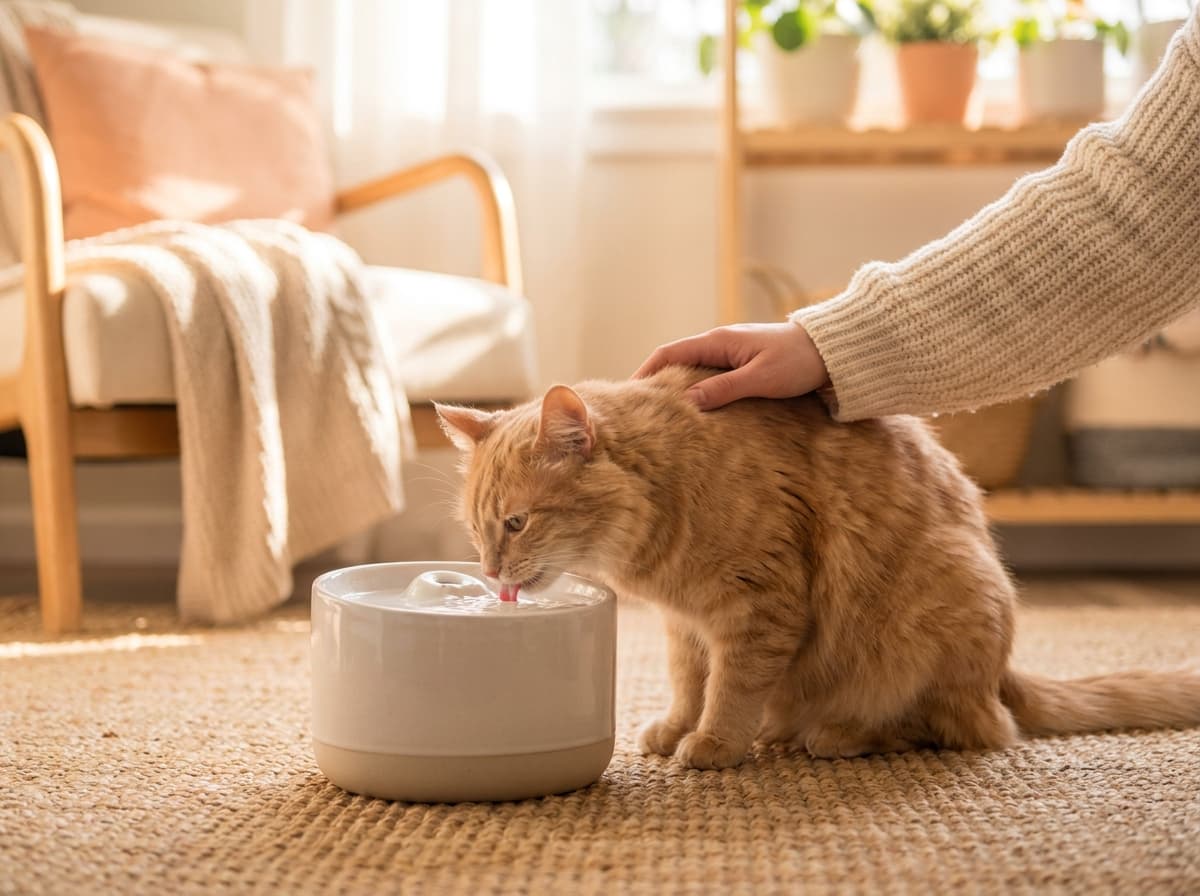
- Use a water fountain in addition to wet food — moving water encourages additional voluntary intake in cats who may not approach still water bowls consistently.
Frequently Asked Questions
Conclusion
The behavioral changes in senior cats that this guide covers — nighttime vocalization, altered feeding behavior, elevated resting respiratory rate, declining tolerance for oral handling — are all informative signals rather than inevitable consequences of aging to be managed passively. Each of these changes has specific, identifiable causes with specific, available treatments. The quality of life a senior cat experiences in its final years depends substantially on whether these signals are recognized as clinical indicators and assessed accordingly, or attributed to normal aging and accepted without investigation.
The practical foundation for senior cat care is monitoring that is systematic enough to detect changes from individual baseline. Learn to count your cat's resting respiratory rate. Check gum tissue and breath odor during regular handling. Note changes in feeding behavior — particularly the 'interested but unable to complete' pattern that suggests oral pain. Observe sleeping location preferences and nighttime activity patterns. These observations, done informally during normal daily interactions, provide the early warning that transforms a developing problem into a manageable one.
Two structural investments that pay consistent dividends: semi-annual veterinary examinations from age 10 onward, including bloodwork, blood pressure measurement, and dental assessment; and the establishment of home dental care as a routine before significant periodontal disease develops. The dental care piece is easier than most owners expect when the desensitization process is approached incrementally — starting with lip and gum touching during relaxed interactions, progressing to enzymatic toothpaste on a finger brush, building toward daily brushing over weeks rather than days. A cat that has never been handled around the mouth and is approached with a full toothbrush will reject it. A cat worked through the desensitization sequence will accept it as routine. The difference is the approach, not the cat. Senior care is, at its core, a long-term monitoring practice combined with consistency in the small daily habits that keep each organ system functioning as well as possible for as long as possible.
Send it to someone who should read it next.
About the author
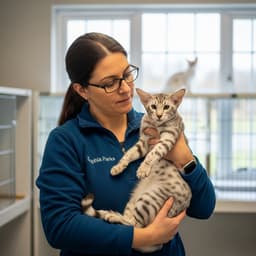
Sophia Parks
Breed Specialist & Breeder
Registered cat breeder and judge with deep expertise in pedigreed breeds and breed standards worldwide.
View all articles