Feeding Your Tiny Tiger: What Actually Matters for Kitten Growth
Did you know a kitten can double its weight in just a few weeks? It feels like you blink and that tiny, sleepy puffball is suddenly a high-energy explorer tearing...

Oliver Chen
Cat Rescue Advocate
Feeding Your Tiny Tiger: What Actually Matters for Kitten Growth
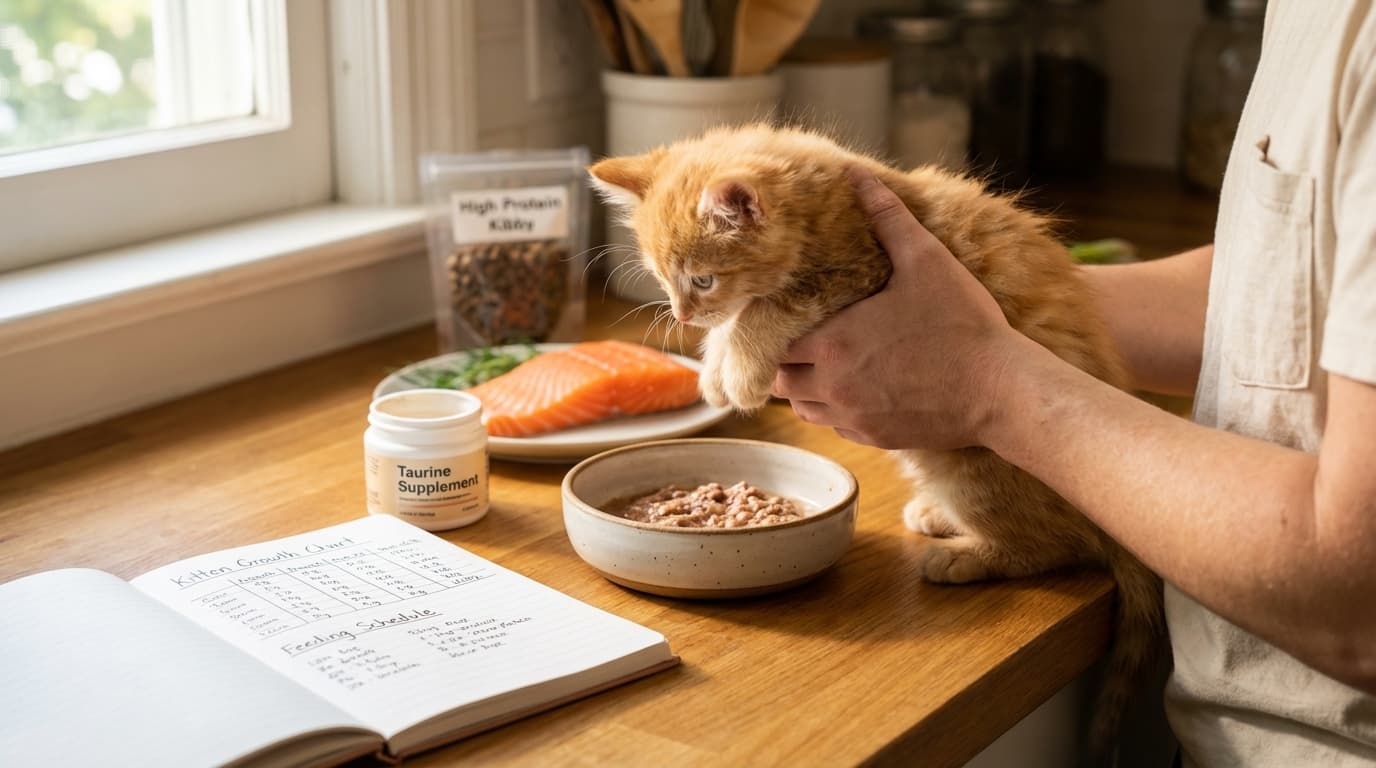
Did you know a kitten can double its weight in just a few weeks? It feels like you blink and that tiny, sleepy puffball is suddenly a high-energy explorer tearing across your living room. Because they grow at such a lightning pace, setting up a consistent kitten feeding schedule is one of the most important things you can do for their long-term health.
These little guys are obligate carnivores with huge appetites, and they actually need about 25% more calories than adult cats to fuel their development. It can feel a bit overwhelming to choose between all the cans and bags at the store, but focusing on high-protein kitten food ensures they get the muscle-building nutrients they need during this short window of growth.
In this guide, we will show you how to use a kitten growth chart to track their progress and why the best wet food for kittens is a total game changer for hydration. From the messy basics of weaning kittens to the vital role of taurine for cats, you will learn exactly how to feed your new best friend with confidence.
Welcome to the Kitten Phase (It’s Fast and Furry)
Ever feel like you blinked and your tiny furball suddenly gained a pound? It is not your imagination. Kittens grow at a breakneck pace, often doubling their size in just a few weeks. They are not just miniature cats. Think of them as high-energy explorers who need massive amounts of fuel to power those late-night zoomies and constant curiosity.
This growth window is shorter than you might think, so every bite matters. Kitten food is much more nutrient-dense than adult kibble, usually containing 25% more calories and higher protein levels. We will help you figure out the weaning process, which starts around three weeks old, and show you how to decode those confusing food labels so you know exactly what is going into their bowl.
The goal is to find food that supports their heart and eyes with essential nutrients like taurine. Also, remember that water is their most important nutrient. If your kitten loses their appetite for more than two days, it is a serious issue that needs a vet's attention. Getting these basics right now sets the stage for a healthy, happy life for your little tiger.
Key insights:
- Kittens require 25% more caloric density than adult cats to support their rapid development.
- The weaning process begins early, typically between three and four weeks of age.
- A lack of appetite for 48 hours is a critical medical emergency for a growing kitten.
Why Kittens Eat Like They’re Training for a Marathon
Ever wonder how a tiny ball of fluff can eat more than a cat three times its size? It is because kittens are basically on a non-stop building spree. Within just a few weeks of birth, they nearly double in size. To keep up with that pace, they need a diet that is about 25% more calorie-dense than what you would give an adult cat. Think of it as high-octane fuel for a tiny engine that never stops.
This is where high-protein kitten food becomes your best friend. Since cats are obligate carnivores, they need nutrients found only in animal tissue to thrive. For example, taurine is an essential amino acid they must get from their food to keep their heart and eyes healthy. A solid dry kitten food usually hits around 35% protein to support all that new muscle and bone. If you try to feed them adult maintenance food, they simply will not get the building blocks they need. It is like trying to build a skyscraper with half the bricks missing.
Keeping an eye on the kitten growth chart is your best tool for peace of mind. In those first six months, the growth curve is steep and steady. Tracking their weight weekly is the easiest way to make sure they are on the right path. It helps you spot problems early because a kitten that stops eating for 48 hours is facing a critical issue that needs a vet immediately. Most owners find that watching these numbers grow is just as rewarding as seeing their personality develop.
While free-feeding is fine for the first three months, you will eventually want to move toward scheduled meals to keep them at a healthy weight as they age. Also, do not forget about hydration. Since kittens need so much energy, high-fiber diets are actually a bad idea. They fill up the stomach without providing enough calories. Stick to a mix of wet food for moisture and high-protein kibble to keep your little tiger thriving and full of energy.
Key insights:
- Kittens require 25% more caloric density than adult cats to support their rapid growth.
- Adult maintenance food lacks the protein and nutrient levels necessary for a growing kitten's bone and muscle development.
- Weight tracking is the most reliable indicator of health during the first six months of a kitten's life.
- Hydration is best managed through wet food, as high-fiber diets can prevent kittens from getting enough calories.
The Magic of the Kitten Growth Chart
Ever wonder if your tiny ball of fluff is growing at the right speed? It happens fast. In just a few weeks, kittens often double in size. Tracking their weight isn't just for fun. It is actually your best tool for spotting health issues early. Think of the scale as a vital sign for their well-being.
During the first six months, the growth curve is steep. Most kittens start weaning around three or four weeks old. Since they are obligate carnivores, they need nutrient-dense food packed with protein and taurine. Their meals are about 25% more calorie-dense than adult food because their bodies are working hard to build bone and muscle.
What should you watch for? If the numbers on the chart stall or drop, pay attention. A kitten who loses their appetite for 48 hours is facing a critical issue and needs a vet immediately. A simple weekly log ensures your kitten stays on the right path.
Key insights:
- Weight tracking is the most reliable way to monitor a kitten's health during their rapid first six months.
- Kittens require significantly more calories and specific animal-based nutrients like taurine compared to adult cats.
- Any drop in appetite lasting two days is an emergency for a growing kitten.
Making the Switch: How to Wean Without the Mess
Around three to four weeks after birth, your kitten’s curiosity starts to peak. They have been doubling in size almost every few weeks, and suddenly, milk alone cannot fuel those high-energy growth spurts. This is the sweet spot for weaning. It is not an overnight change, though. You start by mixing high-protein kitten food with warm formula to create a soft, lappable gruel. Think of it as kitten porridge. It is messy and they will likely end up with food on their paws and faces, but this transition is vital for moving them from lapping to actually chewing.
So, why is finding the best wet food for kittens such a game changer during this phase? The answer is simple: hydration and biology. Cats are obligate carnivores, meaning their bodies are hardwired to get nutrients and moisture from animal tissue. Wet food mimics this natural diet far better than dry kibble can. Since kittens are high-energy explorers, they need a diet that is roughly 25% more calorie-dense than what you would feed an adult cat. This extra fuel supports their rapid muscle development and bone growth while they explore their new world.
Hydration is actually the most important nutrient of all. As the ASPCA notes, a lack of water can lead to serious illness or even death. Many kittens are not naturally driven to drink enough from a standing bowl, so the high moisture content in wet food acts as a built-in safety net. Plus, these animal-based recipes provide taurine, an essential amino acid that kittens cannot produce on their own. Without enough taurine, their heart and eye health could be at risk. It is a small dietary detail that makes a massive difference in how they develop over those first few months.
As you move through this process, remember that patience is your best tool. You are helping them manage a massive lifestyle change. Start with a kitten feeding schedule that offers small, frequent meals rather than leaving food out all day. This helps prevent obesity later on as their growth eventually slows down. One final tip: keep a close eye on their bowl. If a kitten loses their appetite for more than 48 hours, it is a critical issue that needs a vet’s attention immediately. Otherwise, just enjoy the messy, playful journey of watching your tiny tiger grow into a healthy adult.
Key insights:
- Start the weaning process at three to four weeks by creating a 'gruel' of wet food and formula to bridge the gap to solids.
- Wet food is essential for hydration since kittens often fail to drink enough water from a bowl on their own.
- Kittens require a diet with 25% higher caloric density than adults to support their rapid physical development.
- Taurine is a non-negotiable amino acid found in animal proteins that is required for feline heart and eye health.
Why Best Wet Food for Kittens is a Game Changer
Did you know your tiny ball of fur will nearly double in size in just a few weeks? It’s a wild growth spurt that requires a massive amount of energy. Because kittens are high-energy explorers, they need a diet that's about 25% more calorie-dense than what an adult cat eats. But here’s the real secret: it’s not just about the calories. It’s about the water.
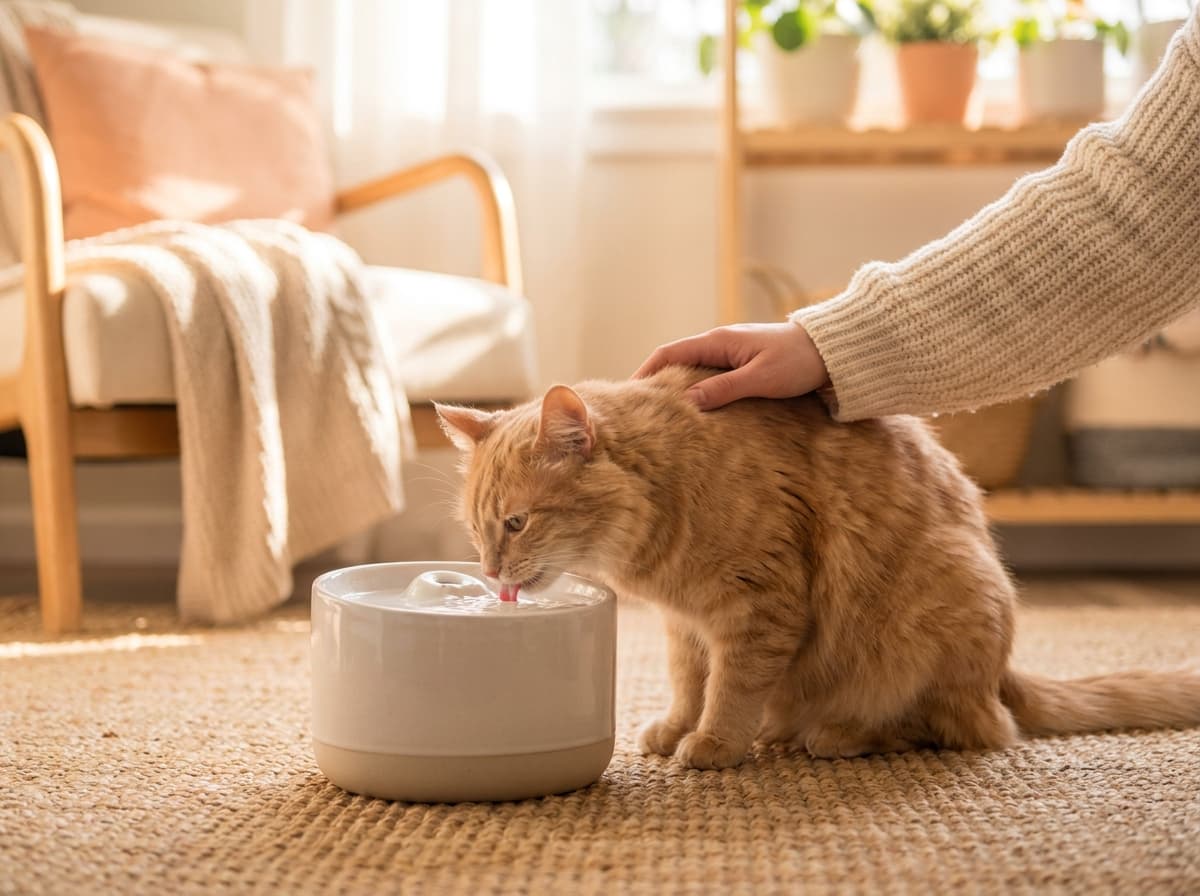
The ASPCA actually calls water the most important nutrient of all. Since cats are obligate carnivores, their bodies are naturally designed to get moisture directly from their food. Wet food mimics this natural diet perfectly. Choosing the best wet food for kittens isn't just a preference; it’s a way to ensure they stay hydrated from the very start. This is huge because a lack of water can lead to serious illness faster than you’d think.
Think of wet food as a hydration safety net for your pet. While dry kibble has its place, it usually only packs around 35% protein. High-quality wet options often provide the animal-based proteins and essential amino acids, like taurine, that kittens need for healthy hearts and bright eyes. When they start weaning at three or four weeks old, introducing those soft, moisture-rich meals sets the stage for a lifetime of health.
Key insights:
- Hydration is the foundation of kitten health, often best managed through moisture-rich wet food.
- Wet food provides a natural transition for kittens weaning at three to four weeks old.
- Essential nutrients like taurine are more easily delivered in animal-based wet food formulas.
What’s Actually Inside That Can? Decoding Nutrition
Ever looked at the back of a kitten food label and felt like you needed a degree in chemistry to understand it? You are not alone. When you are looking for the best wet food for kittens, the ingredient list can be a bit of a maze. But here is the secret: kittens are basically tiny, high-energy explorers. They are obligate carnivores, which is just a fancy way of saying they must eat meat to survive. Because they nearly double in size in just a few weeks, their bodies need a lot more fuel than an adult cat. In fact, their food usually has about 25% more calories to keep up with that rapid growth.
The most important thing to hunt for is high-protein kitten food. We are not just talking about any protein, though. Kittens need 11 specific essential amino acids that they can only get from animal meat. One of the big ones is taurine for cats. Without enough taurine, a kitten can face serious heart and eye problems. Since this nutrient is only found in animal tissues, a vegetarian diet is a total no-go for your little tiger. If you see complete and balanced on the label, it usually means these bases are covered.
Then there is the fat. While we might count calories, your kitten needs them. Most quality dry foods sit between 12% and 24% fat. This is not about getting chubby. It is about brain development and keeping their skin healthy. Think of it as the building blocks for a smart, shiny cat. Also, remember that water is actually the most important nutrient they get. Since hydration is key, the best wet food for kittens is often a mix of canned food and constant access to a fresh bowl of water. If your kitten ever stops eating for more than 48 hours, stop reading and call the vet. That is a major red flag during this growth phase.
You might think fiber is great for digestion, but for a tiny kitten, it is actually the enemy for now. Here is why: kittens have very small stomachs but massive energy needs. If you fill that tiny belly with high-fiber filler, they will feel full before they have actually gotten the calories they need to grow. It is like trying to power a race car with celery. While fiber is fine for older cats on a diet, young kittens need calorie-dense meals that will not bulk up their stomach too quickly. This is also why a strict kitten feeding schedule matters so much during the weaning kittens phase, which usually starts around three to four weeks old.
When you check a kitten growth chart, you will see just how fast things move. To keep up, look for labels that specifically mention kitten formula or all life stages. Avoid anything labeled just for maintenance, as that is meant for adults who are done growing. Your tiny tiger needs the good stuff to turn into a healthy, happy hunter.
Key insights:
- Taurine is non-negotiable and must come from animal sources to protect heart and eye health.
- Young kittens should avoid high-fiber diets because their small stomachs need calorie-dense food for growth.
- A kitten food with 12-24% fat is necessary to support rapid brain and muscle development.
- Any loss of appetite lasting 48 hours in a kitten is a critical medical emergency.
Why Fiber is the Enemy (For Now)
Your little explorer is basically a tiny athlete in a permanent sprint. Since kittens nearly double in size just weeks after birth, they need massive amounts of fuel to keep up. But here is the problem: their stomachs are tiny. If you fill that limited space with fiber, which adds bulk but no energy, they simply cannot eat enough to support their rapid growth.
This is why high-fiber diets are a bad idea for young cats. While fiber helps adults feel full, it acts like a nutritional roadblock for a kitten. Kitten formulas are actually 25% more calorie-dense than adult food for this reason. You want every single bite to be packed with the protein and fats needed to build strong muscle and bone.
Think of it this way: your kitten is a carnivore on overdrive. They need concentrated meals to thrive. If they fill up on fiber, they might miss out on essentials like taurine. Keep the food dense for now. There is plenty of time for fiber once they are lounging on the sofa as adults.
Key insights:
- Kittens have very small stomach capacities compared to their massive energy needs.
- Fiber provides bulk without the necessary calories required for rapid developmental growth.
- Kitten food is specifically formulated to be 25% more calorie-dense than adult maintenance food.
Setting a Kitten Feeding Schedule That Works
Think of your new kitten as a tiny athlete in training. During the first three months, they are essentially high-energy explorers who need a constant supply of fuel. This is the one time when an all-you-can-eat buffet is actually a good idea. Because kittens can nearly double in size in just a few weeks, they need a diet that is about 25 percent more calorie-dense than adult food. Most dry kitten foods carry around 35 percent protein to support that rapid muscle development. At this stage, free-feeding ensures they never run out of the energy they need to grow.
But wait, the buffet cannot last forever. Once your kitten hits six months, it is time to transition to a more structured feeding schedule. As their growth slows down, those extra calories can quickly lead to unwanted weight gain. Moving to scheduled meals helps prevent obesity and sets a healthy foundation for their adult years. There is an added bonus for you too. Consistency with food leads to consistency with the litter box, which makes house training much smoother for everyone involved. It is all about creating a rhythm that works for both your schedule and their stomach.
While you are managing the clock, keep a close eye on the ingredients. Cats are obligate carnivores, meaning they must have nutrients like taurine that only come from meat. Always check the label for a kitten-specific formula instead of a general maintenance diet to ensure they get the right amino acids. Also, remember that hydration is non-negotiable. Since water is the most important nutrient for their health, offering wet food alongside a fresh water bowl is the best way to keep them hydrated. Just keep in mind that if your kitten ever loses their appetite for 48 hours, it is a critical issue that needs a vet's attention right away.
Key insights:
- Free-feeding is great for kittens under three months to support their rapid doubling in size.
- Transitioning to scheduled meals at six months is a key step in preventing feline obesity.
- Kitten-specific food is necessary because it provides 25 percent more energy than adult versions.
- A loss of appetite for 48 hours is a medical emergency for a growing kitten.
When to Put Down the Bowl and Call the Vet
It is a heart-sinking moment when your usually hungry kitten ignores their bowl. While an adult cat might skip a meal because they are being picky, kittens are different. They are high-energy explorers growing at a breakneck pace, often doubling in size just weeks after birth. Because their tiny bodies have so little reserve, a loss of appetite that lasts for 48 hours is a critical issue. If your kitten has not eaten for two days, it is time to stop troubleshooting and call the vet immediately.
You should also watch for signs of dehydration and lethargy. Water is the most important nutrient for any cat, and a deficiency can cause serious illness or even death. A quick way to check is to see if their skin feels less elastic or if their gums feel tacky instead of wet. If your kitten seems unusually tired or flat alongside their lack of hunger, their body is likely struggling to keep up with its high metabolic demands.
Sometimes you just need a quick answer without the stress of an emergency room visit. Modern digital vet support is a great tool for this. Services like Chewy’s Connect with a Vet allow you to get expert guidance on feeding schedules and behavior in real time. These platforms offer peace of mind when you are unsure, but they should never replace a physical exam if your kitten is showing those major red flags.
Key insights:
- The 48-hour rule is a non-negotiable deadline for veterinary intervention.
- Dehydration is a fast-moving threat because water is a kitten's most vital nutrient.
- Digital veterinary services can provide immediate clarity for minor feeding concerns.
The Long Game: Raising a Healthy Adult Cat
Think of these early months as the blueprint for your cat's entire life. Because kittens grow so fast - nearly doubling in size in their first few weeks - they need a specialized fuel. This is why kitten-specific food has about 25% more caloric density than adult versions. It is not just about energy; it is about building blocks like taurine for heart health and essential fatty acids for a shiny coat. Getting these early habits right is the best gift you can give your future adult cat.
As your kitten matures, the strategy changes. Moving from free-feeding to scheduled meals around six months helps prevent obesity once that rapid growth slows down. Also, remember that water is the most vital nutrient. Since cats are obligate carnivores, mixing in wet food is a smart way to keep them hydrated while providing the animal-based proteins they require. It is a simple balance of high-quality protein, controlled portions, and constant hydration.
Raising a healthy cat is a mix of science and heart. You are doing the hard work now so they can thrive for years to come. If you ever notice a loss of appetite lasting more than 48 hours, reach out to a vet immediately, but otherwise, trust the process. You are building a foundation of health that will support your tiny tiger for a lifetime. Enjoy the journey because you are doing a great job.
Key insights:
- Kitten food provides 25% more calories and higher protein to support rapid development.
- Transitioning to scheduled meals as growth slows is the best way to prevent feline obesity.
- Hydration is critical and a mix of wet food and fresh water ensures your cat stays healthy.
Frequently Asked Questions
Conclusion
So where does all this leave you and your new roommate? Growing a kitten is about more than just filling a bowl. It is about matching their high energy with the right fuel and keeping a close eye on that growth chart to make sure they stay on track. When you combine a solid kitten feeding schedule with high-protein kitten food, you are giving them the best start possible.
The transition from weaning kittens to their first real meals happens fast, so try not to stress the small messes. Your best move right now is to find a high-quality wet food that they actually enjoy eating. Focus on those essential nutrients like taurine and healthy fats because they do the heavy lifting for heart and brain health while your kitten focuses on playing.
Enjoy these wild early months while they last. Before you know it, your tiny tiger will be a happy and healthy adult cat thanks to the good habits you are building today. Keep the water fresh and the cuddles frequent.
Send it to someone who should read it next.
About the author

Oliver Chen
Cat Rescue Advocate
Founder of a no-kill rescue shelter and passionate advocate for feline welfare and responsible cat adoption.
View all articles