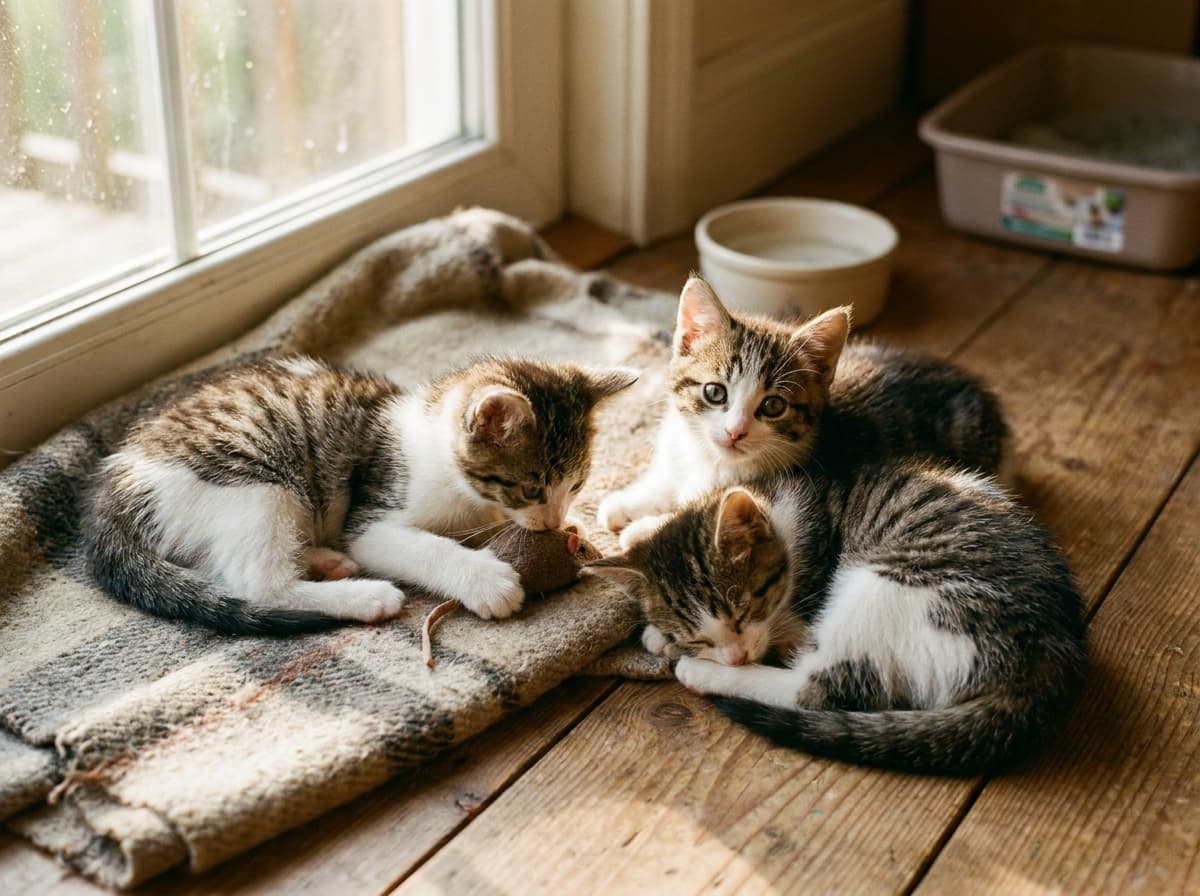
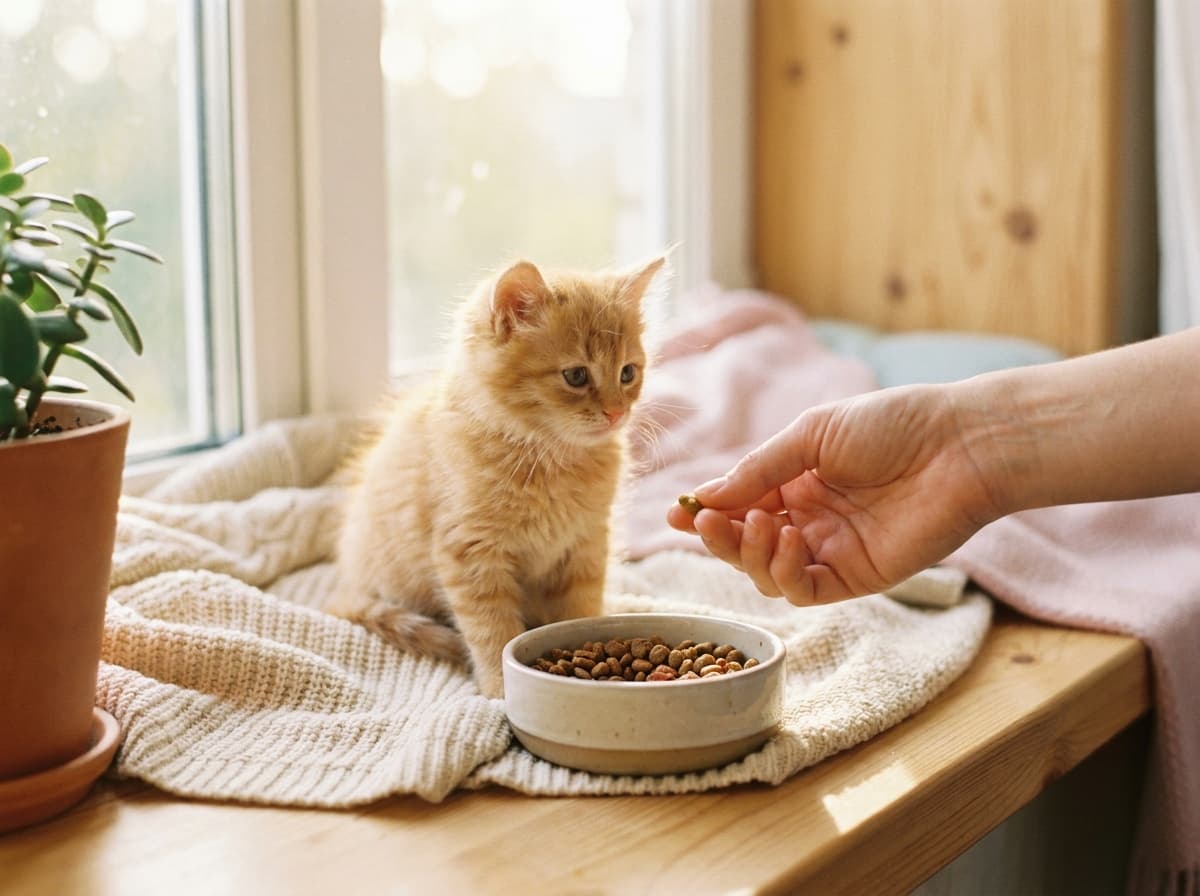
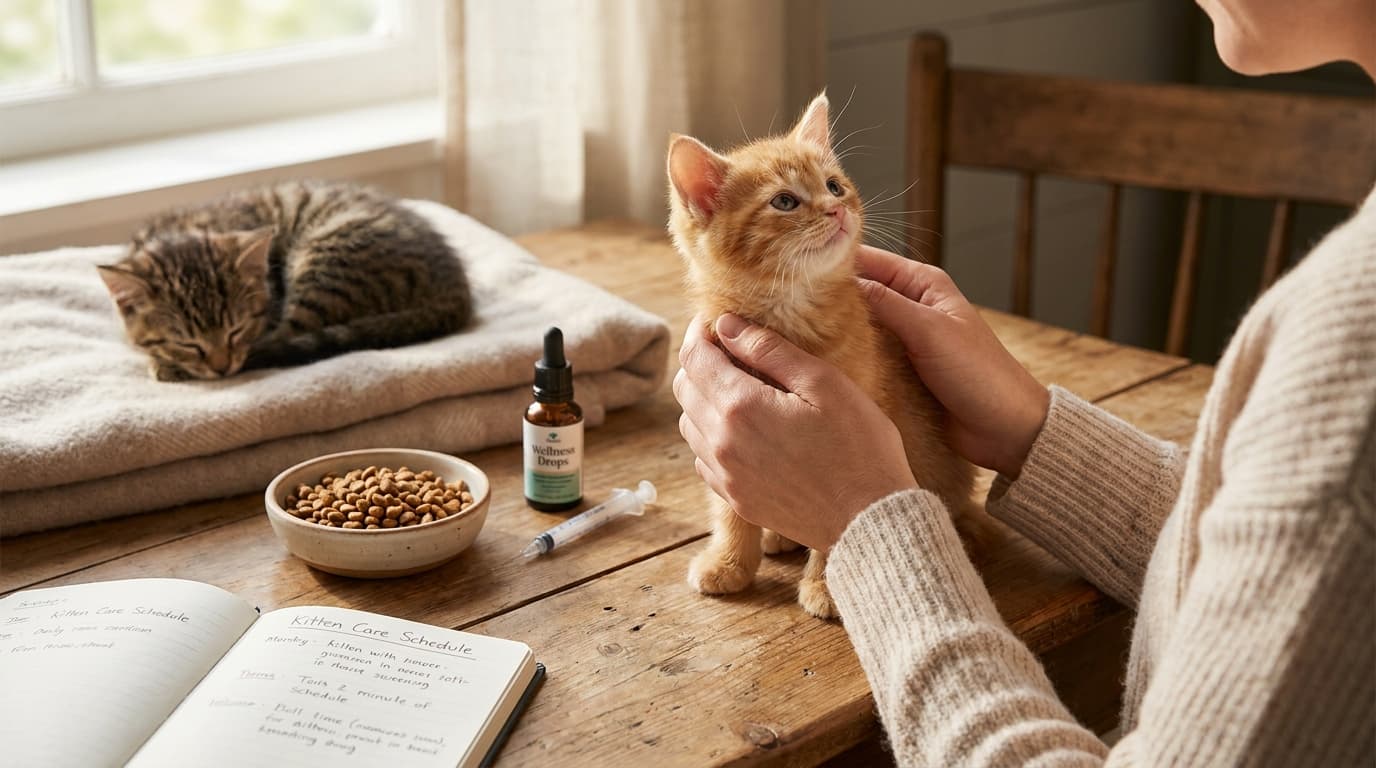
How to Groom Your Kitten Without the Drama (and Actually Bond)
Imagine trying to give a tiny, caffeinated tiger a manicure while they think your hands are just giant chew toys. It sounds like a recipe for a few scratches, but...

PurrScript Editorial Team
Editorial Team
How to Groom Your Kitten Without the Drama (and Actually Bond)
Imagine trying to give a tiny, caffeinated tiger a manicure while they think your hands are just giant chew toys. It sounds like a recipe for a few scratches, but kitten grooming is actually one of the best ways to tell your new friend you love them. If you start when they are small, those sharp claws and fluffy coats become a chance to bond instead of a battle of wills.
Getting your pet used to things like how to clip kitten nails or their very first kitten bath might feel a bit scary at first. But desensitizing kittens to grooming now saves you from years of stressful vet visits and painful mats later on. Whether you are brushing short-haired kittens or looking for the right kitten-safe brushes, the secret is all about patience and a few well-timed treats.
This guide walks you through the no-hiss method for everything from ear cleaning for kittens to managing a seasonal shed. You will learn how to turn a scary brush into a relaxing massage and make sure every session ends with a happy purr. Let's look at how to make grooming the highlight of your kitten's day.
Why Starting Young Changes Everything
Think of your kitten as a tiny, fuzzy sponge. Right now, everything is a brand new lesson. If you wait until they are a grumpy adult to pull out a brush, you might end up with a literal catfight on your hands. But starting now changes the whole vibe. You are essentially desensitizing them, turning what could be a scary metal tool into a relaxing massage. When you start early, grooming becomes a predictable part of their day rather than a stressful surprise. This makes life easier for you and much more peaceful for your tiny tiger.
Beyond just looking good, these sessions are a secret weapon for their health. Brushing helps stop hairballs from building up in their stomach and gives you a chance to spot fleas or ticks before they become a real problem. It is also a great way to check their claws. Healthy claws should be firm, as abnormally soft or hard ones can sometimes mean they are dealing with malnutrition or a bacterial issue. This is prime bonding time. While you brush, you are building a deep sense of trust. It is a dual-purpose activity that keeps them healthy while making your friendship even stronger.
The trick to a calm cat is getting them used to being handled before the actual grooming starts. Try touching their paws and ears while they are sleepy or napping. This helps them stay relaxed when it is eventually time for a trim. You want to be careful with their claws because of the quick. That is the fleshy pink triangle full of nerves and blood vessels. Cutting that causes pain and bleeding, so keeping them calm is key. Use treats to create happy associations with your grooming kit. If they see the brush and think of snacks, you have already won half the battle.
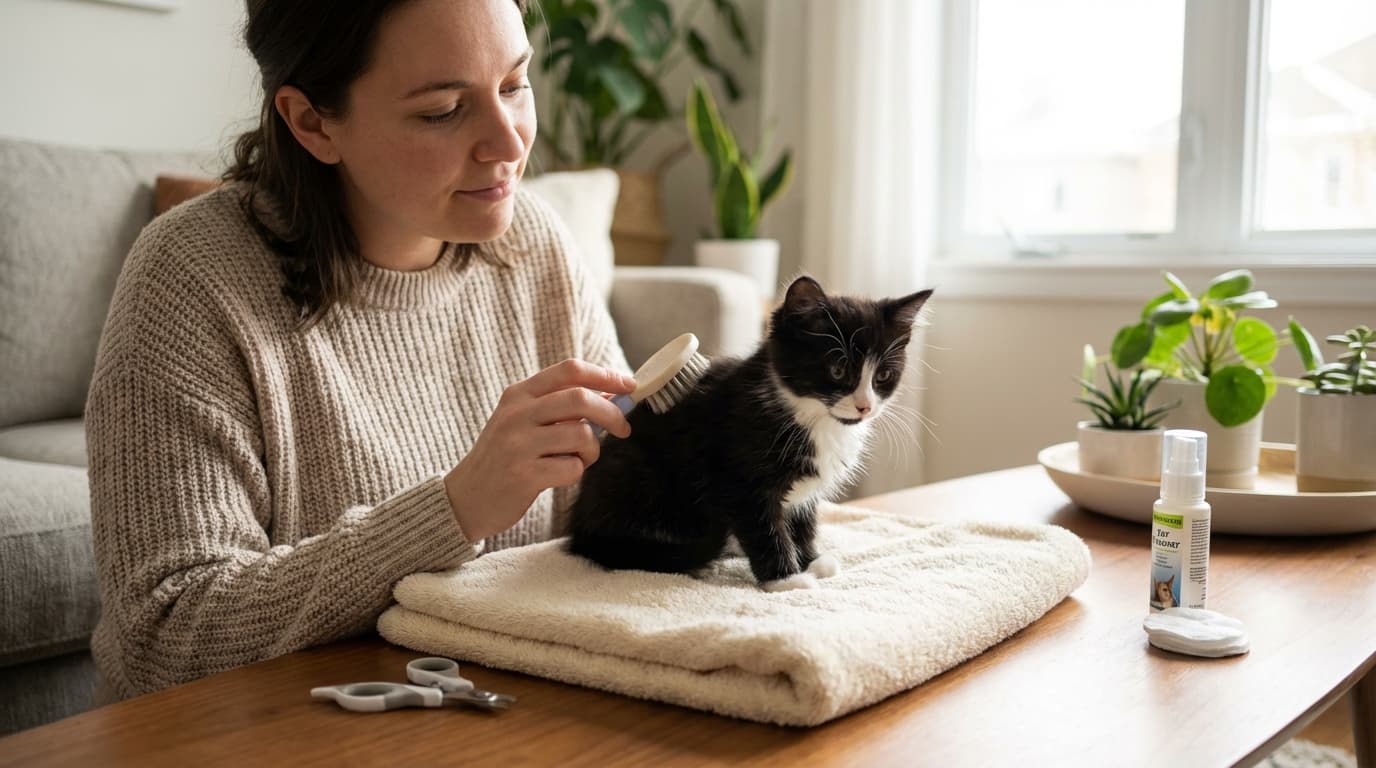
Different coats need different levels of attention. If your kitten has short hair, a weekly brush is usually enough. But if you have a fluffy Persian or a mid-length cat, you will likely need to do this every day to avoid painful knots and dirt. During the spring and summer molting seasons, a rubber massage mitt is your best friend for catching loose fur. Always try to end your grooming time with a fun game. This ensures the session finishes on a high note. Your kitten will actually look forward to the next time you bring out the brush.
Key insights:
- Early desensitization is the most effective way to reduce stress during grooming in adulthood.
- Grooming serves as both a health necessity and a vital social bonding activity.
- Ending every session with play or a game creates a lasting positive association with maintenance.
The Gentle Touch: Getting Them Used to Being Handled
Ever noticed how a sleeping kitten is basically a tiny, purring puddle? This is your secret window for stress-free grooming. While they are drowsy and relaxed, gently stroke their ears and press their paw pads to extend those little claws. Getting them used to this touch now means they won't panic later when it is time for a trim. Since the pink quick inside the claw is full of sensitive nerves, you want a cat that stays still so you do not cause any accidental pain or bleeding.
It is all about building trust through happy associations. Keep your grooming kit nearby and offer a favorite treat whenever the brush or clippers come out. You are teaching them that these tools mean snacks and chin scratches, not a scary ordeal. Short-haired kittens only need a weekly session to prevent hairballs, but starting this routine early turns a maintenance chore into a genuine bonding moment.
When you finish, always end with a quick game. This leaves them feeling like grooming is just another part of playtime rather than a stressful event. It is much easier to check for fleas or skin issues when your cat actually enjoys the attention. Think of it as a spa day that keeps them healthy and keeps your sofa fur-free.
Key insights:
- Early-age desensitization is the most effective way to reduce stress during grooming in adulthood.
- Grooming is a dual-purpose activity that serves both health maintenance and social bonding.
The Brush Breakdown: Keeping That Coat Healthy
You might think a short-haired kitten can handle their own laundry, but that is a recipe for hairballs later. Even if your kitten looks sleek and self-sufficient, weekly brushing is a must. It is not just about looking good. When you brush them, you are actually clearing away loose fur before they swallow it, which keeps their stomach clear of those nasty tangles. Plus, it is the best time to check for uninvited guests like fleas or ticks hiding in the fluff. For those with long-haired breeds like Persians, the stakes are higher. You will need to commit to a daily routine to stop painful mats from forming. Think of it as a tiny spa day that doubles as a health check.
Picking the right tool makes all the difference between a purring kitten and a scratching one. If your kitten has short hair, a grooming glove is a great place to start. These are rubber mitts that mimic the feeling of you petting them. It is a low-stress way to grab loose fur while they think they are just getting extra attention. After using the glove, a soft brush with natural silk bristles can add a nice finishing shine to their coat.
For the fluffier kittens, a large-toothed metal comb is usually the best choice. It gets deep into the undercoat to pull out dirt and knots without irritating their sensitive skin. The secret is to be incredibly gentle. Start off very light so they get used to the sensation. When you find a knot, do not yank it. Work through it slowly. This dual-purpose activity serves both their health and your social bond.
Just when you think you have the fur under control, spring and summer arrive. This is the molt, a seasonal shedding spree where kittens drop their heavy winter coats to stay cool. During these months, you will notice a lot more fur around the house. This means you need to adjust your routine and brush more frequently. Using a rubber massage mitt during this time helps catch the extra volume before it ends up on your sofa.
If the grooming session starts to feel like a chore for your kitten, keep things upbeat. You might want to end the session with a favorite game or a few belly caresses. This leaves them with a positive association, so they are not running for the hills the next time they see the brush. It is all about making the process feel like a win for them. When you finish on a high note, you are setting yourself up for years of easy maintenance.
Key insights:
- Early desensitization is the best way to reduce grooming stress when they become adults.
- Grooming is a dual-purpose activity that builds your bond while maintaining their health.
- Ending sessions with play ensures your kitten associates the brush with a positive experience.
Choosing Your Weapon: The Best Kitten-Safe Brushes
Picking the right brush is about making sure your kitten loves grooming as much as you do. Since you want to build a bond, starting early with the right tools is key. Short-haired kittens usually only need a weekly brush to stop hairballs from forming. But during spring and summer molting seasons, a rubber massage mitt is your best friend for handling all that extra loose fur.
For short-haired cats, a grooming glove works wonders. Use it against the grain to lift dirt, then smooth it all out with a natural silk bristle brush. It feels like a massage, which helps your kitten get used to being handled without any stress. If you have a long-haired kitten, you will want a metal comb for daily sessions to keep knots away.
This routine also helps you spot fleas or ticks early before they become a big problem. It is a health check and a bonding moment wrapped into one. Always finish your session with a fun game so your kitten associates the brush with a good time. What better way to end a spa day than with a favorite toy?
Key insights:
- Use a grooming glove against the grain for short-haired kittens to remove deep-seated dirt.
- Switch to rubber mitts during spring and summer to manage increased shedding.
- Always follow up a grooming session with play to create a positive association.
Managing the Seasonal Shed
Have you noticed more fur on your couch lately? When spring and summer hit, kittens go through a seasonal molt that can leave your home covered in fluff. This shift means you need to step up your grooming routine to keep up with the extra shedding. For short-haired kittens, a weekly brush usually does the trick, but longer-haired breeds like Persians need daily attention to stop knots from forming.
During these heavy shedding months, try using a rubber massage mitt. It is gentle but effective at grabbing loose hair before it ends up on your clothes. Brushing like this does more than keep things tidy because it helps you spot hidden parasites like fleas and prevents your kitten from swallowing hair that turns into painful hairballs. Since extra brushing can be a lot for a young cat, always end the session with a fun game. This simple trick turns a chore into a bonding moment they actually enjoy.
Key insights:
- Spring and summer require more frequent brushing with specialized tools like rubber mitts.
- Daily brushing is essential for long-haired kittens to prevent painful matting during shed cycles.
- Ending every grooming session with play creates a positive association for your kitten.
Nail Trimming Without the Scratches
Ever felt like you are wrestling a tiny, caffeinated tiger just to trim a single claw? You are not alone. Most kitten owners dread nail day because they are terrified of hurting their pet or getting shredded in the process. But here is the secret: it does not have to be a battle. Clipping nails is actually a great chance to bond, provided you know what you are looking at. The biggest hurdle is usually understanding the 'quick.' This is that little pink triangle at the base of the claw. It is full of nerves and blood vessels, so hitting it causes pain and bleeding. Think of it like the sensitive part under your own fingernail. If you stay away from the pink and stick to the clear or white tips, your kitten won't feel a thing.
Getting the positioning right makes a world of difference for both of you. Instead of chasing them around the sofa, try the lap technique. Sit down and place your kitten on your lap, gently securing their body between your thighs. It might feel a bit like a wrestling move at first, but it actually makes them feel snug and supported. While they are settled, use guillotine clippers. Experts like those at Royal Canin suggest these are the best tools for the job because they offer a clean, precise cut that does not crush the nail. While you are at it, take a look at the claw quality. If they seem abnormally soft or brittle, it could be a sign of a nutrition issue or a bacterial hitchhiker, so it is worth keeping an eye on.
For that very first session, focus on a slow, step-by-step approach rather than speed. Start by gently pressing the paw pad to extend the claw, then snip only the thin, white tips. If you have a particularly wiggly kitten, embrace the 'little and often' rule. You might only get two nails done before they decide they have had enough, and that is perfectly fine. It is much better to do a small amount several times than to force a long session that ends in a struggle. By keeping it brief and ending with a game or a belly rub, you are teaching them that grooming is not a threat, just another part of their day. This positive reinforcement ensures they stay calm as they grow into much larger cats.
Key insights:
- The 'quick' is a sensitive area with blood vessels; only trim the white tips to avoid causing pain.
- Using the lap technique keeps your kitten secure and reduces the chance of accidental scratches.
- Guillotine clippers are the preferred tool for a clean, professional-grade trim without crushing the claw.
- Short, frequent sessions are better for wiggly kittens than trying to do every nail at once.
Step-by-Step: Your First Clip
Ready for the first trim? It often feels like wrestling a tiny, fuzzy octopus, so the trick is to go slow. Use the 'little and often' rule by clipping just one or two nails while your kitten is sleepy. Using guillotine clippers makes this much easier and more precise for those small claws.
Look for the 'quick,' which is that pink triangle near the base of the claw. It is full of nerves and blood vessels, so you definitely want to stay well away. Cutting it causes pain, so only snip the clear, white tips. If you are unsure, just take off the very end and stop there.
Keep things calm with a few belly rubs between clips, then end the session immediately with a fun game. This builds a strong bond and ensures they do not grow up fearing the clippers. What starts as a chore quickly becomes just another way you show them love.
Key insights:
- Only cut the white tips to avoid the sensitive pink quick.
- End every session with play to create a positive association.
- Use the 'little and often' approach to keep wiggly kittens calm.
Face Time: Eyes, Ears, and Everything In-Between
Have you ever noticed your kitten waking up with those tiny crusties in the corners of their eyes? It is totally normal, but keeping that face clean is about more than just looks. Since kittens are still learning to groom themselves, they often need a hand with ocular hygiene. The trick is to be as gentle as possible so they do not grow up hating the touch.
For the best results, skip the standard cotton ball. These can leave tiny, annoying fibers behind that actually cause more irritation. Instead, use a pharmaceutical compress soaked in a gentle eye lotion. The technique is simple. Always wipe from the inside of the eyelid toward the outside. This clears away tear secretions effectively without dragging dirt across the eye surface.
While you are working on the face, take a peek inside those ears. You are looking for a light pink color and, surprisingly, no smell at all. Healthy ears should be clean and odorless. If you spot anything that looks like coffee grounds or smells a bit off, it could be a sign of mites or an infection. Regular ear cleaning for kittens is mostly about monitoring these changes before they become big problems.
This routine is about more than just hygiene because it is a great chance to bond. By handling their ears and face early on, you are desensitizing them to touch. This makes future vet visits much less stressful for everyone involved. If they stay calm, reward them with a favorite toy. It turns a maintenance task into a moment of connection that keeps them healthy and happy.
Key insights:
- Use a pharmaceutical compress instead of cotton balls to avoid leaving irritating fibers in the eyes.
- Healthy ears are pale pink and have no scent, while a dark discharge often indicates mites.
- Wiping from the inside out is the safest way to remove tear secretions without causing discomfort.
The Dreaded First Bath (It’s Not That Bad)
Let’s be honest: the idea of putting a tiny, fluffy kitten into a tub of water sounds like a recipe for disaster. Most cats are self-cleaning machines, so you might wonder if a bath is even necessary. Usually, it isn't. But if your explorer gets into something sticky or ends up with a 'bathroom accident' on their fur, a dunking becomes unavoidable. The secret is starting while they’re young. Early-age desensitization is the best way to make sure they don't grow up viewing the faucet as a mortal enemy.
When the time comes, think shallow and warm. You only need a few inches of water - just enough to reach their belly - and it should feel like a lukewarm baby bottle against your wrist. Keep things calm. If you're stressed, they'll be stressed. Use a kitten-safe shampoo and avoid their face entirely. This isn't just about hygiene; it’s a bonding moment. Much like how brushing helps you build a connection, a gentle bath can reinforce that you're their protector, not a bath-time villain.
Once the soap is gone, the real work begins: the 'soggy mess' phase. Wrap them in a warm towel immediately and pat, don't rub, until they look like a fluffy cloud again. Here’s a pro tip from the experts: always end the session with a game. By breaking out their favorite feather wand or a few treats right after they’re dry, you’re teaching them that the 'scary' water part leads to a fun reward. It turns a potential drama into just another part of their routine.
Key insights:
- Desensitization at a young age is the most effective way to reduce grooming stress in adulthood.
- Bathing should be a dual-purpose activity that builds a social bond while maintaining health.
- Ending the session with a game ensures the experience finishes on a positive note for the kitten.
The Grand Finale: Ending on a High Note
Think about the relief you feel when the brush finally goes back in the drawer. For your kitten, that final moment is what sticks in their memory. Instead of just walking away, try the 'Play and Purr' method. This means immediately switching from grooming to a favorite game. Ending this way ensures they associate the brush or clippers with fun rather than a chore. What does this mean for you? It means a much easier time next week.
Experts recommend this play session because it creates a positive association that lasts. If you have just finished a session to prevent hairballs or manage a heavy molting season, a quick chase with a feather wand acts as a total reset button. It turns a necessary health task into a bonding moment. While you play, you might even notice if their claws look healthy. Firm claws are usually a good sign of proper nutrition, while very soft claws might mean they need a diet check.
Do not forget to celebrate your own patience, too. Grooming a wiggly kitten is a real feat of endurance. Give them a tiny treat and take a well-deserved break yourself. When you both walk away feeling rewarded, the next grooming session becomes something to look forward to instead of a struggle. It is the best way to keep their coat shiny and your relationship even stronger.
Key insights:
- The final moments of grooming define how your kitten perceives the entire experience next time.
- Post-grooming play acts as a reset button to lower stress and build a social bond.
- Rewarding yourself and your pet creates a sustainable routine for long-term health maintenance.
Frequently Asked Questions
You should aim to brush your short-haired kitten about once a week. While they don't tangle as easily as long-haired cats, a weekly session helps get rid of loose fur before it ends up as a hairball in their stomach. It is also the perfect time to check for any hidden fleas or ticks.
During the spring and summer molting seasons, you might want to do this more often with a rubber massage mitt to keep up with the extra shedding. Brushing isn't just about chores, though. It is a great way to bond with your new friend and get them used to being handled while they are still young.
If you accidentally nick the quick, don't panic, but act fast to stop the bleeding. The quick is that pink part inside the claw that has blood vessels and nerves, so it will hurt and bleed a bit. You can use a bit of styptic powder or even some cornstarch to help it clot.
Since this can be a scary experience for a kitten, try to stay calm so they don't get even more stressed. Once the bleeding stops, it is a good idea to end the session with a fun game or a treat. This helps them forget the sting and keeps the association with grooming positive. In the future, remember it is better to just trim the very tip of the white part more often than trying to cut a lot off at once.
It is best to avoid using human shampoo because a kitten's skin is much more sensitive than ours and has a different pH balance. Using our products can strip away the natural oils they need to keep their coat healthy and might cause itchy or dry skin.
Instead, look for a mild shampoo made specifically for cats. Since this is their first bath, remember to keep things very gentle and calm. You can even end the session with a fun game so your kitten connects grooming with a positive experience.
You'll want to look for claws that feel abnormally hard or very soft because these can be signs of malnutrition or a bacterial attack. Healthy claws should be firm and have a clear white tip that stays away from the pink area called the quick.
Checking their paws regularly is a great way to spot these issues early. It also helps with desensitization, which just means your kitten gets used to being handled. If you notice any strange changes in texture or if their claws seem brittle, it might be time to check in with a vet to make sure they are getting the right nutrients.
Conclusion
So, what is the big takeaway from all these brushes and bubbles? Grooming your kitten is really just a fancy way of saying I love you in cat language. By starting young and desensitizing kittens to grooming now, you are turning what could be a scary vet visit later into a simple, cozy bonding session at home. Whether you are figuring out how to clip kitten nails or tackling that first kitten bath, the goal is not perfection because it is really about trust.
Once you have your kitten-safe brushes ready, remember that consistency beats intensity every time. Brushing short-haired kittens for two minutes or a quick ear cleaning for kittens during a nap makes a world of difference. Your next move is simple. Grab a favorite treat, find a quiet spot, and try one small grooming task while your tiny tiger is relaxed.
You are doing more than just keeping their coat shiny. You are building a friendship that lasts a lifetime. Stick with it, keep things positive, and soon those grooming sessions will be the highlight of your kitten's day. You have totally got this.
Send it to someone who should read it next.

PurrScript Editorial Team
Editorial Team
PurrScript's in-house editorial team. We research, write, and review every guide using established veterinary and behavioral resources, and update articles as best practices evolve.
View all articles