How to Keep Your Cat Safe This Holiday (Without Giving Up the Decorations)
Ever watched your cat stare at the Christmas tree like it is a giant, glittery gift sent specifically for them to destroy? It is the classic holiday struggle where you...

PurrScript Editorial Team
Editorial Team
How to Keep Your Cat Safe This Holiday (Without Giving Up the Decorations)
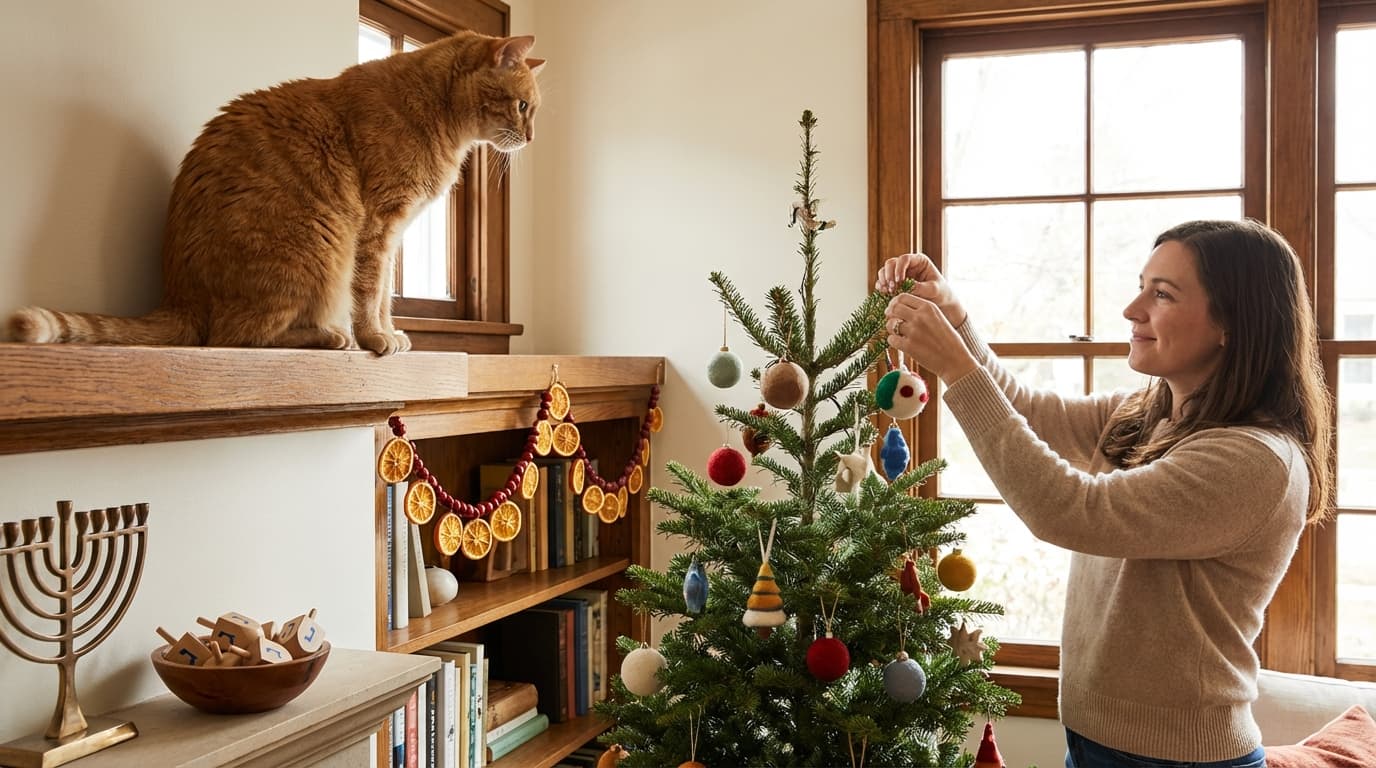
Ever watched your cat stare at the Christmas tree like it is a giant, glittery gift sent specifically for them to destroy? It is the classic holiday struggle where you want a festive home, but your feline friend sees a personal climbing gym filled with forbidden snacks and dangling targets.
The good news is that setting up cat-safe Christmas trees and finding non-toxic holiday plants does not mean you have to settle for a boring house. Whether you are looking for cat-proof tinsel alternatives or pet-safe Hanukkah decor, there are plenty of ways to keep the spirit alive without the constant worry of an emergency vet visit.
We will walk through how to anchor your tree, which common plants are actually dangerous, and how to handle holiday stress in cats when the house gets busy. You will get the practical tips you need to keep your home looking great and your furry roommate safe all season long.
Your cat probably thinks the Christmas tree is a giant, glittery jungle gym. It’s the classic holiday struggle: you want a festive home, but your cat wants to eat the decor. Luckily, cat-proofing doesn't mean your house has to look empty. You can still have a beautiful space while keeping your pet safe.
We’ll show you how to keep your kitty safe without losing the magic. We’re covering real hazards, from why tinsel is a surgical nightmare to how "harmless" snow globes can be toxic. You can have the sparkle without the emergency vet visit. Let’s look at how to protect your favorite troublemaker.
The Great Tree Debate: Real Pine or Plastic Fantastic?
Every year, cat owners face the same festive dilemma: do you go for that nostalgic pine scent or stick with a box from the attic? While a real tree looks great, it often turns into a giant, prickly cat toy that fights back. Natural needles are sharp and can easily get stuck in paws or, worse, swallowed. Plus, that fresh-wood smell is basically a formal invitation for your cat to start climbing. Switching to an artificial tree usually wins the debate because it cuts out the sap and the mess while keeping your sanity intact.
Artificial trees are generally the safer bet for feline-centric homes. You won't have to worry about toxic sap or those brittle needles that can cause internal irritation if eaten. They also don't bring in outdoor mold or pests that might be hiding in real bark. If that 'new plastic' smell is driving your cat wild, try airing the tree out in the garage for a day first. This simple step helps dampen the novelty so they don't feel the need to investigate every single branch the moment you set it up.
If you do stick with a real tree, the biggest hidden danger is actually the water at the base. Stagnant tree water is a breeding ground for bacteria, and common additives or fertilizers can cause nasty bouts of vomiting and diarrhea. You might think your cat won't be interested, but curiosity often leads to a quick sip. A heavy tree skirt or a custom cardboard cover over the stand is an easy way to block access. It keeps the water where it belongs and your cat out of trouble.
Key insights:
- Artificial trees eliminate the risk of ingesting toxic sap and sharp, indigestible pine needles.
- Tree water often contains hazardous fertilizers and bacteria that cause gastrointestinal distress.
- Airing out artificial trees can reduce the chemical scents that often trigger a cat's need to investigate or mark the new object.
Why Artificial Trees Are Usually the Safer Bet
If you are torn between a fresh pine and a box from the attic, the artificial choice is usually the smarter move for your feline friends. Real trees come with sticky, toxic sap and needles that are surprisingly sharp and hard to digest. Then there is the tree water issue. That basin at the bottom quickly becomes a breeding ground for bacteria and hazardous fertilizers that can lead to a very unhappy cat and a messy living room floor.
Think of it this way: a fake tree does not have that enticing climbing scent of real wood. Without that forest smell, your cat is far less likely to see the tree as a personal gym. You are also avoiding the mold and pests that often hitch a ride indoors on live greenery. It is an easy way to keep the festive vibes high and the vet visits low.
Key insights:
- Artificial trees eliminate the risk of cats drinking toxic, bacteria-filled tree water.
- The lack of natural wood scents reduces a cat's instinct to climb the tree.
- Synthetic needles are safer for the digestive tract than sharp, indigestible pine needles.
The Hidden Danger in Your Christmas Tree Stand
Your cat probably thinks you just installed a giant, festive water fountain right in the living room. But that tree stand is often hiding a nasty secret. Most commercial tree additives and fertilizers are toxic to felines, and even plain water quickly turns into a stagnant soup of bacteria that causes vomiting and diarrhea.
So, how do you keep your curious climber away? It is simpler than you think. Try wrapping the base in heavy-duty aluminum foil because most cats hate the sound and feel of the crinkle. You can also use a tree skirt that cinches tightly around the trunk. Keeping that forest juice off-limits ensures your kitty sticks to their own water bowl instead of getting a holiday stomach ache.
Keeping the Tree Upright (and Out of Reach)
To a cat, a Christmas tree isn't just a decoration. It is a giant, indoor jungle gym that smells like the outdoors and comes with built-in toys. They see those branches as a personal challenge to reach the top. But when a seven-foot tree starts wobbling, the climbing gym quickly becomes a safety hazard. This is why a wide, heavy base is your first line of defense. A flimsy stand is basically an invitation for a tip-over, especially if you have a high-energy jumper in the house.
If your cat is particularly persistent, think about using physical barriers. A decorative fire guard or a simple baby gate around the bottom can create just enough distance to stop a surprise pounce. It is also worth noting that artificial trees are often a safer choice for cat owners. They do not have that enticing pine scent that triggers a cat's wild instincts, and you will not have to worry about them drinking the tree water. That water can be a breeding ground for bacteria or contain fertilizers that lead to nausea and diarrhea.
Even the sturdiest stand can fail if a ten-pound cat launches itself at the branches. To prevent a total collapse, try anchoring the trunk to the wall or a nearby window frame using clear fishing line or thin wire. It is nearly invisible but provides that extra bit of tension needed to keep things upright. For the most determined climbers, some owners even go as far as a small ceiling hook. Also, tucking the tree into a corner naturally limits the launching angles, giving your cat fewer ways to gain speed before a jump.
If you are tired of the constant battle, some of the newer trends are leaning toward setups like wall-mounted half-trees. These flat-backed trees hang high enough that your cat cannot reach the branches, let alone climb them. Another great option is a metal silhouette tree. Since there are no needles or sturdy branches to grip, the incentive to climb completely disappears. Plus, these styles make it much easier to keep your ornaments high and out of reach. It is a simple way to keep the festive look without the daily stress of a tipped tree.
Key insights:
- Artificial trees eliminate the risk of toxic tree water and chemical additives that cause gastrointestinal distress.
- Anchoring the tree to a wall or ceiling is the most effective way to prevent tipping from athletic or large cats.
- Wall-mounted or metal trees are rising trends that remove the physical incentive for cats to climb while keeping ornaments safe.
Anchoring Your Tree Like a Pro
Ever watched your cat eye the tree like an Olympic climbing wall? It is a stressful sight for any pet parent. To prevent a midnight crash, you need to think like an engineer. Start by tucking the tree into a corner to limit those tempting launching angles that feline gymnasts love to use.
For real security, use clear fishing line to tether the trunk to a sturdy wall hook. It is nearly invisible but keeps the tree upright during an unexpected climb. If your cat is a true professional, consider a ceiling anchor for maximum stability. These physical barriers are your best defense against accidents.
The reality is that while artificial trees are generally safer because they lack toxic water, every tree needs a solid foundation. Anchoring gives you peace of mind so you can enjoy the glow without worrying about a holiday disaster.
Key insights:
- Corner placement naturally limits the directions a cat can use to jump into branches.
- Fishing line offers a discreet way to secure the tree without ruining your decor.
- Ceiling anchors provide the highest level of stability for high-energy climbers.
Try a Wall Tree or Metal Alternative
Ever feel like your Christmas tree is just a giant green ladder for your cat? You are not alone. Many people are now switching to 'half-trees' or wall-mounted decor to save their sanity. These are part of a growing trend where people use alternative structures to stop climbing before it starts.
If you choose a metal tree, the smooth surface gives your cat nothing to grip. This basically ends the climbing game. It is also smart to hang your favorite ornaments near the top. This keeps them safe from curious paws while still looking festive and bright.
Key insights:
- Wall-mounted trees eliminate the floor-to-ceiling climbing path for active cats.
- Metal alternatives provide a sleek look without the textured bark cats love to scratch.
Holiday Plants: The Good, The Bad, and The Deadly
Walking into a home filled with festive greenery feels magical, but for your cat, it is basically an indoor jungle gym made of potential snacks. The problem is that not all snacks are created equal. Some plants might just give your cat a noisy stomach ache, while others can cause a full-blown medical emergency in hours. This is why you can’t just go by how a plant looks. A pretty red flower could be harmless or deadly depending on its specific species name. Before you bring anything home, check the tag for the scientific name. If it does not have one, it is better to leave it at the store.
Think of it this way: knowing the difference between a mild irritant and a major toxin saves you a panicked midnight run to the clinic. But even if you are careful, accidents happen. Do yourself a huge favor and tape your local emergency vet’s number right on the fridge today. You do not want to be Googling is this leaf toxic while your cat is hiding under the sofa. Also, keep an eye on things you might not think of as plants, like that bowl of water at the base of the tree. It is often a breeding ground for bacteria or contains fertilizers that cause nausea and diarrhea. Even those cute salt-dough ornaments are a risk, as the high salt content can cause dangerous electrolyte imbalances if your cat takes a bite.
You have probably heard for years that Poinsettias are the most dangerous thing in the world for cats. Here is a surprise: they are actually not that bad. While they can cause some drooling or a bit of an upset stomach, they are rarely fatal. The real monster in the room is the Lily. Every part of a Lily is toxic, and even a tiny bit of pollen or a sip of the vase water can cause total kidney failure in cats. If you have a feline roommate, Lilies should never enter your home. Keep a close watch for early symptoms of poisoning like sudden hiding, refusing food, or unusual lethargy. If your cat seems off after a plant encounter, do not wait to see if they get better on their own.
If you still want that splash of green, you do not have to live in a barren wasteland. Christmas Cacti and Orchids are generally safe bets that still look festive without the high risk. Another smart move is using high-quality silk plants. They look real enough to fool your guests but will not trigger a toxic reaction if your cat takes a nibble. If your cat is a dedicated plant-chewer, try the decoy method. Place a fresh pot of cat grass in an easy-to-reach spot. Often, if they have their own safe greens to munch on, they will leave your decorative arrangements alone. It is about working with their natural curiosity rather than just trying to fight it.
Key insights:
- Always verify the scientific name of a plant before bringing it home, as common names can be misleading.
- Lilies are extremely dangerous and can cause kidney failure from just a small amount of pollen or water.
- Poinsettias are irritating but usually not life-threatening, contrary to popular belief.
- Using cat grass as a decoy can redirect a cat's urge to chew away from decorative plants.
The Truth About Poinsettias and Lilies
You’ve probably heard the annual warning that poinsettias are a feline death trap. Here’s a bit of holiday relief: while those bright red leaves cause stomach irritation or drooling, they are rarely fatal. They’re annoying for your cat, sure, but they aren't the monsters people claim.
The real villains are lilies. These flowers are incredibly dangerous, often leading to total kidney failure if a cat even licks a bit of pollen. In a cat-friendly home, lilies should be strictly off-limits because the risk is simply too high.
Watch for early red flags like sudden vomiting or lethargy. If your cat seems off after investigating the greenery, call your vet immediately. Acting fast is the best way to ensure your festive season stays safe and stress-free.
Key insights:
- Poinsettias cause mild irritation but aren't typically life-threatening.
- Lilies are extremely toxic and can cause rapid kidney failure in cats.
- Early symptoms of poisoning include vomiting, drooling, and loss of appetite.
Cat-Friendly Greenery for a Festive Vibe
Ever feel like you have to choose between a festive home and your cat's safety? You really do not. While lilies are a total dealbreaker because they can cause kidney failure, you can still go green with a beautiful Christmas Cactus or some elegant Orchids. Even the much-maligned Poinsettia isn't the monster it is made out to be; it usually just causes a bit of an upset tummy rather than a life-threatening crisis.
If your cat is a dedicated leaf-chewer, high-quality silk plants offer that lush look with zero risk of a vet visit. You might also try a little psychological trick: set out some fresh cat grass as a decoy. It gives them something safe to crunch on so they stay away from your decor. The goal is to redirect their natural curiosity instead of just fighting it, making the holidays a lot less stressful for everyone.
Decorating Without the Drama
Decorating with a cat is a bit like trying to host a gala in a room full of toddlers who can jump six feet in the air. We all want that festive glow, but for a cat, a decorated house is basically an indoor amusement park. In cat language, shiny almost always equals trouble because it triggers their natural hunting instinct. Swapping out high-risk items for clever alternatives does not mean your home has to look boring. It just means you will not be spending your holiday at the emergency vet. Focus on cord management too. Those dangling wires are very tempting, so use cord protectors or hide them behind furniture to prevent a nasty shock.
Let us talk about tinsel. It is the one decoration you should definitely toss. It looks like a fun string toy, but if it is swallowed, it becomes what vets call a linear foreign body. This is a surgical nightmare where the string cinches up the intestines like a drawstring bag. It is a scary and expensive mistake that happens every year. Instead, go for the new gold standard of felt, wood, or thick paper garlands. They provide that festive texture and color without the life-threatening risk that traditional metallic tinsel brings into the home.
You might not realize that your favorite snow globe is often a glass bubble filled with antifreeze. Many contain ethylene glycol, which is the same toxic chemical that makes car leaks so deadly to animals. If a globe tips over and breaks, even a small lick can be a fatal crisis. Then there is the salt-dough ornament trap. These look cute and homey, but if a cat nibbles one, the massive salt intake causes a dangerous electrolyte imbalance. It is a good reminder that just because something is homemade does not mean it is safe for your pets.
Celebrating Hanukkah brings its own set of things to watch out for. A flickering Menorah is a huge draw for a curious tail, and one wrong move can turn a celebration into a fire hazard. Consider using an LED Menorah because it looks beautiful and stays cool to the touch. Also, keep an eye on those small dreidels and shiny gelt wrappers. They are major choking hazards for any cat that likes to bat things around on the floor. A little bit of planning lets you focus on the latkes instead of worrying about a trip to the clinic.
The goal here is to redirect that natural curiosity rather than just saying no to everything. Instead of using glass ornaments that shatter into dangerous shards, try using shatterproof or soft decor. If you keep the environment engaging with cat-safe gifts nearby, they will be much less likely to stage a coup against your holiday display. It is all about finding that balance where the house looks great and the cat stays safe through the whole season.
Key insights:
- Tinsel can cause a linear foreign body obstruction that often requires emergency surgery to save the cat's life.
- Snow globes often contain ethylene glycol, a toxic chemical found in antifreeze that is lethal if ingested.
- LED Menorahs and battery-operated candles eliminate the fire risk posed by curious cats and wagging tails.
- Salt-dough ornaments are dangerous because their high salt content causes life-threatening electrolyte imbalances.
- Shatterproof ornaments made of wood or felt are safer alternatives to traditional glass decorations.
Tinsel: The One Decoration You Should Toss
Think of tinsel as a shiny siren song for your cat. While those silver strands look festive, they are actually a surgical nightmare. Vets call them 'linear foreign bodies' because once swallowed, they can bunch up the intestines like a drawstring on a hoodie. This leads to severe vomiting and emergency surgery that will definitely ruin the holiday mood.
What should you use instead? Swap thin strings for chunky paper garlands or wide ribbons that are too big to swallow. Many owners are also choosing felt and wood ornaments. These soft, shatterproof pieces are the new gold standard because they look great without the risk of dangerous shards or life-threatening digestive blockages.
The Surprise Toxins: Snow Globes and Salt Dough
Ever wonder what is actually inside that festive snow globe? It looks like a winter wonderland, but the liquid often contains ethylene glycol. That is the same toxic chemical found in antifreeze, and even a small leak can be deadly if your cat licks it up. It is a scary thought for something that looks so innocent sitting on a mantel.
Then there are those charming salt-dough ornaments we love to make. You might think homemade always means safe, but the high salt content is a major red flag. If your kitty takes a nibble, it can cause a dangerous electrolyte imbalance. So, while DIY crafts are fun, it is better to keep these specific treasures well out of reach to keep your furry friend's heart and tummy happy.
Key insights:
- Snow globe liquid often contains ethylene glycol, a potent toxin similar to antifreeze.
- The high salt concentration in DIY ornaments can lead to severe electrolyte imbalances if eaten.
- Homemade decorations require the same safety scrutiny as store-bought items.
Hanukkah Safety: Menorahs and Dreidels
The warm glow of a menorah is beautiful, but those open flames are a magnet for curious paws and twitchy tails. It only takes one excited jump or a poorly timed zoomie to turn a celebration into a fire hazard.
Then there are the dreidels and shiny gelt wrappers. Much like the salt-dough ornaments or tinsel found in other holiday setups, these look like toys but are actually dangerous choking hazards hidden in plain sight.
If you want to relax while the candles burn, consider an LED menorah. It gives you that festive look without the worry of singed whiskers. It is a simple swap that makes the whole night safer for your cat.
Key insights:
- Store small game pieces in secure containers when the family isn't playing.
- Electric menorahs eliminate the risk of house fires from unattended flames.
Managing the Holiday Hustle: Keeping Your Cat Calm
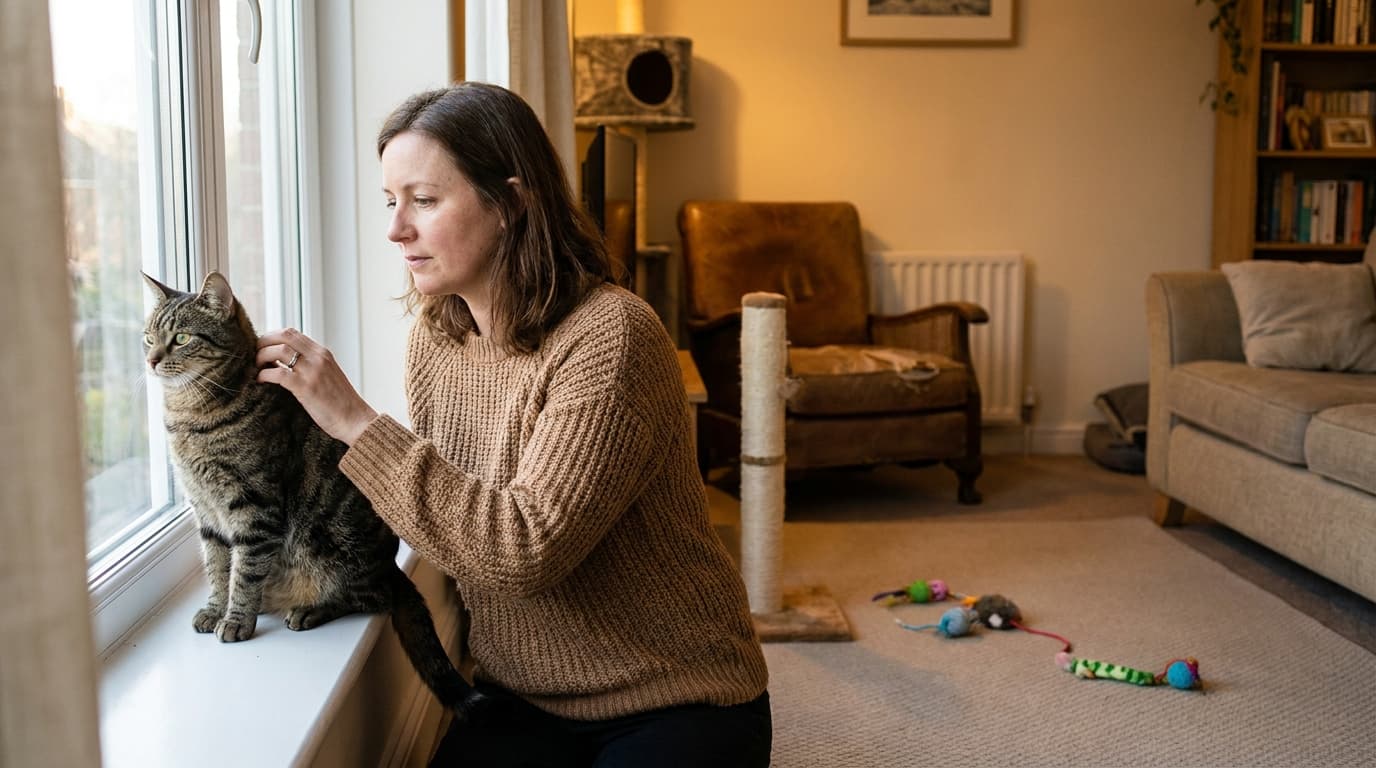
Think about your cat’s perspective when the holidays hit. Suddenly, the living room is full of strangers, the furniture has shifted, and there’s a giant tree in the corner. This massive routine change is a lot for a feline to handle. To keep them calm, set up a designated safe zone in a quiet back room with their favorite bed and plenty of water. It gives them a private retreat to hide in when the party noise or the doorbell becomes too much to bear.
While you are managing the social bustle, keep a close eye on festive hazards that look like toys but definitely are not. Tinsel is one of the biggest offenders; its shiny, stringy texture is irresistible to cats, but swallowing it can lead to emergency surgery for intestinal blockages. You also need to be picky about your plants. While poinsettias mostly cause mild stomach upset, lilies are a total dealbreaker because they can cause fatal kidney failure. Even a broken snow globe is a major risk, as many contain ethylene glycol, the same toxic chemical used in antifreeze.
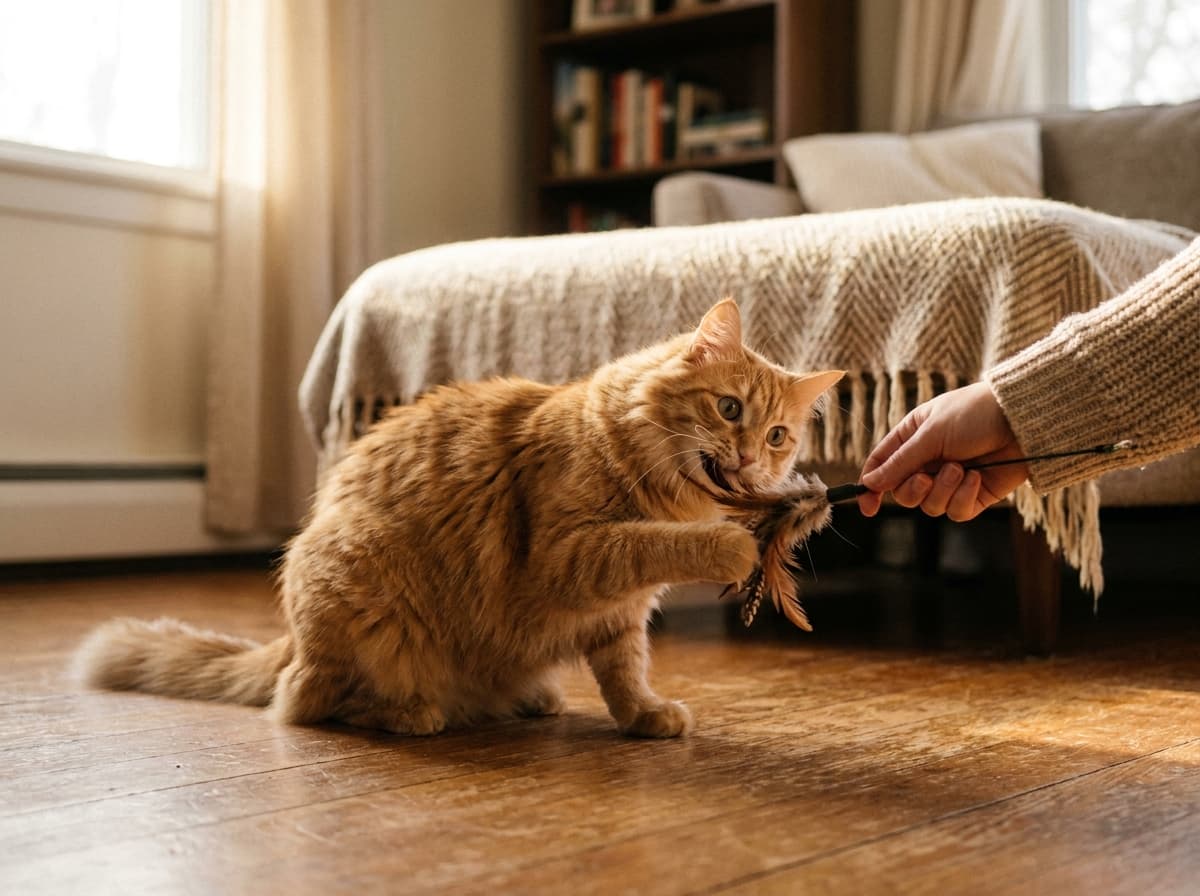
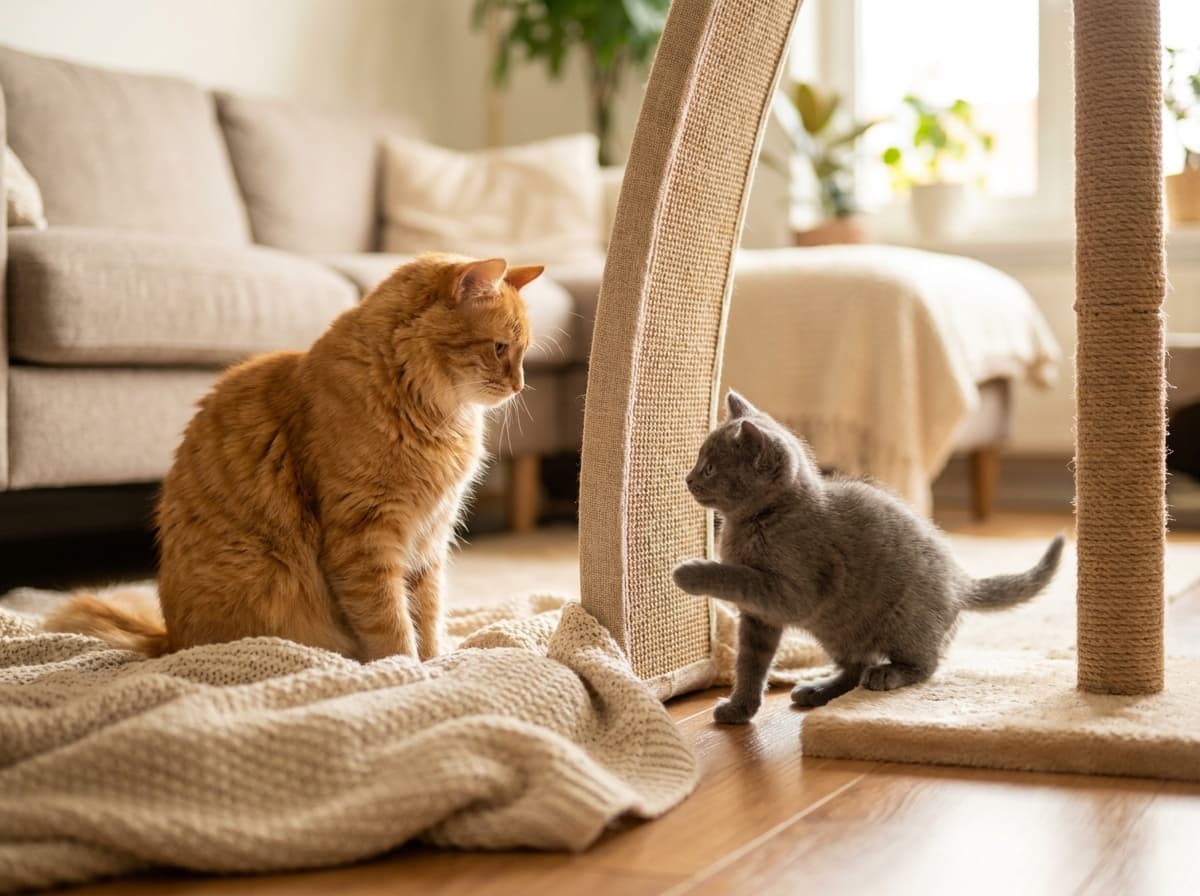
The secret to a peaceful holiday is redirection rather than just restriction. Instead of constantly shooing your cat away from the tree, give them their own festive distractions. Place a few new, cat-safe toys or a fresh scratching post nearby to catch their eye. This keeps their curiosity focused on their own gifts rather than the salt-dough ornaments or the bacteria-filled tree water. When they have their own safe ways to play, the whole house stays a lot more relaxed.
Key insights:
- A quiet retreat helps cats manage the stress of loud guests and routine changes.
- Tinsel and lilies are high-risk items that should be kept out of cat-friendly homes.
- Redirecting a cat's curiosity with safe toys is more effective than just saying no.
- Snow globes and tree water contain hidden toxins like ethylene glycol and bacteria.
Common Questions About Cat-Safe Holidays
You’ve probably looked at your festive setup and wondered if your cat is plotting a disaster or just being curious. One big worry is holiday plants. While people often stress over poinsettias, they usually only cause mild stomach irritation. The real danger is the lily. Even a tiny bit of lily can cause kidney failure, so keep those far away. If you want a safer option, artificial trees are great because they don't have that stagnant tree water, which is often full of bacteria and fertilizers.
Then there’s the shiny stuff. Tinsel looks like a dream toy, but it’s a nightmare for a cat's stomach. Swallowing it can lead to a blocked digestive tract and expensive surgery. Also, watch out for snow globes. Many contain ethylene glycol, which is the same toxic stuff in antifreeze. If one breaks, it’s a serious emergency. Stick to shatterproof decor like felt or wood, and use LED lights because they stay cool and won't burn curious noses.
What if your cat is a climber? Anchoring the tree to the wall with some fishing line prevents a total crash. But the best trick is redirecting them. Instead of just guarding the tree, give them their own cat-safe toys or a new box nearby. It’s easier to distract them with something fun than to fight their natural curiosity all season long.
Key insights:
- Lilies are far more dangerous than poinsettias, which usually just cause mild upset.
- Tinsel is a major surgical risk if swallowed and should be replaced with safer alternatives.
- Snow globes often contain antifreeze chemicals, making them a hidden household hazard.
- Redirecting a cat's curiosity with their own gifts is more effective than simple restriction.
A Final Thought on Festive Felines
Creating a cat-safe holiday doesn't mean you have to live in a bare, boring house. It's actually the opposite. When you swap out dangerous tinsel or toxic lilies for shatterproof ornaments, you finally get to relax. This matters because the best traditions are those where nobody ends up at the emergency vet.
Think of it this way. You should celebrate with your cat, not just around them. Giving your feline roommate their own safe gifts or a designated climbing spot keeps them happy and far away from the tree water. A festive holiday home is only truly joyful when every single family member is safe and sound.
Frequently Asked Questions
The short answer is yes, they can definitely cause trouble for your cat. While they might not always be as deadly as something like a lily, those sharp needles can easily poke or irritate your cat's mouth and stomach if they try to eat them.
It is also worth noting that the natural oils in real pine trees can lead to an upset stomach or excessive drooling. But here is the part most people overlook: the water in the tree stand is often the bigger risk because it can harbor nasty bacteria or toxic fertilizers that cause vomiting and diarrhea. Switching to an artificial tree is usually the safest bet for a cat-friendly home.
Your first move should be checking on your cat to make sure they did not get hit by a heavy branch or cut by a broken ornament. Once you know they are okay, it is time to focus on stability so it does not happen again.
You can secure the tree by anchoring it to a wall or even the ceiling using some simple fishing line or wire. Using a wide and weighted base also makes a huge difference for athletic cats. If your cat just will not stay away, try putting a physical barrier like a baby gate around the tree or move it into a corner to limit their climbing options.
They definitely are, mostly because they stay cool to the touch. Traditional bulbs can get surprisingly hot, which is a risk for singed whiskers or burnt paws if your cat gets too curious. Since LEDs do not put off much heat, they are a much safer bet for keeping your kitty out of trouble.
But here is the catch: even if the bulbs are cool, the wires are still a hazard. You should still use cord protectors or hide the wires as much as possible to prevent any shocks from chewing. It is also a good idea to unplug the lights whenever you leave the room just to be extra safe.
You can certainly try it because most cats find the smell of citrus pretty annoying. It works for some pets, but it is not always a perfect fix. The scent tends to fade quickly, so you would have to keep spraying it constantly to keep them away from the branches.
A better move is to combine a spray with something more permanent, like anchoring the tree to the wall or using a heavy base. Redirecting their energy also helps. If you give them a new cardboard house or some fun toys nearby, they will probably find those way more interesting than the tree anyway.
Conclusion
So, what is the secret to a house that looks like a winter wonderland without ending in a vet visit? It comes down to realizing that your cat sees the world as one big playground. When we swap out dangerous tinsel for thick ribbons or pick a sturdy artificial tree, we aren't losing the holiday spirit. We are just making sure the whole family, including the one with whiskers, actually gets to enjoy it. It is about finding that balance where your cat-safe Christmas trees and non-toxic holiday plants can coexist with a very curious kitty.
Your next move is simple: take a slow walk through your home from a cat's eye level. Look for those dangling cords or tempting lilies that might have slipped under the radar. Setting up a quiet space with their favorite bed can also do wonders for holiday stress in cats when the house gets loud. A little bit of planning now means you can spend your time relaxing instead of constantly playing lifeguard by the tree.
The holidays are always better when everyone is safe, happy, and maybe a little bit spoiled. With these small changes, you can keep your traditions alive while keeping your furry roommate out of trouble. Here is to a festive, feather-free, and perfectly peaceful season for you and your cat.
Send it to someone who should read it next.
PurrScript Editorial Team
Editorial Team
PurrScript's in-house editorial team. We research, write, and review every guide using established veterinary and behavioral resources, and update articles as best practices evolve.
View all articles