Making Indoor Life a Blast: Easy Ways to Keep Your Cat Happy, Cool, and Healthy
Have you ever caught your cat staring blankly at a wall or suddenly pouncing on your ankles for no reason? It is a common sign of a bored kitty. If...

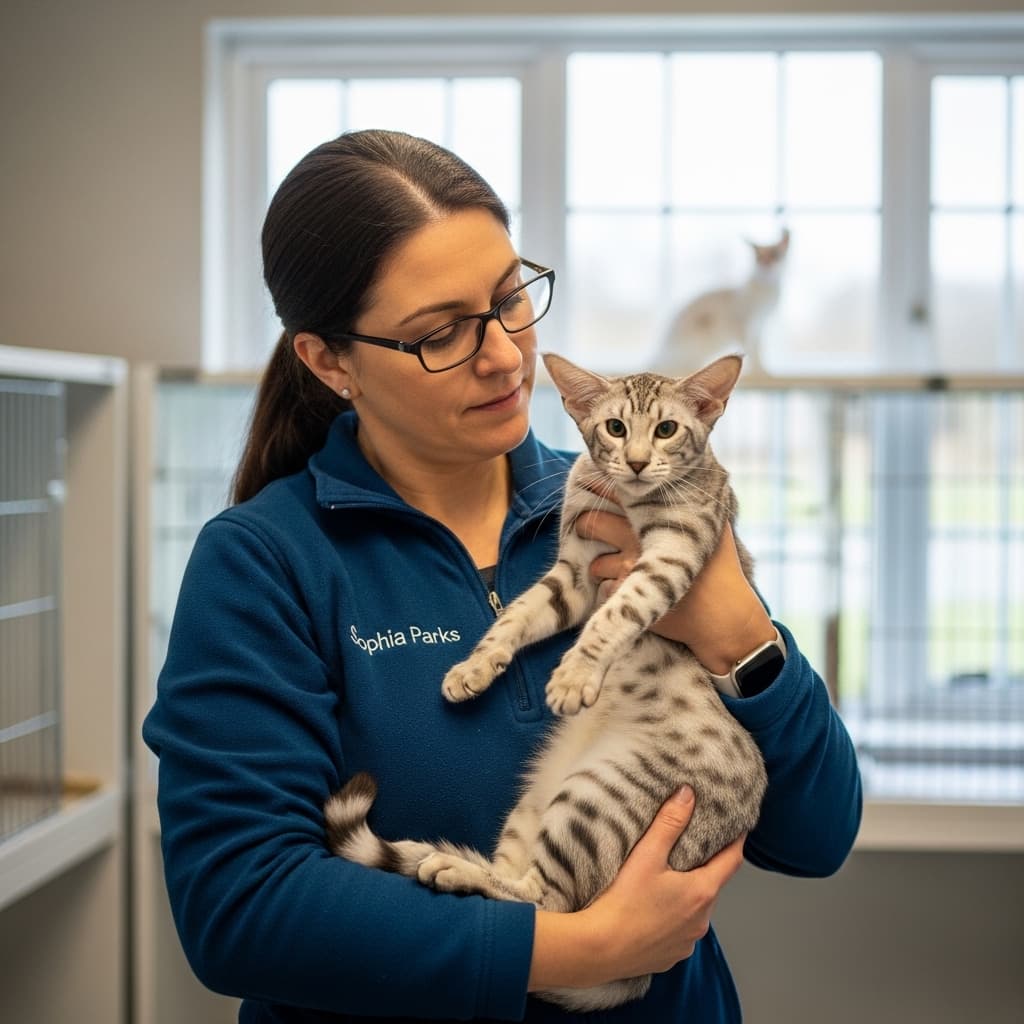
Sophia Parks
Breed Specialist & Breeder
Making Indoor Life a Blast: Easy Ways to Keep Your Cat Happy, Cool, and Healthy
Have you ever caught your cat staring blankly at a wall or suddenly pouncing on your ankles for no reason? It is a common sign of a bored kitty. If you are searching for low cost feline enrichment ideas for bored indoor cats, you are in the right spot. We will help you turn that pent-up energy into fun activities that keep your pet healthy and happy without breaking the bank.
Indoor life can get a bit repetitive, so it is our job to bring the excitement of the outdoors inside. From simple DIY puzzles to new ways to play, giving your cat an outlet for their natural instincts prevents stress and keeps them out of trouble. You do not need a massive budget to make their daily routine feel like a brand-new adventure.
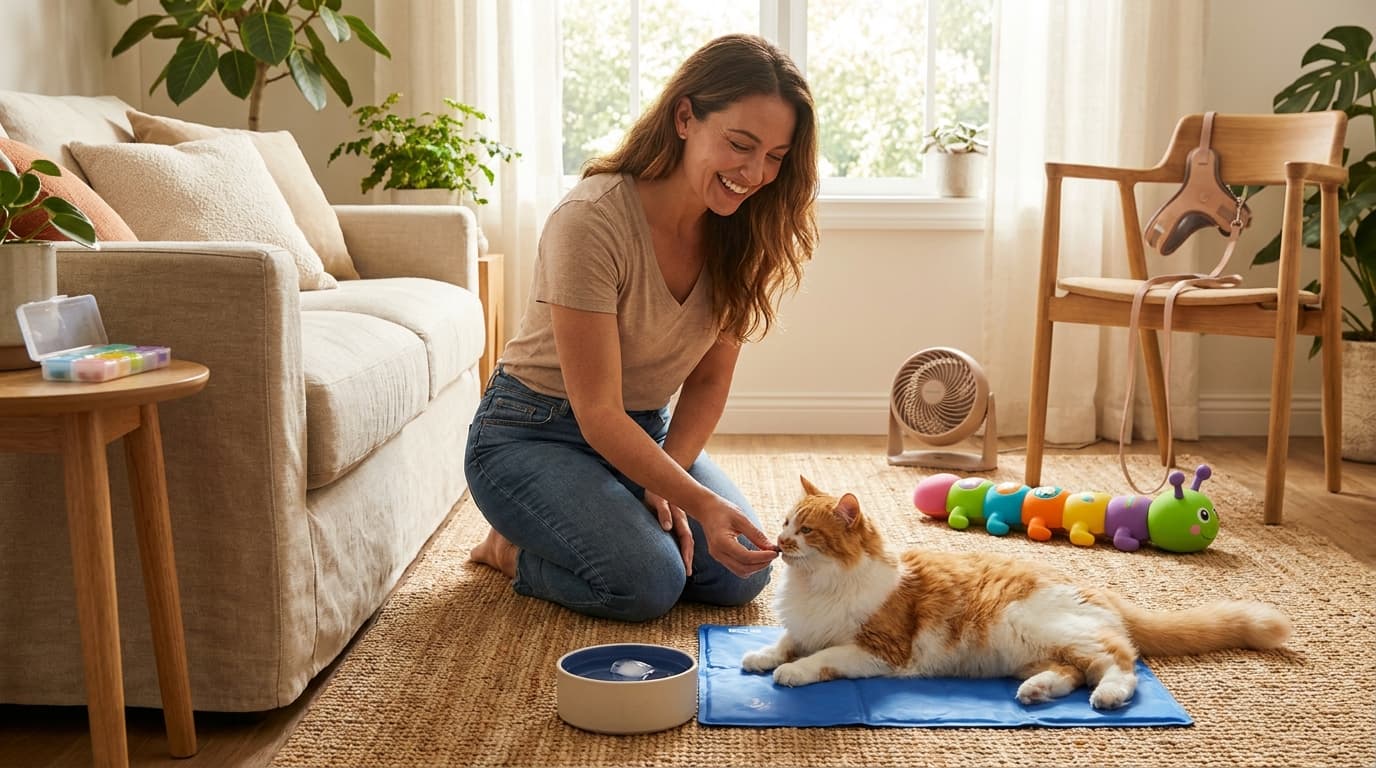
We are sharing summer cooling tips for indoor cats and the best interactive caterpillar toys for high energy kittens to keep them busy. You will also find a beginner guide to leash training your indoor cat and tips for safe medication administration. Let us make sure your feline friend stays cool, active, and well-cared for all year long.
Is Your Cat Bored? How to Spot the Signs of Stress
Have you ever noticed your cat pacing the hallway like a restless tiger or licking the same spot on their leg until the fur starts to thin? It is easy to brush these off as just cat things, but they are often distress signals. In the world of feline science, these are called stereotypic behaviors. They happen because cats are naturally wired for action, but indoor life can sometimes feel like a tiny, unchanging box. When a cat lacks variety, their mental health suffers just as much as ours would.
Kristyn Vitale, a cat researcher at Oregon State University, points out that animals often engage in repetitive behaviors when their environment lacks variation. It makes sense when you look at their history. In the wild, a cat’s day is filled with constant decisions: where to hide, what to stalk, and when to pounce. When we take those choices away, their stress levels climb because they have no way to burn off that high-octane mental energy. This stress often manifests as the pacing or overgrooming we see in bored pets.
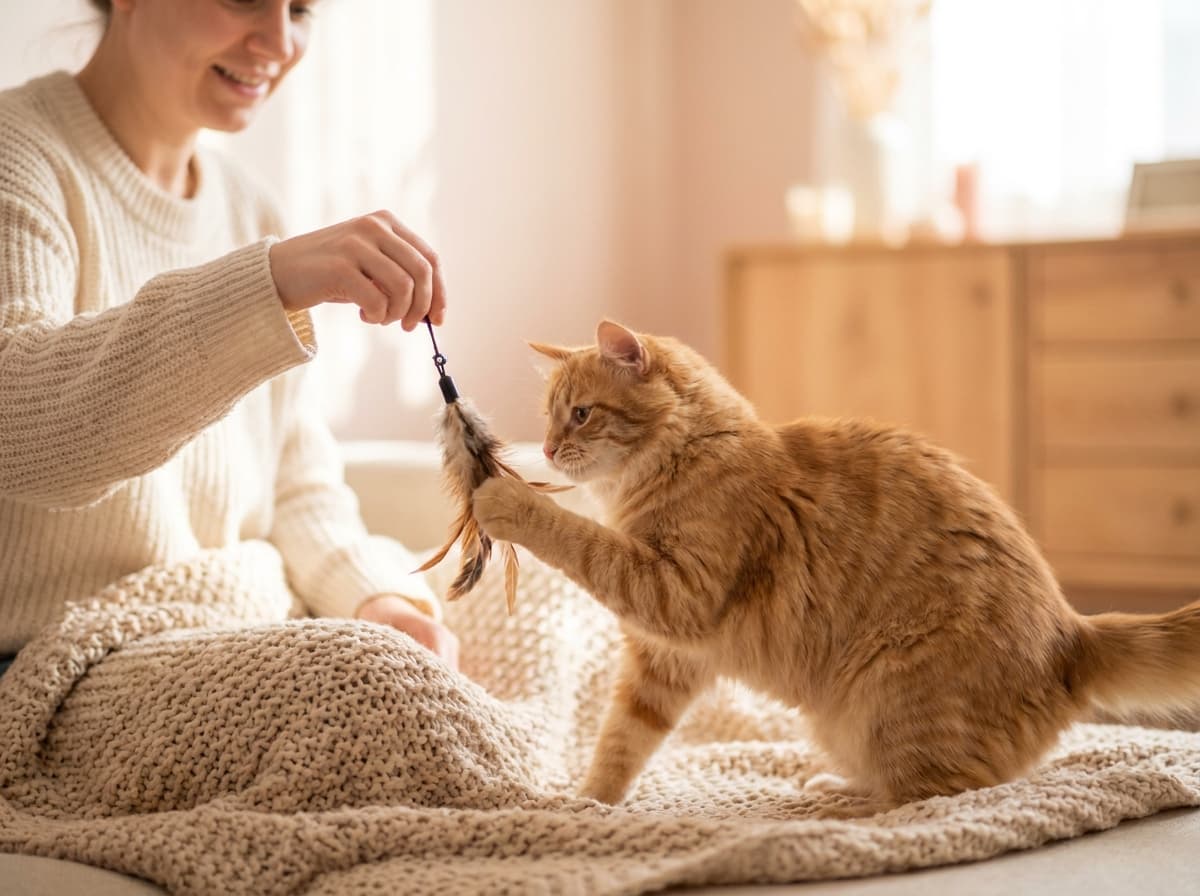
To keep them happy, we have to respect their biology. Cats do not just want to sleep on a sun-drenched rug all day; they need outlets to stalk, pounce, bite, and scratch. This might mean finding the best interactive caterpillar toys for high energy kittens or simply setting aside time for a wand toy. Research suggests that just two 10-15 minute interactive play sessions a day can make a massive difference. Think of it as a workout for their brain. It is about more than just having a few toys scattered on the floor; it is about giving them a life that feels a bit more like the one they were built for.
If your cat has ever randomly lunged at your ankles while you were walking to the kitchen, you have experienced redirected hunting instincts. It is not that they are being mean or aggressive; it is just that their brain is screaming for a target. Vitale explains that if a cat does not have an appropriate outlet for biting, they might pick an inappropriate one - like your hands or feet. This is a classic sign that their indoor environment is not meeting their predatory needs.
The fix is proactive environmental design. Instead of waiting for them to get frustrated, we can build hunting moments into their daily routine. This is where low cost feline enrichment ideas for bored indoor cats come in handy. You can even make a reach feeder using simple toilet paper rolls and a shoe box. These tools force them to use their brains and paws to catch their meal. By giving them a better way to be a predator, you protect your ankles and their mental health at the same time.
Key insights:
- Stereotypic behaviors like pacing are clear indicators of psychological stress.
- Interactive play should be broken into two 10-15 minute sessions daily.
- Biting humans is often a redirection of natural hunting instincts that have no other outlet.
- Simple DIY tools like food puzzles provide essential mental stimulation and mimic foraging.
The Link Between Boredom and Biting
Ever feel like your ankles are being hunted while you walk to the kitchen? It is not just a quirk. When indoor life gets too dull, cats often redirect their natural hunting instincts toward the only moving targets around: your hands and feet. Without a way to stalk and pounce, that energy turns into play aggression because they have no other way to release those wild urges.
Researcher Kristyn Vitale notes that cats without an outlet for biting will often choose an inappropriate one, like their owners. You can fix this through proactive environmental design. Try scheduling two interactive play sessions daily, lasting about 10 to 15 minutes each. This gives them a chance to bite and pounce on toys rather than your skin, effectively stopping the problem before it starts.
Boredom also triggers stress signs like pacing or overgrooming. Rotating toys or adding a simple DIY puzzle feeder provides the variety they need to stay sharp. It turns your home into a space where they can actually be a cat, keeping your furniture and your fingers safe.
Key insights:
- Hunting instincts are often redirected toward humans when cats lack appropriate play outlets.
- Interactive play sessions of 10 to 15 minutes twice daily can prevent redirected aggression.
- Environmental variety helps stop stereotypic behaviors like pacing or overgrooming caused by stress.
Fun on a Budget: Low-Cost Enrichment They Will Actually Use
You probably have everything you need for a high-end cat toy sitting in your recycling bin right now. Keeping a cat entertained doesn't require a massive budget, but it does require a little creativity. Think about it: in the wild, cats spend their day hunting and foraging. When we just drop a bowl of kibble on the floor, we take away that mental challenge. This is where the DIY reach feeder comes in. All you need is an old shoe box, a few empty toilet paper rolls, and a pair of scissors. Trace the circles from the rolls onto the lid, cut them out, and tuck the rolls inside. Sprinkle some dry food into the tubes, and suddenly your cat has to hunt for their dinner. This mimics their natural stalking and pouncing instincts and helps with weight management by slowing down fast eaters. It is a simple way to prevent stress-related behaviors like overgrooming or pacing that often pop up when life gets too predictable.
Beyond physical toys, your cat's nose is a powerful tool for engagement. You can refresh their interest in the environment just by introducing non-toxic scents like silvervine, cat grass, or valerian root. If your cat has a pile of old toys they haven't touched in months, don't throw them away. Instead, try the airtight container trick: toss those bored-looking mice into a jar with some fresh catnip for a few days. When you bring them back out, they will smell brand new to your cat. Novelty is the secret sauce here. Rotating toys every week is far more effective than buying a constant stream of new ones. Even digital stimulation, like putting on Bird TV for some visual movement, can give them a much-needed mental break while you're busy.
The reality is that animals often engage in repetitive behaviors when their environment lacks variation. These are known as stereotypic behaviors, and they are signs of psychological stress. If a cat does not have an appropriate outlet for their energy, they might start directing that hunting instinct toward your ankles. You do not need a house full of expensive gadgets to fix this. A mix of DIY puzzles, scent work, and a few 10-minute play sessions each day is usually enough to keep their instincts sharp. It is not about how much you spend, but how well you tap into what makes them a cat in the first place.
Key insights:
- Rotating toys every week creates a sense of novelty that keeps cats engaged without spending more money.
- DIY food puzzles serve a dual purpose: they provide mental stimulation and help manage weight by slowing down eating.
- Sensory enrichment using non-toxic plants like silvervine or valerian root can refresh old toys and reduce boredom-related stress.
The 5-Minute DIY Reach Feeder
Ever notice your cat pacing or overgrooming? These are often signs of psychological stress caused by a boring routine. As cat researcher Kristyn Vitale points out, animals often fall into repetitive behaviors when their environment lacks variety. You can break that cycle in five minutes with low cost feline enrichment ideas for bored indoor cats. All you need is a shoe box with a lid, a few empty toilet paper rolls, and a knife.
The setup is easy. Trace the ends of the rolls onto the box lid, cut out the holes, and tuck the rolls inside so they stand upright. Drop some kibble into the tubes and watch the magic happen. This reach feeder turns mealtime into a game that mimics natural foraging. It is a brilliant way to slow down fast eaters and support weight management while keeping their minds sharp.
Think of it as a workout for their brain. Without these outlets for stalking and pouncing, cats might start directing those hunting instincts toward your feet. By giving them a puzzle, you are preventing behavioral issues like biting before they even start. It is simple, cheap, and honestly, pretty fun to watch.
Key insights:
- Food puzzles provide dual benefits of mental stimulation and physical health management.
- Environmental enrichment serves as a preventative measure for behavioral problems like overgrooming.
Sensory Magic: Catnip, Silvervine, and Beyond
Ever notice how your cat's nose starts twitching the moment you open a window? Their sense of smell is a superpower, and you can use it to turn a boring afternoon into a sensory adventure. While catnip is the famous choice, silvervine and valerian root are also fantastic non-toxic options that keep their noses busy and satisfy those deep-seated hunting instincts.
Here is a pro tip for when they seem bored with their current collection: try the airtight container trick. Instead of buying new stuff, toss old toys into a sealed jar with a scoop of dried catnip for a few days. This recharges the scent, making a forgotten felt mouse suddenly irresistible again. It is a simple way to provide the novelty they crave without spending a dime.
This matters because a lack of environmental variation can lead to psychological stress. You might see this show up as pacing or overgrooming, which researchers call stereotypic behaviors. By rotating scents and refreshing toys, you are not just playing. You are providing essential mental health care that prevents boredom from turning into a bigger problem.
Key insights:
- Rotating scents like silvervine and valerian prevents nose blindness and keeps indoor environments exciting.
- Refreshing old toys in airtight containers with catnip is a budget-friendly way to maintain high engagement.
- Sensory enrichment acts as a preventative measure against stress-induced behaviors like overgrooming.
Taming the Tiny Tiger: Best Toys for High-Energy Kittens
Have you ever watched your kitten zoom across the living room at three in the morning? It is not just a random burst of speed; it is a biological drive to hunt. To keep your furniture and your ankles safe, you need toys that engage those instincts. Interactive caterpillar toys are a game-changer because they wiggle and move unpredictably. This allows your kitten to practice stalking and pouncing just like they would in the wild. It is simple: if they do not have an appropriate outlet to use that energy, they might start biting your hands or feet instead.
You do not need to play for hours to wear them out. Focused sessions of 10 to 15 minutes a few times a day are actually more effective. Think of it as a high-intensity workout for your cat. When you structure play this way, you help prevent what experts call stereotypic behaviors - things like pacing or overgrooming that happen when a cat is stressed by a lack of variety. A quick, intense session with a wand toy before you head out can make a massive difference. What does this mean for you? A much calmer, happier cat when you get home.
But what happens when you are stuck at the office? This is where tech comes in. Automated toys and pet cameras are great because they provide enrichment while you are away. Some even let you dispense treats or control a laser from your phone. The goal is to keep their environment fresh and interesting. By mixing these high-tech tools with daily one-on-one play, you give your tiny tiger the variety they need to stay healthy. After all, a tired kitten is almost always a well-behaved kitten.
Key insights:
- Short, 10-15 minute play sessions are more effective than long, unfocused ones for energy management.
- Interactive toys prevent kittens from redirecting hunting instincts toward humans or furniture.
- Using automated toys and tech helps maintain environmental novelty when owners are not home.
Staying Chilled: Summer Safety Without Air Conditioning
Ever noticed your cat stretched out flat on the kitchen tile during a heatwave? They are looking for a heat sink. When the house starts feeling like an oven and you do not have air conditioning, creating cool zones is your first line of defense. Beyond the tile, try wrapping a frozen water bottle in a sock and tucking it into their bed. It is a simple, low-cost trick that gives them a chilly spot to lean against when the sun is at its peak.
Airflow matters too, but fans do not cool cats the same way they cool humans because cats do not sweat through their skin. Instead, fans help by moving the hot air away from their bodies. While you are managing the environment, take a look at their coat. A quick grooming session to thin out that heavy undercoat helps them regulate their temperature much better. Plus, keeping them comfortable prevents the kind of psychological stress that leads to overgrooming or pacing. Researchers like Kristyn Vitale note that these repetitive behaviors often happen when a cat's environment lacks variation or becomes uncomfortable.
Hydration is the final piece of the puzzle. If your cat is not a big drinker, try a water fountain to catch their interest or get creative with tuna ice cubes. Just freeze the juice from a tuna can into small trays. It is a brilliant way to sneak in extra fluids while providing a bit of sensory enrichment. You can even drop these cubes into a DIY reach feeder made from old toilet paper rolls. This keeps their mind off the heat and satisfies their natural hunting instincts without requiring a ton of high-energy movement in the middle of a hot afternoon. What does this mean for your cat? It means a cooler body and a much happier, less stressed brain.
Key insights:
- Cats rely on conductive cooling from surfaces like tile since they cannot sweat like humans.
- Grooming is a functional cooling tool that removes trapped heat in the undercoat.
- Frozen treats like tuna ice cubes provide dual benefits of hydration and mental stimulation.
- Reducing physical discomfort from heat helps prevent stress-induced behaviors like overgrooming.
Taking the Leap: A Beginner Guide to Leash Training
Ever caught your cat staring longingly at a bird through the window glass? It is easy to think they are just being curious, but they are actually itching to use those natural instincts like stalking and scent-marking. When a cat stays inside without enough variety, they often get stressed. This might show up as pacing or overgrooming, which researcher Kristyn Vitale notes are signs of a boring environment. Think of an outdoor walk as a way to give them the mental workout they are missing while keeping them safe on a lead.
Before you head out, you need the right gear. A standard collar will not work because cats are basically escape artists who can wiggle out of almost anything. You need a secure harness that fits snugly so they stay put. While you are getting them used to the gear, try using a clicker. This little noisemaker helps you mark the exact second they do something right, like sitting still while you buckle them in. It is a simple way to tell them they are doing a great job without any confusion.
When you finally step outside for the first time, do not just head for the busy sidewalk. Start in a quiet, enclosed area like a fenced backyard or a screened porch. This helps your cat build confidence without the scary noise of cars or barking dogs. It is all about letting them map out the area at their own pace. By starting small, you ensure the experience is a fun adventure rather than a stressful event that makes them want to hide under the sofa.
Keep a close eye on their body language throughout the process. If their ears go flat or their tail starts twitching quickly, it is a sign they are feeling overwhelmed. It is always better to head back inside early and try again tomorrow than to push them too far. You might wonder if your cat is too old to learn, but most cats can adapt if you take it slow and follow their lead. The goal is to make the outdoors a fun extension of their home that keeps their mind sharp and their body active.
Key insights:
- Outdoor walks provide an outlet for natural behaviors like scent-marking and stalking.
- Harnesses are safer than collars for cats because they prevent easy escapes.
- Clicker training uses positive reinforcement to help cats associate gear with rewards.
- Reading tail and ear positions is the best way to know when your cat has had enough.
Your First Steps Outside
Ready to take that first step through the door? It’s a big deal for both of you. Start in a quiet, enclosed space where your cat feels safe, like a fenced patio or a tucked-away corner of the yard. This isn't about hiking miles; it's about letting them practice natural instincts like scent-marking and stalking in a controlled way. Keep a close eye on their tail and ears. If you see signs of stress, like pacing or a low crouch, it’s time to head back inside.
Remember, environmental enrichment is a great preventative measure for behavioral problems. Without an outlet for their energy, cats might engage in stereotypic behaviors like overgrooming or even redirect their hunting instincts toward your ankles. Short, positive bursts are much better than one long, scary trek. Think of it as a confidence-building mission that keeps their mind sharp and their stress levels low.
Key insights:
- Starting in a familiar, enclosed area helps your cat build confidence without feeling overwhelmed.
- Watching for signs of stress, like pacing, ensures the experience remains positive and safe.
Feline Pharmacology: Giving Meds Without the Drama
Have you ever tried to give a cat a pill? It often feels like you are wrestling a tiny, furry cactus. While it is tempting to skip a dose when things get dramatic, safe medication administration is vital for your cat’s health. When we treat medical needs as a normal part of the day, we reduce the psychological stress that causes pacing or overgrooming. Think of it as a necessary hurdle to keep them happy.
If your cat treats a pill like a personal insult, try the burrito method. Wrap them snugly in a towel with only their head poking out. This keeps paws tucked away and helps them feel secure. You can also hide the medicine in a high-value treat or use a pill popper to get it past the spit-out zone quickly. The goal is speed and calmness. If you are too tense, they will know, and the drama will only escalate.
The secret is to always end on a high note. Use positive reinforcement like a favorite snack immediately after the medicine is gone. This builds a new association where the scary part leads to a reward. You might even use interactive play for ten to fifteen minutes afterward to burn off nervous energy. By letting them practice natural instincts like pouncing on a toy, you help them reset their mood and forget the temporary stress.
Key insights:
- Consistent medication prevents stress-related behaviors like pacing.
- Positive reinforcement after meds helps your cat form better associations.
- Interactive play for 10 to 15 minutes helps cats recover from medical stress.
Common Questions About Indoor Cat Life
Ever wonder why your cat suddenly starts pacing or grooming the same spot over and over? It is not just a quirk. Cat researcher Kristyn Vitale points out that animals often fall into these repetitive patterns when their environment gets too predictable. Without a little variety, indoor life can actually become stressful for them. Think about it: if you were stuck in the same four walls with nothing new to do, you would get a bit restless too.
So, how do we fix it without breaking the bank? Low cost feline enrichment ideas for bored indoor cats are everywhere. You can build a simple reach feeder using just toilet paper rolls and a shoe box. It mimics the natural way cats forage for food, which keeps their brains sharp and helps manage their weight. Even something as simple as Bird TV on YouTube or rotating their toys every week to keep things fresh can make a huge difference.
The goal is to let them be cats. They need outlets for stalking, pouncing, and even biting. If they do not have a toy to bite, they might go for your ankles instead. Aim for two quick ten to fifteen minute play sessions a day to keep them happy. A little bit of effort goes a long way in turning a bored kitty into a satisfied one.
Key insights:
- Stereotypic behaviors like overgrooming are often signs of psychological stress from boredom.
- Rotating toys and using catnip can refresh a cat's interest in old items.
- Food puzzles provide mental stimulation while preventing fast eating and weight gain.
Frequently Asked Questions
Conclusion
So where does this leave you and your cat? It shows that a happy indoor life is about more than just a full food bowl. It is about mixing mental fun with physical safety. When you combine low cost feline enrichment ideas for bored indoor cats with summer cooling tips and a bit of leash training, you create a home where your cat can really be a cat.
You do not need a huge budget or a lot of space to make this happen. Sometimes the best results come from simple things like a cardboard box or a few minutes of play with interactive caterpillar toys. These small moments help stop stress and keep your cat sharp, healthy, and cool even when the weather gets tough.
Your next move is simple. Pick just one idea from this guide to try today. Whether you are making a DIY feeder or checking out a beginner guide to feline pharmacology to make med time easier, your cat will notice the effort. A bored cat is just a cat waiting for an adventure, so go ahead and start one right in your living room.
Send it to someone who should read it next.
About the author
Sophia Parks
Breed Specialist & Breeder
Registered cat breeder and judge with deep expertise in pedigreed breeds and breed standards worldwide.
View all articles