Is Your Cat Always Thirsty? A Stress-Free Guide to Managing Feline Diabetes
Did you know that as many as 1 in 100 cats might develop diabetes? If you've noticed your kitty hovering over the water bowl lately, you aren't alone in feeling...

PurrScript Editorial Team
Editorial Team
Is Your Cat Always Thirsty? A Stress-Free Guide to Managing Feline Diabetes
Did you know that as many as 1 in 100 cats might develop diabetes? If you've noticed your kitty hovering over the water bowl lately, you aren't alone in feeling a bit worried. It's a scary moment when the vet mentions those two words, but here's some big news. A diagnosis of feline diabetes is not the life sentence it used to be.
Managing this condition is getting easier every year. We're going to look at the real symptoms of feline diabetes and why your cat's bowl is actually their best medicine. You'll see how switching to high protein low carb cat food can make a massive difference, sometimes even leading to diabetic cat remission where they don't even need needles anymore.
We'll also walk through the basics of cat insulin injections and how feline glucose monitoring at home is changing the game with new tech. You've got this, and your furry friend is going to feel so much better once we get a solid plan in place.
Spotting the Signs: Is Your Cat Just Thirsty or Is It Something More?
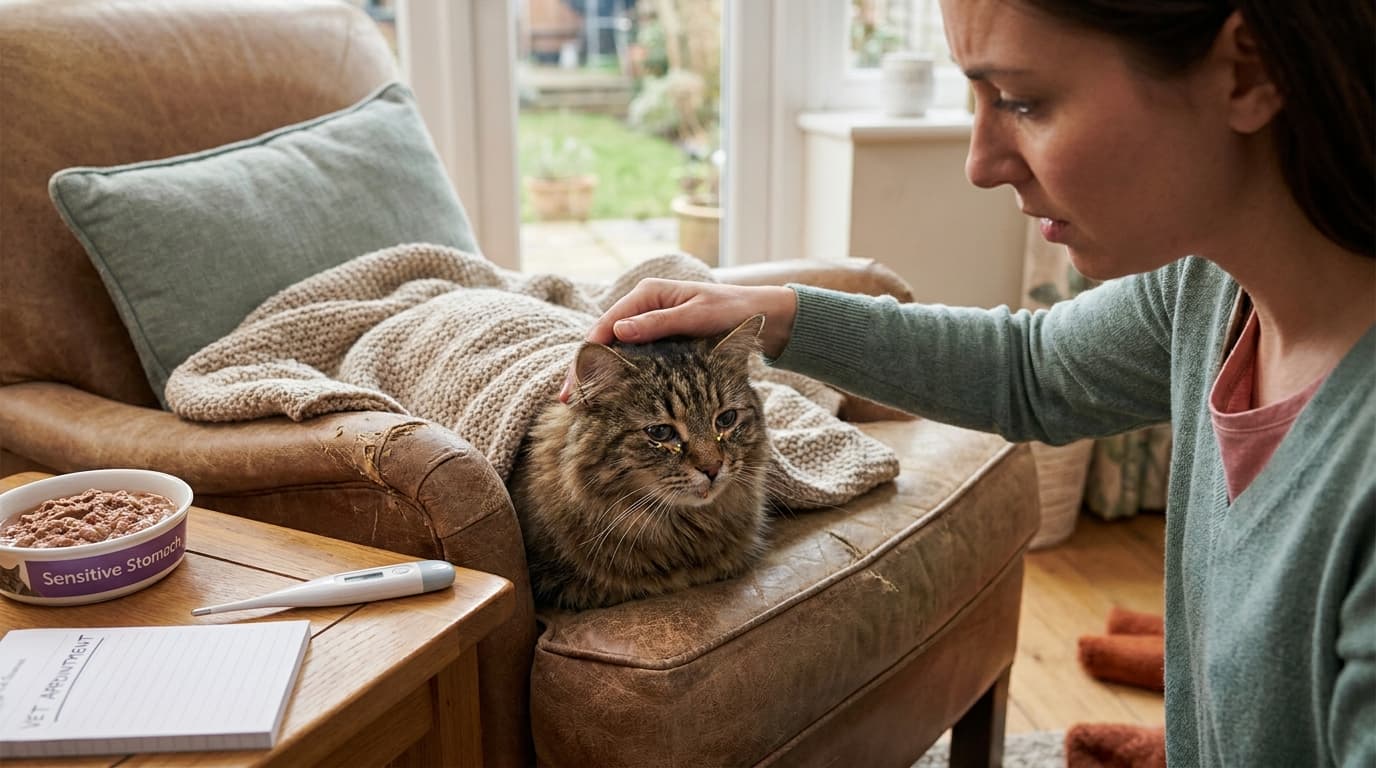
Ever notice your cat acting like they just finished a marathon at the water bowl? It might seem like they are just staying hydrated, but if you are refilling that dish more than usual, it is time to pay attention. In the vet world, we call this PU/PD. That is shorthand for polyuria, which is peeing a lot, and polydipsia, which is drinking a lot. It is one of the most common symptoms of feline diabetes, a condition affecting anywhere from 1 in 100 to 1 in 500 cats.
Then there is the hungry but shrinking mystery. You might see your cat eating like a tiny lion, yet their spine and hips start feeling pointier. It feels backward, right? This happens because their body cannot actually use the fuel they are consuming. If your cat is carrying some extra fluff, the stakes are even higher. Research shows that obese cats are up to four times more likely to develop diabetes than those at a healthy weight. Catching these signs early is the first step toward getting them back on track.
So, what is actually happening inside? Think of it as a sugar spill. In Type II diabetes, which is the most common form for our feline friends, their cells stop responding to insulin properly. This causes blood sugar levels to skyrocket. When the kidneys try to filter all that excess sugar, they simply get overwhelmed. The sugar spills into the urine, and because sugar acts like a sponge, it pulls massive amounts of water out of your cat's system along with it.
This explains why your cat is constantly thirsty. They are trying to replace the water they are losing through all that extra peeing. They are not just drinking for fun. They are literally flushing water out of their bodies because of the glucose overload. This is why switching to a high protein low carb cat food is so vital. By keeping carbohydrate calories below 10 percent, you help stop the sugar spill at the source and give their kidneys a much-needed break. It is a simple change that makes a massive difference in how they feel every day.
Key insights:
- Obese cats face a four-fold increase in diabetes risk compared to cats at an ideal weight.
- Weight loss happens even with a huge appetite because the body cannot convert glucose into energy.
- The sugar spill in the kidneys is what causes the cycle of excessive thirst and urination.
The Science of the 'Sugar Spill'
Ever notice your cat acting like they can't get enough water? It is not just a quirk. In Type II diabetes, the body stops responding to insulin correctly, leaving too much sugar in the blood. Think of the kidneys like a filter with a set limit. When glucose levels get too high, they overwhelm that filter. The kidneys can't keep up, so the extra sugar spills into the urine.
Here is the problem: sugar acts like a magnet for water. As the glucose exits the body, it drags massive amounts of fluid with it. This is why you might see huge clumps in the litter box. Your cat is literally flushing water out of their system. They stay thirsty because they are constantly trying to replace what they just lost. It is a physical cycle that explains why extreme thirst is such a major warning sign.
Key insights:
- The sugar spill occurs when blood glucose exceeds the kidneys' ability to reabsorb it.
- Increased urination is caused by glucose pulling water out of the body, leading to compensatory thirst.
The Food Secret: Why Your Cat’s Bowl Is the Best Medicine
Did you know your cat's dinner might be the most powerful tool in your medical kit? Most of us grew up thinking kibble was the gold standard for pets, but for a diabetic cat, dry food is often the primary culprit. It is usually packed with way too many carbohydrates. Think of Type II diabetes in cats as a massive traffic jam where the body cells just stop responding to insulin properly. This insulin resistance is the most common form of the disease, and for many cats, it starts right at the bottom of a crunchy food bowl.
To get things back on track, experts like Dr. Lisa Pierson suggest a simple but strict rule: stay below 10 percent carbohydrate calories. It sounds technical, but it really just means ditching the dry stuff for high quality wet food. Since obese cats are four times more likely to get sick, shedding those extra pounds through a low carb diet is a total game changer. When you cut the sugar and starch, you are not just feeding them, you are actually helping their body remember how to process energy again. This shift is often the first step toward getting their health back in balance.
But before you throw away every bag of kibble in the pantry, we have to talk about the STOP sign. This is the most important warning you will hear today. If your cat is already taking insulin injections, you cannot just switch their food overnight. Why? Because a better diet works almost too well. As soon as you remove those heavy carbs, your cat's blood sugar will likely drop fast. If you keep giving the same high dose of insulin while feeding low carb food, your cat could face a life threatening hypoglycemic crisis. This is a medical emergency that no owner wants to experience.
A hypo episode happens when blood sugar levels crash dangerously low. It is scary and can happen in a heartbeat if the food and the medicine are not perfectly balanced. This is why you must work closely with your vet to lower the insulin dosage as you change the menu. It is a team effort. You monitor the levels at home, and the vet helps you dial back the shots as your cat's body starts doing more of the work on its own. It is a delicate dance, but it is the safest way to move forward.
The good news is that this aggressive early management often leads to something amazing called remission. This means your cat might eventually stop needing shots altogether. It takes a serious commitment from everyone in the house, but seeing your cat regain their energy and get off the needle makes every bit of effort worth it. It is not just about managing a disease, it is about giving them their life back. By focusing on the right food and careful monitoring, you are giving your cat the best chance at a long and happy life.
Key insights:
- Switching to low carb wet food can drastically reduce a cat's need for insulin, but it must be done under veterinary supervision to avoid a blood sugar crash.
- Type II diabetes in cats is primarily an insulin resistance problem that is often triggered or worsened by high carbohydrate dry foods.
- Diabetic remission is a realistic goal for many cats if owners implement strict dietary changes and consistent home monitoring early on.
The STOP Sign: A Warning on Dietary Changes
You found the perfect low-carb wet food and you are ready to start. But wait. There is a massive STOP sign you need to see first. If your cat is already taking insulin, switching their diet overnight is dangerous. High-protein, low-carb food makes the body much more sensitive to insulin. Changing the menu without adjusting the meds can lead to a sudden, life-threatening hypo crisis.
Think of it like a seesaw. When you remove the carbs but keep the insulin dose the same, the balance flips. Expert Dr. Lisa Pierson warns that you should never pull the carbs out from under a cat on a fixed dose. In many clinics, vets see insulin needs drop by half the moment a cat stops eating dry kibble. You must work with your vet to lower the units as you change the menu.
The main goal here is remission. By keeping carbohydrate calories below 10 percent, you give your cat the best chance to heal. Just remember that this transition is a team effort. It is a balancing act, but seeing those numbers stabilize is worth the extra care.
Key insights:
- Dietary changes must be paired with immediate insulin adjustments to prevent dangerous blood sugar drops.
- Low-carbohydrate food significantly increases insulin sensitivity in diabetic cats.
- Collaborating with a veterinarian for home glucose monitoring is the safest way to change your cat's menu.
Taking the Fear Out of Injections and Testing
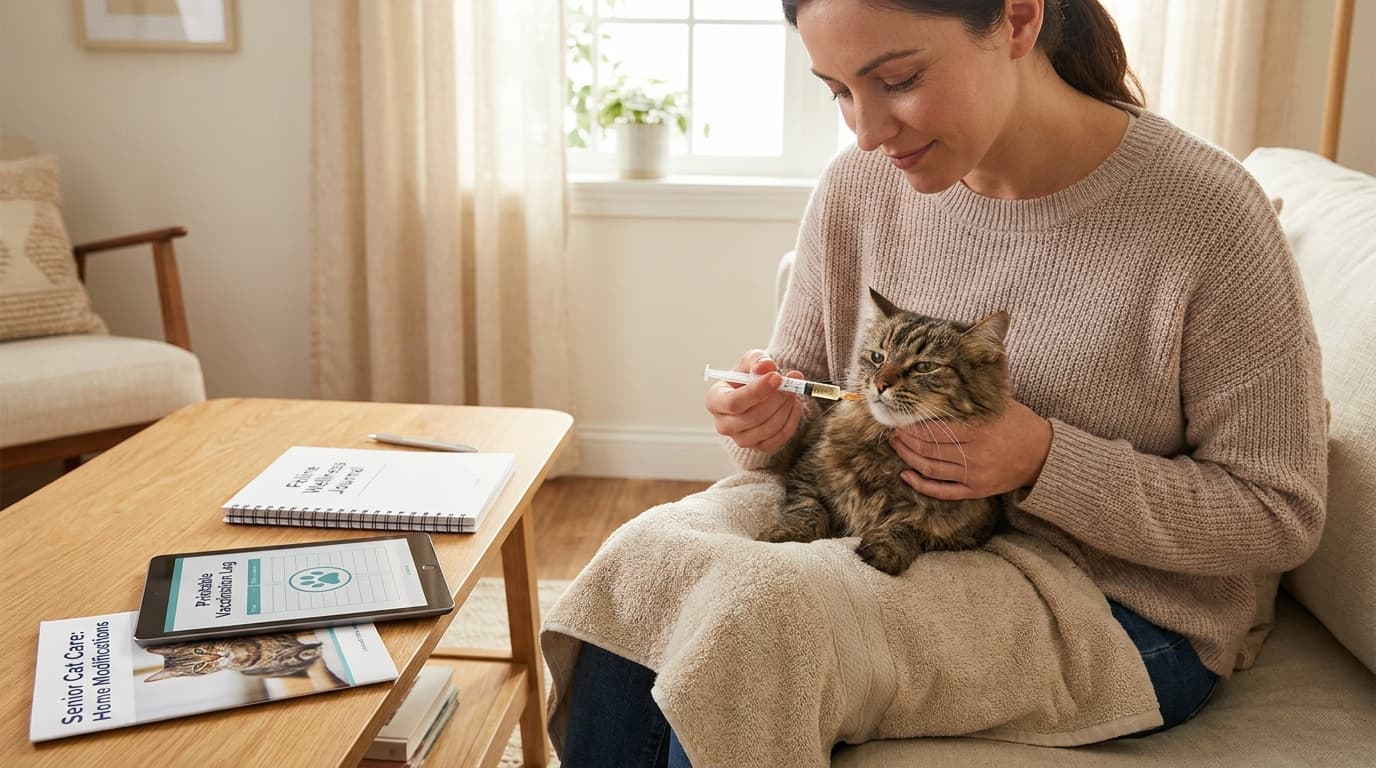
Most people hear the word injection and immediately picture a battle with a grumpy cat. But here is a secret: giving your cat insulin is usually much easier than trying to clip their nails. While a nail clipper feels like a threat to a cat, an insulin needle is so tiny they often do not even feel it. You are not poking a muscle like a human flu shot. You are just tucking a tiny needle into the loose skin behind their neck while they eat. It becomes a non-event in your daily routine faster than you would think.
This management is a big deal for the whole family, as Dr. Samantha Morici points out. It is a lifelong journey, but it does not have to be a stressful one. The goal is to get your cat into remission, which is a realistic outcome for many cats if we start treatment early and stay consistent. Since Type II diabetes is the most common form in cats, their bodies can sometimes start regulating glucose again if we give them the right support through diet and medicine. It is about giving them a better quality of life and maybe even reaching that point where they no longer need daily shots at all.
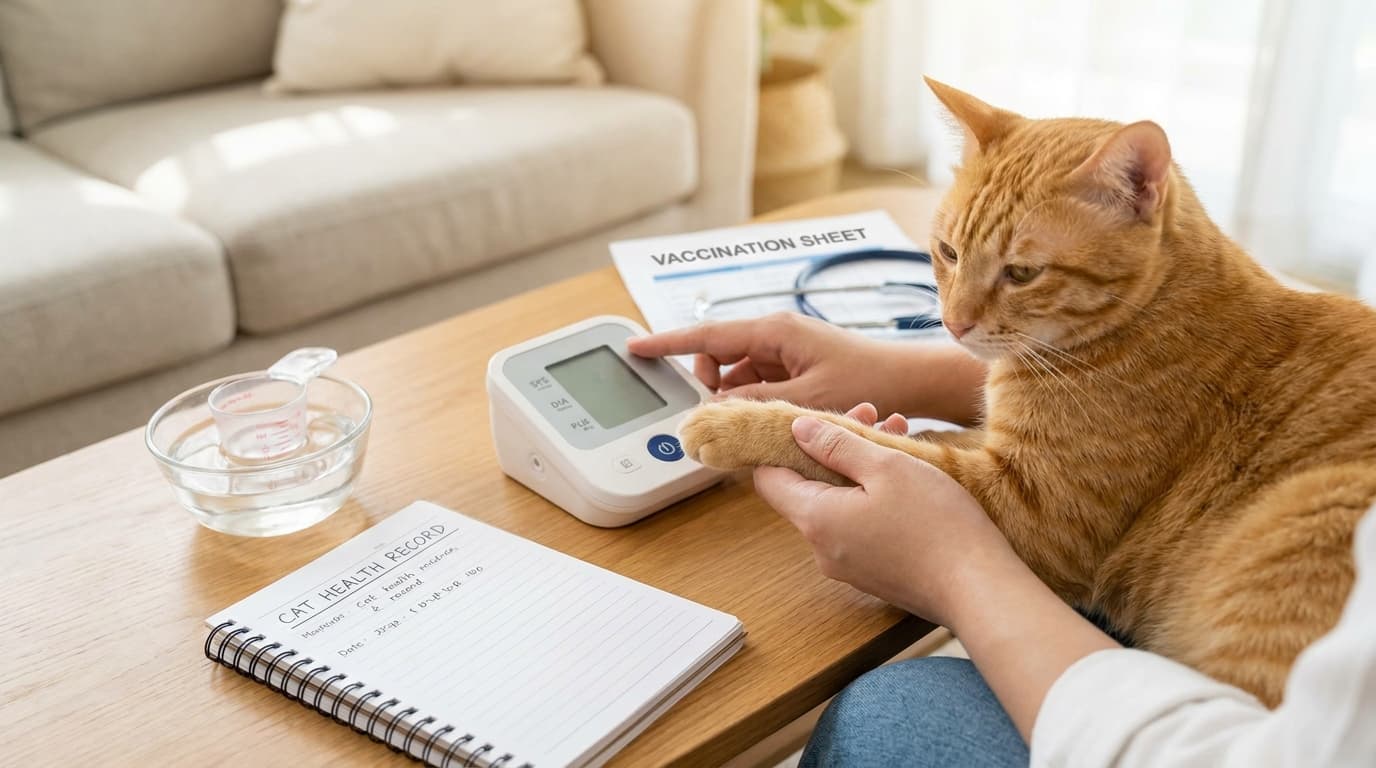
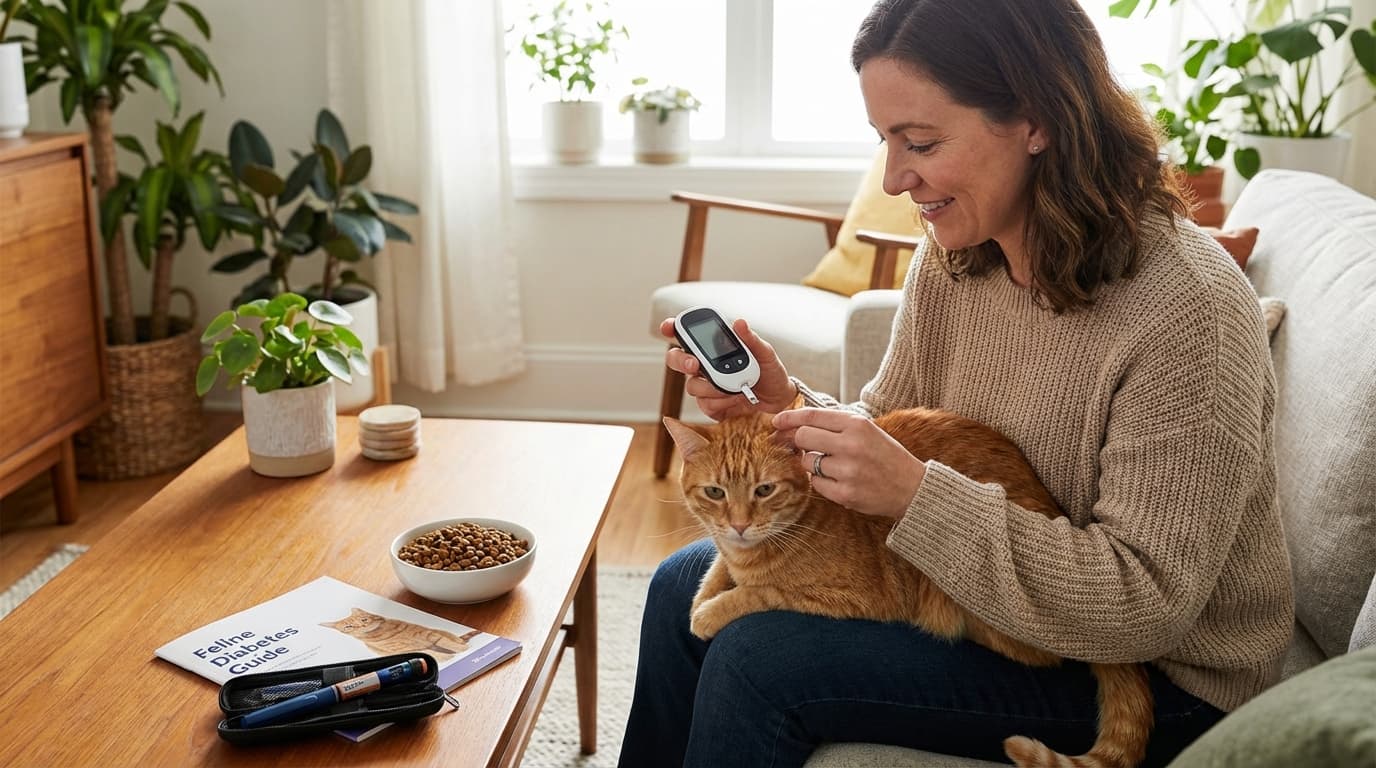
Moving the testing from the vet clinic to your living room is another huge win. When a cat is at the vet, they are usually terrified. That stress makes their blood sugar spike, which gives the vet data that might not reflect reality. By checking things at home, you get a much clearer picture of how they are actually doing. Plus, the technology is changing fast. In 2025, we are seeing a massive shift toward Continuous Glucose Monitors (CGM). Instead of constant ear pricks, these tiny sensors stay on the skin and give you a full view of their levels through an app.
To make the transition easy, try setting up a dedicated testing station. This is just a specific spot, like a soft towel on the counter, where your cat knows they get the good treats. Use high-protein snacks to keep things low-carb since diabetic cats need to stay under 10% carbohydrate calories. If they associate the testing spot with their favorite food, they might actually start waiting for you there. It turns a medical chore into a bonding moment.
Just remember the warning from experts like Dr. Lisa Pierson: never change their diet without talking to your vet first. If you cut out the carbs but keep the insulin dose the same, their blood sugar could drop dangerously low. Think of it as a team effort between you and your vet. You provide the real-world data from your home environment, and they help you fine-tune the plan. You are taking the guesswork out of their care, and that is the best way to keep your furry friend happy and hydrated.
Key insights:
- Insulin needles are much smaller and less invasive than most owners expect.
- Home testing prevents 'stress hyperglycemia' which can lead to inaccurate doses at the vet.
- Continuous Glucose Monitors are becoming the 2025 standard for pain-free tracking.
- Dietary changes must be synchronized with insulin adjustments to avoid a hypoglycemic crisis.
Mastering the Home Glucose Check
Ever wonder why your cat’s blood sugar numbers look sky-high at the clinic but okay at home? It is called stress hyperglycemia. When your kitty is scared in a carrier or on an exam table, their body floods with glucose, making it hard for your vet to get a clear reading. This is why feline glucose monitoring at home is such a game-changer. By checking levels in your living room, you see the real story of how that high protein low carb cat food is actually working.
To make this easy, set up a testing station. Pick a cozy spot like a favorite sunlit chair and keep a stash of freeze-dried treats nearby. If you pair every check with a snack, your cat might actually start running to the station when they see the kit. It turns a medical chore into a predictable routine that you both can handle without the drama. Think of it as a specialized snack time rather than a doctor visit.
Recent 2025 guidelines show a big shift toward this kind of home data, including the use of wearable sensors. Whether you use a high-tech patch or a traditional ear-prick meter, the info you gather while your cat is relaxed is much more helpful for your vet than a stressful office visit. It is the most reliable way to safely adjust insulin and aim for remission. Plus, it gives you peace of mind knowing exactly how your cat is doing in real time.
Key insights:
- Stress at the vet causes glucose spikes that can lead to inaccurate insulin adjustments.
- A dedicated testing station with treats helps your cat associate glucose checks with rewards.
- Home data is now considered the gold standard in 2025 clinical guidelines for managing feline diabetes.
The Goal Nobody Tells You About: Reaching Remission
Imagine a world where your morning routine does not involve chasing your cat with a syringe. For many owners, the word diabetes sounds like a permanent sentence, but there is a goal that often gets overlooked in the initial panic: remission. This is not just wishful thinking. Remission means your cat’s body regains the ability to regulate its own blood sugar, effectively turning off the disease and ending the need for daily injections. While feline diabetes affects anywhere from 1 in 100 to 1 in 500 cats, it does not always have to be a lifelong struggle.
So, how do you get there? The secret lies in aggressive management right from the start. Think of it as a sprint to help the pancreas recover before it stays permanently damaged. Because most cats suffer from Type II diabetes, where their cells just stop responding to insulin properly, fixing the fuel source is priority number one. Expert vets like Dr. Lisa Pierson emphasize a strict no dry food rule because you want to keep carbohydrate calories below 10 percent. When you pair this specific diet with consistent insulin therapy, you give your cat the best shot at a needle-free future.
But here is a vital warning: never swap their food overnight without talking to your vet. Switching to high-protein, low-carb canned food can drop blood sugar levels so fast that your current insulin dose might become dangerous. It is a balancing act, but the payoff is huge. We see success stories all the time where cats return to completely normal glucose levels within just a few months of diagnosis. Think of the relief of seeing those test strips come back normal day after day. By staying on top of home monitoring and sticking to the plan, you are not just managing a condition. You are actually working toward a cure that restores your cat's quality of life.
Key insights:
- Remission is a realistic goal for many cats when treated aggressively early on.
- Diabetic cats should strictly consume wet food with less than 10% carbohydrate calories.
- Dietary changes must be paired with immediate insulin adjustments to avoid a hypoglycemic crisis.
What’s New in 2025: Pills, Tech, and Better Care
Managing a diabetic cat used to feel like a full-time medical job, but 2025 is bringing some much-needed relief to our living rooms. We are seeing a huge shift in how we handle this condition. Instead of the dreaded twice-daily injections that make both you and your cat want to hide under the bed, new oral medications are hitting the scene. These pills are a total game-changer for owners who just are not comfortable with needles. Plus, technology is finally catching up. Instead of those stressful ear pricks, many vets now recommend Continuous Glucose Monitoring devices. These little sensors give you a constant stream of data, making it way easier to spot trends before they become emergencies.
Food is another area where the old rules are being rewritten. For years, the go-to was expensive prescription kibble, but the latest thinking favors high-quality wet food instead. The math is simple. Cats with Type II diabetes, which is the most common form, need to keep their carbohydrate calories under 10 percent. Most dry foods just cannot hit that mark. Experts like Dr. Lisa Pierson have long argued for no dry food at all. Switching to a low-carb canned diet is not just about weight loss. It is one of the fastest ways to help your cat's body start regulating its own sugar again.
Perhaps the best news is that we are moving toward a team-based care model. You are not just a pill-giver. You are a partner with your vet. This collaboration is vital because feline diabetes does not have to be a life sentence. With early, aggressive management and the right diet, remission is a very real goal. Imagine your cat getting back to their old self without needing daily meds. It takes dedication from the whole family, but with these new tools, a stress-free life is finally possible.
Key insights:
- Oral medications are becoming a viable alternative to traditional insulin injections.
- Switching from dry kibble to low-carb wet food is essential for blood sugar control.
- Continuous Glucose Monitoring (CGM) tech allows for better home tracking than old-school ear pricks.
- Early and aggressive management makes diabetic remission a realistic goal for many cats.
Common Questions from Concerned Cat Parents
Hearing that your cat has diabetes feels like a heavy weight. You probably have a million questions spinning in your head, and that is completely normal. One of the first things people usually ask is if this diagnosis means their cat's life will be shorter. The short answer is not necessarily. While Samantha Morici, DVM, notes that treatment is a lifelong commitment, many cats live long and happy lives. Since Type II diabetes is the most common form in cats, where their cells just stop responding to insulin correctly, we can often manage it with a solid routine. In fact, with early and aggressive care, some cats even go into remission. That means they might eventually stop needing cat insulin injections altogether.
You might also worry about your own freedom. Can you still leave your cat alone for a weekend? It is a bit more complicated than it used to be, but it is not impossible. You will need a reliable pet sitter who knows how to give injections, but new technology is making this much easier. The latest 2025 guidelines show that more owners are using continuous glucose monitors. These little devices stay on your cat and give you data without constant ear pricks. It takes some of the stress out of the process. Just remember that obesity makes a cat four times more likely to get sick, so keeping them active and at a healthy weight is part of the long term plan.
Then there is the big what if factor. What if you accidentally miss a dose of insulin? First, do not panic. Most vets suggest waiting until the next scheduled dose rather than doubling up. Doubling up is dangerous and can lead to a life threatening crisis. Also, be very careful if you are changing their food. Dr. Lisa Pierson often warns that switching to high protein low carb cat food can be risky if you do not lower the insulin at the same time. You want to stay below 10 percent carbohydrate calories. If you drop the carbs but keep the insulin high, your cat could have a blood sugar crash because their body suddenly does not need as much help.
It helps to remember that you are not alone in this. Between 1 in 100 and 1 in 500 cats deal with this condition. It is a common hurdle for pet parents. While things like using steroids for other illnesses can trigger diabetes, most cases come down to diet and weight management. The transition to high quality wet food is one of the best things you can do for them. It might feel like a lot to learn right now, but soon these injections and feedings will just be another part of your morning coffee routine. You have got this, and your cat is lucky to have someone who cares enough to ask these questions.
Key insights:
- Remission is a realistic goal with early and aggressive management.
- Technology like continuous glucose monitors is replacing traditional ear pricks for home testing.
- Never double up on insulin doses if one is missed, as this can cause a hypoglycemic crisis.
- Dietary changes must be coordinated with insulin adjustments to stay safe.
Frequently Asked Questions
It really depends on your specific situation, but most cat parents find they spend somewhere between $100 and $300 every month. Your main expenses will be the insulin itself, syringes, and those all-important testing supplies.
Here is a tip that might save you some money. While some vets suggest expensive prescription kibble, many experts now advocate for high-quality commercial wet food instead. Just make sure it is low in carbs. Also, keep in mind that the first few months are always the most expensive while you are getting the hang of home monitoring and frequent checkups.
Yes, they absolutely can. This is what vets call remission, and it is a very realistic goal for many cats, especially those with Type II diabetes.
The trick is to start a high-protein, low-carb diet right away and stay on top of those insulin shots. When you keep those carb calories below 10 percent, it takes a huge load off their little pancreas. Sometimes the body recovers enough to manage blood sugar on its own again. Just be careful. Never switch their food without your vet watching closely because a better diet means they will need much less insulin almost immediately.
You'll want to head straight for the wet food section and look for pates. The big thing to remember is to keep carbohydrate calories under 10 percent because that is the sweet spot for managing blood sugar. Lisa Pierson, a well known vet, really stresses that dry food is usually off the table for diabetic cats because it is just too high in carbs.
A lot of owners find that standard grocery brands like Fancy Feast Classic Pates work surprisingly well because they meet those low carb goals without the high price of prescription diets. Just make sure you avoid anything with gravy or sauce since those usually have starches and thickeners that drive the sugar levels way up.
It feels like they are a bottomless pit sometimes, right? This usually happens because even though they are eating, their body cannot actually use the fuel. In cats with Type II diabetes, the cells do not respond right to insulin, so the sugar stays stuck in the bloodstream instead of feeding the muscles and organs. Basically, your cat's body thinks it is starving because the energy is not getting where it needs to go.
Sometimes it also means the insulin dose is not quite right yet or their diet is still too high in carbs. When blood sugar stays high, it spills into the urine and pulls water with it, which makes them both hungry and thirsty. If you are still seeing this, it might be time to talk to your vet about home monitoring or adjusting their meals to make sure they are getting enough high quality protein.
Conclusion
Finding out your cat has feline diabetes feels heavy, but it is really just a new chapter in their care. Once you connect those constant trips to the water bowl with what is actually in their dish, the path forward clears up. By swapping to high protein low carb cat food and trying feline glucose monitoring at home, you are doing more than managing a condition. You are helping them feel like a spunky kitten again.
The most exciting part is that this often leads to diabetic cat remission. While cat insulin injections might seem scary now, they are often just a bridge to a needle-free future. With better food and simple home checks, the daily routine becomes second nature much faster than you would think.
Your next move is easy. Chat with your vet about a low-carb menu and start tracking the small wins. You have totally got this, and your cat is going to feel so much better with you leading the way.
Send it to someone who should read it next.

PurrScript Editorial Team
Editorial Team
PurrScript's in-house editorial team. We research, write, and review every guide using established veterinary and behavioral resources, and update articles as best practices evolve.
View all articles