Is Your Cat Just Getting Old? Helping Your Senior Feline Thrive
Did you know your cat isn't just a pet but a potential centenarian in kitty years? With better food and vet visits, many felines are now living well into their...

PurrScript Editorial Team
Editorial Team
Is Your Cat Just Getting Old? Helping Your Senior Feline Thrive
Did you know your cat isn't just a pet but a potential centenarian in kitty years? With better food and vet visits, many felines are now living well into their 20s. But as they age, it gets harder to tell if they're just slowing down or dealing with something more. Proper senior cat care starts with realizing that getting old isn't a disease, it's just a new chapter that needs a different set of rules.
Cats are absolute pros at hiding when they feel crummy. You might think your buddy is just being lazy, but subtle changes in how they jump or groom could actually be arthritis in senior cats. From spotting early kidney disease symptoms to understanding cognitive dysfunction syndrome, knowing the red flags helps you step in before a small issue becomes a big problem.
This guide walks you through everything you need to keep your older cat purring. We'll cover simple home upgrades like orthopedic cat beds, better nutrition, and the medical checks that actually matter. By the end, you'll have a clear plan to help your favorite feline live their best, most comfortable golden years.
Have you noticed your little hunter sleeping more or skipping that big jump to the top of the fridge? It is easy to assume they are just slowing down, but cats are actually living longer than ever, often reaching their 20s. Because of better food and medicine, the age they are considered senior has shifted from 8 years old to about 12 or 14. Once they hit 15, they officially join the geriatric club.
Dr. Richard Goldstein from Cornell reminds us that growing older is not a disease. It is just a new life stage that needs a fresh approach. Since cats are experts at hiding when they feel bad, you have to be a bit of a detective. Subtle changes in how they groom, sleep, or move are often the only clues they give us that something might be up. They are masters at masking pain, so watching their behavior is key.
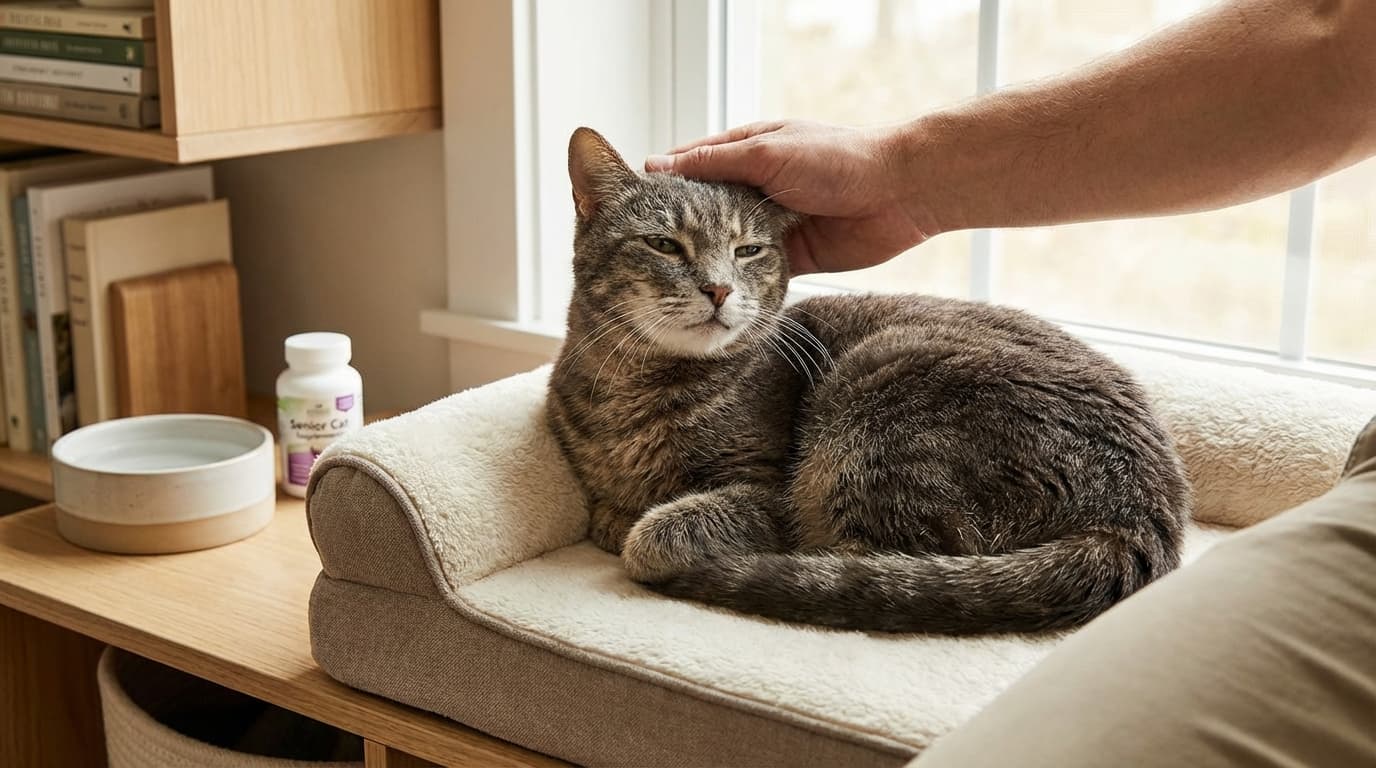
To keep your feline friend thriving, most vets now suggest wellness exams every six months to catch hidden issues early. It is also about making their daily life easier. While we usually remember their medications, we sometimes forget that a senior cat might just need a lower litter box or a cozy ramp to reach their favorite sunny windowsill. These small home tweaks can make a massive difference in their quality of life.
Key insights:
- Cats are now considered senior between 11 and 14 years and geriatric at 15 plus.
- Behavioral changes are the primary indicator of illness because cats naturally hide physical pain.
- Twice-yearly veterinary exams are the new standard for catching progressive diseases early.
- Environmental adjustments like low-sided litter boxes are just as important as medical care.
The Invisible Signs: Why Cats Are Experts at Hiding Pain
Ever wonder why your cat seems perfectly fine one day and then suddenly "gets old" overnight? It is not actually sudden. Cats are masters of the poker face because of something called the predator-prey paradox. In the wild, showing any sign of weakness or pain makes a cat a target. Even though your living room is safe, that ancient instinct is still hardwired into their DNA. They will not cry out or limp until things are pretty serious. Instead, they just quietly adjust and hide their discomfort from everyone.
You have to look for the tiny shifts in their daily routine. Maybe they have stopped jumping onto the high kitchen counter and now prefer the lower coffee table. Or perhaps their coat looks a bit scruffy because it hurts to reach around and groom their back. These are not just "senior moments." They are red flags. Richard Goldstein, a veterinarian at Cornell, says it best: "Growing older is not a disease." If your cat is acting differently, something is usually wrong, even if they are not meowing about it.
Because they hide it so well, you should not wait for your cat to complain before booking a vet visit. Experts now suggest senior cats - those between 11 and 14 years old - get checkups every six months. Catching things like dental disease or kidney issues early makes a massive difference. For instance, dental pain can get so bad a cat stops eating entirely, which can lead to a life-threatening liver condition. A quick exam twice a year is the best way to see behind the mask and keep them happy.
When we think of arthritis, we usually imagine a noticeable limp. With cats, it is rarely that obvious. Instead of limping, an arthritic cat just stops doing things. They might sleep more or seem "lazy," but they are actually just trying to avoid the ache in their joints. It is a slow-down that is easy to miss if you are not looking for it. They are not just being a couch potato; they are protecting themselves from pain.
Helping them feel better usually involves a mix of medicine and lifestyle tweaks. Vets often suggest joint supplements like glucosamine or anti-inflammatories to manage the daily throb. But do not overlook weight management. Even a little extra weight puts huge pressure on old joints. Think of it this way: every extra pound is like carrying a heavy backpack all day long. Also, make their life easier at home. Put a litter box on every floor so they do not have to tackle the stairs, and maybe swap their high-sided box for something lower so they can just walk right in.
Does your cat wander the halls at 3:00 AM letting out strange, loud yowls? It might not be hunger. It could be Cognitive Dysfunction Syndrome, which is basically feline dementia. As cats get into their geriatric years, which is 15 and up, their brains can start to get a bit fuzzy. They might get trapped in corners, forget where the litter box is, or seem confused by family members they have known for years. It is a confusing time for them, and they need a bit of extra grace.
It is tough to see, but there are ways to help. Keeping a very strict routine helps them feel secure when the world feels confusing. You can also keep their brain sharp with gentle play. Think of it like a crossword puzzle for a human. Use food puzzles or low-impact wand toys to keep them engaged. As Emily Levine from Cornell points out, we often remember the meds but forget the basics like food and water access. A little extra patience and some easy-to-reach snacks go a long way when their world starts to feel a bit upside down.
Key insights:
- Cats hide pain as a survival instinct, making behavioral changes like less jumping more important than crying out.
- Bi-annual vet exams are essential for senior cats to catch hidden issues like kidney disease before symptoms appear.
- Arthritis in cats usually looks like a lack of activity rather than a limp.
- Environmental changes, like low-entry litter boxes and ramps, are just as important as medication for comfort.
- Nighttime howling is often a sign of feline dementia rather than just a bid for attention.
Helping Your Aching Kitty: Managing Arthritis and Joint Pain
Have you noticed your cat isn't jumping onto the high shelves anymore? Most owners look for a limp, but cats are actually experts at hiding pain. Usually, arthritis in senior cats looks like a kitty who is simply slowing down. Recent findings show that cats are now considered seniors between 11 and 14 years old, so these changes often creep up slowly.
The good news is you can help. Regular veterinary exams every six months are vital for catching joint issues early. Your vet might suggest anti-inflammatories or senior cat supplements like glucosamine to keep things moving. Also, watch the scale. Extra weight puts heavy pressure on old joints, so keeping your cat slim is a top priority.
Think about their home setup too. Sometimes a simple ramp or a low-sided litter box makes a world of difference. It is about making daily life easier while managing those physical aches. Small changes like these can lead to a much happier and more comfortable cat.
Key insights:
- Cats rarely limp when they have arthritis; they usually just become less active or stop jumping.
- Keeping a senior cat at a healthy weight is the most effective way to reduce joint strain.
- Environmental changes like low-sided litter boxes are just as important as medical treatments.
Is It Just 'Senior Moments' or Feline Dementia?
It is 3 AM, and your cat is howling at the hallway wall like they have seen a ghost. You might chuckle and call it a 'senior moment,' but these odd behaviors often point to Cognitive Dysfunction Syndrome, basically feline dementia. Since cats are living much longer now - often reaching their late teens or even early twenties - their brains sometimes struggle to keep up with their bodies. It is a strange shift to witness, especially when a cat that has known your home for a decade suddenly looks lost in the kitchen.
This confusion often shows up in their social life too. Your once-cuddly lap cat might start acting like a stranger or seem irritated by touch. Because cats are experts at hiding physical pain, these behavioral 'glitches' are often the loudest way they tell us they need extra support. It is not just about the yelling or the staring; it is about a brain that feels a little bit foggy and needs a steady hand to guide it back.
The good news is that growing older is not a disease, and you can help. Stick to a rock-solid routine to give them a sense of security. Think of it like a safety net for a confused mind. You can also keep their brain active with gentle play or food puzzles that challenge them without being frustrating. A little bit of extra patience and a predictable environment go a long way in helping your old friend feel like themselves again.
Key insights:
- Nighttime vocalization and staring into space are classic signs of cognitive decline.
- Maintaining a strict daily routine helps reduce anxiety for cats with dementia.
- Behavioral changes are often the first sign of health issues since cats mask physical pain.
Thirsty Kitties and Weight Loss: Spotting Common Senior Ailments
Have you noticed your cat hanging out by the water bowl more than usual lately? While it is easy to assume they are just extra thirsty, an increase in drinking is often the first warning sign for major health issues in older pets. Cats are now considered senior between 11 and 14 years and geriatric once they hit 15. As Dr. Richard Goldstein from Cornell says, growing older is not a disease. It is just a new phase that requires us to be a bit more observant. Because cats are experts at masking pain, we have to look for the subtle clues they leave behind to ensure they stay comfortable.
One of the best ways to stay ahead of trouble is through bi-annual geriatric panels. These checkups every six months allow your vet to spot hidden illnesses before your cat even shows symptoms. It is also a prime time to check their teeth. Poor dental health is about more than just bad breath. In older cats, dental pain can lead to them stopping eating entirely, which can trigger a life-threatening liver condition called hepatic lipidosis. Keeping an eye on their mouth is just as important as watching the numbers on the scale.
Chronic Kidney Disease is a common hurdle for aging felines. Vets typically use blood work and urine tests to monitor how well the kidneys are functioning and to check for protein loss or dehydration. If your cat is diagnosed with CKD, do not panic. Many cats live comfortably for years with the right management. This usually involves switching to specialized diets and finding creative hydration strategies to keep them feeling their best. In some cases, a vet might recommend a structural assessment or an ultrasound to see exactly what is happening inside.
It is a bit of a mystery when a cat eats more than ever but continues to lose weight. This is a classic hallmark of hyperthyroidism, which is usually caused by a benign thyroid tumor. Along with the weight loss, you might notice your cat acting restless, vocal, or even hyperactive. You can manage this with daily medication or opt for radioactive iodine therapy, which is often considered a permanent cure. Catching this early keeps your cat from feeling constantly revved up and helps them maintain a healthy weight.
The reality is that behavioral changes are often the most reliable indicators of health in senior cats. If you notice your friend is grooming less, sleeping in new spots, or struggling to jump onto the sofa, it is time for a professional opinion. By staying proactive with those twice-a-year visits and adjusting their environment with things like low-sided litter boxes or heated beds, you can help your cat thrive well into their late teens and beyond.
Key insights:
- Cats are experts at masking pain, making behavioral changes like grooming habits or sleeping patterns the best indicators of health.
- Weight loss paired with a massive appetite is a specific sign of hyperthyroidism rather than just normal aging.
- Bi-annual veterinary exams are the most effective way to catch progressive diseases like CKD before symptoms become severe.
- Dental health is directly linked to liver function in seniors because oral pain can lead to rapid, dangerous weight loss.
The Truth About Chronic Kidney Disease (CKD)
Cats are absolute masters at hiding when they feel crummy. You might think your older buddy is just slowing down, but often, their kidneys are working overtime to keep up. Because kidney disease symptoms are so sneaky, vets rely on blood and urine tests to see what’s really happening under the hood. They are looking for protein loss or signs of dehydration that you simply can’t spot just by watching them nap on the sofa.
Sometimes a vet suggests an ultrasound to get a clear look at the kidney’s actual structure. If it turns out to be CKD, managing it usually comes down to two big things: specialized diets and smart hydration. Switching to wet food or adding a fun water fountain can be a total game-changer for their comfort.
Since cats hit senior status around age 11, these bi-annual exams are the best way to catch issues before they get loud. It is not about a scary diagnosis. Instead, it is about making simple lifestyle shifts so your feline friend stays happy and thriving for as long as possible.
Key insights:
- Kidney issues are often invisible to the naked eye until a vet runs blood and urine panels.
- Hydration and specific diets are the most effective tools for managing CKD long-term.
- Structural assessments like ultrasounds help vets see the physical health of the kidneys beyond just their function.
The Mystery of the Hungry but Thin Cat: Hyperthyroidism
Ever notice your senior cat acting like a hungry kitten again, scarfing down food but somehow getting skinnier? It feels like a magic trick, but it is actually the classic sign of hyperthyroidism. This condition usually stems from a benign tumor on the thyroid gland that sends their metabolism into overdrive. A huge appetite here is actually a major red flag.
While they might seem energetic, that restless behavior is a symptom of the disease rather than a second youth. Many owners start with daily medication to keep thyroid levels steady. But if you want a permanent fix, radioactive iodine therapy is often called the cure because it targets the overactive tissue without the need for daily pills.
Managing a hyperactive cat is tough, but catching it early during regular vet exams makes a huge difference. You are helping your cat feel calm and healthy again.
Key insights:
- Weight loss paired with an increased appetite is the primary clinical hallmark of hyperthyroidism.
- Radioactive iodine therapy (I-131) offers a permanent solution compared to lifetime daily medication.
- The hyperactivity seen in affected cats is a sign of metabolic stress, not newfound energy.
Small Home Tweaks That Make a Big Difference
When our cats hit that senior milestone - usually between 11 and 14 years old - we naturally focus on vet visits and pill schedules. But here is the thing: accessibility is just as vital as medical treatment. Dr. Emily Levine from Cornell notes that while we remember the meds, we often forget to address the basics like food, water, and litter box access. If your cat is dealing with arthritis, their home should be their sanctuary, not an obstacle course. Think of it this way: if your knees hurt, you probably wouldn't want to climb two flights of stairs every time you needed a glass of water.
One of the best low-cost hacks is the cookie sheet trick. Standard litter boxes often have high sides that are hard for stiff joints to climb over. Swapping those out for a shallow tray or even a rimmed baking sheet makes entering and exiting effortless for a geriatric kitty. You should also make sure resources are available on every floor of your home. If your cat spends their afternoon napping in the bedroom but their food is in the kitchen downstairs, they might choose to go hungry rather than face the steps. Keeping a full set of bowls and a box on every level removes that physical barrier.
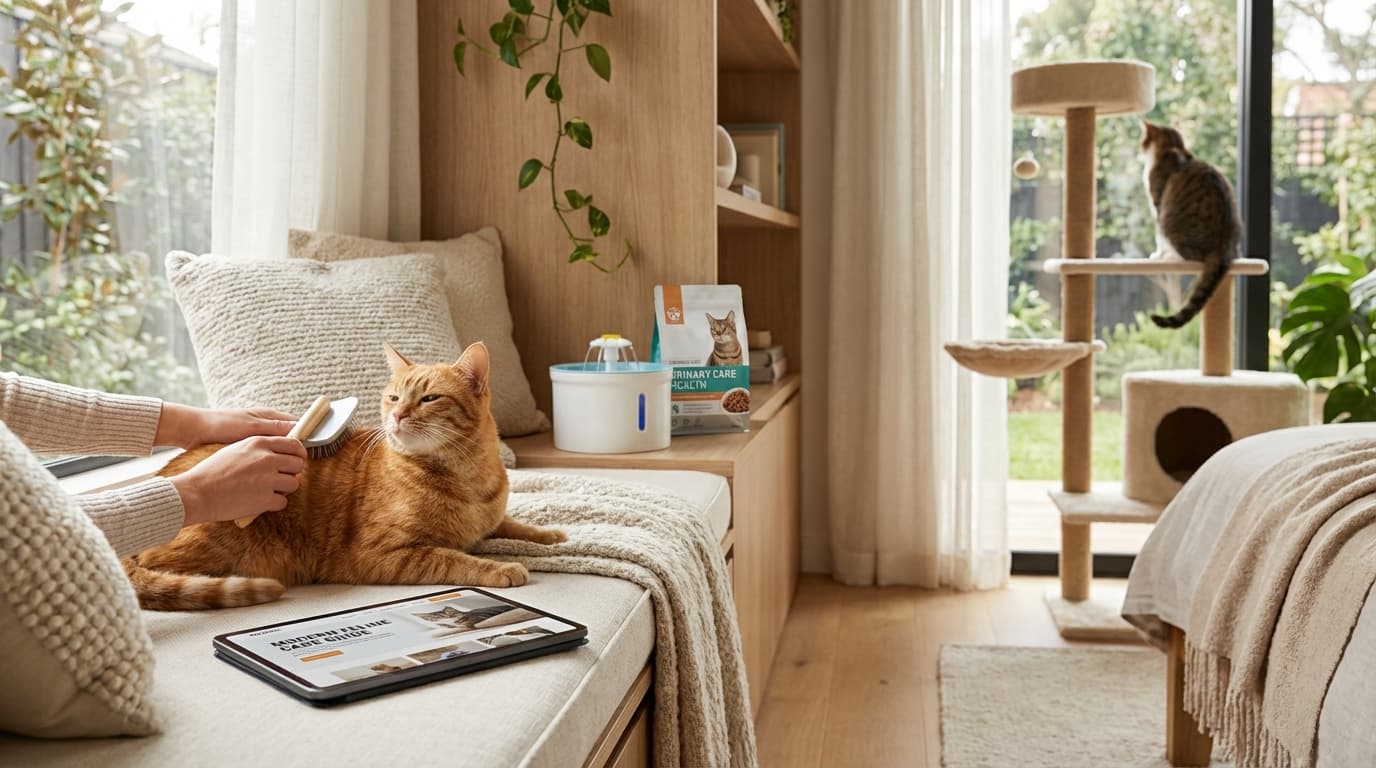
Creating the perfect senior space also means looking at the surfaces they use every day. Orthopedic cat beds and heated mats are absolute game-changers for stiff joints because the warmth helps increase circulation and soothe discomfort. If you have hardwood or tile floors, your cat might start feeling insecure. Adding non-slip rugs provides the grip they need, especially if they are dealing with the vision loss or stability issues that often come with age.
Finally, help them keep their favorite view. Cats love being up high, but jumping can become a painful chore. Instead of letting them lose their favorite sunny windowsill or the top of the sofa, add some pet steps or a sturdy ramp. These small tweaks allow them to maintain their independence and keep their vertical world accessible. It is not about changing their life; it is about adjusting the environment so they can keep living it on their terms.
Key insights:
- Environmental changes are just as critical for quality of life as medical interventions.
- Cats often mask pain, so making things easier proactively is better than waiting for them to struggle.
- Warmth and traction are the two most important physical upgrades for an aging cat's comfort.
Ramps, Rugs, and Radiators: Setting Up the Perfect Senior Space
Does your cat eye the dresser but skip the jump? As cats hit their senior years, usually between 11 and 14, home layout becomes as vital as medicine. Dr. Emily Levine notes that while we remember pills, we often forget simple things like making litter boxes easy to reach.
Small upgrades offer huge relief. Orthopedic beds and heated mats are game-changers for stiff joints. If you have slippery floors, non-slip rugs provide the traction needed for stability and vision loss. It is about keeping them confident on their paws.
Use pet steps or ramps so they can still reach favorite high spots. These aren't just perks because they are essential for a geriatric cat’s quality of life. A few well-placed rugs can turn a slippery obstacle course back into a home.
Key insights:
- Environmental adjustments are as critical as medical intervention for a senior cat's quality of life.
- Adding non-slip surfaces helps older cats manage stability issues and vision loss.
The Golden Years Diet: Nutrition and Supplements
Did you know your senior cat might actually be a geriatric superstar? Veterinary medicine has come so far that the old cat label has shifted from age eight to somewhere between 11 and 14 years. Once they hit 15, they have officially entered the geriatric club. As Dr. Richard Goldstein from Cornell puts it, growing older is not a disease. It is just a new life stage that requires a smarter approach to the food bowl to keep those golden years truly golden.
One of the biggest surprises for many owners is that senior cats often need more protein, not less. While the old school of thought suggested cutting protein to protect kidneys, we now know that high quality protein is vital for maintaining muscle mass. Without it, your cat can become frail and weak. This high protein, low carb approach is also the secret weapon for managing feline diabetes, helping to stabilize blood sugar levels while keeping your kitty feeling satisfied and strong.
But what happens if your cat starts turning their nose up at dinner? Do not just assume they are losing their appetite because they are getting older. Dental disease is a huge culprit here and can lead to a dangerous condition called hepatic lipidosis if they stop eating. Because cats are experts at masking pain, a change in how they approach the food bowl is often your first big clue that something is wrong. Regular vet checks every six months can help catch these issues before they become emergencies.
Finally, think about the power of the extra boost. Supplements for brain health can help with cognitive dysfunction, while omega fatty acids keep that coat soft and help with skin quality. Since cats are frequently living into their late teens and even twenties now, these small adjustments ensure they are not just sticking around, they are actually thriving. It is all about giving them the right fuel to stay active, alert, and comfortable for as long as possible.
Key insights:
- Cats are now considered senior at 11 to 14 years and geriatric at 15 plus.
- High protein diets are essential for maintaining muscle and managing diabetes.
- Dental pain can lead to life threatening liver issues if a cat stops eating.
- Bi annual vet exams are the best way to catch hidden illnesses early.
Frequently Asked Questions
Most experts now say a cat officially becomes a senior between 11 and 14 years old. If your kitty reaches 15 or older, they move into the geriatric category. It is pretty amazing because cats used to be labeled as seniors at just 8 years old, but better nutrition and vet care have helped them stay youthful much longer.
Even if they seem like a kitten at heart, this is the time to start those twice yearly vet checkups. Since cats are masters at hiding when they feel sick, these regular visits help catch things like kidney issues or stiff joints before they become big problems.
It can be a bit stressful when your cat starts vocalizing late at night, but they are usually trying to tell you something is up. One big reason is Cognitive Dysfunction Syndrome, which is a lot like dementia in humans. They might get confused in the dark or forget where they are, which leads to those loud midnight meows.
Other things could be at play too, like hyperthyroidism making them feel extra restless or pain from arthritis making it hard to get comfortable. Sometimes just adding a nightlight or an orthopedic cat bed can help them feel more secure. If the meowing keeps up, it is best to chat with your vet to rule out any hidden health issues.
Yes, they really can make a big difference for your little buddy. You will find that most vets suggest joint supplements like glucosamine and chondroitin because they help keep things moving more smoothly. But here is the trick: they work best when you also keep an eye on your cat's weight. Even a little extra fluff can make those achy joints feel a lot worse, so a good diet is a huge part of the plan.
You might also want to look into orthopedic cat beds. These beds take the pressure off their bones while they nap, which is basically a cat's favorite hobby anyway. It is all about making their golden years as comfy as possible through a mix of good nutrition and the right gear.
It is actually pretty tough to spot because cats are so good at pretending everything is fine. You might notice them acting a bit more cautious or bumping into a chair if you move it from its usual spot. They might also stop jumping onto the high counters and stick to the floor where they feel safer and more confident.
If you think their sight is fading, try to keep your house layout exactly the same. Cats use their whiskers and a mental map of the room to get around, so moving the sofa can really throw them off. Also, try talking to them before you reach out to pet them so you do not give them a fright.
Conclusion
So what is the big takeaway for your aging fluffball? Growing older is not a slow fade into the background. It is just a new chapter that needs a different set of tools. When you notice things like vision loss in older cats or a bit less jumping, you are not just watching them age. You are learning how to support them. Small shifts, like adding senior cat supplements or picking out a soft orthopedic cat bed, keep their world accessible and cozy.
It is all about being a good detective for your best friend. Catching kidney disease symptoms early or managing arthritis in senior cats might sound a bit heavy, but it really comes down to keeping the spark in their daily life. A proactive approach means those slowing down years stay vibrant rather than just quiet. You are making sure they feel as good as they possibly can during every nap and play session.
Your next move could be as simple as checking their favorite nap spot to see if a ramp or a heated mat might help. Your senior cat might be grayer and sleepier, but they still have plenty of purrs to give. With a little extra care and a lot of love, these golden years can be some of your very best ones together.
Send it to someone who should read it next.

PurrScript Editorial Team
Editorial Team
PurrScript's in-house editorial team. We research, write, and review every guide using established veterinary and behavioral resources, and update articles as best practices evolve.
View all articles