Is Your Cat Just Getting Old, or Is It Kidney Disease? The Signs You Can't Ignore
Did you know that by the time most cats show symptoms of kidney issues, they have already lost about **70 percent** of their kidney function? It's a scary thought for...

PurrScript Editorial Team
Editorial Team
Is Your Cat Just Getting Old, or Is It Kidney Disease? The Signs You Can't Ignore
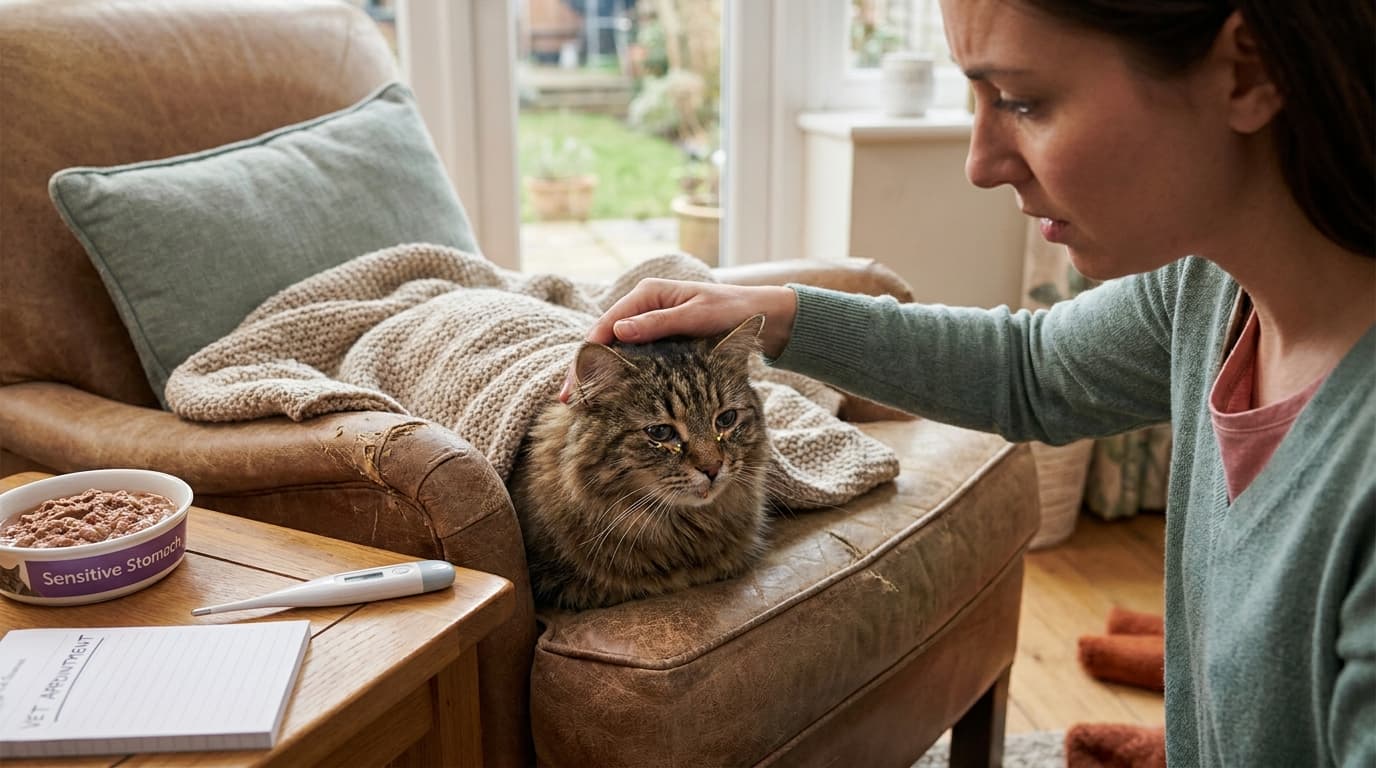
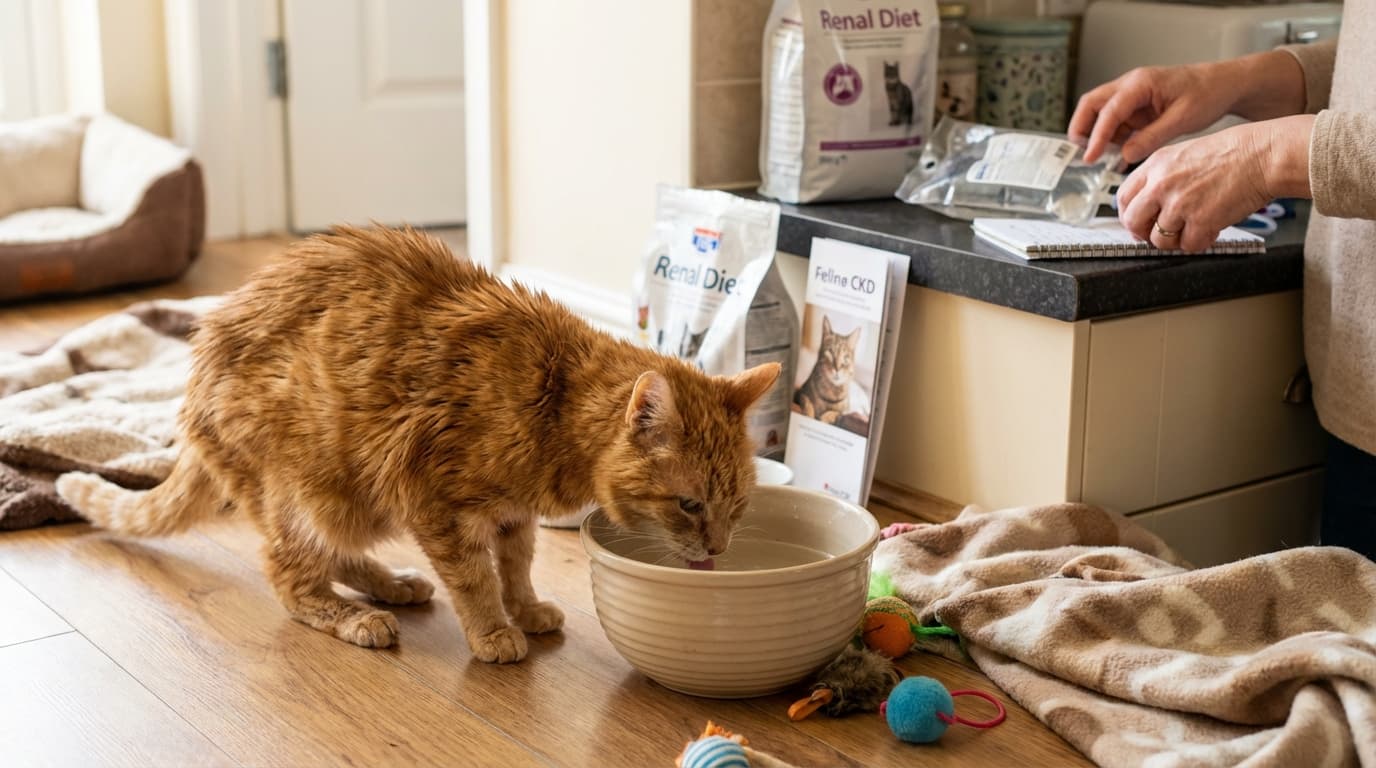
Did you know that by the time most cats show symptoms of kidney issues, they have already lost about 70 percent of their kidney function? It's a scary thought for any cat parent. Often, we assume our feline friends are just slowing down because they're getting older, but that extra time at the water bowl might be one of the early signs of kidney failure in cats.
Chronic kidney disease is incredibly common in seniors, yet it stays hidden until it's quite advanced. Learning how to spot the silent red flags can help you give your cat more happy years. We are going to look at everything from why increased thirst in old cats happens to how a renal diet for cats can make a massive difference in their comfort.
You'll find out about IRIS staging for feline CKD, the benefits of low phosphorus cat food, and even how to handle subcutaneous fluids for cats at home. Let's look at how you can help your kitty thrive despite a diagnosis.
We often tell ourselves our cats are just slowing down because they are getting older. Maybe they are napping longer or skipping their usual leap to the top of the fridge. But here is the reality: cats are experts at hiding when they feel unwell. Recent findings show that kidney disease often goes unnoticed until almost 70% of function is already lost. It is a silent thief that hides behind normal senior behavior.
This matters because by the time we see obvious signs, the kidneys are already struggling. It is very common in cats over seven, and for those over ten, the risk is even higher. You might notice your cat is hanging out at the water bowl more, but that is not just a quirk of aging. Early detection changes everything. Tools like SDMA testing catch issues early, giving you the chance to protect your cat's comfort for years to come.
Key insights:
- 70% of kidney function is often gone before clinical symptoms appear.
- Increased thirst and weight loss are frequently mistaken for normal aging.
- SDMA testing identifies kidney decline much earlier than traditional blood tests.
The Thirst Trap: Why Your Cat Is Suddenly Obsessed With the Water Bowl
Have you noticed your cat hanging out by the water bowl way more than usual lately? It might look like they are just being a good drinker, but this sudden obsession is often a major red flag. In the vet world, we call this polydipsia. It happens because failing kidneys lose their power to hold onto water. Think of the kidneys as a smart filter that is supposed to keep the good stuff in while flushing waste out. When they start to struggle, that filter breaks. Water just rushes through their system instead of being recycled back into the body.
This matters because cats are absolute masters at hiding when they feel sick. Recent findings show that chronic kidney disease often stays hidden until about 70 percent to 75 percent of kidney function is already gone. It is a silent process that affects nearly 30 percent of cats once they pass the age of 15. While we always want our pets to stay hydrated, there is a massive difference between healthy drinking and this kind of emergency thirst. If your cat is suddenly draining the bowl, they are likely trying to keep up with a system that can no longer regulate itself. So, what should you look for next? The answer is usually waiting in the litter box.
The litter box always tells the truth about what is happening inside. If you find yourself scooping massive, heavy clumps or cleaning the box twice as often as you used to, pay close attention. Many owners see clear, pale urine and think it is a sign of clean kidneys, but it is actually the opposite. Healthy kidneys are supposed to produce concentrated, yellow urine. When the urine looks like plain water, it means the kidneys are essentially giving up on filtering out toxins.
This is why regular checkups are so vital for older cats. Modern tools like SDMA testing can now catch these filtration changes much earlier than traditional bloodwork used to. Instead of waiting for a clinical emergency, these tests help identify the problem while there is still plenty of time to manage it. Catching these subtle shifts in the litter box is often the first step in helping your cat live a much longer and more comfortable life.
Key insights:
- Increased thirst is often a sign of 'emergency drinking' rather than good hydration.
- Kidney disease typically remains invisible until nearly 75 percent of function is lost.
- Dilute or clear urine is a warning sign that the kidneys are failing to filter waste properly.
- Early detection through SDMA testing can identify issues long before traditional markers like creatinine change.
The Litter Box Tells a Story
Have you noticed the litter box getting heavier lately? Those jumbo-sized clumps are actually a vital health report. When a cat’s kidneys struggle, they cannot concentrate urine anymore. This forces your cat to drink more, leading to larger and more frequent puddles. You might think clear, odorless urine is a good thing, but it is actually a major red flag.
Think of it this way: the kidneys are filters meant to trap waste. When they fail, the water just rushes through. This dilute urine is a sign that toxins are staying in the body. Since this disease hides until 75% of function is lost, watching the box is the best way to catch trouble. If the scooping feels constant, it is time for a check-up.
Key insights:
- Large clumps and frequent cleaning are often the first visible signs of kidney issues.
- Dilute urine means the kidneys are failing to filter toxins from the bloodstream.
Sneaky Signs You Might Mistake for Something Else
Ever look at your cat and think they are just getting a bit crunchy with age? It is a common trap because cats are absolute masters at hiding discomfort. The reality is that chronic kidney disease often stays completely invisible until nearly 75 percent of their kidney function is already gone. That is a staggering amount of lost time. By the time most owners notice a change, those vital internal filters have been struggling to manage toxins and hydration for months or even years.
One of the sneakiest signs is weight loss that happens so slowly you barely notice. You might only realize it when you pick them up and feel a bit more spine than you remember. Then there is the unthrifty coat. If your once-tidy cat stops grooming and starts looking spikey or dull, it isn't just senior laziness. They often feel too nauseous or weak to keep up with their daily bath. Think of it as a reflection of how they feel inside. If they do not feel good, the spa day is the first thing to go.
We also tend to laugh off the occasional gift on the carpet as just another hairball. But if your cat is getting sick more often, their kidneys might be failing to clear out metabolic waste. It is also worth remembering that sudden issues can pop up from household items like lilies or even a stray ibuprofen pill. These cause acute damage that looks a lot like the slow-burn version of the disease. Since the kidneys also help maintain healthy blood pressure and hydration, these subtle shifts affect their whole body in ways that are hard to spot at first glance.
It is easy to assume a cat is just getting grumpy as they hit double digits. After all, kidney disease affects about 30 percent of cats over the age of 15. But that grumpiness is often actually lethargy or hiding caused by a buildup of toxins in their system. When the kidneys can't filter the blood properly, your cat ends up feeling like they have a permanent, low-grade flu. They aren't being anti-social on purpose. They are just trying to cope with feeling unwell while their body works overtime to stay balanced.
The real challenge for owners and vets is that these symptoms overlap with other big senior issues. Increased thirst and weight loss are also classic signs of hyperthyroidism and diabetes. This is why we can't just guess based on behavior alone. Using newer tools like SDMA testing helps find the problem much earlier than traditional bloodwork. Because cats over 10 are at the highest risk, catching these overlaps early is the best way to keep them comfortable for as long as possible.
Key insights:
- Kidney disease is often a silent condition that only becomes visible after 70 percent of function is lost.
- A dull or spikey coat is frequently a sign of nausea rather than just old age.
- SDMA testing can identify declining kidney function much earlier than standard blood chemistry tests.
- Common household items like lilies and human painkillers are major risks for acute kidney injury.
Is It Kidney Disease or Just a Grumpy Senior?
Is your senior kitty suddenly acting like a total hermit? It is easy to brush off a cat hiding under the bed or sleeping all day as just getting old or being a bit grumpy. But here is the scary part: kidney disease is a master of disguise. Because the kidneys act as vital filters for toxins and hydration, when they start to fail, those toxins build up and make your cat feel pretty crummy. This often shows up as lethargy that looks like normal aging.
The real challenge is that chronic kidney disease is a silent thief. Most owners do not notice a thing until nearly 75% of kidney function is already gone. To make it even trickier, the signs like losing weight or having an unquenchable thirst look exactly like other common senior issues such as diabetes or hyperthyroidism. Since 30% of cats over 15 deal with this, catching it early is everything. If your grumpy senior seems off, it might be time for a vet checkup instead of just a longer nap.
Key insights:
- Kidney disease often stays hidden until 70% to 75% of function is lost.
- Symptoms like lethargy and weight loss frequently overlap with diabetes and hyperthyroidism.
At the Vet: Decoding SDMA and IRIS Staging
Walking into the vet clinic with a senior cat can feel like a guessing game. You might think your cat is just slowing down because of age, but here is the reality. Chronic kidney disease is a silent thief. Recent findings show that this condition affects up to 30% of cats over the age of 15. Most cats show zero symptoms until nearly 75% of their kidney function is already gone. By the time you notice they are drinking more water or losing weight, their kidneys have been struggling for a long time.
In the past, vets relied on markers called BUN and Creatinine. Think of these as the waste products that kidneys are supposed to flush out. When the kidneys fail, these levels spike in the blood. But there is a catch. These levels often do not go up until the damage is already severe. That is where the SDMA test comes in. It is a modern breakthrough that can catch kidney issues months or even years earlier than traditional bloodwork. It detects changes much sooner, giving you a massive head start on treatment.
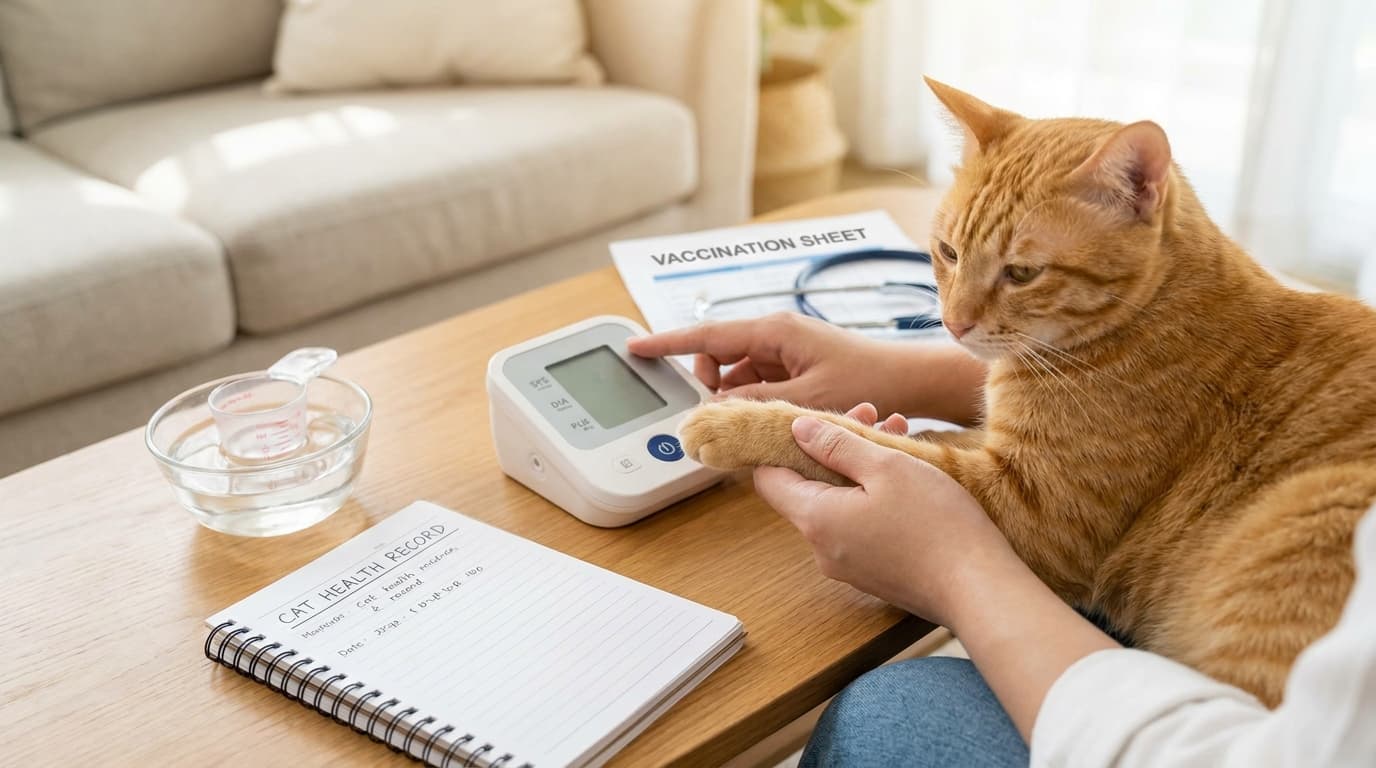
Once the bloodwork is back, your vet will talk about IRIS staging for feline CKD. It sounds technical, but it is just a way to rank the disease from Stage 1 to Stage 4. Stage 1 is the early warning phase where the kidneys are stressed but still working. By Stage 4, the kidneys are struggling to keep up with basic filtration. Knowing the stage helps your vet decide if your cat needs a low phosphorus cat food or if it is time to start subcutaneous fluids for cats to keep them hydrated.
This staging system is a roadmap for care. It tells us whether we should focus on diet or start medications to help with blood pressure. For high risk breeds like Persians or Maine Coons, starting these screenings early is vital because they are genetically prone to these issues. The goal is to slow the disease down and keep your cat comfortable for as long as possible. What does this mean for you? It means more quality time with your favorite feline friend.
Key insights:
- SDMA testing can identify kidney decline when only 25% of function is lost.
- BUN and Creatinine are waste markers that only rise after significant kidney damage.
- The IRIS staging system allows vets to create a personalized treatment plan based on the severity of the disease.
- Early detection is the best way to extend the life of a cat with chronic kidney disease.
The Low-Phosphorus Secret: Why the Right Food Is Your Best Tool
You might think protein is the main enemy when a cat's kidneys start to fail, but the real troublemaker is actually phosphorus. When kidneys struggle, they can no longer filter this mineral out of the blood effectively. This build-up makes your cat feel pretty crummy, leading to that lethargy we sometimes mistake for just 'slowing down.' The tricky part is that cats are masters at hiding discomfort. Often, you won't even notice something is wrong until nearly 75% of their kidney function is already gone. By then, the kidneys are working overtime just to keep up, and high-phosphorus foods act like a heavy weight they simply can't carry.
In the past, the standard advice was to cut protein way back. Now, we know better. The goal has shifted toward high-quality, moderate protein paired with strictly low phosphorus. Think of it like swapping out heavy, processed junk for a lean, efficient fuel that doesn't leave behind a lot of 'trash' for the kidneys to clean up. But here is the reality: therapeutic diets often smell and taste different to a cat. If your friend is used to their favorite salty kibble, they might turn their nose up at the new stuff. Transitioning slowly is the secret. Try mixing a tiny bit of the new food into the old, gradually increasing the ratio over a week or two so they barely notice the change.
If your cat is a stubborn eater, you have options beyond just 'tough love.' You can use tasty toppers like a splash of low-sodium tuna juice or even just warm water to make the food smell more appetizing. If they absolutely refuse the prescription diet, your vet might suggest phosphate binders. These are powders or liquids you mix into their regular food to 'catch' the phosphorus before it ever gets into the bloodstream. Also, try to lean into wet food as much as possible. Since kidneys regulate hydration, and cats with kidney issues get dehydrated easily, that extra moisture helps keep things moving and supports healthy blood pressure.
What does this mean for your daily routine? It means being a bit of a detective at mealtime. Watch how they eat and keep an eye on their weight. While chronic kidney disease is a lifelong and progressive condition, managing the mineral balance in their bowl is one of the most powerful ways to slow things down. It is not about a 'cure,' but about giving those remaining kidney cells an easier job so your cat can get back to their favorite sunny nap spot.
Key insights:
- Phosphorus restriction is often more critical than drastically cutting protein.
- Wet food provides essential hydration that helps kidneys filter toxins more easily.
- Phosphate binders can be a lifesaver for picky cats who refuse prescription diets.
- Early detection is difficult because symptoms often stay hidden until 70% of function is lost.
Phosphate Binders and Tasty Toppers
Ever tried convincing a cat that bland renal kibble is a five-star meal? It’s a struggle. Since kidney disease often stays hidden until nearly 75% of function is already lost, managing phosphorus is a race against time. If your cat stages a hunger strike, phosphate binders are your best friend. These powders mix into their favorite food to catch phosphorus before it causes trouble. It’s a perfect safety net for picky eaters.
Wet food is the other hero here. It adds vital hydration to keep things moving through those tired filters. A splash of tuna juice or a tasty topper can turn a boring meal into a win. It’s a simple way to keep them well-fed and hydrated while those kidneys get the support they need. What does this mean for you? Less stress at mealtime and a happier, more comfortable cat.
Key insights:
- Phosphate binders allow you to reduce mineral load even if your cat refuses prescription diets.
- Wet food is essential for renal health as it provides the hydration needed to flush toxins.
- Small flavor additions like tuna juice can bridge the gap between medical necessity and feline appetite.
Hydration Hacks and Subcutaneous Fluids
Ever notice how your cat treats a water bowl like it is just a decorative piece of furniture? For a cat with kidney issues, that habit needs to change. The kidneys act as natural filters, but because CKD is so silent, owners often do not realize there is a problem until 75% of kidney function is gone. Extra hydration helps flush out the toxins that make your cat feel sick, giving their kidneys a much-needed assist.
Getting a cat to drink more can feel like a chore, so you have to get creative. One of the best hacks is switching to a circulating water fountain. Cats are naturally drawn to moving water because of a deep instinct. If they are still being stubborn, try adding a flavor booster like a teaspoon of tuna juice or salt-free chicken broth to their bowl. It is a small tweak that makes a big difference in keeping them hydrated and their blood pressure stable.
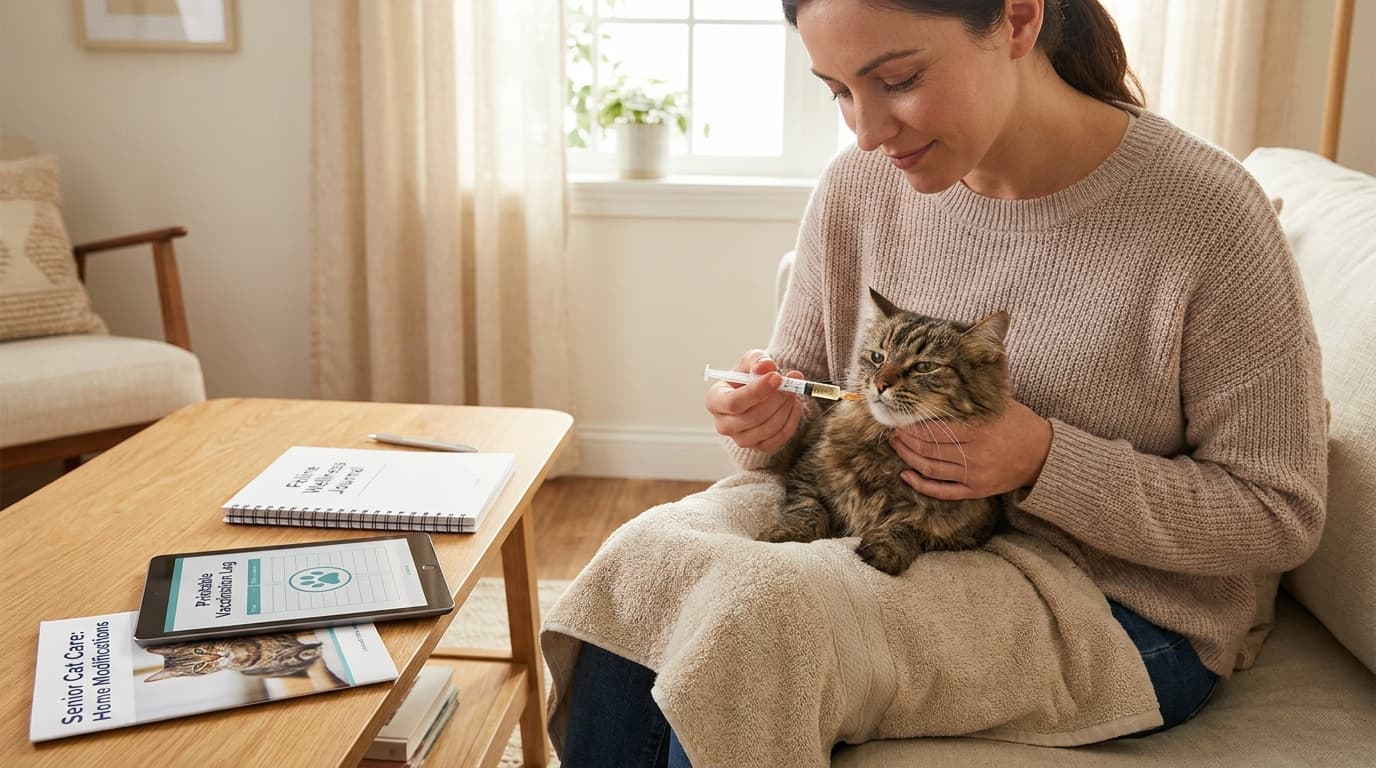
Sometimes drinking is not enough, and that is where subcutaneous fluids come in. The thought of giving your cat fluids under the skin at home might feel scary, but the reality is quite manageable. Most cats sit still for the few minutes it takes, and the payoff is huge. It is like an instant refresh that clears the fog. Keeping them hydrated is the best way to maintain their comfort and long-term quality of life.
Key insights:
- Moving water in fountains mimics natural sources and often increases a cat's daily water intake.
- Subcutaneous fluid therapy is a common home treatment that helps bypass the digestive system to hydrate a cat directly.
- Increasing fluids is less about curing the kidneys and more about flushing out the metabolic waste that causes nausea.
Keeping Your Home Safe: Avoiding Acute Kidney Injury
Did you know a single lily petal can be fatal? It sounds like a plot from a mystery novel, but for cats, the 'Lily Danger' is a very real threat. These flowers are a top cause of sudden kidney failure. While chronic disease usually creeps up over years, these toxins hit fast. If your cat nibbles a leaf or gets pollen on their fur, their kidneys can shut down almost instantly.
Your medicine cabinet and garage also hold hidden risks. Human meds like Ibuprofen are toxic, and antifreeze has a sweet taste that attracts curious pets. Since kidneys act as filters to remove toxins and keep blood pressure steady, these substances cause a total system overload. It is scary to think that cats often hide illness until 70% of their kidney function is gone. With acute poisoning, you just cannot afford to wait.
The good news is that quick action can sometimes reverse the damage. If you think your cat ate something bad, go to the vet immediately. Fast treatment is the only way to flush out toxins before they do lasting harm. Think of it as an emergency save for their internal filters. Keeping your home cat-proofed is the best way to keep those kidneys healthy and your kitty happy.
Is My Cat at Higher Risk?
Does your cat's breed or age actually change the odds? While any cat can develop kidney issues, some are born with a bit of a disadvantage. If you share your home with a Persian, Siamese, or Maine Coon, you should start screening earlier than you might think. Persians are especially prone to Polycystic Kidney Disease (PKD), where fluid-filled cysts replace healthy tissue. Always ask your breeder if the parents were screened for PKD because it is a simple question that prevents major heartache later.
Then there is the '7-Year Rule.' Once your cat hits seven, they are officially a senior. This is the stage where risk climbs, eventually affecting 30% of cats over fifteen. Because kidneys are master filters, they often hide damage until 75% of function is already lost. It is a silent process, making it hard to spot the early signs of kidney failure in cats until it is advanced. This is why switching to twice-yearly wellness exams is so vital for older pets.
Tools like SDMA testing now catch these changes way before traditional bloodwork. Instead of waiting for visible signs like increased thirst in old cats, you can act while there is still healthy tissue left to protect. It is all about staying ahead of a disease that prefers to stay hidden, giving your favorite furball more comfortable years by your side.
Key insights:
- Certain breeds like Persians carry a high genetic risk for PKD, making early breeder screening essential.
- Kidney damage is often invisible until 75% of function is gone, so proactive testing is the only way to catch it early.
- Moving to twice-yearly exams at age seven allows for SDMA testing, which identifies filtration issues sooner than standard blood tests.
Frequently Asked Questions About Feline Kidney Health
One of the biggest questions on every owner’s mind is whether their cat can actually get better. It is a tough reality to face, but chronic kidney disease is a lifelong and progressive condition. As the experts at Rustebakke Veterinary Service explain, it is a terminal illness. But here is the silver lining. While we cannot cure it, we can certainly manage it. Management is all about slowing the progression and keeping your cat comfortable. It is less about a fix and more about quality of life. What does that look like? It means focusing on hydration and comfort to keep them happy for years to come.
Why did this happen so suddenly? Actually, it probably was not sudden at all. This disease is famously silent. Your cat’s kidneys act as filters that remove toxins and regulate hydration, but they are incredibly efficient at compensating for damage. Because of this, most cats do not show any early signs of kidney failure until nearly 75% of their kidney function is already gone. They are masters at hiding discomfort. This is why regular checkups are so vital once a cat hits age seven. By age 15, about one in three cats will have some level of kidney issues. If you have a Persian or a Siamese, you might even need to start screening earlier due to their genetics.
Managing the disease usually means a mix of things rather than just one magic pill. You will likely switch to a specific renal diet. Modern vet care focuses on low phosphorus cat food and keeping them hydrated, sometimes using subcutaneous fluids for cats at home. It sounds intimidating, but it is a manageable routine. Also, be aware of hidden triggers. Common items like lilies, antifreeze, and even human meds like ibuprofen can cause sudden, acute injury to already fragile kidneys. By staying alert, using SDMA testing to catch changes early, and following IRIS staging guidelines, you can help your cat live a full, happy life despite the diagnosis.
Key insights:
- Kidney disease is often a silent condition, with symptoms only appearing after 70% to 75% of function is lost.
- Treatment has shifted toward a multi-modal approach that prioritizes phosphorus restriction and hydration over simple protein reduction.
- Specific breeds like Persians, Siamese, and Maine Coons have a higher genetic risk and benefit from earlier screening.
Final Thoughts: A Diagnosis Isn't the End
Hearing your cat has kidney disease feels like a total gut punch. It’s a heavy diagnosis, especially since this silent disease often hides until nearly 75% of kidney function is gone. But here is the reality: a diagnosis is a starting point, not a finish line. Many cats live happy, purr-filled lives for years after the news.
Management today is about small daily wins. We’ve moved toward phosphorus restriction and better hydration rather than just cutting protein. Whether it’s adding a water fountain or starting a specialized diet, these simple shifts make a massive difference. Since kidney issues affect 30% of seniors, catching it early gives you the upper hand.
You aren't just managing a condition; you are protecting your best friend's comfort. There is so much room for hope and plenty more sunny naps ahead.
Frequently Asked Questions
Not at all! While it is a serious diagnosis that stays with them for life, many cats live happy and full lives for years after finding out. Think of it as a new stage where you become a bit of a health coach for your furry friend. The main goal is to slow things down and keep them feeling good through a mix of diet and careful monitoring.
Here is the thing to remember. We use tools like special low phosphorus food and sometimes extra fluids to help their kidneys work better. Since the disease is often silent until most of the kidney function is already gone, catching it early with modern tests makes a huge difference. It is all about quality of life and making sure they stay comfortable for as long as possible.
It is usually because their kidneys are struggling to act as an effective filter. When the kidneys stop working properly, they can't concentrate urine or hold onto water like they used to, so your cat ends up losing a lot of fluid. To keep from getting dehydrated, they start visiting the water bowl way more often than you are used to seeing.
You might also notice them hanging out by the sink or looking for water in weird places. This is a classic sign of kidney issues in older cats, but it can also overlap with things like diabetes or thyroid problems. Because it is such a clear signal that something has changed inside, it is definitely a sign that a vet visit is needed to see what is going on.
It is usually better to stick with a specific renal diet if your vet recommends it. While adding a supplement sounds easier, prescription foods are carefully balanced to be low in phosphorus and have just the right amount of protein. This is important because the kidneys act as filters for toxins, and regular cat food can sometimes be too heavy for kidneys that are already struggling.
The thing is, management for kidney disease has shifted toward this specialized nutritional approach. Since cats often do not show signs until they have lost about 70 percent of their kidney function, these diets do a lot of the heavy lifting to keep them stable and comfortable for longer.
It looks much scarier to us than it actually feels to them. Most cats tolerate subcutaneous fluids really well, and it usually feels like a tiny pinch that is over quickly. Because kidney disease makes it hard for cats to stay hydrated on their own, these fluids are one of the best ways to help them feel more energetic and comfortable.
You will likely find that your cat gets used to the routine faster than you do. It becomes a simple way to manage their hydration at home, which is a big part of the long term care plan for cats with kidney disease. Just remember that keeping them hydrated is one of the main goals to help them stay happy as they age.
Conclusion
So, what is the big takeaway here? It is easy to think a cat is just getting a bit grumpy or lazy because they are older. But those extra trips to the water bowl and the subtle weight loss often point toward kidney issues instead of just normal aging. When we catch things early through regular checkups and noticing increased thirst in old cats, we gain the chance to change the story. It is really about looking past the senior label and seeing what your cat is actually trying to tell you.
A diagnosis of feline CKD is not a finish line. It is just a shift in how you handle their daily routine. Your next move might be as simple as switching to a low phosphorus cat food or adding a fun water fountain to the kitchen. These small adjustments, along with proper IRIS staging from your vet, help keep those toxins low and your cat's comfort high. You have plenty of ways to help them feel good for a long time to come.
At the end of the day, your cat just wants to nap in the sun and get their ears scratched without feeling sick. By staying alert to the early signs of kidney failure in cats, you are giving them the best chance to do just that. Keep an eye on the litter box, keep the water fresh, and enjoy every single purr. They might be getting older, but they still have a lot of life left to live.
Send it to someone who should read it next.
PurrScript Editorial Team
Editorial Team
PurrScript's in-house editorial team. We research, write, and review every guide using established veterinary and behavioral resources, and update articles as best practices evolve.
View all articles