Is Your Cat’s ‘Tuna Breath’ Actually a Warning Sign?
Ever notice your cat's breath smells less like a snack and more like a sewer? That stinky tuna breath might actually be a cry for help. Believe it or not,...

James Miller
Certified Cat Behaviorist
Is Your Cat’s ‘Tuna Breath’ Actually a Warning Sign?
Ever notice your cat's breath smells less like a snack and more like a sewer? That stinky tuna breath might actually be a cry for help. Believe it or not, up to 90% of cats over four years old deal with some form of dental disease. While cat care usually focuses on fluffy coats and full bowls, ignoring those pearly whites can lead to serious hidden pain.
We will break down the common signs of gingivitis in cats and why bad breath in cats is often the first red flag you should not ignore. You will also see why grabbing a cat toothbrush and toothpaste now is a much better move than facing a professional cat teeth cleaning cost that can climb as high as $2,000 later.
From testing out feline dental treats to training your cat to accept a brush, this article covers it all. You will find out how to spot pain early and keep your cat healthy and purring for years to come.
We’ve all been there - your cat leans in for a snuggle, and you get a whiff of something fishy. While a little "tuna breath" is normal, if it smells more like a sewer, there’s a problem. It’s easy to shrug off, but bad breath is often the first sign of a silent struggle. Recent data shows that between 50% and 90% of cats over four years old suffer from dental disease. That is nearly every adult cat you meet.
The real challenge is how well they hide pain. Cats are experts at masking discomfort, so they might keep eating even while dealing with gingivitis or tooth resorption. You might see them pawing at their mouth or chewing on just one side. Plaque hardens into tartar fast, creating a breeding ground for bacteria that can eventually impact their kidneys. By the time they actually stop eating, the damage is usually severe.
It’s a choice between a $5 toothbrush and a $2,000 vet bill. Just remember: never use human toothpaste, as ingredients like xylitol are toxic to cats. While brushing is the best prevention, once tartar forms, only a professional can clear it. A little care today prevents a major, expensive surgery tomorrow. What is hiding behind your cat’s smile?
Key insights:
- Most cats over age four are silently dealing with some form of oral disease.
- Cats mask pain effectively, making subtle signs like one-sided chewing critical to watch for.
- Human toothpaste is toxic to felines; always use pet-specific products for home care.
- Preventative brushing costs very little compared to professional extractions which can top $2,000.
The Hidden Reality of Feline Dental Health
Most of us joke about 'tuna breath,' but there is a point where that fishy smell stops being cute and starts being a cry for help. It is actually pretty shocking: between 50% and 90% of cats over the age of four are already living with some form of dental disease. Think about that for a second. If you have a group of cats, the odds are high that most of them are dealing with oral pain right now. As the Cornell Feline Health Center points out, this isn't just about a few yellow teeth. It is a widespread health crisis that often goes unnoticed because our cats are so good at pretending everything is fine.
The trouble starts with plaque, that sticky film that builds up after a meal. If it isn't brushed away, it absorbs minerals from your cat's saliva and hardens into calculus, also known as tartar. Once it hits this rock-hard stage, you can't just rub it off with a finger or a dental treat. It creates a rough surface that acts like a magnet for even more bacteria. This bacteria eventually moves under the gum line, triggering an immune response that leads to the three big troublemakers: gingivitis, periodontitis, and the especially painful tooth resorption, where the tooth structure essentially dissolves from the inside out.
Here is the tricky part: cats are absolute masters of disguise when they are in pain. In the wild, showing weakness makes you a target, so your pampered house cat has evolved to suffer in silence. You might think they are just becoming a fussy eater or getting a bit grumpy in their old age, but that's rarely the whole story. If you notice your cat pawing at their mouth or suddenly only chewing on one side of their jaw, those aren't just personality quirks. They are red flags that something is wrong.
Sometimes the signs are even more subtle than that. A cat might walk up to their bowl, look at the food they usually love, and then just walk away. It is not that they aren't hungry; it's that the act of crunching down feels like a lightning bolt of pain. While a professional cleaning can cost anywhere from $1,100 to $2,000 depending on how many extractions are needed, catching these signs early can save your cat from years of silent suffering. It also helps prevent the bacteria from traveling through the bloodstream and causing bigger problems like kidney disease or heart issues.
Key insights:
- Plaque hardens into calculus by absorbing minerals from saliva, making it impossible to remove without professional tools.
- Cats effectively mask dental pain, making behavioral changes like one-sided chewing critical diagnostic signs.
- Feline dental health is often an indicator of or made worse by serious systemic diseases like kidney failure or diabetes.
3 Signs Your Cat is Hiding Dental Pain
Ever wonder why your cat acts like everything is fine even when they are hurting? It is a survival instinct. In the wild, showing weakness makes you a target, so our house cats have become experts at masking discomfort. But here is the reality. Recent studies show that between 50% and 90% of cats over four years old are living with some form of dental disease right now. If your cat’s breath smells less like tuna and more like a sewer, you are likely looking at a real infection rather than just a stinky mouth.
Keep a close eye on how they eat. Do they suddenly seem like a fussy eater or drop kibble after one bite? It might not be a preference for a new brand. It could be a medical emergency. You might see them pawing at their face or tilting their head to chew on only one side. This often happens because plaque has hardened into calculus, trapping bacteria against the gums and causing painful conditions like signs of gingivitis in cats or tooth resorption, where the tooth structure essentially dissolves.
While you might think about grabbing a cat toothbrush and toothpaste to fix it, remember that once tartar forms, only a vet can scrap it away. Professional cat teeth cleaning cost can range from $1,100 to $2,000 if extractions are needed. Catching these subtle signs early saves more than just money. It saves your cat from silent suffering. After all, if they could tell us it hurts, they probably would have complained a long time ago.
Key insights:
- Cats hide pain to avoid showing weakness, making behavioral changes like one-sided chewing critical to watch for.
- Fussy eating is often a sign of physical pain from conditions like tooth resorption rather than a change in appetite.
- Professional cleanings are necessary because home brushing cannot remove hardened calculus once it forms.
The $1,200 Question: Is Professional Cleaning Worth It?
You walk into the vet for a routine checkup and walk out with a quote that looks like a mortgage payment. Seeing a price tag between $1,100 and $2,000 for a professional dental cleaning feels like a punch to the gut. You might wonder if it is just a fancy toothbrushing session, but that is not the case at all. When we talk about professional dental care for cats, we are looking at a full medical procedure that involves blood work, X-rays, and general anesthesia. It is expensive because it is essentially a surgical event designed to save your pet from chronic pain.
The biggest chunk of that bill comes from the fact that your cat has to be completely under. Unlike us, cats will not sit still and say ahh while a technician scrapes their gums with sharp metal tools. Anesthesia allows the vet to safely look at every nook and cranny without stressing the cat out or getting bitten. Plus, those X-rays often reveal hidden problems like tooth resorption where the tooth is literally dissolving from the inside out. Without the high-tech gear and the specialized training of the staff, these painful issues stay hidden under the gum line where you can't see them.
Here is the tricky part: cats are masters at hiding pain. You might think your cat is fine because they are still eating, but they might just be chewing on one side or swallowing kibble whole to avoid the ache. Recent findings show that between 50% and 90% of cats older than four years of age suffer from some form of dental disease. If you ignore the tuna breath now, you might end up paying double or triple for emergency extractions later. Even worse, bad teeth are often linked to bigger problems like kidney disease and diabetes. Paying for the cleaning now is an investment that keeps those systemic problems at bay.
When Brushing Is Not Enough. Maybe you already have a cat toothbrush and you are doing your best at home. That is great, but even the best home care has its limits. Brushing is perfect for removing soft plaque, but once that plaque absorbs minerals from saliva, it turns into rock-hard calculus or tartar. At that point, no amount of scrubbing at home will budge it. This tartar provides a rough surface where even more bacteria can hide and thrive, making the problem worse every single day.
The real danger happens below the gum line. This is where plaque moves into the subgingival region and triggers an immune response that leads to gingivitis and periodontitis. Professional tools can reach these deep pockets that a plastic brush simply cannot touch. Also, remember to never use your own toothpaste because human versions contain chemicals like xylitol and fluoride which are toxic to cats. A professional cleaning gets the job done safely and uses specialized tools to polish the teeth, which makes it harder for new bacteria to stick around in the future.
Key insights:
- Professional cleanings are medical procedures involving anesthesia and X-rays, not just simple brushing.
- Over 50% of cats over age four have dental disease, which can lead to kidney or heart issues if ignored.
- Home brushing cannot remove hardened calculus once it forms, requiring veterinary intervention.
- Cats mask oral pain effectively, so behavior changes like one-sided chewing are major warning signs.
When Brushing Isn't Enough
Ever wonder if that tuna breath is just part of being a cat? It turns out that while a little fishy smell is normal, a scent like a sewer usually means trouble. Even if you are a superstar at using a cat toothbrush, you might still face issues. Since over 50% of cats older than four years deal with dental disease, home care is often just the first step in a much bigger health picture.
Here is the tricky part. Plaque is soft, but it quickly hardens into calculus by soaking up minerals from your cat's saliva. Once that armor forms, no amount of brushing will scrub it off. This tartar creates a rough surface where bacteria love to hide. Eventually, these germs move below the gum line where you cannot reach them. That is when professional cat teeth cleaning becomes necessary to stop things like gingivitis or painful tooth resorption.
You might see your cat pawing at their mouth or only chewing on one side. These are signs of real pain that cats are experts at hiding. While the cost of professional cleaning can range from $1,100 to $2,000, these visits do what we cannot at home. Vets use specialized tools to save teeth and prevent infections from spreading to the kidneys or heart. It is a big investment, but it keeps your feline friend happy and healthy for years.
Key insights:
- Home brushing prevents plaque but cannot remove hardened calculus once it forms.
- Subgingival cleaning by a vet is the only way to reach bacteria hiding under the gum line.
- Professional intervention is vital to prevent systemic issues like kidney disease and diabetes.
Your Home Kit: Toothbrushes, Paste, and Patience
Most cat owners accept 'tuna breath' as a standard part of feline ownership, but there is a point where a fishy smell turns into something more concerning. If your cat’s breath starts smelling like a sewer, it is usually a sign of a deeper problem. Recent studies show that between 50% and 90% of cats older than four years of age suffer from some form of dental disease. Since cats are masters at masking pain, you might not notice their discomfort until they start chewing on one side of their mouth or pawing at their face. By then, the three most common issues - gingivitis, periodontitis, or tooth resorption - have likely already taken hold.
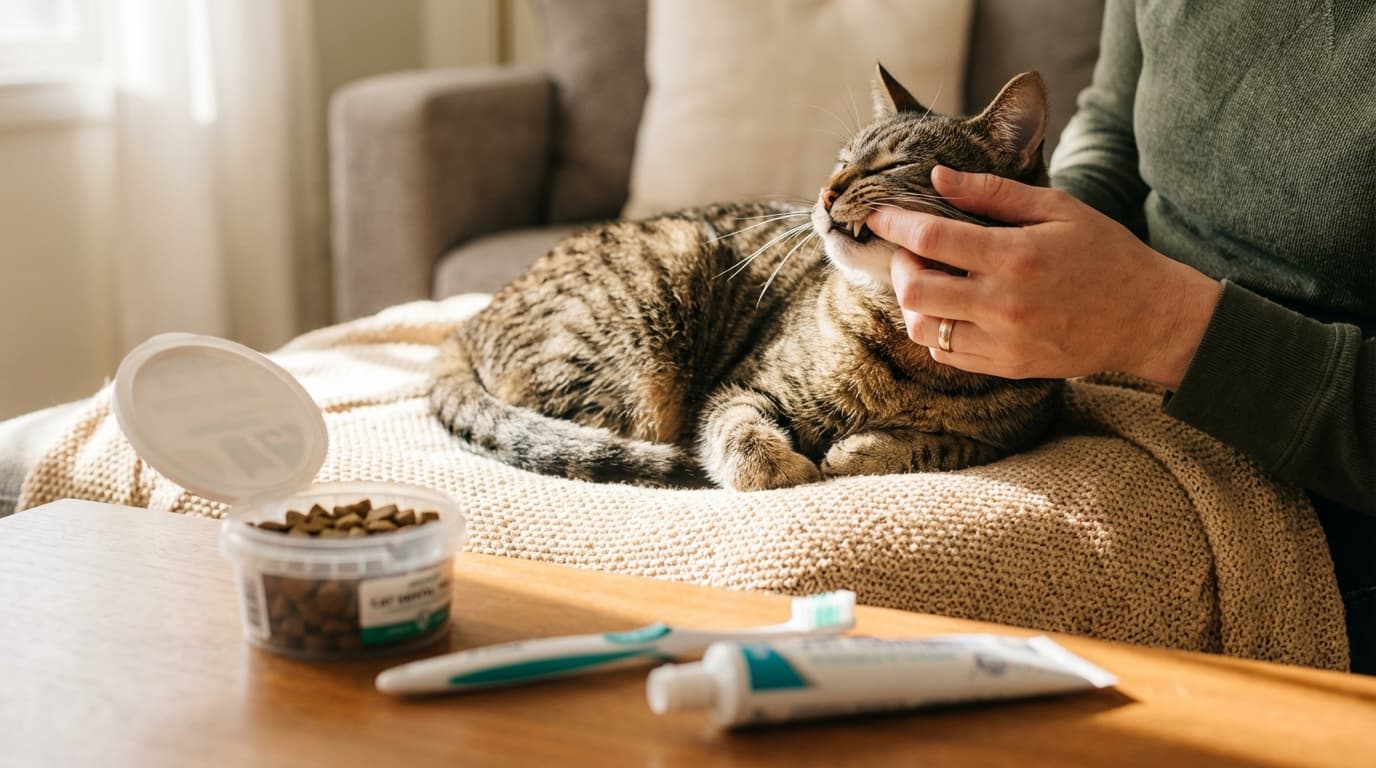
The best way to stop this is to start a home care routine, but you need the right tools. Never use human toothpaste on your cat. It contains chemicals like xylitol and fluoride that are toxic to them. Instead, grab a cat-specific toothbrush or a finger brush and flavored paste that tastes like poultry or fish. Think of it this way: you are not just cleaning their teeth; you are preventing plaque from hardening into calculus. Once plaque absorbs minerals from saliva and turns into tartar, it creates a rough surface that invites even more bacteria to the party. At that stage, a toothbrush is useless, and you are looking at professional cleaning costs that can range between $1,100 and $2,000.
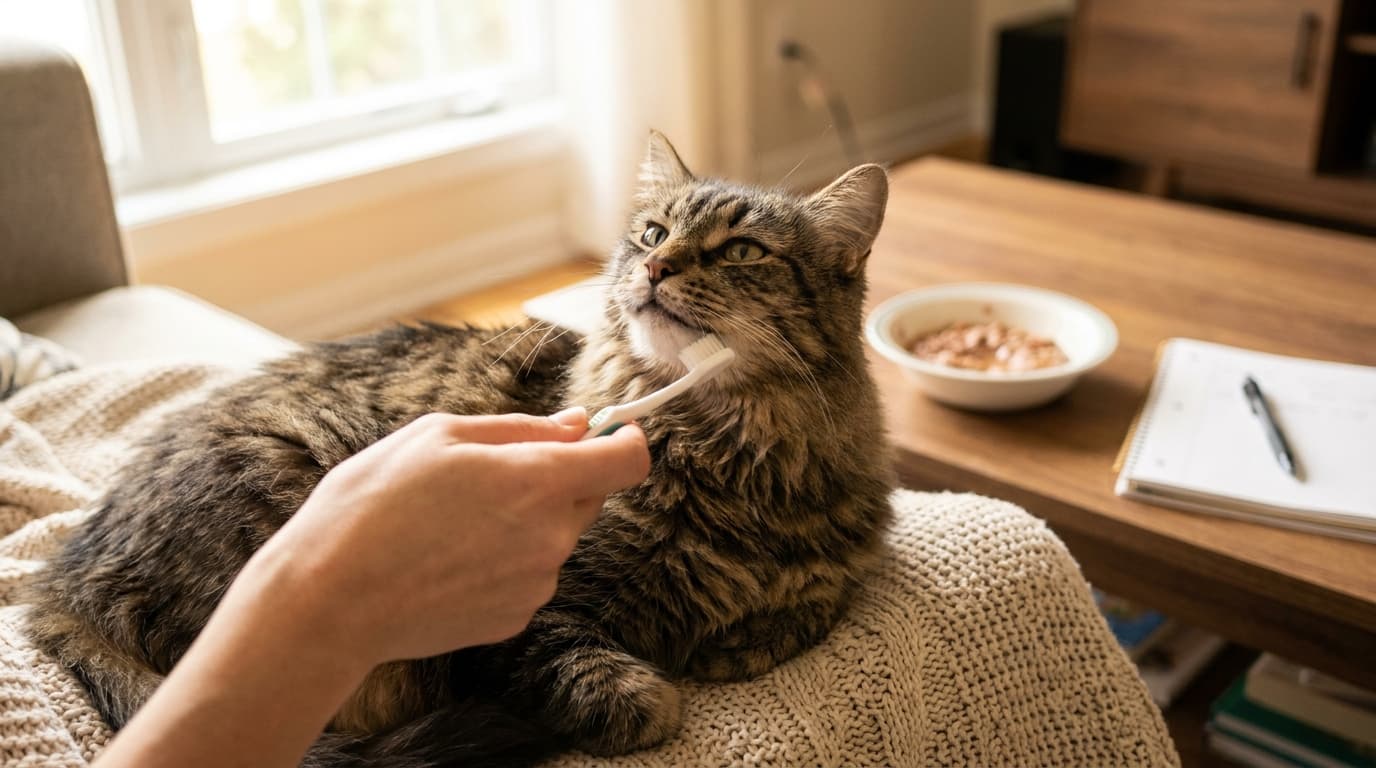
If your cat treats a toothbrush like a mortal enemy, do not panic. The 'slow and steady' method is your best friend here. Start by letting them lick the tasty toothpaste off your finger for a few days. Gradually move to rubbing their gums with a soft cloth or a finger brush before finally introducing the actual toothbrush. If you have a kitten, start now. Early-life acclimation is a huge trend in pet care because it builds a habit before the cat becomes set in its ways. Even if you can only brush a few teeth at a time, you are still making a massive dent in their future vet bills and overall health.
But what about those dental treats that promise a 'crunchy' cleaning? It is a common question: do feline dental treats actually work? The truth is a bit mixed. While some treats can help scrape away a tiny bit of plaque, they are rarely a substitute for brushing or a clinical dental diet. Many products on the shelf are more about marketing than medicine. If you want something that actually makes a difference, look for the Veterinary Oral Health Council (VOHC) seal on the label. This ensures the product has been tested and proven to reduce plaque or tartar buildup.
The interesting part is that dental health is often a window into a cat's total body health. Issues in the mouth are frequently linked to serious systemic diseases like kidney disease, diabetes, or even feline leukemia. So, while brushing your cat's teeth might feel like a chore, it is really a diagnostic tool. By staying close to their mouth and monitoring their behavior, you can catch signs of oral pain or infection before they turn into life-threatening complications. A little patience today can save your cat from a lot of pain tomorrow.
Key insights:
- Human toothpaste is toxic to cats due to xylitol and fluoride content.
- Professional dental cleanings can cost upwards of $2,000 if extractions are required.
- Home brushing is preventative but cannot remove hardened calculus once it forms.
- Look for the VOHC seal on dental treats to ensure they provide actual clinical benefits.
- Dental disease is often linked to systemic issues like kidney disease and FIV.
Do Feline Dental Treats Actually Work?
We all want the easy way out, right? Tossing a few crunchy treats into a bowl feels a lot better than wrestling a cat with a toothbrush. But here is the reality: while many feline dental treats claim to scrub away grime, they are rarely a total fix. Think of them like a piece of chewing gum for humans - they might freshen things up, but they won't replace a trip to the dentist. Since studies show that up to 90% of cats over age four already suffer from some form of dental disease, we have to look past the marketing to see what actually helps.
Most standard treats are too small or brittle to do much. A cat usually just cracks them once and swallows, which does nothing for the back molars where signs of gingivitis in cats often start. For a treat to actually work, it needs to be dense enough to force the cat to chew, creating a mechanical scraping action against the tooth surface. When you are shopping, look for the Veterinary Oral Health Council (VOHC) seal on the bag. If it is not there, you are likely just buying tasty calories rather than a functional health tool.
Even the best treats have limits. They are great at slowing down new plaque, but they can't touch calculus once it hardens into tartar. Once that buildup happens, only a professional cleaning can get it off. Considering professional cat teeth cleaning cost can easily climb between $1,100 and $2,000, using the right treats alongside a cat toothbrush and toothpaste is a smart financial move. It is all about prevention, because once the pain starts, a crunchy snack is not enough to fix the damage.
Key insights:
- Treats work best as a supplement to daily brushing, not a replacement for it.
- The VOHC seal is the only reliable way to know if a treat actually reduces plaque.
- Mechanical scraping from treats only works on plaque; it cannot remove hardened calculus.
Beyond the Mouth: Why Healthy Teeth Mean a Longer Life
Ever notice your cat's breath smelling a bit funky? While we joke about tuna breath, it is often a red flag for something much bigger. Research from the Cornell Feline Health Center shows that between 50% and 90% of cats over four years old deal with dental disease. It is not just about a few yellow spots on their teeth. When a cat has an oral infection, bacteria do not stay in the mouth. They hitch a ride in the bloodstream and can set up shop in the kidneys or the heart. This is why a simple toothache can eventually lead to something as serious as kidney failure.
Managing a cat with diabetes or heart issues becomes much harder when their mouth is a source of constant inflammation. Think of it like this: your cat's body is already working hard to stay healthy, and an infection in the gums is like an extra weight it has to carry. We also see strong links between poor oral health and systemic issues like Feline Leukemia Virus or FIV. It is all connected. If the mouth is messy, the rest of the body usually follows suit. What does this mean for your daily routine? It means checking those gums is just as important as filling the food bowl.
One of the trickiest parts is that cats are masters at hiding pain. You might not see them crying, but you might notice them chewing on just one side or suddenly acting grumpy. Signs of gingivitis in cats, like bright red gums or drooling, are often the only clues we get. Sometimes, their teeth actually start to dissolve in a painful process called tooth resorption. This is why waiting and seeing can be a gamble. By the time a cat stops eating, the damage is usually deep and very expensive to fix.
The financial side is a real factor too. A professional cat teeth cleaning cost can land anywhere between $1,100 and $2,000 if extractions are needed. While using a cat toothbrush and toothpaste at home is the best way to prevent this, it cannot scrub away calculus once it hardens. Plaque hardens into tartar by soaking up minerals from your cat's saliva. Also, never use your own toothpaste, because ingredients like fluoride and xylitol are toxic to pets. Investing in feline dental treats and daily brushing early on is not just about fresh breath. It is about keeping your cat active, pain-free, and by your side for as many years as possible.
Key insights:
- Oral bacteria can travel through the bloodstream to damage the heart and kidneys.
- Cats mask dental pain effectively, making behavioral changes like one-sided chewing critical signs.
- Human toothpaste contains fluoride and xylitol which are toxic to cats.
- Professional cleaning is necessary once plaque hardens into calculus, as brushing alone cannot remove it.
Common Questions from Cat Parents
You have probably noticed that your cat’s breath is not exactly a field of lilies. While a little tuna breath is perfectly fine, if it starts smelling more like a sewer, you are likely looking at an infection. It is a common worry for pet parents, and the numbers back that up. Recent findings show that between 50% and 90% of cats older than four years suffer from some form of dental disease. The tricky part is that cats are experts at masking pain. They might just chew on one side of their mouth or paw at their face, leaving you wondering if they are just being quirky or if something is actually wrong.
One of the first things people ask is if they can just use a dab of their own toothpaste to help out. The short answer is a hard no. Human toothpaste contains chemicals like xylitol and fluoride that are actually toxic to cats. You need to stick to feline-specific products to stay safe. This matters because once plaque absorbs minerals from saliva and hardens into calculus, or tartar, your toothbrush at home cannot move it. At that point, your cat is at risk for the three big troublemakers: gingivitis, periodontitis, and tooth resorption, where the tooth structure essentially dissolves.
Then there is the big question: Is a professional cleaning really worth the price tag? It is a fair point to raise, especially since costs can range between $1,100 and $2,000 if extractions are needed. It feels like a lot of money, but consider the bigger picture. Feline dental health is often a major indicator of systemic issues like kidney disease or diabetes. If your cat is high-stress, the idea of a vet visit might feel impossible, but waiting usually makes the bill and the physical pain much worse in the long run.
If you have a cat that turns into a whirlwind of claws at the sight of a toothbrush, do not lose hope. While the current trend is to start dental training during the kitten stage, you can still help an older cat with dental treats or water additives. The goal is to stop plaque before it moves below the gum line and triggers a painful immune response. Think of it this way: a little bit of daily habit today can prevent a massive surgical headache tomorrow. What does this mean for you? It means paying attention to those small behavioral shifts before they turn into major medical emergencies.
Key insights:
- Cats hide dental pain well, so watch for lopsided chewing or drooling as red flags.
- Professional cleanings are expensive but necessary because home brushing cannot remove hardened calculus.
- Dental disease is frequently linked to more serious conditions like kidney failure and heart issues.
- Never use human toothpaste; the fluoride and xylitol are poisonous to your cat.
Final Thoughts: A Little Prevention Goes a Long Way
Think of it this way. That smelly tuna breath isn't just a quirky cat trait. Since up to 90% of cats over four years old deal with dental disease, it is actually a loud cry for help. Cats are masters at hiding pain. They usually won't tell you when their mouth hurts, so they just keep purring while gingivitis or tooth resorption makes life miserable.
The choice really comes down to a brush now or pay later philosophy. A cat toothbrush costs very little, but a professional cleaning can run you up to $2,000 if extractions are needed. Also, never use your own toothpaste because ingredients like xylitol are toxic to cats. If you are nervous, just take it slow. A few seconds of scrubbing today prevents a massive surgical bill tomorrow.
This is not about having a cat with minty fresh breath. It is about keeping your friend healthy. Good oral health prevents systemic issues like kidney disease, meaning more years of head bumps and purrs. You have got this, and your cat will thank you for the care, even if they act grumpy now.
Key insights:
- Preventative care is significantly cheaper than the $2,000 cost of emergency dental surgery.
- Cats hide oral pain effectively, making regular home checks vital for their well-being.
- Healthy teeth are linked to a lower risk of heart and kidney disease in older cats.
Frequently Asked Questions
Conclusion
That stinky tuna breath we often joke about is usually more than just a smelly quirk. When you look at the big picture, bad breath in cats is often the first red flag for painful issues like gingivitis or even long-term heart and kidney problems. It might seem like a lot to handle at first, but keeping an eye on their mouth is one of the simplest ways to protect your cat's health and happiness.
While the professional cat teeth cleaning cost can feel like a big hit to the wallet, it is a small price to pay compared to the stress of emergency dental surgery later on. The real secret is finding a balance that works for your lifestyle. Combining a solid home routine with regular vet checkups ensures that your cat stays comfortable and active well into their senior years without the hidden burden of dental pain.
So, take a quick peek under those lips today. If things look red or irritated, your next move should be a call to the vet. Otherwise, grab a cat toothbrush and toothpaste and start slow, or swap in some feline dental treats to make the process a bit more fun for everyone. A little bit of prevention now means more years of head-bumps, loud purrs, and a much better life together.
Send it to someone who should read it next.
About the author

James Miller
Certified Cat Behaviorist
Feline behavior consultant helping cat owners understand and strengthen their bond with their cats.
View all articles