Making Your Cat's Life Greener Without Breaking the Bank
Have you ever looked at your sleepy cat and wondered about their secret carbon footprint? Between the dusty clay litter and those neon plastic toys, our feline friends can be...

PurrScript Editorial Team
Editorial Team
Making Your Cat's Life Greener Without Breaking the Bank
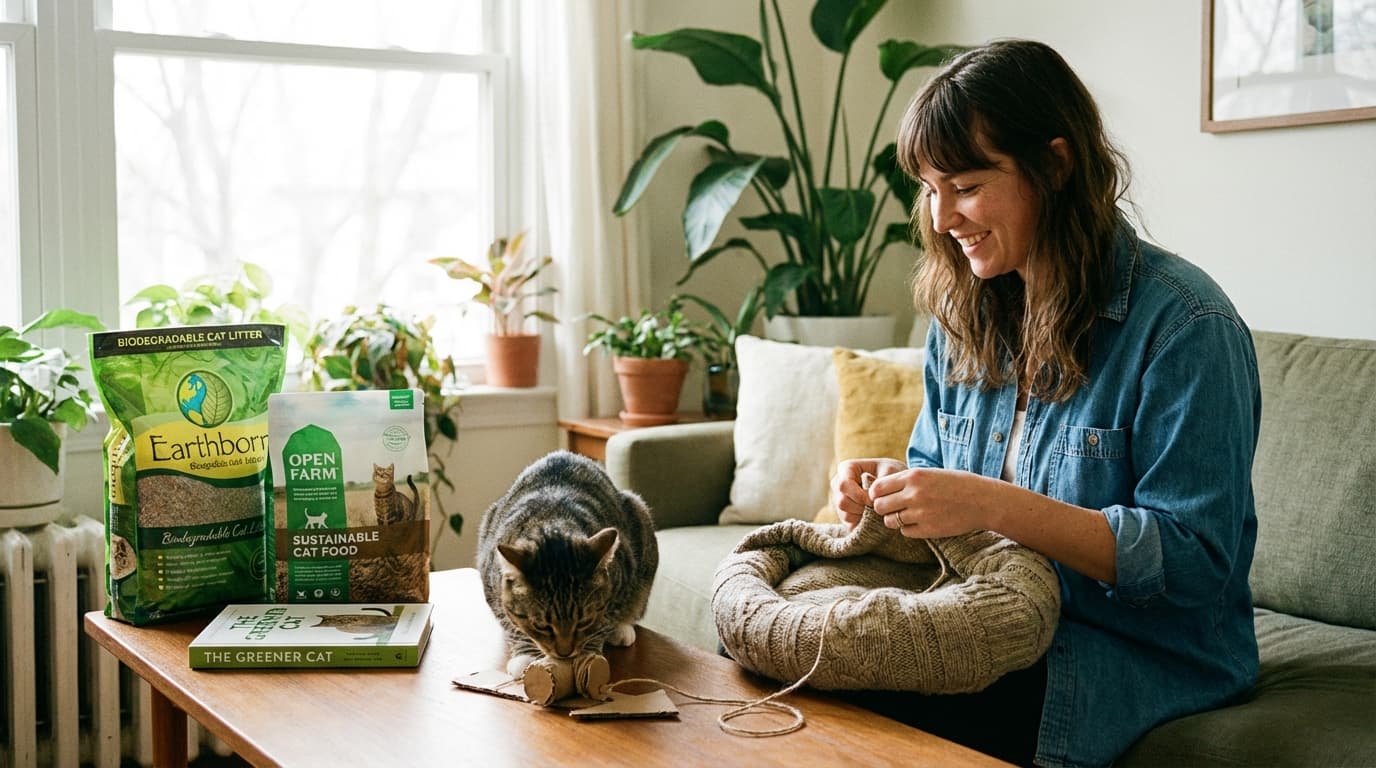
Have you ever looked at your sleepy cat and wondered about their secret carbon footprint? Between the dusty clay litter and those neon plastic toys, our feline friends can be surprisingly tough on the environment. But here is the best part: switching to eco-friendly cat care doesn't have to be expensive or a huge headache. You can actually save money while making your home a lot greener and your kitty a lot healthier.
This guide is all about finding easy, fun ways to lower your pet's impact without breaking the bank. We are talking about simple swaps like switching to biodegradable cat litter or choosing plastic-free cat toys that actually last longer than a week. It is not about being a perfect environmentalist; it is just about making better choices that benefit both your cat and the planet we all share.
We will explore sustainable cat food brands, look at the magic of upcycling old clothes into cat beds, and even check out some clever non-toxic health solutions. By the end, you will have a clear roadmap for a zero-waste pet lifestyle that feels totally doable. Let's get started on shrinking those little paw prints one step at a time.
Your Cat’s Secret Carbon Footprint (and How to Shrink It)
We all love our cats, but have you ever thought about their secret environmental impact? Between the clay litter and the mountain of plastic toys, our feline friends leave a surprisingly large pawprint on the planet. The good news is that shrinking that footprint does not mean spending a fortune or overhauling your entire life. It is much easier and more affordable than you might think.
It is really about clever swaps and supporting brands that get creative with waste. For instance, companies like WizSmart now make pee pads out of repurposed diapers that failed quality control, while Catalyst turns upcycled soft wood fiber into high-performance litter. Even small choices matter, like using biodegradable waste bags that break down in just 12 weeks instead of sitting in a landfill for centuries.
Going green is becoming the new normal for pet parents who want to do better. Whether it is picking treats made from invasive fish or choosing B Corp certified gear from West Paw, these shifts add up fast. What does this mean for you? It means a cleaner home and a happier planet. Let's look at the simple, budget-friendly changes we are covering today.
Key insights:
- Traditional cat ownership has a hidden environmental cost through waste and non-recyclable plastic.
- Eco-friendly brands are now using upcycled materials like wood fiber and unused diapers to reduce waste.
- Simple swaps like biodegradable bags and sustainable food are affordable ways to shrink your pet's carbon footprint.
The Litter Box Problem: Moving Beyond Dusty Clay
Ever wonder what happens to that heavy scoop of clay litter after it hits the bin? Most of us don't want to think about it, but traditional clay litter is actually pretty tough on the environment. It is usually strip-mined, which tears up the earth, and then it sits in a landfill forever because it just does not break down. You might worry that switching to something "green" means a smelly house or a messy floor, but that is a myth. The rise of biodegradable alternatives like wood and corn has changed the game. These materials naturally handle odors and clump just as well as the old-school stuff. It is all about finding that sweet spot where performance meets the planet, and honestly, the planet is winning lately.
Why Upcycled Wood Fiber is a Game Changer One of the coolest innovations lately is how brands like Catalyst are turning waste into a win for cat parents. They use upcycled soft wood fiber - basically leftovers from wood processing - to create a litter that works harder than clay. It is a total game changer because it is incredibly lightweight. No more dragging 40-pound bags up the stairs or straining your back. Beyond the ease of use, there is a major health perk: it is virtually dust-free. As pet health experts like Arden Moore note, a cleaner, low-dust environment is much better for your cat’s respiratory health and your own. If you are looking to save money while being eco-conscious, sticking with a subscription can often land you a 30% discount, making the sustainable choice the budget-friendly one too.
The 12-Week Disappearing Act: Better Waste Bags Now, let’s talk about the "output." Tossing biodegradable litter into a standard plastic grocery bag kind of defeats the purpose, doesn't it? Those plastic bags can sit in a landfill for centuries, trapped in a cycle of waste. This is where truly compostable waste bags make a massive difference. For instance, Catalyst Pet offers bags that are designed to biodegrade in just 12 weeks. That is a staggering difference compared to the hundreds of years a plastic bag takes to decompose. For responsible waste management, try to use these bags to ensure your cat’s daily routine does not leave a permanent mark on the world. It is a simple, effective way to shrink that carbon pawprint without changing your whole life.
Key insights:
- Traditional clay litter is environmentally damaging due to strip-mining and its inability to decompose.
- Upcycled wood fiber litter is significantly lighter than clay and reduces respiratory irritants like dust.
- Switching to biodegradable waste bags can reduce decomposition time from centuries to just three months.
- Subscription models for eco-friendly brands often make sustainable pet care more affordable than buying bulk clay.
Why Upcycled Wood Fiber is a Game Changer
Think about the last time you lugged a massive bag of clay litter up the stairs. It is heavy, dusty, and honestly, not great for the planet. This is where upcycling changes the game. By taking soft wood waste that would otherwise be discarded, Catalyst transforms raw fiber into a high-performing litter. It is a brilliant way to use what we already have to solve a daily chore while keeping your home smelling fresh.
The benefits are not just about the environment; they are about your health too. Because this material is engineered from wood, the bags are incredibly lightweight compared to traditional clay. Pet health expert Arden Moore notes that this type of litter does not kick up clouds of dust, which is a massive relief for both your lungs and your cat's sensitive nose. Even the cleanup is greener, as their biodegradable waste bags break down in just 12 weeks.
You might wonder if going green will hurt your wallet, but it is actually the opposite. Staying sustainable becomes much more affordable when you use subscription perks, like the 30% discount offered to long-term users. This makes it easy to maintain an eco-friendly lifestyle without a huge price tag. It is a simple, effective switch that proves you do not have to sacrifice performance or your budget to be a better friend to the earth.
Key insights:
- Upcycled wood fiber turns industrial waste into a high-performance, lightweight alternative to heavy clay.
- Low-dust wood litter improves indoor air quality for both cats and their owners.
- Subscription models offer significant savings, making sustainable pet care more accessible for every budget.
The 12-Week Disappearing Act: Better Waste Bags
Ever feel guilty picking up after your cat only to wrap that waste in a plastic bag that will outlive us all? It is a strange paradox. Most standard plastic bags sit in landfills for centuries, essentially mummifying organic waste in a layer of polyethylene. But you can actually opt out of that cycle right now. Catalyst Pet makes biodegradable waste bags that disappear in just 12 weeks. That is only three months from the time you toss it to the time it starts returning to the earth.
This shift matters because waste management is one of the simplest ways to shrink your cat’s carbon footprint. When you choose bags that truly decompose, you stop adding to the permanent mountain of plastic waste. For the best results, always seal the bags tightly and check if your local waste facility handles compostable pet products. It is a small daily habit, but when you think about the millions of bags used every year, that 12-week disappearing act becomes a huge win for the planet.
Key insights:
- Standard plastic bags can take hundreds of years to decompose, while biodegradable options like Catalyst Pet take only 12 weeks.
- Switching to plant-based or compostable bags is one of the fastest ways to reduce your pet's environmental impact.
Better Playtime: Plastic-Free Toys Your Cat Will Actually Love
Ever wonder why those neon plastic mice smell a bit like a chemical factory? Most budget cat toys are made from cheap plastics that can leach chemicals you definitely do not want near your cat’s mouth. Since cats explore the world with their teeth and paws, the materials they play with matter just as much as what goes into their food bowl. Moving away from plastic isn't just about being eco-friendly. It is about keeping your living room safer for everyone.
Natural fibers are the gold standard here. Think about hemp, organic cotton, or felted wool. Hemp is incredibly tough and it is perfect for cats who treat every toy like it is actual prey. It is also naturally antimicrobial. Wool toys have a specific texture and scent that many cats find irresistible, often mimicking the smell of real animals in a way that synthetic polyester just cannot match. It is about giving them something that satisfies their instincts without the synthetic side effects.
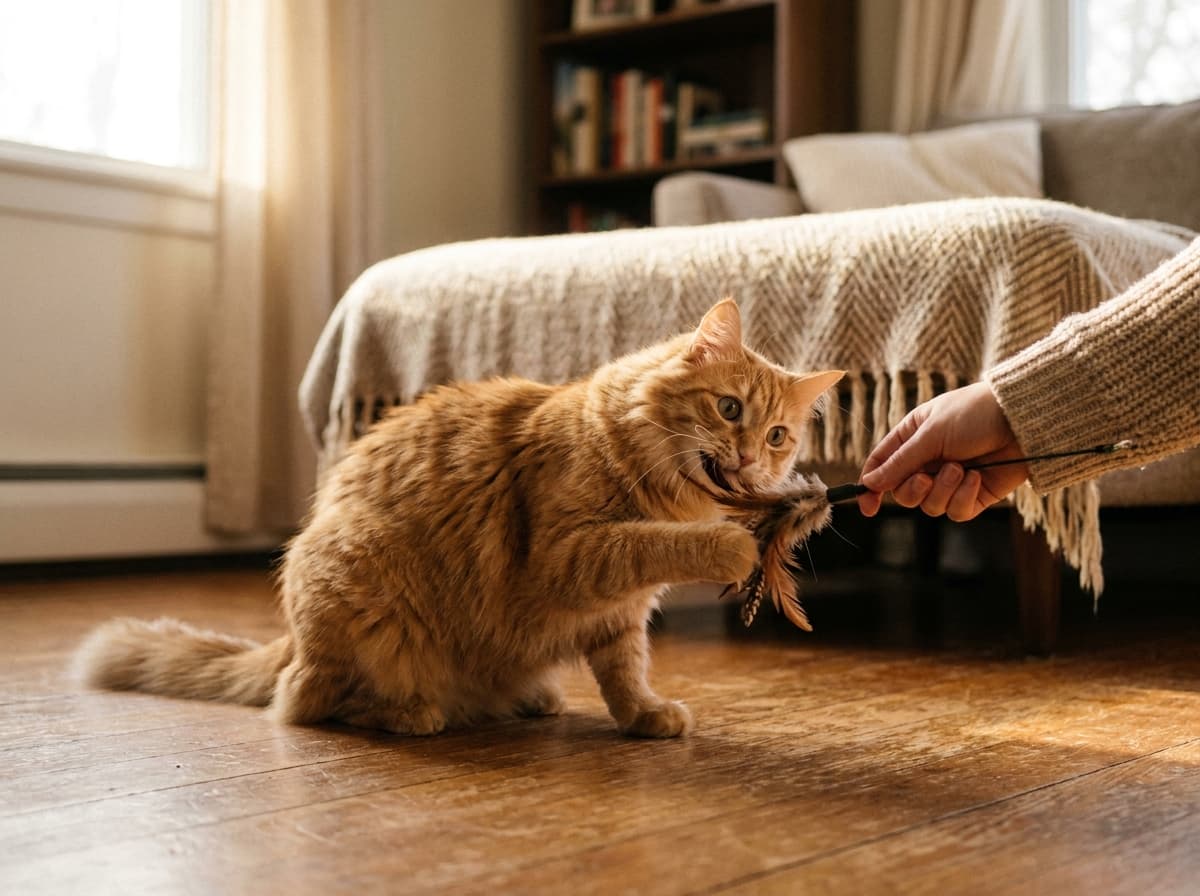
While these toys might cost a few dollars more upfront, they actually save you money in the long run. Cheap plastic breaks, cracks, and ends up in the trash within a month. High-quality natural gear lasts years. By choosing durability, you are breaking the cycle of constant replacement and keeping more waste out of the landfill. It is a simple shift. Buy better, buy less, and give your cat something they will actually want to keep around for a long time.
Many companies are also stepping up their game by giving back. For example, Earth Animal donates 1% of their net sales to organizations focused on protecting the planet. This kind of stewardship is becoming the new baseline for pet owners who want their purchases to do some good in the world. When you choose brands that prioritize the earth, you are helping shift the entire pet industry toward a more sustainable future.
Finding brands you can actually trust is usually the hardest part of going green. A great shortcut is looking for B Corp certification. Take West Paw, for instance. They have been B Corp certified for almost a decade, which means they are legally required to hit high standards for social and environmental impact. They do not just talk about sustainability. They build it into their business model from the ground up.
They have mastered the art of turning waste into high-end cat gear. Their Seaflex material is actually made from recycled ocean-bound plastic, and they have even used old bicycle tubes to create durable toys. But the coolest part is their Join the Loop program. If your cat finally manages to wear out a Zogoflex toy, you do not just toss it. You can send it back to the company, and they will grind it down to create brand-new toys.
It is a closed-loop system that proves pet products do not have to contribute to the plastic crisis. When you see a B Corp logo, you know the brand is doing the heavy lifting so you do not have to guess if they are actually green or just good at marketing. It makes the shopping process way less stressful for you.
If you want to go truly zero-waste, the best pet store might actually be your own closet. We all have that one old sweater or hoodie that has seen better days. Instead of tossing it, you can turn it into a custom cat sanctuary. It is one of the easiest ways to reduce textile waste while giving your cat a place they will love. Plus, it costs you nothing but a few minutes of your time.
The secret ingredient isn't the fabric. It is you. Your scent is deeply comforting to your cat. An old hoodie that smells like you is far more appealing than a brand-new, chemical-smelling bed from a big-box store. You do not even need elite sewing skills to make this work. Simply stuffing an old sweater with fabric scraps or even other old t-shirts creates a soft, nested spot they will love.
It is a win for the planet because it keeps clothes out of the trash, and a win for your cat because they get a cozy spot that feels like home. Next time you are cleaning out your wardrobe, think about how that old fleece could become your cat’s new favorite nap spot. It is a simple way to reduce your footprint while making your cat's life a little bit better.
Key insights:
- Natural fibers like hemp and wool are safer and more durable than cheap plastic alternatives.
- B Corp certification is a reliable way to identify brands that prioritize the planet over profits.
- Closed-loop recycling programs like West Paw's Join the Loop help eliminate pet industry waste.
- Upcycling your own clothes into cat beds provides comfort through your scent while reducing textile waste.
From Ocean Plastic to Plushies
Ever wonder what happens to old bicycle tubes or plastic floating in the sea? For some clever pet brands, that trash is actually the perfect material for your cat's next toy. Companies like Cycle Dog turn rubber tubes into gear, while West Paw uses Seaflex, a material made from plastic headed for the ocean. Your kitty gets a new plushie and the planet stays cleaner.
It is not just about the materials, but what happens when toys wear out. West Paw’s Join the Loop program lets you send back old Zogoflex toys to be recycled into new ones. This keeps waste out of landfills. If you are overwhelmed by eco-labels, just look for the B Corp logo. West Paw has been certified for nearly ten years, proving they prioritize the planet over profit.
Choosing brands that upcycle materials like unused diapers or ocean-bound scraps helps reduce the pet industry's massive plastic footprint. It is an easy way to make a difference. What is better than a toy that makes your cat happy while helping the environment at the same time?
Key insights:
- Upcycling ocean plastic and bicycle tubes prevents waste from entering ecosystems.
- The Join the Loop program creates a circular economy by recycling old toys into new ones.
- B Corp certification is a reliable way to identify brands with high ethical standards.
DIY Corner: Turning Your Old Sweaters into Cozy Beds
Ever notice how your cat ignores that expensive bed but curls up on your laundry? Your scent is a huge comfort to them. Instead of tossing an old hoodie, turn it into a sanctuary. Just stuff the body and sleeves with old rags to create a soft nest. It is the easiest way to upcycle at home.
This does more than save money; it keeps textiles out of landfills. Think of it as a DIY version of what the pros do. WizSmart makes pee pads from repurposed diapers, and Catalyst litter is engineered from upcycled soft wood fiber. If brands can find value in waste, so can you. By repurposing clothes, you create a zero-waste nap spot that smells like you. It is a win for your wallet, your cat, and the planet.
Key insights:
- Your scent on old clothing provides natural anxiety relief for cats.
- Upcycling at home mirrors industrial sustainability trends like using wood fiber waste.
- Repurposing textiles directly reduces your household carbon footprint.
What’s in the Bowl? Sourcing Ethical and Sustainable Food
Most of us do not think about it while we are opening a can of tuna, but the meat in our cat's bowl carries a heavy environmental price tag. Traditional meat production for pet food uses massive amounts of land and water, and the carbon footprint can be surprisingly high. If you want to make your cat's life greener, the easiest place to start is with the labels on their food bag. It is about voting with your wallet for a food system that treats the planet and its animals with more respect.
When you are shopping, keep an eye out for the Certified Humane or Global Animal Partnership seals. These are not just fancy stickers for marketing. They mean the meat was raised with actual standards for animal welfare and environmental impact. For example, brands like Open Farm prioritize these ratings to ensure the ingredients did not come from a factory farm. It gives you peace of mind knowing that your cat's dinner did not come at the cost of basic ethical standards.
Sustainability is also about the stuff we throw away. Some companies are getting really creative with cutting down on waste before the product even reaches your door. Take Steve’s Real Food as a great example. They actually removed the paper dividers between their frozen patties to reduce their total environmental footprint. It sounds like a small tweak, but when you think about thousands of bags, that is a lot of unnecessary trash that never even gets created.
Now consider this: what if your cat's treats could actually help save an entire ecosystem? Invasive species like Silver Carp are currently wreaking havoc on waterways in the United States. Brands like Archway Pet Food are now using wild-caught Silver Carp as a main ingredient. This is what people call stewardship through snacking. You are helping to protect local rivers from an aggressive intruder while giving your cat a high-quality meal.
The interesting part is that these unique proteins are also a lifesaver for cats with sensitive stomachs. Because Silver Carp is a novel protein, it is naturally hypoallergenic for most pets who struggle with standard chicken or beef. You get a double win here. Your cat feels better, and you are actively participating in a form of environmental cleanup. It makes you wonder why we did not start using these unexpected protein sources sooner.
To really close the loop on a greener home, look for brands that bake sustainability into everything they do. West Paw has been a certified B Corp for almost a decade, and Earth Animal donates 1% of its net sales to planet stewardship. Even the smaller items matter. You can find pee pads from WizSmart made from repurposed diapers or cat litter from Catalyst made from upcycled wood fiber. Even their waste bags biodegrade in just 12 weeks. These small choices in the pet aisle really do add up when we all make them together.
Key insights:
- Look for GAP and Certified Humane labels to ensure ethical meat sourcing.
- Invasive species like Silver Carp offer a sustainable, hypoallergenic protein alternative.
- Small packaging changes, like removing paper dividers, significantly reduce manufacturing waste.
- Upcycled materials like wood fiber and repurposed diapers are transforming pet essentials into eco-friendly tools.
Invasive Species and Unexpected Proteins
Ever thought your cat’s afternoon snack could help save a river? It sounds wild, but it’s actually happening right now. Invasive Silver Carp are currently wrecking local ecosystems by outcompeting native species and throwing nature out of balance. Here’s where your cat comes in. Some sustainable cat food brands, like Archway Pet Food, are now using wild-caught Silver Carp as a clever, high-quality ingredient in their treats.
This isn't just about being eco-friendly. It’s actually a smart health move. Since most cats have never encountered carp in their diet, it acts as a fantastic hypoallergenic protein source for kitties with sensitive stomachs or itchy skin. Think of it as stewardship through snacking. You’re helping clear the waterways while keeping your cat’s digestion on track.
Choosing these options is a simple way of reducing pet carbon footprint without much effort. Other brands are leaning into this mission as well. For instance, Earth Animal donates 1% of their net sales toward organizations focused on planet stewardship. It proves that small choices at the pet store can have a massive ripple effect on the world outside your window.
Key insights:
- Silver Carp treats turn an environmental problem into a hypoallergenic, high-protein solution for cats with allergies.
- Purchasing from brands that donate to stewardship projects allows pet owners to fund conservation through routine purchases.
The Hidden Hero: Sustainable Health and Hygiene
Keeping your cat healthy shouldn't come at the cost of the planet or your own indoor air quality. Think about flea treatments for a second. Traditional options often rely on harsh chemicals that linger on your cat’s fur and your furniture. Switching to non-toxic, plant-based alternatives is a simple win. It’s better for your cat's skin and keeps your home free of unnecessary toxins. Plus, many of these eco-friendly brands focus on biodegradable packaging, so you aren't tossing more plastic into the bin every month. This changes everything for the conscious owner.
Then there is the issue of waste management. If you use pee pads, you know how much plastic ends up in the landfill. Here is a genius workaround: WizSmart makes their pads from repurposed, unused diapers that actually failed quality control for humans. Instead of those diapers being thrown away, they get a second life protecting your floors. This pairs perfectly with biodegradable waste bags. For example, Catalyst Pet bags biodegrade in just 12 weeks, meaning you aren't leaving a mess that lasts for centuries. It is a perfect example of the circular economy in action - taking something destined for the trash and making it useful again.
It also helps to look for the 1% for the Planet seal or similar commitments. Brands like Earth Animal don't just sell products; they donate 1% of their net sales to organizations focused on taking care of the Earth. When you buy from companies that prioritize stewardship, your money goes further than just the bag of treats or the bottle of shampoo. You’re essentially voting for a cleaner future with every purchase. It’s a small way to ensure your pet’s lifestyle contributes to a larger positive impact without adding extra stress to your budget.
But what about where the stuff is actually made? You might not think about factory energy when picking out a bag of kibble, but it makes a massive difference. For instance, Steve’s Real Food uses an Oregon-based factory powered by hydroelectric energy. This kind of transparency in the manufacturing process is a huge green flag. When a brand like West Paw maintains B Corp certification for nearly a decade, it shows a long-term commitment to these standards. When companies share how they power their machines or why they eliminated paper dividers in their packaging to cut waste, you know they are serious about their footprint.
Small changes in the supply chain really do add up. Whether it’s using upcycled wood fiber for litter or choosing ingredients that help the ecosystem - like invasive Silver Carp - these choices reduce the overall carbon footprint of your pet. It’s not just about the final product; it’s about the entire journey from the factory floor to your living room. When we support brands that value clean energy and ethical sourcing, we’re pushing the whole industry to do better. What does this mean for you? It means peace of mind, knowing your cat's comfort doesn't have a hidden environmental cost.
Key insights:
- Repurposing waste from other industries, like unused diapers, is a clever way to reduce landfill impact.
- Look for brands with third-party certifications like B Corp or 1% for the Planet to verify their environmental claims.
- Factory energy sources, such as hydroelectric power, are just as important as the ingredients inside the bag.
Clean Energy in the Factory
Have you ever wondered what powers the machines making your cat’s food? We usually focus on ingredients, but the factory’s energy source is a huge part of the puzzle. Brands like Steve’s Real Food use Oregon facilities powered by hydroelectric energy. Using water instead of fossil fuels means the carbon footprint drops before the bag even leaves the warehouse.
Transparency is the real secret here. It is about the big energy sources and the small changes that add up. Steve’s Real Food even removed paper dividers between their patties to cut waste. These tweaks might seem minor, but they matter when multiplied by thousands of bags.
Look for brands that are open about these details or hold B Corp certification, like West Paw. When a company tracks its energy and cuts extra packaging, it shows they are serious. A greener life for your cat is built on more than just a "natural" label.
Key insights:
- Hydroelectric power significantly lowers the manufacturing carbon footprint.
- Small supply chain tweaks, like removing paper dividers, create massive waste reduction.
- B Corp certifications help verify a brand's commitment to clean energy and ethics.
Frequently Asked Questions
You bet! Most biodegradable litters are a great choice for the little ones. Because kittens are still developing and love to explore with their mouths, using a natural litter made from things like upcycled soft wood fiber is often much safer than traditional clay. It also helps that these natural options do not kick up the heavy dust clouds you see with clay, which is a huge plus for tiny lungs.
Brands like Catalyst engineer their litter specifically to offer performance and peace of mind. It is basically a cleaner and friendlier way to start your kitten off on the right paw without worrying about harsh chemicals or synthetic fragrances.
Technically yes, but it is not as simple as tossing it in with your vegetable scraps. While the litter itself might be compostable, cat waste can carry parasites that survive the composting process. Because of that, you should only ever use cat waste compost for decorative flower beds and never for anything you plan to eat.
If that sounds like too much work, there are easier ways to be eco-friendly. For example, Catalyst Pet makes biodegradable waste bags that break down in only 12 weeks. It is a much faster and safer way to reduce your pet carbon footprint without the headache of managing a specialized compost pile.
You might be surprised, but they're often tougher than the standard plastic toys you see at big box stores. Many eco-friendly brands use heavy-duty natural materials or high-quality recycled materials that can take a lot of abuse from claws and teeth.
Take West Paw as an example. They have been a B Corp for almost a decade and make toys from stuff like Seaflex, which is recycled ocean-bound plastic. They even have a program called Join the Loop where you can send back old toys to be recycled into new ones. Other brands use things like old bicycle inner tubes because they are naturally durable and have a great texture for cats to grab onto.
The best way to tell is to look for third-party certifications and very specific details about their sourcing. If a brand just uses words like natural or eco-friendly without explaining what that means, they might be greenwashing.
Check for things like B Corp certification or GAP ratings for how they treat animals. Truly sustainable brands are proud of their specific choices. For instance, Archway Pet Food uses invasive Silver Carp for treats to help the environment, and Steve’s Real Food runs their factory on hydroelectric energy. Also, look for companies like Earth Animal that donate 1% of net sales to planet stewardship. If they can't give you these kinds of facts, it is probably just marketing.
Conclusion
So, what does a greener life for your cat really look like? It is not about buying every expensive eco gadget on the shelf. Instead, it is about small, smart swaps that add up over time. When you choose biodegradable cat litter or pick up plastic-free cat toys, you are doing more than just cleaning up your home. You are helping to shrink your pet carbon footprint while keeping your cat safe from hidden chemicals and dusty clay.
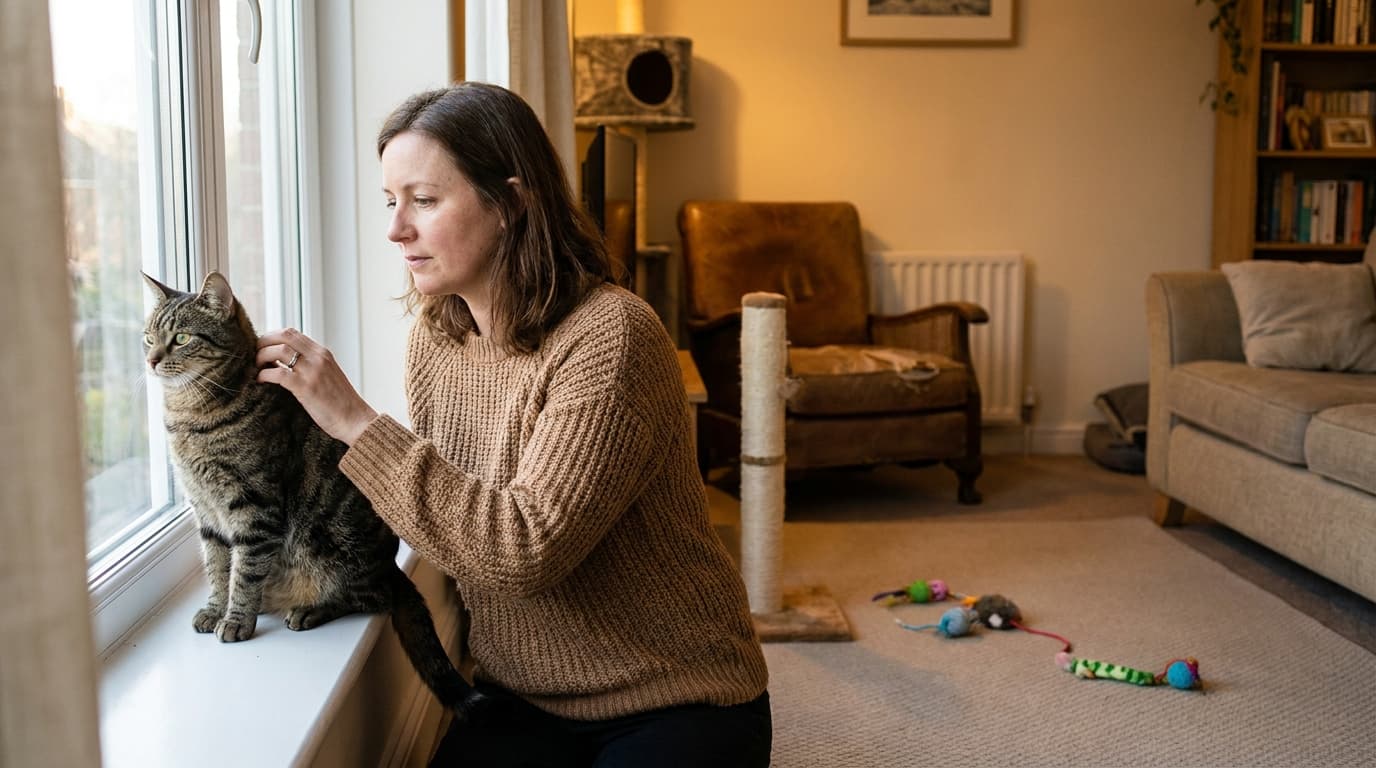
The best part is that many of these changes actually save you money or use what you already have. Upcycling old clothes into cat beds is a perfect example of how sustainability can be cozy and cheap. Whether you are looking into sustainable cat food brands or just trying a non-toxic flea treatment, every little choice helps protect the planet your cat loves to watch from the window.
You do not have to change everything overnight. Maybe start with a new bag of wood-fiber litter or a single toy made from natural hemp. Making your home a little bit greener is a journey you and your cat can take together, one paw print at a time. After all, a healthier planet means more sunny spots for naps, and that is a win for everyone.
Send it to someone who should read it next.
PurrScript Editorial Team
Editorial Team
PurrScript's in-house editorial team. We research, write, and review every guide using established veterinary and behavioral resources, and update articles as best practices evolve.
View all articles