Raising a Fearless Feline: The Secret to a Confident Kitten
Ever wonder why some cats act like tiny lions while others vanish the moment the doorbell rings? It turns out that a cat's brave personality isn't just luck. You actually...

PurrScript Editorial Team
Editorial Team
Raising a Fearless Feline: The Secret to a Confident Kitten
Ever wonder why some cats act like tiny lions while others vanish the moment the doorbell rings? It turns out that a cat's brave personality isn't just luck. You actually have a superpower during those first few weeks of life to shape how they see the world and interact with it.
Using a kitten socialization checklist is the easiest way to make sure your new friend grows up feeling safe and bold. From handling kitten paws and ears early on to introducing kittens to vacuum sounds without the drama, these small steps are the secret to confident cat development.
This guide covers how to use positive reinforcement for kittens and manage socialization with children so the whole family stays stress-free. You will get a clear plan to turn your fuzzy roommate into a fearless explorer who loves every part of their home.
Ever wonder why some cats are bold explorers while others hide under the couch? Most people think it’s just luck, but a cat’s personality is often made, not just born. You have a secret window of time - a literal superpower - to shape who your kitten becomes. Experts note that the first 2 to 9 weeks are vital for how a kitten sees the world. Their brains are basically sponges during this stretch.
How do you use this power? It’s all about a checklist. You want to introduce them to different people - think kids, men with beards, or friends in big hats. Also, handle 'sensitive zones' like paws and ears now to make future vet visits easy. Using treats to build positive associations helps them stay brave. The goal is a confident, calm adult cat. It starts with these small, intentional steps. What does this mean for you? It means you're building a friend for life.
Key insights:
- Early handling is directly linked to less aggression and fear in adult cats.
- Positive reinforcement works better than just letting a kitten 'get used' to scary noises like vacuums.
The Golden Window: Why Timing Is Everything
Have you ever wondered why some cats act like tiny, fearless lions while others bolt under the sofa the moment a guest walks in? It usually comes down to a very specific timeframe. Between 2 and 9 weeks of age, a kitten’s brain acts like a literal sponge. During this golden window, every new sound, smell, and person they meet helps shape how they see the world for the rest of their lives. Think of it as a biological deadline for building confidence.
Missing this window doesn't mean your cat is broken, but it does mean you will be playing catch-up later. Without early exposure to the weird stuff we humans do - like wearing big hats, clanking dishes, or having toddlers run around - a cat might grow up viewing everything new as a threat. We want to move them from being a scaredy cat to a confident explorer who genuinely enjoys their environment. Recent checklists suggest meeting at least five to ten different types of people during this phase, including children and even men with beards, to ensure nothing feels alien later on.
So, what is actually happening inside those fuzzy heads? Scientists call this the sensitive period. According to insights from iCatCare, these early weeks are when a kitten decides what is safe and what is scary. These experiences literally bake into their perception of reality. If they have positive interactions with different people and sounds now, their brain registers those things as normal background noise rather than a reason to panic.
This is about more than just being friendly; it is about practical, lifelong health. When a kitten learns early on that having their paws, ears, and mouth touched leads to treats, they are far less likely to struggle during vet exams or grooming sessions. It is much easier to teach a 6-week-old that a vacuum is not a monster than it is to convince an adult cat who has already decided it is a mortal enemy. By focusing on these sensitive zones now, you are setting them up for a calm, fear-free future.
Key insights:
- The 2-9 week window is the most critical time for brain development and perception of safety.
- Early handling of paws and ears makes future vet visits and grooming sessions much easier.
- Exposure to a variety of people, including children and men with beards, prevents fear of strangers.
- Positive reinforcement during the sensitive period reduces the chance of aggression in adult cats.
The Science of the 'Sensitive Period'
Ever wonder why some cats are social butterflies while others hide? It comes down to the sensitive period. Between 2 and 7 weeks, a kitten’s brain is like a sponge, deciding if the world is safe. International Cat Care notes these early weeks are vital for how a cat views the world forever.
Think of it as baking. Once the timer goes off, the shape is set. When a kitten meets new people or hears a vacuum and has a good experience, they learn that new isn't scary. Handling their paws and ears now leads to less aggression and better behavioral health later.
Using treats and play now gives your kitten a head start on being a calm adult. It is the best way to ensure they stay confident even when life gets a little loud.
Key insights:
- The primary socialization window is short, peaking between 2 and 7 weeks.
- Positive experiences now act as a shield against future anxiety.
- Early handling of paws and ears prepares kittens for stress-free vet visits.
The 'Touchy-Feely' Phase: Prepping for the Vet
Imagine your kitten at the vet. For most cats, it is a high-stress event full of hiding and hissing. But it does not have to be that way. Touching your kitten's paws and ears right now is a huge gift to your future self and your vet. By starting early, you turn a potentially scary exam into something they barely notice. It is about making the unusual feel completely normal.
The timing here is everything. Most experts agree that the prime window for socialization happens between 2 and 9 weeks of age. During this period, a kitten's brain is like a sponge, deciding what is safe and what is a threat. If you spend time gently handling their sensitive zones, like the tail, mouth, and those tiny toe beans, you are teaching them that human touch is a good thing. This simple habit actually leads to less aggression as they grow up.
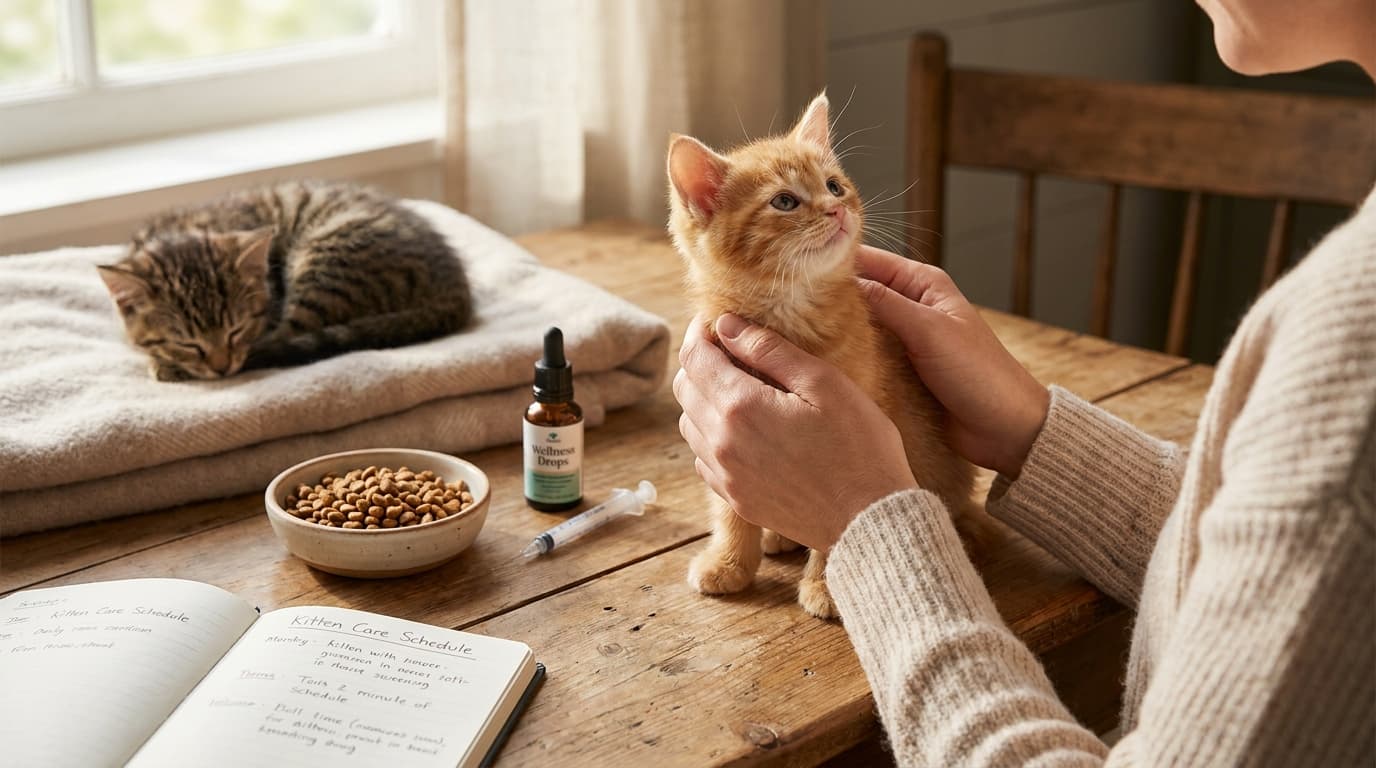
So, how do you do this without the drama? You use a simple method called 'Touch and Treat.' It is exactly what it sounds like. You touch a specific spot, like a single claw or the tip of an ear, for just one second. Then, you immediately give them a high-value reward like a lickable treat or a tiny piece of chicken. You want them to think that being handled results in the best snacks they have ever had.
You can even turn claw checks into a game. Instead of a struggle, just gently press a paw to see the nail, give a treat, and let go. This kind of gradual exposure is much better than trying to force a full grooming session all at once. It builds a foundation of trust that keeps them calm when the vet needs to do a real exam later on. What does this mean for you? It means fewer scratches and a much happier cat.
Think of every positive touch as a deposit into your cat's confidence bank. As the team at Englehart Animal Hospital points out, the goal is to help your kitten grow into a calm and well-adjusted adult. By making these exercises part of your daily routine, you are ensuring your cat stays fearless and friendly for years to come. It takes only a few minutes a day, but the payoff lasts a lifetime.
Key insights:
- Focusing on sensitive zones like the mouth and paws early on reduces fear during future medical exams.
- The one-second touch rule prevents the kitten from feeling trapped or overwhelmed during training.
- High-value treats create a positive association that outweighs the weirdness of being handled.
Mastering the 'Touch and Treat' Method
Ever tried to trim a cat's nails only to feel like you're wrestling an angry octopus? It doesn't have to be that way. The trick is starting early with your kitten by using a simple one-second rule. Instead of jumping straight to the clippers, just lightly touch one paw for a single second. Immediately follow that touch with a lick of wet food or a high-value treat. This creates a positive association where your kitten learns that having their paws handled leads to something delicious.
This approach is a key part of any kitten socialization checklist. You aren't just limited to paws, either. You should gently handle their ears, tail, and even their mouth to get them ready for future vet exams. By using positive reinforcement for kittens during these sensitive moments, you're building a foundation for confident cat development. It turns a potentially scary medical checkup into just another snack session.
What happens if they pull away? Just stop and try again later with an even smaller movement. The goal is to keep the experience stress-free. When you consistently practice handling kitten paws and ears, you'll find that checking claws becomes drama-free. You're teaching them that your touch is safe, which makes life much easier for both of you as they grow up.
Key insights:
- The one-second touch rule prevents the kitten from feeling overwhelmed or trapped.
- Targeting sensitive zones like ears and paws early on reduces aggression during future vet visits.
- High-value rewards are essential to counter-condition the natural 'flight' response during grooming.
Making Peace with the 'Vacuum Monster'
Ever seen a kitten teleport to the top of a bookshelf the second you click the vacuum on? We call it the 'Vacuum Monster' for a reason, but how we handle that fear makes all the difference. A common mistake is 'flooding' - basically forcing a kitten to stay in the room with a loud noise until they supposedly get used to it. Here is the thing: that approach almost always backfires. Instead of becoming brave, the kitten learns that their environment is unpredictable and scary, which can lead to a lifetime of hiding under the bed.
Real confidence comes from controlled exposure during the critical socialization window, which starts as early as two weeks and can last until they are about 14 weeks old. During this time, their brains are wired to decide what is safe and what is a threat. You can actually start this process without even touching a vacuum. Use digital recordings of thunder, sirens, or fireworks at a very low volume while your kitten is busy playing or eating. It creates a 'noise library' in their head where these sounds are just background static rather than reasons to panic.
To move from recordings to the real deal, you need a step-by-step plan. Start by placing the vacuum in the middle of the room while it is turned off and let them sniff it. When you are ready for noise, have someone else turn it on in a completely different room while you feed your kitten high-value treats nearby. The goal is to keep the sound at a level where they notice it but do not feel the need to run away. If they stay calm, they get the snack. It is a simple trade: loud noise equals delicious rewards.
Once they are comfortable with the distant hum, you can gradually bring the vacuum closer over several days. This same logic applies to the rest of your kitchen 'monsters' like blenders, hair dryers, and even the sudden chime of a doorbell. Using the 'Touch and Treat' method - where a specific sound or touch is immediately followed by a favorite snack - reprograms their survival instincts. You are not just dampening their fear; you are teaching them that a busy, noisy home is actually a pretty great place to live.
What does this mean for your daily life? It means you won't have to lock the cat away every time you want to clean the rugs or dry your hair. By taking it slow now, you are preventing the 'learned fear' that makes adult cats so skittish. It is about building a foundation of trust where your kitten looks to you for cues on how to react. When they see you are calm and the treats are flowing, the 'Vacuum Monster' loses its power and just becomes another weird, loud thing that happens in the house.
Key insights:
- Flooding a kitten with noise causes long-term anxiety rather than building courage.
- The 2-14 week window is the best time to build a positive 'noise library' using digital sounds.
- High-value treats help rebrand scary household appliances as 'snack triggers' through positive reinforcement.
- Gradual habituation ensures the kitten's flight response is never triggered during the training process.
A Step-by-Step Noise Desensitization Plan
Imagine your kitten's first encounter with a vacuum. Usually, it ends with a puff of fur disappearing under the couch. It doesn't have to be that way. You can actually teach your cat that the 'scary' closet monster is just a noisy neighbor.
The trick is starting small. Try running the vacuum in a different room while your kitten is busy eating. This creates a positive link between the noise and their favorite meal. We know that gradual exposure works much better than 'flooding' them with loud sounds all at once. If they stay relaxed, reward that calm behavior with a high-value treat or a quick game of fetch.
Once they are cool with the distant hum, move closer. You can expand this to hair dryers, blenders, and even the doorbell. Some owners even play recordings of thunderstorms or sirens at low volume to prep them for the real thing. It builds their confidence one snack at a time. This matters because a fearless kitten grows into a calm, well-adjusted adult who won't bolt every time you clean the rugs.
Key insights:
- Gradual habituation is far more effective and less stressful than sudden exposure.
- Pairing scary noises with mealtime creates a powerful positive association.
- Digital recordings are a great way to safely introduce outdoor sounds like sirens or fireworks.
Tiny Humans and Tiny Cats: A Survival Guide
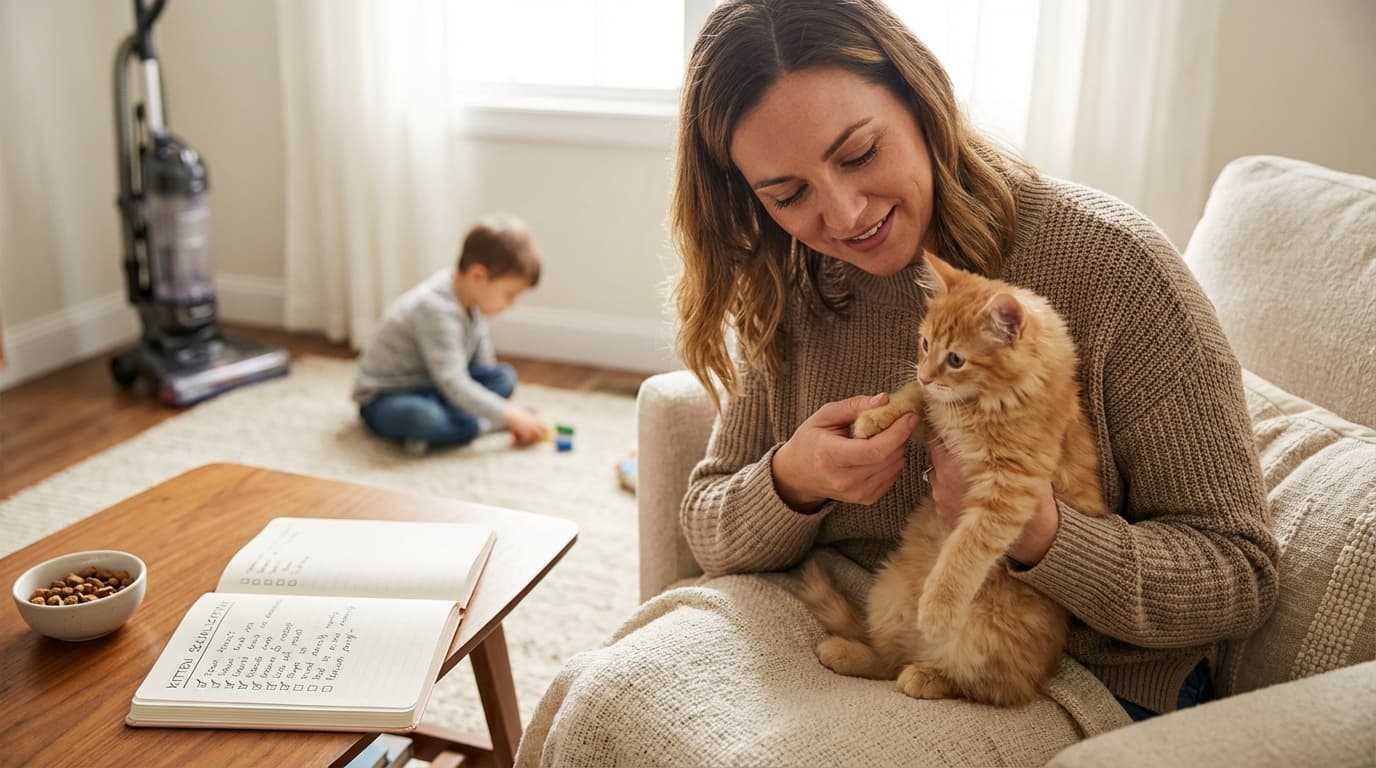
Think about the first time a toddler sees a kitten. It is usually a chaotic mix of high-pitched squeals and a very fast, very confused furball. To keep the peace, the golden rule is simple: let the kitten make every single move. We like to tell kids to act like statues during these first meetings. If they sit still on the floor and wait, the kitten’s natural curiosity eventually wins out. This patience builds a level of trust that you just cannot rush, and it ensures the kitten feels in control of the situation from the start.
Since the critical socialization window is so short, often starting at 2 weeks and closing by 9 or 14 weeks, these early interactions are vital. A good kitten socialization checklist involves meeting all kinds of people, from children to men with beards or people wearing glasses. Use feather toys or wand toys instead of your hands during playtime. This teaches the kitten that hands are for petting while toys are for hunting, which saves many tiny fingers from accidental scratches and nips as the kitten grows into an adult.
During supervised socializing, you have to be a bit of a detective. Watch for the flight response, which shows up as flattened ears, a tucked tail, or a sudden dash for the underside of a couch. If the kitten looks stressed, give them immediate space. You can bridge the gap between a nervous kitten and a high-energy toddler by using positive reinforcement. When a child gently drops a tasty snack nearby, the kitten starts to associate that scary small human with something delicious. It turns a potential fright into a fun game for the cat.
Do not forget to practice handling kitten paws and ears while everyone is relaxed. Using a touch and treat method, where you briefly touch a sensitive zone like a claw or an ear then immediately give a reward, prepares them for future vet exams. This kind of systematic desensitization makes life easier for everyone later on. The real goal is to help your kitten grow into a calm, well-adjusted adult cat who is not bothered by the typical noise and chaos of a busy family home.
Key insights:
- Letting the kitten initiate contact prevents the flight response and builds long-term confidence.
- Using toys instead of hands for play sets clear boundaries and prevents biting habits from forming.
- Daily handling of sensitive areas like ears and paws makes future grooming and vet visits stress-free.
- Positive reinforcement with treats helps kittens associate children with rewards rather than fear.
Supervised Socializing: Keeping it Stress-Free
Imagine a toddler rushing toward a tiny kitten with open arms. It looks like love, but to a kitten, it can feel like a giant predator is attacking. This is where the flight response kicks in. If you see ears flatten, eyes go wide, or a tail tuck as they look for a hiding spot, the interaction is moving too fast. The secret is always letting the kitten make the first move.
You can bridge the gap between children and kittens by using high-value treats. Have the child sit quietly on the floor and drop a snack a few feet away. This turns a scary stranger into a treat dispenser. It is much better than forcing a hug. Since socialization with kids needs active supervision, your main job is making sure the kitten never feels cornered or trapped.
These early, positive moments prevent a lifetime of your cat hiding under the sofa when guests arrive. By keeping meetings stress-free, you teach your kitten that the world is a safe place. It is really just about building trust one bite at a time.
Key insights:
- Watch for flattened ears or a tucked tail as signs the kitten needs a break.
- Let kittens approach children first rather than being picked up or chased.
- Use treats to create a positive association with loud or fast-moving toddlers.
Your Go-To Kitten Socialization Checklist
Think of the first few weeks of a kitten's life as a wide-open door. Between 2 and 9 weeks - though some experts say the window stays open until 14 weeks - your kitten is a total sponge for new experiences. This is the primary socialization period. If they do not see it, hear it, or feel it now, they might be afraid of it for the rest of their lives. The goal is to help them grow into a calm, well-adjusted adult cat who does not bolt under the sofa every time the doorbell rings.
A great place to start is the 10 People rule. It sounds like a lot, but the idea is to introduce your kitten to at least ten different types of people. Think kids, men with big beards, people in floppy hats, and friends wearing clunky glasses. To a tiny kitten, a person in a hoodie looks completely different from someone in a suit. If they meet a wide variety of humans now, they learn that human equals friend, no matter what that person is wearing or how they walk.
Next, look at your home through their eyes. Have they walked on hardwood, carpet, and crinkly tile? Have they explored a carrier or climbed a few stairs? You can even use digital socialization by playing quiet recordings of thunderstorms or sirens while they eat. While you are at it, try the Touch and Treat method. Touch a paw, an ear, or their tail for one second, then immediately give a high-value reward. This prepares them for future vet visits so clipping claws does not become a scary wrestling match later on.
The most important part of this checklist is watching how they react. We want to avoid learned fear, where one scary experience sticks for life. If you are introducing a vacuum, start with it turned off in another room. Use treats to create a positive association. If they look stressed, back off. Socialization should be a series of small wins, not a sink or swim moment. This gradual approach is way more effective than just throwing them into a noisy situation and hoping for the best.
Key insights:
- Early handling of paws and ears directly reduces aggression and fear in adult cats.
- Gradual exposure to sounds like vacuums works better than sudden, loud introductions.
- Using recorded audio of fireworks or sirens can build confidence in a controlled environment.
- Active supervision is vital when kittens meet children to ensure the kitten feels safe to approach first.
Common Questions About Kitten Growth
Ever wonder why some cats hide under the bed when the doorbell rings while others run to greet guests? It usually comes down to those first few months of life. Most experts agree that the most important socialization window for a kitten happens between 2 and 7 weeks, though that learning period can stay open until about 14 weeks. If you are worried you have missed the boat, do not panic. It is less about a strict deadline and more about making sure those early experiences are actually good ones.
One of the biggest questions new owners have is how to make their kitten feel brave around people. The secret is variety. Try to introduce your kitten to at least 5 to 10 different types of people, including children, men with beards, or friends wearing hats and glasses. If you make these meetings fun with high-value treats or a favorite toy, your kitten starts to see strangers as a source of snacks and play. This simple step is the key to raising a cat that actually enjoys having company over.
Then there is the issue of scary household sounds, like the vacuum. Instead of just turning it on and hoping for the best, try a gradual approach. You can even use recordings of thunderstorms or sirens at a low volume while your kitten eats. This is called desensitization. You are teaching them that loud noises are just background noise, not a threat. It is much more effective than just throwing them into a scary situation and expecting them to deal with it.
Also, do not forget to handle sensitive zones like the paws, ears, and tail. Using a touch and treat method - where you touch a paw for one second and immediately give a reward - makes future vet visits so much easier. When you handle these areas daily, you are basically prep-paying for a calmer adult cat. As the team at Englehart Animal Hospital says, the goal is to help your kitten grow into a confident, calm, and well-adjusted adult. It takes a little patience now, but it saves a lot of stress later.
Key insights:
- Early handling of paws and ears directly correlates with reduced aggression during future vet exams.
- Gradual habituation to noises is far more effective than sudden exposure, which can cause lifelong fear.
- Socializing with children requires active supervision to ensure the kitten does not feel cornered or trapped.
Frequently Asked Questions
Don't worry, you haven't missed the boat. While that golden window for socialization usually peaks between two and nine weeks, many experts agree it stays open until around 14 weeks. If your kitten is already a bit older, you can still make a huge impact on their personality.
The main difference is that you might need to move a little slower. Use plenty of treats and let them come to you. Even if they are past the four month mark, consistent handling and positive experiences will still help them grow into a much calmer adult cat.
You should aim for your kitten to meet about five to ten new people every week. But here is the thing, it is more about the variety of people than just the raw number. You want them to realize that humans come in all shapes and sizes.
Try to introduce them to children, men with beards, and people wearing things like hats or glasses. Just make sure the kitten is the one making the first move. If they feel like they can walk away whenever they want, they will feel much more confident about making new friends.
You definitely can, but it really depends on what you're trying to teach. For basic things your kitten already likes, regular kibble is a great way to keep them motivated without overfeeding.
But if you're working on something scary like the vacuum or a carrier, you'll probably need the good stuff like tiny bits of chicken or tuna. Think of it like this: kibble is a high five, while a high-value treat is a big promotion. When you're doing something like the 'Touch and Treat' method for their paws or ears, using a special snack helps them form that positive memory much faster.
It's usually because they haven't learned yet that new people are actually friends. Kittens have a really short window between 2 and 7 weeks old where they decide what's safe and what's scary. If they didn't meet a lot of different people during that time, a stranger walking into the room can feel like a big threat.
The best way to help is to keep things low-key. Have your friends sit on the floor and let the kitten come to them first. If your friend tosses a treat or uses a feather toy, your kitten will start to associate 'new person' with 'fun game' instead of 'scary giant.' It takes a bit of patience, but building that confidence now helps them stay calm as an adult.
Conclusion
So, what does it take to turn a tiny puff of fur into a cat that actually enjoys life's little surprises? It really comes down to using that early window of time to show them the world isn't a scary place. When you combine gentle handling of their paws and ears with a slow introduction to things like vacuum sounds, you are building a foundation of trust that lasts forever.
Socialization isn't just about avoiding a cat that hides under the bed when guests arrive. It is about giving your kitten the confidence to explore, play, and handle vet visits without the stress. Using positive reinforcement for kittens makes these lessons feel like a game, which strengthens your bond while they learn how to be a brave adult.
Your next move is simple: grab a kitten socialization checklist and start small. Whether it is meeting new friends or getting used to the blender, keep it fun and reward every brave moment. A little patience now means a lifetime of happy purrs and a truly fearless best friend by your side.
Send it to someone who should read it next.

PurrScript Editorial Team
Editorial Team
PurrScript's in-house editorial team. We research, write, and review every guide using established veterinary and behavioral resources, and update articles as best practices evolve.
View all articles